
Jallianwala Bagh: History, Visitor Guide & Local Itinerary Tips

Ananya Sharma
December 3, 2025
Plan your Jallianwala Bagh visit with practical timing advice, historical context, respectful-visit guidance, and nearby route planning tips.
Jallianwala Bagh: Complete Visitor and History Guide
Jallianwala Bagh is one of the most significant public memory sites in India. Located in Amritsar, it marks the place where colonial troops opened fire on a largely unarmed gathering on 13 April 1919, during Baisakhi. The massacre became a defining moment in the Indian independence movement and changed political sentiment across the country. A visit here is not ordinary sightseeing. It is an encounter with one of the most painful chapters in modern South Asian history.
For first-time visitors to Amritsar, this site is often paired with golden temple amritsar timings. That pairing works well geographically, but both places require different emotional approaches. The Golden Temple offers spiritual serenity, while Jallianwala Bagh asks for historical reflection and civic remembrance. Give each site dedicated time rather than compressing both into a rushed stop.

Historical Context Before the Massacre
To understand Jallianwala Bagh, visitors should know the broader political climate of 1919. The Rowlatt Act had expanded repressive powers, allowing detention without normal judicial safeguards. Public anger was rising across regions, and gatherings were increasingly seen as threats by colonial administration. In Punjab, tensions were particularly high due to wartime pressure, political censorship, and aggressive policing.
On Baisakhi day, people gathered in and around the garden for different reasons, including protest and festival movement. Once firing began, the enclosed layout and limited exits created panic and deadly congestion. The incident quickly became a national shock, not only because of casualty scale but because of the deliberate nature of the violence.
What Happened on 13 April 1919
Colonial troops entered the site and fired repeatedly at the crowd without meaningful warning for safe dispersal. Eyewitness narratives describe people trapped in confusion, running toward narrow exits, falling under sustained gunfire, or jumping into the well inside the premises. Official and independent casualty counts differ, but all serious historical accounts agree that the loss of life was extensive and catastrophic.
The massacre triggered a moral rupture in public trust toward British rule. It sharpened anti-colonial mobilization and influenced political strategies in the years that followed. The event remains central to discussions of state violence, civil liberties, and public accountability.
Key Memorial Points Inside the Site
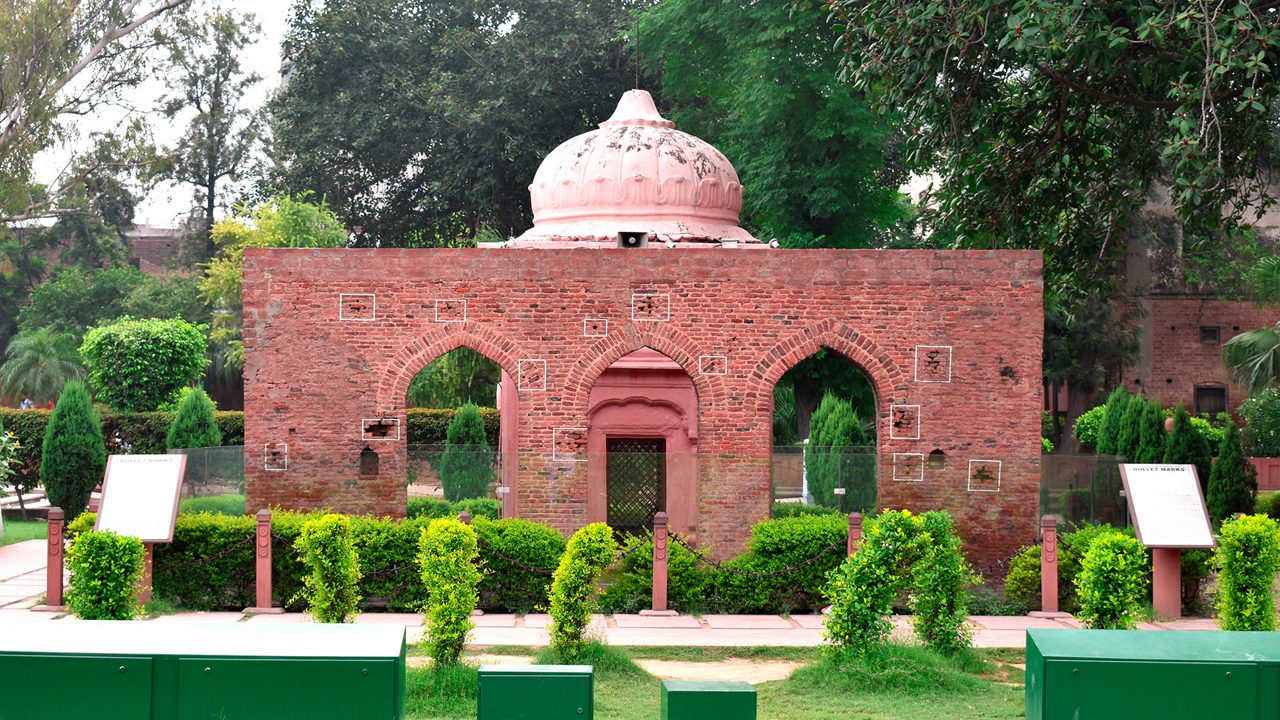
1. Bullet Mark Wall
Preserved wall sections with marked bullet impacts are among the strongest evidence features at the memorial. Spend time here and read corresponding information boards carefully.
2. Martyrs' Well
The well commemorates those who jumped in during firing to escape. It is an emotionally intense point and should be approached with silence and respect.
3. Main Memorial Structure
The central monument symbolizes sacrifice and national remembrance. It is often where visitors pause longest before moving to galleries.

Museum and Interpretation
The memorial complex includes curated interpretation elements that help visitors understand chronology, policy context, and social impact. Depending on current operations, you may see archival displays, narratives on key figures, and visual storytelling formats. These sections are essential if you want more than a surface-level visit.
Take time to read inscriptions and panels fully. Many travelers move quickly for photos, but the educational content is where historical understanding deepens. A meaningful visit usually takes at least one to two hours.
Timings, Entry Fee, and Visit Planning
| Visitor Detail | Recommended Planning |
|---|---|
| Entry Fee | Generally free for all visitors |
| Opening Window | Daily daytime to evening schedule (verify locally) |
| Ideal Duration | 60-120 minutes with galleries |
| Best Slot | Morning for quieter reflection |
Because memorial schedules and access controls can change on national dates or maintenance periods, always confirm timings on arrival in Amritsar.
How to Reach Jallianwala Bagh
Jallianwala Bagh is in Amritsar’s heritage core and is accessible by walking from nearby drop points around the old city. From railway and bus terminals, autos and cabs are easy to find. Keep extra time if you travel during weekends, holidays, or major pilgrimage dates, as crowd movement can be slower than map estimates.
You can structure your route using places to visit amritsar so that walking-heavy zones are grouped together and transit fatigue stays low.
Best Time to Visit
October to March offers the most comfortable weather for walking and reflective exploration. Early morning is ideal for lower crowd density and calmer pace. Evenings can be busier but still manageable if you arrive before peak footfall. Summer afternoons are harsh and may reduce your willingness to spend time reading key interpretation displays.
If you are traveling with family members who are sensitive to emotionally intense historical content, brief them in advance and allow flexible pacing inside the memorial.
Suggested Amritsar Day Plan Around Jallianwala Bagh
- Morning: Start at Jallianwala Bagh for focused historical engagement.
- Late Morning: Walk to nearby sacred and heritage points.
- Afternoon: Rest and local meal break.
- Evening: Attend wagah border ceremony if logistics allow.
This itinerary balances emotional and physical energy while still covering key sites in one day.

Responsible Visitor Conduct
- Speak softly and maintain decorum at memorial points.
- Avoid theatrical poses or insensitive content creation.
- Do not climb or touch protected structures.
- Read on-site interpretation before drawing conclusions.
- Respect crowd flow and give others space for reflection.
Memorial spaces ask for different behavior than leisure attractions. Responsible conduct improves the experience for everyone and honors the purpose of the site.
Common Mistakes to Avoid
- Treating the memorial as a quick stop between shopping and food plans.
- Ignoring historical context and relying only on short social media summaries.
- Skipping preserved evidence points like bullet marks and the well.
- Planning no buffer time for old city crowd movement.
- Leaving without reading key interpretive displays.
If your broader Punjab trip continues, things to do in punjab can help you add cultural, spiritual, and historical stops with a better regional sequence.
Why Jallianwala Bagh Still Matters
Jallianwala Bagh remains vital because it teaches how unchecked power can devastate civilians and reshape national history. It is a site of mourning, but also of civic learning. Each visit can renew public commitment to dignity, rights, and institutional accountability.
Approach the space slowly, read with attention, and leave with questions. That is the most meaningful way to engage with Jallianwala Bagh and with the memory of those whose lives ended here in 1919.
Before you exit, revisit one memorial marker a second time. This small pause often turns an informative visit into a lasting personal understanding of why this place continues to matter.
For Students, Researchers, and First-Time Learners
Jallianwala Bagh is one of the best places in India to teach how history is built from space, testimony, and policy context together. Students should not read the event only as a date in a timeline. They should map where people stood, how exits functioned, what legal environment existed, and how news of the massacre traveled. This multi-layered method creates stronger historical literacy.
If you are visiting with a school or college group, assign small themes before entry and hold a short debrief afterward. One team can focus on pre-1919 laws, another on eyewitness narratives, another on memorial architecture, and another on long-term political impact. This turns the site visit into active learning rather than passive consumption.
Travelers who prefer complete city context can also check tourist attractions india as a planning base, then prioritize depth over quantity while scheduling Amritsar.
Location
Frequently Asked Questions
Q1.What is Jallianwala Bagh known for?
Q2.How much time is needed to visit Jallianwala Bagh?
Q3.What is the best time to visit Jallianwala Bagh?
Q4.Can Jallianwala Bagh be combined with Golden Temple in one day?
Q5.Is Jallianwala Bagh suitable for family and students?
Q6.What budget is needed for a short heritage visit in Amritsar?
Q7.What is the best route sequence for nearby attractions?
Q8.What mistakes should visitors avoid while planning?
Recommended For You
Top 50 Tourist Attractions in India: Bucket List by Region
Discover India's top 50 tourist attractions from Taj Mahal to Kerala backwaters. Comprehensive guide covering heritage sites, natural wonders, spiritual destinations & wildlife.
Places to Visit in Amritsar: Golden Temple Circuit & City Highlights
Best places to visit in Amritsar. Golden Temple, Wagah Border, Jallianwala Bagh & Punjab attractions.

Best Street Food in Mumbai: Top 25 Must-Try Dishes & Locations
Discover the best street food in Mumbai - from iconic vada pav and buttery pav bhaji to spicy misal pav and delicious chaat. Explore 25+ must-try dishes, famous food locations, hygiene tips, and price guides in this comprehensive Mumbai street food guide.
Never Miss an Adventure
Get the latest trekking guides, travel tips, and exclusive offers delivered straight to your inbox.
