
Katsura Imperial Villa Kyoto: Booking Process, Timings & Visitor Rules

Rohan Malhotra
December 31, 2025
Complete guide to visit Katsura Imperial Villa in Kyoto. Booking, tours, history, architecture & how to reach this Japanese architectural masterpiece.
Katsura Imperial Villa Kyoto Japan: Complete Visit Guide
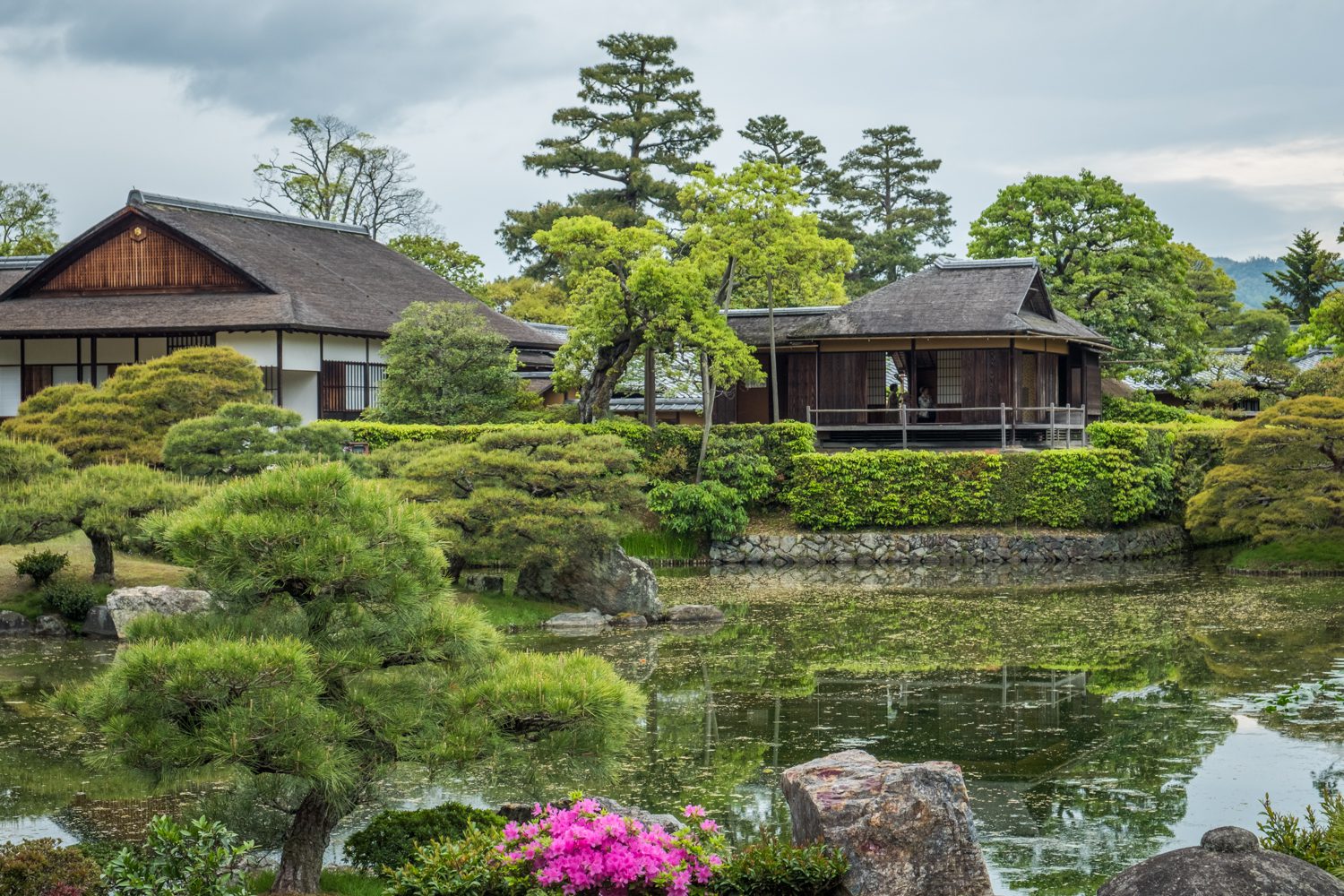
Katsura Imperial Villa, often called Katsura Rikyu, is one of Kyoto’s most admired architectural and garden ensembles. It is not a typical palace with grand monumental scale. Its power lies in precision, proportion, restraint, and careful sequencing of movement through built and natural spaces. Visitors who expect loud spectacle may initially find it understated, but those who observe slowly usually consider it one of the most refined heritage experiences in Japan.
The villa represents a mature design philosophy where architecture is inseparable from landscape. Rooms, verandas, paths, pavilions, water, and framed views are planned as one continuous composition. If your Kyoto route includes temple and garden sites, combine Katsura with ryoan ji temple kyoto japan to compare two different expressions of Japanese spatial discipline and contemplative design.

Historical Background of Katsura Rikyu
Katsura Imperial Villa developed during the early Edo period and is associated with the Hachijo-no-miya imperial family line. Construction and expansion occurred in phases rather than a single campaign, which helps explain the subtle layering visible today. The complex was created as a retreat space, but its cultural significance became far greater over time because of the coherence between architecture, garden choreography, and aesthetic values.
Unlike many heavily transformed historic compounds, Katsura preserved a strong sense of original design intention. This continuity has made it influential for architects, historians, and landscape scholars globally. Modern designers often reference Katsura when discussing minimalism, modular planning, and the relationship between interior threshold and exterior nature.
Architecture: Precision, Material, and Rhythm
The villa’s architectural language depends on timber structure, tatami-based room ordering, sliding partitions, and carefully calibrated openings. Instead of rigid monumentality, you get flexible spatial transitions. Rooms can expand or contract visually through screen operation, while verandas function as transitional bands between interior life and garden viewing.
Material restraint is deliberate. Natural textures, muted finishes, and measured detailing create calm focus. Ornament exists, but it is controlled and purposeful. This is why the site feels sophisticated without relying on decorative excess. For many visitors, the most memorable feature is not a single hall, but the choreography of movement from one vantage point to another.
Garden Design and the Walking Experience
Katsura’s garden is not a backdrop; it is a central design engine. Paths guide perspective, ponds shape reflection, bridges control pacing, and planting frames seasonal change. The visitor journey is curated through sequence: approach, pause, reveal, and transition. Every turn appears effortless, yet the composition is meticulously planned.
Because the site is designed around controlled viewing rhythm, avoid rushing to capture only headline photos. Slow movement reveals how sightlines are built. Notice how structures appear and disappear through vegetation or path curvature. This dynamic visibility is part of Katsura’s genius.
Travelers comparing global garden-architecture traditions may also appreciate sigiriya rock fortress sri lanka, where landscape and power symbolism are integrated in a very different historical style.

How to Visit: Booking and Access Expectations
Katsura access is usually managed through controlled visitation systems, and open walk-in assumptions can lead to disappointment. Travelers should treat booking as essential planning, not last-minute optional work. Because administrative policies can change, always check the current official process before travel dates. Do not rely on outdated forum posts.
When booking, pay attention to language options, tour format, and check-in requirements. Arrive early enough for verification and orientation so your visit starts calmly. Controlled entry is part of preserving site quality, and visitors should respect staff guidance throughout the route.
Best Time to Visit Katsura Imperial Villa
Katsura is rewarding year-round, but each season offers a different reading. Spring and autumn are popular for color transitions and comfortable weather. Summer emphasizes lush green density and humidity, while winter offers cleaner lines and quieter atmosphere. Your choice depends on whether you prioritize foliage color, crowd levels, or architectural clarity.
Morning slots often feel more focused, with better pacing and lower visual clutter in photographs. Regardless of season, wear comfortable footwear and plan for gentle walking across garden paths.
What to Observe During the Tour
- How building edges frame pond views and guide visual attention.
- How tatami modules influence room proportions and movement.
- How light quality changes across thresholds and screen layers.
- How path direction controls reveal timing of pavilions.
- How minimal material palette supports long-term visual harmony.
These details help first-time visitors engage deeply even without technical training in architecture.
Suggested Kyoto Heritage Sequence
| Time Block | Suggested Plan |
|---|---|
| Morning | Katsura Imperial Villa guided visit and garden study |
| Afternoon | City lunch + temple or museum segment |
| Evening | Light urban walk and cultural district exploration |
This structure keeps cognitive load balanced, since Katsura is detail-heavy and best experienced when attention is fresh.
Photography and Conduct Guidelines
- Follow current photography rules strictly; restricted zones must be respected.
- Avoid blocking paths in narrow garden sections.
- Keep conversation volume low to maintain shared atmosphere.
- Do not touch fragile surfaces, joinery, or garden features.
- Arrive prepared so entry procedures remain smooth.
Responsible behavior is essential because preservation depends on controlled movement and minimal disturbance.
Common Mistakes to Avoid
- Assuming unrestricted walk-in entry without prior booking checks.
- Treating the site as a fast photo stop rather than a guided sequence.
- Comparing it unfairly with grand castles instead of appreciating its design language.
- Skipping seasonal and weather planning for outdoor garden movement.
- Overloading the same day with too many heritage-heavy stops.
If you enjoy comparative architectural study, add temple sacred tooth sri lanka and galle dutch fort sri lanka to your long-range reading list for cross-cultural perspective on power, ritual, and spatial planning.
Why Katsura Imperial Villa Is a Must-Visit for Design Travelers
Katsura is a masterclass in controlled elegance. It shows how architecture can be profound without excess and how landscape can structure meaning through movement. The site rewards attention, patience, and humility more than speed.
Visit with clear expectations, secure booking details in advance, and focus on sequence rather than checklist coverage. That approach turns Katsura from a niche stop into one of the most intellectually satisfying heritage experiences in Kyoto.
Before you leave, mentally reconstruct the route in order. This quick recap helps you retain the spatial logic that makes Katsura so influential in architectural discourse.
Katsura for First-Time Visitors: How to Get More From the Tour
First-time visitors often focus on taking photos and miss the spatial narrative. A better approach is to assign yourself three observation themes before entry: transitions, materials, and views. For transitions, note every threshold where interior space blends into exterior path. For materials, observe timber texture, paper screens, and subtle finish variation. For views, track how each stop edits what you can and cannot see. This method makes the tour far more engaging.
If you are visiting with friends or family, each person can take one theme and share notes afterward. This keeps everyone attentive and reveals details that one person alone might overlook.
Where Katsura Fits in a Wider Japan Heritage Journey
Katsura is excellent for travelers interested in how restraint-based design differs from monumental architecture. You can pair it conceptually with sacred and fortified spaces across Asia to compare how power and beauty are expressed through space. For example, readers exploring broader heritage narratives may also review temple of literature vietnam for educational-cultural architecture in a distinct tradition.
This cross-site comparison approach turns a single visit into a stronger long-term learning framework.
Location
Frequently Asked Questions
Q1.How do I book a tour of Katsura Imperial Villa?
Q2.Where is Katsura Imperial Villa located in Kyoto?
Q3.What is the best time to visit Katsura Imperial Villa?
Q4.How long does a tour of Katsura Imperial Villa take?
Q5.Can I visit Katsura Imperial Villa without a reservation?
Q6.Are there English tours available at Katsura Imperial Villa?
Q7.What should I wear when visiting Katsura Imperial Villa?
Q8.Is photography allowed inside Katsura Imperial Villa?
Recommended For You
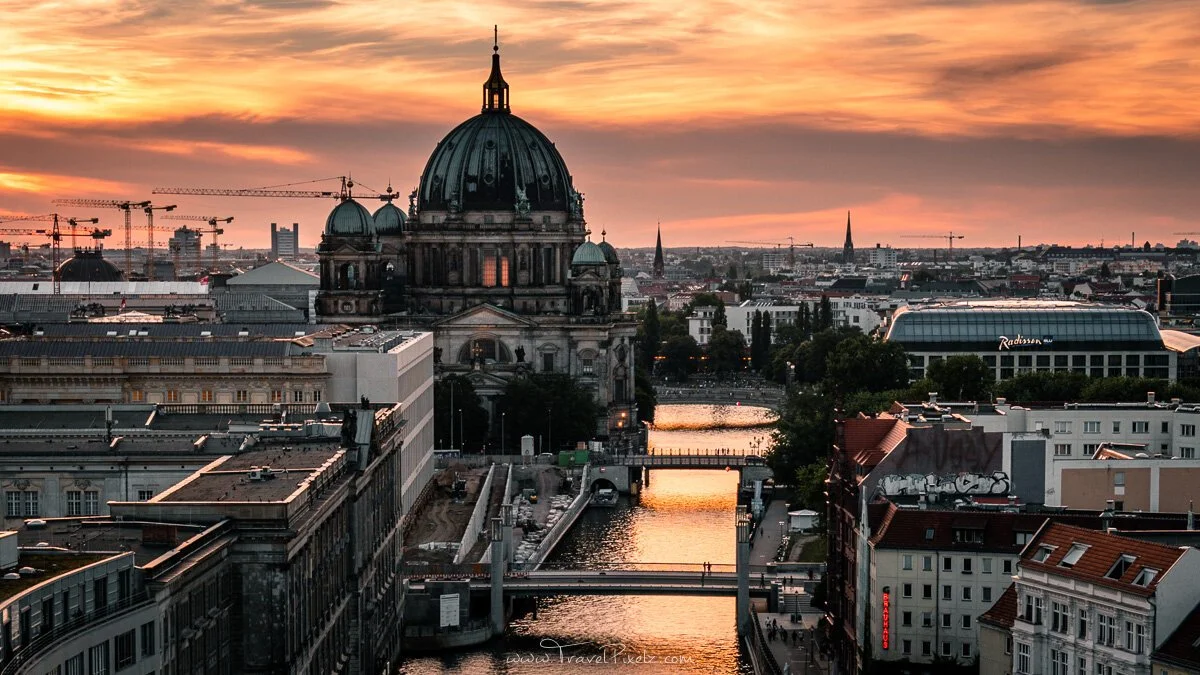
Berlin Cathedral: History, Timings and Visitor Tips
Plan your Berlin Cathedral visit with history, dome strategy, architecture focus, and practical Museum Island route guidance.

Galle Dutch Fort Sri Lanka: History, Walking Route & Nearby Cafes
Explore Galle Dutch Fort Sri Lanka: UNESCO heritage status, history, things to do, best time to visit, how to reach, shopping, food, stays, timings, and entry fee info.
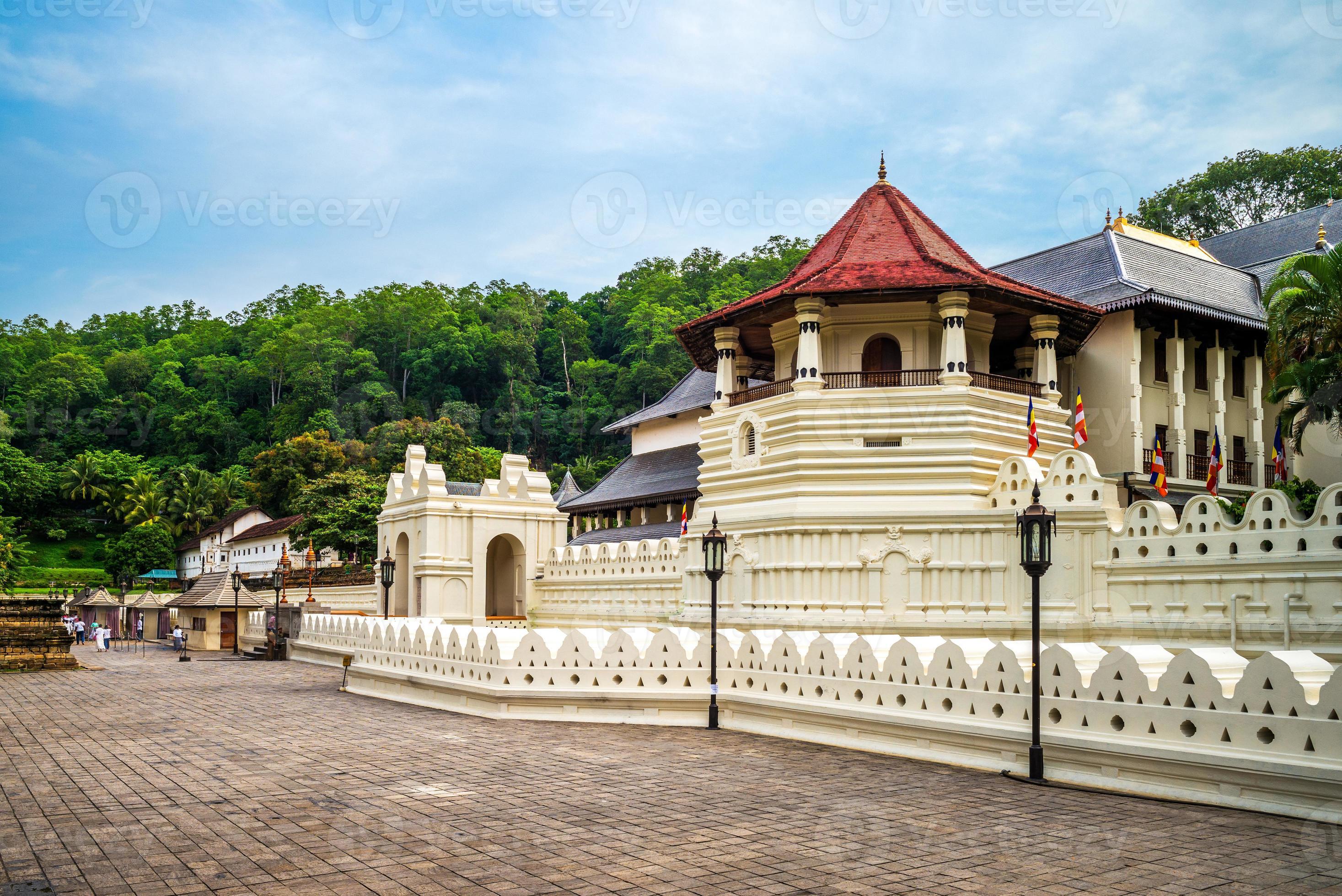
Temple of the Sacred Tooth Relic Kandy: Timings, Dress Code & Entry
Visit Sri Dalada Maligawa, Kandy's sacred temple housing Buddha's tooth. Discover timings, dress code, rituals, history & travel tips.
Never Miss an Adventure
Get the latest trekking guides, travel tips, and exclusive offers delivered straight to your inbox.
