
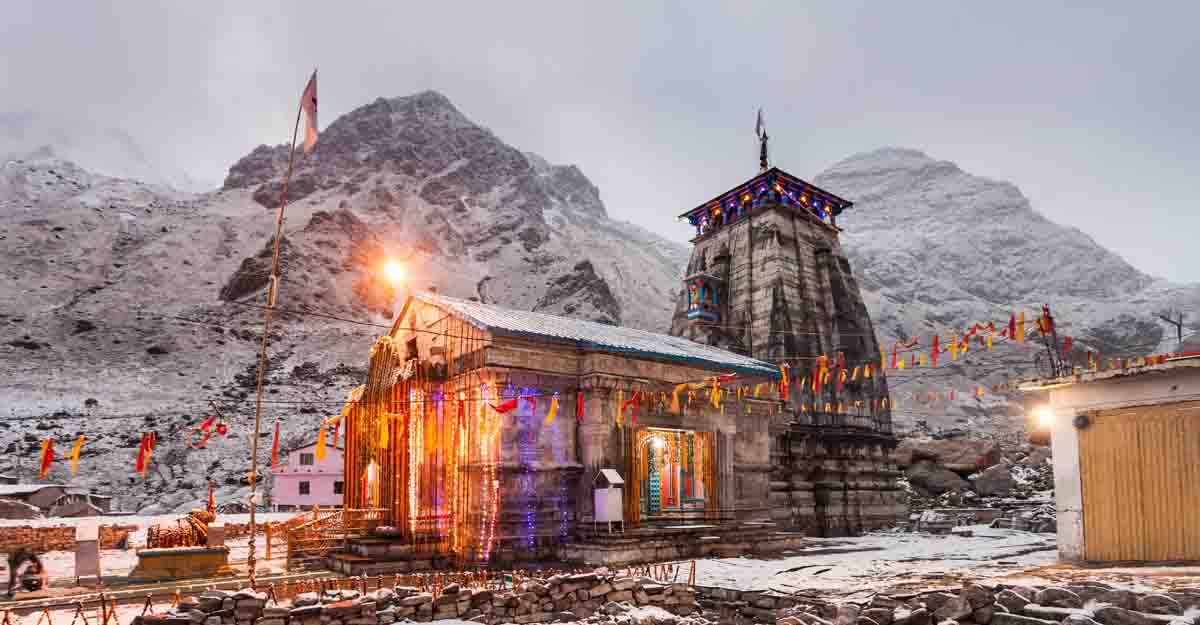
Char Dham Yatra Uttarakhand Guide: Route Order, Timing, and Practical Pilgrimage Planning

Rahul Garg
February 26, 2026
Practical Char Dham Yatra Uttarakhand guide with route structure, timing discipline, and safer pilgrimage execution tips.
Introduction
Char Dham Yatra Uttarakhand is one of India’s most important pilgrimage journeys, combining devotion with demanding mountain travel. Many pilgrims prepare spiritually but underestimate route complexity, weather variability, and stamina planning. This guide focuses on practical execution so the yatra remains safe, meaningful, and well-paced for families, elders, and mixed groups.
What the Yatra Involves
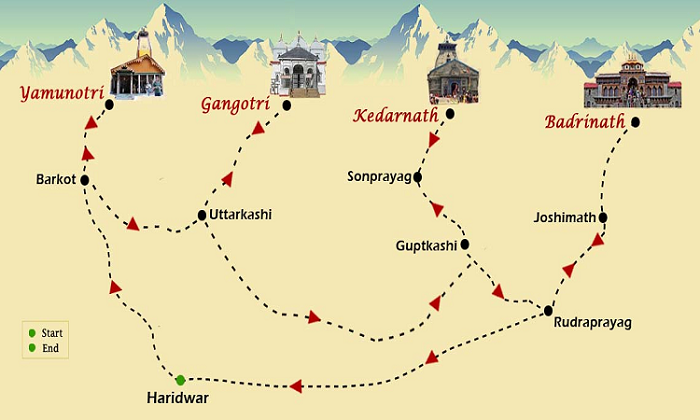
The Uttarakhand Char Dham circuit includes four sacred destinations approached through high-altitude road corridors and varied walking effort. Each segment has different demands in terms of transit time, weather exposure, and crowd pressure. Pilgrims should treat this as a full pilgrimage system, not a quick checklist. Route order, halt discipline, and physical preparation directly affect both safety and darshan quality.
Best Time and Season Awareness
The yatra is seasonal and highly weather-dependent. Always verify official opening windows and route advisories before booking. Peak periods can bring heavy crowd load and tighter stay availability, while shoulder windows may offer smoother movement with caution. Regardless of travel month, include at least one or two buffer days. Mountain pilgrimage without buffers creates unnecessary stress and risk.
Route Order and Day Sequencing
Route sequencing should balance altitude adaptation, road feasibility, and group stamina. Avoid aggressive plans copied from short social posts. Keep staged progress with realistic daily targets. If you want deeper understanding of route structure, align with Char Dham Yatra overview principles and region context from temples in Uttarakhand. Practical sequencing creates better darshan continuity and fewer disruptions.
Major Dham Anchors and Effort Differences
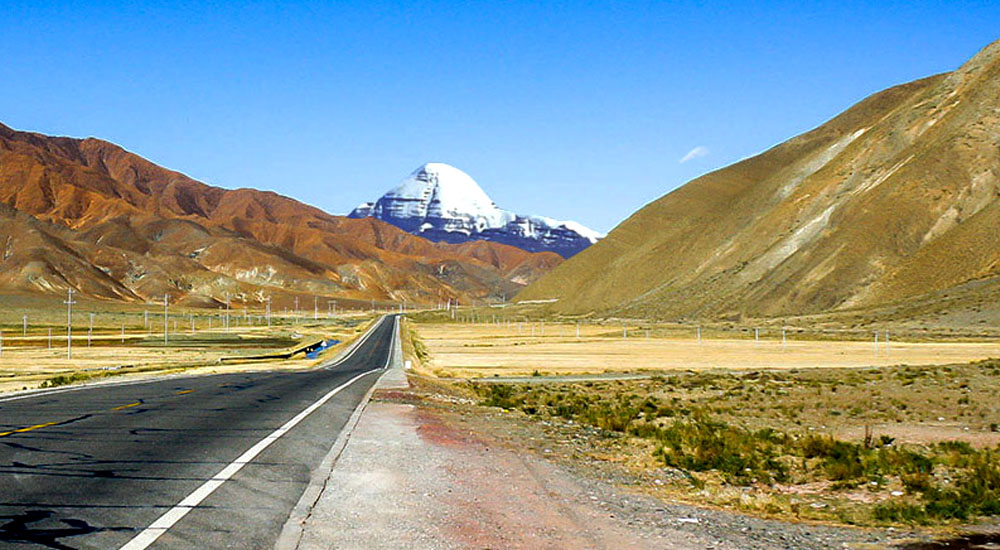
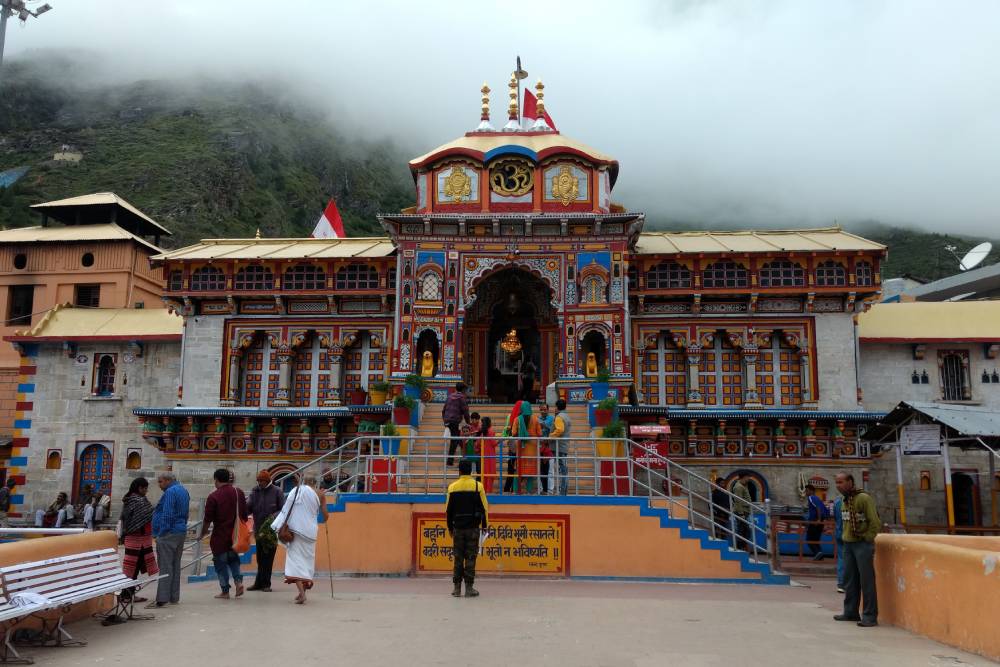
Each dham has distinct movement demands. For key effort planning, study destination-specific guidance such as Badrinath Temple and Kedarnath Temple before finalizing day targets. Do not assume equal effort across all points. Group comfort improves when effort-heavy segments are followed by lighter recovery windows.
Transport and Stay Strategy
Most yatras are road-based with pre-planned halts. Choose transport for reliability and comfort, not lowest price alone. Start early and target daylight arrivals wherever possible. Keep stay choices aligned with next-day route flow to avoid backtracking. During high-demand seasons, pre-book and reconfirm all stays. Reliable halt planning is a key safety layer in Himalayan pilgrimage routes.
Health Readiness and Physical Safety
Char Dham involves altitude exposure, cold shifts, and long travel days. Prepare with hydration habits, layered clothing, personal medicines, and conservative pace. Elders and first-time mountain pilgrims should avoid back-to-back strenuous days. Keep emergency contact sheet and medical essentials accessible offline. Health-aware decisions preserve both safety and spiritual focus.
Darshan Timing and Crowd Flow
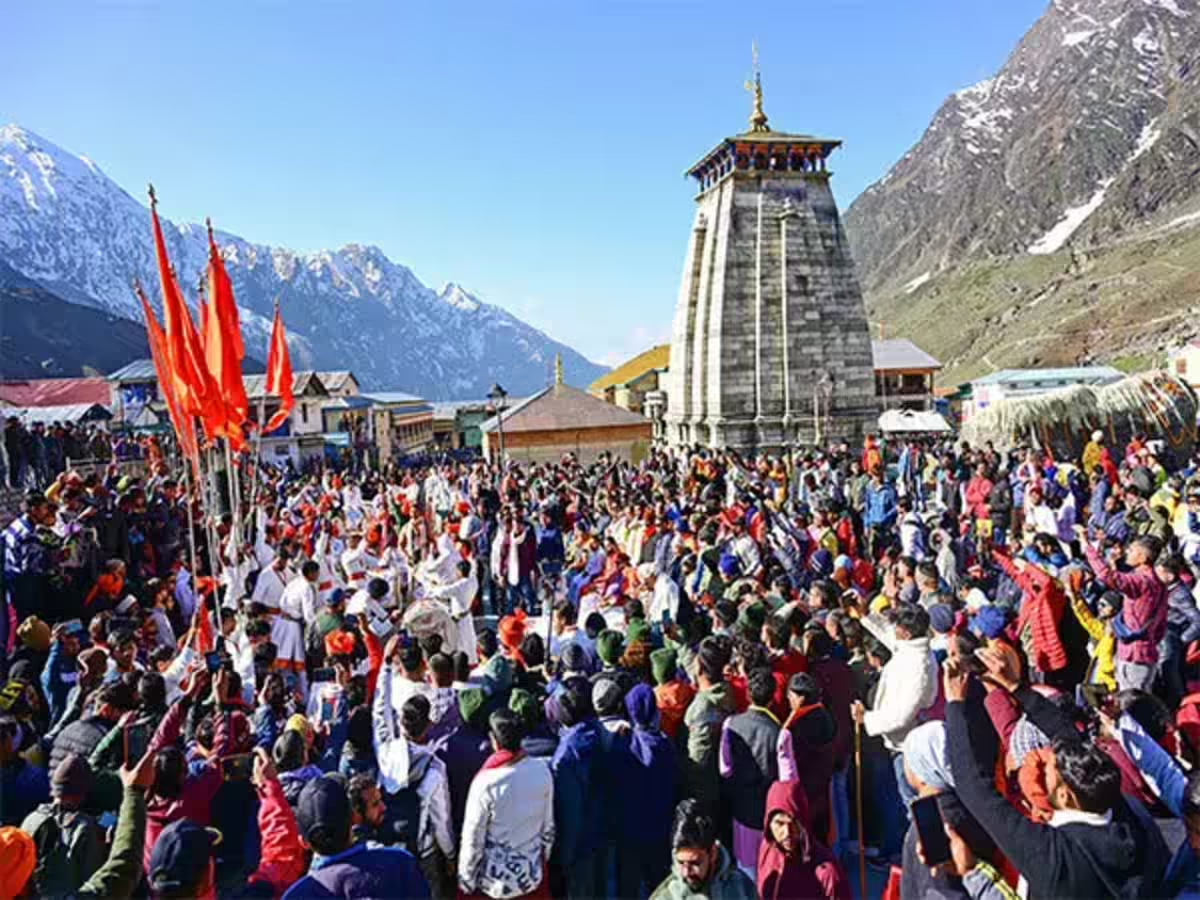
Darshan windows vary by location and season. Arrive early, keep queue expectations realistic, and follow local management instructions. In groups, set clear regroup points and communication rules before entering crowd zones. Calm conduct and patience are part of yatra discipline. Rushed behavior usually reduces both experience quality and group coordination.
Sample 10-Day Conservative Plan
Day 1-2: gateway movement and acclimatized approach. Day 3-7: core dham progression with planned rest intervals. Day 8: contingency and recovery. Day 9-10: return route. This conservative structure is safer than compressed plans and works better for mixed-age groups.
Budget and Contingency Planning
Budget should include transport, stays, meals, darshan needs, and emergency reserve. Mountain travel can create unplanned costs through delays and extended halts. Transparent group budget planning avoids friction and improves decision speed when adjustments are needed. Keep small cash availability and digital payment backups.
Common Mistakes to Avoid
Frequent mistakes include skipping buffer days, setting unrealistic daily targets, arriving late in mountain sectors, and ignoring weather advisories. Another issue is weak pre-departure coordination for documents and medicines. Avoid these with a simple daily review routine and early next-day planning. Prudence is the strongest Char Dham travel skill.
Group Leadership Model for Multi-Family Yatras
When multiple families travel together, appoint a simple leadership model: one logistics lead, one health and medicine lead, and one finance and documentation lead. This reduces confusion in high-pressure moments and speeds up decisions during delays. Keep morning briefings short and clear so everyone knows departure time, halt target, and contingency action.
Weather Disruption Response Plan
If weather conditions deteriorate, shift immediately from target-maximization mode to safety mode. Delay movement where required, prioritize secure stays, and avoid forced late arrivals. Maintain calm communication with all group members and update plans in writing on a shared message thread. A disciplined disruption response often prevents secondary risks and keeps the yatra stable.
Post-Yatra Recovery and Documentation
After completing the route, include a recovery day before long onward travel. Review expenses, health status, and route learnings while details are still fresh. This post-yatra review helps future planning and supports safer repeat pilgrimages for the same group. Practical reflection at the end is as important as preparation at the beginning.
Detailed Day-Start and Day-End Discipline
Char Dham travel days work best with fixed routines. Start each day with weather check, health status check, and route confirmation before departure. End each day with next-day planning, medicine review, and document readiness. These routines reduce morning confusion and prevent avoidable delays. In mountain travel, small execution errors can compound quickly, so routine discipline is a safety tool as much as a logistics tool.
Communication Protocol for Large Groups
For large groups, create one shared update channel and assign one communicator per vehicle. Keep update format simple: current location, next halt target, ETA, and any health concerns. This prevents rumor-based decisions and keeps everyone aligned when road conditions change. Clear communication improves both safety and emotional stability in long pilgrimage routes.
Weather-Triggered Contingency Ladder
Define contingency levels before the yatra starts. Level one can mean minor delay with same-day target intact. Level two can mean halting early and moving target to next day. Level three can mean full route reset for safety. Having this ladder reduces conflict during disruptions and allows fast group decisions. Pilgrimages in the Himalayas are most successful when contingency is planned, not improvised.
Closing-Day Discipline
On the final yatra day, avoid adding new ambitious stops. Focus on safe return movement, health review, and complete documentation closure. Ending the yatra with calm discipline protects everyone and leaves the spiritual experience intact without last-day stress.
Return-Route Safety and Debrief
Return travel deserves the same discipline as the onward route. Pilgrims often relax too early after final darshan and then overextend on return day. Keep conservative movement, maintain hydration, and avoid overnight fatigue pushes. After reaching gateway city, hold a short debrief to confirm all members, belongings, and health status are stable. This closing discipline completes the yatra responsibly.
Final Documentation Closure
Before ending the trip, archive all bookings, bills, route notes, and health observations in one folder. This helps future yatra planning and provides useful reference for your group in future mountain pilgrimage planning cycles, especially for families and multi-vehicle groups who repeat the yatra in coming seasons with stronger preparedness and calmer execution across the full route and return stages with improved confidence and coordination for all pilgrims in every travel segment across the entire yatra timeline safely always.
Conclusion
Char Dham Yatra Uttarakhand becomes spiritually and practically successful when devotion is supported by disciplined planning. Keep route order realistic, preserve health margins, and maintain calm pacing through every segment. With resilient planning and respectful conduct, the journey remains meaningful from departure to return.
Location
Frequently Asked Questions
Q1.How many days are ideal for Char Dham Yatra Uttarakhand?
Q2.Is buffer time necessary in Char Dham planning?
Q3.Can families with seniors do Char Dham Yatra?
Q4.What is the correct order for the Char Dham Yatra?
Q5.Do I need to register for the Char Dham Yatra?
Q6.Is a helicopter option available for Char Dham Yatra?
Recommended For You
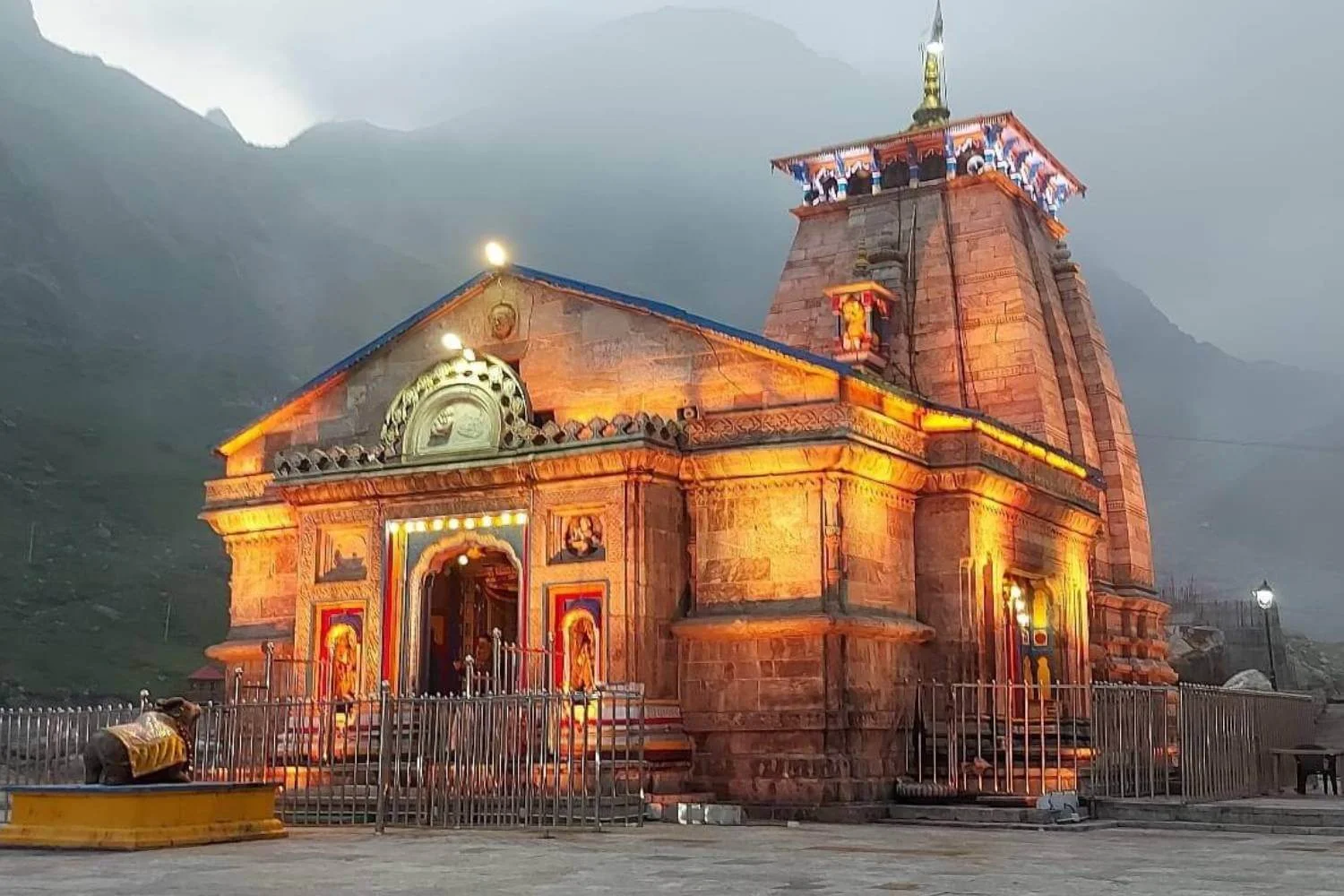
Kedarnath Dham History: Temple Origins, Legends & Reconstruction Timeline
Discover the fascinating history of Kedarnath Dham - from Pandavas legend to Adi Shankaracharya's revival, architectural marvel, and miraculous survival through natural disasters including the 2013 floods.

Rishikesh: Complete Travel Plan Places And Weather
Complete Rishikesh travel guide featuring the Yoga Capital of the World with white water rafting, bungee jumping, ashrams, temples, best time to visit & practical tips.
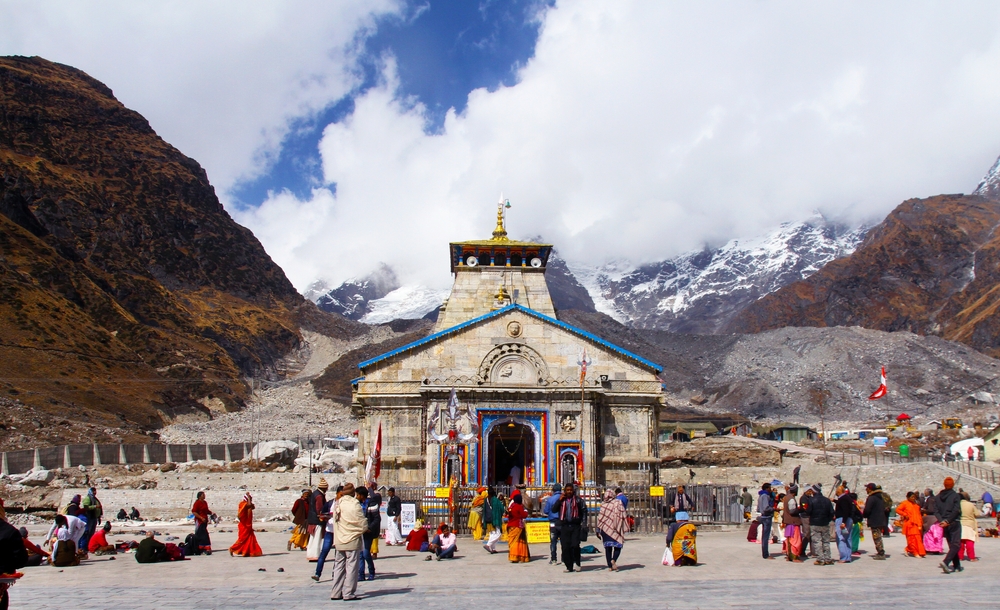
Delhi to Kedarnath: Distance, Route Options & Yatra Plan
Plan Delhi to Kedarnath with distance, road routes, train options, helicopter details, trek prep, and seasonal tips for a safer pilgrimage.
Never Miss an Adventure
Get the latest trekking guides, travel tips, and exclusive offers delivered straight to your inbox.
