
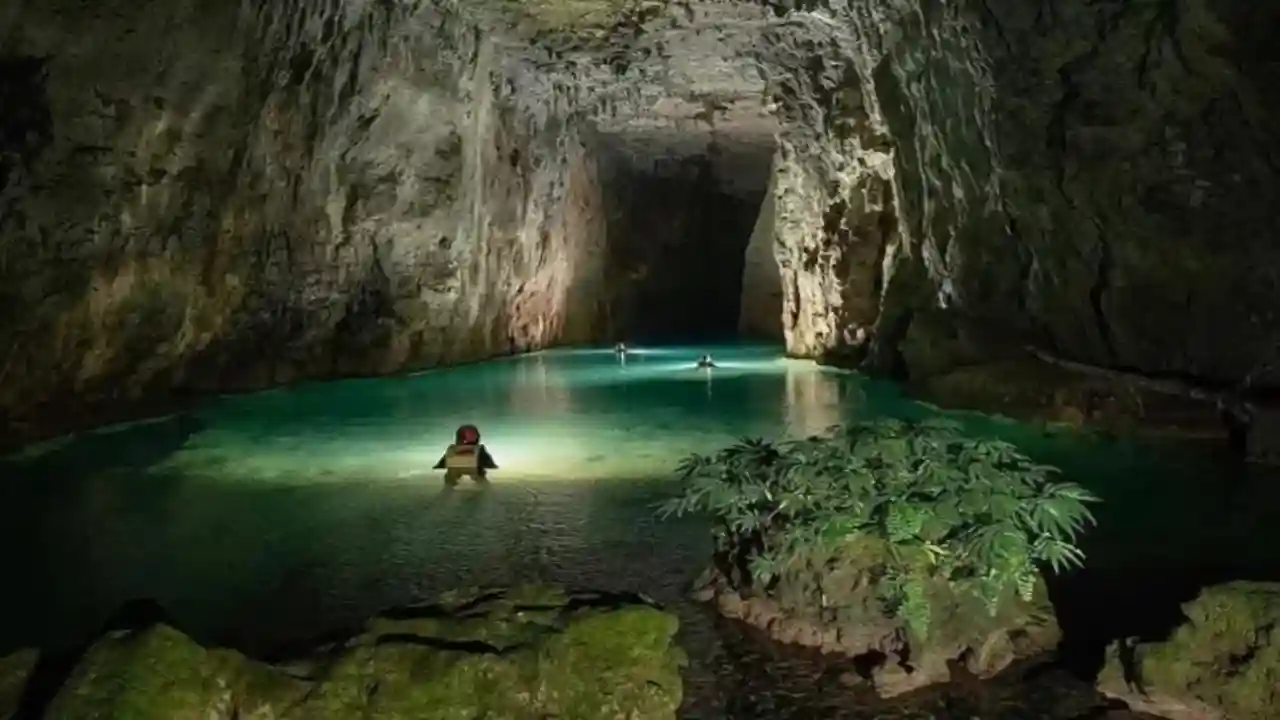
Krem Liat Prah Meghalaya: India’s Longest Cave, Route & Facts

Rahul Garg
January 31, 2026
Explore Krem Liat Prah, India's longest cave in Meghalaya. Complete guide to multi-day caving expeditions, equipment requirements, and preparation.
Krem Liat Prah Cave Meghalaya: India’s Long Cave System and Expedition Planning
Krem Liat Prah is often described as one of India’s most significant cave systems, and it attracts explorers because of scale, complexity, and scientific interest. This is not a beginner cave walk; it is an expedition-style environment where route judgment, equipment quality, and weather timing directly affect safety. Travelers who plan this cave casually usually underestimate effort and logistics. For a balanced Meghalaya adventure circuit, use context from Meghalaya travel guide, compare nearby cave experiences through Krem Chympe, include destination spread from places to visit in Meghalaya, and watch seasonal risks in Meghalaya monsoon planning. This guide focuses on practical preparation and realistic decision-making.
Why Krem Liat Prah Matters
The cave system is important not only for adventure tourism but also for geological and speleological relevance. Long passages, large chambers, and underground flow patterns make it a major reference point in Indian cave exploration discussions. For travelers, that means the attraction is depth and complexity, not convenience.
Difficulty Level and Entry Expectations
Krem Liat Prah should be considered advanced for general tourism audiences. While selected approach sections may feel manageable, complete exploration demands high endurance, technical awareness, and strong guide support. If you are new to caving, begin with easier Meghalaya cave experiences before attempting larger systems.
| Planning Factor | Reality on Ground | Recommendation |
|---|---|---|
| Route Length | Large, complex network | Do not plan without local expertise |
| Terrain | Mixed wet, uneven and constricted zones | Wear technical cave-ready footwear |
| Time Required | Long and variable by route section | Keep full-day buffers |
| Safety Margin | Highly weather dependent | Avoid high-risk weather windows |
Best Time to Explore
Dry-season periods are generally safer and more predictable for cave movement. Heavy rain periods raise water-related risk and can change internal conditions quickly. Always confirm local updates before travel day. Even when surface weather appears manageable, cave conditions can remain unstable after recent rainfall.
How to Reach and Organize Your Team
Most expeditions are organized from major Meghalaya bases with onward road movement to approach regions. Because this is not a standard sightseeing trip, team composition matters: trained guide, disciplined group size, and clear communication protocol. Set pickup/drop timings before departure and avoid improvising logistics after sunset.
- Lock guide and transport 1-2 days in advance.
- Keep emergency contact and route notes shared with all members.
- Start early to protect daylight and decision margin.
- Use conservative turnaround timing.
Mandatory Gear and Preparation
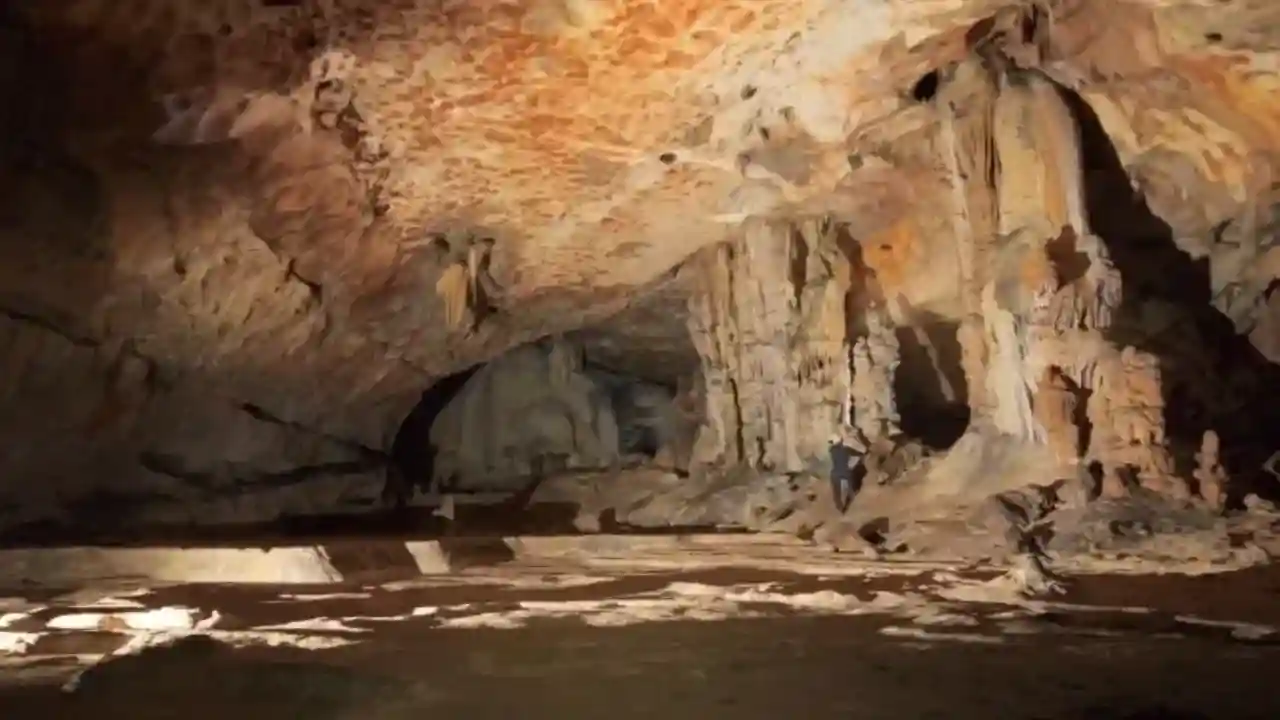
Core equipment includes helmet, headlamp with backup units, gloves, quick-dry protective clothing, and high-grip shoes. Add first aid, hydration, compact energy food, and waterproof packs. Fitness preparation should include endurance work and mobility conditioning. If your group is tired before entry, cancel or reduce scope.
Safety Framework for Expedition Caving
- Follow guide direction without negotiation in technical sections.
- Keep visual contact with group members.
- Avoid touching or damaging cave formations.
- Retreat early if weather or energy deteriorates.
- Never split into unsupervised subgroups.
In large cave systems, disciplined group behavior is more important than speed.
Experience Quality: What Makes It Rewarding
Krem Liat Prah rewards patient explorers who appreciate geology, silence, and the psychological intensity of underground travel. It is physically demanding but intellectually rich. When done correctly, the experience provides a rare perspective on subterranean landscapes that few destinations can match.
How to Build a Practical Meghalaya Cave Circuit
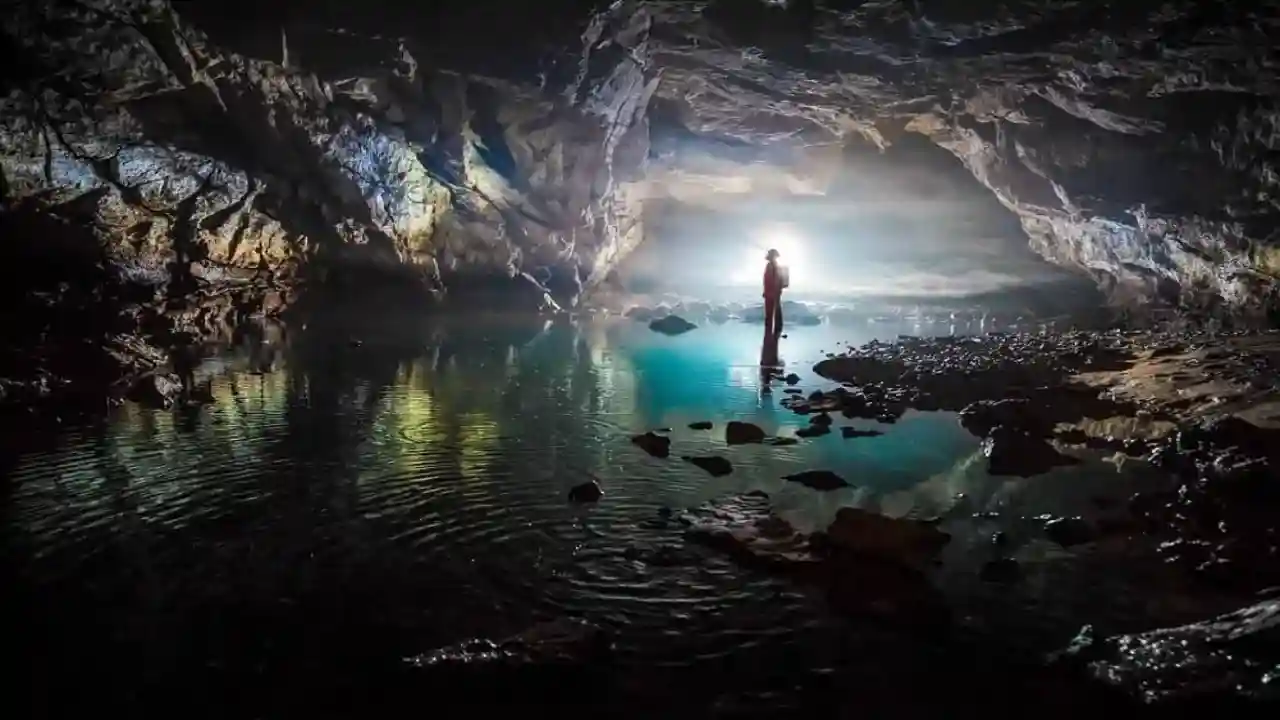
Do not schedule multiple heavy cave days back-to-back unless your team is experienced. A better model is one difficult cave day plus one light recovery day. Use Meghalaya route options for lower-intensity follow-ups, and compare challenge level with Krem Chympe before committing to long cave sequences.
Common Mistakes to Avoid
- Treating it as a standard tourist cave.
- Ignoring rainfall history before entry day.
- Under-packing lights and safety essentials.
- Forcing long sections despite fatigue.
- Planning late departures and risky returns.
Who Should Not Attempt This Route
Beginners without guide support, travelers with claustrophobia, and groups lacking basic cave gear should avoid this system. Selecting a safer alternative is a smart decision, not a missed opportunity.
Final Takeaway
Krem Liat Prah is one of India’s most serious cave experiences and should be approached with expedition-level discipline. If you prepare properly, choose weather windows carefully, and follow trained guidance, the cave can become a defining highlight of a Meghalaya adventure journey.
Advanced Team Planning for Long Cave Days
Large cave systems require structured teamwork. Assign clear roles before entry: lead-follow communication, timekeeper, and safety check support. Even in small groups, this reduces confusion during complex sections. Keep decisions centralized with the guide and avoid side explorations unless explicitly approved. Underground environments amplify small coordination errors, so disciplined movement is critical.
Before the expedition, align expectations on pace and objectives. Is the goal full-length progression, technical learning, documentation, or partial exploration? Clarity here prevents pressure-driven mistakes later. A realistic objective is safer and usually more satisfying than ambitious, loosely planned goals.
Equipment Management Under Cave Conditions
Carry equipment in a layout you can access quickly. Primary light must be head-mounted, with backups easy to reach. Waterproofing should protect critical items, especially communication notes, energy snacks, and medical essentials. Do not carry unnecessary heavy gear that slows movement and increases fatigue.
- Test all lights before departure and carry spare batteries.
- Use gloves suitable for wet rock grip.
- Pack quick-energy food in sealed portions.
- Keep first-aid supplies compact and clearly organized.
Exit Discipline and Risk Reduction
Many incidents happen when groups push too long and exit tired. Establish hard turnaround rules and stick to them regardless of progress status. Start return early enough to preserve concentration. During exit, maintain spacing and avoid sudden speed increases in slippery sections. If someone shows fatigue or stress signs, reduce pace immediately.
A successful Krem Liat Prah day is defined by safe completion and controlled decision-making, not by maximum distance covered. Expedition thinking means prioritizing team condition, route clarity, and safe return over achievement metrics.
Final Expedition Reminder
Krem Liat Prah should be attempted with expedition thinking, not tourist pace. Keep goals conservative, follow guide-led decisions, and prioritize team condition over distance metrics. The cave’s complexity demands patience, communication, and strict risk control.
Plan post-expedition recovery and avoid stacking long transfers immediately after a demanding cave day. A stable recovery window improves safety and helps you continue the Meghalaya journey with better energy and focus.
Another practical recommendation is to keep a 20-30 minute buffer between your planned segments. This margin absorbs queue delays, weather shifts, and short breaks without collapsing the rest of your schedule. Travelers who keep buffers usually return with better photos, better mood, and fewer rushed decisions at the end of the day. It is a small planning change with a large impact on overall trip quality.
Always preserve a conservative return margin inside long cave systems. Even small delays can compound quickly underground, and disciplined timing is one of the strongest safety tools available to expedition teams.
Maintain strict group communication, especially during late-stage return movement.
When in doubt, shorten the route and prioritize a safe, coordinated exit over exploration targets. This one decision framework improves expedition quality and reduces avoidable risk.
Conservative planning improves both safety and success.
Safety margins should always be preserved.
Plan carefully, move slowly, and keep your team coordinated from start to finish.
Location
Frequently Asked Questions
Q1.Where is Krem Liat Prah Cave located?
Q2.How long is Krem Liat Prah Cave?
Q3.What is the best time to visit this cave?
Q4.Is Krem Liat Prah suitable for beginners?
Q5.How many days are needed to explore Krem Liat Prah?
Q6.What is the difficulty level of this cave?
Q7.Do I need prior caving experience?
Q8.What equipment is mandatory for this expedition?
Recommended For You
Adventure Sports in Shillong: Canyoning, Caves & Water Trails
Explore adventure sports in Shillong, including caving, living root bridge treks, waterfall rappelling, and scenic camping spots.
Krem Puri Meghalaya: Longest Sandstone Cave, Access & Exploration Tips
Explore Krem Puri, Asia's longest sandstone cave in Meghalaya. Complete guide to this 24.5km underground wonder - discovery, geology, access, and expedition planning.
Jaintia Hills Meghalaya: 10 Best Places to Visit & Explore
Explore top places to visit in Jaintia Hills including Krang Suri Falls, Nartiang Monoliths, Thlum and Tyrshi Falls, Lalong Park, and Jowai travel tips.
Never Miss an Adventure
Get the latest trekking guides, travel tips, and exclusive offers delivered straight to your inbox.
