
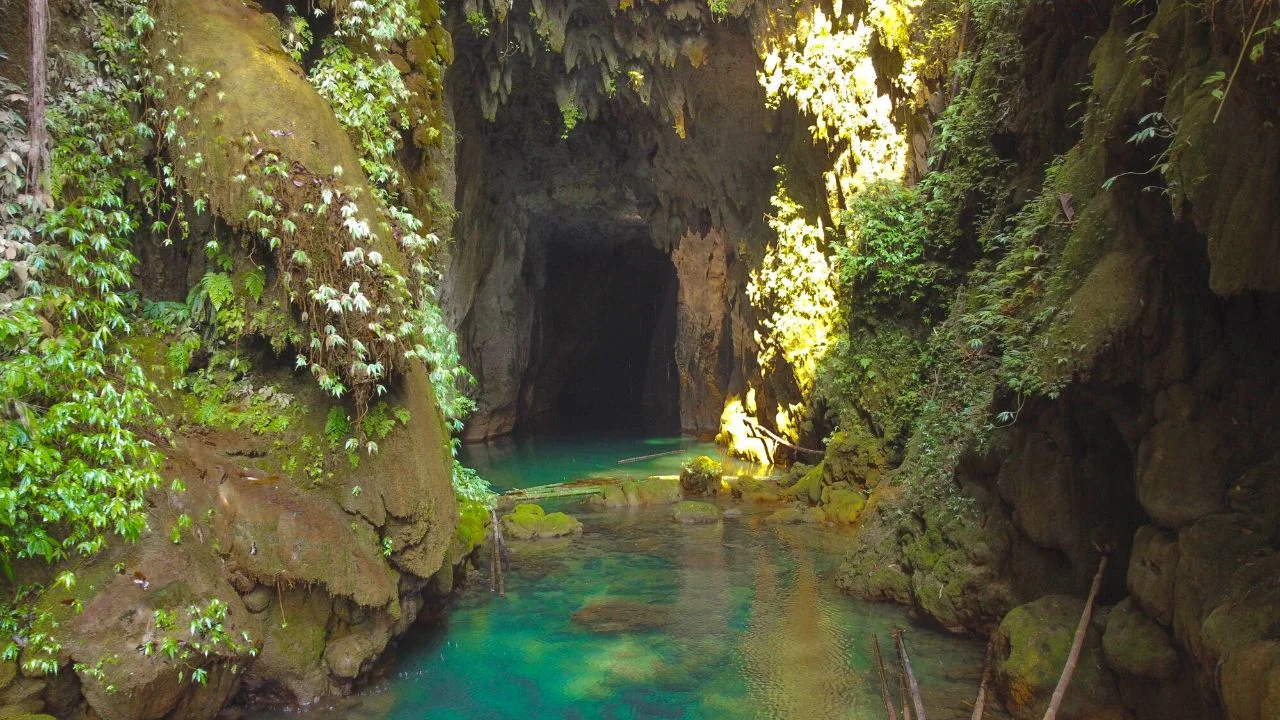
Krem Chympe Cave Meghalaya: Cave Access, Route & Safety Tips

Priya Mehta
January 31, 2026
Explore Krem Chympe, India's longest sandstone cave in Meghalaya. Complete caving guide with trek details, equipment requirements, and nearby attractions.
Krem Chympe Cave Meghalaya: Route, Difficulty, and Responsible Caving Guide
Krem Chympe is one of Meghalaya’s most discussed cave adventures, especially for travelers interested in non-standard nature experiences beyond waterfalls and viewpoints. The cave is known for complex passages, demanding sections, and the need for proper preparation. This is not a casual walk-in attraction; it requires fitness, planning, and local guidance. If you are building a broader Meghalaya journey, combine this with route planning from Meghalaya travel guide, regional cave context in Krem Liat Prah, nearby circuit ideas from places to visit in Meghalaya, and seasonal caution from Meghalaya in monsoon. This guide explains how to plan safely and what first-timers usually underestimate.
Why Krem Chympe Stands Out
Unlike tourist-friendly show caves, Krem Chympe is valued for expedition-style exploration. Travelers encounter uneven surfaces, damp sections, narrow stretches, and changing internal conditions. The attraction is the sense of discovery, not comfort infrastructure. This is why the cave appeals strongly to adventure groups and less to casual sightseeing travelers.
Difficulty and Fitness Expectations
Most visitors should treat Krem Chympe as moderate-to-challenging depending on route section and weather. Basic trekking fitness is not enough by itself; balance, endurance, and mental composure in enclosed environments are equally important. If you are uncomfortable with dark, narrow, or wet passages, choose easier cave options in Meghalaya first.
| Factor | What to Expect | Preparation Needed |
|---|---|---|
| Terrain | Irregular, wet, slippery patches | Strong grip footwear |
| Visibility | Low light throughout | Primary + backup headlamps |
| Duration | Can extend with route complexity | Water + energy planning |
| Navigation | Complex sections | Local guide recommended |
Best Time to Visit
Dry-season windows are generally preferred for safety and route predictability. Monsoon and immediate post-rain periods can increase water levels, slip risks, and operational uncertainty. Always check local guidance before finalizing plans. In cave travel, weather outside can directly influence safety inside.
How to Reach and Plan Logistics
Most trips are staged via Shillong-side planning with onward road movement to cave approach zones. Last-mile details can vary, so local coordination is important. Start early, keep buffer time, and avoid planning cave entry too late in the day. Return movement in hill regions after dark can become stressful if schedules slip.
- Confirm local route status before departure.
- Keep transport and guide contact fixed in advance.
- Carry offline map references where possible.
- Do not rely on same-day ad hoc arrangements.
Essential Gear Checklist
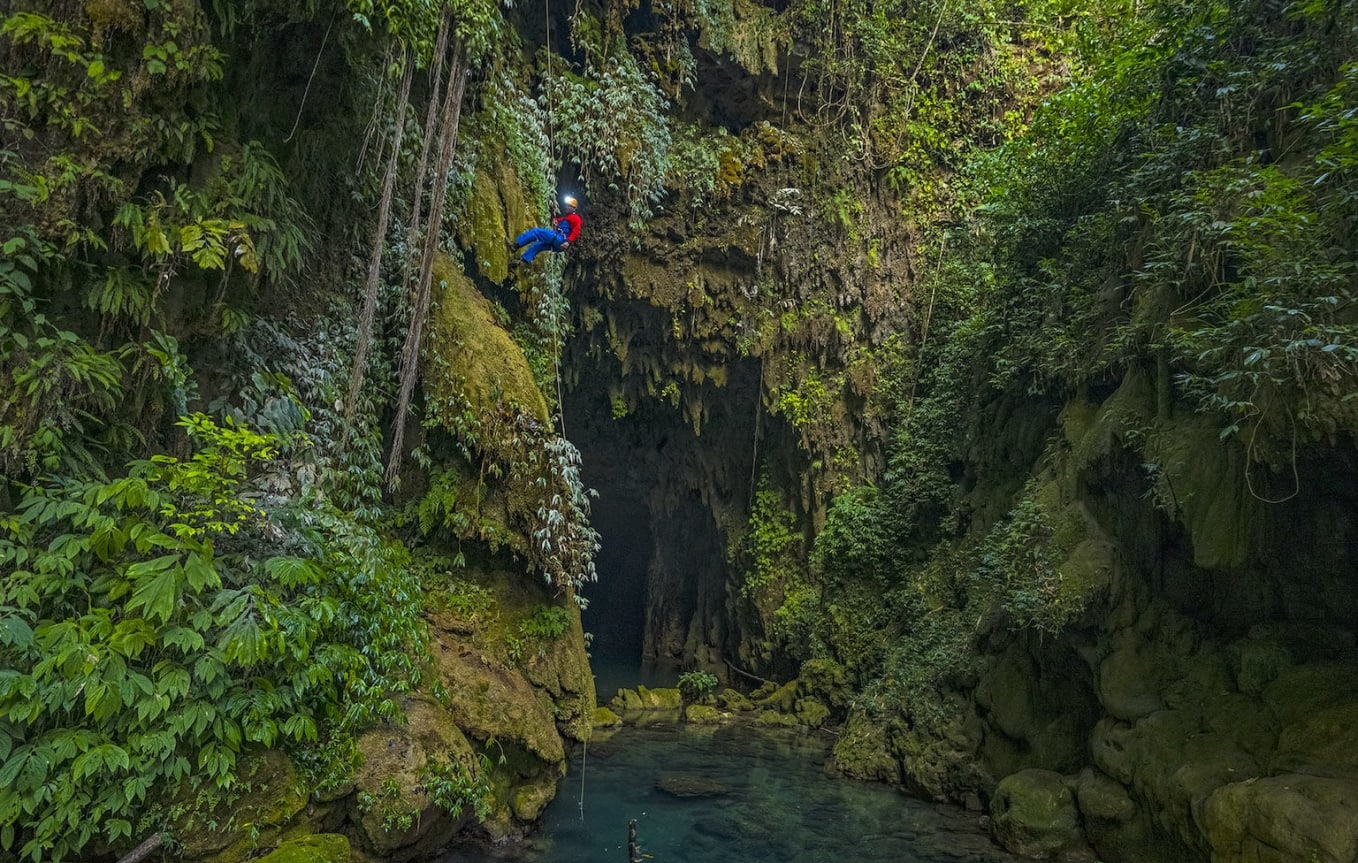
Do not compromise on gear. Minimum requirements include helmet, headlamp, backup light source, gloves, quick-dry layers, and shoes with aggressive grip. Add first aid, energy snacks, and waterproof storage for electronics. Keep clothing practical, not heavy; wet conditions can make bulky outfits uncomfortable and unsafe.
Safety Rules That Matter Most
- Never enter without at least one experienced local guide.
- Maintain group visibility and communication at all times.
- Avoid touching fragile formations unnecessarily.
- Do not force difficult sections if fatigue increases.
- Turn back early when conditions worsen.
Caving decisions should be conservative. A safe partial exploration is always better than a risky full attempt.
What the Experience Feels Like
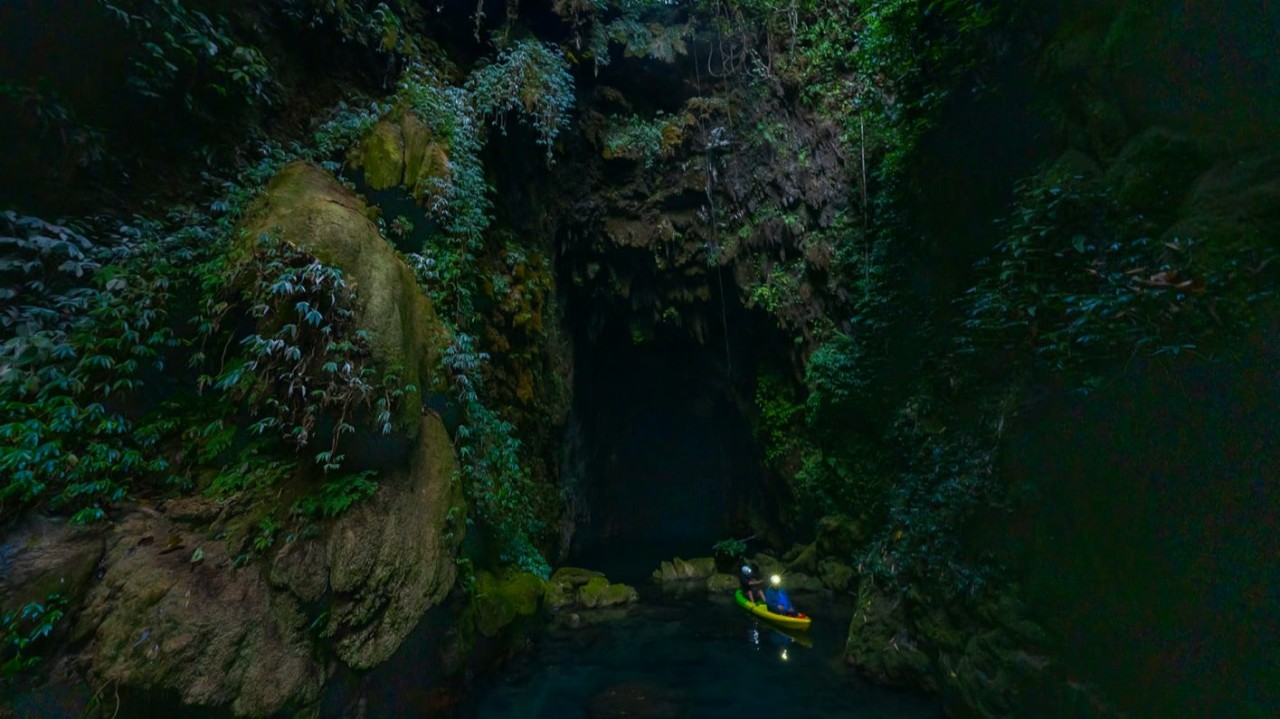
Krem Chympe combines technical movement with sensory intensity: darkness, dripping acoustics, temperature variation, and shifting space perception. For prepared travelers, this creates a memorable expedition-like experience. For unprepared groups, it can quickly become physically and mentally draining. The difference is planning quality, not luck.
How to Combine with Nearby Meghalaya Attractions
Because caving is energy-intensive, pair it with lighter next-day plans rather than same-day heavy sightseeing. Good combinations include scenic surface stops, village culture, and short nature walks. Broader routing can follow Meghalaya destination lists and weather-aware sequencing from monsoon planning guides. For deeper cave interest, compare with Krem Liat Prah.
Common Mistakes to Avoid
- Attempting cave entry without proper guide support.
- Using casual shoes with poor grip.
- Ignoring fatigue and continuing difficult sections.
- Planning cave and long return drive without buffers.
- Treating monsoon timing as a minor factor.
Who Should Skip This
Travelers with strong claustrophobia, untreated respiratory concerns, low mobility, or no interest in technical adventure should skip this cave and choose easier Meghalaya experiences. There is no downside to selecting safer alternatives that match your comfort level.
Final Takeaway
Krem Chympe is a serious adventure destination, not a casual tourist cave. With proper gear, local guidance, and weather-aware planning, it can be one of the most rewarding experiences in Meghalaya. Prioritize safety decisions, keep expectations realistic, and treat the cave environment with respect.
Pre-Expedition Fitness and Mental Readiness
Caving performance depends on more than leg strength. You need controlled breathing, movement discipline, and comfort in low-visibility spaces. Two weeks before your trip, start light conditioning with stair work, mobility drills, and short endurance sessions. This does not turn beginners into experts, but it improves stability and reduces panic risk in confined sections.
Mental preparation is equally important. Discuss route expectations with your group and guide before entry. Clarify that turning back is acceptable if conditions or comfort levels change. Groups that normalize safety-first decisions usually perform better than groups that treat retreat as failure.
Guide Coordination Checklist
Before starting, confirm three points with your guide: route scope, expected turnaround time, and emergency protocol. Ask what sections are optional and where risk rises. A good briefing prevents confusion underground and aligns group behavior. Keep one member responsible for tracking time and hydration reminders.
- Share medical concerns before cave entry.
- Carry a written contact card for all participants.
- Agree on stop signals and regroup points.
- Keep backup light sources accessible, not buried deep in bags.
Post-Caving Recovery and Next-Day Planning
After a demanding cave session, avoid stacking intense activities immediately. Hydrate, eat light but adequate meals, and prioritize rest. Muscle fatigue and reduced concentration can affect your next day’s road travel decisions if ignored. The safest structure is one heavy cave day followed by a lighter day with scenic drives or short cultural stops.
This recovery model also improves trip quality. Travelers who allow decompression usually remember cave details more clearly and enjoy the rest of Meghalaya with better energy. Adventure itineraries succeed when effort and recovery are balanced.
Final Expedition Reminder
Krem Chympe is rewarding only when safety discipline leads every decision. Keep route scope realistic, follow guide instructions strictly, and treat turnaround timing as non-negotiable. Cave exploration is not about proving endurance; it is about controlled movement and safe return.
After exit, prioritize recovery before planning additional heavy activities. Balanced effort and rest will improve both your safety and your overall Meghalaya trip quality.
Another practical recommendation is to keep a 20-30 minute buffer between your planned segments. This margin absorbs queue delays, weather shifts, and short breaks without collapsing the rest of your schedule. Travelers who keep buffers usually return with better photos, better mood, and fewer rushed decisions at the end of the day. It is a small planning change with a large impact on overall trip quality.
If conditions feel uncertain at any stage, reduce scope immediately. Choosing a safer partial route is the mark of a strong expedition mindset, and it helps ensure that every member returns with energy for the rest of the trip.
Take the safer line when choosing between speed and control inside the cave.
A conservative pace is always the right pace in cave routes.
Location
Frequently Asked Questions
Q1.Where is Krem Chympe Cave located?
Q2.How far is Krem Chympe from Shillong?
Q3.What is the best time to explore caves in Meghalaya?
Q4.Is Krem Chympe Cave suitable for beginners?
Q5.How long does it take to explore Krem Chympe?
Q6.Do I need a guide for Krem Chympe Cave?
Q7.What equipment is required for caving?
Q8.Are there any age restrictions for cave exploration?
Recommended For You
Cherrapunji Tourist Places: Top Attractions, Itinerary & Travel Tips
Plan your Cherrapunji trip with top tourist places, route-based itinerary ideas, weather strategy, and practical travel tips. Discover waterfalls, living root bridges, caves, and more in this comprehensive guide.
Krem Puri Meghalaya: Longest Sandstone Cave, Access & Exploration Tips
Explore Krem Puri, Asia's longest sandstone cave in Meghalaya. Complete guide to this 24.5km underground wonder - discovery, geology, access, and expedition planning.
Meghalaya in Monsoon: Travel Guide & Tips
Explore Meghalaya in monsoon - wettest place on Earth. Waterfalls, root bridges, safety tips & travel guide.
Never Miss an Adventure
Get the latest trekking guides, travel tips, and exclusive offers delivered straight to your inbox.
