
Heritage
Kuldhara Village: The Abandoned Ghost Town of Jaisalmer
Rohit Verma
December 28, 2025
8 min read3,505 views
Kuldhara Village guide with history, curse legends, best visit windows, route planning from Jaisalmer, and practical tips for respectful exploration.
Introduction: The Vanished Village of the Thar
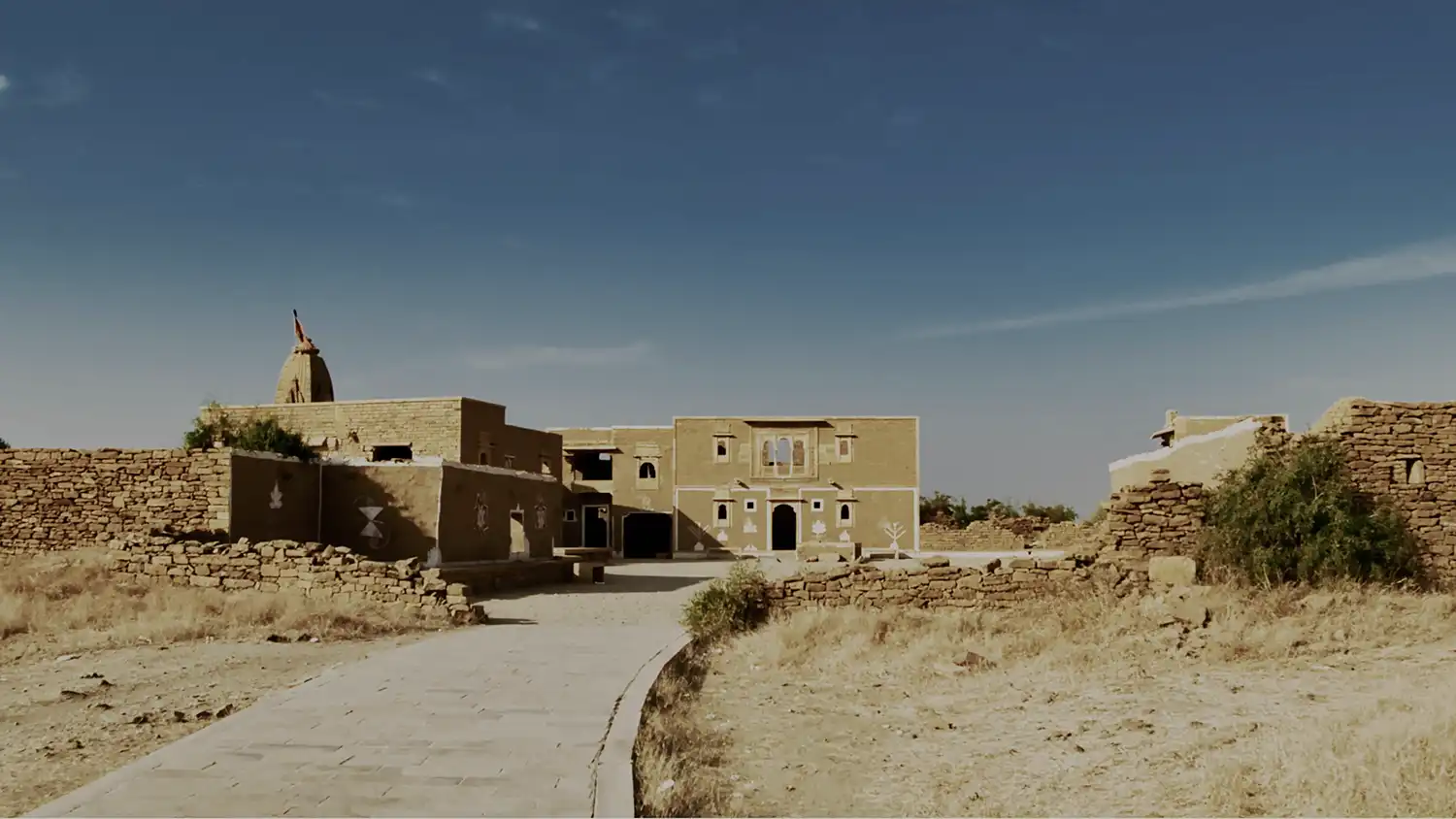
Kuldhara Village is one of Rajasthan's most discussed abandoned settlements, known for its silence, ruined homes, and powerful legends tied to a sudden mass exodus. Located near Jaisalmer, this former Paliwal Brahmin settlement has become a key stop for travelers interested in history, mystery, and desert heritage. The place is often described as haunted, but what makes it compelling is the overlap of folklore, architecture, and social memory rather than simple ghost storytelling. When you walk through Kuldhara, you see roofless stone houses, fragments of courtyards, old street grids, and temple remains that suggest a once-organized community life. That contrast between past prosperity and present emptiness is exactly why the site leaves a strong emotional impact. This guide covers Kuldhara village history, curse legends, best time to visit, practical route planning from Jaisalmer, on-site exploration tips, and nearby attractions so you can experience the place with context instead of speculation alone.Quick Facts About Kuldhara Village
| Detail | Information |
|---|---|
| Location | Near Jaisalmer, Rajasthan |
| Known For | Abandoned settlement and local curse legend |
| Historical Community | Paliwal Brahmins |
| Distance from Jaisalmer | Roughly short road transfer from city side |
| Ideal Visit Duration | 1 to 2 hours |
History of Kuldhara: From Prosperity to Abandonment
Historical accounts connect Kuldhara with the Paliwal Brahmins, a community known for settlement planning, water management knowledge, and regional trade participation in the desert belt. Oral and written narratives suggest that Kuldhara was once part of a wider network of villages associated with similar cultural and economic systems in the Jaisalmer region. What happened next is where the story becomes contested. The most popular narrative describes pressure from power structures, rising insecurity, and social threat as the trigger for overnight abandonment. Another interpretation points to cumulative environmental and economic strain over time. As with many old desert settlements, the truth may involve overlapping causes rather than one dramatic event. Key historical themes travelers should understand: - Kuldhara was not an isolated random hamlet - It had social structure, planning logic, and community organization - The abandonment likely involved both fear and survival strategy - Later storytelling transformed history into a curse narrative This layered context helps explain why the site is both a tourism icon and a memory landscape for local narratives.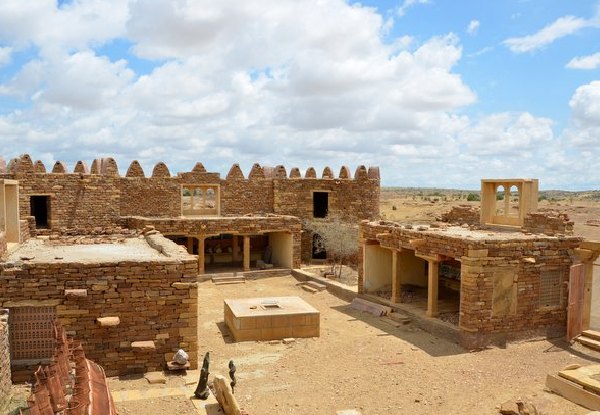
The Curse Legend: Story, Symbolism, and Belief
The best-known Kuldhara legend says that while leaving, villagers cursed the land so no one could settle there again. This story is repeated in travel circuits, local guides, and popular media, giving Kuldhara its ghost-village identity. From a cultural perspective, curse narratives often serve as social memory devices. They encode trauma, collective resistance, and territorial warning in a form that survives generations. Even if one treats the supernatural claim skeptically, the legend still carries meaning as a response to historical rupture. Why the legend persists: - It offers a clear explanation for abrupt emptiness - It protects memory of forced displacement - It creates a moral frame around power and injustice - It strengthens identity of place through storytelling Modern visitors report eerie silence, unusual atmosphere, and emotional heaviness, especially around dusk. Whether interpreted spiritually or psychologically, this response is common in abandoned built environments where signs of former life remain visible.What You See Today: Village Layout and Ruins
Kuldhara's current form still allows visitors to read the old settlement pattern. Streets and house blocks appear in clustered segments, and some structures preserve enough wall geometry to imagine rooms, courtyards, and circulation paths.House Remains
Most homes are roofless but retain partial walls, thresholds, and outlines. This gives a strong archaeological feel without requiring specialist training to interpret movement patterns.Temple Fragments
Temple remains and sacred markers add spiritual dimension to the site and reinforce that Kuldhara was a complete living settlement, not just residential blocks.Street Grid Traces
The old pathway logic is still visible in places, making this site interesting for visitors curious about pre-modern desert settlement planning.| Exploration Zone | What to Observe | Best Viewing Approach |
|---|---|---|
| Residential Ruins | Stone layout, room sequencing, thresholds | Slow walking with wide visual scans |
| Central Lanes | Settlement pattern and movement lines | Mid-distance framing and path tracing |
| Sacred / Temple Area | Cultural and ritual traces | Respectful observation and minimal intrusion |
Best Time to Visit Kuldhara Village
Weather and light shape the experience significantly because the site is open, arid, and exposed.October to March (Best Season)
This is generally the most comfortable window for walking and exploration. Milder temperatures make it easier to spend time observing detail rather than rushing between shaded points.Early Morning and Late Afternoon
These slots are excellent for atmosphere and photography. Textures in stone ruins become clearer under softer angled light.Summer Caution
From late spring through peak summer, heat can become intense. If visiting then, carry enough water and keep your on-site duration short.| Visit Window | Experience | Recommendation |
|---|---|---|
| Winter mornings | Comfortable and clear | Best for first-time visitors |
| Winter evenings | Mood-rich and scenic | Best for mystery atmosphere |
| Peak summer noon | Very harsh heat | Avoid unless necessary |
How to Reach Kuldhara from Jaisalmer
Kuldhara is typically visited from Jaisalmer city as a short road excursion. Most travelers include it with other westward desert or heritage points in one loop. Common route logic: - Start from Jaisalmer city zone - Use taxi, cab, or self-drive transfer - Combine with nearby attractions on the same side If you are planning the full region efficiently, refer to Jaisalmer travel guide and seasonal timing help from best time to visit in Jaisalmer.Transport tips
- Keep return timing clear before departure - Carry offline maps for smoother desert-side movement - Avoid back-to-back hard deadlines after sunset visitsIs Kuldhara Really Haunted? A Balanced View
Kuldhara is often marketed as one of the most haunted places in Rajasthan, and the label attracts many curiosity-driven visitors. A balanced approach is to separate experience from claim. What is verifiable: - The village is abandoned - The architecture and layout are authentic ruins - Local oral traditions about curse and exodus remain strong What remains unverified: - Specific supernatural claims - Reproducible paranormal evidence For most thoughtful travelers, Kuldhara's power comes from atmosphere, history, and memory—not jump-scare folklore. If you enjoy mystery themes, compare with broader regional lists such as haunted places to visit in Rajasthan.Photography and On-Site Exploration Tips
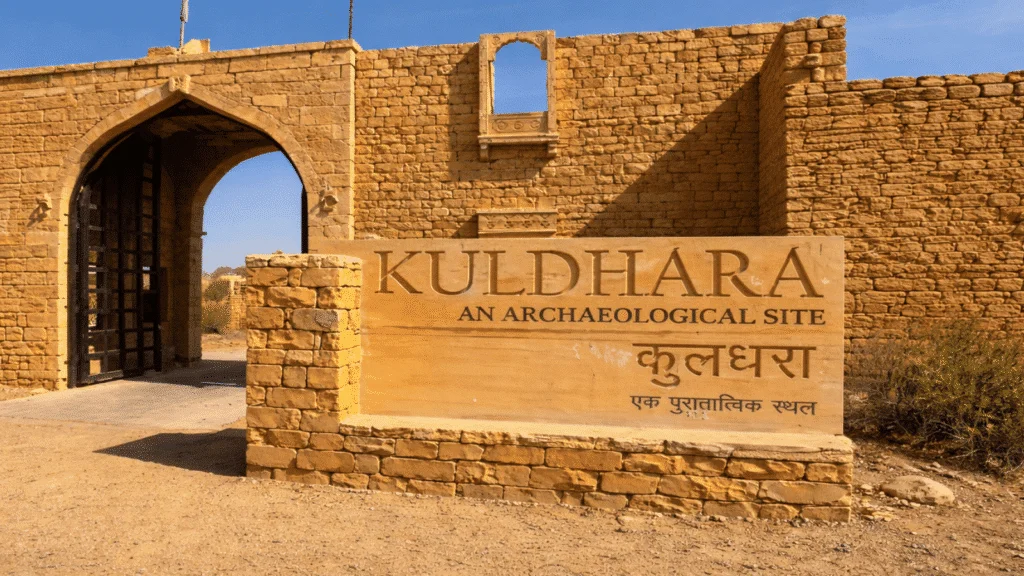 Kuldhara is one of the best desert-heritage photography environments because of texture, emptiness, and line geometry.
Best practices:
- Use wide shots for settlement context
- Capture wall textures with side light
- Frame pathways to show village depth
- Keep people minimal for timeless mood
Responsible conduct:
- Do not climb fragile ruins
- Avoid moving stones or artifacts
- Respect site signage and protected zones
- Maintain calm behavior in temple-remain sections
Kuldhara is one of the best desert-heritage photography environments because of texture, emptiness, and line geometry.
Best practices:
- Use wide shots for settlement context
- Capture wall textures with side light
- Frame pathways to show village depth
- Keep people minimal for timeless mood
Responsible conduct:
- Do not climb fragile ruins
- Avoid moving stones or artifacts
- Respect site signage and protected zones
- Maintain calm behavior in temple-remain sections
Nearby Attractions to Combine with Kuldhara
Kuldhara works best as part of a Jaisalmer circuit instead of a standalone day plan. Popular pairings: - Jaisalmer Fort Rajasthan for living-fort history - Patwon Ki Haveli Jaisalmer for merchant-era architecture - Jaisalmer Desert Safari for dunes and evening desert experience If your route includes festivals or seasonal events, Desert Festival Jaisalmer can add strong cultural context to the same trip window.Suggested Half-Day Kuldhara Circuit
| Time Block | Activity | Purpose |
|---|---|---|
| 3:30 PM - 4:30 PM | Departure and arrival at Kuldhara | Avoid harsh midday heat |
| 4:30 PM - 5:45 PM | Ruins walk + photo documentation | Architecture + atmosphere |
| 5:45 PM onward | Move toward next Jaisalmer-side stop | Complete loop efficiently |
Visitor Safety and Etiquette
- Carry water, hat, and sun protection - Wear closed footwear due uneven ground - Respect heritage boundaries and do not litter - Avoid sensational behavior that disturbs other visitors - Keep children within visible range in ruin zonesWhat to avoid
- Overstaying after dark without proper planning - Entering unstable structure segments - Assuming all folklore claims are factual evidence - Treating the site as only a horror attraction Kuldhara rewards visitors who combine curiosity with respect.Conclusion
Kuldhara Village remains one of Rajasthan's most compelling abandoned heritage sites because it connects architecture, legend, and regional history in a single landscape. The mystery narrative may draw you in, but the deeper value of the visit comes from understanding settlement memory, community displacement stories, and the desert's long social history. Plan your visit with realistic timing, carry the essentials, and combine Kuldhara with nearby Jaisalmer heritage points for a richer experience. With that approach, the site becomes more than a ghost story stop—it becomes one of the most thoughtful historical experiences in the region.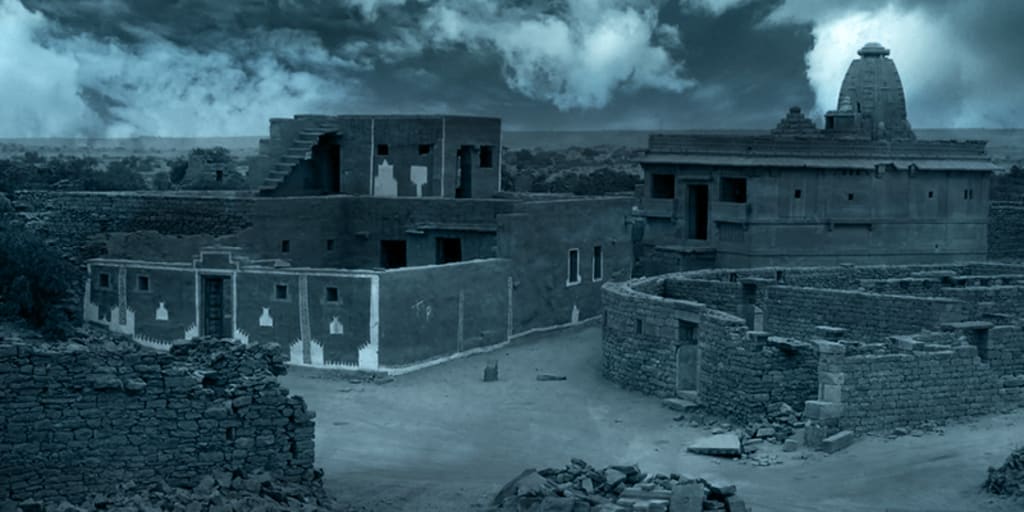 Planning tip: keep one buffer stop in your Jaisalmer loop so Kuldhara is not rushed. Visitors who spend even 20 extra minutes usually notice more street-grid detail, better temple remains, and stronger desert-light transitions for photos. Carry water, avoid peak-noon heat, and let the silence of the site guide your pace instead of speed-checking each ruin segment.
Location
Frequently Asked Questions
Q1.Where is Kuldhara Village located?
Kuldhara Village is located near Jaisalmer in Rajasthan and is usually visited as a short road excursion from the city along desert-side routes.
Q2.How far is Kuldhara from Jaisalmer?
Kuldhara is a relatively short drive from Jaisalmer city and is commonly included with nearby heritage or desert points in a half-day itinerary.
Q3.What is the story behind Kuldhara Village?
The popular story says villagers left overnight and cursed the settlement, but historical interpretation suggests a mix of social pressure, insecurity, and regional change.
Q4.What are Kuldhara visiting timings?
Timing patterns can change based on local site management and season, so it is best to verify current same-day access windows before planning your route.
Q5.Is there an entry fee at Kuldhara Village?
Entry conditions and fee rules can vary over time with local administration updates, so travelers should confirm current details before arrival.
Q6.Is it safe to visit Kuldhara Village?
Yes, Kuldhara is generally safe for visitors when normal precautions are followed, including hydration, safe footwear, and avoiding unstable ruin sections.
Q7.Can we visit Kuldhara at night?
Many travelers prefer late-afternoon or evening ambience, but night access depends on local regulations and safety logistics, so check before planning after-dark visits.
Q8.How much time is needed to explore Kuldhara?
Most travelers need around one to two hours for a comfortable walk-through, photography, and understanding of the site's layout and atmosphere.
Recommended For You
Adventure
Things to Do in Rajasthan: Desert, Heritage & Cultural Experiences
Discover 50 amazing things to do in Rajasthan - explore forts, palaces, deserts, culture & cuisine. Complete guide with timings, fees & tips for 2026.
Feb 20Read More
Heritage
Jaisalmer Fort Rajasthan: Timings, Entry Fee & History
Visit Jaisalmer Fort (Sonar Quila). Discover timings, entry fee, history, Jain temples, and inside guide to Rajasthan's only living fort.
Nov 28Read More
Heritage
Patwon Ki Haveli Jaisalmer: History, Ticket Info & Best Time to Visit
Explore Patwon Ki Haveli, Jaisalmer's architectural marvel. Discover history, timings, entry fee, architecture & travel tips for this 19th-century masterpiece.
Feb 18Read More
Never Miss an Adventure
Get the latest trekking guides, travel tips, and exclusive offers delivered straight to your inbox.
