
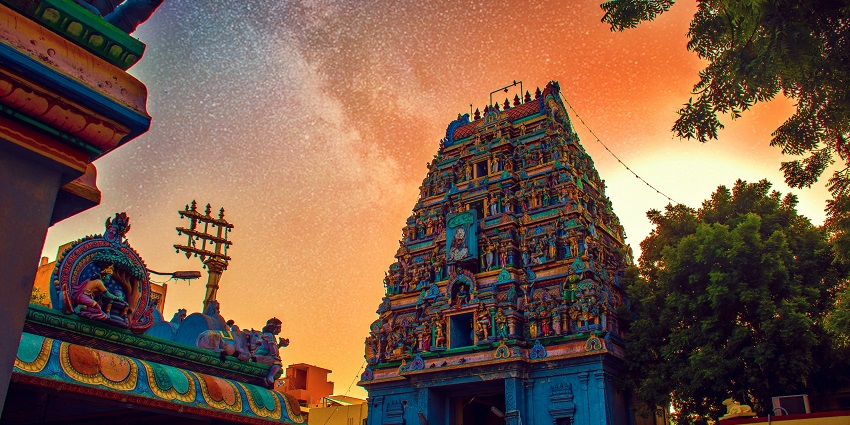
Temples in Raichur: Karnataka's Hidden Spiritual Heritage

Rohit Verma
February 13, 2026
Discover sacred temples in Raichur district. Explore Markandeshwara, Mantralayam Raghavendra Swamy temple & more with complete guide.
Introduction: The Sacred Land Between Two Rivers
Raichur, situated in the heart of Karnataka between the Krishna and Tungabhadra rivers, is a district with profound spiritual heritage. Though often overlooked by tourists in favor of more famous Karnataka destinations like Hampi or Mysore, Raichur holds an impressive collection of temples that span centuries of history and multiple dynastic periods. From ancient rock-cut shrines to grand Vijayanagara-era monuments, the temples of Raichur offer a fascinating journey through Karnataka's religious and architectural evolution.
What makes Raichur's temple landscape particularly interesting is its strategic location at the crossroads of major South Indian empires - the Chalukyas, Rashtrakutas, Vijayanagara, and Bahmani kingdoms all left their architectural and cultural imprint here. This convergence of influences created temples that blend different architectural styles and artistic traditions, making Raichur a treasure trove for temple enthusiasts and history buffs.
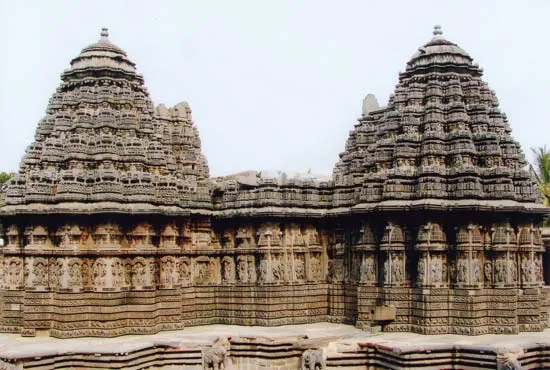
Raichur Fort Temples
The Raichur Fort, built during the Vijayanagara period, houses several important temples within its massive walls. This fort, which withstood numerous sieges throughout history, served not just as a military stronghold but also as a spiritual center for the ruling dynasty and the local population.
Markandeshwara Temple
Located within the Raichur Fort complex, the Markandeshwara Temple is dedicated to Lord Shiva. Built in the typical Vijayanagara architectural style, this temple features a sanctum, a pillared hall (mantapa), and a smaller shrine for the goddess. The temple's pillars are adorned with intricate carvings of deities, celestial beings, and mythological scenes. Lord Shiva, the presiding deity, is worshipped across India in various sacred forms, from the Amarnath Temple in Kashmir to temples in South India.
The temple gets its name from the sage Markandeya, who according to Hindu mythology, was blessed by Lord Shiva with immortality when he was still a young boy. Devotees visit this temple seeking blessings for longevity, health, and protection from diseases.
Other Temples in the Fort
Within the fort complex, you'll also find smaller shrines dedicated to various deities. These temples, though smaller in scale, are architecturally significant and demonstrate the importance of spiritual practice even within military fortifications. The juxtaposition of military architecture and sacred spaces reflects the holistic worldview of medieval Indian kingdoms.
Manvi Theerth
Located approximately 75 kilometers from Raichur city, Manvi is home to an important pilgrimage center known as Manvi Theerth. This sacred site is associated with the saint Shri Manvikendra Swamiji, and the main temple here is dedicated to Lord Shiva.
What makes Manvi Theerth special is its serene atmosphere and the legend that Lord Rama visited this place during his exile. The temple tank (theertham) is believed to have sacred waters with healing properties. Devotees often take ritual baths here before proceeding for darshan.
The annual fair held here draws thousands of devotees from across Karnataka and neighboring states. The temple's location amidst rural landscapes adds to its spiritual appeal, offering visitors a peaceful retreat from urban life.
Ekminar Siddheshwara Temple, Mudgal
The town of Mudgal, approximately 100 kilometers from Raichur, houses the Ekminar Siddheshwara Temple, one of the most architecturally unique temples in the region. The temple's name derives from its distinctive single-pillared hall (Ek-minar).
Dedicated to Lord Shiva in the form of Siddheshwara (the Lord of Perfection), this temple represents the Chalukya architectural style with its distinctive stepped temple tank and intricate stone carvings. The single massive pillar that supports the roof of the main hall is an engineering marvel and demonstrates the advanced construction techniques of the period.
The temple is particularly beautiful during Mahashivaratri when thousands of devotees gather for night-long vigils and special abhishekam (ritual bathing) of the Shiva linga.
Navabrindavanam, Mantralayam
While technically just across the border in Andhra Pradesh, Mantralayam is intimately connected to Raichur's spiritual landscape and is easily accessible from Raichur city. This sacred site is the samadhi (final resting place) of Sri Raghavendra Swamy, one of the most revered saints in the Dvaita Vedanta tradition.
The Navabrindavanam contains the brindavanam (sacred tomb) of Sri Raghavendra Swamy, who entered jeeva samadhi (conscious exit from the mortal body) here in 1671. Devotees believe that the saint continues to bless those who visit with sincere devotion. The temple complex, situated on the banks of the Tungabhadra River, creates a profoundly spiritual atmosphere. The river, sacred in Hindu tradition, also flows through the historic temple town of Hampi, another important spiritual destination in Karnataka.
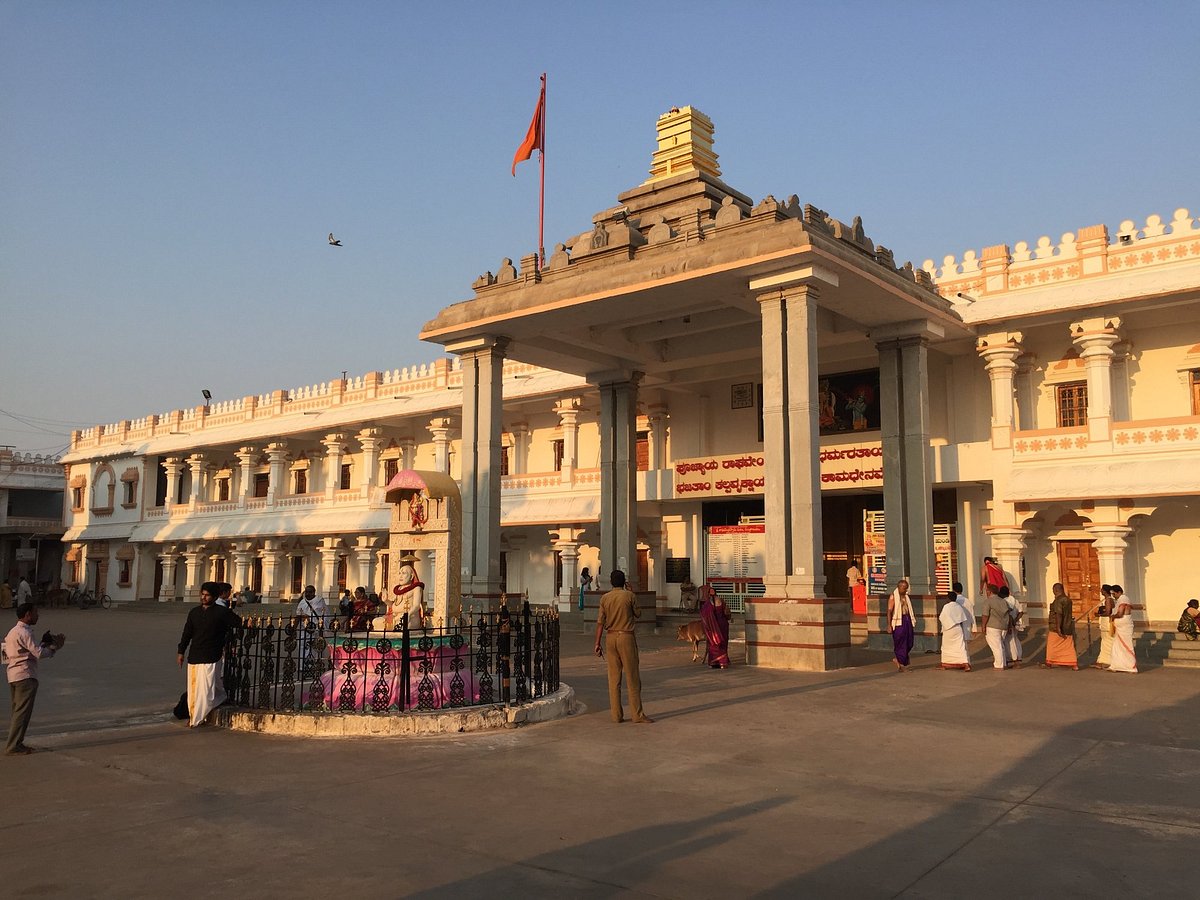
Pilgrimage Experience
Mantralayam attracts millions of devotees annually. The temple complex includes the main brindavanam, shrines to other saints, and a massive hall for devotees to sit and meditate. The Tungabhadra River flowing beside the temple adds to the sacred ambiance - devotees often take ritual baths here before entering the temple.
The temple provides free meals (annadhanam) to all devotees, continuing the tradition of hospitality established by Sri Raghavendra Swamy himself. The complex also has accommodation facilities for pilgrims who wish to stay and participate in the various rituals and pujas.
Jabalpur Temple
The Jabalpur area in Raichur district has several ancient temples that reflect the region's rich Shaivite heritage. These temples, many built during the Chalukya and Rashtrakuta periods, feature classic Deccan architectural elements including carved pillars, ornate doorframes, and sanctum towers.
These temples, though lesser-known, are architecturally significant and provide insight into the evolution of temple architecture in Karnataka. The quiet, rural setting of these temples allows for peaceful contemplation and darshan, away from the crowds that flock to more famous sites.
Kallur Temples
Kallur, a small village in Raichur district, is home to several ancient temples that are worth exploring. The village's temples, dedicated primarily to Lord Shiva and various forms of the goddess, reflect the folk religious traditions that have existed in this region for centuries.
What sets these village temples apart is their connection to local agricultural cycles and festivals. The temple festivals here often coincide with harvest times and involve the entire community in elaborate celebrations that blend religious rituals with cultural performances.
Gangavathi Area Temples
The Gangavathi region of Raichur district, located close to the Tungabhadra reservoir, has several important temples that combine religious significance with scenic beauty. The area's temples benefit from their proximity to water - temple tanks here are filled year-round, creating beautiful reflections of temple architecture.
Tungabhadra Dam Temple
Near the Tungabhadra Dam, there's a temple dedicated to Lord Shiva that offers panoramic views of the reservoir and surrounding countryside. The temple's elevated location makes it particularly popular during sunset when devotees can watch the sun set over the waters after offering prayers.
Temple Architecture Styles in Raichur
Chalukya Style
Raichur's earliest temples, built during the Chalukya period (6th-12th century CE), feature the classic Chalukya architectural elements: stepped temple tanks (pushkarini), intricately carved pillars, andornate doorframes with multiple lintels. These temples often have shrines dedicated to multiple deities, reflecting the syncretic religious culture of the period. The Chalukya architectural legacy can also be witnessed at the magnificent Aihole temples in Karnataka, considered the cradle of temple architecture.
Rashtrakuta Style
The Rashtrakuta temples in Raichur district are known for their sculptural excellence. These temples feature more elaborate carvings than their Chalukya predecessors, with detailed depictions of deities, celestial dancers, and mythological scenes. The Rashtrakutas were great patrons of art and architecture, and their patronage is evident in the temples of this region.
Vijayanagara Style
The Vijayanagara period temples in Raichur, particularly those within the Raichur Fort, feature the grand architectural style that characterized the Vijayanagara Empire: large temple complexes with multiple enclosures, towering gopurams, spacious pillared halls, and subsidiary shrines. These temples were built to impress, reflecting the power and prosperity of the Vijayanagara kings.
Festivals and Rituals
Mahashivaratri
Celebrated at all Shiva temples in Raichur with great devotion, Mahashivaratri sees night-long vigils, special abhishekam, and chanting of hymns. The Raichur Fort temples and Mudgal temples see particularly large gatherings.
Dussehra
Raichur, like much of Karnataka, celebrates Dussehra with great enthusiasm. Temples are decorated, special pujas are performed, and in some areas, processions of the deity are taken through the streets.
Car Festivals
Many temples in Raichur conduct annual car festivals where the deity is taken out in a decorated chariot. These festivals, which can last several days, include music, dance, and community feasting.
Planning Your Visit
Best Time to Visit
October to March offers pleasant weather. Summer (April-June) is very hot. Monsoon (July-September) can be good for visiting if you don't mind rain.
How to Reach
By Air: Hyderabad Airport (200 km) is the closest major airport.
By Rail: Raichur is a major railway junction on the Mumbai-Chennai line.
By Road: Well connected by road to Hyderabad, Bangalore, and other major cities.
Accommodation
Raichur city has mid-range and budget hotels. Mantralayam has extensive pilgrim accommodation facilities.
For a broader look at the district beyond temples, including forts and local cuisine, see our guide to places to visit in Raichur.
Conclusion
Raichur's temples offer a spiritual journey through Karnataka's history. From ancient rock-cut shrines to grand Vijayanagara monuments, from sacred samadhis to village shrines, Raichur provides temple experiences that are both historically fascinating and spiritually rewarding. The district's strategic location at the crossroads of empires created a unique religious landscape that continues to inspire devotion and wonder.
Come to Raichur and discover temples that have witnessed centuries of worship, where the chants of priests still echo through ancient halls, where devotees continue traditions established generations ago, and where the spiritual energy of the land remains palpable.
Location
Frequently Asked Questions
Q1.What are the famous temples in Raichur district?
Q2.How far is Mantralayam from Raichur?
Q3.What is special about Mantralayam temple?
Q4.How do I reach Raichur from Bangalore?
Q5.What is the best time to visit Raichur temples?
Q6.Are there good hotels in Raichur for temple visitors?
Q7.Can I cover Raichur temples in one day?
Q8.What is the significance of Ekminar Siddheshwara Temple?
Recommended For You
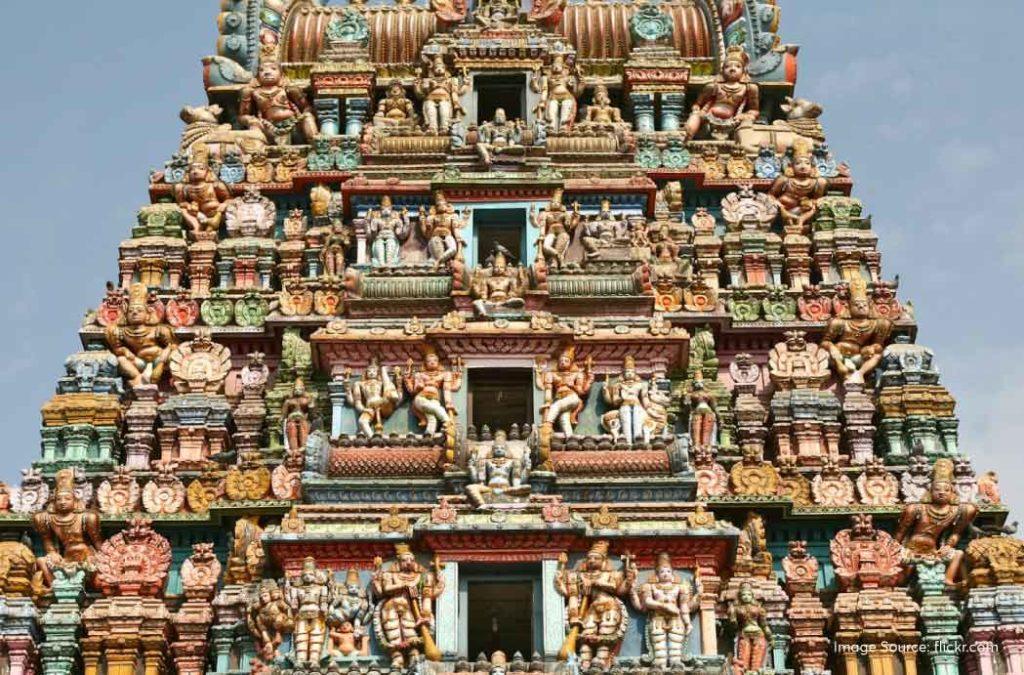
Historical Places in Kolar: Gold-Era Landmarks, Temples & Heritage Trails
Explore historical places in Kolar with KGF context, temple heritage planning, and practical one-day route tips from Bengaluru.
Places to Visit in Raichur: Heritage Sites, Temples & Local Attractions
Explore top places to visit in Raichur with a practical heritage route covering Raichur Fort, religious sites, old-city architecture, and nearby extensions.
Temples of Hampi: Complete Guide to Vijayanagara Empire's Sacred Heritage
Discover the magnificent temples of Hampi, a UNESCO World Heritage Site. Explore Virupaksha, Vittala, and more Vijayanagara empire temples with our complete travel guide.
Never Miss an Adventure
Get the latest trekking guides, travel tips, and exclusive offers delivered straight to your inbox.
