

Wildlife
Mangrove Cruise in Sundarbans: Safari Route, Cost & Best Season

Rohit Verma
February 20, 2026
23 min read4,542 views
Experience the ultimate mangrove cruise in Sundarbans. Complete guide to wildlife safaris, tiger sightings, best time to visit, tour operators, and responsible tourism tips.
Introduction: Into the World's Largest Mangrove Forest
The Sundarbans, spanning across India and Bangladesh, represents the largest contiguous mangrove ecosystem on Earth. This UNESCO World Heritage Site covers approximately 10,000 square kilometers of tidal waterways, mudflats, and small islands of salt-tolerant mangrove forests. For wildlife enthusiasts and adventure seekers, a mangrove cruise through the Sundarbans offers an unparalleled opportunity to explore one of nature's most fascinating and fragile ecosystems. It's one of India's most unique wildlife sanctuaries.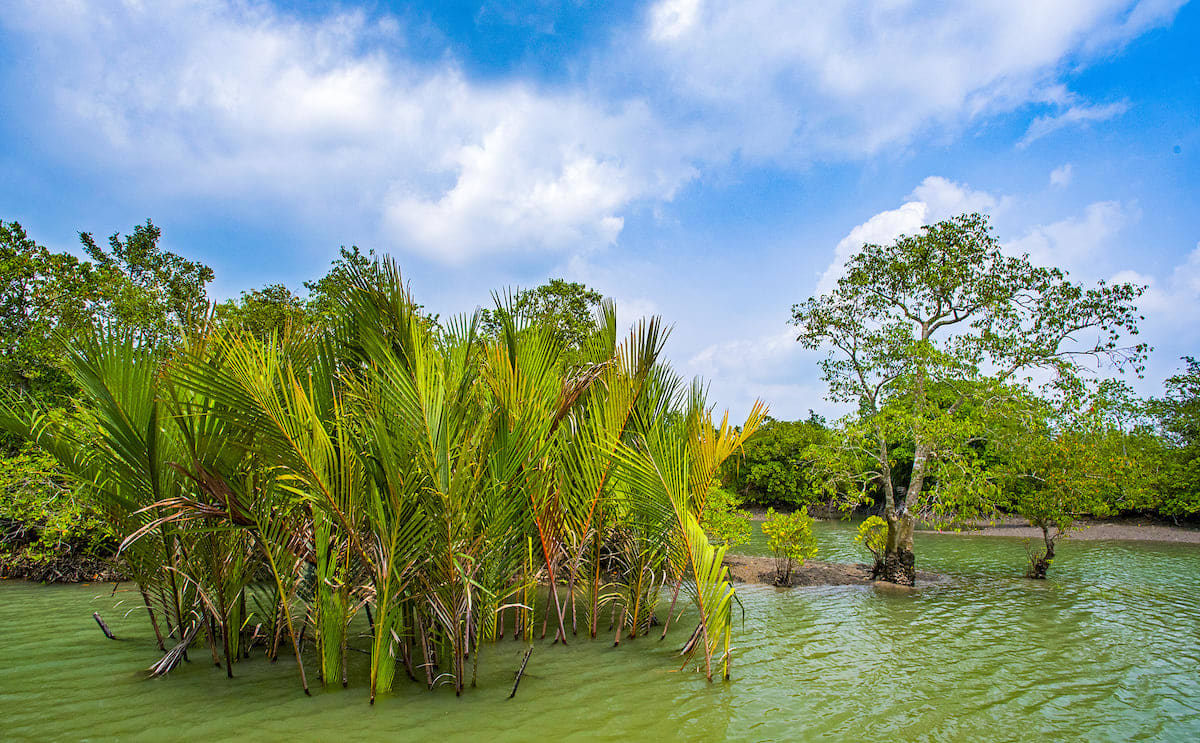 Unlike traditional wildlife safaris in open vehicles or jeeps, exploring the Sundarbans requires navigating through a complex network of rivers, creeks, and canals. These waterways serve as the primary highways through this mysterious wilderness, where the land and sea merge in a constantly changing landscape shaped by the tides. Each bend in the river reveals new surprises—the sudden movement of a swimming deer, the distinctive silhouette of a monitor lizard, or if you're exceptionally fortunate, the striped shadow of a Bengal tiger patrolling the shoreline.
The Sundarbans is named after the dominant Sundari tree (Heritiera fomes), though the forest hosts dozens of mangrove species specially adapted to survive in this challenging environment where freshwater meets saltwater. This unique ecosystem supports an incredible diversity of wildlife, including the iconic Bengal tiger, estuarine crocodiles, spotted deer, rhesus macaques, and countless bird species. A mangrove cruise is not just a wildlife viewing experience—it's an immersion into one of the world's most remarkable natural environments, where survival requires extraordinary adaptations.
Why Choose a Mangrove Cruise in Sundarbans?
A mangrove cruise offers a fundamentally different wildlife viewing experience compared to traditional land-based safaris. The water-based approach allows visitors to penetrate deep into the heart of the Sundarbans ecosystem, accessing areas that would be impossible to reach by foot or vehicle. This unique perspective reveals the intricate relationship between the mangrove forest, its wildlife, and the tidal rhythms that govern life here.The Tiger's Domain
The Sundarbans is home to the only population of mangrove-adapted tigers in the world. These remarkable cats have evolved to swim, hunt in water, and navigate the complex network of waterways that crisscross their territory. Unlike their forest-dwelling cousins elsewhere in India, Sundarbans tigers are known to swim considerable distances between islands and have been observed swimming in the open bay. While tiger sightings are never guaranteed—the dense vegetation and elusive nature of these cats make them among the most difficult wildlife to spot—the very possibility of encountering one adds an electric tension to every moment on the water. Your boat might round a bend to find a tiger cooling off in the shallows, or you might see fresh pugmarks on a mudbank, evidence of a recent passage. Even without a direct sighting, knowing you're in the presence of these apex predators creates an unforgettable wilderness experience.
Unique Mangrove Ecosystem
Mangrove forests are among the most productive and biologically complex ecosystems on Earth. The Sundarbans' mangroves perform crucial ecological functions: they protect the coastline from erosion and cyclones, filter pollutants from the water, provide nursery grounds for commercially important fish species, and sequester carbon at rates far exceeding terrestrial forests. During your cruise, you'll witness the remarkable adaptations of mangrove trees. Notice the tangled prop roots of the Sundari trees, the stilt roots of Garjan, and the pencil-like pneumatophores (aerial roots) of Gewa trees that stick up from the mud like breathing tubes, allowing the trees to obtain oxygen in waterlogged soil. These complex root systems create a labyrinthine habitat that supports juvenile fish, crabs, mollusks, and countless other organisms, forming the foundation of a rich food web.Best Time for Mangrove Cruise in Sundarbans
Timing your Sundarbans mangrove cruise is crucial for the best experience. The region's tropical climate and tidal patterns create distinct seasons, each offering different advantages and challenges for wildlife viewing and overall experience.| Season | Months | Pros | Cons |
|---|---|---|---|
| Winter | October - March | Pleasant weather, better wildlife sightings, clear skies | Cold mornings, peak season crowds |
| Summer | April - June | Fewer tourists, lower prices | Hot and humid, monsoon approaching |
| Monsoon | July - September | Lush greenery, dramatic skies | Many cruises suspended, wildlife sightings difficult |
Winter Season (October-March): Prime Time
Winter is undoubtedly the best time for a mangrove cruise in Sundarbans. From October through March, the weather is pleasant with daytime temperatures ranging from 20-30°C, making boat rides comfortable. The cooler temperatures also encourage wildlife to be more active during the day, increasing your chances of sightings. December to February are particularly rewarding months. During this period, migrant birds join the resident species, creating spectacular birdwatching opportunities. The clear winter skies provide excellent lighting for photography, and the lower water levels often concentrate wildlife around remaining water sources, making animals easier to spot.Summer Season (April-June)
Summer brings hot and humid conditions with temperatures reaching up to 40°C, but this offseason has its advantages. With fewer tourists, you'll have a more private and peaceful experience on the water. Many cruise operators offer discounted rates during these months. Wildlife can still be good, particularly in the early morning and late afternoon when animals seek relief from the heat. The summer heat drives animals toward water sources, and tigers may be spotted cooling off in the rivers. However, the high temperatures and humidity can be challenging for some visitors, and afternoon boat rides can be particularly uncomfortable.Monsoon Season (July-September)
The monsoon season is generally not recommended for Sundarbans cruises. Heavy rainfall makes boat rides uncomfortable and sometimes unsafe, many cruise operators suspend services during peak monsoon months, and wildlife sightings become significantly more difficult as animals seek shelter from the rain. However, for the adventurous traveler, the monsoon offers a dramatically different perspective. The forest turns incredibly lush and vibrant, the rivers swell to their fullest, and the moody, rain-lashed landscape has a haunting beauty. Some specialized operators do run limited cruises, though these should only be attempted by experienced travelers who understand and accept the risks.Types of Mangrove Cruises Available
The Sundarbans offers various cruise options to suit different budgets, timelines, and wildlife interests. Understanding these options will help you choose the experience that best matches your expectations.Day Cruises: Introduction to the Sundarbans
Day cruises are perfect for travelers with limited time or those who want a preliminary introduction to the Sundarbans ecosystem. These typically start early morning (around 7-8 AM) from various departure points including Gosaba, Sajnekhali, or Pakhiralay, and return by late afternoon (4-5 PM). A typical day cruise covers 50-80 kilometers, navigating through several creeks and rivers. You'll visit watchtowers like Sajnekhali, Sudhanyakhali, or Dobanki, where you can disembark and climb the towers for elevated views of the forest. Lunch is usually provided on board or at a forest lodge. While day cruises offer less time for wildlife observation compared to overnight options, they're significantly more affordable and can still provide excellent sightings if you're lucky.
Overnight Cruises: Immersive Wilderness Experience
For serious wildlife enthusiasts, overnight cruises offer a far more rewarding experience. These typically last 2-4 days, with accommodation provided either on board the cruise boat or at forest lodges on selected islands. The extended duration allows penetration deeper into the forest reserve, away from the more touristy areas near the entry points. Overnight cruises maximize wildlife viewing opportunities by including both early morning and late afternoon safari sessions—the times when animals are most active. Night stays in the heart of the Sundarbans offer magical experiences: the sounds of the forest at night, spectacular starry skies away from city lights, and the chance of nocturnal wildlife sightings including fishing cats, owls, and perhaps even a tiger moving along the shoreline at dawn.Private Charters vs. Shared Boats
Most cruises operate on a shared basis, with 8-20 passengers on a boat. This is more economical and allows you to meet fellow travelers. However, private charters are available for those willing to pay extra. Private boats offer several advantages: customizable itinerary, ability to spend longer time at sightings, personalized service from the crew, and a quieter, more intimate experience. For photographers, birdwatchers, or serious wildlife enthusiasts, the extra cost of a private charter is often worth it. You have the freedom to follow wildlife behavior without being constrained by other passengers' preferences, and the guide can focus entirely on your interests.Wildlife You Can Spot During Mangrove Cruise
The Sundarbans supports an incredible diversity of wildlife, each species uniquely adapted to this challenging mangrove environment. While tiger sightings are the biggest draw, the forest offers numerous other rewarding wildlife encounters that make every safari worthwhile. The Sundarbans is home to the famous Royal Bengal Tigers, the only mangrove-adapted tigers in the world.The Bengal Tiger: Lord of the Mangroves
The Sundarbans tiger is a distinct population of Bengal tiger (Panthera tigris tigris) that has adapted remarkably to life in the mangroves. These cats are excellent swimmers, capable of crossing rivers several kilometers wide. They've also developed hunting strategies that include ambushing prey from the water and even hunting during high tide when animals are forced to higher ground. Tiger density in the Sundarbans is relatively high compared to other reserves in India, but sightings remain challenging due to the dense vegetation and the tiger's elusive nature. The estimated tiger population in the Indian Sundarbans is around 90-100 individuals. Your best chance of spotting one is during the winter months when they come to the water's edge to drink, or in the early morning when they're returning from night hunts.
Aquatic Predators: Estuarine Crocodiles
The estuarine or saltwater crocodile (Crocodylus porosus) is the Sundarbans' other apex predator. These magnificent reptiles can grow up to 6 meters in length and are perfectly adapted to the brackish water environment. You'll often see them basking on mudbanks or swimming near the surface, with only their eyes and nostrils visible. Crocodiles are relatively easy to spot year-round and are frequently seen from cruise boats. They play a crucial role in the ecosystem, controlling fish populations and scavenging carrion. While attacks on humans do occur (primarily fishermen or honey collectors who venture into the forest), they generally avoid boats and pose little threat to visitors on organized cruises.Spotted Deer: The Forest's Graceful Inhabitants
The chital or spotted deer (Axis axis) is the most commonly sighted large mammal in the Sundarbans. These beautiful deer with their white spots and elegant antlers are found throughout the forest and are frequently seen grazing on riverbanks or swimming between islands. Chital serve as the primary prey for tigers, and their constant vigilance serves as an early warning system for other animals. If you see a herd of deer suddenly alert and giving alarm calls, there's a good chance a predator is nearby. Large herds of 20-30 deer are commonly sighted during cruises, and they're particularly active in the early morning and late afternoon.Primates: Rhesus Macaques and Langurs
Two primate species call the Sundarbans home. The rhesus macaque (Macaca mulatta) is commonly seen foraging along the riverbanks or in the trees. These intelligent monkeys have adapted well to the mangrove environment and can often be seen swimming between islands or searching for crabs and mollusks in the mud at low tide. The less common but more striking Bengal langur or Hanuman langur (Semnopithecus entellus) is distinguished by its dark face, gray coat, and exceptionally long tail. These leaf-eating monkeys are usually seen in the trees and are more shy than the macaques. Both species add to the wildlife experience and are frequently encountered during cruises.Avian Paradise: Birdlife of the Sundarbans
The Sundarbans is a birdwatcher's paradise, with over 300 bird species recorded. The mangrove ecosystem supports both resident and migratory species, creating excellent birding opportunities year-round, with winter being particularly rewarding. Waterbirds are abundant: several species of kingfishers (including the spectacular brown-winged kingfisher), herons, egrets, storks, ibises, and waders feed in the shallow waters. Mangrove specialists like the mangrove pitta (a rare but stunning bird), collared scops owl, and brown fish owl are sought-after prizes for dedicated birders. Raptors are well-represented: ospreys, white-bellied sea eagles, Brahminy kites, and various harriers patrol the waterways. Winter brings additional species including several species of migratory ducks, waders, and passerines. The combination of resident and migratory birds means there's always something interesting to see, regardless of the season.Popular Watchtowers and Attractions
The Sundarbans tiger reserve has established several watchtowers and viewing points that serve as focal points for wildlife observation. These elevated structures provide panoramic views of the surrounding forest and increase your chances of wildlife sightings.Sajnekhali Watchtower
Sajnekhali is the most developed and frequently visited watchtower in the Indian Sundarbans. The complex includes a mangrove interpretation center, a small museum displaying local flora and fauna, and the watchtower itself, which offers views across the surrounding forest and waterways. The area around Sajnekhali is productive for wildlife sightings. Spotted deer are almost guaranteed, wild boar are frequently seen, and both rhesus macaques and langurs are common. The watchtower overlooks several freshwater ponds that attract wildlife, particularly during the dry winter months. While tiger sightings here are relatively rare due to the high human presence, they do occur, particularly during early morning visits.Sudhanyakhali Watchtower
Sudhanyakhali is considered by many to offer the best tiger sighting potential among the accessible watchtowers. Located deeper in the forest than Sajnekhali, it receives fewer visitors and has recorded more frequent tiger sightings over the years. The watchtower provides views across several grassland clearings and waterholes. In addition to tigers, the area is excellent for spotted deer, wild boar, and waterbirds. The journey to Sudhanyakhali itself is rewarding, passing through beautiful creeks lined with dense mangrove forests. Early morning visits offer the best chance of tiger sightings, as cats often patrol the area before the heat of the day drives them into the dense forest cover.Dobanki Watchtower
Dobanki offers a unique experience with its canopy walkway—a raised wooden walkway that extends about half a kilometer through the mangrove forest at treetop level. This perspective allows you to observe the forest from above and appreciate the complex root systems of the mangrove trees. The walkway ends at a watchtower overlooking a large clearing where deer and other animals are frequently seen. Dobanki is particularly good for birdwatching, as the elevated position provides excellent vantage points for spotting birds in the canopy. The experience of walking through the mangrove forest at canopy level is unique in the Sundarbans and offers wonderful photographic opportunities.Pakhiralaya Watchtower
Pakhiralaya (literally "bird's nest") is, as its name suggests, particularly good for birdwatching. Located in a quieter part of the forest, this watchtower sees fewer tourists than Sajnekhali and offers a more peaceful wildlife viewing experience. The surrounding area includes several small waterholes that attract both birds and mammals. In addition to birds, spotted deer and wild boar are commonly sighted here. The watchtower's location away from the main tourist routes means it offers excellent opportunities for quiet observation and photography without crowds.Planning Your Sundarbans Mangrove Cruise
Proper planning is essential for a successful Sundarbans experience. From choosing the right departure point to packing appropriate gear, attention to details will significantly enhance your wildlife safari.Departure Points and Access
Most Sundarbans cruises depart from either Godkhali or Sonakhali, both located in the South 24 Parganas district of West Bengal, approximately 100 kilometers from Kolkata. The journey from Kolkata to these departure points takes 3-4 hours by road, depending on traffic and road conditions. For those interested in exploring more of Kolkata before their cruise, the city offers numerous attractions. Godkhali serves as the main departure point for cruises entering the Sundarbans Tiger Reserve (Indian side). Basic facilities are available including parking, small restaurants, and ticket counters for forest entry permits. From Godkhali, boats proceed to the forest reserve via the Matla and other rivers.
Required Permits and Documentation
All visitors to the Sundarbans Tiger Reserve require entry permits. For Indian nationals, these can be obtained at the entry points (Sajnekhali or other designated gates) by presenting valid identification (voter ID, Aadhar card, or passport). The permit fee is approximately ₹100-150 per person per day. Foreign nationals need additional documentation including passport details and may be subject to different fee structures. It's important to carry multiple photocopies of your passport, as these may be required at various checkpoints. Cameras (especially professional/DSLR cameras) may require separate permits and additional fees. If you're booking through a tour operator, they typically handle permit arrangements. However, it's always wise to confirm this in advance and carry all necessary documentation yourself.What to Pack
Packing for a Sundarbans cruise requires consideration of the tropical climate, boat-based wildlife viewing, and the basic nature of accommodation and facilities. Here's a comprehensive packing list:- Clothing: Lightweight, neutral-colored clothing (khaki, olive, beige) that blends with the environment. Long sleeves and long pants are recommended for protection from both sun and insects. A light jacket or sweater for winter mornings on the water. Quick-dry fabrics are ideal as humidity is high.
- Rain gear: A good quality rain jacket or poncho is essential, especially if visiting during monsoon or late summer when sudden showers are common.
- Sun protection: Wide-brimmed hat, sunglasses with UV protection, and high SPF sunscreen. The sun reflecting off the water can be surprisingly intense.
- Insect repellent: Mosquitoes can be abundant, particularly at dawn and dusk. A good DEET-based repellent is essential. Consider bringing mosquito coils for your room if staying overnight.
- Binoculars: Essential for wildlife viewing. 8x42 or 10x42 binoculars are ideal for the Sundarbans' conditions.
- Camera gear: Bring a telephoto lens (at least 300mm, ideally 400mm or more) for wildlife photography. Don't forget extra batteries and memory cards. A dry bag or waterproof case is crucial for protecting electronics from water spray.
- Footwear: Comfortable, closed shoes with good grip. You'll be moving around on boats and possibly walking on muddy paths. Rubber sandals or flip-flops are useful for onboard use.
- Medications: Basic first aid kit plus any personal medications. Motion sickness medication is recommended if you're prone to seasickness. Antibiotics for possible stomach issues (food and water may not always agree with visitors).
- Other essentials: Flashlight or head torch (power cuts can occur), reusable water bottle, snacks, hand sanitizer, wet wipes, and a small daypack for shore excursions.
Choosing the Right Tour Operator
Selecting a reputable tour operator is crucial for a safe and rewarding Sundarbans experience. Look for operators with established track records, good safety records, and knowledgeable naturalist guides. Reputable operators employ licensed guides who understand tiger behavior, can identify birds and other wildlife, and know the best places for sightings based on recent activity. The quality of your guide can make the difference between a mediocre and an exceptional experience. Boat condition and safety equipment should be non-negotiable considerations. Ensure the boat has life jackets, first aid kits, and communication equipment. While budget considerations are natural, don't compromise on safety—the Sundarbans is a remote wilderness area, and proper safety precautions are essential.Responsible Tourism and Conservation
The Sundarbans is a fragile ecosystem facing numerous threats including climate change, rising sea levels, human-wildlife conflict, and pressure from resource extraction. As a visitor, practicing responsible tourism helps ensure that your presence supports rather than undermines conservation efforts.Respecting Wildlife
Maintain appropriate distance from all wildlife. Use binoculars and telephoto lenses for observation rather than attempting to approach animals closely. Never feed wildlife—this alters natural behavior and can create dangerous situations. Keep voices low and movements minimal to avoid disturbing animals. Tiger sightings in particular require special consideration. If you're fortunate enough to see a tiger, remain calm, stay in the boat, and follow your guide's instructions. Never attempt to disembark for a closer look or pursue the animal if it moves away.Minimizing Environmental Impact
Carry out all non-biodegradable waste. There are no trash collection services in the forest, and plastic and other waste poses serious threats to wildlife. Many responsible tour operators now provide reusable water bottles—take advantage of these if available. Use biodegradable soaps and detergents if washing on board. Avoid using single-use plastics. Choose eco-friendly sunscreen and insect repellent when possible. Small individual actions collectively make a significant difference in minimizing tourism impact.Supporting Local Communities
The Sundarbans is home to approximately 4 million people who depend on the forest for their livelihood through fishing, honey collection, and other activities. Human-wildlife conflict, particularly tiger attacks, is a serious concern that affects local communities. Responsible tourism can provide alternative livelihoods that reduce dependence on forest resources. When choosing tour operators, look for those who employ local staff, purchase supplies locally, and contribute to community development projects. Consider purchasing local handicrafts or products during your visit—this directly supports families living near the forest.Accommodation Options
While most mangrove cruises include accommodation either on board or at forest lodges, understanding your options will help you choose the experience that matches your comfort preferences and budget.Onboard Accommodation
Many multi-day cruises include overnight stays on the boat itself. These boats typically have small but comfortable cabins with attached bathrooms. Air conditioning may be available but is not guaranteed, particularly on smaller vessels. Onboard accommodation offers several advantages: you wake up in the heart of the forest, maximize wildlife viewing time by eliminating commuting to/from lodges, and experience the unique atmosphere of spending nights on the water in the Sundarbans. However, space is limited, facilities are basic, and privacy can be minimal.Forest Lodges and Resorts
Several forest lodges and private resorts operate on the periphery of the Sundarbans or on selected islands. These offer more spacious accommodation with better facilities than boats, but require daily travel to/from the core wildlife viewing areas. Options range from basic forest rest houses maintained by the West Bengal Forest Department to comfortable private resorts with amenities including air conditioning, attached bathrooms, and restaurant facilities. Budget resorts near Godkhali offer economical options, while upmarket properties like the Sundarbans Jungle Camp provide a more luxurious experience.Homestays: Local Culture Experience
For travelers seeking cultural immersion, some villages near the Sundarbans offer homestay accommodation. These provide basic but clean rooms in local homes and opportunities to experience rural Bengali life and traditional hospitality. Homestays are the most budget-friendly option and offer authentic cultural experiences. However, facilities are very basic, English may not be widely spoken, and you'll need to arrange boat safaris separately. Homestays are best suited for adventurous travelers comfortable with rustic conditions.Safety Considerations
While Sundarbans cruises are generally safe when conducted through reputable operators, it's important to understand and respect the risks inherent in visiting a wilderness area that is home to potentially dangerous wildlife.Water Safety
Life jackets should be worn at all times when on deck, particularly when the boat is moving. The rivers can have strong currents, and unexpected movements of the boat or encounters with submerged objects can occur. Children should be supervised at all times. Never swim or enter the water—the Sundarbans' rivers are home to crocodiles, sharks, and other potentially dangerous aquatic life. Even at designated swimming areas (if any exist), the risk is simply too great.Wildlife Safety
Tigers are the primary wildlife concern, though attacks on visitors in boats are extremely rare. The bigger risk is if you disembark and enter the forest on foot—this should only be done at designated watchtowers and with proper guidance. Never wander away from designated areas. Crocodiles also pose risks, particularly if you're near the water's edge or in small boats. Keep all limbs inside the boat, particularly when approaching mudbanks where crocodiles may be basking.Health Considerations
The Sundarbans is in a malaria-prone area, so consult your doctor about appropriate anti-malarial medication before your trip. Other mosquito-borne diseases including dengue are also present, making insect repellent and protective clothing essential. Food and water safety is important. Drink only bottled or purified water. Avoid raw foods and peel all fruits yourself. The heat and humidity can cause dehydration—drink plenty of water and protect yourself from the sun.Photography Tips for Sundarbans
The Sundarbans presents unique photographic challenges and opportunities. Understanding how to work with the specific conditions will help you capture memorable images of this remarkable ecosystem.Equipment Considerations
A telephoto lens is essential for wildlife photography. A 400mm or 500mm lens is ideal for tiger photography, though a 70-200mm with teleconverter can also work. Bring a wide-angle lens for landscapes and boat shots. A second camera body with a different lens allows quick switching between focal lengths. The humid, salty air is tough on camera equipment. Bring a rain cover for your camera and lenses. Silica gel packets in your camera bag help absorb moisture. Clean your equipment daily, particularly after saltwater exposure.Light and Composition
The best light occurs early morning and late afternoon when the sun is low and creates warm, directional light. Midday light is harsh and creates high contrast that's difficult to manage. Plan your most important photography for the golden hours. Use the boat's movement to create dynamic compositions. Frame wildlife with mangrove roots for environmental portraits. Shoot from different angles—kneeling on the deck creates a lower perspective that can be more engaging. Reflections in the calm water can create stunning symmetrical compositions.Wildlife Photography Techniques
Patience is more important than fancy equipment. Wait for animals to engage in interesting behavior rather than just grabbing a record shot. A tiger walking, a deer jumping between boats, or a bird fishing—these action shots tell stories. Focus on the eyes. Whether it's a tiger, deer, or bird, sharp eyes are crucial for compelling wildlife images. Use continuous autofocus (AI-Servo or AF-C) for moving subjects. Shoot in bursts to increase your chances of getting the perfect moment.Conclusion: A Wilderness Worth Protecting
A mangrove cruise through the Sundarbans is more than just a wildlife safari—it's an immersive journey into one of Earth's most remarkable ecosystems. This UNESCO World Heritage Site represents the largest remaining tract of mangrove forest on the planet, a place where the boundary between land and water blurs into a dynamic, ever-changing landscape that has forged extraordinary adaptations in its wildlife inhabitants. The Sundarbans faces unprecedented challenges from climate change, sea-level rise, and human pressure. Rising sea levels are already inundating parts of the forest, changing salinity patterns, and threatening both wildlife and the human communities that depend on this ecosystem. Responsible tourism plays a crucial role in the Sundarbans' future by demonstrating that living tigers and intact mangrove forests have economic value that can sustain local communities while preserving this global treasure. Whether you catch a glimpse of a swimming tiger, watch a crocodile basking on a mudbank, observe a hundred deer grazing at sunset, or simply drift silently through ancient mangrove tunnels listening to the forest come alive at dawn, a Sundarbans mangrove cruise creates memories that will last a lifetime. In a world where wild places are increasingly rare and threatened, the Sundarbans remains a powerful reminder of nature's resilience, beauty, and importance. Visit with respect, tread lightly, and carry home not just photographs but a deeper understanding of why this extraordinary wilderness deserves our strongest protection. The Sundarbans isn't just a destination—it's a testament to the wonder of wild nature and our responsibility to protect it for future generations.Location
Frequently Asked Questions
Q1.What is the best time to visit Sundarbans for tiger sightings?
The best time to visit Sundarbans for tiger sightings is during the winter season from October to March. December to February are particularly rewarding months. The pleasant weather (20-30°C) makes wildlife more active during the day, and the lower water levels often concentrate animals around remaining water sources. Early morning and late afternoon safaris offer the highest probability of sightings as tigers patrol the riverbanks and come to drink. Winter also brings clear skies for excellent photography and migratory birds join resident species, enhancing the overall wildlife experience. While summer (April-June) can also produce sightings, especially near water sources where tigers cool off, the heat and humidity can be challenging for visitors.
Q2.How do I reach Sundarbans from Kolkata?
Reaching Sundarbans from Kolkata requires a combination of road and boat travel. Most Sundarbans cruises depart from Godkhali or Sonakhali, approximately 100 kilometers from Kolkata. The journey takes 3-4 hours by road via private car, taxi, or bus. Regular buses operate from Kolkata (Esplanade/Science City) to Godkhali. From Godkhali, you board your boat for the cruise into the Sundarbans Tiger Reserve. Some tours offer direct pickup from Kolkata hotels. For those preferring a more comfortable option, private taxis can be hired for the road portion. The journey itself offers interesting glimpses of rural Bengal, including villages, farmlands, and fish markets. It's recommended to start early morning from Kolkata to reach Godkhali by mid-morning and begin your safari in the optimal wildlife viewing hours.
Q3.Are tiger sightings guaranteed during Sundarbans cruise?
No, tiger sightings are never guaranteed in the Sundarbans or any wild tiger reserve. While the Sundarbans has a healthy tiger population (approximately 90-100 tigers in the Indian portion), sightings remain challenging due to several factors. The dense mangrove vegetation provides excellent cover for these elusive cats, they're excellent swimmers and can move between islands, and their natural behavior is to avoid humans. However, your chances improve significantly with longer duration cruises (2-4 days), winter season visits, early morning and late afternoon safari timings, and choosing less crowded areas away from the main tourist zones. Even without tiger sightings, the Sundarbans offers excellent wildlife viewing including spotted deer, crocodiles, otters, primates, and rich birdlife. The experience of cruising through this unique mangrove wilderness is rewarding regardless of tiger sightings.
Q4.What types of boats are used for Sundarbans cruises?
Sundarbans cruises use various types of boats depending on your budget and tour operator. Basic options include wooden country boats with outboard motors, seating for 10-15 people, and basic shade cover. These are economical but offer limited comfort and facilities. Mid-range options include larger motorized boats with cushioned seating, covered decks, and sometimes basic toilet facilities. Premium options feature modern vessels with multiple decks, comfortable seating, air-conditioned cabins for overnight stays, attached bathrooms, and dining facilities. Private luxury boats offer personalized service with dedicated crew, gourmet meals, and flexible itineraries. All boats should carry mandatory safety equipment including life jackets, first aid kits, and communication devices. When booking, ask about boat condition, safety features, toilet facilities, and seating capacity. For overnight cruises, check if accommodation is on board or at forest lodges.
Q5.What permits are required for Sundarbans mangrove cruise?
All visitors to the Sundarbans Tiger Reserve require entry permits. For Indian nationals, permits can be obtained at the entry points (typically Sajnekhali or other designated gates) by presenting valid identification such as voter ID, Aadhar card, or passport. The permit fee is approximately ₹100-150 per person per day. Foreign nationals need additional documentation including passport details and may be subject to different fee structures. Multiple photocopies of your passport are recommended as they may be required at various checkpoints. Cameras, particularly professional DSLRs, may require separate permits and additional fees. If booking through a tour operator, they typically handle permit arrangements, but it's wise to confirm this. Boat crew and guides are also required to have valid licenses—don't hesitate to ask to see these documents for your safety. Always carry original ID and permit copies during your cruise as forest department personnel conduct checks.
Q6.Is Sundarbans safe for families with children?
Yes, Sundarbans cruises can be safe for families with children when proper precautions are taken. Reputable tour operators with good safety records, well-maintained boats, and experienced crews make the experience safe for all ages. However, several considerations are important: Children must wear life jackets at all times when on deck and should be supervised constantly. The boat journey can be long (6-8 hours daily), which may be tiring for young children. Basic facilities are the norm—luxury amenities shouldn't be expected. Children should be educated about wildlife safety and the importance of staying in the boat. The heat and humidity can be challenging for children not used to tropical climates—carry adequate water, sun protection, and appropriate clothing. While tiger attacks on people in boats are virtually unknown, crocodiles do pose risks if anyone enters the water. Families with very young children (under 5 years) might find the experience challenging. For children aged 6 and above who have some interest in wildlife and nature, a Sundarbans cruise can be an incredible educational experience.
Q7.What wildlife can we see besides tigers in Sundarbans?
While tigers are the star attraction, the Sundarbans offers diverse wildlife viewing opportunities. Spotted deer (chital) are the most commonly sighted large mammals, frequently seen grazing along riverbanks in herds of 20-30. Wild boar are also common, often foraging in the mud. Estuarine or saltwater crocodiles are regularly seen basking on mudbanks or swimming near the surface—sightings are almost guaranteed. Two primate species inhabit the Sundarbans: Rhesus macaques are frequently seen foraging along the banks, and the more shy Bengal langur is spotted in trees. Otters, including the smooth-coated otter, are sometimes seen fishing in the rivers. The Sundarbans is a birdwatcher's paradise with over 300 species including kingfishers (brown-winged, common, and pied), herons, egrets, storks, ospreys, white-bellied sea eagles, Brahminy kites, and numerous migratory species during winter. Reptiles besides crocodiles include monitor lizards and various snakes. The mangrove ecosystem itself, with unique adaptations of trees and root systems, is fascinating to observe.
Q8.How many days are needed for Sundarbans mangrove cruise?
The ideal duration for a Sundarbans mangrove cruise depends on your interests, budget, and wildlife viewing goals. Day cruises (1 day) offer a basic introduction, covering main watchtowers like Sajnekhali and returning the same day. These are suitable for those with limited time or budget but provide limited wildlife viewing opportunities. 2-day/1-night cruises offer a better balance, allowing multiple safari slots including early morning when wildlife is most active. 3-day/2-night cruises are recommended for serious wildlife enthusiasts—the extended duration allows penetration deeper into the forest, away from crowded areas, and maximizes tiger sighting probabilities through multiple safari attempts. 4-day/3-night cruises offer the most comprehensive experience, covering more area and including both popular and remote watchtowers. Each additional day increases your chances of quality wildlife sightings. For most visitors, 2-3 days provides a good balance between experience depth and practical considerations like time and budget.
Q9.What should I pack for Sundarbans mangrove cruise?
Packing for Sundarbans requires consideration of the tropical climate and boat-based wildlife viewing. Essential clothing includes lightweight, neutral-colored (khaki, beige, olive) long-sleeved shirts and long pants for protection from sun and insects. A light jacket for winter mornings, quick-dry fabrics, and comfortable, closed shoes with good grip are important. Sun protection is crucial: wide-brimmed hat, sunglasses, high SPF sunscreen. Insect repellent (DEET-based) is essential—mosquitoes can be abundant. Binoculars (8x42 or 10x42) are vital for wildlife viewing. Camera gear should include a telephoto lens (minimum 300mm, ideally 400mm+), extra batteries, memory cards, and rain protection. Other essentials include motion sickness medication, basic first aid kit, reusable water bottle, snacks, flashlight/head torch, wet wipes, hand sanitizer, and a small daypack. A dry bag or waterproof case is crucial for protecting electronics from water spray. Avoid bright colors, strong perfumes, and unnecessary valuables. Carry all necessary medications as medical facilities are remote.
Q10.Is the Sundarbans worth visiting without seeing a tiger?
Absolutely! While tiger sightings are undoubtedly a highlight, the Sundarbans offers a complete wilderness experience that extends far beyond striped cats. The journey through the world's largest mangrove forest is itself extraordinary—a labyrinth of tidal rivers, creeks, and canals lined with ancient trees adapted to survive where freshwater meets saltwater. The unique mangrove ecosystem with its complex root systems, tidal rhythms, and adaptations is fascinating to observe. Wildlife viewing is consistently rewarding: spotted deer in large herds, estuarine crocodiles almost guaranteed, playful otters, various primates, and incredible birdlife including kingfishers, eagles, and migratory species. The cultural dimension is equally compelling—visits to local villages offer insight into how communities have adapted to life in this challenging environment alongside potentially dangerous wildlife. The peacefulness of drifting through silent forest waterways at dawn, spectacular sunsets over the mangroves, and the knowledge that you're in one of Earth's most remarkable ecosystems—all these experiences make the Sundarbans worthwhile regardless of tiger sightings. The very possibility of tigers adds excitement, but the complete ecosystem experience is the real draw.
Recommended For You

Wildlife
Best Bird Sanctuaries in the World: Global Birdwatching Destinations
Discover best bird sanctuaries in the world with season-aware planning, ethical wildlife practices, and practical field-travel tips.
Feb 20Read More

Wildlife
Hemis National Park Ladakh: Snow Leopard Tracking & Travel Info
Explore Hemis National Park Ladakh, home to the world's highest density of snow leopards. Discover wildlife, trekking & tracking in this Himalayan paradise.
Jan 31Read More

Wildlife
Wildlife Safari in Rajasthan: Top Parks, Costs & Route Planning
Experience wildlife safari in Rajasthan - Ranthambore tigers, Keoladeo birds, Sariska wildlife. Complete guide to safaris, booking, best time, and travel tips.
Nov 19Read More
Never Miss an Adventure
Get the latest trekking guides, travel tips, and exclusive offers delivered straight to your inbox.
