
Mawphanlur Village Meghalaya: Scotland of the East

Rohit Verma
December 11, 2025
Discover Mawphanlur Village in Meghalaya's Khasi Hills. Explore sacred groves, traditional culture & pristine landscapes in Scotland of the East.
Introduction: Meghalaya's Hidden Highland Paradise
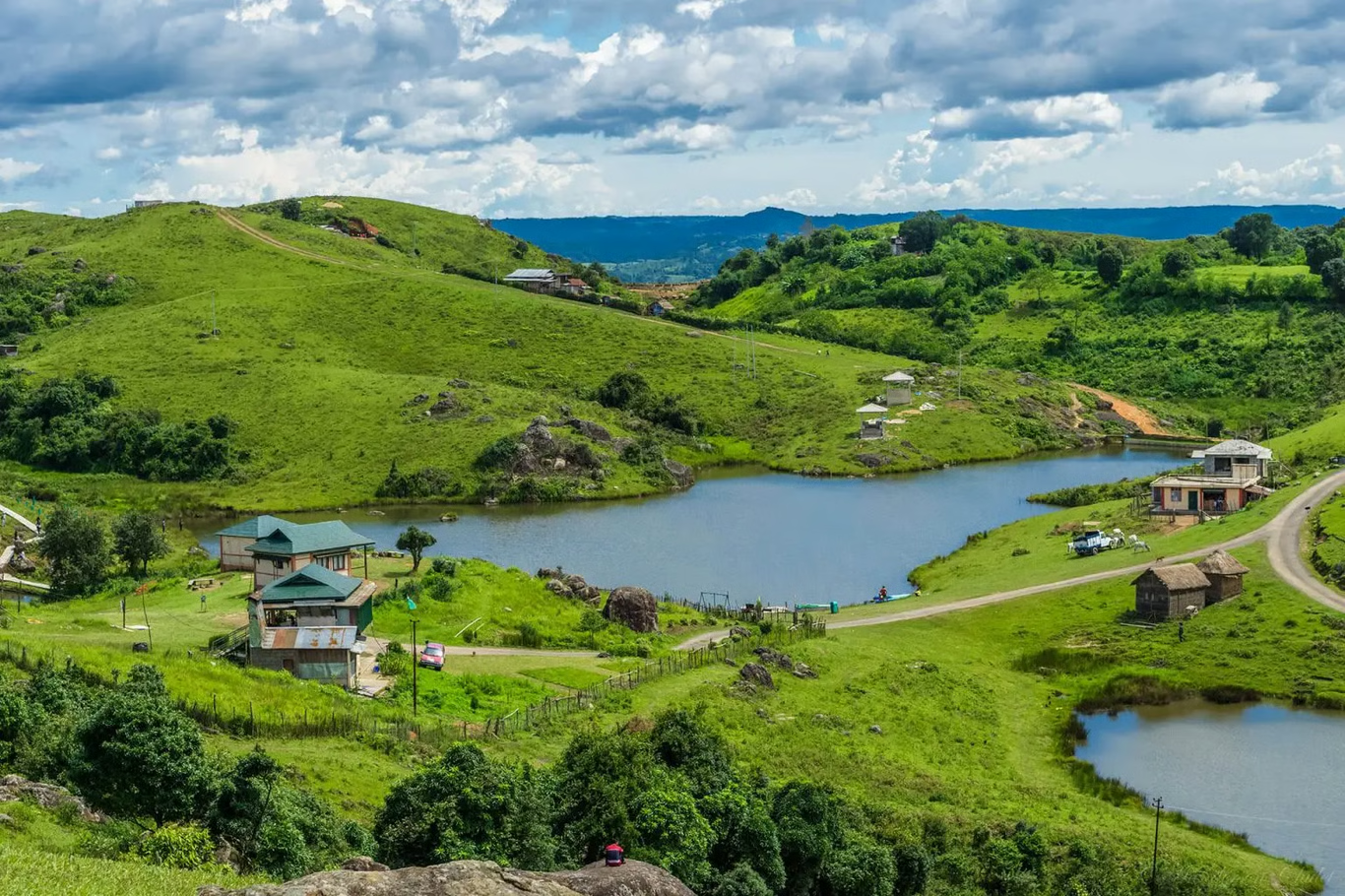
Nestled in the West Khasi Hills of Meghalaya, Mawphanlur Village is one of those rare destinations that feels discovered by only the luckiest travelers. While Cherrapunji and Shillong draw the crowds, this pristine village remains blissfully off the tourist radar, offering an authentic glimpse into Khasi highland life. The village sits approximately 1,600 meters above sea level, surrounded by rolling hills, sacred forests, and some of the most spectacular landscapes in India's northeast.
Mawphanlur translates roughly to "land of abundance" in the Khasi language, and the village lives up to its name. Here, ancient traditions thrive alongside stunning natural beauty. The village is renowned for its well-preserved sacred groves, traditional Khasi architecture, warm hospitality, and spectacular views of the surrounding hills and valleys. This is a place where time moves slowly, where community bonds are strong, and where visitors are welcomed not as tourists but as guests.
This comprehensive guide covers everything you need to know about visiting Mawphanlur Village, including how to reach, accommodation options, things to do, cultural experiences, and practical travel tips for this offbeat destination in Meghalaya.
About Mawphanlur Village
Location & Geography
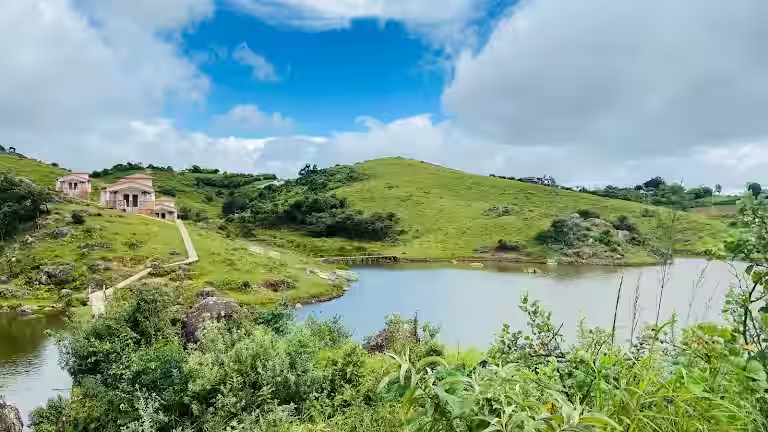
Mawphanlur is located in the West Khasi Hills district of Meghalaya, approximately 60 kilometers from Shillong, the state capital. The village sits in the highlands at an altitude of around 1,600 meters (5,200 feet), giving it a pleasantly cool climate year-round. The surrounding landscape features undulating hills, verdant valleys, streams, and the iconic sacred forests that are central to Khasi culture and ecology.
The village is part of the larger Hima Mawphlang traditional administrative region. The area is characterized by limestone formations, natural springs, and rich biodiversity. The village's elevated position offers panoramic views of the surrounding hills and valleys, particularly spectacular at sunrise and sunset.
The Sacred Grove
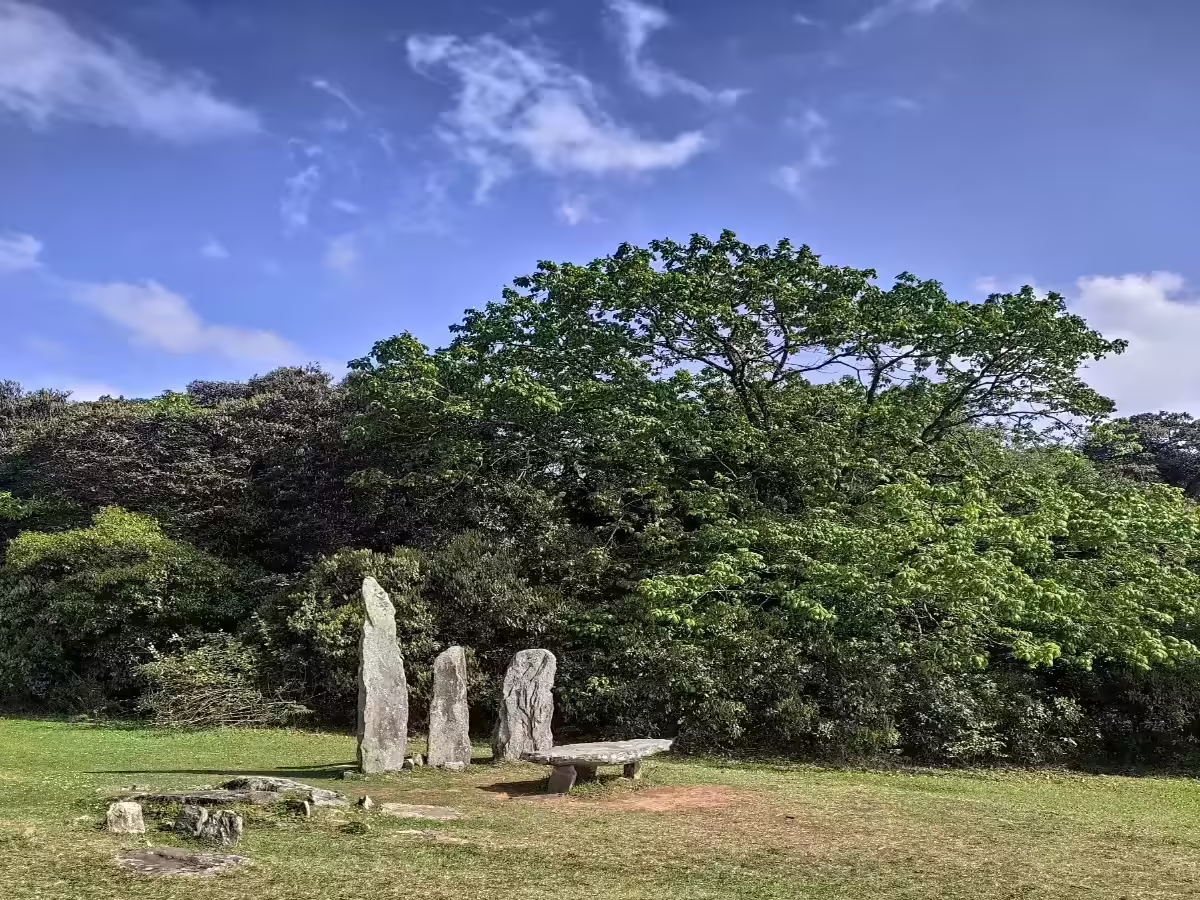
Mawphanlur's most significant feature is its sacred grove - a patch of pristine forest that has been protected by the community for centuries. These sacred groves (Law Kyntang in Khasi) are integral to Khasi culture and represent one of the world's oldest forms of nature conservation. The groves are believed to be the abode of deities, and cutting trees or harming wildlife within them is strictly forbidden.
The sacred grove at Mawphanlur is particularly rich in biodiversity, with rare orchids, medicinal plants, ancient trees, and diverse bird species. Walking through the grove feels like stepping into a cathedral of nature - the atmosphere is spiritual, the air pure, and the connection to the land palpable.
Local Culture & Traditions
Mawphanlur offers authentic insights into Khasi culture:
- Matrilineal Society: The Khasi people follow a matrilineal system where lineage and inheritance pass through the youngest daughter. Women play important roles in society and family structures.
- Traditional Religion: While many Khasis are Christian, traditional animist beliefs persist. Nature is revered, and the sacred groves are living manifestations of these beliefs.
- Community Governance: Traditional institutions like the Durbar (village council) continue to play important roles in village life and dispute resolution.
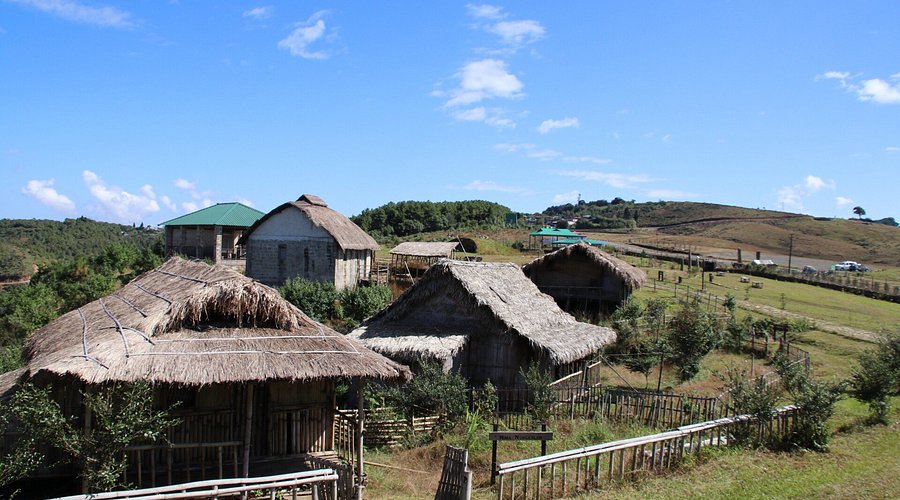
- Traditional Architecture: Many houses still follow traditional Khasi architectural styles with raised floors, wooden walls, and thatched roofs.
Things to See & Do
Sacred Grove Exploration
The Mawphanlur Sacred Grove is the village's crown jewel and a must-visit.
Nature Walk: Guided walks through the sacred grove reveal its ecological treasures. Ancient trees, some hundreds of years old, tower overhead creating a green canopy. The forest floor is covered with ferns, orchids, and medicinal plants used in traditional Khasi medicine.
Birdwatching: The sacred grove is a birdwatcher's paradise. Species you might spot include Himalayan monals, kalij pheasants, various thrushes, babblers, and numerous other Himalayan bird species. Early morning is the best time for birdwatching.
Photography: The grove offers incredible photographic opportunities - shafts of sunlight filtering through the canopy, ancient trees with gnarled roots, colorful orchids, and the interplay of light and shadow in the forest.
Spiritual Experience: Beyond ecology, the sacred grove is a spiritual place. The atmosphere is serene and contemplative. Many visitors report feeling a deep connection to nature in these ancient forests.
Village Walk
Exploring Mawphanlur on foot is the best way to experience village life.
Traditional Houses: Observe traditional Khasi wooden houses with raised floors (protecting from dampness and insects), thatched roofs, and intricate wooden carvings. Some homes have beautifully carved wooden doors and windows.
Community Spaces: The village has traditional community spaces where people gather. These are important for social life and decision-making.
Agricultural Fields: The villagers practice traditional shifting cultivation and terrace farming. Depending on the season, you might see various crops being grown.
Daily Life: Watch villagers go about their daily activities - farming, animal husbandry, weaving, and more. The pace of life is slow and connected to natural rhythms.
Guided Heritage Walk
Arrange a guided heritage walk through the village:
- Learn about Khasi culture and traditions from local guides
- Visit traditional houses and understand Khasi architecture
- Learn about the sacred grove and its significance
- Understand traditional Khasi religion and nature worship
- Visit community institutions and learn about village governance
- Traditional tea ceremony at a local home
Trekking & Hiking
The surrounding hills and forests offer excellent trekking opportunities:
Village to Village Trek: Trek from Mawphanlur to nearby villages through beautiful countryside, forests, and hills. These treks offer insights into rural Khasi life and spectacular views.
Forest Trek: Trek through the surrounding forests, discovering hidden streams, limestone formations, and incredible biodiversity.
Sunset Point: Hike to elevated viewpoints for spectacular sunsets over the hills. The play of light on the landscape is magical.
Note: Always take a local guide for treks. Trails can be confusing, and guides share invaluable knowledge about the area.
Cultural Experiences
Traditional Food: Try authentic Khasi cuisine. Dishes to try include Jadoh (meat and rice cooked together), Dohneiiong (pork with black sesame), and Tungrymbai (fermented soybean). These hearty dishes are perfect for the cool highland climate.
Traditional Drinks: Try local rice beer if available. Traditional drinks are an important part of Khasi social life and ceremonies.
Traditional Music: If you're lucky, you might witness traditional Khasi music performances. Traditional instruments include various drums, flutes, and string instruments.
Festival Experiences: If your visit coincides with festivals (especially the annual spring festival), you'll witness colorful celebrations with traditional dances, music, and community feasts.
How to Reach Mawphanlur
By Air
The nearest airport is Lokpriya Gopinath Bordoloi International Airport in Guwahati, approximately 120 kilometers from Shillong. From Guwahati, travel to Shillong and then to Mawphanlur.
Guwahati to Shillong: 3-4 hours by road (100 km). Shared taxis and private taxis available. The road is scenic, passing through beautiful countryside.
From Shillong to Mawphanlur
Distance: Approximately 60 kilometers
Driving Time: 2-3 hours depending on road conditions
Route: Shillong -> Mawphlang -> Mawphanlur
Transport Options:
- Private Taxi: Most convenient option. Hire from Shillong for ₹2,500-4,000 for the round trip. Ask your Shillong hotel to arrange a reliable driver.
- Shared Taxi: Shared taxis run from Shillong to Mawphlang. From Mawphlang, you'll need to hire another vehicle or arrange pickup to Mawphanlur (about 15 km). This is cheaper but more time-consuming and less convenient.
- Bus: Limited bus service exists but is unreliable for tourists. Not recommended.
Best Time to Visit
Winter (October - March): The best time to visit. Days are pleasantly cool (15-20°C) and nights cold (5-10°C). Clear skies offer great views. Perfect weather for trekking and village exploration.
Summer (April - June): Pleasant but warmer (20-25°C during the day). The landscape is lush after winter. Good time for visiting, but evenings can still be cool.
Monsoon (July - September): Extremely heavy rainfall (Cherrapunji nearby is the wettest place on Earth). Landslides are common, roads become treacherous, and many activities are difficult. Not recommended unless you're prepared for very wet conditions.
Where to Stay
Homestays
Mawphanlur offers authentic homestay experiences:
- Traditional Homes: Stay in traditional Khasi wooden houses with families. Experience authentic village life, home-cooked Khasi meals, and warm hospitality.
- Facilities: Basic but clean. Expect simple rooms, traditional bathrooms (may be shared or attached), and delicious home-cooked food. Don't expect luxury - this is authentic rural accommodation.
- Cost: Approximately ₹1,000-2,000 per night including meals.
- Booking: Options are limited. Arrange through Shillong tour operators or contact community tourism initiatives in Meghalaya. Book in advance, especially during peak season.
Camping
Some operators organize camping experiences in and around Mawphanlur:
- Forest Camping: Camp in designated areas near the sacred grove or surrounding forests. Fully immersive nature experience.
- Facilities: Tents, basic toilet facilities, and campfire meals. Must be arranged through tour operators.
- Important: Only camp in designated areas. Respect the sacred grove - camping within it is not permitted.
Day Trip Option
Most visitors do Mawphanlur as a day trip from Shillong, returning to Shillong for the night. This is more convenient as Shillong has better accommodation, restaurants, and facilities.
Food & Dining
Khasi Cuisine
Experience authentic Khasi food:
- Jadoh: Red rice cooked with meat (usually pork) and spices. The Khasi version of pulao but much more flavorful.
- Dohneiiong: Pork cooked with black sesame seeds, spices, and local herbs. Absolutely delicious.
- Dohkhlieh: Khasi-style pork salad with onions, chilies, and lime. Fresh and flavorful.
- Tungrymbai: Fermented soybean cooked with pork and spices. Acquired taste but a Khasi specialty.
- Pumaloi: Powdered rice steamed in special pots. The Khasi version of rice.
Dining Options
Homestay Meals: If staying in a homestay, meals are usually included. Home-cooked Khasi food is authentic, delicious, and plentiful.
Village Eateries: Very limited options exist. Some families might serve simple meals. Don't expect restaurants.
Packed Lunch: Most day-trippers carry packed lunch from Shillong.
Sample Itinerary
Day Trip from Shillong
8:00 AM: Depart Shillong after breakfast
10:00 AM: Arrive in Mawphanlur. Begin with a guided tour of the sacred grove. Learn about its ecological and cultural significance.
12:00 PM: Village walk. Explore traditional houses, meet villagers (respectfully), and learn about Khasi culture and architecture.
1:30 PM: Lunch break - either at a homestay or picnic lunch carried from Shillong.
2:30 PM: Short trek to viewpoints or surrounding areas. Enjoy the beautiful landscapes.
4:30 PM: Tea at a local home. Experience Khasi hospitality.
5:30 PM: Depart for Shillong
7:30 PM: Arrive back in Shillong
Two-Day Immersion
Day 1: Morning departure from Shillong. Check into homestay. Full day exploring the village and sacred grove. Evening around the campfire with traditional stories and songs. Overnight in homestay.
Day 2: Early morning birdwatching in the sacred grove. Breakfast. Trek to nearby villages or viewpoints. Lunch. Afternoon departure to Shillong.
Practical Travel Tips
What to Carry
- Warm clothing - it gets cold, especially at night. Layers are essential.
- Comfortable walking shoes with good grip for treks and village walks
- Rain gear - even outside monsoon, rain is possible in Meghalaya
- Waterproof bag for electronics and documents
- Water bottle - stay hydrated
- Sun protection - hat, sunglasses, sunscreen
- Camera and binoculars for wildlife/birdwatching
- First aid kit and personal medications
- Cash - very limited digital payment acceptance
Health & Safety
- Carry basic medications and first aid
- The village is safe, but use common sense
- Respect local customs and sacred spaces
- Don't enter the sacred grove without a local guide
- Don't pluck plants or disturb wildlife
- Ask permission before photographing people
- Be prepared for limited medical facilities
Responsible Tourism
- Respect the sacred grove and local customs
- Don't litter - carry your trash back
- Support local businesses and homestays
- Ask permission before photographing people or entering private property
- Dress modestly respecting local culture
- Don't damage the environment or wildlife
- Learn a few Khasi greetings - locals appreciate the effort
Nearby Attractions
Combine With
Mawphlang Sacred Grove: Another famous sacred grove near Shillong (about 15 km from Mawphanlur). Better known and more visited than Mawphanlur's grove.
Shillong: The state capital with waterfalls, museums, markets, and colonial architecture.
Cherrapunji: Famous for its living root bridges, waterfalls, and being one of the wettest places on Earth. The living root bridges near Cherrapunji are a must-see natural wonder.
Mawlynnong: Asia's cleanest village, known for its living root bridge and pristine environment. A visit to Mawlynnong perfectly complements your Mawphanlur experience.
Dawki: Beautiful riverine area on the Bangladesh border with crystal-clear waters.
Why Visit Mawphanlur
Mawphanlur represents everything authentic about Meghalaya and the Khasi Hills. Unlike more commercialized destinations, this village offers genuine cultural experiences without the tourist trappings. Here, you'll find sacred forests preserved for millennia, traditional Khasi life continuing largely unchanged, and landscapes of breathtaking beauty.
For travelers seeking authentic experiences, meaningful connections with local cultures, and pristine natural environments, Mawphanlur is perfect. It's a place that slows you down, that reminds you of the wisdom of traditional ways of life, and that offers a profound connection to nature.
Visit Mawphanlur before the rest of the world discovers this Khasi highland paradise!
Location
Frequently Asked Questions
Q1.Where is Mawphanlur Village located?
Q2.What is the best time to visit Mawphanlur Village?
Q3.What is special about Mawphanlur Village?
Q4.Can I stay overnight in Mawphanlur Village?
Q5.What should I wear when visiting Mawphanlur?
Q6.What is a sacred grove in Mawphanlur?
Q7.How do I reach Mawphanlur from Guwahati?
Recommended For You
Khasi Heritage Village Shillong: Culture Experience, Timings & Entry
Explore Khasi Heritage Village in Shillong. Learn about Khasi culture, traditional houses, entry timings & how to reach this cultural gem.
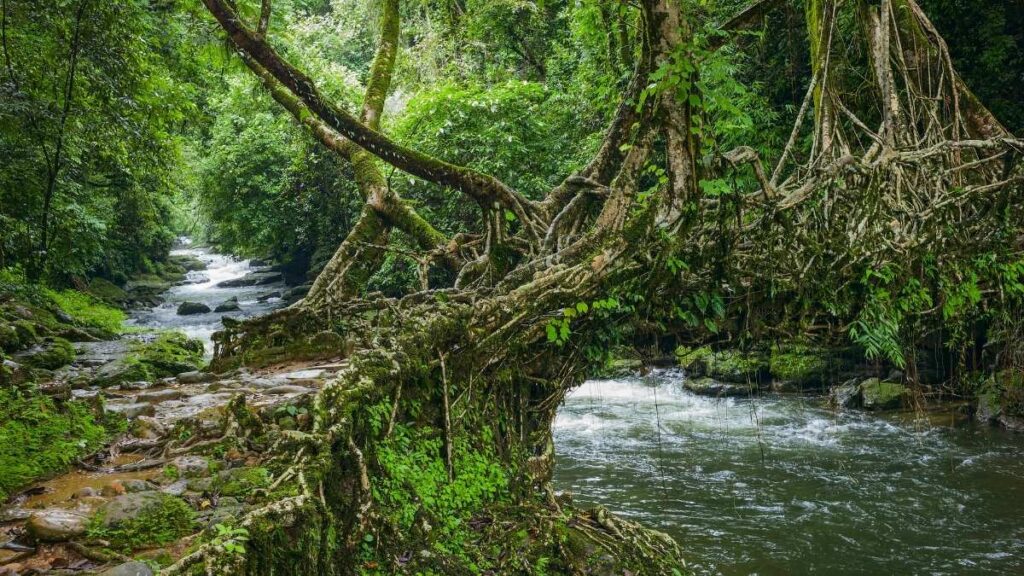
Living Root Bridges Meghalaya: Trek Routes, Villages & Local Tips
Discover Meghalaya's incredible living root bridges - nature's bioengineering marvel grown by the Khasi tribes. Complete trekking guide to the Double Decker Root Bridge in Nongriat, best time to visit, how to reach, difficulty level, and photography tips.
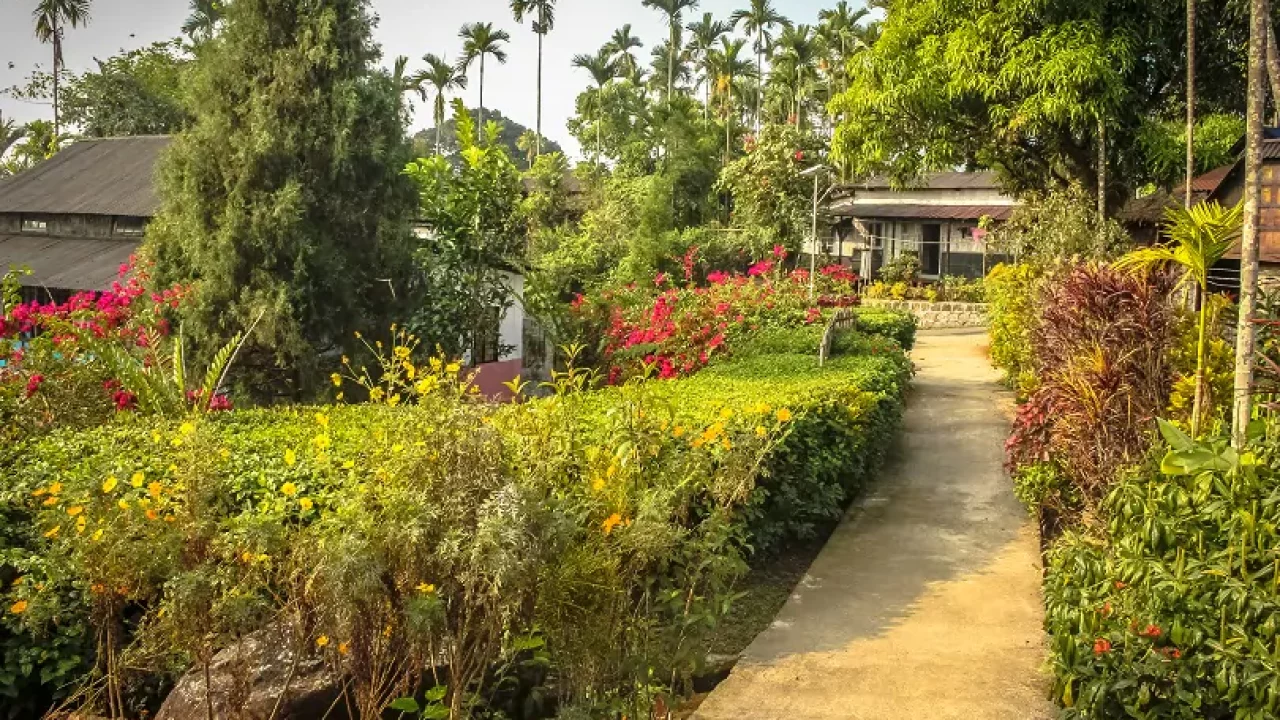
Mawlynnong Village Meghalaya: Clean Village Experience, Route & Stay
Plan your Mawlynnong Village trip with cleanliness highlights, living root bridge access, best season, routes from Shillong, and practical stay tips.
Never Miss an Adventure
Get the latest trekking guides, travel tips, and exclusive offers delivered straight to your inbox.
