
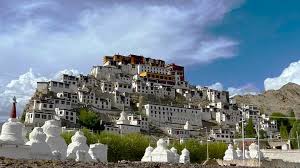
Monasteries in Ladakh Guide: Route Sequencing, Spiritual Etiquette, and Practical High-Altitude Planning

Rahul Garg
February 27, 2026
Plan monasteries in Ladakh with route sequencing, cultural etiquette, and practical high-altitude timing strategy.
Introduction
Monasteries in Ladakh are among the most meaningful cultural and spiritual experiences in the region, but many travelers rush through them as photo stops between long drives. This reduces both understanding and enjoyment. A strong monastery itinerary in Ladakh needs route logic, timing discipline, and respectful conduct in active spiritual spaces. This guide explains how to plan monastery visits with depth while keeping high-altitude travel practical and safe.
Why Monastery Planning Matters
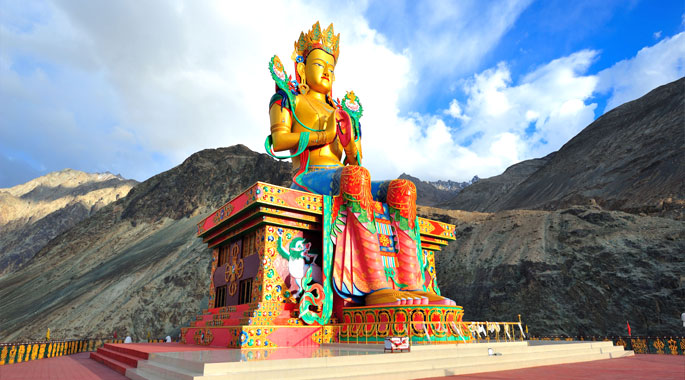
Ladakh monasteries are spread across varied terrain and elevations. Without route sequencing, travelers lose time in transit and arrive fatigued in spaces meant for reflection. Plan fewer monasteries per day with longer quality windows. This gives you better spiritual context, better photography conditions, and better energy management in altitude-sensitive terrain.
How to Sequence Monasteries Smartly
Start with lower-stress nearby monasteries after acclimatization, then move to more distant clusters on later days. Avoid stacking long drives and multiple monastery visits in the same high-load day. A practical structure is one major monastery anchor plus one secondary stop. This protects focus and reduces fatigue.
Respectful Conduct and Spiritual Etiquette
Monasteries are living spiritual institutions, not static tourism exhibits. Dress modestly, keep voice low, ask before photographing sensitive areas, and avoid interrupting ritual activity. Visitors who follow etiquette receive a more welcoming and meaningful experience. Respect is the foundation of cultural travel quality in Ladakh.
Best Time of Day for Monastery Visits
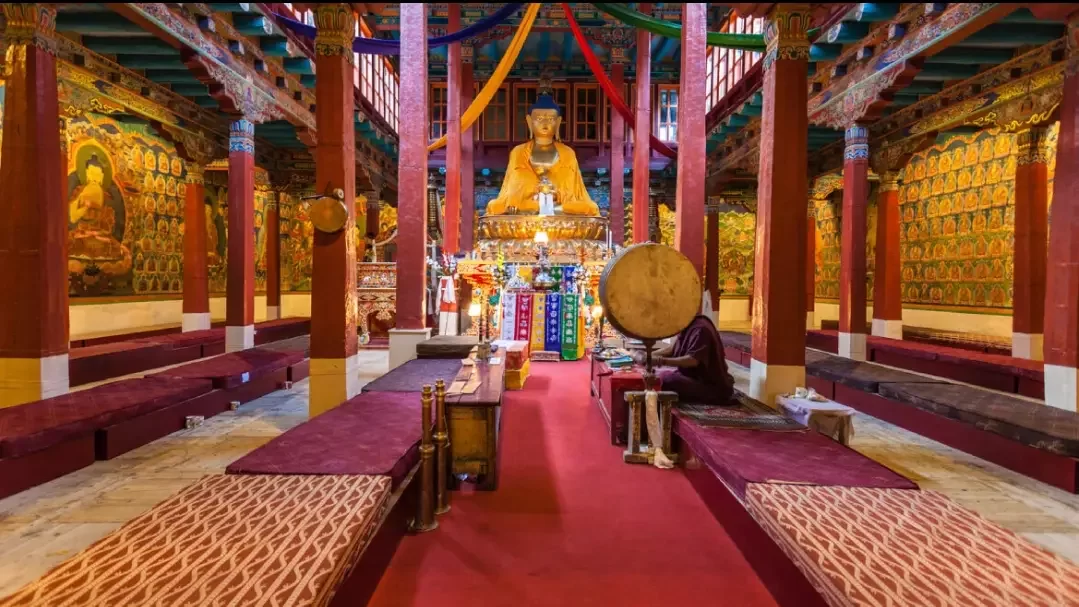
Morning windows are usually better for calmer atmosphere and clearer light. Late-day visits can still be rewarding but may be constrained by transfer timing and temperature drop depending on season. Keep your final monastery stop within practical return range. High-altitude route discipline should always shape your day-end plan.
Combining Monasteries with Broader Ladakh Trip
Monastery-focused days should be integrated thoughtfully with passes, lakes, and local-market blocks. For broader route planning, compare with Leh Ladakh trip and keep adaptation support from acute mountain sickness in Ladakh in your planning baseline. A monastery day is culturally rich but still physically demanding in altitude conditions.
Key Monastery Themes to Explore
Instead of only collecting names, explore themes: architecture, ritual rhythm, monastery-school life, and landscape positioning. Theme-based visits create stronger learning outcomes and avoid repetitive surface-level experiences. You can compare traditions through references like Hanle Monastery Ladakh and Upshi Monastery Ladakh in separate route blocks.
Photography with Cultural Sensitivity
Take photos thoughtfully without blocking movement or disturbing rituals. Use wider compositions in shared spaces and reduce intrusive close-up behavior unless clearly permitted. Cultural sensitivity improves your results and protects the sanctity of spiritual environments.
Common Mistakes to Avoid
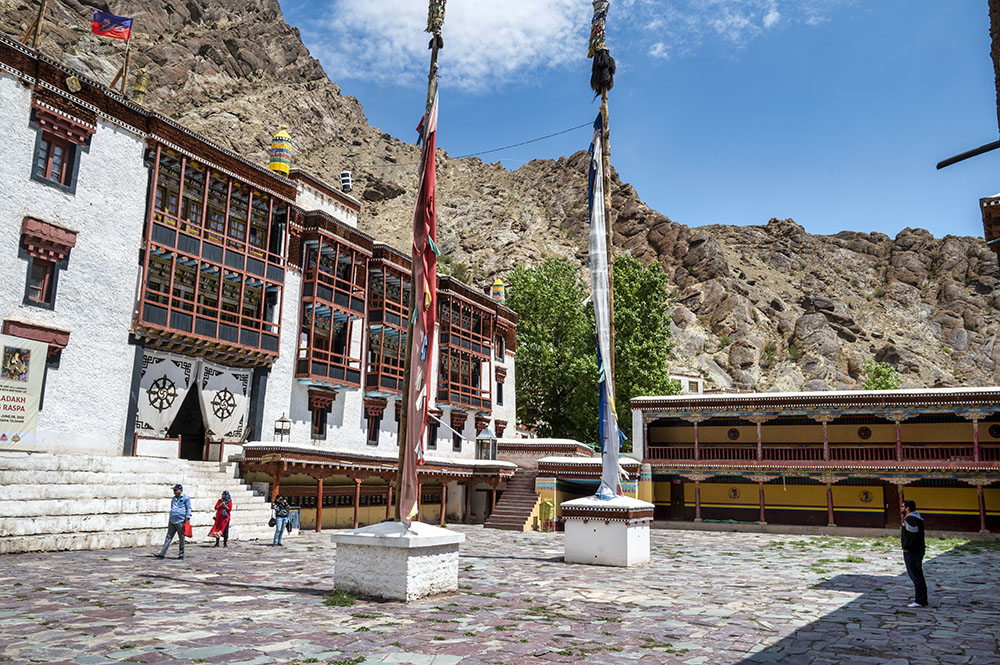
Frequent mistakes include rushing through multiple monasteries, ignoring altitude fatigue, and treating sacred spaces like generic attractions. Another issue is planning monastery visits after exhausting pass days. Fix this by distributing cultural days and keeping travel load balanced across the itinerary.
Practical 2-Day Monastery Template
Day 1: acclimatized nearby monastery cluster with one primary anchor. Day 2: more distant monastery with slower return and recovery. This model provides depth while preserving safety and comfort in high-altitude conditions.
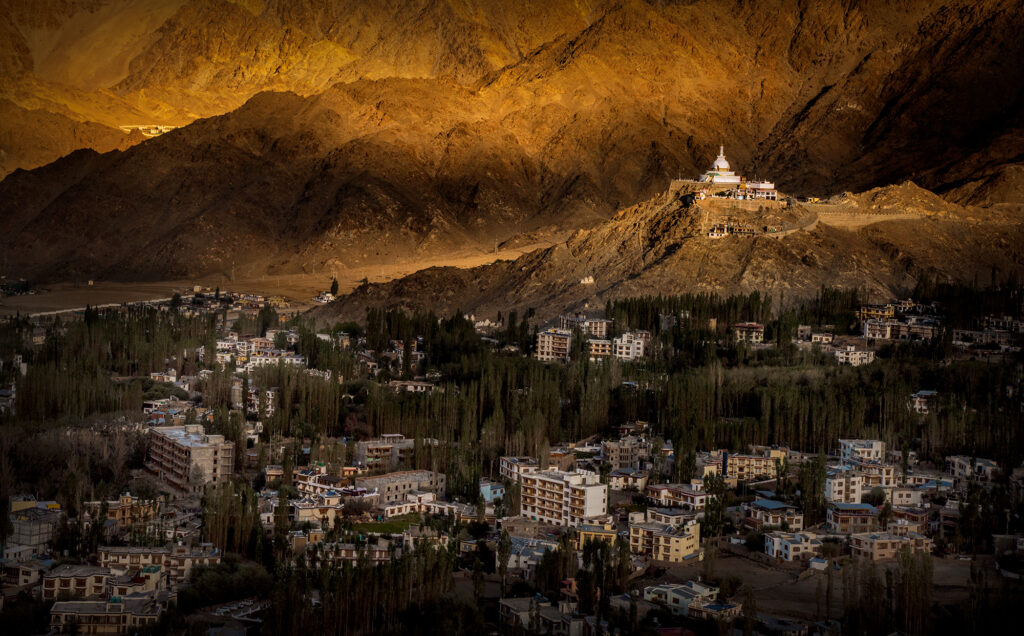
Designing a Monastery-Focused Day Without Fatigue
A monastery day in Ladakh should not be planned like a city attraction list. Keep your day anchored around one major monastery and one supportive stop, with enough time for approach, observation, and reflection. Include one meal and hydration reset between visits. This keeps mental and physical energy stable, especially in high-altitude contexts where fatigue builds faster than expected.
If you are combining monastery visits with landscape drives, reduce the total number of stops. More transitions often mean less depth. Monastery travel quality comes from attention and calm pacing, not total count.
Cultural Learning Framework for Better Understanding
Instead of only photographing architecture, use a simple learning framework: ritual rhythm, visual symbolism, spatial design, and local community interaction. Ask what each monastery is trying to preserve in practice, not just in form. This question transforms the visit from tourism to learning. Even a short note-taking habit can significantly improve retention of what you experienced.
For travelers exploring multiple spiritual routes, comparing experiences with monastery in India style context can help organize observations across regions. Comparative learning gives your Ladakh journey more intellectual depth.
Photographic Depth Without Disturbance
Good monastery photography should be non-disruptive and context-rich. Capture one wide establishing frame, one medium activity frame, and one detail frame, then move. Avoid prolonged blocking in narrow areas. Respectful and efficient photography helps preserve sanctity and still gives strong visual storytelling.
If rituals are active, prioritize observation over constant capture. Some of your strongest memories will come from moments you choose to watch fully rather than record.
Building a Deeper Monastery Learning Journey
Travelers who want more than visual exposure should create a monastery learning plan. Choose one question per visit: what ritual patterns are visible, what architectural choices support spiritual function, and what does local behavior reveal about monastery-community relationships? This question-based method keeps your attention active and helps convert observation into understanding. Without a method, even beautiful monastery visits can blur together.
Keep one short note after each monastery: key takeaway, atmosphere quality, and practical route insight. By day three or four, these notes reveal patterns that enrich your entire Ladakh experience. Learning-oriented travel also improves pacing decisions because you begin to value depth over quantity. This naturally reduces unnecessary transfers and creates a more grounded spiritual journey.
Maintaining Physical Stability on Cultural Days
Cultural days in Ladakh are still physically demanding due to altitude and transfer patterns. Maintain hydration, keep meals timely, and avoid long gaps between stops without rest. A stable body supports better attention in spiritual spaces. Cultural depth and physical discipline are linked; one strengthens the other in high-altitude environments.
Interpreting Monastery Visits Beyond Visual Tourism
Monasteries in Ladakh carry layers of meaning that are often missed in rapid itineraries. A better method is to spend time understanding context: why a monastery is located where it is, how ritual cycles shape daily activity, and what role the institution plays in local community continuity. Even one additional 20-minute observation block can change the depth of your experience dramatically.
If you keep a short note after each visit, your understanding compounds across the trip. Patterns become visible and the monastery circuit feels connected rather than repetitive. This is especially useful for travelers interested in culture, history, and spiritual anthropology, not just photography.
Practical End-of-Day Cultural Debrief
At the end of each monastery day, do a quick debrief: what was meaningful, what felt rushed, and what should be adjusted tomorrow. This habit improves itinerary quality in real time. Small corrections in timing and movement can significantly improve the final outcome of a multi-day Ladakh cultural journey.
Final Cultural Note
Fewer stops with deeper attention always create stronger monastery experiences in Ladakh.
Last Line
Calm timing, respectful conduct, and focused learning keep monastery routes meaningful.
Final Note
Depth over speed keeps cultural journeys meaningful and sustainable.
Last Reminder
Keep curiosity active and movement gentle.
Conclusion
Monasteries in Ladakh are best experienced through respectful pacing, route-aware planning, and spiritual attentiveness. Keep your days focused, avoid overloading, and approach each monastery as a living center of culture and devotion. With this approach, your Ladakh journey gains far more meaning than a fast checklist circuit.
Location
Frequently Asked Questions
Q1.How many monasteries should I cover in one day in Ladakh?
Q2.What is the key etiquette rule in Ladakh monasteries?
Q3.Can monastery visits be combined with high-pass days?
Q4.What is the best time of year to visit Ladakh's monasteries?
Q5.Do monasteries in Ladakh charge an entry fee?
Q6.Is it necessary to hire a guide for monastery visits?
Recommended For You
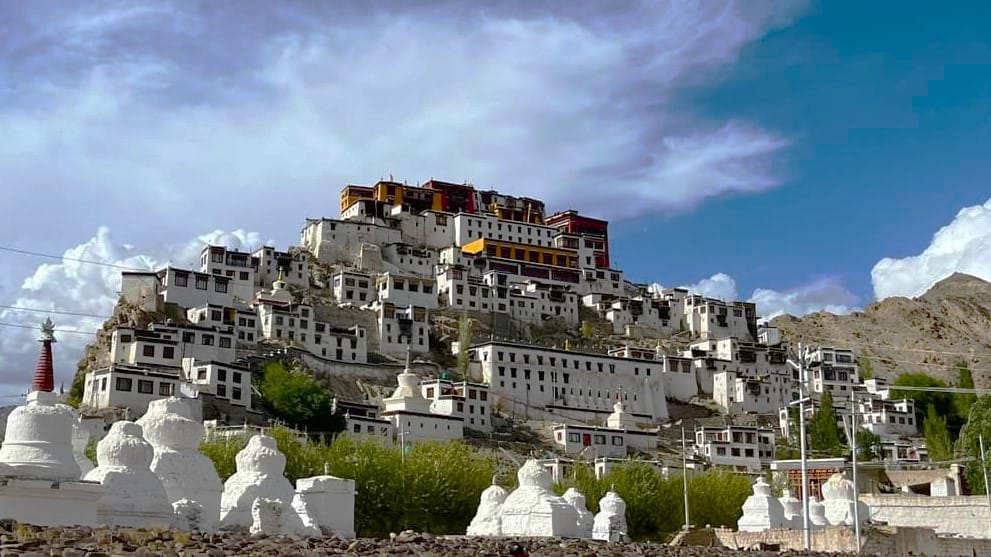
Monasteries in Ladakh: Routes, Etiquette and Top Gompas
Explore monasteries in Ladakh with practical route planning, key gompa highlights, and respectful visitor etiquette.
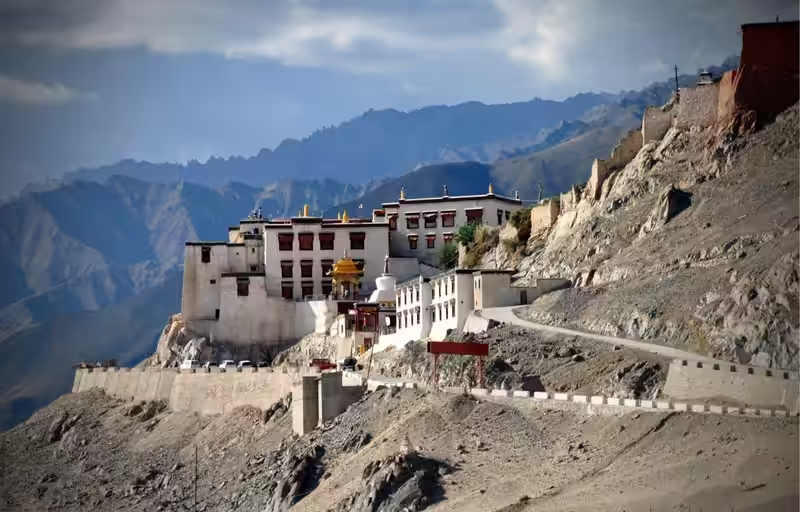
Spituk Gompa Leh: History, Festival & Timings
Discover Spituk Gompa, an ancient 15th-century Buddhist monastery in Leh. Complete guide to history, architecture, Gustor Festival, timings, entry fee, and how to reach this hilltop spiritual destination.
Upshi Monastery Ladakh Guide: History, Route, Best Time, and Travel Tips
Plan Upshi Monastery Ladakh with route logic, season advice, cultural etiquette, and practical stop strategy for a deeper Ladakh itinerary.
Never Miss an Adventure
Get the latest trekking guides, travel tips, and exclusive offers delivered straight to your inbox.
