
Leh Ladakh Trip Guide: Acclimatization, Route Sequencing, Cost Logic, and Safe High-Altitude Planning

Rahul Garg
February 27, 2026
Plan your Leh Ladakh trip with acclimatization-first routing, safer drive sequencing, and practical high-altitude decision-making.
Introduction
A Leh Ladakh trip is one of India's most aspirational mountain journeys, but it is also one of the most commonly misplanned. Travelers often focus on scenic checkpoints while underestimating acclimatization, route load, and weather-driven decisions. The result is fatigue, altitude discomfort, and rushed experiences. This guide provides a practical framework for planning Leh Ladakh correctly: how to phase altitude gain, how to design day structure, what to prioritize, and how to keep the trip safe and memorable rather than stressful.

Why Leh Ladakh Needs Structured Planning
Ladakh's terrain and altitude make this destination different from normal road trips. Distances are deceptive, weather shifts can be sudden, and body response varies significantly between travelers. A successful Leh Ladakh plan is not about maximum places; it is about intelligent sequencing. The first objective is adaptation, then exploration. Travelers who respect this order usually complete more and feel better throughout the trip.
Acclimatization First, Always
The first one to two days in Leh should be low-intensity. Avoid aggressive outings immediately after arrival. Keep hydration steady, meals light but regular, and rest consistent. If symptoms like headache or fatigue appear, reduce activity and monitor closely. For preventive awareness, align your preparation with acute mountain sickness in Ladakh guidance before final itinerary lock.
How to Build a Practical Leh Ladakh Route
Use a progressive route model: Leh acclimatization, nearby moderate activity, then high-altitude sectors with buffer days. Do not schedule long high-pass drives back-to-back without recovery logic. Keep one flexible day for weather, permits, or body-response adjustments. For broader destination layering, compare options with amazing places to visit in Leh Ladakh and select fewer places with better depth.
Transport Strategy and Drive Pacing
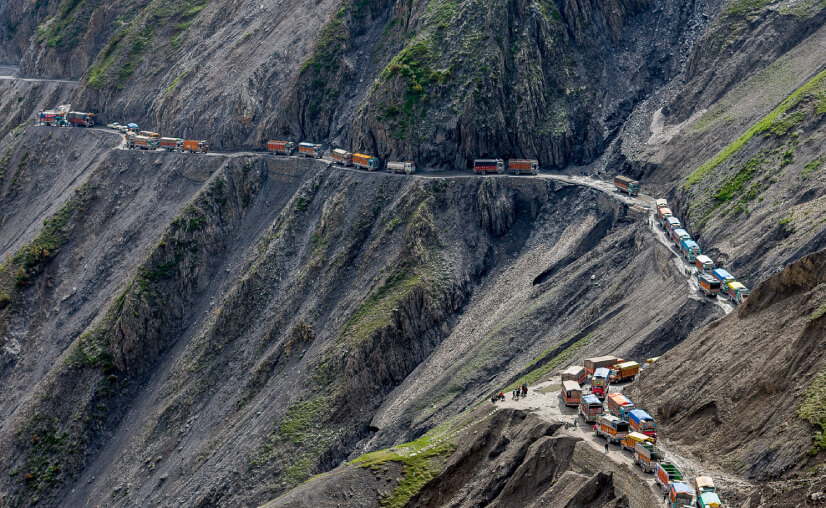
Road movement in Ladakh should be conservative and daylight-focused. Start early, avoid late risky segments, and keep driver fatigue in check. If self-driving, plan shorter sectors with route familiarity. If hiring, prioritize local high-altitude driving experience. Transport quality is one of the strongest predictors of overall trip safety and comfort.
Budget and Cost Planning
Ladakh costs vary by season, transport mode, and route spread. Budget realistically for stay, mobility, permits, and contingency. Do not underbudget and then force unsafe timeline compression. Better value comes from stable planning, not aggressive cost cutting in critical areas like transport and health-related logistics.
What to Pack for Leh Ladakh
Keep layering functional: thermal base, insulation, wind/rain shell, and sun protection. Include hydration support, basic medical kit, and power backup. Overpacking adds fatigue, but missing essentials can destabilize the trip quickly. Pack for temperature swings and high UV exposure, not only for cold aesthetics.
How to Balance Scenic Goals with Health
It is common to over-prioritize checkpoints and overlook recovery. A better strategy is one major scenic block per day with controlled transfers. Keep evenings for recovery and route confirmation. If you are combining lakes, passes, and monasteries, distribute them across days rather than stacking by map proximity.
Combining Leh Trip with Thematic Interests
If your focus is culture, add monastery-focused windows such as monasteries in Ladakh. If your focus is route depth, include pass-awareness from mountain passes in Ladakh. Keep each theme in dedicated blocks so the trip feels coherent and manageable instead of scattered.
Common Mistakes to Avoid
Top mistakes include skipping acclimatization, overloading daily drives, ignoring hydration discipline, and forcing movement despite symptoms. Another issue is copying social itineraries that do not match your group fitness and response. Build your own practical plan with buffers and conservative assumptions.

Who Should Add Extra Days
First-time high-altitude travelers, families, and photography-focused travelers should add extra buffer days. More time reduces pressure and allows better adaptation. Ladakh is best experienced with depth and steadiness, not speed. Extra day allocation often determines whether your trip feels exhausting or transformational.
Day-Wise Energy Budgeting for Ladakh
A practical Leh Ladakh trip should be built around energy budgeting, not only route mapping. Each day has a fixed physical and cognitive load, especially at altitude. If you spend too much on transfer and exposure in the morning, afternoon options should be intentionally reduced. Travelers who manage energy like a daily budget avoid burnout and make better decisions throughout the trip. This is especially useful for mixed groups where response levels vary.
Use a simple daily template: one major route objective, one secondary optional block, and one non-negotiable recovery period. Recovery is part of execution, not a sign of weakness. In Ladakh, recovery quality determines next-day route stability.
How to Build a Safer Route Sequence
Route sequence should progress from lower-intensity acclimatization days to more exposed pass-and-lake segments. Avoid placing two very high-load days consecutively unless the group has proven response and weather stability. Keep one movable buffer day in the schedule. This allows you to adapt without sacrificing key experiences. A trip with buffers often covers more meaningful ground than a rigid itinerary that collapses under one delay.
If your plan includes monasteries, passes, and lakes, assign thematic days instead of mixed overloaded days. Theme-based sequencing reduces decision fatigue and makes each day clearer in purpose and execution.
Practical Exit Strategy From High Altitude
Many itineraries fail at the end because departure-day planning is rushed. Keep your last 24 hours simple: controlled movement, stable meals, and enough margin for onward transfers. Do not add experimental detours on final day. A safe and calm exit is part of a successful Ladakh trip and preserves overall experience quality.
Travelers who finish with discipline typically recover faster and retain stronger memories of the journey than those who push aggressively until the last hour.
Permits, Documentation, and Operational Readiness
Leh Ladakh planning should include early permit awareness and document organization. Keep identity documents, hotel confirmations, route notes, and emergency contacts available in both digital and offline formats. Route changes and checkpoint requirements can create delays if documentation is scattered. A clean folder system reduces friction and helps you respond quickly when plans shift.
Operational readiness also means confirming fuel strategy, cash backup in selected regions, and communication expectations in low-network sections. These practical factors are often ignored in scenic-focused planning, yet they directly influence trip stability.
How to Build a Better Last Two Days
The final two days of a Ladakh trip should gradually reduce load. Keep one scenic block, one market or cultural block, and enough rest before departure. Do not place the highest-risk road segment on the final morning. A controlled exit strategy protects your overall trip quality and minimizes avoidable stress at the end.
Travelers who taper activity toward departure usually retain stronger memories and recover faster than those who push maximum intensity until the last hour.
Final Route Reminder
Leh Ladakh success comes from acclimatization-first planning, realistic buffers, and consistent hydration. Simple discipline is what keeps the trip both safe and memorable.
Closing Travel Note
Plan fewer high-intensity days, protect acclimatization, and keep route buffers active. Consistency is what turns Ladakh trips from stressful to exceptional.
Last Planning Line
Health-first pacing is the strongest Ladakh strategy for every traveler.
Conclusion
A Leh Ladakh trip becomes truly rewarding when planned around acclimatization, route discipline, and safety-first decisions. Keep your itinerary flexible, prioritize health, and distribute scenic goals intelligently. With this approach, you gain better comfort, stronger experiences, and a far more sustainable mountain journey.
Location
Frequently Asked Questions
Q1.How many days are ideal for a Leh Ladakh trip?
Q2.What is the most important Leh Ladakh planning rule?
Q3.Can first-time travelers do Leh Ladakh safely?
Q4.Do I need a permit to visit Ladakh?
Q5.What is the best time to visit Leh Ladakh?
Recommended For You
Leh Ladakh Bike Trip: Complete Route And Itinerary Plan
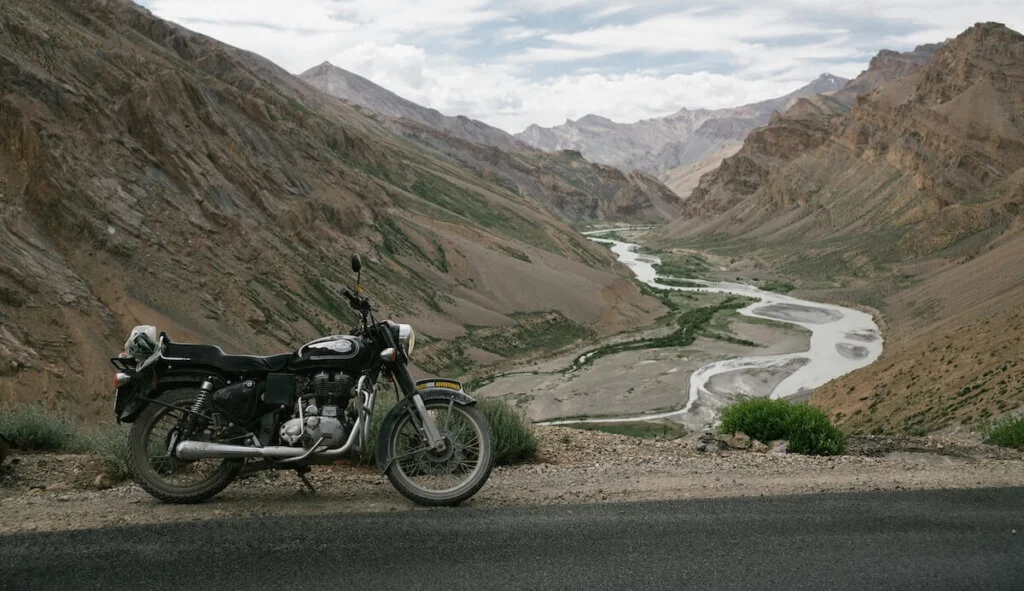
Plan Leh Ladakh bike trip with route choices, itinerary, cost, permits, acclimatization tips, and practical riding prep for a safer high-altitude ride.
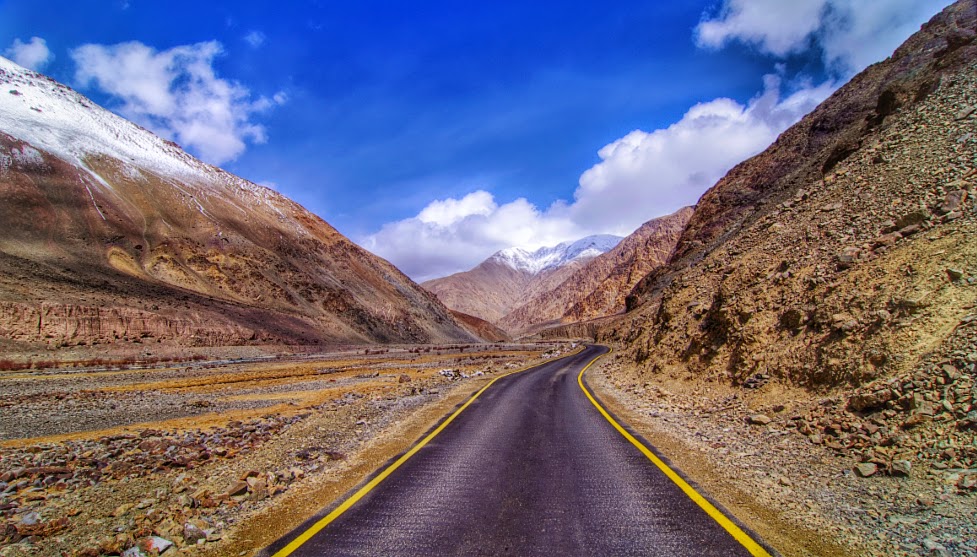
Best Time to Visit Ladakh: Season, Road Openings & Temperature
Find the best time to visit Ladakh with season-wise weather, road opening windows, monthly travel insights, and practical tips for road trips, trekking, and Chadar plans.
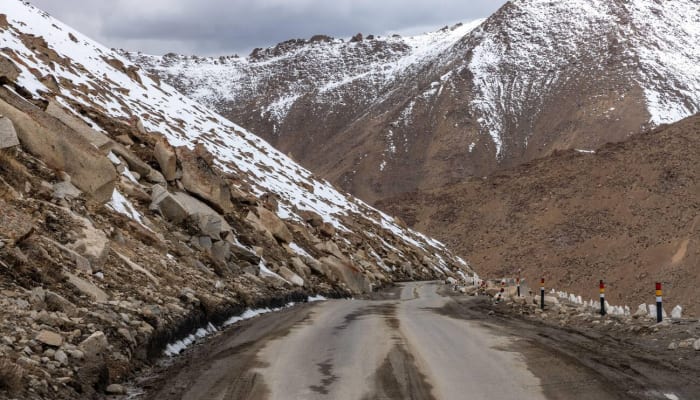
Mountain Passes in Ladakh: Heights, Routes and Tips
Complete guide to mountain passes in Ladakh with key routes, heights, road status planning, permits, AMS safety, and practical driving tips.
Never Miss an Adventure
Get the latest trekking guides, travel tips, and exclusive offers delivered straight to your inbox.
