
Shey Palace Leh Ladakh: Buddha Statue, Timings & Route Details
Rohit Verma
January 31, 2026
Plan your Shey Palace Leh Ladakh visit with Buddha statue insights, history, route from Leh, timings guidance, and practical tips for a meaningful heritage stop.
Shey Palace Leh Ladakh: Giant Buddha and Royal Heritage Guide
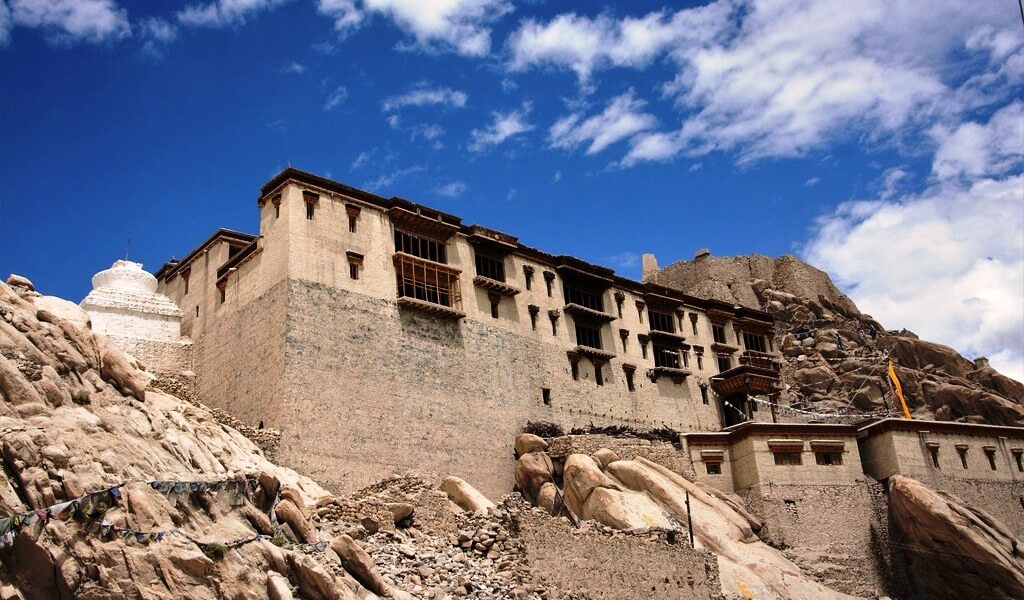
Shey Palace in Leh Ladakh is one of the most meaningful heritage stops on the Leh-Shey-Thiksey-Hemis circuit. Once associated with Ladakh's royal lineage, the site combines palace ruins, monastic spaces, and a monumental Shakyamuni Buddha statue that draws both spiritual visitors and history-focused travelers. For many people, Shey is quieter than larger monasteries, which makes it ideal for slower exploration.
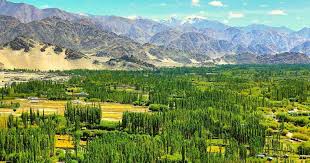
The complex sits above Shey village and offers broad views over the Indus Valley. This guide covers Shey Palace history, the Namgyal dynasty connection, the famous copper-gilt Buddha, Shey Palace vs Shey Monastery differences, how to reach from Leh, best season, and practical visit tips. If you are planning Ladakh beyond checklist tourism, Shey deserves dedicated time.
History of Shey Palace and Namgyal Dynasty Context
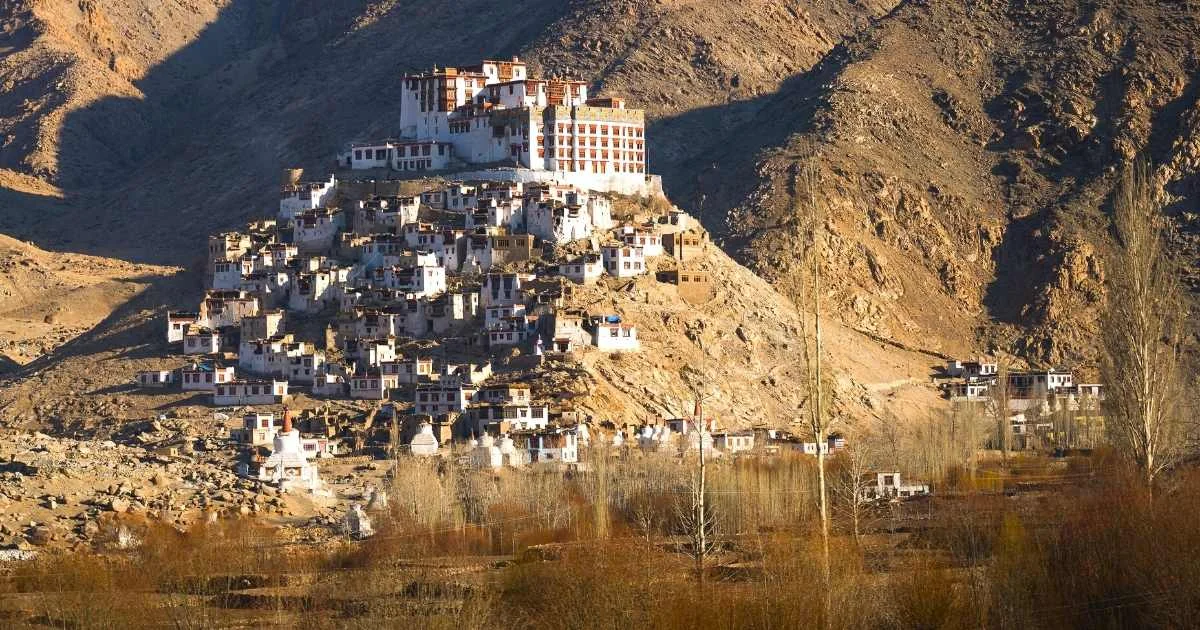
Shey has historical significance as a former royal seat in Ladakh's political memory. The currently visible palace-monastery structures are generally associated with 17th-century Namgyal period development, especially under King Deldan Namgyal, with references to memorial and monastic intentions tied to the dynasty. Historical narratives also mention earlier palace associations in the broader Shey region.
Over time, power centers shifted, and Shey's role changed from active royal center to heritage-monastic landmark. Today, visitors encounter a layered site rather than a single preserved palace building: parts are ruin-like, parts devotional, and parts scenic vantage zones.
| Historical Layer | Commonly Referenced Context | Visitor Value |
|---|---|---|
| Royal association | Linked with Namgyal-era governance memory | Explains why Shey is called a former capital seat |
| Monastic role | Buddhist practice and ritual continuity | Adds spiritual depth beyond palace ruins |
| Present tourism role | Circuit stop between Leh and major gompas | High value for half-day cultural route planning |
The Giant Buddha Statue at Shey
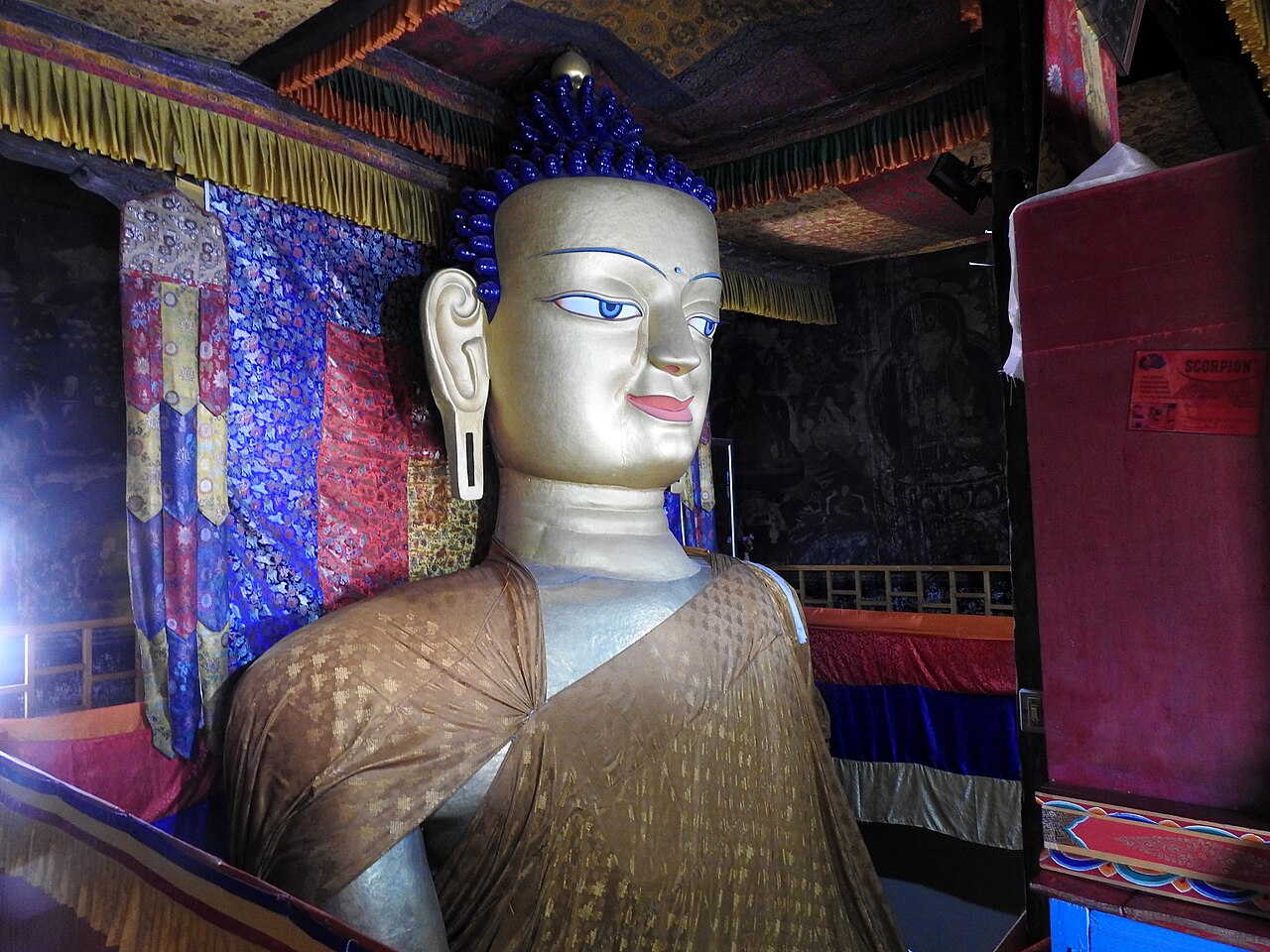
The primary attraction inside the Shey complex is the towering Shakyamuni Buddha, often described as one of the largest Buddha statues in Ladakh. Public travel references differ slightly on exact dimensions and details, but most agree on its large vertical scale, copper-based construction, gilded finish, and multi-level viewing experience inside the temple structure.
What makes this statue special is not only size. The chamber environment, mural context, and devotional atmosphere create a concentrated cultural experience. Visitors should spend time observing iconographic details rather than taking quick photos and moving on.
- Large seated Shakyamuni form in copper-gilt visual tradition
- Multi-floor internal viewing perspective
- Strong photographic and spiritual presence
- Important anchor for Shey's identity in Ladakh tourism
Shey Palace vs Shey Monastery: Are They the Same?
Travelers often use the terms interchangeably, but it helps to think of Shey as a shared heritage complex where palace memory and monastery function coexist. The palace component reflects royal-historical identity, while the monastic part reflects active religious and ritual continuity.
For practical travel planning, you do not need separate long transfers between the two since they are experienced in one visit. The key is to allocate enough time to cover both historical and spiritual layers.
| Element | Focus | What You Learn |
|---|---|---|
| Palace remains | Royal and dynastic past | Political and architectural memory of Shey |
| Monastery space | Buddhist devotional tradition | Religious continuity and iconographic context |
| Combined site walk | Landscape + culture | Integrated Ladakh heritage experience |
Architecture and Site Character
Shey architecture follows high-altitude Ladakhi building logic: stone-mud massing, strategically elevated positioning, and practical adaptation to climate and terrain. The site is visually dramatic because it is not polished into uniform restoration. Weathered textures and layered structures preserve historical atmosphere.
Look for chorten alignments, prayer symbolism, terraced levels, and valley-facing viewpoints. These elements help you understand why Shey was chosen as a politically and spiritually significant location.
How to Reach Shey Palace from Leh
Shey is located roughly 15 km from Leh on the Leh-Manali highway corridor side, and road approach is straightforward in regular season. Most visitors reach Shey by cab, private car, bike, or arranged sightseeing circuit.
| Starting Point | Mode | Typical Planning Note |
|---|---|---|
| Leh town | Taxi / cab circuit | 30-40 min route depending on traffic and stops |
| Self-drive / bike | Road trip format | Easy to combine with monasteries on same route |
| Group day tour | Shared itinerary vehicle | Most convenient for first-time Ladakh visitors |
A common and efficient sequence is Shey + Thiksey Monastery Ladakh + Hemis Monastery Ladakh in one day if your acclimatization is stable.
Best Time to Visit Shey Palace Leh Ladakh
May to September is generally the preferred season because road conditions and weather are more travel-friendly. Early mornings and late afternoons offer better light and lower crowd intensity. Winter visits are possible for experienced cold-weather travelers but require stronger preparation and flexibility.
- Best season: summer to early autumn travel window.
- Best time of day: morning or golden-hour afternoon.
- Avoid: rushed same-day overpacking with distant routes.
Timings, Entry Fee and On-Ground Verification
Online sources show slight variation in Shey timings and fee values. Common travel references often mention low entry pricing and split-day opening windows with brief internal breaks, but these details can change. Always confirm at the site or current local channels before finalizing tight itineraries.
This is especially important for families and groups visiting multiple monasteries on the same day. A 15 to 20 minute delay at one stop can affect downstream plans significantly in Ladakh’s daylight-constrained routing.
Practical Tips for Visitors
- Acclimatize in Leh before full-day monastery circuits.
- Carry water, sun protection, and light windproof layer.
- Respect prayer spaces and low-noise expectations.
- Ask before photographing sensitive interior zones.
- Use steady footwear for uneven steps and terraces.
Responsible behavior matters in active monastic contexts. Keep movement calm, avoid blocking narrow pathways, and follow local instructions when rituals are in progress.
Nearby Places to Combine with Shey
| Destination | Why Combine | Trip Style |
|---|---|---|
| Leh Palace Ladakh | Royal history continuity within Ladakh narrative | Heritage-focused city + outskirts plan |
| Shanti Stupa Ladakh | Spiritual viewpoint and sunset circuit option | Half-day cultural + scenic route |
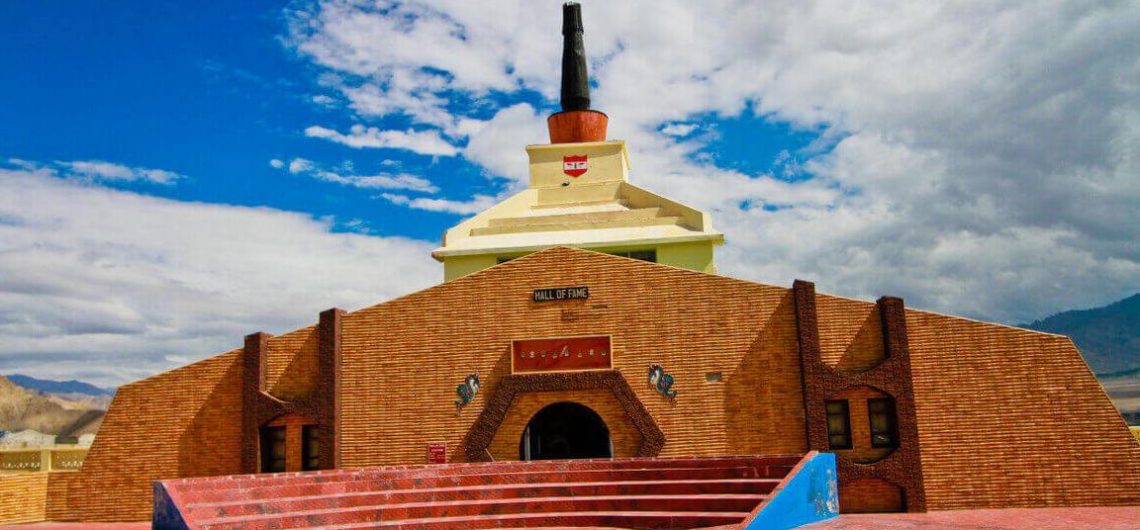
| Hall of Fame in Leh Ladakh | Adds military-history context to trip | Balanced culture-history day |
Suggested Half-Day Shey Circuit
| Time | Plan | Outcome |
|---|---|---|
| 8:30 AM - 9:30 AM | Shey Palace + Buddha statue exploration | Calmer visit and better photo light |
| 9:45 AM - 11:00 AM | Transfer and visit Thiksey | Strong monastery continuity |
| 11:30 AM onward | Optional Hemis or Leh return | Flexible route based on energy and weather |
Common Mistakes to Avoid
The biggest mistake is treating Shey as a quick 10-minute roadside stop. The site has enough depth for at least 45-60 focused minutes. Another issue is ignoring acclimatization and stacking too many high-energy visits soon after reaching Leh. Slow pacing delivers a better experience and safer travel.
Visitors also sometimes rely on one outdated blog for fees/timings. Because local operations can change, on-ground verification is essential for reliable planning.
Final Take
Shey Palace Leh Ladakh offers an excellent blend of royal history, Buddhist devotion, and valley landscape beauty in a compact and meaningful format. With proper timing, respectful behavior, and route integration with nearby monasteries, Shey becomes one of the most rewarding heritage stops in the Leh region.
Festival Context and Cultural Calendar
Shey is also associated with local festival traditions that add ceremonial depth to the visit. Festival dates can shift according to lunar calendars, so travelers should confirm exact schedules locally rather than assuming fixed Gregorian dates. During festival periods, the atmosphere changes significantly: more local participation, ritual activity, and denser crowd movement in and around the monastery zones.
If your trip aligns with a festival, arrive earlier, keep respectful distance during rituals, and avoid intrusive photography. Cultural events are rewarding but require patience and etiquette awareness.
Architecture Details Worth Noticing On-Site
Most visitors focus only on the giant Buddha and miss surrounding architectural cues. Slow observation reveals how hilltop Ladakhi construction uses terrain rather than fighting it. Stair transitions, retaining walls, and layered courts create climate-responsive movement paths. Openings are typically designed to balance light, wind control, and vantage advantage.
- Terrace transitions that frame valley views strategically
- Prayer-flag alignments reflecting devotional pathways
- Textural contrast between weathered outer walls and sacred interiors
- Compact circulation patterns suited to high-altitude settlement logic
These details make Shey valuable not only as a monument but as a study in regional mountain architecture.
Family and Senior-Friendly Planning
Shey can be visited by mixed-age groups, but elevation and steps require practical pacing. Families with young children should carry water, light snacks, and layered clothing because wind conditions can shift quickly. Senior travelers should include rest pauses between climb segments and avoid stacking too many monasteries in one short window.
| Traveler Type | Suggested Pace | Helpful Adjustment |
|---|---|---|
| Families with kids | Moderate, story-led exploration | Keep one clear regroup point |
| Senior travelers | Slow, break-based movement | Avoid steep rush in midday heat |
| Photo-focused travelers | Early/late light sessions | Carry minimal gear for easier climbing |
Even a short Shey visit feels better when built around comfort rather than checklist pressure.
Photography and Ethical Travel Notes
Shey offers excellent wide-angle and telephoto opportunities: palace textures, valley horizons, and monastery details. Morning light works well for structural clarity, while late afternoon can produce warmer tonal depth. Inside sacred areas, always check whether photography is permitted and avoid flash around delicate murals or prayer spaces.
Ethical travel here is simple but important: respect silence zones, avoid blocking passages, and do not step into restricted ritual areas. Small behavior choices preserve visitor experience and local sanctity.
Location
Frequently Asked Questions
Q1.Where is Shey Palace located in Leh?
Q2.How far is Shey Palace from Leh?
Q3.What are Shey Palace timings?
Q4.How tall is the Buddha statue at Shey?
Q5.What is the Shey Buddha statue made of?
Q6.Is there an entry fee for Shey Palace?
Q7.How much time is needed to explore Shey Palace?
Q8.Is photography allowed inside Shey Palace and monastery areas?
Recommended For You
Monasteries in Ladakh: Routes, Etiquette and Top Gompas
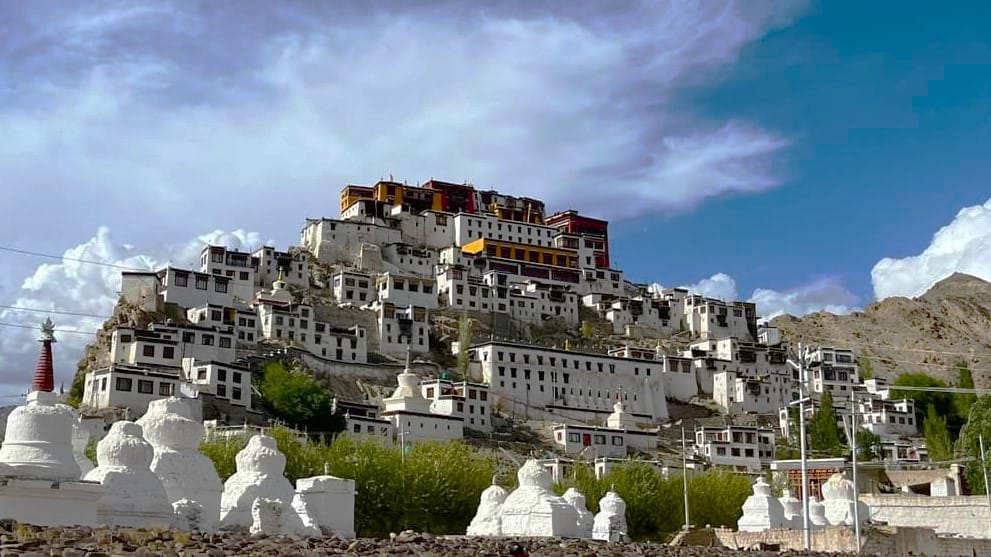
Explore monasteries in Ladakh with practical route planning, key gompa highlights, and respectful visitor etiquette.
Shanti Stupa Leh: Timings, History & Sunrise-Sunset Views
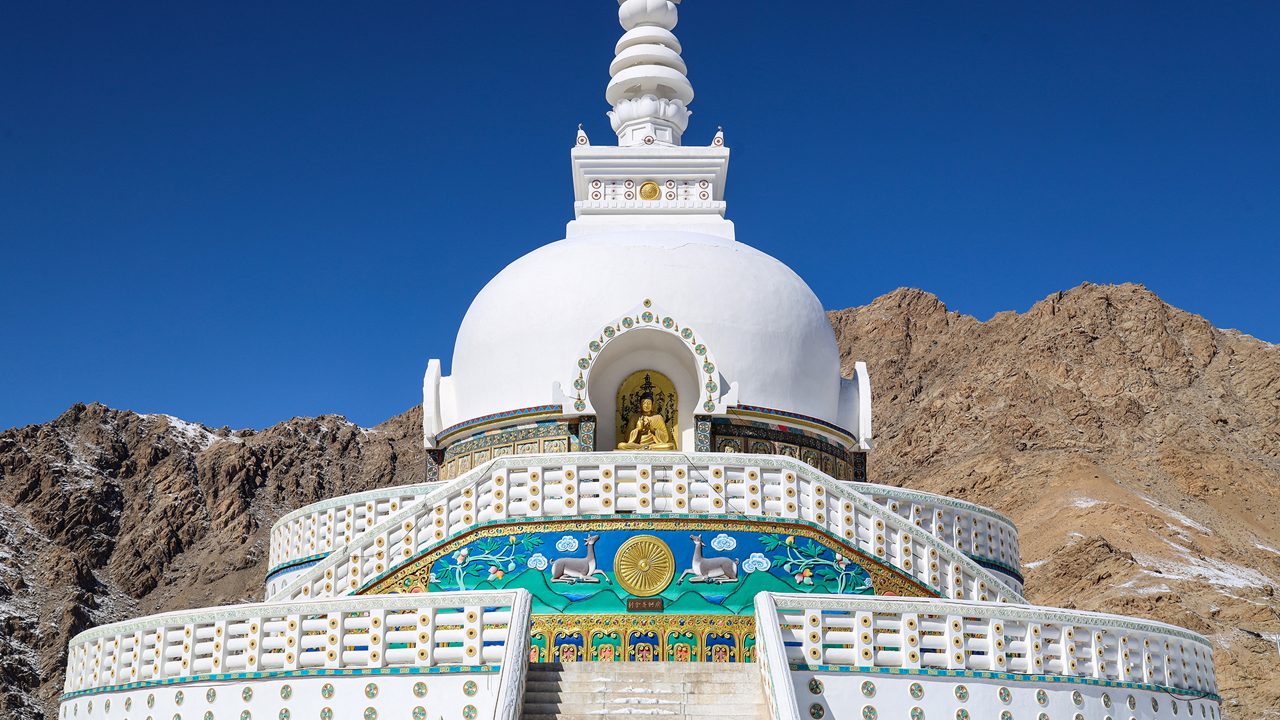
Explore Shanti Stupa Ladakh with history, timings, sunset views, route guidance from Leh, and practical tips for a smooth and meaningful visit.
Hall of Fame Leh: Timings, Entry Fee & Museum Highlights
Plan Hall of Fame Leh Ladakh with timings, entry fee, gallery highlights, location tips, and practical advice for a respectful and smooth visit today.
Never Miss an Adventure
Get the latest trekking guides, travel tips, and exclusive offers delivered straight to your inbox.
