
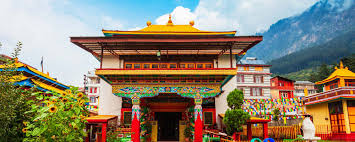
Monastery in India Guide: How to Visit Respectfully, Plan Routes, and Build a Meaningful Spiritual Journey

Rahul Garg
February 27, 2026
Plan monastery visits in India with respectful conduct, regional route logic, and spiritually meaningful pacing.
Introduction
India has a wide range of monasteries across regions, traditions, and landscapes, from Himalayan Buddhist centers to culturally integrated spiritual institutions in highland and valley regions. Many travelers want monastery experiences for peace and reflection but often plan them like ordinary sightseeing checkpoints. This reduces both spiritual depth and cultural understanding. This guide helps you plan monastery visits in India with practical structure: respectful conduct, route sequencing, timing, and realistic travel pacing.
What Makes Monastery Visits Different
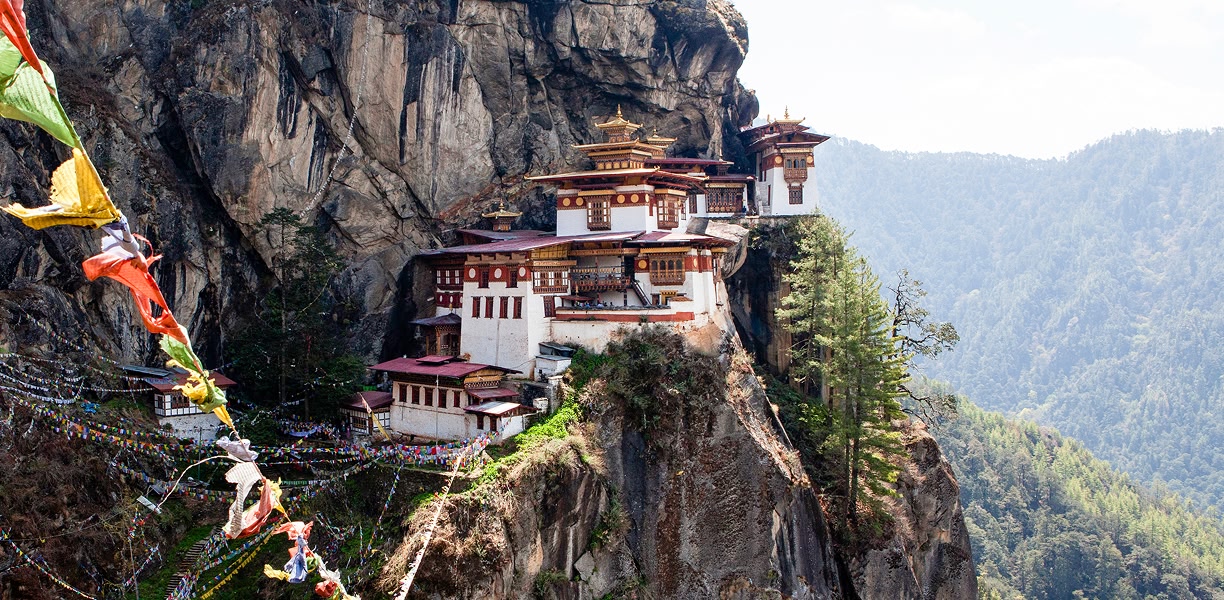
Monasteries are living spiritual environments with active prayer cycles, learning spaces, and community rhythm. They are not static museums. Visitors should approach with silence, observation, and patience. A monastery visit is strongest when you slow down enough to absorb atmosphere instead of rushing through architecture alone.
How to Choose the Right Monastery Circuit
Select by intent: spiritual retreat, cultural learning, architecture interest, or photography. Once intent is clear, choose fewer destinations with better depth. Overloading monastery lists in one trip creates fatigue and weakens engagement. Route quality always matters more than destination count in spiritual travel planning.
Best Timing for Monastery Visits
Morning and quieter windows often provide better access to calm atmosphere and less crowded movement. Seasonal factors can influence route quality, especially in mountain regions. Keep weather and transfer realities in mind. If you are covering high-altitude monasteries, keep acclimatization and travel buffers in your baseline plan.
Respect, Dress, and Conduct Rules
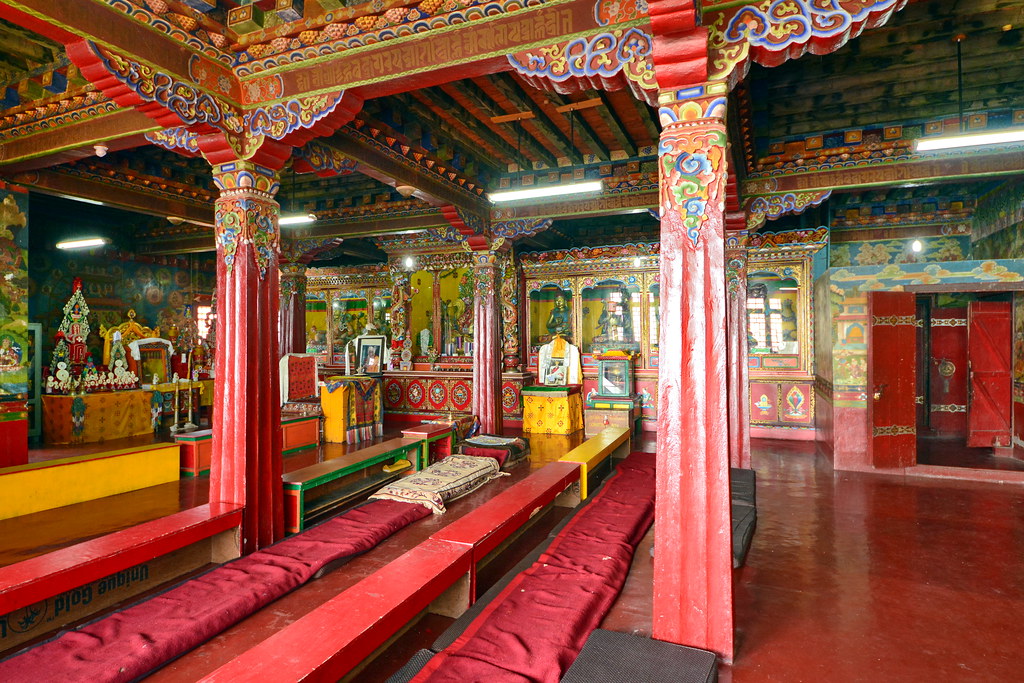
Modest dress, low voice, and careful movement are essential in monastery spaces. Ask before photographing people or sensitive ritual zones. Avoid interrupting prayer sessions for content creation. Respect-first behavior creates a better environment for everyone and often leads to richer local interaction and insight.
Planning Monastery Routes by Region
India's monastery experiences vary by geography. Himalayan circuits demand weather and altitude planning, while lower-altitude routes may allow broader combinations with cultural and city segments. For high-altitude examples, compare with monasteries in Ladakh or the Northeast's own rich tradition captured in Buddhism in Sikkim, and adapt your travel load accordingly. Regional strategy prevents route mismatch and unnecessary fatigue.
Combining Monasteries with Broader Travel Itinerary
Monastery visits should be integrated into your trip as reflective anchors, not random add-ons. Keep one monastery-focused day or half-day with low transfer load. If combining with mountain routes, use references like Leh Ladakh trip and best festivals of Ladakh for timing-aware planning. This protects both depth and safety.
Photography and Storytelling Ethics
Photograph architecture and landscapes thoughtfully, but avoid treating spiritual spaces as unrestricted photo sets. Ethical documentation includes permission, context, and non-disruptive behavior. Travelers who follow this approach often build more authentic memories and better rapport with local communities.

Common Mistakes to Avoid
Common mistakes include tight multi-monastery schedules, no cultural context, and poor etiquette in active spiritual zones. Another issue is combining monastery visits with heavy transfer segments on the same day. Avoid these with focused day design and realistic route sequencing.
How to Build a Meaningful Monastery Day
A good structure is simple: arrival with orientation, one attentive prayer or ritual observation block, one quiet reflection period, and one contextual conversation or reading segment. This model creates depth without complexity and can be repeated across regions for consistent quality.

Choosing Monastery Routes by Personal Intent
Monastery travel in India becomes far more meaningful when intent is clear. If your intent is contemplation, choose fewer monasteries with longer quiet windows. If your intent is cultural learning, include guided interpretation and reading breaks. If your intent is architectural exploration, plan visits by style and region with sufficient daylight. Purpose-led route design prevents the common problem of visiting many places but understanding very little.
Once intent is set, build a practical pace around it. This ensures your daily plan aligns with your spiritual and experiential goals instead of reacting to random logistics.
Travel Behavior That Preserves Sacred Atmosphere
Sacred environments are shaped by visitor behavior. Keep movement gentle, speech low, and device use minimal in active prayer zones. Do not treat all spaces as interchangeable visual backdrops. Respectful behavior not only protects the atmosphere for others but also deepens your own experience. Monastery visits become more transformative when you participate with awareness rather than observation alone.
For multi-region travelers, this consistent behavior standard helps you adapt smoothly across different traditions and local practices.
Building a Sustainable Spiritual Itinerary
Spiritual travel should be sustainable across days, not emotionally intense but physically chaotic. Keep one reflective block each day, one practical recovery interval, and one clear closure routine before rest. This prevents burnout and keeps the journey meaningful from start to finish. Overloaded spiritual itineraries often reduce attention and increase friction.
If your route includes high-altitude sectors, align pacing with monasteries in Ladakh style route discipline and combine with Leh Ladakh trip adaptation principles where relevant. Practicality strengthens spirituality in travel planning.
How to Design a Multi-Region Monastery Journey
Multi-region monastery travel in India should be phased by intensity: begin with lower-complexity visits, then move to regions requiring more logistical or altitude preparation. Keep transitions conservative and avoid consecutive heavy transfer days. A phased approach improves both comprehension and comfort. When each region is given proper pace, your journey feels coherent rather than fragmented.
A useful model is three-part structuring: immersion day, movement day, reflection day. Immersion day prioritizes one or two monastery visits with depth. Movement day keeps travel practical and low-pressure. Reflection day allows spiritual integration through lighter activity and note-taking. Repeating this model across regions keeps the journey sustainable and meaningful.
Practical Spiritual Discipline for Travelers
Spiritual discipline in travel is expressed through behavior: patience in queues, silence in prayer spaces, mindful photography, and respectful interaction with local communities. These are not formalities; they shape the quality of your experience. Travelers who maintain this discipline consistently report stronger emotional resonance and clearer memories from monastery journeys.
Reflection Methods That Strengthen Spiritual Travel
Monastery journeys become more meaningful when reflection is built into the itinerary. A simple method is to record one insight after each visit: one practice you observed, one value reflected in the space, and one personal takeaway. This reflective structure helps convert travel moments into lasting understanding. Without reflection, even rich spiritual experiences can blur across days.
You can also keep silent windows in transit between monasteries instead of filling every segment with planning conversation. These quiet intervals often deepen processing and make the next visit more intentional. Spiritual travel quality improves when silence is treated as part of the itinerary, not as empty time.
Building a Repeatable Ethical Travel Pattern
Ethical spiritual travel can be repeated across regions with the same core pattern: respect local protocol, avoid disruptive behavior, support local communities where appropriate, and leave spaces better than you found them. This consistency creates trust and improves experience quality over long journeys. It also helps travelers maintain clarity of purpose in multi-stop monastery circuits.
Final Spiritual Note
Intentional pacing and respectful behavior turn monastery travel into meaningful inner work.
Last Line
Spiritual depth comes from attention, patience, and humility.
Final Note
Plan gently and allow stillness between spiritual visits.
Conclusion
A monastery in India is best experienced through respect, patience, and route-aware planning. Keep your itinerary focused, your conduct mindful, and your pace realistic. With this approach, monastery travel becomes spiritually meaningful and culturally enriching rather than a rushed sequence of photo stops.
Location
Frequently Asked Questions
Q1.How should I plan a monastery visit in India?
Q2.What is the biggest mistake in monastery travel?
Q3.Can monastery visits be combined with regular sightseeing?
Q4.How much time should I allocate per monastery visit?
Q5.Are monasteries in India open to visitors of all faiths?
Recommended For You

Best Festivals of Ladakh: Calendar, Culture and Tips
Plan Ladakh festivals with timing, altitude-aware travel logic, and practical route tips for a richer cultural experience.
Spituk Gompa Leh: History, Festival & Timings
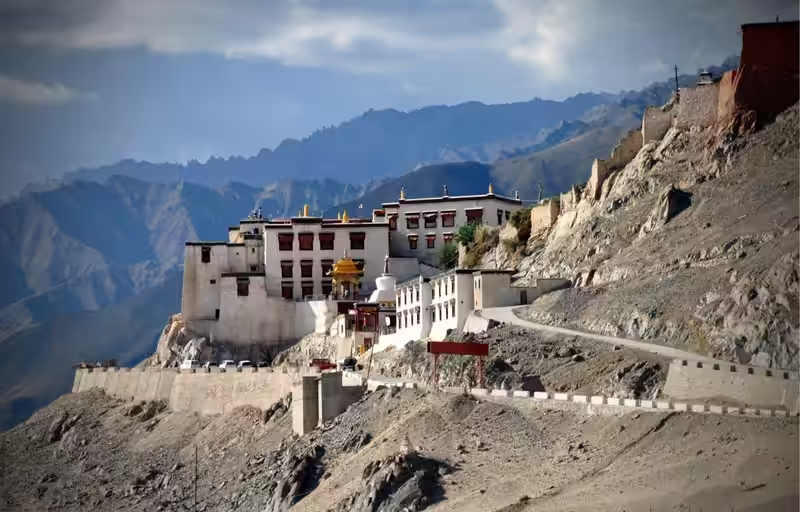
Discover Spituk Gompa, an ancient 15th-century Buddhist monastery in Leh. Complete guide to history, architecture, Gustor Festival, timings, entry fee, and how to reach this hilltop spiritual destination.
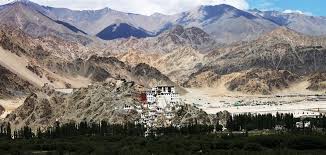
Upshi Monastery Ladakh Guide: History, Route, Best Time, and Travel Tips
Plan Upshi Monastery Ladakh with route logic, season advice, cultural etiquette, and practical stop strategy for a deeper Ladakh itinerary.
Never Miss an Adventure
Get the latest trekking guides, travel tips, and exclusive offers delivered straight to your inbox.
