Select date
Most Dangerous Roads in India: Thrilling Routes
Safety

Most Dangerous Roads in India: Thrilling Routes

Neha Kapoor

Neha Kapoor

February 15, 2026

7 min read1,799 views

Explore India's most dangerous roads. Zoji La, Killar-Kishtwar, Gata Loops, Rohtang & more with safety tips, challenges & adventure.

Most Dangerous Roads in India: Where Risk Is Real and How to Drive Safer

India has some of the most dramatic mountain and cliff roads in the world, but also some of the most unforgiving driving conditions. The keyword most dangerous roads in India attracts travelers who want both thrill and practical safety clarity. Many list articles describe roads but skip actionable risk management. This guide is different: each section explains hazard type, skill requirement, season windows, and readiness checks before you commit.

If you are combining these routes with high altitude itineraries, study acclimatization first using our Ladakh AMS safety guide. Route thrill is never more important than survival margin.

What Makes a Road Truly Dangerous

A road becomes dangerous when multiple risk layers overlap: narrow carriageway, blind curves, unstable slopes, poor weather visibility, loose gravel, inadequate guardrails, and long stretches without emergency support. In India, many high risk segments also include mixed traffic of trucks, tourist vehicles, bikes, and local transport sharing the same narrow lane.

Driver mindset is often the deciding factor. Speed confidence from city highways does not translate to mountain roads. Safer mountain driving means patience, low gear control, clear braking discipline, and willingness to stop early when visibility or road condition worsens.

High Risk Roads You Should Approach with Respect

1) Zoji La (Jammu and Kashmir to Ladakh)

Zoji La is known for extreme weather shifts, slushy sections, fog pockets, and tight passing points with heavy traffic pressure. It is one of the most psychologically demanding roads in North India. Road quality can vary rapidly within a short distance.

Risk pattern: low visibility, mud, truck congestion, sudden weather changes. Safer strategy: early start, updated road bulletin checks, and no aggressive overtaking.

2) Killar Kishtwar Road (Himachal Jammu belt)

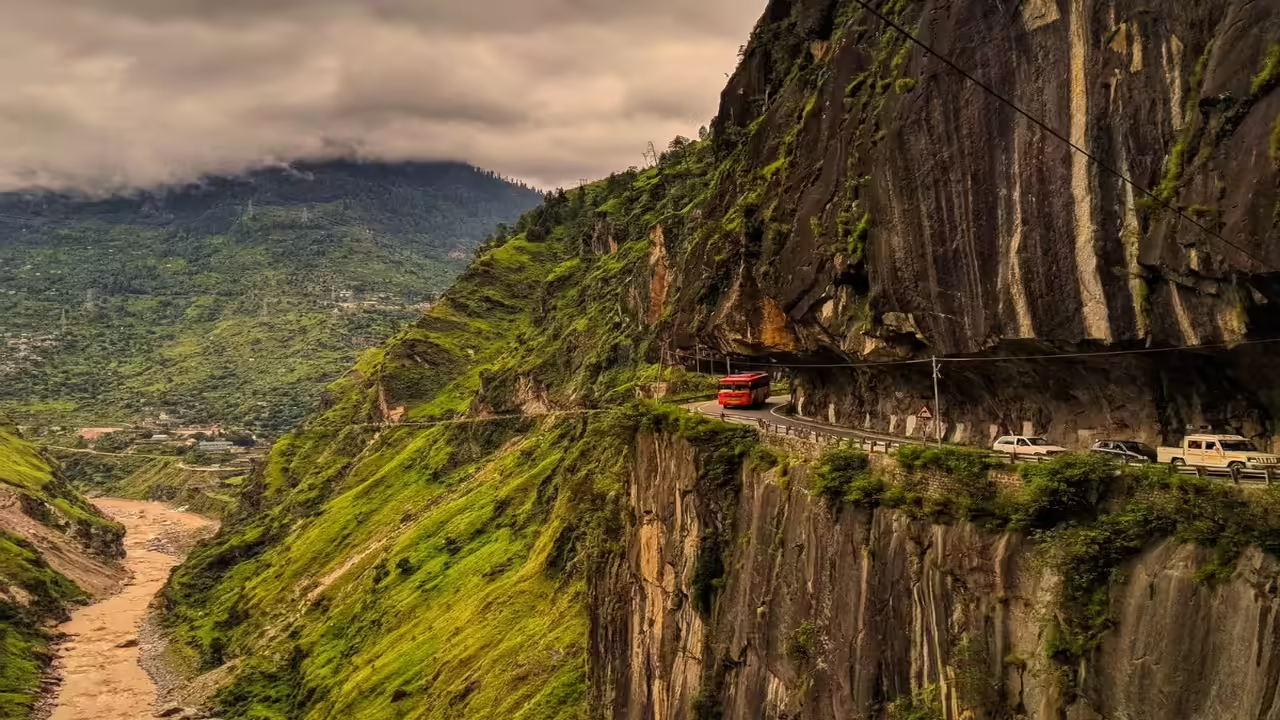
This route is often considered among the most intimidating due to cliff exposure, narrow cut sections, and minimal protective barriers. Mistakes here have very little recovery space. It is not for casual self drive tourists without mountain confidence.

Risk pattern: extreme drop edges and unpredictable surface wear. Safer strategy: experienced driver, dry weather preference, and daylight only movement.

3) Khardung La approach roads

While famous as an achievement road, the approach can involve broken patches, altitude fatigue, and traffic bottlenecks. The technical road challenge is often amplified by cold stress and low oxygen performance.

Couple or group itineraries should avoid combining this drive with sleep deficit and rushed schedules. Add a rest day before attempting high passes.

4) Rohtang and high monsoon connectors

Monsoon moisture, landslide threat, and slippery sections make several Himachal corridors unsafe during active rainfall windows. Traffic volume adds delay and fatigue. Choose post monsoon stable windows where possible.

5) Neral to Matheran bends

This section is lower altitude but still risky during rain due to sharp curves, narrow passages, and tourist traffic unpredictability. Do not underestimate it just because altitude is lower.

Best Seasons to Reduce Risk

In general, late spring and post monsoon windows offer better drivability on many mountain routes, though exact timing changes annually. Peak monsoon and deep winter amplify hazard probability through landslides, black ice, and closure risk. Always verify local authority updates before departure date.

For Spiti oriented routes, combine this guidance with our Spiti road trip planner and Spiti destination timing guide so itinerary design matches road reality.

Vehicle Selection for Dangerous Indian Roads

Choose condition over brand. A well maintained utility vehicle with healthy brakes, good tire tread, and reliable cooling performs better than a premium but unprepared car. Ground clearance matters on broken patches. Avoid overloaded roof setups that change balance on bends.

Carry essentials: puncture support, tow rope, portable inflator, flashlight, drinking water, thermal layer, power bank, offline maps, and emergency food. Fuel planning is critical on long remote stretches; refill at every confirmed station opportunity.

Driving Skills Required Before You Attempt

You should be comfortable with engine braking, first and second gear descent control, reversing on narrow bends, and yielding discipline at choke points. If these skills are weak, hire a local driver. Local experience is a safety asset, not a compromise.

Do not test your learning on a dangerous route with family onboard. Practice in moderate hills first, then scale challenge. Adventure without preparation is not bravery, it is avoidable risk.

On Road Safety Protocol

Start early: better visibility and lower traffic pressure. Keep distance: loose gravel and sudden braking events are common. Use horn before blind curves: especially on single lane mountain sections. Avoid night driving: many high risk roads have weak lighting and no immediate support.

If weather worsens quickly, stop at a safe settlement rather than pushing to target destination. Build itinerary buffers for such delays. The mountain decides pace, not your booking confirmation.

Emergency Response if Things Go Wrong

If brakes overheat, stop immediately at safe layby and cool systems naturally. If vehicle slips in mud, avoid panic acceleration; apply controlled traction methods. If landslide blocks route, do not attempt crossing unstable debris fields. Wait for official clearance.

In medical distress, prioritize descent to lower altitude when relevant and contact local authorities or nearest response unit. Keep at least one network from a provider known to work in your route region, plus offline emergency contact notes.

Who Should Avoid Self Drive on These Roads

First time mountain drivers, fatigued travelers on tight schedules, people with untreated motion or altitude sensitivity, and groups traveling with children without contingency plans should avoid self driving high risk roads. Hiring a trained local professional is often the smartest decision.

If your route includes vertical terrain activities, review safety standards in our Ladakh rock climbing guide to ensure your adventure stack remains realistic and safe.

Pre Departure Checklist for High Risk Routes

One day before departure, run a full vehicle check: brake response, tire pressure, spare wheel condition, coolant level, headlight and fog light function, and windshield clarity. Share route and expected check in times with two contacts at home. Download offline maps and mark fuel stations, medical points, and safe halt towns. Keep printed ID and permit copies because network outages are common in mountain corridors.

At briefing time, assign fixed travel roles in your group: primary driver, navigator, weather checker, and emergency contact person. This reduces confusion when conditions change. Carry dry snacks and enough water for delay scenarios because blockages can stretch for hours. A calm prepared team makes better decisions than a rushed excited group.

Finally, adopt the 70 percent rule: use only 70 percent of your driving confidence and vehicle capability on dangerous roads. Keep the rest as safety buffer for unexpected events like falling stones, sudden brake lights ahead, or blind corner encounters. This margin is what prevents incidents.

Final Verdict

The most dangerous roads in India are breathtaking, but they demand discipline, humility, and preparation. Choose the right season, keep your vehicle ready, drive below ego speed, and never ignore weather warnings. A safe arrival is the only successful road trip outcome. Document memories, not avoidable emergencies.

Whenever conditions feel uncertain, pause and reassess. Turning back is always a valid and intelligent safety decision on mountain roads.

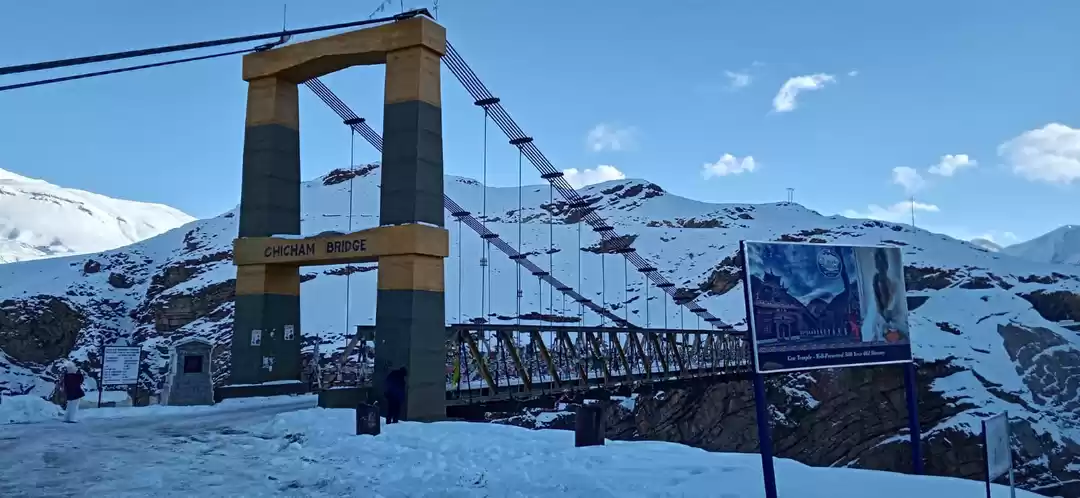
For route extensions through high suspension bridges and remote valleys, check our Chicham Bridge travel note and Lahaul Spiti monastery circuit so you can design safer, better paced mountain journeys.

Location

Frequently Asked Questions

Q1.Which is the most dangerous road in India?

Killar-Kishtwar Road in Jammu & Kashmir is widely considered India's most dangerous road due to its lethal combination of hazards: narrow cliff-hugging sections with thousand-meter drops to the Chenab River below, constant rockfall threat, mud and landslides during monsoon, virtually no guardrails or barriers, and minimal maintenance. The Gulabgarh-Killar stretch (approximately 40 km) is particularly notorious, claiming lives annually. While Zoji La and other high-altitude passes have extreme weather and altitude challenges, Killar-Kishtwar's sheer drop-offs and unforgiving terrain make it uniquely deadly. However, "most dangerous" is subjective—Zoji La has higher fatality totals due to more traffic, while remote roads like Killar-Kishtwar are equally dangerous per kilometer traveled. What's undisputed is that these roads demand absolute respect and preparation.

Q2.Are these roads open throughout the year?

No, most of India's dangerous roads close seasonally due to extreme weather. Zoji La closes from November to April due to heavy snow (4-5 meters accumulation). Rohtang Pass closes from December to April for the same reason. Killar-Kishtwar becomes impassable during winter snow and dangerous monsoon (July-August) rains. Khardung La technically remains open but sees minimal winter traffic due to extreme cold and occasional snow blocking. Neral-Matheran Road stays open year-round but becomes extremely hazardous during monsoon (June-September) when landslides and slippery conditions cause accidents. Gata Loops on Leh-Manali Highway typically closes from November to April. Even in "open" seasons, these roads can close unexpectedly for hours or days due to landslides, rockfalls, or sudden weather changes. Always check current conditions before attempting any of these routes, and have flexible travel plans allowing for unexpected closures.

Q3.What makes these roads dangerous?

Multiple factors create danger on these roads: (1) Extreme Altitude: Roads like Zoji La (3,528m), Khardung La (5,359m), and Rohtang (3,978m) cause hypoxia, reduced judgment, and impaired reaction times; (2) Narrow Width with Drop-offs: Many sections are barely wide enough for one vehicle with thousand-meter unfenced drops; (3) Unpaved Surfaces: Loose gravel, mud, and rock surfaces reduce traction; (4) Steep Gradients: 10-15% slopes strain vehicles and brakes—brake failure is fatal; (5) Weather Extremes: Sudden snow, rain, fog, and temperature drops create black ice and zero visibility; (6) Geological Hazards: Rockfalls, landslides, and avalanches are constant threats; (7) Limited Escape Routes: When something goes wrong, there's often nowhere to go; (8) Fatigue: Concentrating for hours on treacherous roads mentally exhausts drivers. The combination of these factors—sometimes all present simultaneously—is what makes these roads exceptionally dangerous compared to normal roadways.

Q4.Is it safe to drive on these roads?

These roads are inherently risky, but they can be driven safely with proper preparation and caution. Each year, thousands of drivers—including locals, truckers, and tourists—navigate these routes without incident. Safety depends on: (1) Your driving experience and skill level—novice mountain drivers shouldn't attempt these roads alone; (2) Vehicle condition—well-maintained vehicles with good brakes and tires are essential; (3) Weather conditions—clear, dry weather is significantly safer than rain/snow/fog; (4) Proper acclimatization for high-altitude passes to avoid hypoxia-impaired judgment; (5) Local knowledge—hiring experienced local drivers is the safest option; (6) Driving cautiously—slow speed, no distractions, frequent breaks; (7) Proper timing—avoiding monsoon, winter snow, and night driving; (8) Emergency preparedness—carrying supplies for breakdowns or getting stranded. If you're uncomfortable with the risks, don't attempt these roads yourself—hire local drivers who know the roads intimately and have safely navigated them hundreds of times.

Q5.What type of vehicle is best?

For India's dangerous mountain roads, the best vehicles are: (1) 4WD vehicles like Toyota Fortuner, Ford Endeavour, or Mahindra Scorpio for their power, ground clearance, and traction; (2) SUVs/crossovers with good ground clearance and robust suspension; (3) Well-maintained older vehicles like Toyota Innova—reliable and mechanics know how to fix them everywhere; (4) Royal Enfield motorcycles for experienced riders—but only those comfortable with extreme terrain. Avoid: (a) Low-sedans with poor ground clearance—they'll scrape and get stuck; (b) Very new luxury vehicles—you'll regret damaging them on rough roads; (c) Overloaded vehicles—extra weight strains brakes and engine; (d) Vehicles with poor maintenance history—reliability is crucial. The most important factor is condition over age or luxury. A 10-year-old well-maintained SUV is safer than a brand-new sedan on these roads. Consider renting a vehicle specifically built for these conditions rather than risking your personal car.

Q6.Do I need special driving skills?

Yes, dangerous mountain roads require specialized skills beyond normal driving: (1) Hill Driving Technique—knowing when to use low gears for engine braking, understanding momentum, and managing steep gradients; (2) Hairpin Bend Navigation—proper steering technique (hand-over-hand or shuffle steering), understanding turning radius, and maintaining position; (3) Reverse Driving on Narrow Roads—backing up hundreds of meters to passing points when meeting oncoming traffic; (4) Wet/Muddy Surface Control—understanding how vehicles behave on loose surfaces, using throttle and brakes gently to avoid skids; (5) Altitude Management—recognizing your own hypoxia symptoms (dizziness, poor judgment) and knowing when to descend; (6) Emergency Maneuvers—knowing what to do if brakes fail, if you slide, or if rocks fall. If you lack these skills, either (a) take advanced driving training specifically for mountain roads, or (b) hire an experienced local driver. The cost of hiring a local driver (₹1,500-3,000 per day depending on route) is cheap insurance compared to the risks. There's no shame in admitting these roads require skills you don't possess.

Q7.What is the best time to travel?

For India's dangerous mountain roads, May-June and September-October generally offer the safest conditions: (1) May-June (Post-Spring Snowmelt): Snow has mostly melted from winter, roads have been repaired post-winter damage, weather is relatively stable before monsoon, and temperatures are moderate; (2) September-October (Post-Monsoon): Landslide risk decreases after monsoon rains end, road surfaces dry out improving traction, weather is generally clear and stable, temperatures are pleasant before winter cold. Avoid: (a) Monsoon (July-August) when rain causes landslides, rockfalls, slippery mud, and poor visibility; (b) Winter (November-April) when heavy snow closes high passes completely; (c) Peak summer (July) for heat and storms in some regions. Specific timing varies by location—Ladakh roads close November-April, Himachal roads see snow December-March, and Sikkim/Meghalaya roads are most dangerous June-September. Always check current conditions before departure as mountain weather is unpredictable even in "good" seasons.

Q8.Are there fuel stations on these routes?

Fuel availability is extremely limited on most dangerous road routes: Zoji La (Srinagar-Leh): Fuel in Srinagar and Sonamarg—NONE on the pass itself. Next fuel is Leh (350 km from Sonamarg). Rohtang Pass: Fuel in Manali—NONE on the pass. Next fuel in Keylong or Marhi. Khardung La: Fuel in Leh—NONE on the pass. Next fuel in Diskit or Hunder (Nubra Valley). Killar-Kishtwar: Fuel in Kishtwar—NONE on the route. Next fuel in Killar or further. Leh-Manali Highway (Gata Loops): Fuel in Manali and Keylong—possibly very limited options at Jispa or Sarchu, but don't count on them. Always fill up your tank to full in the last major town before starting these passes. Carry extra fuel in jerrycans if your vehicle has roof rack storage (check local regulations—some areas restrict carrying extra fuel). Plan for worst-case scenario: if you break down or get stuck, you need enough fuel to keep the heater running. It's better to carry too much fuel than run out in freezing conditions at 4,000+ meters elevation.

Q9.What documents are required?

Document requirements vary by location: Ladakh (Zoji La, Khardung La): Inner Line Permit for Nubra Valley, Pangong, etc. Obtain in Leh or online. Bring multiple passport photos. Carry original ID (passport/Aadhaar/voter ID) and permit copies. Himachal (Rohtang): No permit required for Indian nationals for Rohtang Pass itself, but Lahaul-Spiti beyond Rohtang may require permits for foreigners. Foreigners need Protected Area Permit for many areas near the China border. Jammu & Kashmir (Killar-Kishtwar): Generally no special permits for Indian citizens, but carry ID as security checks are common. Sikkim (Z-Metad): Indians need Inner Line Permit for North Sikkim, foreigners need Protected Area Permit plus Restricted Area Permit for certain areas. Universal requirements: Valid Driving License, Vehicle Registration Certificate (RC), Pollution Certificate (PUC), Insurance documents. For rented vehicles, carry authorization letter from rental company. Make multiple photocopies of all documents—keep originals separate from copies. Digital copies on phone are useful as backup but don't rely solely on them—network connectivity is poor on these routes.

Q10.Is mobile network available?

Mobile connectivity is extremely limited and unreliable on India's dangerous mountain roads: Zoji La/Ladakh: Jio and BSNL have best coverage. Airtel works in major towns (Leh, Kargil) but spotty on passes. Vodafone/Videa virtually non-existent outside Leh. Rohtang/Himachal: Jio has best coverage along major routes. Airtel and BSNL work in towns. Connectivity poor at high altitude. Killar-Kishtwar: Extremely limited—mostly BSNL with very weak signal. Large sections have zero coverage. Khardung La: BSNL and Jio work occasionally at the pass but unreliable. No coverage in many valley sections. Neral-Matheran: Good connectivity from all major providers throughout. Recommendations: (1) Don't depend on mobile networks for navigation—download offline maps; (2) Carry a satellite phone or beacon if traveling truly remote sections; (3) Inform contacts of your route and expected arrival time before leaving where coverage exists; (4) Multiple SIM cards from different providers increase chances; (5) Text messages often work when calls don't—use SMS for check-ins; (6) Assume you'll be out of contact for hours or days—plan accordingly.

Never Miss an Adventure

Get the latest trekking guides, travel tips, and exclusive offers delivered straight to your inbox.

WhatsAppSay Hi on WhatsApp