
National Museum of Bhutan (Ta Dzong): Exhibits, Timings & Entry

Priya Mehta
February 3, 2026
Explore National Museum of Bhutan (Ta Dzong) in Paro. History, tickets, timings, exhibits & trekking tips. Heritage watchtower.
National Museum of Bhutan: Cultural Treasure
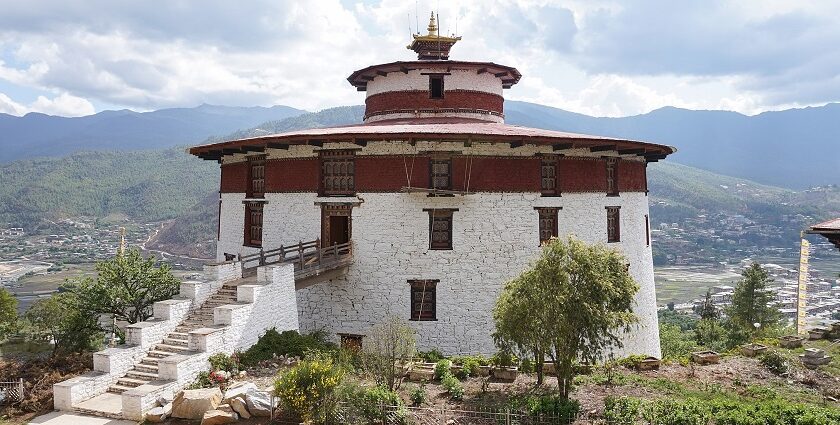
Perched dramatically on a hillside overlooking Paro Valley, Ta Dzong (The National Museum of Bhutan) stands as one of the country's most fascinating cultural landmarks. This circular fortified watchtower, dating back to 1649, once served as Paro Dzong's defensive tower before being transformed into Bhutan's national museum in 1968. Today, Ta Dzong houses an extraordinary collection of Bhutanese art, artifacts, and religious treasures that span centuries of Himalayan heritage.
What sets Ta Dzong apart is its unique transformation from military watchtower to cultural museum. The circular seven-story structure, with its strategic position offering panoramic views of Paro Valley and surrounding mountains, represents Bhutan's evolution from feudal fortress society to modern kingdom while preserving cultural continuity. For travelers exploring Bhutan, Ta Dzong provides essential insights into the kingdom's rich artistic traditions, religious heritage, and historical identity.
The museum's location above Paro town makes it visible from much of the valley, creating a striking landmark that dominates the landscape. Unlike many national museums that feel disconnected from daily life, Ta Dzong maintains its defensive position and architectural prominence, serving as both museum and continuing symbol of Bhutan's distinctive fortified heritage.
About Ta Dzong National Museum
Historical Origins
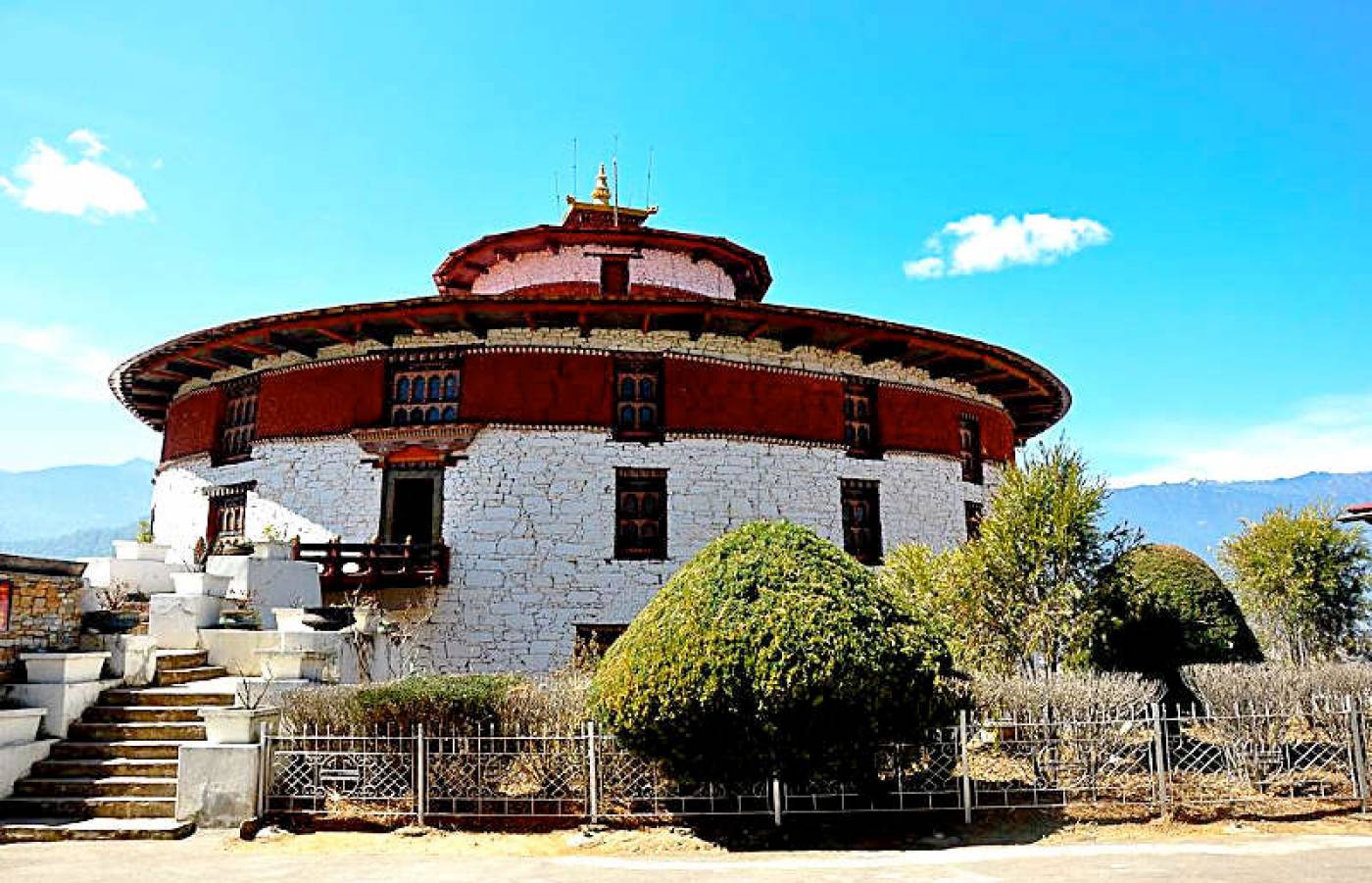
Ta Dzong was originally constructed in 1649 under the guidance of Shabdrung Ngawang Namgyal, the spiritual ruler who unified Bhutan as a Druk Yul (Land of the Thunder Dragon). The watchtower formed part of Paro Dzong, the massive fortress-monastery complex that administered Paro district. Its strategic location on a promontory provided commanding views of approaches from all directions, making it crucial for defense.
The tower functioned specifically as a watchtower - its elevated position and circular design allowed 360-degree visibility and effective defense against approaching enemies. Unlike typical square or rectangular fortifications, Ta Dzong's circular form was unusual and strategically clever. The tower withstood invasions and conflicts that characterized Bhutan's unification period, proving its defensive design effectiveness.
Conversion to Museum
In 1968, during the Third King Jigme Dorji Wangchuck's reign, Ta Dzong was converted into Bhutan's National Museum. This conversion represented Bhutan's modernization and commitment to preserving its cultural heritage. Rather than allowing the historic watchtower to decay, transforming it into a museum ensured its preservation and public access.
The museum's establishment came as Bhutan was carefully balancing modernization with tradition. The Third King recognized that structures like Ta Dzong, representing Bhutan's feudal military and administrative past, shouldn't be lost but repurposed for contemporary needs. Converting Ta Dzong into a museum honored its heritage while creating an institution serving educational and cultural preservation functions.
Architecture and Design
Ta Dzong's architecture represents classic Bhutanese fortress design with unique circular form rarely seen elsewhere. The seven-story structure rises dramatically from its hillside position, its circular walls providing effective defense. Built using traditional Bhutanese construction techniques - rammed earth walls, timber frames, and stone foundations - the tower demonstrates local architectural wisdom.
Each floor offers different viewing experiences of Paro Valley. The ground floor provides historical context about the watchtower's military function. Upper floors house museum collections with panoramic windows offering valley views. The roof, following traditional Bhutanese patterns with decorative elements, completes the iconic silhouette visible across Paro. The architecture represents a functional fortress evolved into cultural space while maintaining distinctive Bhutanese character.
Museum Collections and Galleries
Religious Art and Statues
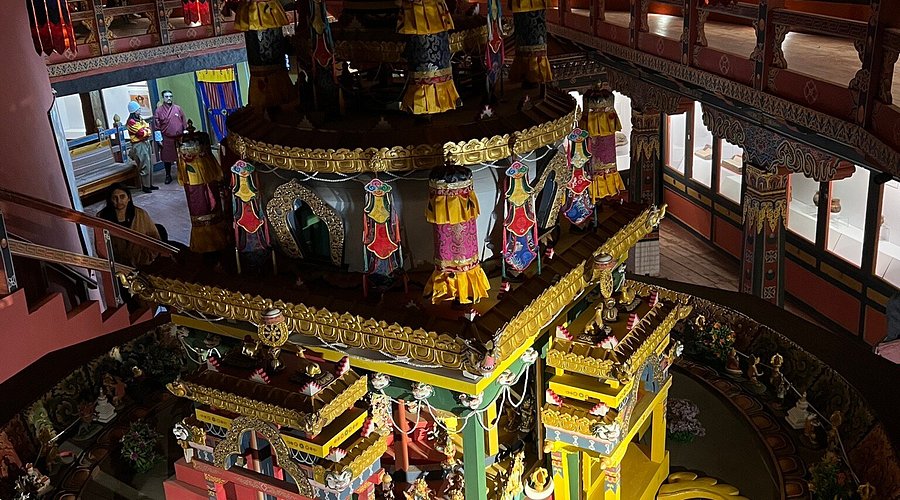
Ta Dzong houses Bhutan's most comprehensive collection of religious art, primarily Buddhist statues and thangkas (paintings). These artifacts represent Bhutan's deep Buddhist traditions that have shaped the kingdom's culture, art, and architecture for over 1,000 years. The collection spans different Buddhist traditions including Nyingma and Kagyu schools.
Notable religious artifacts include ancient bronze statues of Buddhist deities, some centuries old. These statues demonstrate remarkable craftsmanship, with detailed iconography following strict Buddhist guidelines. Thangkas, painted on cloth using mineral pigments, depict Buddhist deities, mandalas, and spiritual scenes. The religious art collection provides insights into Bhutan's spiritual foundations and artistic traditions.
Historical Weapons and Armor
Given Ta Dzong's military origins, the museum naturally houses collections of Bhutanese weaponry and armor from fortress-defending eras. These artifacts provide fascinating glimpses into how Bhutan's fortified dzongs defended against invasions and internal conflicts. The collection includes swords, spears, bows, and protective gear.
The weapons show evolution of Bhutanese military technology across centuries. Some items are remarkably ornate, reflecting that even tools of war were decorated with artistic care. Armor including chainmail, helmets, and shields demonstrates how defenders protected themselves while maintaining mobility in mountainous terrain. This military collection helps visitors understand the conflicts and challenges that shaped Bhutan's history.
Traditional Bhutanese Crafts
Ta Dzong preserves examples of traditional Bhutanese crafts that represent the kingdom's artistic heritage. These artifacts include textiles, masks used in religious dances, everyday objects, and ceremonial items. The crafts collection demonstrates the sophisticated aesthetic traditions that flourished in isolated Himalayan kingdom.
Notable craft items include traditional Bhutanese textiles like kira (women's dress) and gho (men's robe), woven in patterns with cultural significance. Religious masks used in cham dances show extraordinary craftsmanship with symbolic meanings. Everyday items including wooden bowls, copper vessels, and agricultural tools demonstrate how Bhutanese people lived and worked. These cultural artifacts help visitors appreciate the artistry embedded in daily life.
Natural History Collection
Beyond cultural artifacts, Ta Dzong houses Bhutanese natural history specimens including animals, plants, and minerals from the kingdom's diverse ecosystems. Bhutan's range from subtropical south to alpine north supports incredible biodiversity, represented in these collections.
The natural history section includes taxidermied animals representing Bhutan's wildlife including snow leopards, takin (Bhutan's national animal), red pandas, and various bird species. These specimens help visitors understand Bhutan's ecological richness and conservation efforts. Plant specimens showcase Bhutan's flora including rare orchids, medicinal plants, and forest species that have sustained Bhutanese civilization.
Best Time to Visit
Spring (March-May) - Best Season
Spring offers the most pleasant conditions for visiting Ta Dzong and exploring Paro Valley. Temperatures range from 15-25°C, comfortable for hiking and valley exploration. Spring's highlight is spectacular rhododendron blooms that carpet Paro Valley's hillsides in vibrant colors, creating stunning backdrops for Ta Dzong and photography.
This is peak tourist season in Bhutan, so expect more visitors. However, the larger crowds are offset by perfect weather and maximum facility operations. Spring offers excellent visibility of snow-capped mountains surrounding Paro Valley. The agricultural landscape appears beautiful with newly planted crops. This is the ideal season combining museum visit with broader Paro exploration.
Autumn (September-October) - Photography Season
Autumn transforms Paro Valley with golden harvest colors and clearest skies of the year. Temperatures remain pleasant (10-20°C), though nights begin cooling. This season is particularly favored by photographers - the golden light, clear air, and colorful landscapes create perfect conditions.
Crowds thin out significantly compared to spring, offering more intimate experiences. Agricultural harvest activities provide cultural observation opportunities as farmers gather crops and villages celebrate harvest festivals. The valley takes on different aesthetic with golden rice paddies against changing leaves. This is an excellent time for visitors valuing photography and cultural immersion over peak season conveniences.
Winter (December-February)
Winter in Paro Valley can be cold with temperatures dropping below freezing, but offers unique experiences. Snow-capped mountains surrounding the valley appear dramatic against crisp blue skies. The clearer winter air provides excellent long-distance visibility. Days are sunny though short.
Some higher trekking routes may be snow-covered, but valley exploration remains accessible. Winter sees fewer tourists, providing quieter museum visits. However, some facilities may operate on reduced schedules. The valley's winter aesthetic is different and striking. Winter visits require warm clothing and preparation for cold conditions but reward with spectacular landscapes and minimal crowds.
| Season | Temperature | Museum Experience | Best For |
|---|---|---|---|
| Spring (Mar-May) | 15-25°C | Ideal, peak season | Valley exploration, blooms |
| Summer (Jun-Aug) | 20-30°C | Good, some rain | All activities |
| Autumn (Sep-Oct) | 10-20°C | Excellent, fewer crowds | Photography, harvest |
| Winter (Dec-Feb) | 0-15°C | Quiet, cold | Landscape photography |
How to Reach in Paro
From Paro Airport
Paro has its own domestic airport (PBH) approximately 6 kilometers from Ta Dzong. While most international travelers arrive in Bhutan via Paro International Airport (PBH) or cross from Phuentsholing, domestic flights connect various regions. For those arriving by air, reaching Ta Dzong involves short transfers.
From Paro Airport, the museum is approximately 15-20 minutes by taxi. Domestic flights from other dzongkhags or Thimphu typically connect to Paro. The route from Paro town up to Ta Dzong involves a pleasant uphill walk or short drive. The airport proximity makes Ta Dzong easily accessible for those flying into Paro.
From Thimphu
Bhutan's capital, Thimphu, is approximately 50 kilometers from Paro via winding mountain roads. The journey takes 1.5-2 hours by car, passing through spectacular Bhutanese landscapes including rice terraces, rivers, and mountains. The road is generally in good condition but mountainous, requiring careful driving.
Public buses connect Thimphu to Paro regularly. Taxis and private vehicles offer more flexibility. The drive itself is scenic with views of rural Bhutanese life. For those staying in Thimphu, a day trip to Paro visiting Ta Dzong and other Paro attractions is feasible and popular. The journey between these two major Bhutanese cities is part of any comprehensive Bhutan experience.
Within Paro Town
Once in Paro town, Ta Dzong is accessible by foot from most central areas. The walk uphill takes approximately 15-20 minutes depending on your pace. Taxis and local transportation are available for those preferring not to hike uphill.
The museum's elevated position means it's visible throughout Paro town, making navigation straightforward. Most locals can point you in the right direction. The walk passes through Paro's charming streets, providing initial glimpses of Bhutanese architecture and daily life before reaching the museum.
Tickets and Timings
Opening Hours
Ta Dzong National Museum is open daily from 9:00 AM to 5:00 PM, though hours may vary slightly by season. The museum typically closes on national holidays and during special ceremonies. Winter hours may be shorter due to reduced daylight and colder conditions.
It's always advisable to check current opening times before planning your visit, especially during off-peak seasons or holidays. The museum may occasionally have modified hours for maintenance or special events. Contacting the museum directly or checking with Paro tourism information centers provides the most current information.
Entry Fees
Ta Dzong charges nominal entry fees to foreign visitors (approximately Nu 200-300 or $3-5 USD). Bhutanese citizens and residents of SAARC countries typically receive discounted or free entry. Children and students may receive reduced rates.
Payment is accepted in Bhutanese Ngultrum (Nu) and sometimes major currencies. The entry fee supports the museum's preservation, maintenance, and educational programs. Group rates are available for organized tours. The fee is reasonable considering the unique cultural experience provided.
Facilities
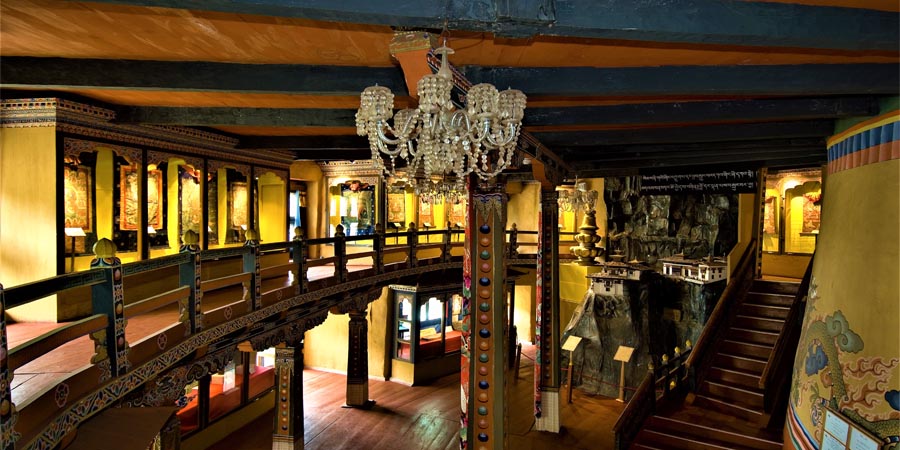
Ta Dzong provides basic visitor facilities. Information labels are primarily in English and Dzongkha (Bhutanese language). The museum has staff available to answer questions. Due to the historic building's nature, accessibility may be limited - some floors require climbing stairs.
Photography is allowed without flash in most areas. The museum may have a small shop selling postcards, books about Bhutanese culture, or traditional crafts. Restroom facilities are available. Given the hillside location, wear appropriate footwear for climbing stairs and potentially slippery surfaces during rain.
Nearby Attractions
Paro Dzong
Paro Dzong, the fortress complex that Ta Dzong watchtower originally protected, is located nearby and can be combined with your museum visit. This massive dzong-fortress complex houses administrative offices, monastic quarters, and temples. Visiting both provides comprehensive understanding of Bhutan's fortified heritage.
Paro Dzong is particularly atmospheric during morning and evening prayers. The fortress complex sits dramatically in Paro Valley with the mountainside backdrop. Exploring both Ta Dzong and Paro Dzong provides complete perspectives on Bhutanese defensive architecture and monastic-administrative complexes.
Tiger's Nest Monastery
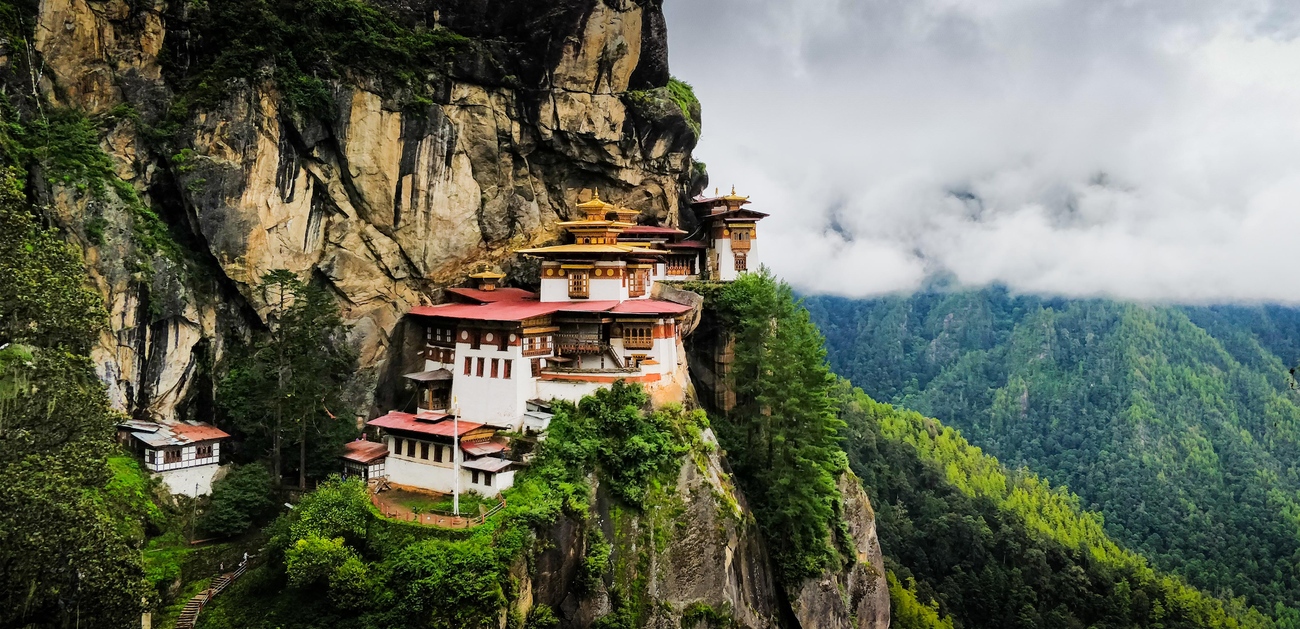
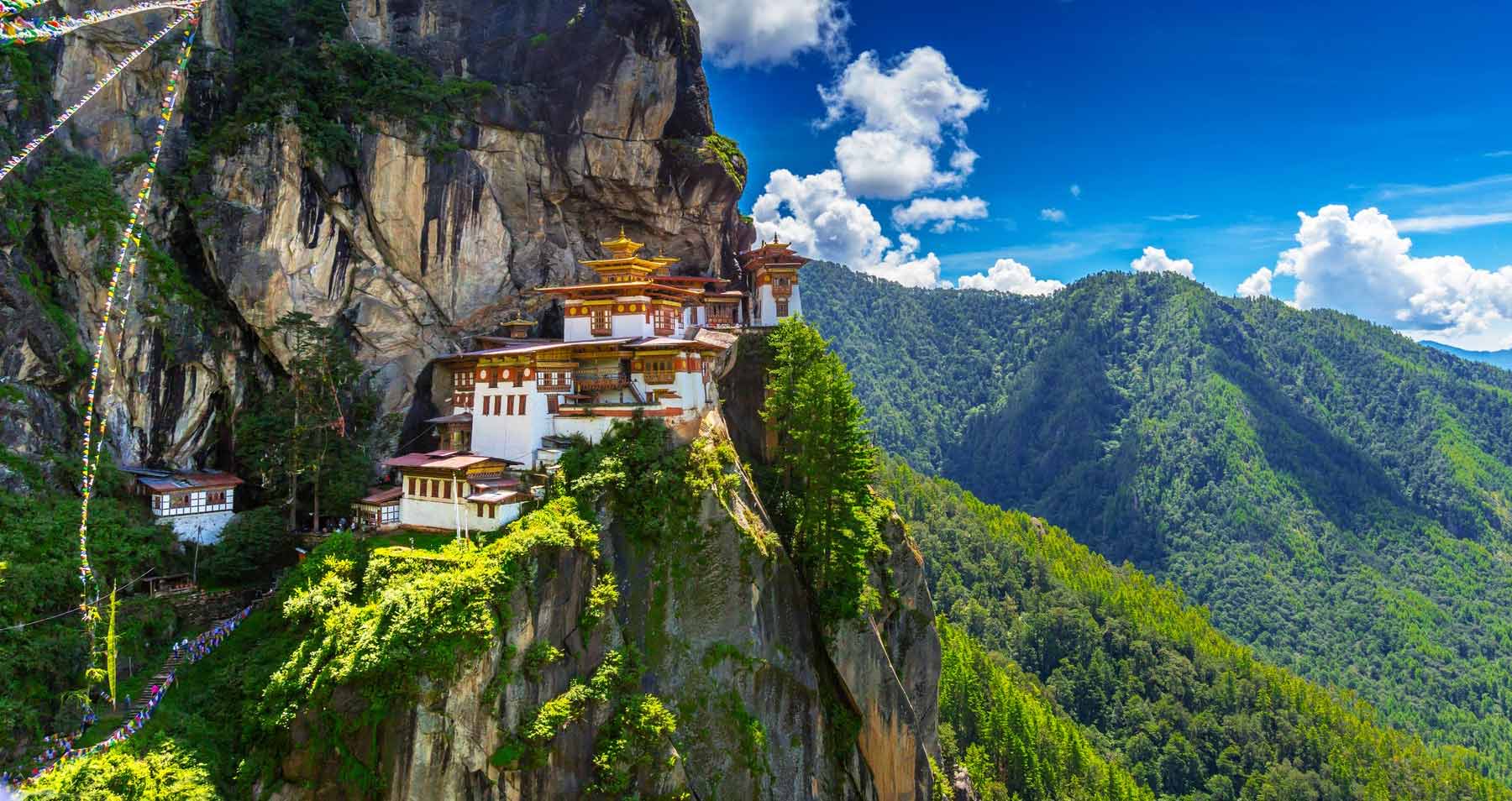
Tiger's Nest Monastery (Taktsang Palphug), clinging to a cliff face approximately 10 kilometers from Paro, is Bhutan's most iconic monastic site. The monastery appears dramatically perched on the cliff, accessible only by challenging hike. This architectural wonder provides stunning views of Paro Valley.
Combining Ta Dzong with Tiger's Nest requires a full day in Paro. The hike to Tiger's Nest takes 2-3 hours round trip and is challenging but rewarding. Both sites represent different aspects of Bhutanese Buddhist heritage - Ta Dzong focusing on art and culture, Tiger's Nest demonstrating spiritual devotion and architectural audacity.
Chele La Pass
Chele La Pass, on the road connecting Paro to Haa Valley, offers one of Bhutan's most spectacular mountain pass experiences. The pass at approximately 3,988 meters provides breathtaking views of Himalayan peaks on clear days. The drive through Chele La passes through beautiful rural Bhutan.
If you're exploring beyond Paro Valley, Chele La makes an excellent day trip. The pass is accessible by road and offers viewpoints along the way. Prayer flags fluttering in the wind, yaks grazing on high-altitude pastures, and dramatic mountain scenery create quintessential Bhutanese experiences.
Visitor Tips
Practical Considerations
Wear modest clothing when visiting Ta Dzong, particularly during active worship times or if observing religious practices. Remove shoes before entering certain areas as a sign of respect. Bhutanese temples and monasteries follow traditional etiquette guidelines.
Photography is encouraged for personal memories but be sensitive during prayers or ceremonies. Don't touch artifacts without permission. The historic building's stairs can be steep - proceed carefully. Carry local currency for small purchases. Consider hiring a guide for deeper historical context about artifacts and Bhutanese culture.
Cultural Respect
Ta Dzong is both a museum and remains connected to Bhutanese Buddhist traditions. Maintain appropriate behavior respectful of religious significance. Speak quietly, especially during prayers or when monks are present. Don't point feet at religious figures or artifacts.
Remove hats before entering certain areas as a sign of respect. Avoid interrupting ceremonies or rituals. If you're unsure about appropriate behavior, observe others or ask staff. The museum welcomes cultural curiosity but expects corresponding respect for Bhutanese Buddhist practices and heritage.
Conclusion
The National Museum of Bhutan at Ta Dzong represents an essential cultural institution preserving the kingdom's artistic, religious, and historical heritage. The transformation from defensive watchtower to museum exemplifies Bhutan's careful balancing of modernization with tradition. The collections housed within provide comprehensive understanding of Bhutanese identity.
For travelers to Bhutan, Ta Dzong offers insights into the kingdom that go beyond natural beauty and fortress landscapes. Understanding Bhutan's Buddhist art, military history, and traditional crafts enriches appreciation of contemporary Bhutanese culture. Whether you're an art enthusiast, history buff, or cultural traveler, Ta Dzong delivers valuable experiences.
Extend your Bhutan exploration by discovering Thimphu attractions, checking optimal visiting times, or exploring Bumthang region for comprehensive Himalayan kingdom experiences.
Location
Frequently Asked Questions
Q1.Where is Ta Dzong National Museum located?
Q2.How far is the museum from Paro town?
Q3.What is the best time to visit the museum?
Q4.What can I see at National Museum of Bhutan?
Q5.How long does it take to explore Ta Dzong?
Q6.Is photography allowed inside the museum?
Q7.What is the entry fee for Ta Dzong?
Q8.Is the museum open on weekends?
Q9.How to reach Ta Dzong from Paro airport?
Q10.Are guided tours available?
Recommended For You
Backpacking Bhutan: Budget Planning, Route & Permit Details
Complete backpacking Bhutan guide: visa requirements, daily fee, budget tips, best season, trekking, cultural sites & 7-day itinerary for the Land of the Thunder Dragon.
Archery in Bhutan: National Sport & Cultural Experience
Discover archery in Bhutan, the Kingdom's national sport. Learn about traditional techniques, witness colorful competitions, and try authentic Bhutanese archery experiences.
Best Tourist Places in Bhutan: Region-Wise Attractions & Itinerary Ideas
Explore the best tourist places in Bhutan with region-wise highlights from Paro, Thimphu, Punakha, Bumthang, and Phobjikha, plus practical travel planning tips.
Never Miss an Adventure
Get the latest trekking guides, travel tips, and exclusive offers delivered straight to your inbox.
