
Ueno Park Tokyo: Top Attractions, Timings & Seasonal Highlights

Ananya Sharma
February 16, 2026
Plan Ueno Park Tokyo with top attractions, cherry blossom timing, museum and zoo logistics, station access, and practical route tips for a smooth visit.
Introduction: Why Ueno Park Is a Must-Visit in Tokyo
Ueno Park Tokyo is one of the most complete city attractions in Japan for travelers who want nature, culture, and practical sightseeing in one place. In a single walkable area, you can explore major museums, visit one of Japan's oldest zoos, see temple and shrine architecture, spend quiet time near Shinobazu Pond, and still connect quickly to other city districts. That combination makes Ueno Park ideal for first-time Tokyo itineraries and repeat visits alike.
The park is also historically significant. Opened in 1873 as one of Japan's earliest public parks, Ueno has evolved into a major cultural district while still functioning as an everyday green space for locals. During cherry blossom season, it becomes one of Tokyo's busiest hanami zones, but outside peak weeks it can feel relaxed, educational, and family-friendly.
This guide is designed for practical planning: what to see, when to visit, how to reach, timing and ticket logic, and a realistic day plan. If you are building a Tokyo route with strong depth and smooth transit flow, Ueno Park deserves a full half-day slot.
About Ueno Park: History, Size, and Cultural Role
Ueno Park sits in Taito City and covers a broad area often described around 133 acres. Historically, this land was associated with temple grounds and later became a public park in the Meiji era. Over time, Ueno developed into a cultural hub with national museums, art institutions, a zoo, and religious sites clustered within easy walking distance.
Why this matters for travelers:
- High value per hour: You can cover multiple major attractions without long intercity transfers.
- All-season utility: Cherry blossoms in spring, lotus and greenery in summer, fall colors in autumn, and calmer walks in winter.
- Family and solo friendly: Open paths, clear navigation, and varied activity intensity.
- Transit advantage: Ueno Station connects to JR and Metro networks, making arrival simple.
Many travelers treat Ueno Park as just a cherry blossom stop. In reality, it functions better as a full culture-plus-leisure district and can anchor one of the strongest Tokyo day plans.
Top Attractions in Ueno Park Tokyo
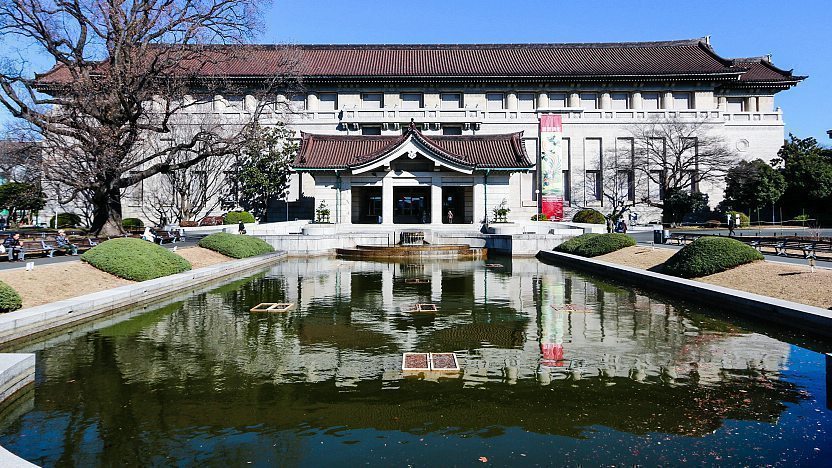
1. Tokyo National Museum
The Tokyo National Museum is one of the most important museum experiences in Japan and a key reason travelers choose Ueno. Collections include Japanese art, historical objects, swords, ceramics, textiles, and rotating special exhibitions. If you want deeper context on Japanese culture, this is the strongest stop in the park.
- Plan at least 90 to 150 minutes for a meaningful visit.
- Check exhibit schedule in advance for special galleries.
- Photography rules can differ by hall, so follow signage.
2. Ueno Zoo
Ueno Zoo is Japan's first zoo and remains one of the most visited family attractions in Tokyo. The zoo is known for giant pandas and broad species diversity across East and West Garden zones. As of official listings reviewed in February 2026, adult admission has been around 600 yen, but you should verify before visiting.
- Morning entry usually reduces queue stress.
- Family groups should keep at least 2 to 3 hours.
- Hydration and short rest breaks are useful in warm months.
3. Shinobazu Pond
Shinobazu Pond gives Ueno Park its calmest visual character. The pond area is known for lotus growth in season, boat views, and slower walking routes away from dense museum queues. It is an excellent reset point between major attractions.
- Good for photography in early morning or late afternoon light.
- Suitable for couples, solo visitors, and family breaks.
- Pair with Bentendo area for a short cultural stop.
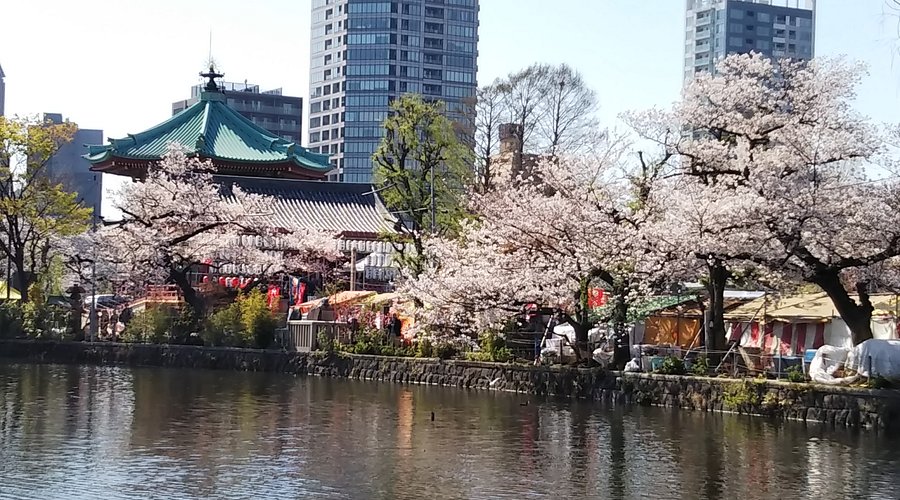
4. Bentendo Temple and Ueno Toshogu Shrine
These sites add spiritual and historical depth to your Ueno visit. Bentendo's location near the pond and Toshogu's ornate style create contrast with museum spaces and park pathways. Even a short respectful visit improves the overall cultural balance of your itinerary.
5. National Museum of Nature and Science and Tokyo Metropolitan Art Museum
If you enjoy science, natural history, or rotating art exhibitions, these museums can extend your Ueno route into a full day. Families with children often prioritize interactive science sections, while art-focused travelers may shape the day around exhibition schedules.
Ueno Park Cherry Blossom Season: What to Expect
Ueno Park is one of Tokyo's best-known hanami destinations. The main cherry blossom season usually falls from late March to early April, with peak timing shifting slightly by year. The park's tree-lined corridors become extremely crowded during full bloom and weekend evenings.
For better cherry blossom experience quality:
- Visit early morning on weekdays if possible.
- Avoid rigid schedules during peak bloom weekends.
- Carry light layers because spring evenings can feel cool.
- Use station exits strategically to reduce entry bottlenecks.
Even outside peak sakura weeks, Ueno remains worth visiting due to museums, pond areas, and cultural sites. If blossoms are your core goal, keep one backup day in your Tokyo plan for weather or bloom variance.
Best Time to Visit Ueno Park
Spring (March to May)
Best for cherry blossoms and comfortable walking weather. Expect higher crowds, especially during hanami peak.
Summer (June to August)
Greenery and lotus views improve around the pond, but humidity can be high. Start early and keep hydration breaks.
Autumn (September to November)
Pleasant temperatures and seasonal colors make this a balanced period for museum and park combinations.
Winter (December to February)
Cool weather and lighter crowd pressure can make museum-focused Ueno visits very efficient. Outdoor breaks feel calmer and photo lines are shorter.
Overall, spring and autumn provide the best comfort-to-crowd balance for most travelers, while winter works well for slower cultural itineraries.
How to Reach Ueno Park Tokyo
Ueno Park is one of Tokyo's easiest attractions to access by public transport.
- Nearest major hub: Ueno Station (JR lines and Tokyo Metro connections).
- From Tokyo Station: short JR transfer, often around 7 to 10 minutes depending on route and platform time.
- From Shinjuku: direct and simple via JR network, often around 20 to 30 minutes end-to-end.
- From Narita Airport: Keisei Skyliner to Ueno is a common fast option.
Inside the park, walking is the primary mode. Distances between major spots are manageable, but museum dwell time can stretch your day more than walking distance itself.
Getting Around Smoothly
- Download an offline map before arrival.
- Decide your first paid attraction in advance to avoid indecision.
- Keep museum-heavy and family-heavy hours separate if traveling with mixed interests.
Tickets and Timings: What to Plan Before You Go
Ueno Park grounds are generally open to public access and usually do not require a park entry fee. Individual attractions inside the park, however, have separate tickets, operating hours, and closing days.
| Attraction Type | Typical Ticket Logic | Timing Pattern |
|---|---|---|
| Park Grounds | Usually free access | Public access windows apply |
| Major Museums | Paid, varies by museum and exhibit | Often day hours with last-entry limits |
| Ueno Zoo | Paid, adult ticket commonly low-cost | Day hours, weekly closure pattern possible |
| Special Exhibitions | Separate or premium tickets | Time-bound schedules |
As of checks done in February 2026 from official and tourism sources, general park timing references are often around early-morning to late-evening public windows, but attraction schedules can change. Always verify official pages before final booking day.
Sample Ueno Park Itineraries
Half-Day Culture Route (4 to 5 Hours)
- Start at Tokyo National Museum.
- Walk to Shinobazu Pond for recovery break.
- Add one secondary museum or shrine stop.
- End with early dinner near Ueno Station.
Family Route (5 to 6 Hours)
- Morning entry at Ueno Zoo.
- Lunch break near central park area.
- Short pond walk and optional boat activity.
- Finish at Science Museum if energy allows.
Cherry Blossom Focus Route
- Arrive early for tree-lined pathways.
- Keep a light museum fallback if crowding is heavy.
- Use evening slot for nearby city transitions.
If you are building a broader Tokyo sequence, connect Ueno with Imperial Palace Tokyo, Shibuya Crossing Tokyo, and Hachiko Statue Tokyo Japan on separate blocks instead of forcing all in one day.
Practical Travel Tips for Ueno Park
- Wear comfortable walking shoes because museum floors plus park paths add up.
- Carry a compact umbrella; Tokyo weather can shift quickly.
- Prioritize 2 to 3 attractions, not every attraction, for better depth.
- Book or check museum exhibitions in advance during holiday periods.
- Travel light to reduce fatigue in long queue days.
- Respect temple and shrine etiquette in spiritual zones.
- Keep portable payment options ready because some counters move faster with cashless support.
Common Mistakes to Avoid
- Treating Ueno as a one-hour photo stop.
- Planning zoo, multiple museums, and cherry blossom peak walk in one rushed block.
- Ignoring queue times during weekends and festivals.
- Not checking closure days for specific museums.
- Skipping pond and heritage areas entirely.
The best Ueno Park day is paced, not overloaded. Quality improves when you combine fewer stops with better time allocation.
Food and Break Planning Around Ueno Park
Ueno and nearby Ameyoko areas provide many quick and sit-down meal options, so you do not need to overpack food unless you are traveling with children or dietary constraints. Keep lunch flexible rather than locking a strict reservation in the middle of peak movement windows. For cherry blossom season, picnic-style breaks can work, but crowd density may limit comfortable seating choices.
If you are continuing your Japan route beyond Tokyo, pair city sightseeing days with a lower-intensity day. Travelers often combine a Tokyo cultural block with later nature focus such as Mount Fuji Japan for contrast.
Is Ueno Park Worth Visiting?
Yes. Ueno Park is one of Tokyo's highest-value attractions because it combines heritage, museums, family activities, seasonal beauty, and excellent transit connectivity. It works for first-time travelers, solo cultural explorers, families, and repeat visitors trying to experience Tokyo beyond only shopping districts.
If you want one location that represents Tokyo's balance of tradition, public space, and modern city function, Ueno Park should be on your itinerary.
Final Takeaway
Ueno Park Tokyo is more than a famous cherry blossom spot. It is a complete cultural district where museums, zoo experiences, spiritual landmarks, and seasonal landscapes come together in one accessible route. Plan your attraction order, check current timings and ticket rules, and keep a realistic pace for the best experience.
With smart planning, Ueno Park can become one of the most memorable and efficient days in your Tokyo trip.
Location
Frequently Asked Questions
Q1.Where is Ueno Park located in Tokyo?
Q2.What is Ueno Park famous for?
Q3.Is Ueno Park free to enter?
Q4.What are the main attractions in Ueno Park?
Q5.When is cherry blossom season in Ueno Park?
Q6.How do I reach Ueno Park from Tokyo Station?
Q7.How much time is needed to explore Ueno Park?
Q8.Is Ueno Zoo worth visiting for families?
Recommended For You
New Year in Japan: Traditions, Temple Visits, Foods & Travel Tips
A practical guide to New Year in Japan covering hatsumode, osechi food, temple-bell traditions, best cities, and travel planning tips.
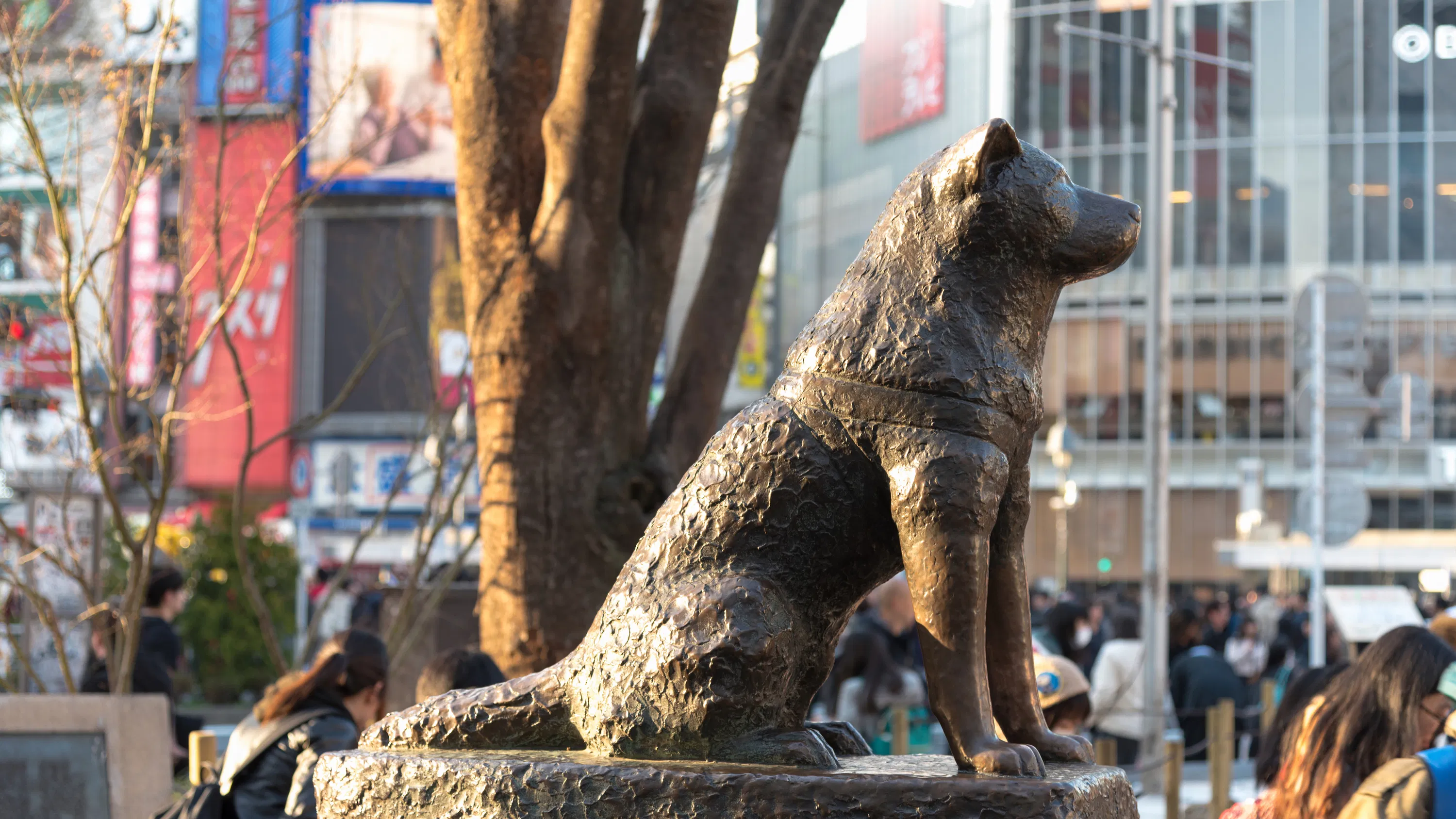
Hachiko Statue Tokyo: Location, Story & Best Visit Time
Visit Hachiko Statue Tokyo with exact location guidance, story context, best time to visit, route tips, crowd strategy, and nearby Shibuya attractions.
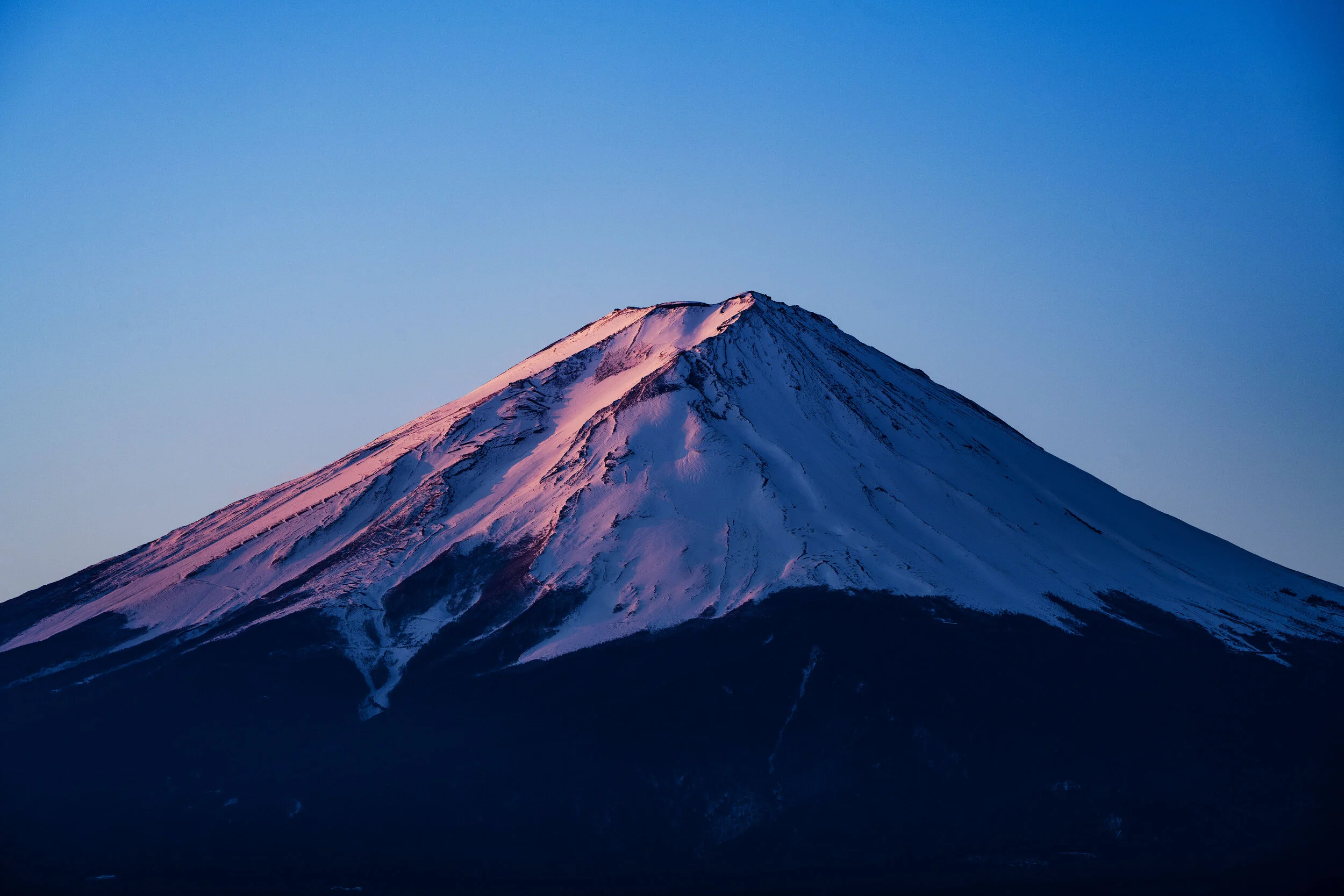
Mount Fuji Japan: Climbing Season, Routes & Permit Details
Plan your Mount Fuji Japan climb with updated season rules, trail comparisons, Tokyo access, packing strategy, altitude safety, and non-climbing viewing options.
Never Miss an Adventure
Get the latest trekking guides, travel tips, and exclusive offers delivered straight to your inbox.
