
International
Shibuya Crossing Tokyo: Best Time & Photos

Rahul Garg
January 9, 2026
12 min read2,391 views
Experience Shibuya Crossing, Tokyo's iconic scramble. Complete guide with best viewing spots, photography tips, times & how to reach.
Shibuya Crossing: The World's Busiest Pedestrian Scramble
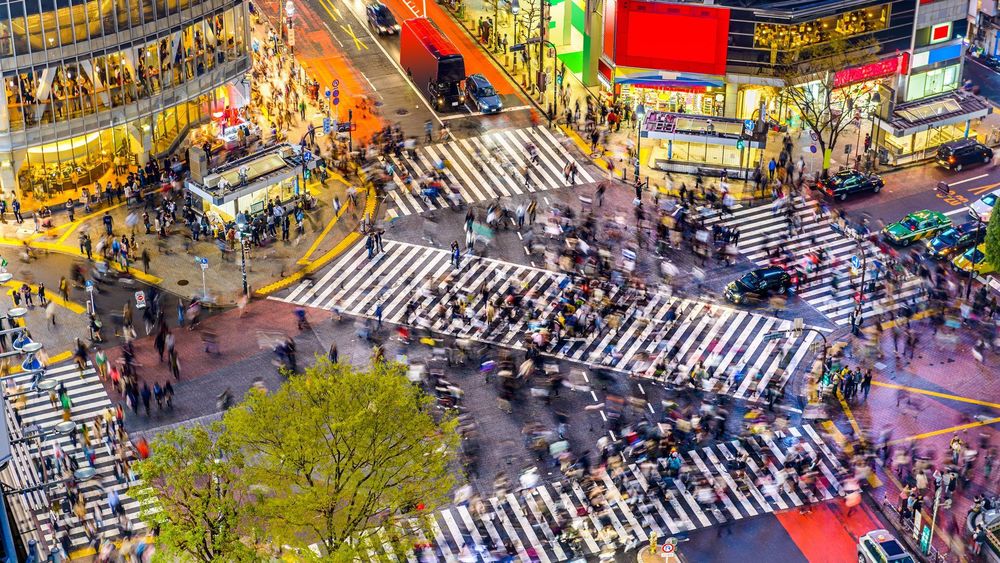
Shibuya Crossing stands as Tokyo's most iconic urban spectacle, a mesmerizing intersection where thousands of people converge in a perfectly choreographed dance of humanity. Located in the heart of Shibuya, one of Tokyo's busiest districts, this scramble crossing has become synonymous with the city itself - a symbol of modern Japan's incredible energy and organized chaos. Every two to three minutes, traffic lights in all directions turn red simultaneously, and pedestrians flood the intersection from all sides. With each cycle, approximately 2,500 people cross, creating a sea of humanity that must be seen to be truly appreciated. The sight has made Shibuya Crossing one of Tokyo's most photographed locations and a must-see experience for visitors from around the world. What makes this crossing special isn't just its scale but what it represents - the incredible efficiency of Japanese urban planning, the vibrant energy of Tokyo life, and the unique Japanese concept of organized chaos where thousands can move simultaneously without collision. Whether you're crossing with the crowd or watching from above, Shibuya Crossing offers an unforgettable Tokyo experience.
History & Significance
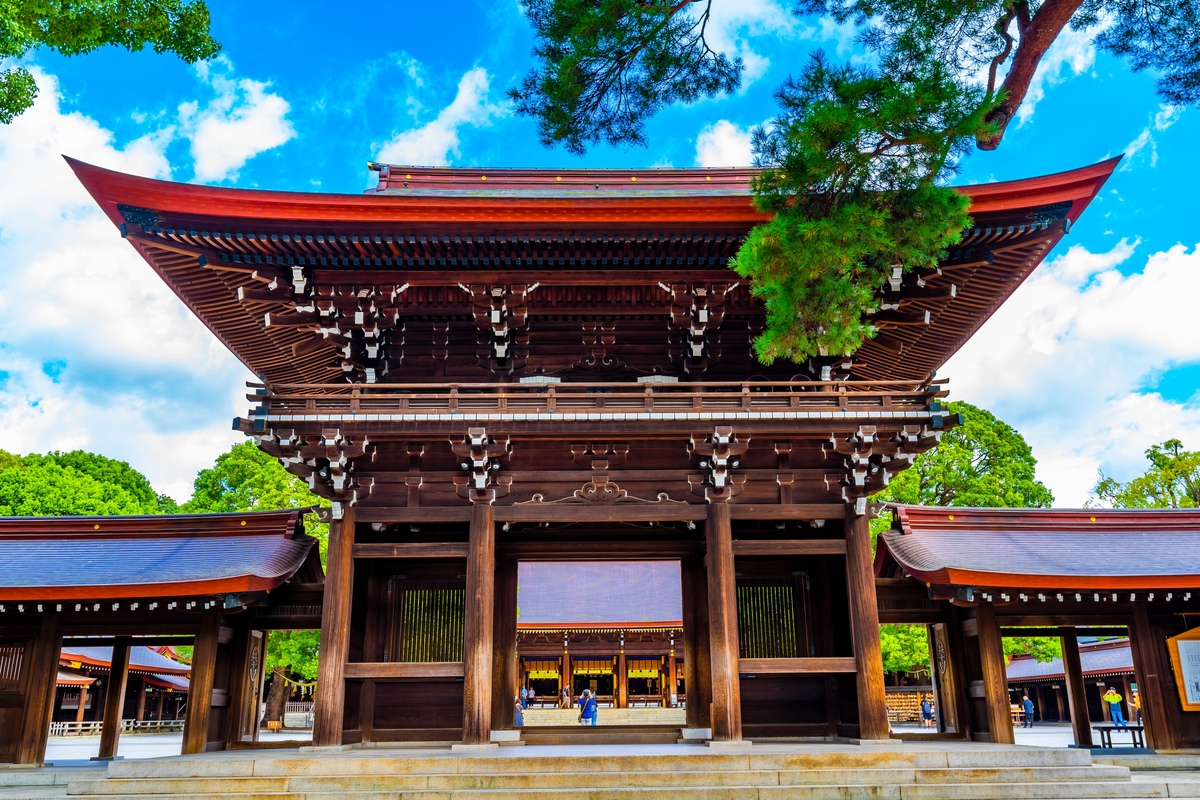
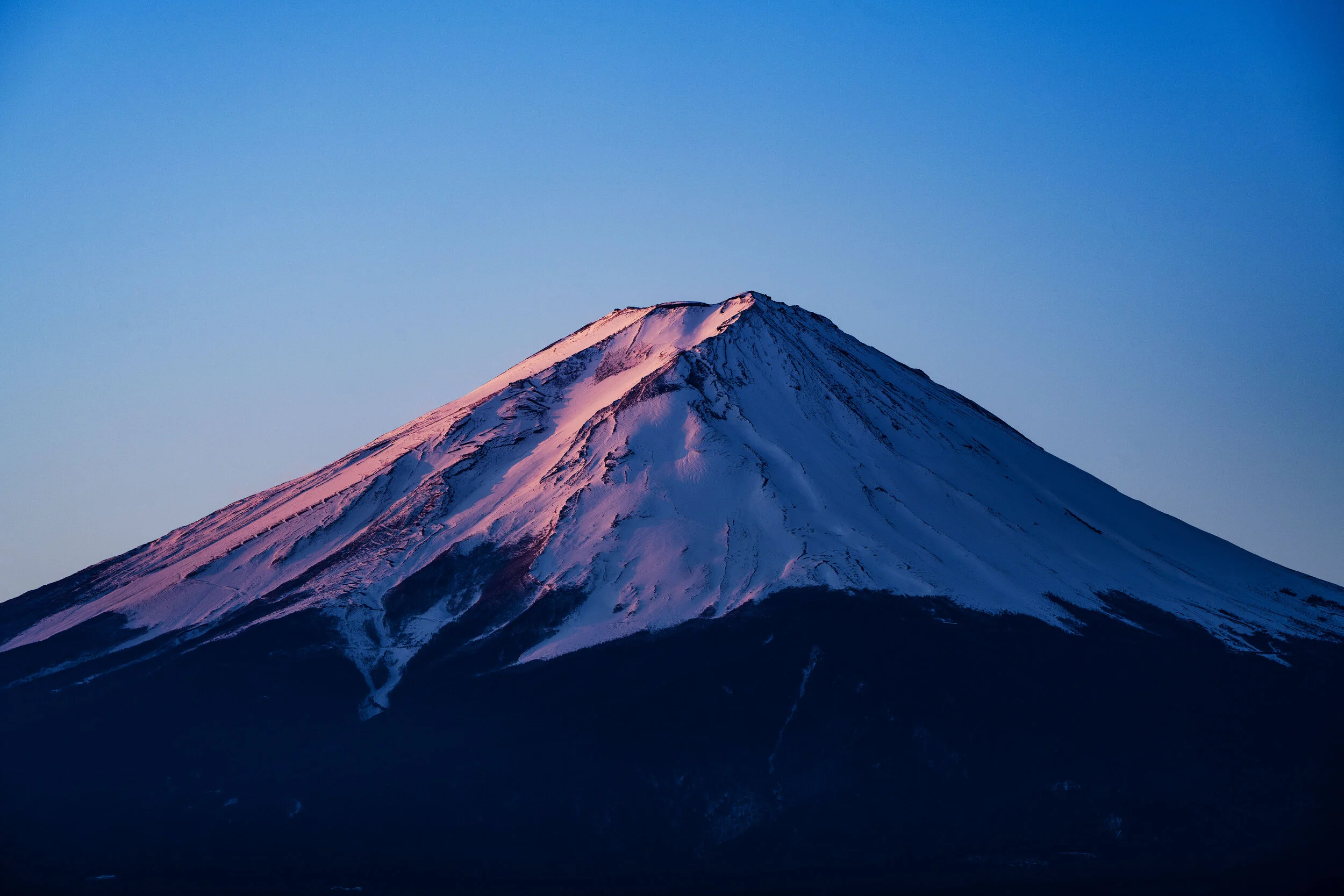
For spiritual experiences in Tokyo, visit the nearby Meiji Jingu Shrine. Don not miss the famous Hachiko Statue outside the station. For temple visits, explore Senso ji Temple. Shibuya Crossing, officially known as Shibuya Kōsaten (Shibuya Intersection), has a relatively short but impactful history. The crossing as we know it today took shape in 1958 when the area around Shibuya Station underwent major redevelopment as part of Japan's post-war economic boom. This period saw Tokyo transforming rapidly, and Shibuya emerged as a major commercial and entertainment hub. The scramble crossing concept was revolutionary for its time. Instead of allowing pedestrians to cross in parallel with vehicle traffic, the scramble system stops all vehicular traffic simultaneously, allowing pedestrians to cross in any direction, including diagonally. This design dramatically increases pedestrian capacity and efficiency, crucial for handling the massive foot traffic that characterizes Tokyo. The crossing gained international fame through its appearances in numerous films, television shows, and documentaries. Movies like "Lost in Translation" and "The Fast and the Furious: Tokyo Drift" brought the crossing to global audiences, transforming it into a recognizable symbol of Tokyo worldwide. This media exposure has made it one of Tokyo's most visited tourist attractions. Beyond its cinematic fame, Shibuya Crossing represents the pinnacle of Japanese urban planning. The system's ability to safely and efficiently move tens of thousands of people per hour through a single intersection demonstrates Japanese attention to detail, efficiency, and respect for order. The crossing has become a case study for urban planners worldwide studying pedestrian management in dense urban environments. The crossing sits at the center of Shibuya's commercial district, surrounded by department stores, entertainment venues, restaurants, and electronic shops. Its location makes it a natural meeting point and a symbolic heart of one of Tokyo's most vibrant neighborhoods. The area around the crossing has evolved continuously, with recent years seeing massive redevelopment projects that have transformed Shibuya Station and surrounding buildings while maintaining the crossing's character. Culturally, the crossing has become embedded in Tokyo's identity. It appears in anime, manga, music videos, and countless social media posts. For many international visitors, experiencing Shibuya Crossing ranks alongside visiting Mount Fuji or Kyoto's temples as essential Japanese experiences.How the Scramble Works
The Shibuya Crossing scramble operates on a precisely timed cycle that manages the incredible flow of both vehicle and pedestrian traffic through this busy intersection. Understanding the mechanics reveals the sophistication behind what appears to be chaotic movement. The complete cycle lasts approximately two minutes. When the pedestrian signal turns green, all vehicular traffic lights in every direction turn red. This simultaneous stoppage creates the scramble - pedestrians can cross straight in any direction or diagonally across the intersection. The diagonal crossing option is what makes scramble crossings uniquely efficient, allowing people to reach any corner directly. During the green phase, which typically lasts 50-60 seconds, a flood of pedestrians fills the intersection. At peak times, this can number 2,500-3,000 people per cycle. Despite the incredible density, movement is remarkably orderly. People naturally self-organize, flowing around each other with minimal collisions. The Japanese cultural emphasis on harmony and respect for personal space manifests even in this crowded setting. As the countdown timer ticks down, pedestrians hasten their pace to clear the intersection before the pedestrian light turns red. When red, all vehicles get their turn, with sophisticated traffic sequencing allowing cars, buses, and taxis to flow through from each direction. The vehicle phase lasts about one minute before the cycle repeats. The timing varies slightly depending on time of day and current traffic conditions. During weekday morning rush hours (8-9 AM) and evening rush hours (5-7 PM), the cycles operate at maximum frequency with minimal waiting time. Late at night, when traffic is lighter, the cycles might lengthen slightly. Peak rush hours create the most spectacular scenes. Weekday evenings between 5-7 PM see maximum pedestrian density as office workers head to restaurants, bars, and entertainment venues. This is when the crossing truly earns its title as the world's busiest pedestrian intersection. Weekends present different patterns. Saturday afternoons see heavy tourist and shopping traffic, while Sunday evenings tend to be slightly quieter as locals prepare for the work week. The crossing remains busy throughout, but the crowd composition shifts from commuters to tourists and shoppers. The entire system operates with remarkable efficiency and safety. Despite handling hundreds of thousands of crossings daily, accidents are extremely rare. This safety record speaks to the effectiveness of the scramble design and the disciplined pedestrian culture.| Time Period | Pedestrians Per Cycle | Characteristics |
|---|---|---|
| Morning Rush (8-9 AM) | 2,000+ | Commuters, purposeful walking |
| Midday | 1,500-2,000 | Tourists, shoppers, mixed pace |
| Evening Rush (5-7 PM) | 2,500-3,000 | Peak density, most spectacular |
| Late Night | 500-1,000 | Nightlife crowd, more relaxed |
Best Viewing Spots
Experiencing Shibuya Crossing can happen from multiple perspectives, each offering a different appreciation of this urban phenomenon. Choosing the right viewing spot significantly impacts your experience and photography opportunities. Shibuya Sky, located in the Shibuya Scramble Square building, offers the premier elevated viewing experience. This 229-meter-high observation deck provides 360-degree views of Tokyo, with Shibuya Crossing visible directly below. The glass floor section allows you to look straight down at the intersection, giving a unique perspective on the pedestrian patterns. Shibuya Sky requires paid admission (approximately 1,800 yen) and is open until late evening, making it perfect for night photography. The Starbucks in the Tsutaya building opposite the station represents the classic viewing spot. The second-floor seating area overlooks the crossing, and while Starbucks officially prohibits loitering, many visitors buy a drink and claim a window seat for observation. This spot provides eye-level views and has been featured in countless photographs and videos. However, competition for window seats can be intense, especially during peak hours. Mag's Park rooftop bar offers another elevated option. Located above the Mag's Park building, this rooftop garden provides excellent views along with refreshments. It's less crowded than Starbucks but also less well-known. The rooftop is open seasonally and may close during rain or high winds. The Shibuya Stream viewing deck represents a newer option. This modern building features outdoor terraces on multiple floors that offer diagonal perspectives on the crossing. These public spaces are free to access and provide excellent photography angles without the crowds found at more famous viewing spots. For the full immersive experience, nothing beats crossing itself. Joining the crowd as it surges across the intersection puts you in the middle of the action. You'll feel the energy of thousands of people moving around you, all heading in different directions yet somehow flowing together. Street-level photography from within the crowd captures the crossing's intensity from a participant's perspective. Each viewing spot offers unique advantages. Elevated positions provide overview shots showing the scale and geometric patterns of the crossing. Street level captures the human energy and individual faces. Choose based on whether you want to observe or participate.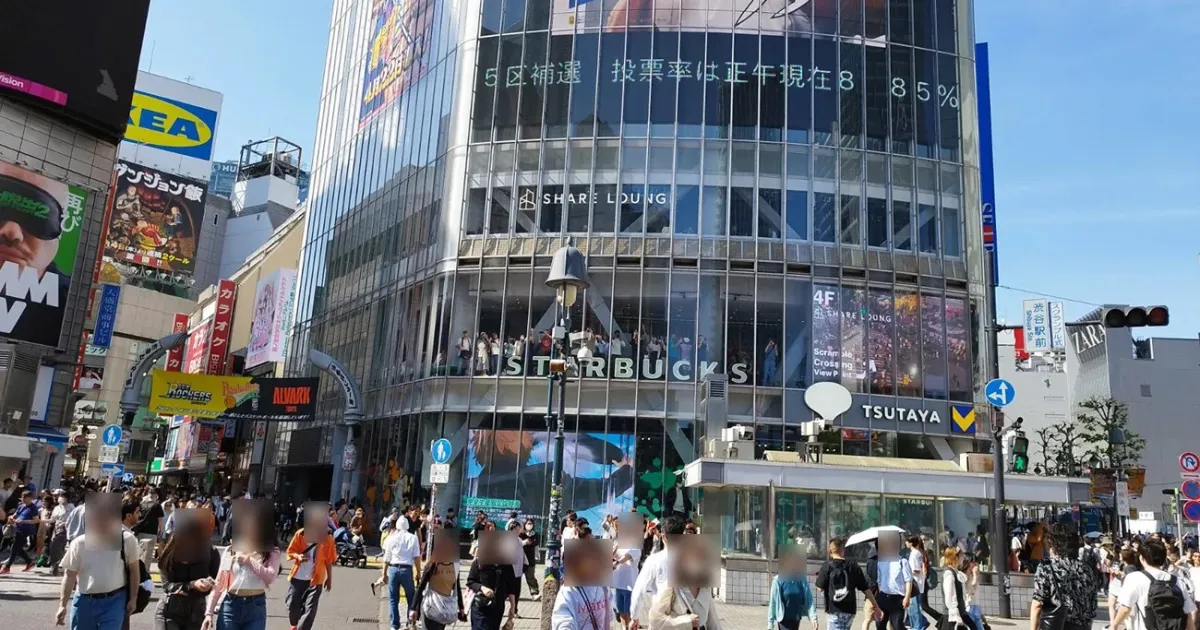
Photography Tips & Best Times
Capturing Shibuya Crossing requires understanding timing, positioning, and technique to create images that do justice to this incredible scene. The right approach transforms tourist snapshots into compelling visual storytelling. The best time for photography is evening rush hour, typically 5-7 PM. This period combines maximum pedestrian density with beautiful lighting conditions. The golden hour just before sunset provides warm, dramatic light that paints the scene in incredible colors. As darkness falls, the intersection's neon signs and building lights create a spectacular urban nightscape. For daylight photography, late afternoon offers the most favorable lighting. The sun is lower in the sky, creating interesting shadows and reducing the harsh midday contrasts that can make photography challenging. Overcast days actually work well, providing soft, even light that's perfect for capturing details without harsh shadows. Night photography at Shibuya Crossing creates the most dramatic images. The intersection is surrounded by illuminated billboards, neon signs, and building lights that create a vibrant cyberpunk atmosphere. Use a higher ISO (800-1600) to capture movement without blur, or embrace the blur with slower shutter speeds that show the flow of pedestrians as streaks of color. Camera settings depend on your creative vision. For sharp, frozen action, use fast shutter speeds (1/250 second or faster). To capture the sense of motion, try slower speeds (1/30 to 1/60 second) that blur pedestrians slightly while keeping the background sharp. A tripod or stable surface is essential for slower shutter speeds. The most iconic shot captures the full intersection from above, showing all the crosswalks filled with pedestrians. Elevated viewing spots like Shibuya Sky or the Starbucks Tsutaya are perfect for this composition. Use a wide-angle lens (16-35mm) to capture the entire scene. For street-level photography, position yourself on a corner before the light changes. As pedestrians begin crossing, shoot into the crowd to capture faces and expressions. A medium telephoto lens (50-85mm) works well for street photography, allowing you to isolate individuals in the crowd. Video captures the crossing's energy in ways still images cannot. Film one complete cycle from start to finish. Try both static shots from fixed positions and tracking shots that follow the flow of pedestrians crossing. Time-lapse videos compress multiple cycles into a few seconds, revealing the incredible rhythm of the crossing. Weather dramatically changes the crossing's character. Rain creates reflective surfaces on the street and umbrellas add colorful elements to the scene. Snow, while rare in Tokyo, transforms the crossing into something magical. Night photography after rain is particularly spectacular as wet surfaces reflect all the neon lights.What to See Around Shibuya
The Shibuya Crossing area offers much more beyond the famous intersection. Several attractions within easy walking distance provide deeper insight into Tokyo's culture and entertainment scene. The Hachiko Statue, located just outside Shibuya Station's Hachiko Exit, commemorates Japan's most loyal dog. According to legend, Hachiko waited at this spot every day for nine years for his master who had passed away, never giving up hope. The bronze statue has become a popular meeting point and symbol of loyalty. The story resonates deeply in Japanese culture and has been adapted into films worldwide. Shibuya Center-Gai (Center Street) represents Tokyo's youth culture and fashion scene. This pedestrian shopping street pulses with energy, lined with clothing stores, game centers, karaoke bars, and restaurants. It's the perfect place to observe Tokyo's street fashion and youth culture. The atmosphere is electric, especially on weekends when young people dress in their most creative outfits. Shibuya 109, the iconic cylindrical department store, has been a trendsetter in Japanese fashion for decades. This 10-story building houses numerous boutiques targeting young women with cutting-edge Japanese fashion. Even if you're not shopping, the building itself and the fashion on display offer fascinating cultural observation. Shibuya Sky, besides offering crossing views, provides one of Tokyo's best observation experiences. The open-air deck on the 229th floor gives 360-degree views of the Tokyo skyline. On clear days, you can see landmarks like Tokyo Tower, Tokyo Skytree, and even Mount Fuji in the distance. Miyashita Park combines shopping, dining, and recreation in a modern complex. The rooftop features a skate park, climbing wall, and sandy beach area along with bars with stunning views. Lower levels house diverse restaurants and shops. It represents the evolution of Japanese commercial spaces into multi-use lifestyle destinations. For entertainment, explore the numerous game centers, karaoke establishments, and themed cafes in the area. Japanese pop culture comes alive in these spaces, offering experiences unique to Tokyo. From purikura (photo booths) to arcades with the latest games, Shibuya offers endless entertainment options.How to Reach & Station Guide
Shibuya Crossing's location at one of Tokyo's major transportation hubs makes it incredibly accessible from anywhere in the Tokyo metropolitan area. Shibuya Station serves as a convergence point for multiple train lines, making it straightforward to reach. The JR Yamanote Line provides the most convenient access for most visitors. This circular line connects Shibuya to major stations including Shinjuku (7 minutes), Tokyo Station (20 minutes), and Shinagawa (12 minutes). The Yamanote Line runs frequently, with trains every 2-3 minutes during peak hours. The famous Hachiko Exit leads directly to Shibuya Crossing. The Tokyo Metro Ginza Line connects Shibuya to Asakusa, Ginza, and other central Tokyo areas. The Ginza Line platform is relatively close to the crossing exits. The Tokyo Metro Hanzomon Line and Fukutoshin Line also serve Shibuya, providing connections to different parts of the city. The Tokyu Toyoko Line connects Shibuya to Yokohama (25 minutes) and provides access to suburban areas south of Tokyo. The Keio Inokashira Line runs to Shimokitazawa and Kichijoji, popular residential and shopping areas. From Narita Airport, the fastest route is the Narita Express to Shibuya (approximately 80 minutes). From Haneda Airport, the Tokyo Monorail to Hamamatsucho, then transfer to the JR Yamanote Line to Shibuya (approximately 35 minutes). Shibuya Station is enormous, with multiple exits spread across different levels. For Shibuya Crossing, follow signs for the Hachiko Exit. This is the most famous and direct route to the crossing. However, other exits like the Miyamasuzawa Exit also lead to the area. Allow extra time to navigate the station, especially if it's your first visit. The station complex has undergone massive redevelopment in recent years. New shopping areas, restaurants, and improved navigation make it more user-friendly despite its size. Digital signage in multiple languages helps guide visitors to their destinations.Location
Frequently Asked Questions
Q1.What time is Shibuya Crossing busiest?
Shibuya Crossing is busiest during weekday evening rush hours, approximately 5:00-7:00 PM. During this peak period, 2,500-3,000 people cross per cycle, creating the most spectacular scenes. Saturday afternoons also see heavy traffic with shoppers and tourists. For the most dramatic experience with maximum crowds, visit weekday evenings. If you prefer fewer people, early morning (before 9 AM) or late night (after 9 PM) offer much quieter experiences.
Q2.How many people cross at Shibuya?
Shibuya Crossing sees approximately 2,500-3,000 people per cycle during peak rush hours, with the full cycle taking about two minutes. This translates to well over 100,000 people per hour during the busiest periods. Throughout a full day, estimates suggest that between 300,000 to 500,000 people cross at Shibuya Crossing. The massive numbers make it the world's busiest pedestrian intersection and one of Tokyo's most iconic sights.
Q3.Where is the best view of Shibuya Crossing?
The best view of Shibuya Crossing depends on your preferences. Shibuya Sky (Shibuya Scramble Square) offers the premier elevated view from 229 meters above, requiring paid admission (approximately 1,800 yen). The Starbucks in the Tsutaya building provides free second-floor views, though window seats are competitive. Mag's Park rooftop offers another elevated option with refreshments. For the most immersive experience, join the crowd at street level and feel the energy of thousands crossing around you.
Q4.Where to take photos of Shibuya Crossing?
The best photography spots at Shibuya Crossing are: (1) Shibuya Sky observation deck for aerial views, (2) Starbucks Tsutaya second-floor window for classic eye-level shots, (3) Mag's Park rooftop for elevated angles without crowds, (4) Street level on corners for immersive crowd shots, (5) Shibuya Stream viewing deck for diagonal perspectives. For photography, visit during evening golden hour (5-7 PM) for the best combination of crowd density and lighting. Night photography creates dramatic urban scenes with neon lights.
Q5.What camera settings for Shibuya Crossing?
For sharp, frozen action at Shibuya Crossing, use fast shutter speeds (1/250 second or faster) with higher ISO (400-800). For motion blur that captures the flow, use slower shutter speeds (1/30 to 1/60 second) with a tripod or stable surface. For night photography, increase ISO to 800-1600 and use wider apertures (f/2.8-f/4). A wide-angle lens (16-35mm) captures the entire intersection from above. Street level photography works well with medium telephoto (50-85mm) for portraits in the crowd.
Q6.Can you photograph from Starbucks?
Yes, you can photograph from the Starbucks in the Tsutaya building opposite Shibuya Station. The second-floor window seats offer classic views of the crossing. However, Starbucks doesn't allow loitering, so purchase a drink to justify your seat. Window seats are highly competitive, especially during peak hours and with photographers. Expect to wait for a good spot and be respectful of other customers. Alternatively, paid viewing spots like Shibuya Sky offer guaranteed access without crowds.
Q7.How to reach Shibuya Crossing?
Shibuya Crossing is located directly outside Shibuya Station's Hachiko Exit. The JR Yamanote Line provides the easiest access, connecting to major hubs like Shinjuku (7 minutes) and Tokyo Station (20 minutes). The Tokyo Metro Ginza Line, Hanzomon Line, and Fukutoshin Line also serve Shibuya. From Narita Airport, take the Narita Express (80 minutes). From Haneda Airport, take the Monorail to Hamamatsucho, then JR Yamanote Line to Shibuya (35 minutes). Shibuya Station is enormous - follow signs for the Hachiko Exit for direct access to the crossing.
Q8.Which exit for Shibuya Crossing?
The Hachiko Exit is the most famous and direct exit for Shibuya Crossing, located immediately adjacent to the intersection. This is the exit you'll see referenced most often and is clearly marked throughout Shibuya Station. The Hachiko Exit leads directly to both the crossing and the famous Hachiko Statue. Other exits like Miyamasuzawa Exit also access the area but require slightly more walking. First-time visitors should follow signs for Hachiko Exit - it's well-marked with English signage and impossible to miss.
Q9.Is Shibuya Crossing safe at night?
Yes, Shibuya Crossing is extremely safe at night. Tokyo is one of the world's safest cities, and Shibuya remains busy and well-lit 24/7. The area is always populated with people, and crime rates are very low. However, normal precautions apply - be aware of your surroundings, keep valuables secure, and avoid isolated areas if you're unfamiliar with the neighborhood. The crossing itself and immediate surroundings are perfectly safe at any hour. Many visitors enjoy the nighttime atmosphere when the neon lights create a spectacular urban scene.
Q10.How long to spend at Shibuya?
Most visitors spend 30-60 minutes at Shibuya Crossing experiencing it from different perspectives. Allow 15-20 minutes to observe multiple cycles from above, then 10-15 minutes to actually cross with the crowd and experience it from street level. If you're photographing, plan for 1-2 hours to capture the scene from various angles at different times of day. The area around Shibuya Crossing offers additional attractions like Hachiko Statue, Shibuya Center-Gai shopping street, and department stores that can easily fill a half-day of exploration.
Recommended For You
Festivals
Bhutan Festivals: Tsechu Dates, Monasteries & Cultural Experiences
Experience Bhutan's vibrant festivals: Tsechu, Paro, Thimphu & Punakha celebrations. Complete guide to dates, masked dances, Cham performances & cultural experiences.
Nov 16Read More
Spiritual
Meiji Jingu Shrine Tokyo: History, Rituals, and Tips
Visit Meiji Jingu Shrine Tokyo with practical guidance on history, etiquette, timings, and transit-friendly route planning.
Feb 18Read More
Trekking
Mount Fuji Japan: Climbing Season, Routes & Permit Details
Plan your Mount Fuji Japan climb with updated season rules, trail comparisons, Tokyo access, packing strategy, altitude safety, and non-climbing viewing options.
Dec 19Read More
Never Miss an Adventure
Get the latest trekking guides, travel tips, and exclusive offers delivered straight to your inbox.
