
Hachiko Statue Tokyo: Location, Story & Best Visit Time

Priya Mehta
February 12, 2026
Visit Hachiko Statue Tokyo with exact location guidance, story context, best time to visit, route tips, crowd strategy, and nearby Shibuya attractions.
Introduction to Hachiko Statue Tokyo
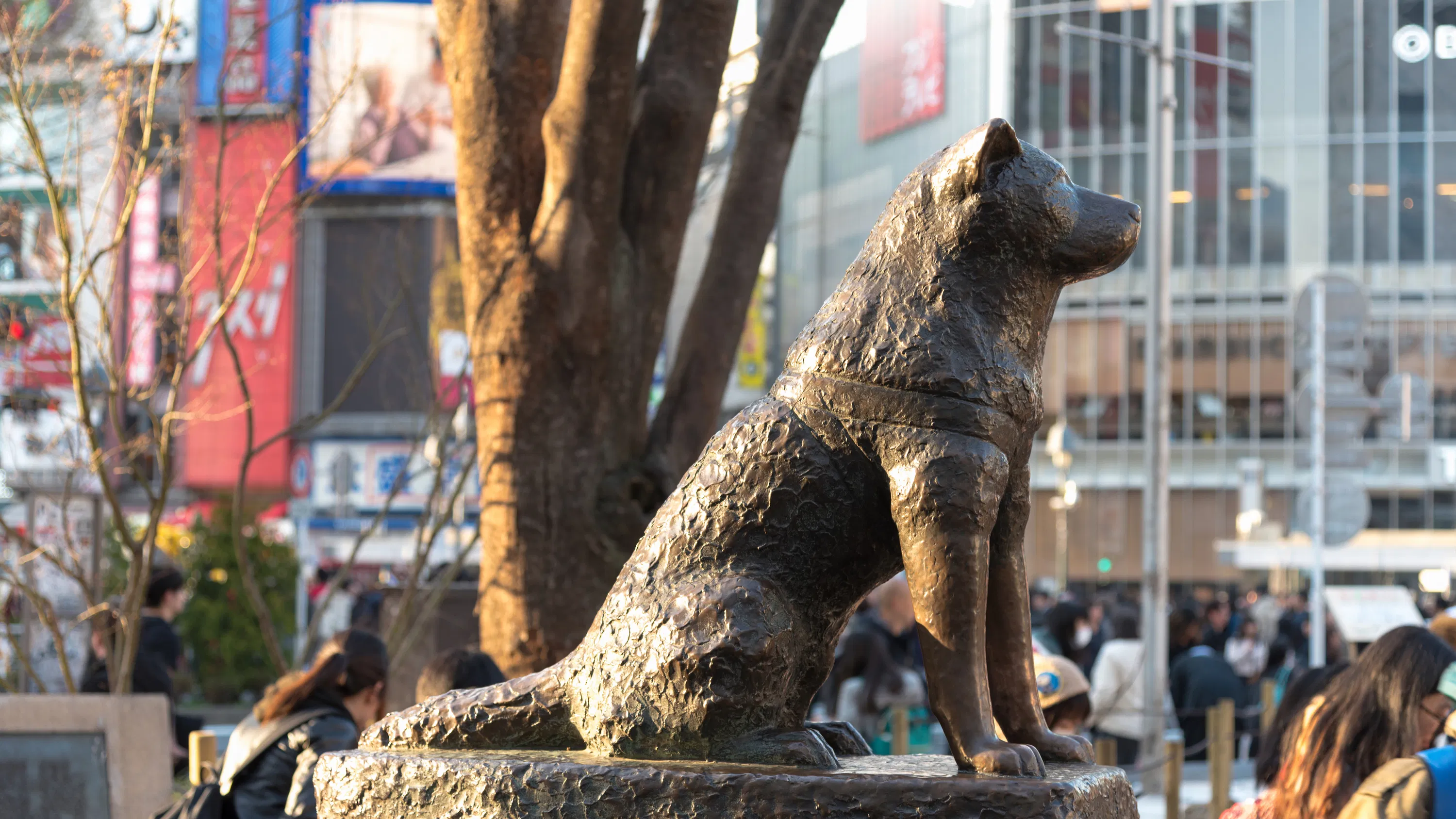
Hachiko Statue Tokyo is one of the most recognized landmarks in Japan, not because it is large, but because the story behind it is emotionally powerful. Located outside Shibuya Station, the bronze statue honors Hachiko, an Akita dog remembered for waiting at the station for his owner long after his owner passed away. For many visitors, this is the moment when Tokyo feels personal. You are not looking at a monument to power or architecture, but a memorial to loyalty.
The statue is also practical in trip planning. It sits near Shibuya Scramble Crossing, major rail lines, and shopping streets, which means you can include it in almost any central Tokyo itinerary without extra transit complexity. That is why this spot works for first-time travelers, families, solo visitors, and even short layover plans.
This guide covers the hachiko story, exact location logic, how to reach from popular Tokyo areas, best time to visit, photography tips, nearby attractions, and realistic expectations on crowd flow.
The Story of Hachiko: Why This Statue Matters
Who was Hachiko? He was an Akita dog born in 1923 in northern Japan and adopted by Professor Hidesaburo Ueno of Tokyo Imperial University. Hachiko reportedly accompanied his owner to Shibuya Station in the morning and returned to meet him in the evening. This routine continued until May 1925, when Professor Ueno died suddenly at work and never returned home. Hachiko, however, kept coming back to Shibuya Station for years, waiting at the same time each day.
That long waiting period is the core reason the hachiko dog statue became a national symbol. Newspaper coverage in the 1930s brought public attention to his behavior, and people began feeding and caring for him near the station. Hachiko died in 1935, but his story stayed in Japanese public memory as a model of devotion.
| Key Story Milestone | Commonly Referenced Date | Significance |
|---|---|---|
| Hachiko born | 1923 | Start of the Akita dog's life story |
| Professor Ueno's death | May 1925 | Beginning of Hachiko's long waiting period |
| First statue era | 1930s | Public memorialization during Hachiko's lifetime era |
| Hachiko died | March 8, 1935 | End of daily waiting, beginning of legacy status |
| Current postwar statue era | Late 1940s onward | The monument seen by visitors today |
Details around statue reconstruction are widely documented in historical summaries and museum-style references. The key takeaway for travelers is simple: this is not a fictional tourist myth. It is a real historical memory embedded in one of Tokyo's busiest transit zones.
Hachiko Statue Location in Shibuya
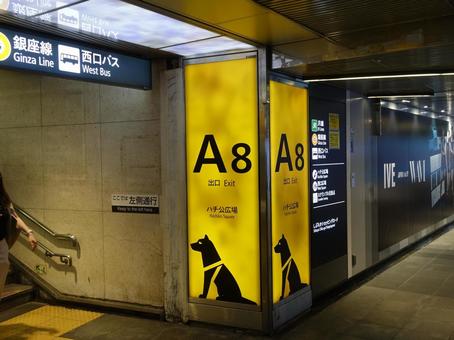
The statue is in Hachiko Square outside Shibuya Station, close to the famous scramble crossing area. If you are using station signage, follow directions for Hachiko Exit or Hachiko Gate. Shibuya Station has ongoing redevelopment and gate layouts have changed in recent years, so treat old video guides as reference only and rely on current station signs on arrival day.
- Area: Shibuya, Tokyo
- Landmark logic: Outside Shibuya Station, near Scramble Crossing
- Cost: Free public landmark
- Visit duration: 10 to 30 minutes for most travelers
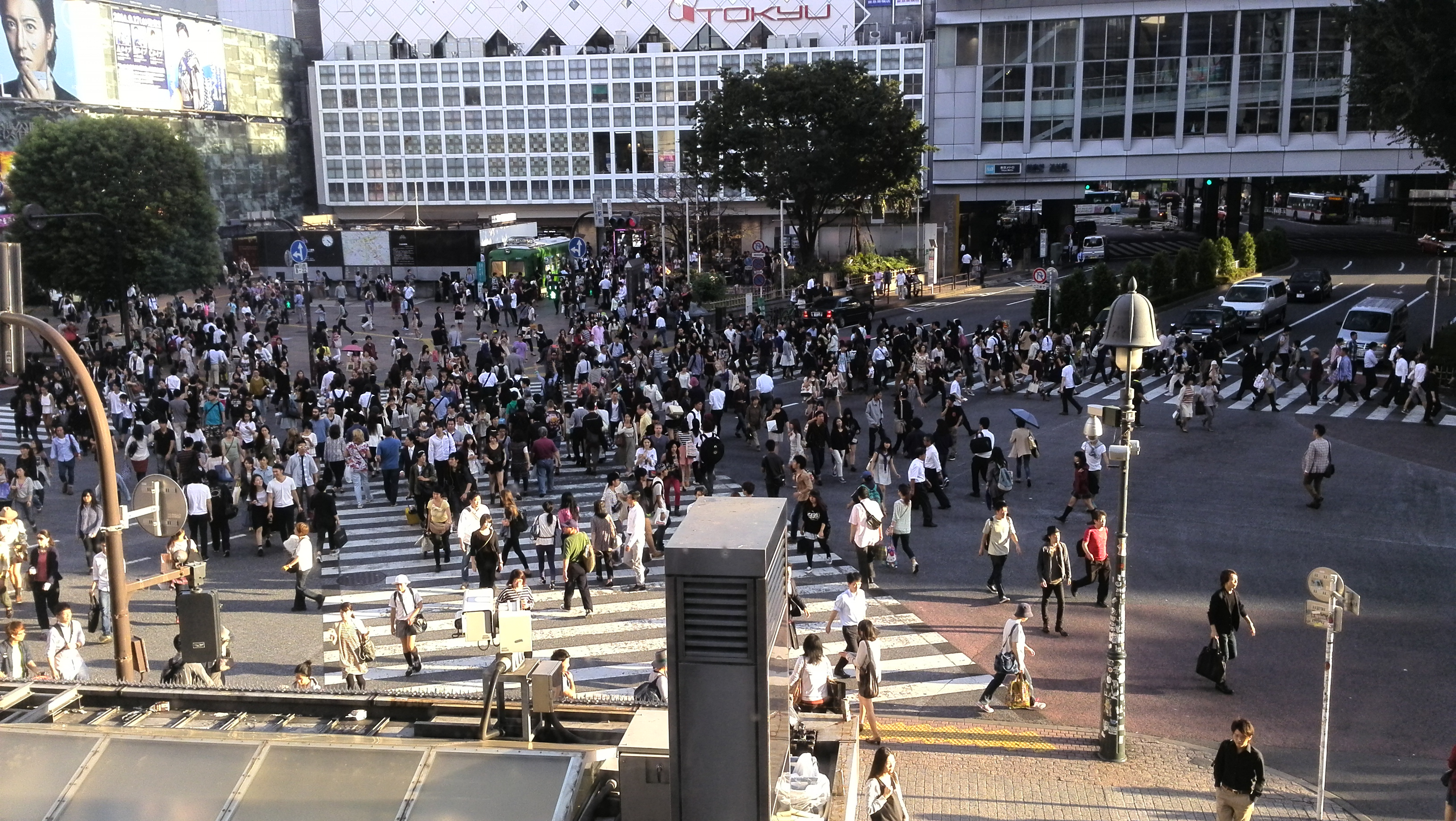
If your Tokyo route includes this area, combine it with Shibuya Crossing Tokyo so you can manage crowd timing better and avoid repeated station re-entry.
How to Reach Hachiko Statue in Tokyo
Hachiko statue how to reach is one of the easiest tasks in Tokyo because Shibuya is a major hub on multiple rail systems. From most central districts, trains are faster and more predictable than taxis during peak traffic windows.
From Shinjuku
Take a direct JR line toward Shibuya. Transit is usually quick, and once at Shibuya Station, follow Hachiko signs. This is one of the most common visitor routes.
From Tokyo Station
You can connect via JR networks to Shibuya with no difficult station logic if you follow transfer signage carefully. Allow extra buffer at rush hour.
From Harajuku or Meiji Jingu Side
Short train ride or walkable district linkage depending on your pace. This is a practical pairing if you are already visiting Meiji Jingu Shrine Tokyo.
From Airports
- Narita: Rail routes with transfer options to Shibuya.
- Haneda: Fast city-rail connections plus transfer to Shibuya lines.
For first-time visitors, smartphone navigation with live station guidance reduces confusion in Shibuya's multi-level station complex.
Best Time to Visit Hachiko Statue
Hachiko statue timing is effectively flexible because the statue is in an open public square, but crowd conditions change throughout the day.
| Time Slot | Crowd Level | Best Use |
|---|---|---|
| 6 AM - 8 AM | Low to moderate | Clean photos, quick stop |
| 10 AM - 4 PM | High | General sightseeing, fast photo only |
| 5 PM - 8 PM | Very high (commuter + tourist overlap) | Atmosphere, not ideal for uncrowded shots |
| 8 PM - 10 PM | Moderate | Night city mood and easier framing |
Weekends and public holidays are significantly busier than weekdays. During major crowd-control periods in Shibuya, access patterns around the statue can be restricted by local authorities, so stay flexible and follow on-site instructions.
Hachiko as a Meeting Point in Tokyo
The statue is one of Tokyo's most famous meeting points. Locals and travelers use it because everyone recognizes the landmark and it is directly connected to station exits. However, this convenience also creates crowd pressure.
How to use it smartly
- Set a precise side (front, rear, or nearby signboard) when meeting friends.
- Share live location, not only 'meet at Hachiko,' during peak times.
- Keep a backup meeting point two minutes away in case it is too crowded.
- Do not block photo lanes while waiting.
This simple planning prevents the common issue where groups spend 20 minutes circling the same square.
Statue Design, History, and Memorial Context
The current hachiko memorial statue is bronze and life-like, showing Hachiko in a calm seated posture. Historically, the statue timeline includes prewar and postwar phases, and the monument in Shibuya today reflects reconstruction efforts after World War II-era material loss. For visitors, the design feels intentionally direct: no heavy abstraction, no oversized pedestal, just a realistic figure that keeps attention on the story.
- Material: Bronze
- Theme: Loyalty and remembrance
- Style: Human-scale public memorial
- Emotional impact: Strong even in a fast-moving urban setting
The statue's cultural weight is reinforced by annual remembrance references and by its frequent appearance in guidebooks, films, and school-level retellings of Hachiko's life.
Photography Tips at Hachiko Statue
Because the statue is always busy, good photography depends more on timing and patience than camera gear.
Best framing approaches
- Classic front shot: most recognizable composition.
- 45-degree side shot: reduces direct queue overlap.
- Wide frame with city context: captures station energy.
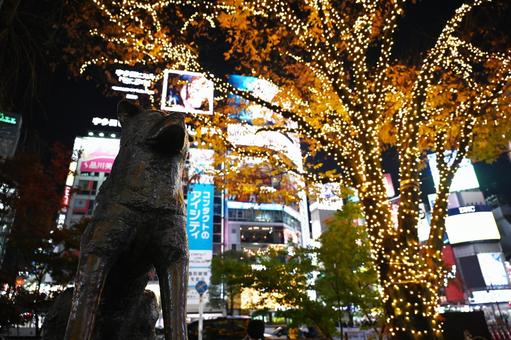
- Night shot: cleaner mood with urban lights.
Practical tips
- Arrive early for lower crowd density.
- Wait for short gaps instead of forcing crowded shots.
- Keep your turn short; others are waiting too.
- Avoid placing bags or tripods in walking paths.
If you want a deeper Tokyo photo day, combine this stop with Ueno Park Tokyo Japan for contrast between dense urban scenes and open cultural landscapes.
Nearby Attractions Around Hachiko Statue
The strongest benefit of visiting Hachiko is location efficiency. You can cover multiple high-interest Tokyo points in a compact walking radius.
| Attraction | Distance Logic | Why Add It |
|---|---|---|
| Shibuya Scramble Crossing | Immediate area | Iconic Tokyo street scene |
| Shibuya 109 / Center-gai zones | Short walk | Youth culture, shopping, street energy |
| Shibuya Sky | Walkable from station area | Citywide skyline views |
| Meiji Jingu and Harajuku side | Short train/walk combination | Cultural contrast with quieter surroundings |
| Imperial Palace district | Transit extension | Historical and political Tokyo perspective |
For route sequencing, do Hachiko and scramble zones in one time block, then move out before fatigue from crowds builds up.
Hachiko in Pop Culture and Global Recognition
The hachiko story is known well beyond Japan through films, documentaries, books, and school storytelling. International audiences often recognize the 2009 film adaptation, while Japanese cultural memory includes earlier cinematic and literary retellings. This global visibility explains why travelers from many countries visit the statue even on short Tokyo itineraries.
The symbol works across cultures because loyalty is universally understood. Even if visitors do not know every historical detail, the core narrative remains clear and emotionally accessible. That is why the statue functions as both a tourist landmark and a place where people pause quietly, not just take pictures and leave.
Sample 3-Hour Shibuya Plan with Hachiko
| Time | Activity | Purpose |
|---|---|---|
| 0:00-0:20 | Arrive at Shibuya, visit Hachiko statue | Landmark and story context |
| 0:20-0:45 | Observe Shibuya Crossing | Iconic urban experience |
| 0:45-1:45 | Walk Center-gai / nearby streets | Street culture and food stops |
| 1:45-2:30 | Cafe or early meal break | Reset before next transit |
| 2:30-3:00 | Move to next district | Efficient itinerary flow |
This plan keeps Hachiko meaningful without overcommitting time in one high-density square.
Travel Tips for First-Time Visitors
- Use station signage actively; Shibuya can feel maze-like at first.
- Keep a digital transit card or ticket app ready to save time.
- Visit early if your priority is photos.
- Do not expect long quiet viewing in peak periods.
- Watch bags and phones in dense crowd movement.
- Respect local crowd management barriers and police instructions.
These small choices can significantly improve your experience quality in one of Tokyo's busiest urban nodes.
Final Take
Hachiko Statue Tokyo is one of those places where a short stop can carry long emotional value. The statue itself is modest, but the story behind it is why millions continue to visit. If you pair it with smart timing, clear meeting logic, and nearby Shibuya planning, it becomes more than a checklist photo spot.
If your itinerary also includes a more formal historical stop, the Imperial Palace offers a useful contrast to Shibuya's fast-paced energy and pairs well on a day with lighter train transfers. For travelers building a balanced Tokyo trip, Hachiko offers a rare combination: historical meaning, cultural symbolism, and zero entry-cost access in a top transit location. Visit with context, and the stop will stay memorable long after the photo.
Location
Frequently Asked Questions
Q1.Who was Hachiko?
Q2.Where is the Hachiko statue located?
Q3.How do I reach Hachiko statue from Shinjuku?
Q4.What is the best time to visit Hachiko statue?
Q5.Is there an entry fee for Hachiko statue?
Q6.How far is Hachiko statue from Shibuya Crossing?
Q7.Why is Hachiko statue famous worldwide?
Q8.Can Hachiko statue area be crowded?
Recommended For You
New Year in Japan: Traditions, Temple Visits, Foods & Travel Tips
A practical guide to New Year in Japan covering hatsumode, osechi food, temple-bell traditions, best cities, and travel planning tips.
Imperial Palace Tokyo: Tour Options, Timings & Entry Information
Visit Imperial Palace Tokyo! Get tour details, timings, East Garden access, how to visit, & complete travel guide to Japan's Imperial residence.
Mount Fuji Japan: Climbing Season, Routes & Permit Details
Plan your Mount Fuji Japan climb with updated season rules, trail comparisons, Tokyo access, packing strategy, altitude safety, and non-climbing viewing options.
Never Miss an Adventure
Get the latest trekking guides, travel tips, and exclusive offers delivered straight to your inbox.
