
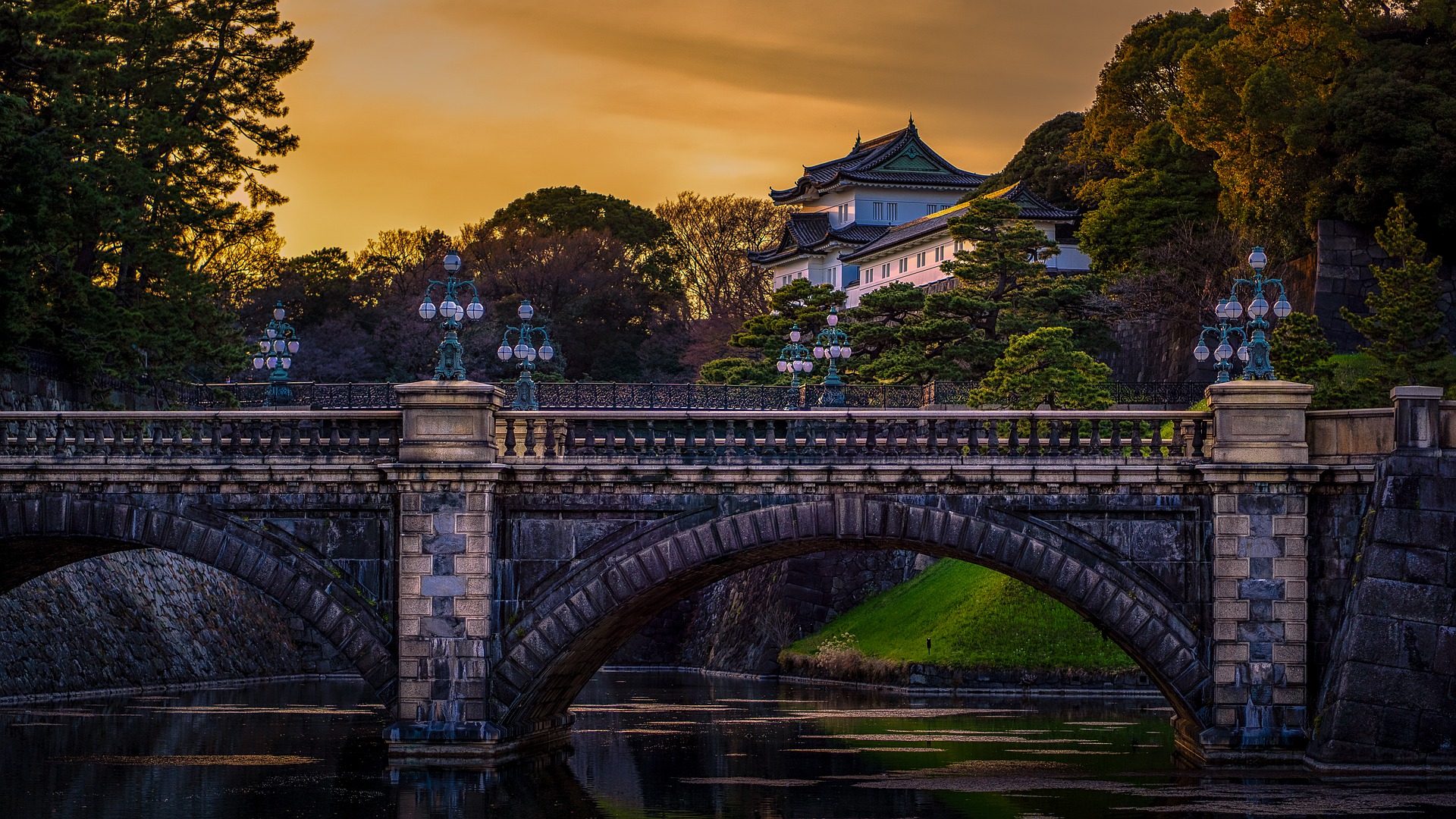
Imperial Palace Tokyo: Tour Options, Timings & Entry Information

Rohit Verma
January 30, 2026
Visit Imperial Palace Tokyo! Get tour details, timings, East Garden access, how to visit, & complete travel guide to Japan's Imperial residence.
Imperial Palace Tokyo Guide
Imperial Palace Tokyo is one of the city's most important historical landmarks, blending political symbolism, landscape planning, and controlled public access. It is often searched by first-time Japan travelers who want a heritage stop that fits smoothly into central Tokyo routes. The palace grounds are best approached as a layered complex rather than a single-entry monument.
If you are planning Japan days around both Kyoto and Tokyo, pair this site with references like Ryoan-ji and Katsura Imperial Villa to compare courtly landscape and architectural traditions.
Historical Significance
The Imperial Palace area sits on the former Edo Castle site and remains tied to Japan's imperial institution. Its significance is both historical and contemporary: it represents continuity of governance symbolism while functioning within a modern capital framework.
For visitors, this means the experience is partly architectural and partly civic. You are not only seeing old structures but also interacting with a living national symbol.
What to See in the Palace Area
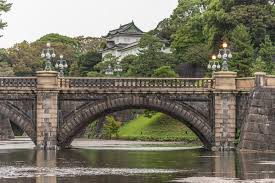
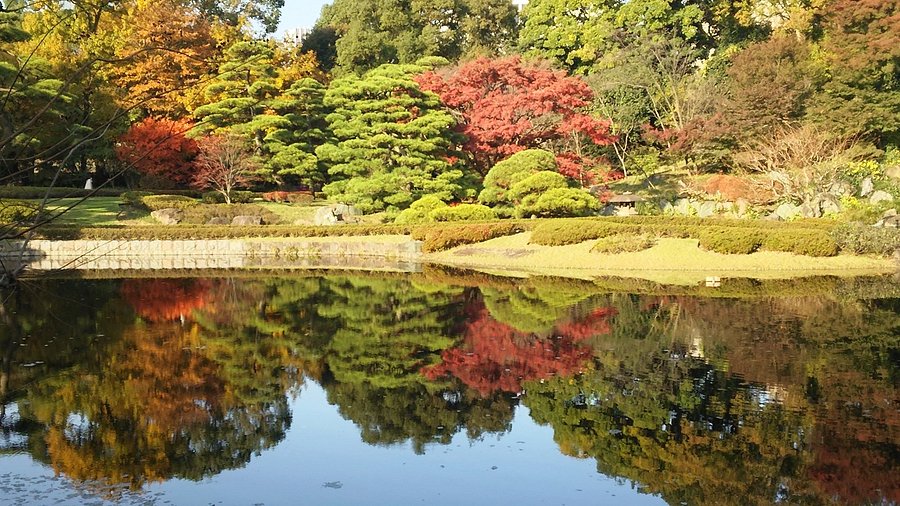
Most travelers focus on key gates, bridges, moats, and garden zones. Publicly accessible sections can still provide a strong understanding of site scale and design logic. The East Gardens are especially useful for travelers who want heritage context with walkable landscape movement.
Do not expect unrestricted entry to all sections. Access rules are central to planning and should be checked before finalizing your day schedule.
Best Time to Visit
Spring and autumn are typically the most comfortable and photogenic seasons for palace-area walks. Summer can be humid, and winter can be crisp but clear depending on conditions. Early morning slots are usually calmer and better for structured photography.
Weekday visits often provide smoother movement than weekend peaks. If your trip is short, prioritize one clean half-day rather than squeezing the palace between multiple rushed attractions.
Timings, Access, and Reservation Logic
Public access to specific palace sections and guided entries can vary by season and administration policy. Always verify the latest official guidance. For many visitors, East Gardens access is straightforward and sufficient for a high-quality heritage experience.
Keep at least 1.5 to 3 hours depending on your pace, interest in historical markers, and photography goals.
How to Reach the Imperial Palace
The site is centrally connected by Tokyo's transit network, making it easy to integrate with other city landmarks. Use station-based route planning and choose the closest exit for your intended entry zone to reduce unnecessary walking.
A common strategy is palace in the morning, then urban district contrast later, such as Shibuya Crossing in a separate time block.
Suggested Half-Day Tokyo Heritage Model
| Time Block | Recommended Plan |
|---|---|
| Morning | Palace approach, bridge points, East Gardens |
| Midday | Lunch and rest |
| Afternoon | Urban contrast stop or museum segment |
This pacing prevents heritage fatigue and gives enough time for context-based exploration.
Photography Tips
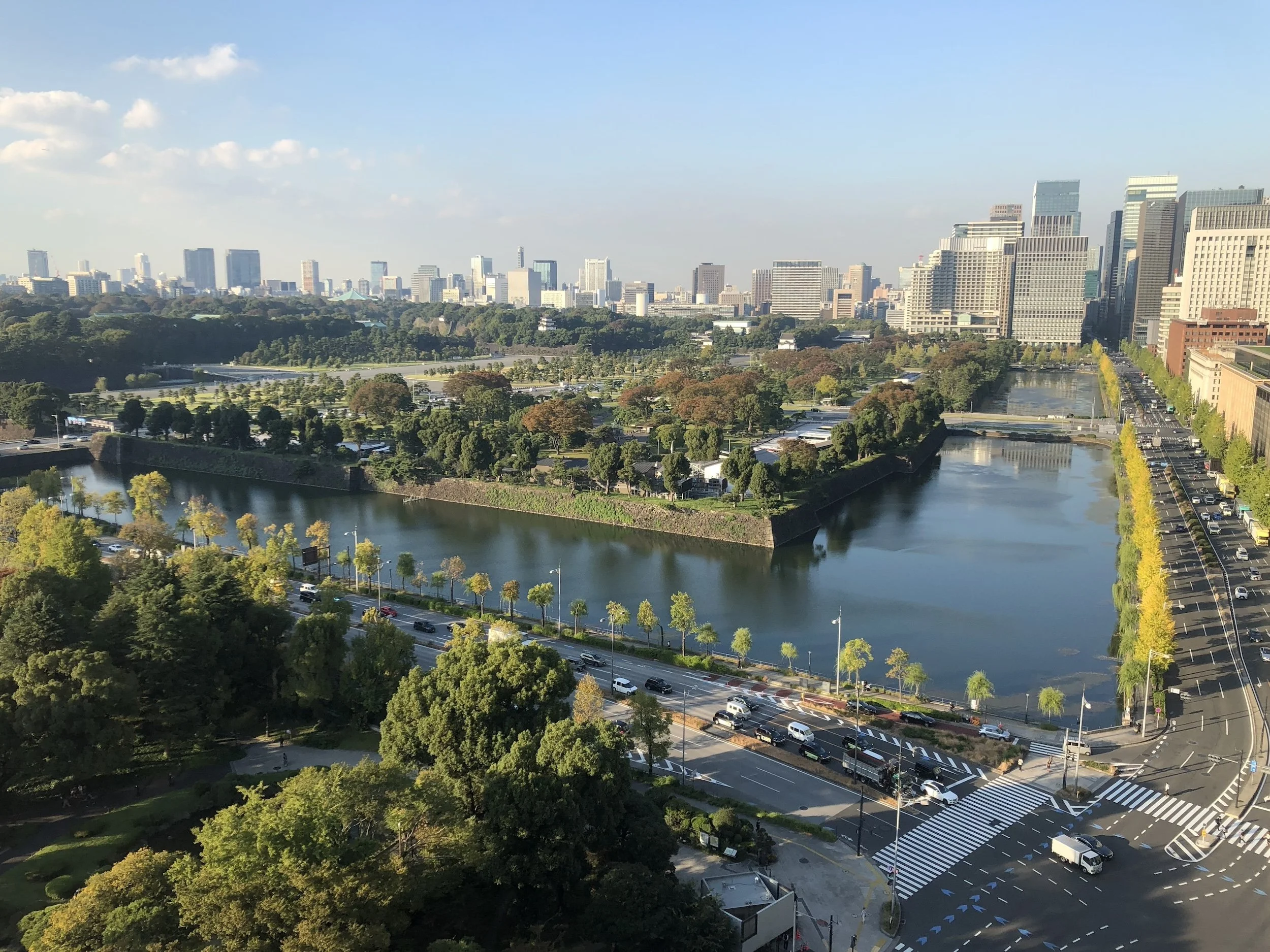
Use wide frames for moat, wall, and skyline relationships, then switch to medium focal lengths for gate and stonework detail. In bright conditions, expose carefully to retain sky and stone texture balance. Overcast weather can be excellent for even tonal distribution.
Respect restricted zones and avoid obstructing walkways while framing shots. Clean, patient framing usually outperforms high-volume rapid shooting.
Common Mistakes to Avoid
- Assuming full access without checking current rules
- Scheduling too little time for garden and perimeter walking
- Mixing multiple far-apart Tokyo zones in one tight window
- Ignoring weather comfort and hydration in warm months
- Treating the palace as only a photo checkpoint
A context-led visit gives far better value than a quick stop.
Who Will Enjoy This Visit Most
The palace area suits history-minded travelers, photographers, urban design enthusiasts, and first-time Tokyo visitors who want a landmark with both symbolic and landscape value. It also works well for mixed groups because walking intensity can be adjusted easily.
If you are extending beyond city heritage, combine with day plans such as Mount Fuji on a separate schedule to balance urban and regional experiences.
Final Take
Imperial Palace Tokyo is not just a central landmark; it is a key site for understanding Japan's political memory and urban heritage layering. With proper access planning and paced exploration, it becomes one of the most rewarding historical stops in Tokyo.
Prioritize context, keep route logic simple, and treat the site as a lived symbol rather than a single photo location. That approach gives the strongest travel outcome.
Extended Planning Notes
A common reason travelers under-enjoy this destination is over-compressed scheduling. Heritage exploration improves when you keep transit buffers, climate buffers, and one optional stop instead of forcing fixed minute-level plans. This destination works best when viewed as a contextual experience rather than a checklist item. Use realistic movement assumptions, especially if your group includes elders or children. A slower pace increases observation quality, reduces fatigue, and gives better decision-making for the second half of the day.
For stronger route continuity, pair this guide with ryoan ji temple kyoto japan and katsura imperial villa kyoto japan. These internal references help you connect architecture, local culture, and practical movement planning without repeating the same attraction type all day. In multi-stop routes, alternate high-effort and low-effort segments. This keeps energy stable and avoids the common pattern of early enthusiasm followed by rushed final stops.
Advanced Observation Checklist
- Start with macro layout before focusing on details
- Identify what is original, restored, or weathered
- Map movement paths and visitor pressure points
- Use two viewing passes: orientation pass and detail pass
- Take notes on interpretation, not just photos
This method is especially useful for travelers who want meaningful recall after the trip. Without structured observation, even major monuments can blur together. A short note-taking discipline can dramatically improve retention and storytelling quality.
Photo and Timing Strategy
For most locations, first light and late light are best for texture and depth. Midday can still work for documentation shots, but nuanced details are easier to capture in softer directional light. Keep one wide contextual frame, one medium narrative frame, and one close detail frame for each section. This simple three-frame model gives a complete visual record without overshooting.
If crowds are high, wait for flow gaps instead of forcing frames. Patience usually produces cleaner compositions and safer movement. Also avoid physically risky positions for dramatic angles. Strong storytelling images come more from composition discipline than from dangerous viewpoints.
Final Field Guidance
Before ending the visit, verify that you covered primary sections, essential context points, and one reflective pause to synthesize what you observed. If you still have time, use berlin cathedral to decide your next stop based on effort level rather than popularity alone. This approach improves total trip quality and prevents late-day burnout.
The most successful heritage days are not the busiest ones. They are the ones where you understand the place, remember key details, and finish with enough energy for the next day. Plan accordingly, and this destination will deliver much stronger value.
Additional practical note: keep digital map backups, verify local timings close to visit date, and maintain a flexible one-hour buffer in your schedule. This small margin usually absorbs traffic, queue variation, or weather disruption without compromising core site quality.
Additional practical note: keep digital map backups, verify local timings close to visit date, and maintain a flexible one-hour buffer in your schedule. This small margin usually absorbs traffic, queue variation, or weather disruption without compromising core site quality.
Location
Frequently Asked Questions
Q1.Can you visit Imperial Palace Tokyo?
Q2.Is Imperial Palace Tokyo open to public?
Q3.How much does it cost to visit Imperial Palace Tokyo?
Q4.How to book Imperial Palace tour Tokyo?
Q5.Are Imperial Palace tours free?
Q6.Is East Garden free to visit?
Q7.What are East Garden opening hours?
Q8.How to reach Imperial Palace Tokyo?
Recommended For You
Sigiriya Rock Fortress Sri Lanka: Tickets, Climb Timings & Travel Tips
Complete guide to Sigiriya Rock Fortress Sri Lanka. Details on tickets, timings, climbing tips, history, how to reach, and best time to visit this UNESCO World Heritage Site.
Temple of Literature Hanoi: History, Ticket Info & Best Time to Visit
Visit Temple of Literature in Hanoi Vietnam. Guide to Van Mieu Quoc Tu Giam, history, ticket price, timings & how to reach.
The London Eye: Ticket Options, Timings & Best Ride Time
Complete London Eye guide with ticket types, timings, best visit windows, transport options, and practical tips for a smoother skyline experience.
Never Miss an Adventure
Get the latest trekking guides, travel tips, and exclusive offers delivered straight to your inbox.
