
Meiji Jingu Shrine Tokyo: History, Rituals, and Tips

Rohit Verma
February 18, 2026
Visit Meiji Jingu Shrine Tokyo with practical guidance on history, etiquette, timings, and transit-friendly route planning.
Meiji Jingu Shrine Tokyo: Rituals, Forest, and Visitor Guide
Meiji Jingu Shrine is one of Tokyo’s most visited spiritual landmarks, known for its expansive forest approach, large torii gates, and active Shinto practice in the middle of a dense urban zone. The experience feels unique because within minutes of Harajuku’s energy, visitors enter a calm ritual environment shaped by trees, pathways, and shrine traditions. For first-time Tokyo travelers, Meiji Jingu is both cultural and practical: easy access, clear walking routes, and meaningful heritage value.
This guide explains how to visit respectfully, what to see, and how to combine the shrine with nearby neighborhoods. For route planning, pair this with Shibuya Crossing Tokyo, heritage context from Imperial Palace Tokyo, and park-style complements like Ueno Park Tokyo Japan.
Why Meiji Jingu Is Essential in Tokyo
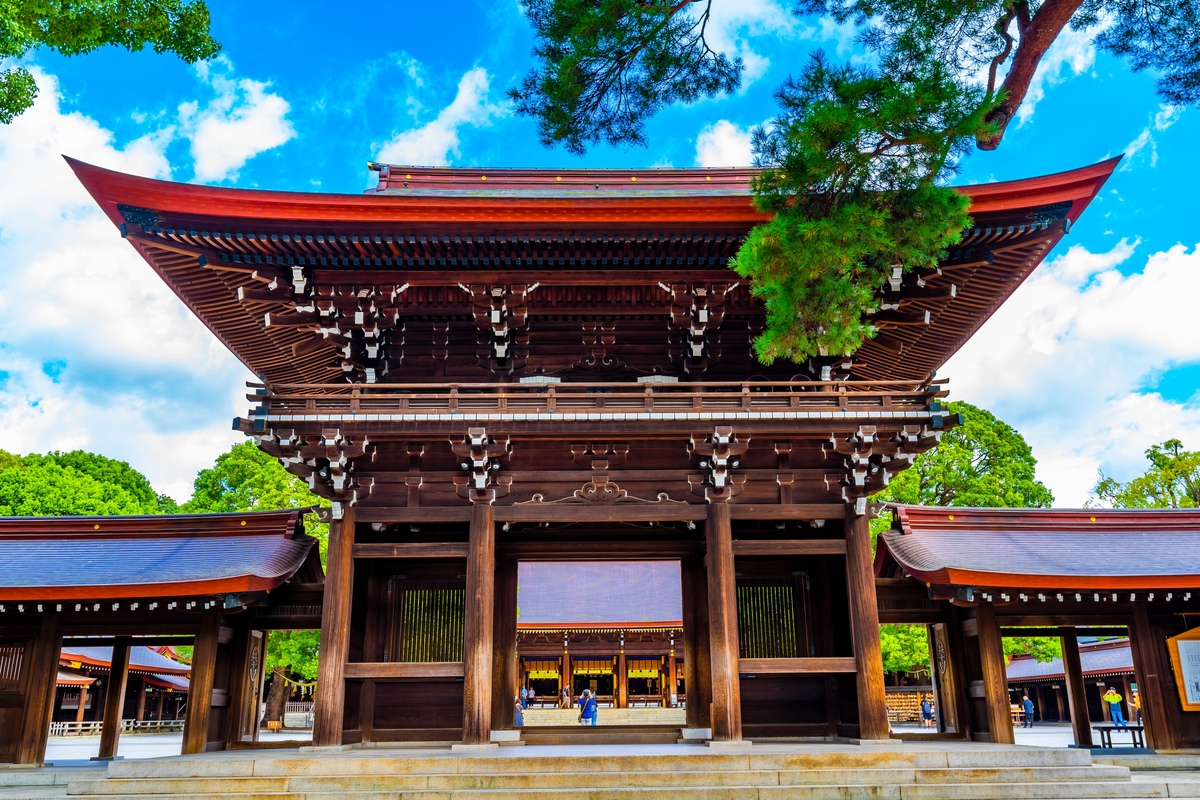
Meiji Jingu offers a rare chance to experience living Shinto tradition without leaving central Tokyo. The shrine is dedicated to Emperor Meiji and Empress Shoken, and its grounds reflect ceremonial continuity, seasonal rituals, and community participation. Visitors looking only for landmarks often underestimate this spiritual depth. A slower visit reveals much more than the main gate and courtyard.
Another major strength is spatial contrast. Walking from urban streets into the shrine forest creates a clear mental shift, making Meiji Jingu a useful mid-itinerary reset point between high-intensity city stops.
The Forest Approach and Torii Experience
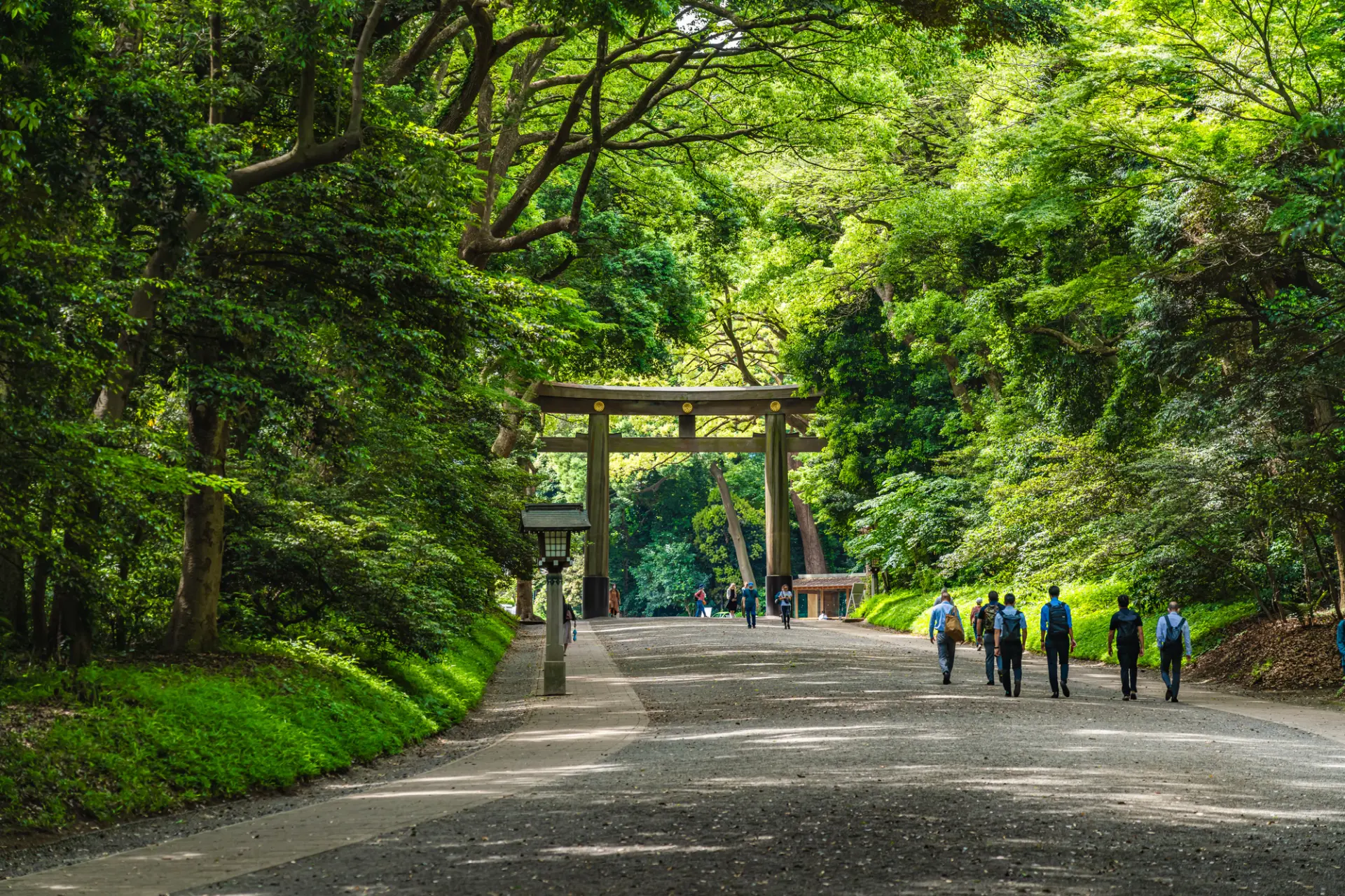
The approach path through the forest is part of the shrine experience, not just a walkway. Move slowly, observe silence levels, and notice ritual flow around entrances. Early timing usually offers the calmest atmosphere and easiest photography without obstructing visitor movement.
| Area | What to Observe | Visitor Tip |
|---|---|---|
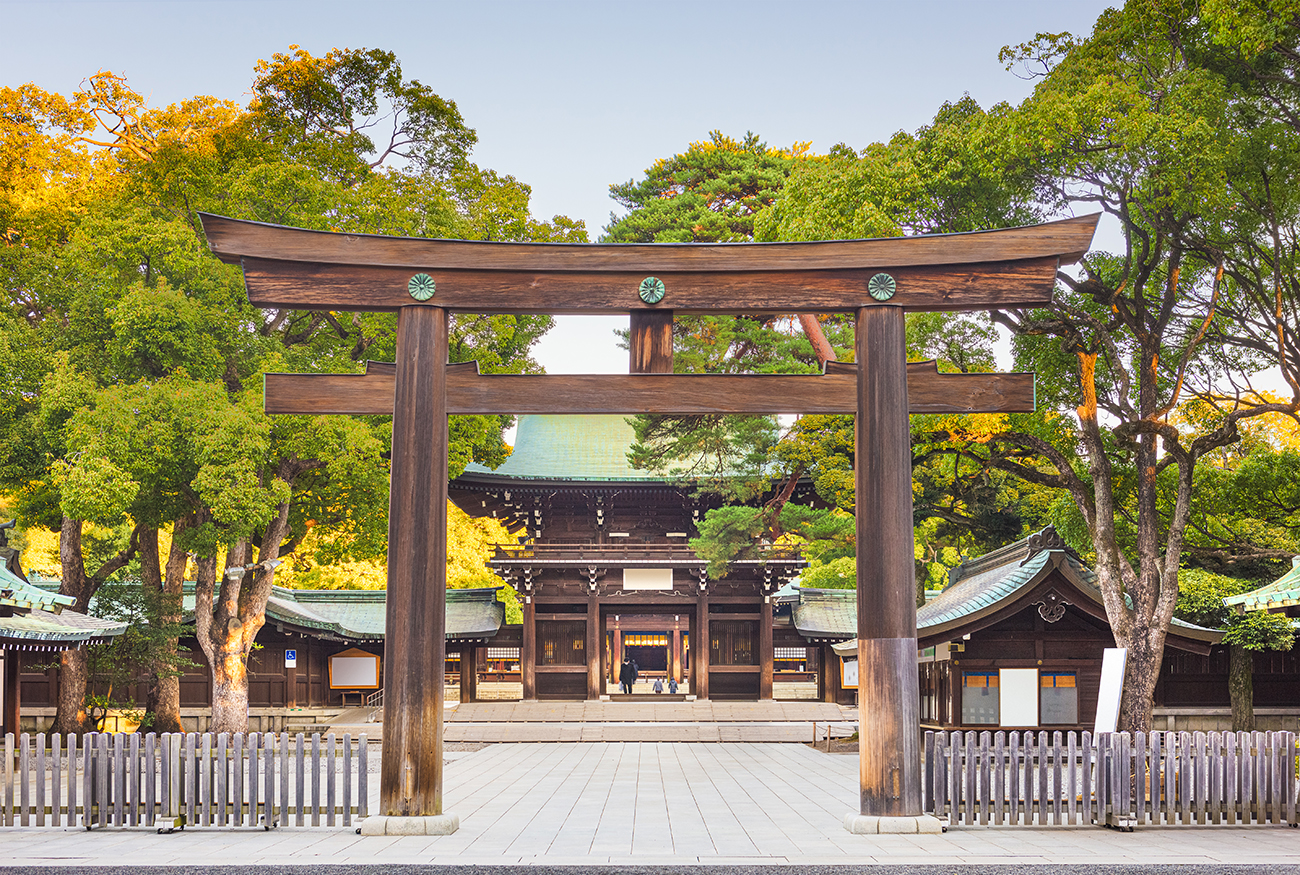
| Outer torii | Scale and transition from city to shrine | Pause and enter calmly |
| Forest path | Quiet rhythm and ceremonial approach | Walk left/right, keep center flow clear |
| Main courtyard | Prayer movement and ritual sequence | Watch before joining queues |
If you visit during peak holiday windows, crowd volume can rise quickly. In those cases, prioritize etiquette and patience over fast movement.
Ritual Etiquette and Prayer Basics
Many travelers are unsure how to behave at Shinto shrines. Keep it simple: be quiet, follow queue order, and observe before participating. At purification areas, copy local sequence respectfully. At prayer points, avoid prolonged photo-taking that blocks others.
- Dress neat and modest for respectful shrine entry.
- Keep phone sounds off and speak softly.
- Do not step into restricted or ceremonial-only zones.
- Avoid flash photography in sensitive spaces.
- Follow on-site signs even if flow seems slow.
Respectful behavior helps preserve the shrine atmosphere for worshippers and visitors alike.
Main Shrine Area and Cultural Details
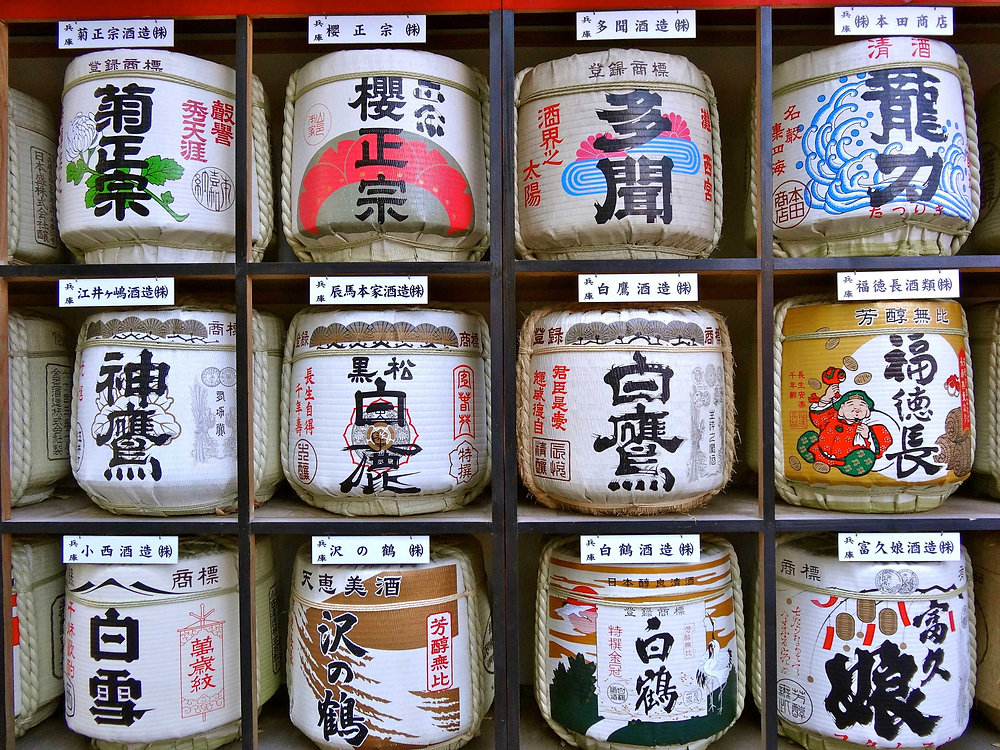
The main shrine courtyard includes ritual spaces, votive offerings, and cultural elements such as decorative barrels and ceremonial pathways. Spend a few minutes observing how locals move through the space before joining any line. This improves understanding and reduces unintentional etiquette errors.
If you are interested in deeper context, consider pairing the visit with nearby cultural stops later in the day, rather than trying to consume every detail in one pass.
How to Reach and Plan a Half-Day Route
Meiji Jingu is accessible through major central Tokyo rail connections and can be integrated into morning or afternoon city plans. A practical half-day route is shrine first, then Harajuku or Shibuya area movement afterward. This preserves calm entry experience and transitions naturally into busier neighborhoods.
If your itinerary includes iconic city symbols, pairing with Hachiko Statue Tokyo works well. For travelers planning seasonal trips, check festive context through New Year Japan before finalizing dates.
Best Time to Visit Meiji Jingu
Weekday mornings are typically best for peaceful walking and photos. Weekends and public holidays bring larger crowds, especially around major ritual dates. If your goal is a reflective visit, avoid tight midday windows. If your goal is observing lively participation, peak periods can still be meaningful with patience.
A focused visit usually takes 1.5 to 2.5 hours depending on pace. Add buffer time if combining with nearby shopping or museum stops.
Conclusion
Meiji jingu shrine tokyo is more than a checklist attraction. It is a living spiritual space where ritual, nature, and city contrast come together. Plan with respectful timing, move calmly, and pair the visit with only a few nearby stops for the best Tokyo experience.
Practical Tokyo Pairing Strategy with Meiji Jingu
Meiji Jingu works best as a calm anchor between busier Tokyo districts. A strong route is shrine in the morning, Harajuku or Omotesando after midday, and Shibuya in evening. This sequence protects the quiet forest entry experience and avoids arriving at the shrine when you are already tired from dense city movement.
If you visit on weekends, arrive earlier and expect longer queues near major prayer points. Keep your shrine block flexible and avoid strict minute-by-minute plans. Tokyo transport is efficient, but crowd variation can still affect walking pace inside popular cultural zones.
For travelers interested in seasonal atmosphere, New Year windows at Meiji Jingu are especially significant but very crowded. If your priority is serenity, choose non-peak mornings. If your priority is ritual participation, plan for patience and longer on-site time.
Final Visitor Checklist for Meiji Jingu
Keep your shrine visit simple: arrive early, observe etiquette, walk the full forest approach, and leave enough time for unhurried prayer or reflection. This basic structure consistently delivers a better experience than rushed city-to-city movement.
After your visit, transition gradually to nearby districts instead of jumping straight into peak-hour plans. The contrast between shrine calm and city pace is part of what makes Meiji Jingu memorable.
Plan this shrine as a deliberate pause, not a transit stop, and the visit will stay with you long after the day ends.
Respectful pacing is the key difference between a quick stop and a truly meaningful shrine visit.
Give the forest path and prayer space equal time, and Meiji Jingu will feel complete rather than hurried.
That balance is what makes this shrine visit memorable.
Arrive early and leave unhurried.
Let the shrine rhythm guide your pace.
Location
Frequently Asked Questions
Q1.What is Meiji Jingu Shrine dedicated to?
Q2.Is Meiji Jingu free to enter?
Q3.How much time should I spend at Meiji Jingu?
Q4.Can I take photos at Meiji Jingu?
Q5.What is the best time to visit?
Q6.How do I reach Meiji Jingu?
Q7.Is there a dress code?
Q8.Can Meiji Jingu be combined with Harajuku?
Recommended For You
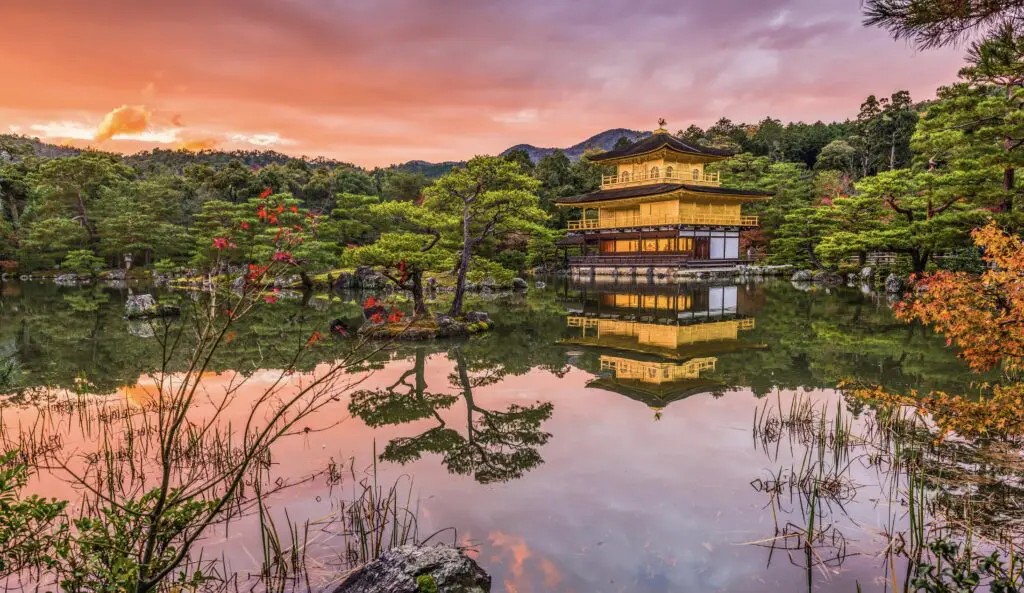
New Year in Japan: Traditions, Temple Visits, Foods & Travel Tips
A practical guide to New Year in Japan covering hatsumode, osechi food, temple-bell traditions, best cities, and travel planning tips.
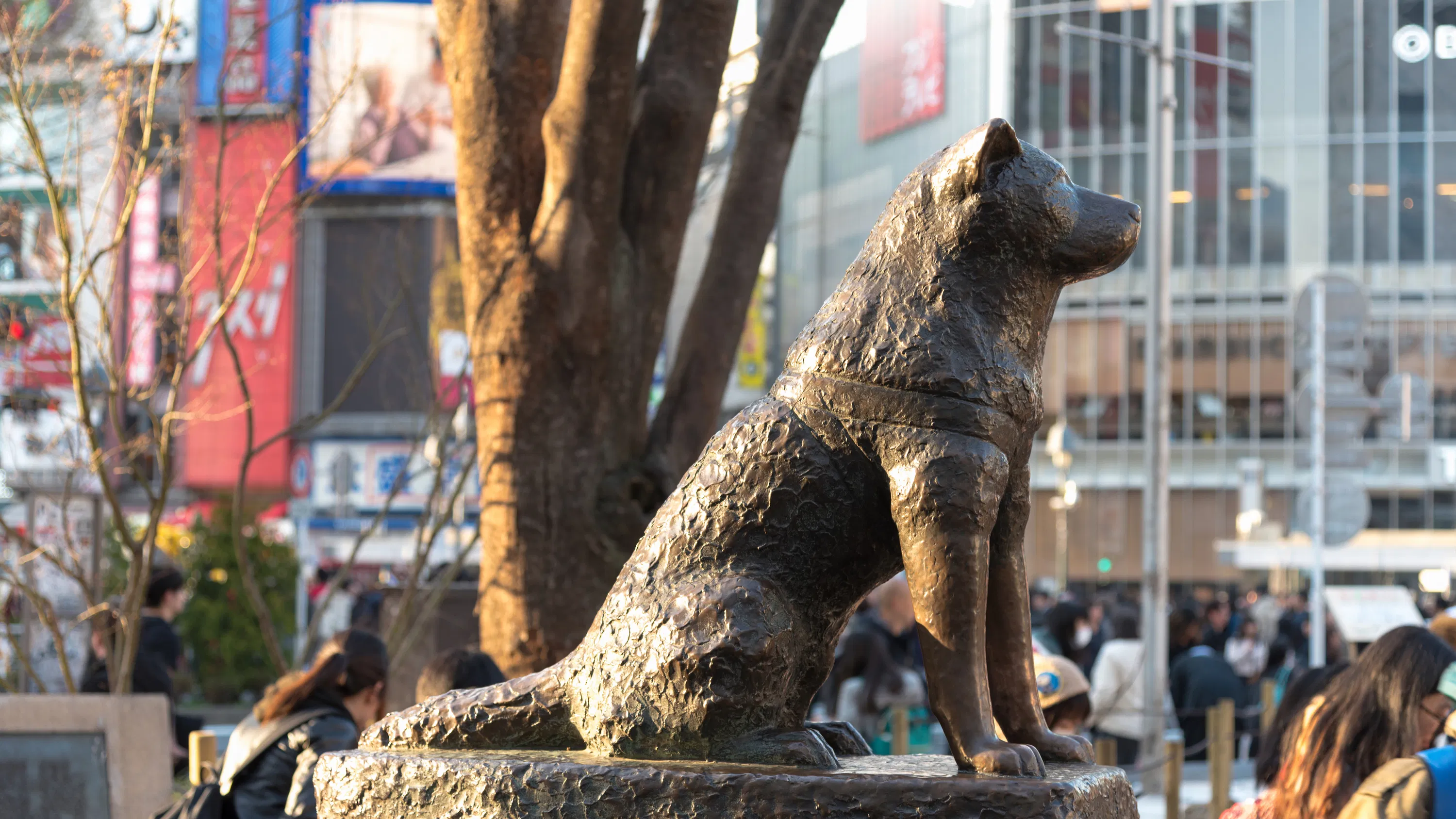
Hachiko Statue Tokyo: Location, Story & Best Visit Time
Visit Hachiko Statue Tokyo with exact location guidance, story context, best time to visit, route tips, crowd strategy, and nearby Shibuya attractions.
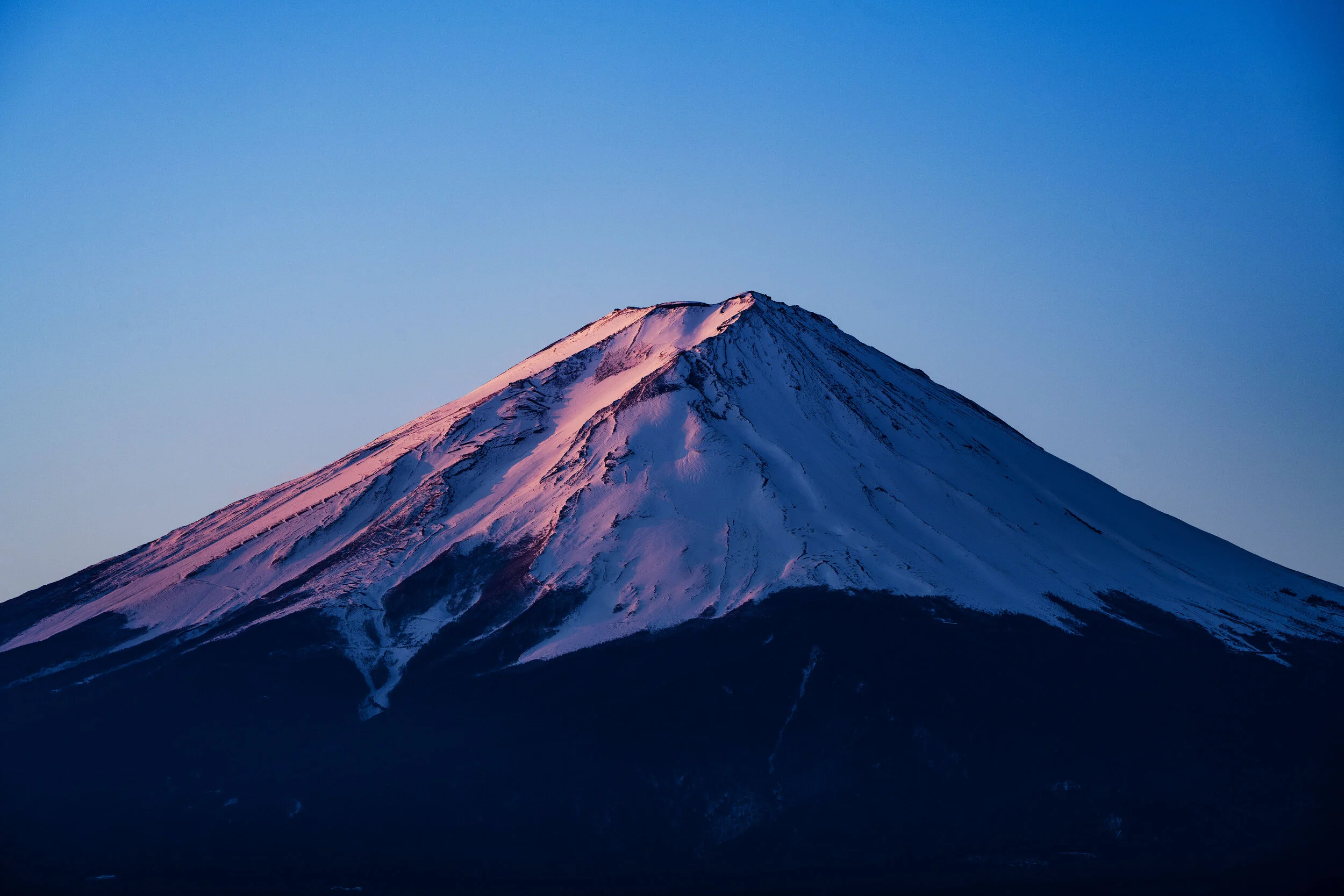
Mount Fuji Japan: Climbing Season, Routes & Permit Details
Plan your Mount Fuji Japan climb with updated season rules, trail comparisons, Tokyo access, packing strategy, altitude safety, and non-climbing viewing options.
Never Miss an Adventure
Get the latest trekking guides, travel tips, and exclusive offers delivered straight to your inbox.
