
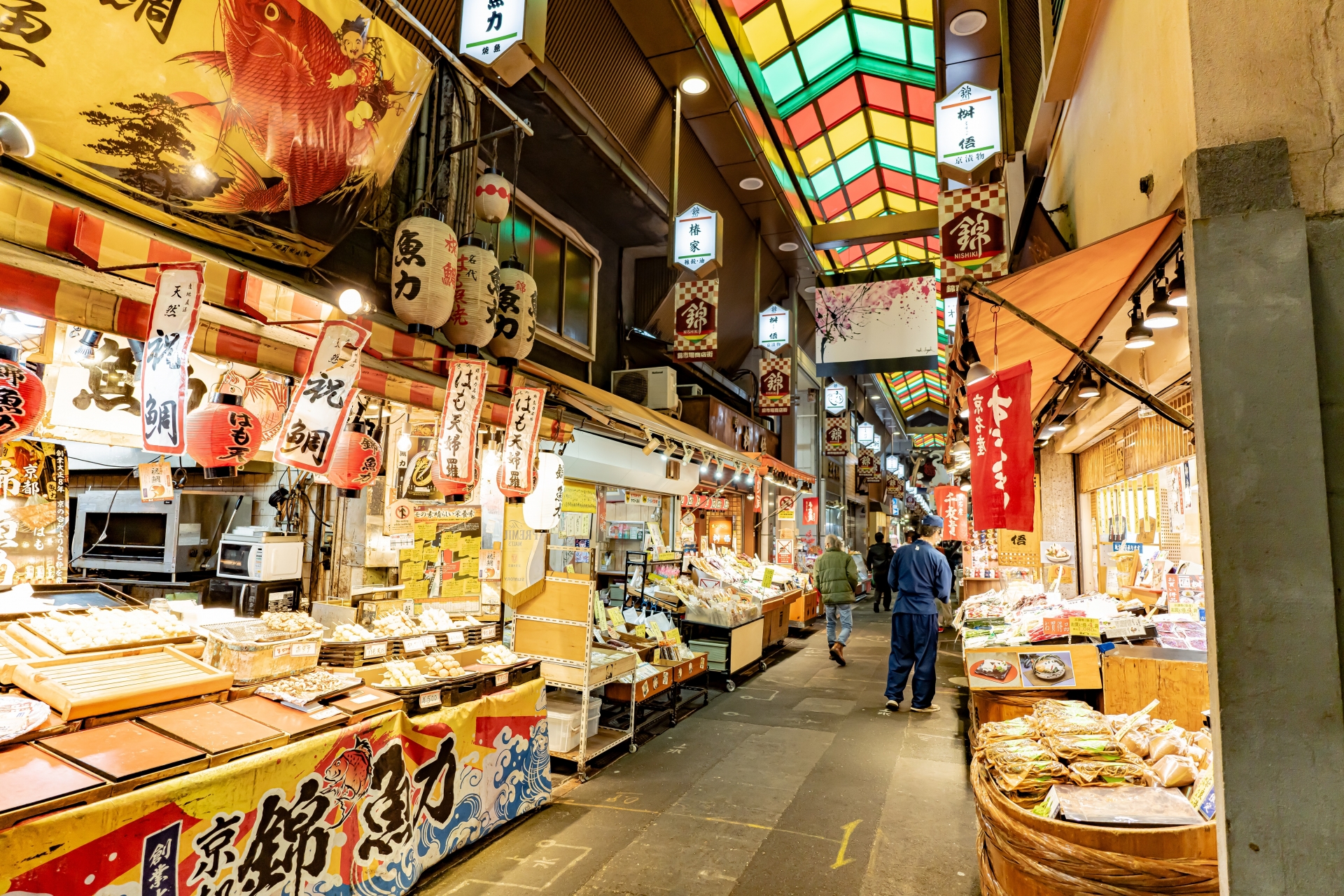
Nishiki Market Kyoto: Food Stalls, Local Specialties & Best Time to Visit

Rohit Verma
January 11, 2026
Explore Nishiki Market Kyoto Japan with must-try foods, shopping tips, etiquette rules, timings, and easy access guidance for a complete Kyoto food market visit.
Introduction: Kyoto's Kitchen in the Heart of the City
Nishiki Market Kyoto Japan is one of the most iconic food streets in the country and a must-visit stop for travelers who want to understand Kyoto through taste. The covered arcade runs across central Kyoto and is packed with long-running family businesses, specialty ingredient shops, snack counters, tea sellers, knife stores, and small eateries. For first-time visitors, Nishiki is not just a place to eat. It is a compact cultural district where local food traditions, shopping habits, and daily city rhythm come together.
The market is often called Kyoto's Kitchen, and that label is accurate. Locals still shop here for ingredients, while visitors come for tasting walks, gifts, and culinary discovery. If you plan your visit well, you can sample many specialties in one route without feeling rushed. This guide covers the essentials: history, must-try foods, recommended shopping categories, etiquette rules, timings, and how to reach the market from key transport points.
For nearby sightseeing combinations, check Togetsukyo Bridge Kyoto, Nanzen-ji Temple Kyoto, and Katsura Imperial Villa.

History and Significance of Nishiki Market
Nishiki Market has deep historical roots. According to official Nishiki Market records, the area developed as a fish distribution zone and gained formal recognition in the early Edo period. Over centuries, it evolved from fish-focused wholesale activity into a broader food market with specialist merchants and culinary identity tied to Kyoto households and professional kitchens.
One reason Nishiki developed strongly in this location was access to cool groundwater, which historically helped preserve fish and fresh produce. Even today, this historical context explains why so many stores at Nishiki are ingredient experts rather than generic souvenir counters. The market is not a theme attraction created for tourists. It is an active commercial street with living local function.
The market arcade is approximately 390 to 400 meters long, with a narrow passage lined by more than 100 stores. That density is what makes Nishiki efficient for visitors. In a single walk, you can see traditional pickles, tofu and yuba products, seafood preparations, sweets, tea, cookware, and regional pantry items that define Kyoto cuisine.
| History Point | Why It Matters for Visitors |
|---|---|
| Official recognition in 1615 | Shows long institutional food-market continuity |
| Origins in fish trade | Explains strong seafood and ingredient focus |
| Groundwater-supported preservation | Historically enabled fresh-market specialization |
| 400-year culinary identity | Connects market visits to Kyoto food heritage |
What to Eat at Nishiki Market: Must-Try Foods
Nishiki market food variety is wide, but first-time travelers should follow a structured tasting plan. Start with smaller savory bites, then move to sweets and drinks, and finish with take-home items. This avoids palate fatigue and helps you compare flavors properly.
Top Food Categories to Try
- Tamagoyaki: soft rolled omelet, often made with Kyoto dashi profile.
- Tsukemono: Kyoto pickled vegetables in multiple textures and salt levels.
- Yuba and tofu foods: soy-based specialties linked to Kyoto food culture.
- Seafood skewers: seasonal items prepared for quick tasting.
- Mochi and wagashi: traditional sweets with local flavor identity.
- Matcha desserts: green tea sweets from tea-specialty shops.
Some stalls are famous online for novelty snacks, but quality at Nishiki is usually strongest in specialist stores that focus on one category for decades. Rather than chasing only viral food, combine one famous snack with two or three traditional categories for a better Kyoto food market experience.
Budget-wise, a practical tasting session for one person usually falls in the mid-range depending on how many items you sample. A focused walk with 6 to 8 small purchases can be done without overspending, while premium items like high-grade seafood or gift tea can raise total cost quickly.
| Food Goal | Best Approach | Typical Spend Pattern |
|---|---|---|
| Quick tasting walk | Small bites from 4-5 shops | Lower budget |
| Deep culinary sampling | Mix savory, sweets, and tea stops | Mid budget |
| Gift-focused visit | Packaged products and tea purchases | Mid to high budget |
Best Shop Types and What to Buy
While food is the headline, Nishiki market shopping also includes useful kitchen and gift categories. For travelers who cook, this is one of the best places in Kyoto to buy practical items with long-term value instead of generic souvenirs.
High-Value Shopping Categories
- Knives and kitchen tools: specialist stores with quality Japanese craftsmanship.
- Tea and matcha products: easy-to-pack gifts with clear regional identity.
- Pickles and preserved foods: travel-friendly options if storage rules are clear.
- Dry foods and seasoning products: practical gifts for food enthusiasts.
- Sake and local beverages: check transport and customs rules before buying.
Many travelers overbuy early in the arcade and regret carrying weight later. A better method is to do one full scouting walk first, note preferred stores, then buy on your second pass. This helps compare price, packaging quality, and freshness displays.
If you are shopping for gifts, ask staff about shelf life and storage conditions. Some products are designed for same-day consumption while others are suitable for travel. This small step prevents waste and improves purchase decisions.

Nishiki Market Etiquette: Rules Visitors Should Follow
Respectful behavior is important at Nishiki because the market is narrow and actively used by locals. Kyoto city guidance and Nishiki notices emphasize one key rule: avoid eating while walking. Buy food, then consume it near the store where it was purchased or in allowed spots. This keeps pathways clear and reduces disruption.
Essential Etiquette Checklist
- Do not block the center pathway for photos.
- Avoid long pauses in front of active counters.
- Ask before photographing staff or product preparation.
- Dispose of trash carefully; do not assume public bins are everywhere.
- Follow store-specific signs on sampling and standing zones.
- Queue patiently at popular stalls.
These habits are simple but make a large difference in crowded windows. You will enjoy the market more when movement stays smooth and interactions remain polite. Nishiki is best experienced as a shared local space, not a rush-through attraction.
Nishiki Market Timings and Best Time to Visit
One common confusion is expecting a single official opening schedule for the entire market. Nishiki works as a street of independent shops, so opening and closing times vary by store. Widely cited visitor windows are late morning to early evening, but actual hours depend on each business.
Official FAQ guidance indicates there is no single market-wide closing day, though many shops often close on Wednesdays. Some stores may also close on Sundays or operate limited schedules around New Year holidays. For high-priority shops, check directly before visiting.
Best Visit Timing by Travel Goal
- Lower crowd preference: arrive in the morning on weekdays.
- Maximum shop activity: late morning to mid-afternoon.
- Photo-focused walk: earlier slots before dense crowd build-up.
- Food sampling focus: avoid very late hours when items sell out.
If your Kyoto itinerary is tight, allocate at least 90 minutes. Food-focused visitors usually need 2 to 3 hours to browse, sample, and shop without rushing.
How to Reach Nishiki Market from Kyoto Station and Other Areas
Nishiki is centrally located and easy to access by subway and walking. Kyoto travel guidance recommends train-first access for comfort and reliability in central zones. A common route from Kyoto Station is the Karasuma subway line to Shijo area, followed by a short walk.
The market runs near Nishikikoji Street between the Teramachi and Takakura side entries, roughly one block north of Shijo Avenue. Travelers staying around Kawaramachi can often reach it on foot. Taxi access is also straightforward, though walking is usually fastest for final approach in busy hours.
| Starting Point | Practical Route | Approx Effort |
|---|---|---|
| Kyoto Station | Subway toward Shijo + short walk | Easy |
| Kawaramachi area | Walk directly to arcade entries | Very easy |
| Gion side | Walk or short transit then walk | Easy |
For route pairing, Nishiki works well with central Kyoto shopping streets and nearby cultural zones. You can combine it with temple visits in the morning and market tasting in the afternoon, or do Nishiki first and move to evening districts later.

Sample 3-Hour Nishiki Market Plan
If you are unsure how to structure your visit, use this simple flow. It keeps food, shopping, and pacing balanced.
- Hour 1: first pass through the full arcade, identify priority stalls and gift shops.
- Hour 2: structured tasting session with small portions and one tea or dessert break.
- Hour 3: return to best stores for final purchases and packaged gifts.
This method reduces impulse purchases, avoids early overcrowding frustration, and gives time for better decisions on food and souvenirs.
Traveler Mistakes to Avoid at Nishiki Market
- Arriving too late and missing key food items.
- Treating the market as only a quick photo spot.
- Ignoring etiquette around eating while walking.
- Buying heavy products before full market scan.
- Assuming all shops accept the same payment methods.
A little planning turns Nishiki from a crowded corridor into one of the most rewarding culinary walks in Kyoto.
Final Take
Nishiki Market Kyoto Japan remains one of the best places to experience Kyoto food culture in a compact, accessible format. Its value comes from depth, not just variety: long-running specialist stores, strong ingredient traditions, and a living local market atmosphere. Visit with a clear plan, follow etiquette, and prioritize quality tastings over speed. If you do that, Nishiki becomes more than a tourist stop. It becomes a practical and memorable entry point into Kyoto's culinary identity.
To extend your Kyoto route, continue with Kiyomizu-dera Temple, Togetsukyo Bridge, and Imperial Palace Tokyo planning for the next city leg.

Location
Frequently Asked Questions
Q1.What are Nishiki Market timings?
Q2.What food is Nishiki Market famous for?
Q3.Is Nishiki Market open on Sundays?
Q4.What should I eat first at Nishiki Market?
Q5.Is Nishiki Market expensive?
Q6.Are vegetarian options available in Nishiki Market?
Q7.How do I reach Nishiki Market from Kyoto Station?
Q8.How much time should I spend at Nishiki Market?
Recommended For You
Imperial Palace Tokyo: Tour Options, Timings & Entry Information
Visit Imperial Palace Tokyo! Get tour details, timings, East Garden access, how to visit, & complete travel guide to Japan's Imperial residence.
Kiyomizu-dera Kyoto: Timings, Entry Fee & Temple Highlights
Planning Kiyomizu-dera Temple Kyoto? Check opening hours, entry fee, history, Otowa waterfall highlights, access routes, and practical visitor tips.
Ueno Park Tokyo: Top Attractions, Timings & Seasonal Highlights
Plan Ueno Park Tokyo with top attractions, cherry blossom timing, museum and zoo logistics, station access, and practical route tips for a smooth visit.
Never Miss an Adventure
Get the latest trekking guides, travel tips, and exclusive offers delivered straight to your inbox.
