
Heritage
Kiyomizu-dera Kyoto: Timings, Entry Fee & Temple Highlights

Priya Mehta
January 22, 2026
8 min read4,987 views
Planning Kiyomizu-dera Temple Kyoto? Check opening hours, entry fee, history, Otowa waterfall highlights, access routes, and practical visitor tips.
Introduction to Kiyomizu-dera: Kyoto's Pure Water Temple
Kiyomizu-dera Temple is one of Kyoto's most celebrated cultural landmarks and a defining stop for travelers exploring Japan's historic capital. Located in the Higashiyama district, the temple is known for its dramatic wooden stage, hillside views over Kyoto, and deep spiritual symbolism connected to Kannon, the Buddhist deity of compassion. The temple name translates to "Pure Water Temple," inspired by the sacred Otowa waterfall flowing within the complex. For first-time visitors, Kiyomizu-dera offers an ideal combination of architecture, history, photography opportunities, and neighborhood walking culture. It is both a UNESCO-linked heritage experience and an active spiritual site where visitors are expected to maintain respectful behavior. If you are building a Kyoto itinerary, pair this temple visit with Nanzen-ji Temple Kyoto, Ryoan-ji Temple Kyoto, and food exploration at Nishiki Market Kyoto.History and Cultural Significance of Kiyomizu-dera
Kiyomizu-dera's origins trace back to the late 8th century, making it one of Kyoto's most historically important temple institutions. Over centuries, it developed as a major pilgrimage destination and a symbol of Japanese Buddhist devotion. The present structures include reconstructions from later historical periods, reflecting Japan's long tradition of preserving sacred architecture through careful renewal rather than static preservation. The temple's spiritual significance is strongly tied to Kannon worship and to rituals linked with luck, health, and personal wishes. Many visitors come for cultural learning, while others visit for religious reasons. This dual identity is part of what makes the site meaningful: it is not just an old monument, but an active sacred environment within daily city life.Architecture: The Famous Wooden Stage
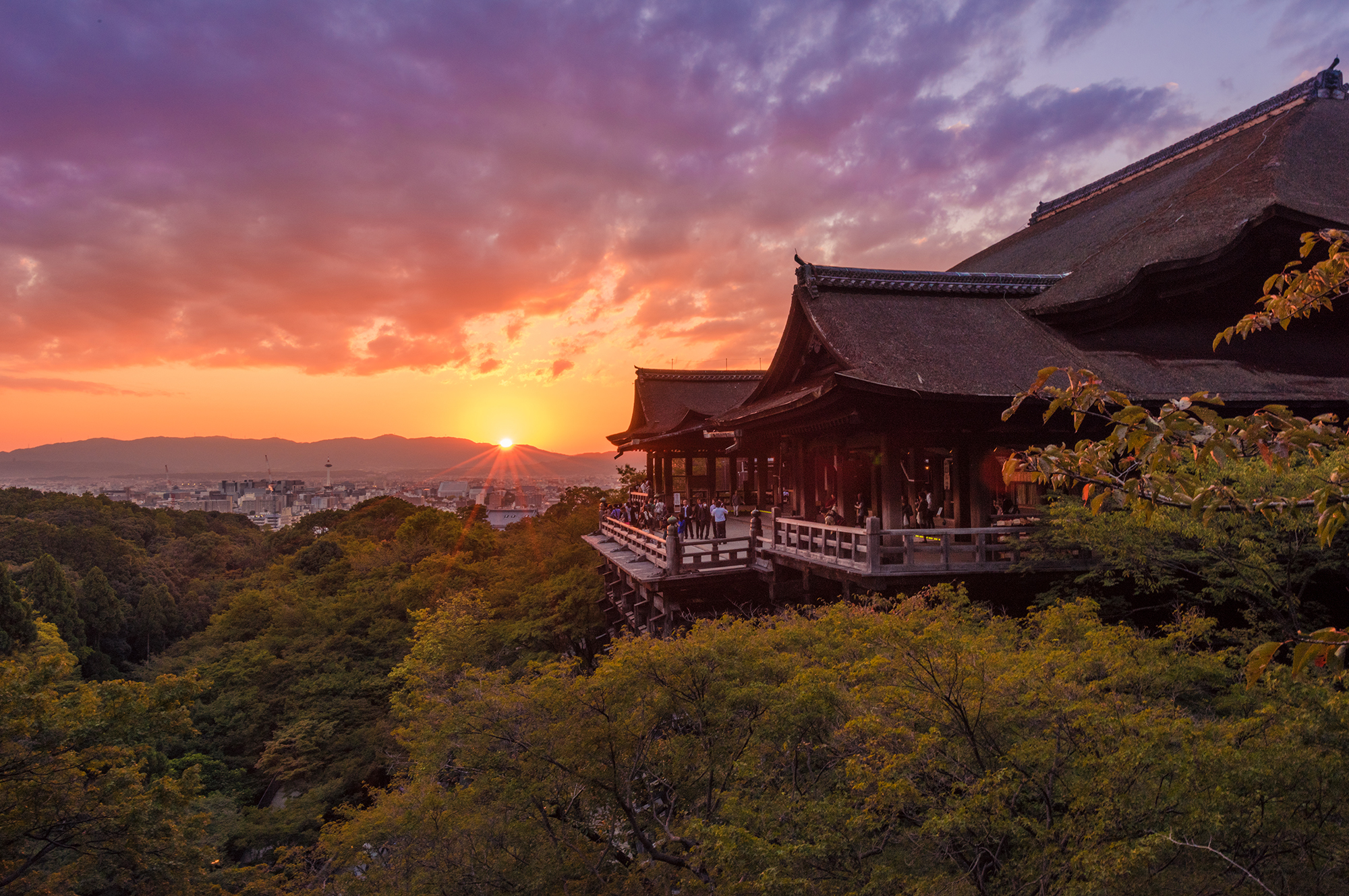
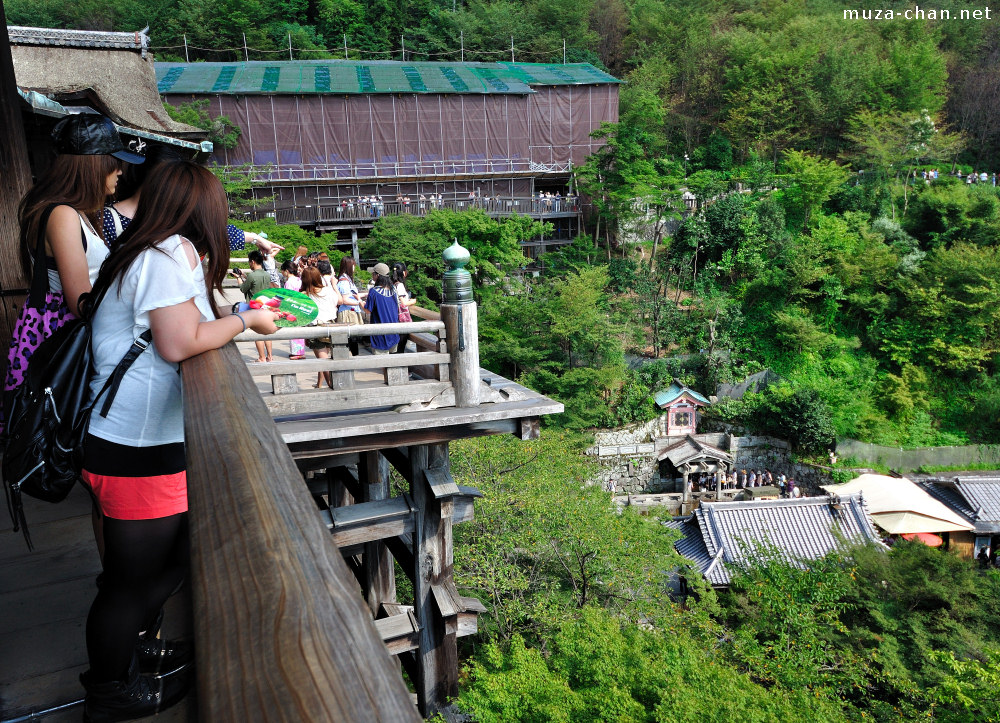 The temple's most recognizable feature is the large wooden stage (butai) projecting from the main hall over a slope of seasonal trees. Built without conventional nails in its original structural tradition, this stage remains an engineering and aesthetic marvel in Japanese temple architecture.
From this platform, visitors get expansive views over Kyoto, especially striking during cherry blossom season in spring and red-maple season in autumn. Morning and late afternoon are usually the best windows for both atmosphere and photography.
Architecturally, Kiyomizu-dera demonstrates how timber design, terrain-adaptive construction, and spiritual function can coexist harmoniously. Instead of seeing it as only a photo point, spend time observing how pathways, prayer areas, and viewpoints are layered to guide visitor movement naturally.
The temple's most recognizable feature is the large wooden stage (butai) projecting from the main hall over a slope of seasonal trees. Built without conventional nails in its original structural tradition, this stage remains an engineering and aesthetic marvel in Japanese temple architecture.
From this platform, visitors get expansive views over Kyoto, especially striking during cherry blossom season in spring and red-maple season in autumn. Morning and late afternoon are usually the best windows for both atmosphere and photography.
Architecturally, Kiyomizu-dera demonstrates how timber design, terrain-adaptive construction, and spiritual function can coexist harmoniously. Instead of seeing it as only a photo point, spend time observing how pathways, prayer areas, and viewpoints are layered to guide visitor movement naturally.
Kiyomizu-dera Opening Hours and Entry Fee
Opening hours and admission policies can vary by season, illumination events, and restoration zones. The following table is a practical planning reference used by many visitors:| Visitor Detail | Typical Information | Planning Note |
|---|---|---|
| Opening Window | Usually early morning to evening | Arrive early for lower crowd density |
| Entry Fee | Paid admission for main precinct areas | Carry card + small cash as backup |
| Special Night Events | Seasonal illumination on selected dates | Check dates and crowd advisories in advance |
Best Time to Visit Kiyomizu-dera
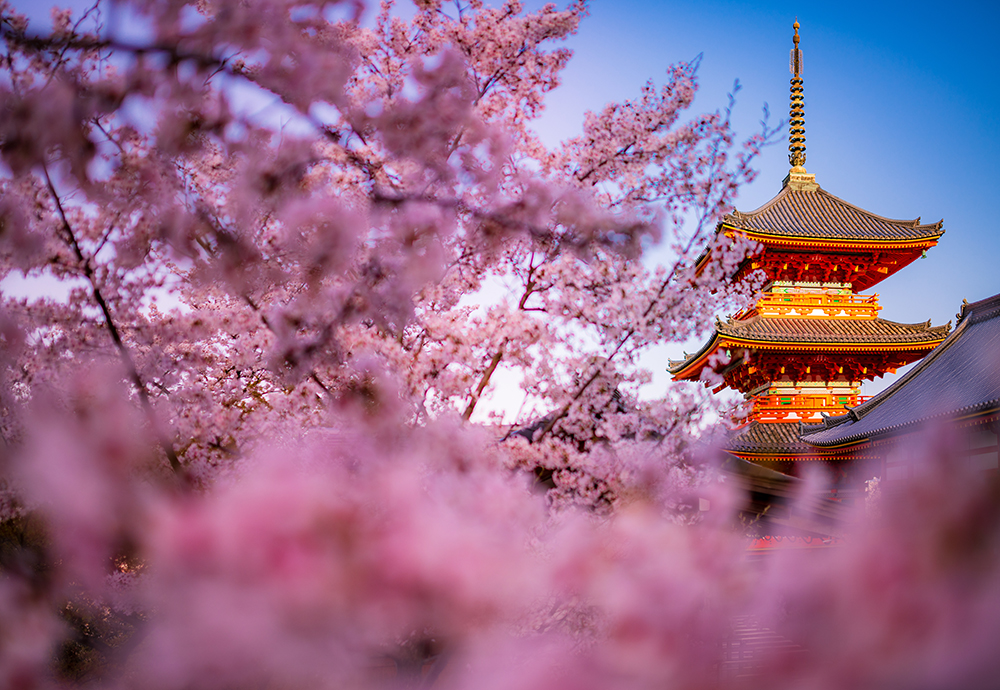 Kiyomizu-dera is open year-round, but each season creates a different visual and travel experience:
Spring (Cherry Blossom Season)
One of the most popular periods, with soft pink tones around the temple slopes and very high visitor numbers. Book accommodations and key experiences early if your trip aligns with blossom windows.Autumn (Maple Foliage Season)
Widely considered one of the best times for photography. The red and orange foliage around the stage area creates dramatic depth and color contrast. Crowds are heavy but highly rewarding for first-time visitors.Summer and Winter
Summer offers long daylight but can be humid. Winter has calmer crowd windows and crisp visibility, often better for slower cultural exploration. If you are planning a multi-city Japan route, align temple dates with broader weather patterns from guides like New Year in Japan and major city movement windows.Main Attractions Inside the Temple Complex
Main Hall (Hondo)
The Hondo is the spiritual center of Kiyomizu-dera. Visitors approach this section for worship, reflection, and appreciation of the temple's devotional significance. Maintain quiet and follow designated movement paths.Otowa Waterfall
Otowa no Taki is one of the most famous features in the complex. Streams of water are associated with blessings related to longevity, study, and success depending on local interpretation traditions.Jishu Shrine and Love Stones
Close to the main route, Jishu Shrine is associated with relationships and good fortune in love. The "love stones" are a popular symbolic attraction, especially among young visitors and couples.Okunoin and Overlook Sections
These vantage points provide strong perspectives of the main hall and stage structure, ideal for architectural photography and broader visual context.Special Events and Night Illumination
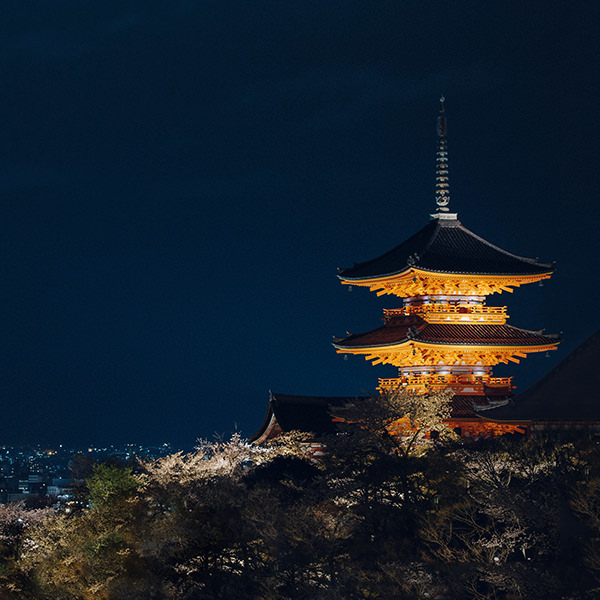 Kiyomizu-dera's seasonal night illumination events are among Kyoto's most sought-after evening experiences. Temple structures, tree lines, and hillside contours are lit in ways that reveal a different emotional character compared to daytime visits.
If you plan to attend illumination events:
- Reach early because queueing can be significant.
- Keep your return transport planned in advance.
- Use low-light photography settings respectfully without disrupting others.
- Dress for cooler evening temperatures in shoulder seasons.
Night events are visually memorable, but daytime visits remain better for architectural detail and route understanding. If possible, combine both across different days.
Kiyomizu-dera's seasonal night illumination events are among Kyoto's most sought-after evening experiences. Temple structures, tree lines, and hillside contours are lit in ways that reveal a different emotional character compared to daytime visits.
If you plan to attend illumination events:
- Reach early because queueing can be significant.
- Keep your return transport planned in advance.
- Use low-light photography settings respectfully without disrupting others.
- Dress for cooler evening temperatures in shoulder seasons.
Night events are visually memorable, but daytime visits remain better for architectural detail and route understanding. If possible, combine both across different days.
How to Reach Kiyomizu-dera from Kyoto Station
Most travelers approach Kiyomizu-dera from central Kyoto by bus plus a short uphill walk through the historic Higashiyama lanes. Taxis and private transfers are also possible, especially for families or visitors with limited mobility, though traffic can increase near peak tourism windows. Route planning tips: - Start early from Kyoto Station to avoid congestion. - Keep walking shoes ready; uphill segments are part of the experience. - If using a day pass, map your onward stops before arrival. You can combine this temple route with Togetsukyo Bridge Kyoto or Katsura Imperial Villa Kyoto on separate half-day blocks depending on travel pace.Higashiyama District Walk: Shopping and Street Experience
The approach streets to Kiyomizu-dera are part of the attraction itself. Traditional-style lanes, sweets shops, craft stores, tea houses, and souvenir outlets create one of Kyoto's most iconic neighborhood walks. To keep this enjoyable: - Visit early for less crowded storefront zones. - Keep one flexible hour for browsing instead of rushing. - Respect private residences and restricted lanes when photographing. This district-level experience often becomes as memorable as the temple interior for first-time visitors.Photography Spots and Practical Camera Tips
Top photography moments at Kiyomizu-dera include: - The wooden stage from opposite viewpoints - Seasonal tree framing around temple roofs - Otowa waterfall zones with layered background depth - Night illumination contrasts during special event windows Useful tips: - Shoot early for cleaner compositions. - Use wide + mid focal lengths to balance architecture and landscape. - Avoid blocking movement on narrow pathways. - Follow no-photography restrictions in sensitive sacred spaces.Visitor Etiquette and Responsible Travel Tips
Kiyomizu-dera is an active spiritual site, so respectful behavior matters as much as route planning. - Speak softly in prayer areas and temple interiors. - Follow queue direction and signage. - Dress comfortably and modestly for a cultural site. - Dispose of waste responsibly; keep heritage zones clean. - Avoid intrusive photography of worshippers. Responsible behavior preserves both visitor quality and site dignity. Slower movement and cultural awareness usually lead to a far richer experience than checklist tourism.Suggested 2-Hour Walking Plan Inside and Around Kiyomizu-dera
If your schedule is tight, a focused 2-hour format helps you avoid rushing while still covering the most meaningful areas. Start with the main hall approach and wooden stage viewpoints, then move toward Otowa waterfall and Jishu Shrine in sequence. Keep short pauses between sections for orientation and crowd movement. A practical order is: entry route -> Hondo and stage views -> Otowa area -> secondary overlooks -> Higashiyama street descent. This sequence reduces backtracking and helps maintain steady pacing in high-footfall hours. For families, add one buffer stop for rest and hydration before you enter shopping streets. This structured route works especially well in peak seasons when spontaneous movement becomes difficult. It preserves key experiences while still leaving space for photography and reflection.Conclusion
Kiyomizu-dera Temple Kyoto is not only a visual highlight but also a deeply layered cultural and spiritual landmark. Between its legendary wooden stage, sacred water traditions, panoramic city views, and nearby Higashiyama streets, the temple offers a complete Kyoto heritage experience for first-time and repeat travelers alike. Plan your visit with timing awareness, respectful etiquette, and route flexibility. Whether you come in cherry blossom season, autumn foliage months, or a quieter winter window, Kiyomizu-dera remains one of Kyoto's most meaningful and rewarding destinations. Add a small time buffer for tea and rest near the temple exit; this simple pause makes the overall route feel more balanced and less rushed. It also helps preserve energy for the next Kyoto neighborhood in your itinerary. This habit also improves your photography timing in changing light. It supports calmer, more enjoyable temple pacing.Location
Frequently Asked Questions
Q1.What is the history of Kiyomizu-dera Temple?
Kiyomizu-dera dates back to the 8th century and is one of Kyoto's most significant Buddhist sites. Over centuries, it evolved through reconstruction and continued spiritual use, becoming a major cultural symbol of Kyoto heritage.
Q2.What are the opening hours of Kiyomizu-dera?
Opening hours generally run from early morning to evening, with variations during special illumination events and seasonal schedules. Check current official updates before your visit.
Q3.How do I reach Kiyomizu-dera Temple from Kyoto Station?
Most visitors use local bus routes from Kyoto Station followed by a short uphill walk through Higashiyama streets. Taxi access is also available depending on traffic and budget.
Q4.What is the best time to visit Kiyomizu-dera?
Spring cherry blossom and autumn foliage seasons are the most scenic but also busiest. Weekday mornings are usually best for calmer movement and cleaner photography.
Q5.Is there an entrance fee for Kiyomizu-dera?
Yes, paid admission generally applies for key temple precinct access. Fees can vary by area and event, so confirm details close to your travel date.
Q6.What is special about Kiyomizu-dera Temple?
The temple is famous for its large wooden stage, sacred Otowa waterfall, panoramic Kyoto views, and strong historical importance within Japan's Buddhist and cultural heritage landscape.
Q7.Can you see Kyoto city from Kiyomizu-dera?
Yes, the elevated stage and surrounding viewpoints offer broad city and hillside views, especially striking during spring blossom and autumn foliage seasons.
Q8.Is photography allowed inside Kiyomizu-dera?
Photography is widely practiced in open areas, but some sacred interiors or specific zones may have restrictions. Follow signage and maintain respectful behavior around worship spaces.
Recommended For You
Heritage
Katsura Imperial Villa Kyoto: Booking Process, Timings & Visitor Rules
Complete guide to visit Katsura Imperial Villa in Kyoto. Booking, tours, history, architecture & how to reach this Japanese architectural masterpiece.
Dec 31Read More
Spiritual
Meiji Jingu Shrine Tokyo: History, Rituals, and Tips
Visit Meiji Jingu Shrine Tokyo with practical guidance on history, etiquette, timings, and transit-friendly route planning.
Feb 18Read More
Travel
Togetsukyo Bridge Kyoto: Best Views, Access and Tips
Togetsukyo Bridge Kyoto guide with best viewing times, seasonal highlights, transport from Kyoto Station, and practical Arashiyama visit tips.
Feb 20Read More
Never Miss an Adventure
Get the latest trekking guides, travel tips, and exclusive offers delivered straight to your inbox.
