
Nanzen-ji Temple Kyoto: Gardens, Aqueduct & Visit Planning

Rohan Malhotra
February 20, 2026
Explore Nanzen-ji Temple Kyoto with history, aqueduct highlights, Zen garden context, and practical visitor tips for a calm and rewarding temple visit.
Introduction: Kyoto's Zen Landmark
Nanzen-ji Temple is one of Kyoto's most significant Zen temple complexes and a must-visit for travelers who want to understand the city beyond checklist tourism. Located in eastern Kyoto, the site combines monumental gates, quiet sub-temples, landscaped Zen gardens, and the famous brick aqueduct that creates a rare fusion of spiritual and historical engineering character. A visit here works best when you move slowly and let architecture, garden composition, and silence shape the experience.
This guide explains history, key structures, best time windows, and route planning. For connected Kyoto exploration, combine with Ryoan-ji Temple, heritage planning at Kiyomizu-dera Temple, and food-market context via Nishiki Market Kyoto.
Historical Significance and Zen Context
Nanzen-ji has deep ties to the Rinzai school of Zen Buddhism and has long been considered one of Kyoto's most influential temple institutions. Over centuries, the complex evolved through reconstruction cycles, cultural patronage, and monastic traditions that shaped local spiritual life and aesthetics. Understanding this context helps visitors appreciate why the site feels layered rather than singular.
Unlike many fast-paced city attractions, Nanzen-ji is best experienced through observation of proportion, material, and silence. Spend time at each major zone rather than rushing through photo points.
Sannanmon Gate and Temple Layout
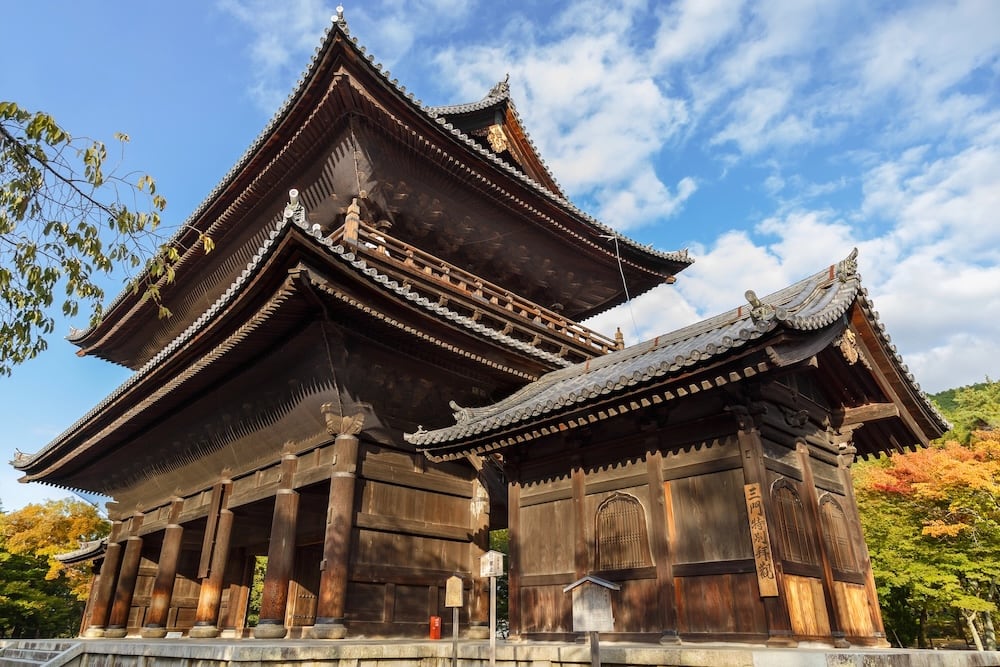
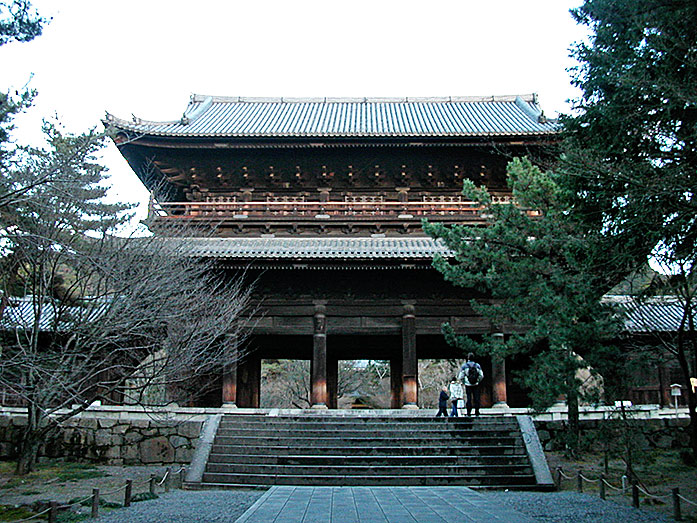
The monumental Sannanmon gate is one of the most recognizable features of Nanzen-ji. Its elevated perspective and timber scale offer a strong architectural introduction to the complex. The broader layout includes central halls, sub-temple areas, stone pathways, and garden spaces that reward slow walking.
Early morning sessions are ideal for lower crowd density and better contemplative atmosphere. This is especially useful if you want clean photography and uninterrupted movement.
The Nanzen-ji Aqueduct
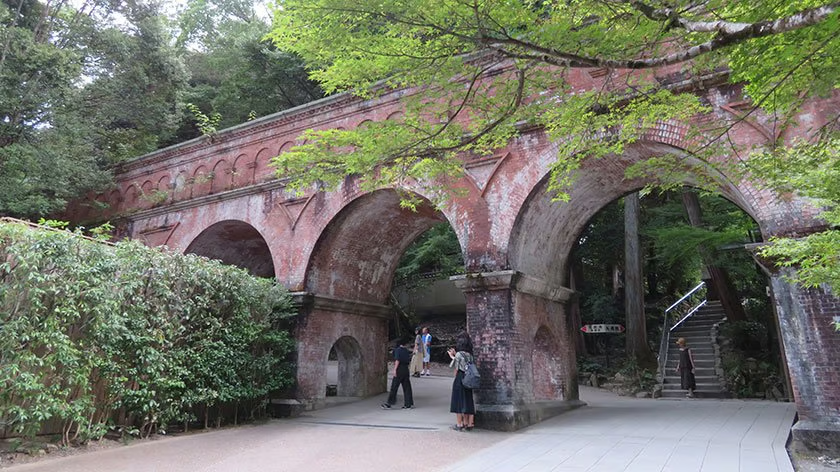
The red-brick aqueduct near Nanzen-ji is one of Kyoto's most photographed heritage structures. Originally linked to modern water infrastructure expansion in the Meiji period, it now functions as a visual bridge between traditional temple grounds and industrial-era engineering history. The arches create striking composition lines through all seasons.
Visitors often underestimate how quickly this zone gets busy, especially during peak foliage months. Aim for early entry or shoulder-day timing for calmer access.
Zen Gardens and Sub-Temples
Nanzen-ji's sub-temples and garden spaces are central to its identity. Stone arrangements, raked gravel zones, moss textures, and controlled planting reveal the Zen emphasis on balance and emptiness. Instead of trying to see everything, choose two or three spaces and spend more time in each.
Quiet behavior and restrained photography improve both your experience and that of other visitors. Temple etiquette is part of the site, not separate from it.
Best Time to Visit
Nanzen-ji is rewarding year-round, but each season changes the visual language of the site. Autumn colors attract high demand. Spring brings softer tones and comfortable walking weather. Summer can be humid but offers longer daylight windows. Winter provides minimal crowds and strong architectural clarity.
If your priority is atmosphere over volume, choose weekday mornings and avoid peak holiday windows.
Access and Practical Visitor Notes
| Planning Factor | Recommendation | Why It Helps |
|---|---|---|
| Arrival time | Early morning | Lower crowds and better photo conditions |
| Duration | 1.5 to 2.5 hours | Enough time for gate, aqueduct, and gardens |
| Route pairing | Eastern Kyoto circuit | Efficient movement to nearby landmarks |
Carry quiet footwear, weather layers, and enough time margin to avoid turning the visit into a rushed stop.
Detailed Planning Framework for Nanzen-ji Temple and eastern Kyoto
The easiest way to improve trip quality in Nanzen-ji Temple and eastern Kyoto is to treat each day as a three-block plan: one anchor experience, one supporting experience, and one buffer block. The anchor is your non-negotiable highlight. The supporting block adds depth without creating fatigue. The buffer absorbs delays, weather shifts, or longer queues. Most travelers lose quality when they stack too many attractions without realistic transition time. A simple framework with fewer commitments usually produces a richer result because you spend real time at each place instead of collecting rushed check-ins. This also helps group travel where interests vary and energy levels are different throughout the day.
Another useful approach is to plan around local rhythm. Early hours are usually better for photography, calmer movement, and meaningful observation. Midday often works best for indoor experiences, meals, and transport between areas. Evenings are ideal for waterfront walks, market circuits, or cultural performances. By aligning your route with these natural windows, you reduce friction and increase comfort. Keep one optional stop near your base so even if plans change, the day still feels complete. This method is especially effective for families and first-time visitors because it removes decision fatigue and makes each segment easier to execute.
Budget Control and Smart Booking Strategy
Budget control in Nanzen-ji Temple and eastern Kyoto is less about finding the cheapest option and more about allocating spend to the moments that matter most. Start by deciding your priority: location convenience, food quality, guided access, or premium viewing. Then protect budget for that priority and optimize the rest. Many travelers overspend on last-minute transport and under-invest in advance reservations for high-demand experiences. If your itinerary includes peak-season dates, pre-book key tickets and one backup option. A flexible cancellation policy is often worth paying for because it protects you from weather or schedule disruptions.
Meal planning is another overlooked budget lever. A practical structure is one signature meal, one efficient meal, and hydration-focused snack stops. This keeps energy stable and avoids expensive impulse choices. For activities with fixed entry slots, add a 30-45 minute margin before and after so delays do not cascade across the day. Use digital maps offline, save booking confirmations in one folder, and keep small cash for quick purchases. These small details do not look exciting on paper, but they are the difference between a stressful itinerary and a smooth travel day that still leaves room for spontaneous discoveries.
Safety, Etiquette, and Responsible Travel
Responsible travel in Nanzen-ji Temple and eastern Kyoto starts with local etiquette. Dress appropriately for cultural spaces, follow photography rules, and respect lines and access restrictions. If a site asks for silence, minimal disturbance, or no flash, treat those as core conditions rather than optional suggestions. Responsible behavior improves your own experience as much as it helps the destination. In crowded environments, keep valuables secure and avoid carrying more than you need during activity windows. Families should set clear meeting points in advance so short separations do not become stressful situations.
Safety planning should be practical and simple. Keep emergency contacts accessible offline, carry a light weather layer, and confirm return transport before evening hours if you are in an unfamiliar area. In waterfront or high-traffic zones, prioritize official viewing and walking areas over risky photo positions. If weather conditions change, shift to indoor alternatives quickly instead of forcing the original route. The best itinerary is not the one with maximum stops; it is the one that remains enjoyable and safe when real conditions change. Travelers who build this flexibility into their plan usually report better outcomes, better photos, and less end-of-day fatigue.
Conclusion
Nanzen-ji Temple offers one of Kyoto's strongest combinations of Zen heritage, landscape design, and architectural identity. A thoughtful visit with slower pacing reveals far more than a quick photo circuit.
Plan your session early, respect temple etiquette, and pair Nanzen-ji with nearby Kyoto heritage stops for a richer day.
Advanced Local Insights for Nanzen-ji Temple Kyoto
Travel quality improves when you translate broad plans into realistic on-ground decisions. In Nanzen-ji Temple Kyoto, start each day with one clear objective, then assign supporting activities within the same geographic zone. This reduces backtracking and helps you conserve energy for high-value experiences. If weather, traffic, or crowd conditions change, switch to your nearest backup point rather than forcing the original route. The goal is not to preserve every planned stop, but to preserve the day's overall quality. Many travelers who use this approach end up with fewer rushed transitions and better memory value from each stop.
Another high-impact technique is to pre-decide thresholds for change. For example, if a queue exceeds a set limit, move to the next planned area. If transport delays exceed a set margin, activate a nearby alternative. These small rules remove indecision and prevent late-day schedule collapse. Pair this with deliberate meal timing and hydration windows, especially in crowded or climate-sensitive destinations. A structured but flexible method is the most reliable way to keep a trip enjoyable across all traveler types, from solo explorers to family groups with mixed priorities.
Finally, invest in context. Read basic cultural etiquette, check operating windows, and keep local emergency and transport contacts accessible offline. Respectful behavior at heritage, spiritual, or public spaces not only avoids friction but often results in a better and calmer experience. When you treat local norms as part of the itinerary rather than optional detail, the trip feels more connected and less transactional. In practice, this is often the deciding factor between simply visiting a place and actually understanding it.
If you have extra time, sit quietly in one garden zone for fifteen minutes to experience the intended Zen pace. Nearby, the rock garden at Ryoan-ji and the scenic Togetsukyo Bridge make natural additions to a slow Kyoto temple circuit.
Location
Frequently Asked Questions
Q1.What is Nanzen-ji Temple famous for?
Q2.How much time should I spend at Nanzen-ji?
Q3.Is Nanzen-ji suitable for first-time Kyoto visitors?
Q4.When is the best time to visit Nanzen-ji?
Q5.Can I photograph the Nanzen-ji aqueduct?
Q6.Do I need to follow any dress code?
Q7.Is Nanzen-ji close to other Kyoto attractions?
Q8.What should I combine with Nanzen-ji in one day?
Recommended For You
New Year in Japan: Traditions, Temple Visits, Foods & Travel Tips
A practical guide to New Year in Japan covering hatsumode, osechi food, temple-bell traditions, best cities, and travel planning tips.
Katsura Imperial Villa Kyoto: Booking Process, Timings & Visitor Rules
Complete guide to visit Katsura Imperial Villa in Kyoto. Booking, tours, history, architecture & how to reach this Japanese architectural masterpiece.
Togetsukyo Bridge Kyoto: Best Views, Access and Tips
Togetsukyo Bridge Kyoto guide with best viewing times, seasonal highlights, transport from Kyoto Station, and practical Arashiyama visit tips.
Never Miss an Adventure
Get the latest trekking guides, travel tips, and exclusive offers delivered straight to your inbox.
