
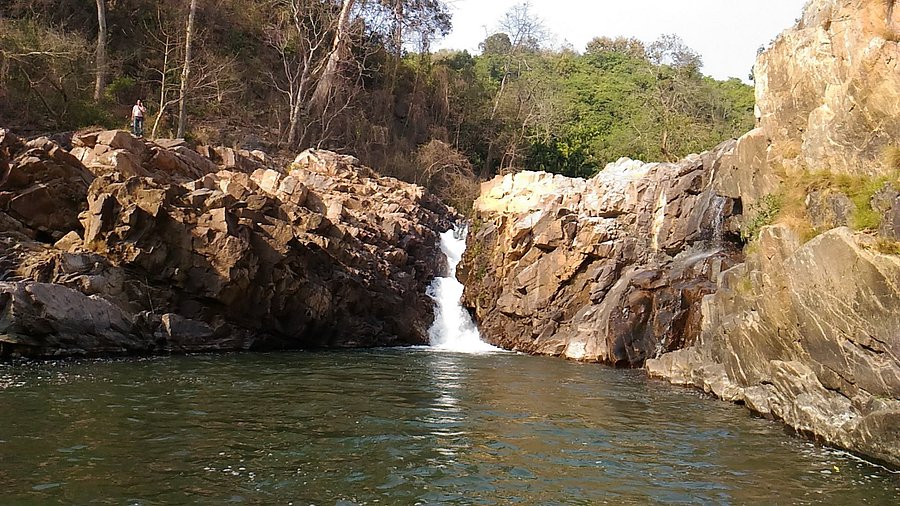
Pelga Falls Meghalaya: Williamnagar Hidden Gem
Rohan Malhotra
February 20, 2026
Explore Pelga Falls, a hidden waterfall in Williamnagar, Meghalaya. Know trek route, best time to visit, how to reach & travel tips for East Garo Hills.
Pelga Falls Meghalaya: Offbeat Waterfall Route and Practical Travel Guide
Pelga Falls is one of East Garo Hills’ quieter natural spots, and that is exactly why it appeals to travelers who prefer less-crowded Meghalaya experiences. Unlike highly commercial waterfall circuits, Pelga is better approached as a slow nature outing with route buffers and realistic expectations. If you are planning a wider regional trip, combine this with Meghalaya travel guide, nearby destination clusters from Garo Hills places, broader nature options in Meghalaya waterfall routes, and cultural additions like Wangala Festival. This guide explains how to time your visit, what to carry, and how to keep the day safe and enjoyable.
Why Pelga Falls Is Worth Visiting
The charm of Pelga is in atmosphere, not scale competition. You get forest-backed cascade visuals, cleaner acoustic ambience, and a lower-crowd nature experience. This makes it ideal for travelers who want photography, short trail movement, and quiet time rather than packed attraction infrastructure.
Route and Access Basics
Access usually involves road travel toward the Williamnagar side, followed by local movement based on current on-ground conditions. Distances in hill regions can feel longer than map estimates, so keep timing conservative. Start early, keep one backup stop, and avoid forcing late returns.
- Carry offline map references for low-network stretches.
- Use local guidance for last-mile direction updates.
- Keep fuel and basic snacks arranged before remote sections.
- Avoid aggressive monsoon-day movement on slippery paths.
Best Time to Visit Pelga Falls
Post-monsoon and cooler months generally balance flow and safety. During peak monsoon, flow can be dramatic but trail conditions may become unpredictable. For photography and comfort, morning to late-afternoon windows are usually better than very late evening arrivals.
| Window | What You Get | Caution |
|---|---|---|
| Morning | Soft light and easier movement | Carry light layer in cooler months |
| Post-Monsoon | Good greenery and water presence | Check trail grip before descent |
| Peak Monsoon | Strong flow and dramatic visuals | Higher slip and route risk |
What to Carry
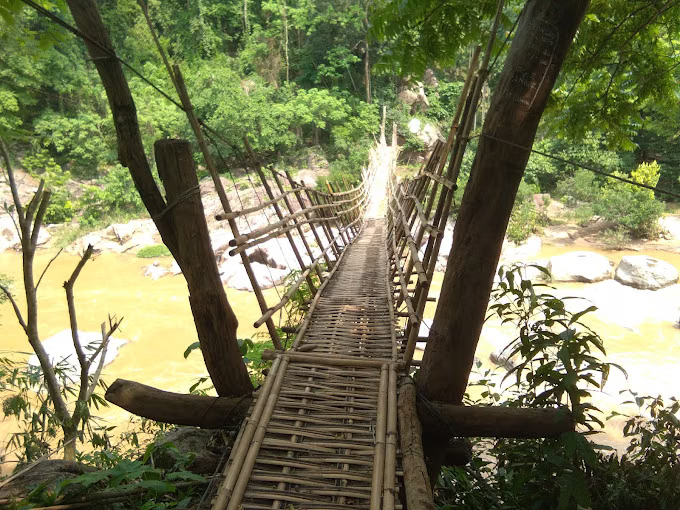
Carry grip-friendly shoes, hydration, rain cover, power bank, and a compact first-aid kit. Keep your backpack light and weather-ready. For photography, pack lens cloth and waterproof protection because mist and spray can reduce clarity quickly.
Photography Tips
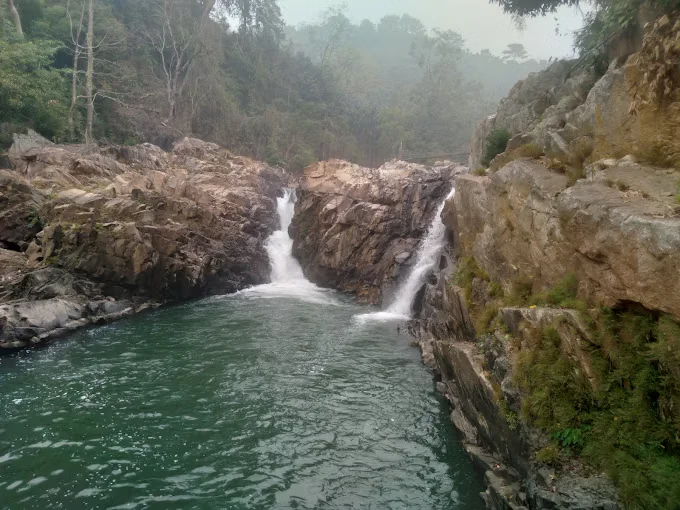
Use one wide frame for full cascade context and one medium frame for texture detail. Include foreground stones or trail lines for depth. If light is harsh, expose slightly lower to preserve water detail. Do not step onto unstable wet rocks for close angles.
How to Build a Better Day Plan
A strong day structure is one waterfall focus plus one nearby cultural or scenic stop, not five rapid check-ins. Use Garo Hills planning for nearby combinations and keep broad route context from Meghalaya guides. If weather degrades, switch to lower-risk alternatives instead of forcing the trail.
Common Mistakes to Avoid
- Underestimating travel time in hill terrain.
- Arriving late and rushing the core waterfall experience.
- Skipping rain/surface grip preparation.
- Overloading the day with far-apart attractions.
- Ignoring local weather warnings.
Final Takeaway
Pelga Falls is a quality offbeat stop when approached with realistic timing and weather discipline. Keep your plan simple, carry the right basics, and prioritize safe movement over aggressive itineraries.
One calm, well-planned visit here is more rewarding than a rushed waterfall checklist day.
Buffer time and local guidance are your best planning tools.
Respect terrain conditions and enjoy the place at its natural pace.
One-Day Offbeat Waterfall Itinerary Model
For offbeat waterfalls like Pelga, itinerary design should prioritize route certainty over attraction count. Start with one fixed departure window, one primary waterfall session, and one optional nearby stop only if conditions remain stable. This keeps the day relaxed and lowers risk from weather or road delay. If the waterfall section takes longer than expected, skip optional stops and preserve safe return timing. This decision rule improves trip quality significantly.
Trail Behavior and Safety Notes
Waterfall terrain can look easier in photos than on ground. Wet rocks, mossy surfaces, and uneven trail edges require conservative movement. Wear grip footwear, keep both hands free on tricky sections, and avoid stepping onto isolated slick rocks for dramatic shots. Travel safety is mostly about restraint, not speed.
- Move in small groups with visible spacing.
- Avoid loud disturbance in forest stretches.
- Keep plastic waste packed out after snacks.
- Turn back early if rain intensity rises.
Photography and Experience Balance
A common mistake is spending the entire visit chasing social-media angles. Use a balanced approach: first observe the waterfall from safe viewpoints, then shoot key frames, then leave time to simply experience the location. This prevents rushed movement and improves both photos and memory quality. Nature destinations are most rewarding when visual capture and presence stay balanced.
Recovery and Return Planning
After waterfall exploration, rehydrate before starting the return leg. Hill roads demand focus, and fatigue increases error risk late in the day. Keep one short tea or rest halt in your return plan. If visibility drops or weather worsens, reduce speed and simplify route decisions instead of improvising detours.
Final Planning Principle
Pelga Falls is best enjoyed through slow, weather-aware travel. Keep your day light, your route practical, and your expectations aligned with offbeat terrain realities. That approach gives you a safer trip and a better nature experience.
Extended Planning Playbook
Strong travel outcomes usually come from preparation habits, not from adding more destinations. Use a layered plan before departure: define one primary objective, one secondary objective, and one fallback option. The primary objective is what makes the day worthwhile even if weather or delays affect everything else. The secondary objective is optional and should be dropped quickly if timing slips. The fallback option should be low-risk and close to your route so you can still have a meaningful day without forcing difficult movement. This structure reduces stress and protects experience quality.
Next, map your day in realistic blocks rather than exact minute-by-minute promises. A practical approach is to assign 90-120 minute activity blocks with 20-30 minute transition buffers. Most travelers skip buffers and then rush decisions late in the day. Buffer time is not wasted time; it is decision margin. It allows for weather delays, traffic shifts, short rest stops, or queue variation without breaking the entire plan. Trips feel smoother when flexibility is built in from the start.
On-Ground Execution Rules
Once on site, run a simple three-step check before every major movement: current weather, group energy, and daylight margin. If any of these are weak, reduce scope immediately. This is the most effective way to prevent avoidable risk. Travelers often keep original plans even when conditions change, and that creates rushed exits and lower-quality experiences. Smart travel means adapting early, not reacting late.
- Hydrate at regular intervals instead of waiting for fatigue signs.
- Keep food simple and energy-stable to avoid long unplanned breaks.
- Maintain one clear group communication rule for movement timing.
- Protect return schedules, especially in low-support or mountain routes.
- Use conservative decision-making when weather uncertainty appears.
Budget and Comfort Controls
Good itineraries also control hidden costs. Carry essential basics so you are not forced into overpriced last-minute purchases. Keep a small contingency budget for transport changes and safety-driven rerouting. Comfort planning matters too: appropriate footwear, light weather layers, and power backup improve decision quality throughout the day. Small discomforts become major problems when combined with long transit and shifting weather.
Content and Photography Balance
If you are capturing photos or video, separate documentation from exploration. Spend the first pass understanding the place, and the second pass creating content. This prevents rushed, repetitive shots and reduces unsafe positioning choices. The best travel content usually comes from patient observation rather than constant motion. When the environment is dynamic, a stable viewpoint often gives better results than frequent location switching.
Post-Visit Reset
End each day with a short reset: hydrate, review what worked, and simplify the next day’s plan based on real conditions. This keeps multi-day itineraries sustainable. Travelers who do quick daily resets make better choices and avoid cumulative fatigue. The goal is not maximum checklist completion, it is high-quality, safe, and memorable travel across the full trip.
Location
Frequently Asked Questions
Q1.Where is Pelga Falls located?
Q2.What is the best time to visit Pelga Falls?
Q3.How far is Williamnagar from Shillong?
Q4.Is the trek to Pelga Falls difficult?
Q5.How much time does it take to reach Pelga Falls?
Q6.Are there accommodations near Pelga Falls?
Q7.What should I carry for the trek?
Q8.Is Pelga Falls safe for solo travelers?
Recommended For You
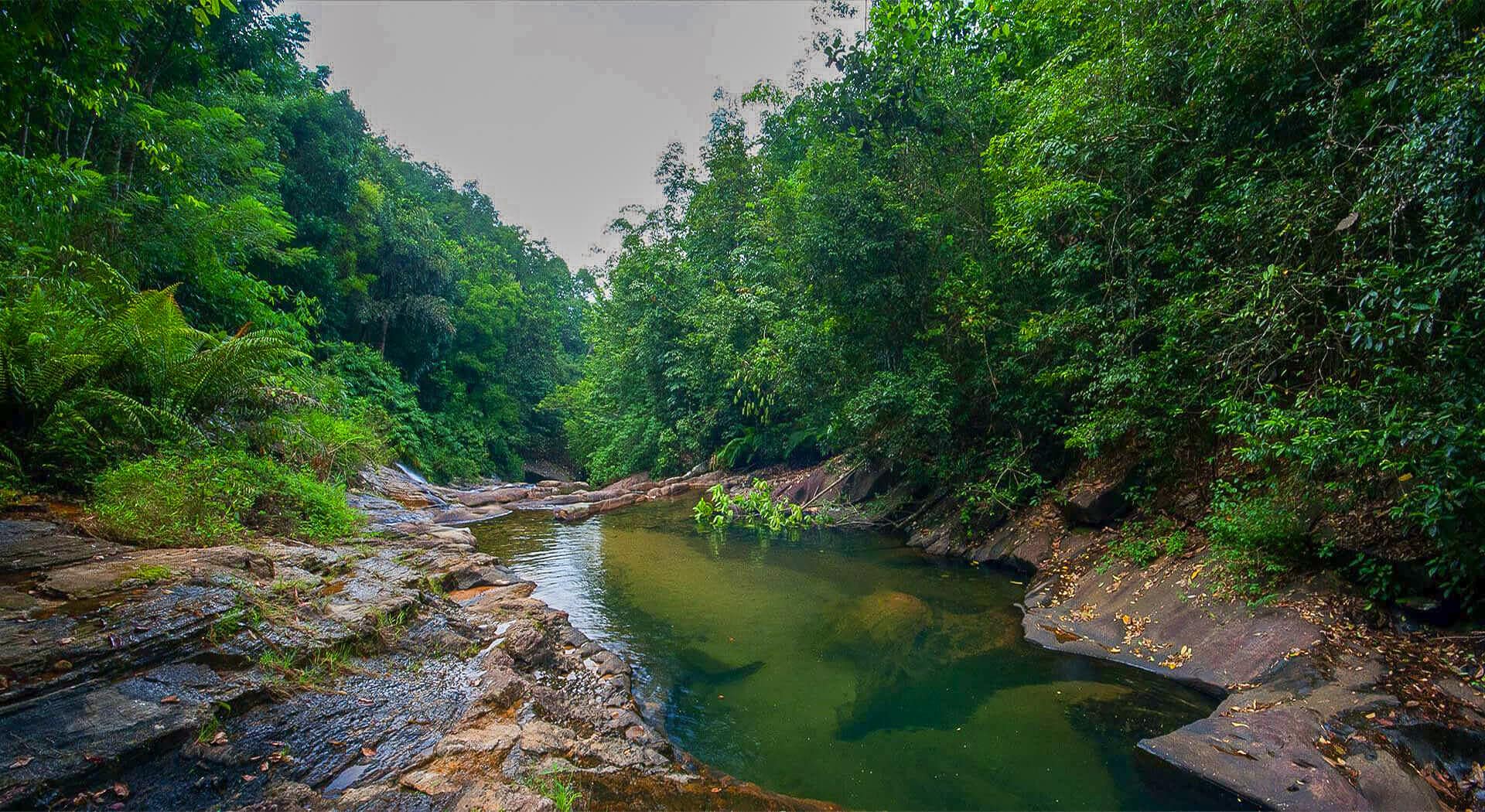
Meghalaya in Monsoon: Travel Guide & Tips
Explore Meghalaya in monsoon - wettest place on Earth. Waterfalls, root bridges, safety tips & travel guide.
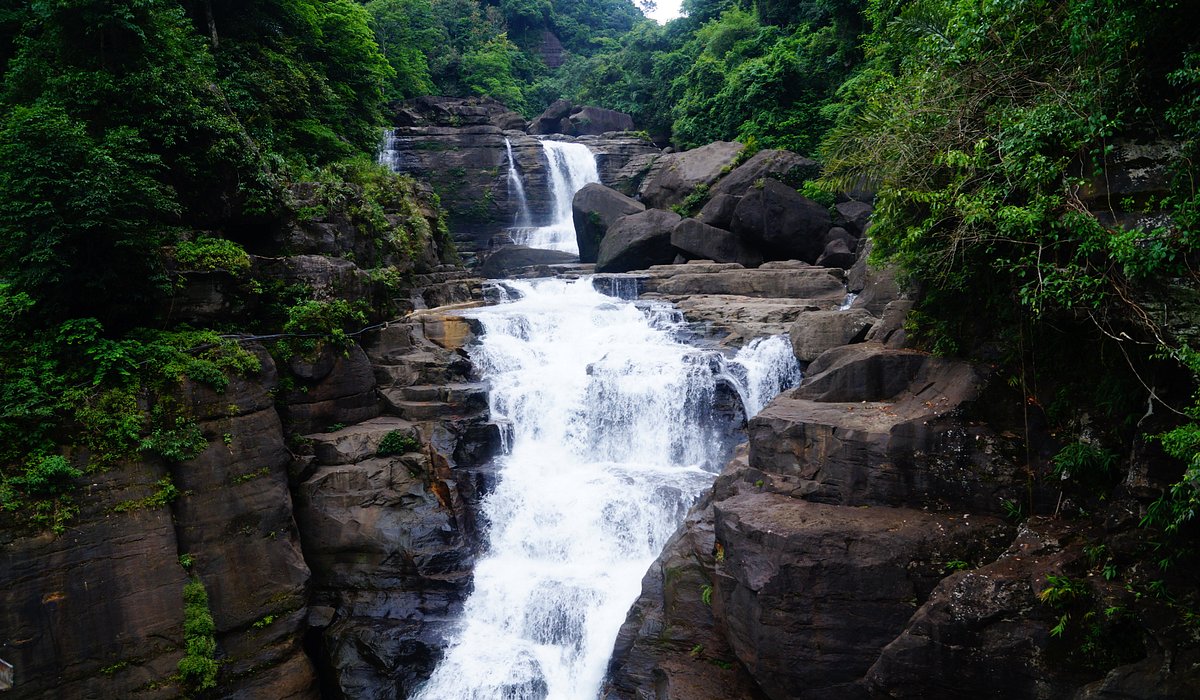
Best Places to Visit in Meghalaya: Waterfalls, Caves & Villages
Explore top places to visit in Meghalaya including Shillong, Cherrapunji, Dawki, Living Root Bridges, and practical route planning tips for travelers.
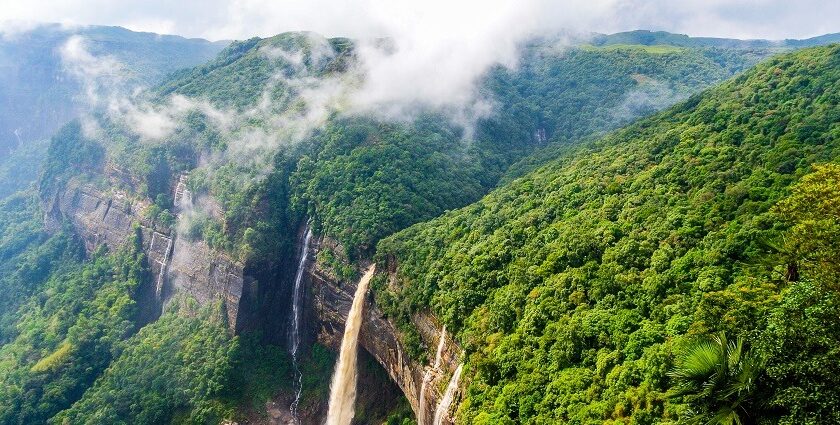
Waterfalls in Cherrapunji: 10 Best Falls with Route Details
Discover the best waterfalls in Cherrapunji including Nohkalikai, Seven Sisters, Wei Sawdong, and Dainthlen with practical route planning and season tips.
Never Miss an Adventure
Get the latest trekking guides, travel tips, and exclusive offers delivered straight to your inbox.
