
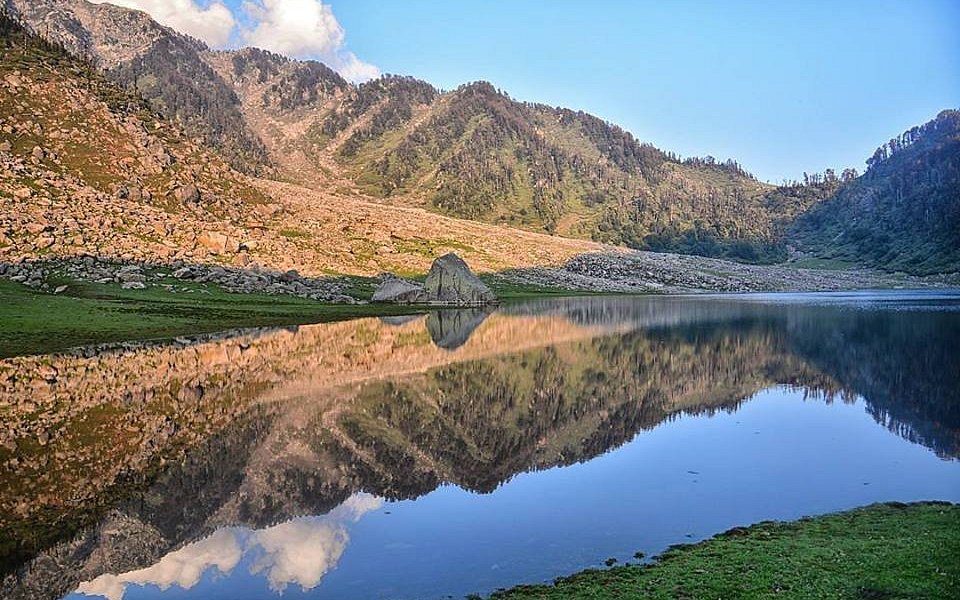
Offbeat Places Kangra: Hidden Gems & Unexplored Spots
Rohit Verma
November 27, 2025
Discover offbeat places in Kangra Valley! Hidden gems, ancient temples, unexplored villages & serene spots away from crowds in Himachal.
Introduction: Kangra's Hidden Treasures
The Kangra Valley, with its stunning Dhauladhar mountain range backdrop, ancient temples, and rich cultural heritage, offers far more than meets the eye of most tourists who flock to its famous attractions like Dharamshala and McLeodganj. Beyond these popular destinations lies a treasure trove of offbeat places that remain largely unexplored by the average visitor. These hidden gems offer authentic Himalayan experiences, from ancient rock-cut temples tucked away in remote corners to pristine villages that preserve traditional ways of life, to scenic viewpoints that provide dramatic mountain vistas without the crowds.
What makes Kangra's offbeat destinations special is their combination of natural beauty, spiritual significance, and cultural authenticity. Unlike the more developed tourist areas, these places have maintained their traditional character and offer opportunities to experience the Himalayas as they have been for centuries. The offbeat corners of Kangra provide spaces for solitude, authentic cultural encounters, and exploration of landscapes that feel untouched by mass tourism. Whether you're seeking spiritual solace in ancient temples, trekking through pristine forests, or simply wanting to experience the Himalayas away from crowds, Kangra's hidden treasures deliver experiences that go far beyond typical tourist attractions.
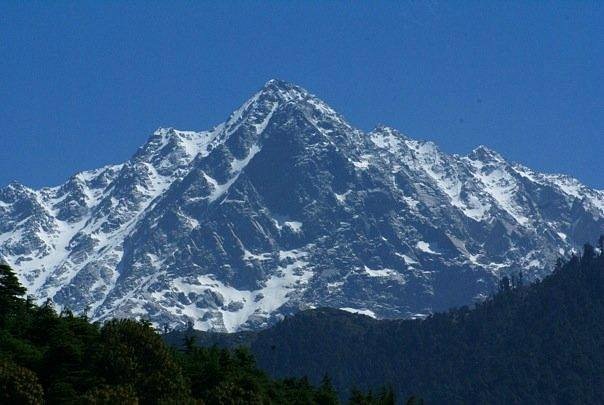
Top 10 Offbeat Places in Kangra
These hidden destinations offer the true essence of Kangra Valley away from the tourist trail.
Masroor Rock Cut Temples
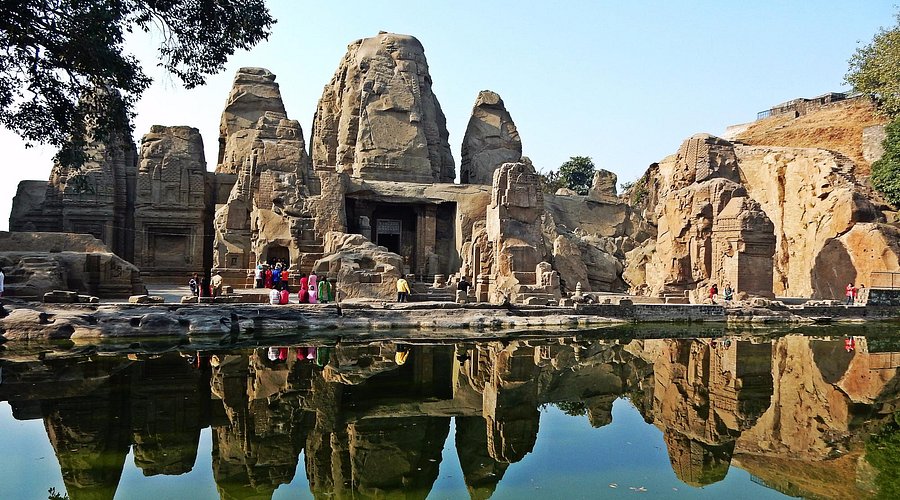
The Masroor Rock Cut Temples, dating back to the 8th century, represent one of the most remarkable archaeological wonders in the Kangra Valley yet remain surprisingly unknown to most tourists. These monolithic temples, carved directly out of living rock, showcase the incredible skill and dedication of ancient artisans. What makes Masroor truly special is that despite their historical significance and architectural marvel, they receive far fewer visitors than they deserve. The complex includes several temple structures, each with its own character and features. The intricate carvings, the peaceful rural setting, and the sense of discovery that comes with visiting such an under-appreciated treasure make Masroor a must-visit for those seeking Kangra's hidden heritage.
Kangra Fort Remotest Sections
While the main Kangra Fort receives its share of visitors, the fort's more remote sections offer opportunities to explore its massive structure without the crowds. These areas, accessible through less-frequented paths, provide panoramic views of the surrounding valley and mountains. The strategic location of the fort, perched on a hill with commanding views, becomes apparent in these quieter sections where you can contemplate the fort's defensive importance and historical role without the noise and commercial activity of the main areas. The remote corners reveal hidden chambers, crumbling walls covered in vegetation, and atmospheric spaces that feel frozen in time. Exploring these sections requires some adventure spirit and local knowledge but rewards with intimate historical experiences.
Baijnath Temple Complex
The Baijnath Temple, dedicated to Lord Shiva, is an ancient spiritual site that dates back to the 13th century. Despite its historical significance and beautiful Nagara-style architecture, this temple remains less crowded than many of Kangra's more famous temples. The temple complex features traditional elements including the shikhara (curvilinear tower), mandapa (hall), and beautifully carved pillars. The spiritual atmosphere here is particularly intense and genuine, with devotees coming for daily prayers rather than just tourist visits. The surrounding village maintains a traditional character, and the approach road offers scenic views of the valley. Visiting Baijnath provides insights into the living religious traditions of the region while avoiding the tourist-oriented atmosphere of more famous temples.
Chamunda Devi Temple Route
The route to the Chamunda Devi Temple offers an offbeat approach to this famous pilgrimage site that many tourists miss. While most visitors take the direct, well-traveled road, taking alternative routes through smaller villages and traditional landscapes provides a completely different experience. These scenic routes pass through terraced fields, traditional houses, and sections of forests, offering glimpses into rural Kangra life. The mountain drive itself becomes part of the journey, with each bend revealing new views of the valley and Dhauladhar ranges. The approach along the river provides opportunities to stop at hidden spots along the way, including small temples, local shrines, and natural viewpoints. Reaching the temple via these alternative routes makes the pilgrimage feel more authentic and the final arrival at the temple more rewarding.
Kareri Lake
Kareri Lake, situated at an altitude of approximately 2,950 meters, is a stunning alpine lake that offers a perfect offbeat trekking destination away from the crowds that dominate more popular trekking routes like Triund. The trek to Kareri Lake, typically a two-day expedition, passes through traditional villages, dense forests, and alpine meadows that seem to belong to a different world. The lake's crystal-clear waters reflect the surrounding Dhauladhar peaks, creating postcard-perfect views. Unlike more easily accessible lakes, Kareri requires genuine trekking effort, which filters out casual tourists and rewards those who make the journey with a pristine alpine experience. Camping by the lake, watching the starlit sky reflect in its waters, and waking to mountain mists create memories that last a lifetime.
Triund Hidden Trails
The famous Triund trek attracts hordes of trekkers, but exploring the hidden trails around Triund reveals a completely different side of this popular destination. Alternative routes through forests and less-traveled paths lead to secluded viewpoints that offer equally stunning Dhauladhar views without the crowds. These hidden trails, known primarily to locals and experienced trekkers, pass through sections of rhododendron forests, open meadows that remain mostly empty, and ridge lines that extend beyond the main camp. Exploring these trails allows for peaceful encounters with Himalayan nature, opportunities to spot wildlife that avoids crowded areas, and the satisfaction of discovering spots that remain hidden from mainstream trekking routes. The extended routes also offer chances to explore beyond the main Triund ridge to spots like Laka Glacier in relative solitude.
Bhagsuag Temple Alternative Path
The Bhagsuag Temple, while increasingly discovered, still offers alternative paths that few tourists take. The conventional routes from McLeodganj or Dharamkot can be crowded, but exploring village trails, passing through traditional homes and agricultural fields, leads to the temple via a much more atmospheric approach. These alternative paths provide glimpses into daily village life, with farmers working in fields, women going about their daily tasks, and children playing in traditional ways. The temple itself, perched with mountain views, becomes more rewarding when reached through these authentic village settings rather than through the tourist-thoroughfare routes. The experience feels like a true Himalayan pilgrimage rather than a packaged tourist temple visit.
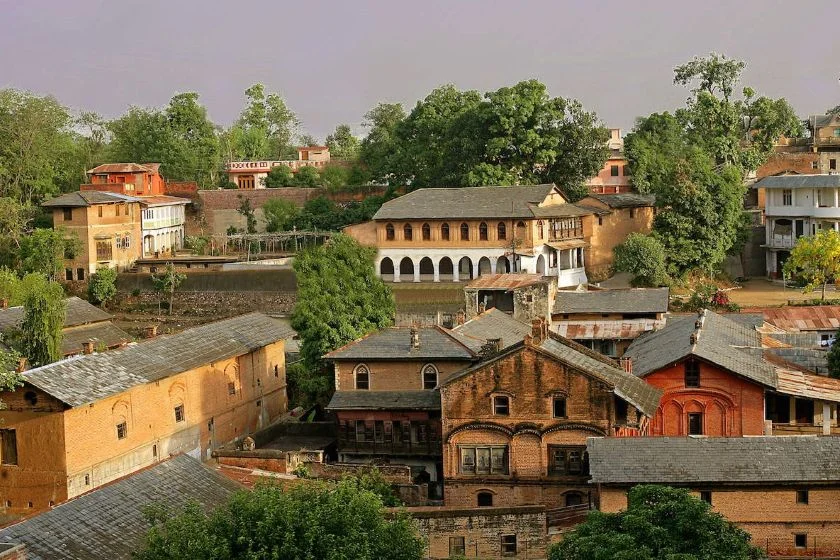
Naddi Village
Naddi Village, situated above McLeod Ganj, offers a mountain retreat atmosphere that contrasts sharply with the busy tourist area below. The village maintains a traditional character with stone houses, terraced fields, and a pace of life that seems to belong to a different era. From Naddi, the views of the Dhauladhar range are spectacular, particularly at sunrise when the snow-capped peaks glow in first light. Traditional homestays in Naddi offer opportunities to stay with local families, experiencing authentic Himalayan hospitality and home-cooked meals. The village walks around Naddi lead to hidden viewpoints, small temples, and forest trails that remain largely unexplored by tourists. Spending time in Naddi provides a peaceful, authentic Himalayan experience that contrasts wonderfully with the commercialized atmosphere of McLeodganj.
Shiva Cafe Trail
The trail to the famous Shiva Cafe in Triund offers a hidden path that many miss in their rush to reach the cafe. This forest walk, winding through dense vegetation and alongside mountain streams, creates a magical journey through Himalayan wilderness. The trail passes through sections where the forest canopy filters sunlight, creating dappled patterns on the forest floor. Mountain streams cascade along parts of the trail, providing natural water stops and spots for meditation. The trail emerges at Shiva Cafe, the reward for the walk, but the journey itself becomes the main attraction for those who take this hidden route. The natural soundtrack of the forest, the clean mountain air, and the sense of being in true wilderness make this trail a must for nature lovers seeking Triund's beauty without following the crowded main path.
Dharamkot Village
Dharamkot Village has evolved into a bohemian paradise that offers a completely different Himalayan experience. The village's artistic community, with international residents, cafes, and yoga centers, creates a unique cultural fusion that blends local traditions with global influences. Yoga centers in Dharamkot offer intensive programs, silent meditation retreats, and spiritual practices that attract seekers from around the world. The cafe culture here is more laid-back and authentic than in McLeodganj, with smaller establishments, better food quality, and genuine conversations rather than tourist-oriented service. The village retains traditional elements with local homes and agricultural practices coexisting alongside the bohemian culture. Dharamkot provides a base for exploring the surrounding mountains through offbeat trails while returning each evening to this unique community.
Hidden Temples & Spiritual Sites
Kangra's spiritual heritage extends well beyond its famous temples to include numerous hidden sacred sites.
Chamunda Temple
The Chamunda Temple, while receiving pilgrims, offers alternative approaches that create more spiritual experiences. The riverside approach, taken from less-known directions, provides a scenic journey along the Beas River with the temple gradually coming into view. The temple's location, nestled in hills with river views, becomes more appreciated when reached through these peaceful approaches rather than through crowded tourist routes. The temple atmosphere, with its serious spiritual ambiance and fewer tourists, allows for genuine devotional experiences. The combination of the scenic approach, riverside setting, and spiritual energy makes visiting Chamunda via these alternative routes a profoundly meaningful experience.
Baijnath Temple
The Baijnath Temple's ancient architecture and Nagara style represent important examples of North Indian temple building traditions. The temple, with its beautifully carved pillars, shikhara, and detailed sculptures, deserves more attention than it receives. The less crowded nature allows visitors to appreciate the architectural details without interruption and to spend time in quiet contemplation. The temple's spiritual significance, combined with its historical importance, creates an atmosphere that feels sacred rather than tourist-oriented. The surrounding village maintains traditional character, and visiting Baijnath offers not just a temple visit but an immersion in the living religious traditions that have continued here for centuries.
Jwalamukhi Temple
The Jwalamukhi Temple, famous for its eternal flame that burns in a natural gas vent, offers offbeat visiting hours that most tourists miss. The early morning visits, before the day-trippers arrive, provide opportunities to experience the temple's spiritual atmosphere in relative peace. The flame, which has been burning continuously for centuries, can be viewed more intimately without crowds pushing for space. The temple's other features, including its small shrine and the surrounding hills, become more enjoyable when explored at quieter times. Visiting Jwalamukhi during offbeat hours transforms what could be a crowded tourist experience into a genuine spiritual journey.
Vajreshwari Temple
The Vajreshwari Temple in Kangra town represents an important local shrine that receives primarily devotees rather than tourists. The ancient temple, dedicated to the goddess Vajreshwari, has been a center of local worship for generations. The temple's architecture, while perhaps not as grand as some of the more famous temples, carries the authenticity of a living religious site rather than a preserved monument. Local devotees come here for daily rituals, festivals, and personal prayers, creating an atmosphere of genuine spiritual practice. The temple's significance in local culture and traditions makes it an important site to visit for understanding the living religious heritage of Kangra beyond the tourist-oriented spiritual sites.
Unexplored Villages
Kangra's traditional villages offer windows into authentic Himalayan life that remain largely unchanged by tourism.
Naddi Village
Naddi Village, with its traditional stone houses and terraced fields, represents Himalayan village life at its most authentic. The village's elevated location provides stunning views of the Dhauladhar range while maintaining a traditional atmosphere that seems removed from time. Traditional homestays offer opportunities to stay with local families, experiencing their hospitality, home-cooked meals, and daily life. Village walks lead to hidden viewpoints, small shrines, and agricultural areas where traditional farming practices continue. The contrast between Naddi's authentic village character and the tourist-oriented McLeodganj below makes for an interesting comparison and reveals different ways of experiencing the Himalayas.
Dharamkot
Dharamkot has evolved into a unique Himalayan community that blends traditional village elements with bohemian culture. The village retains traditional aspects including local homes and agricultural practices, but has also developed an international community through its yoga centers and cafes. This fusion creates a distinctive atmosphere where ancient Himalayan traditions meet global spiritual and cultural movements. The yoga centers offer various programs from intensive retreats to daily drop-in classes. The cafes provide spaces for conversation, community building, and cultural exchange. Walking around Dharamkot reveals traditional village elements coexisting with the bohemian community, creating a fascinating cultural landscape that goes beyond typical tourist experiences.
Bhagsu Village
Bhagsu Village, despite its proximity to the famous waterfall, maintains a traditional character that many tourists miss. The village's traditional houses, daily life practices, and agricultural fields provide insights into rural Himalayan life. The waterfall, while attracting visitors, hasn't overwhelmed the village with commercialization, allowing Bhagsu to maintain its village atmosphere. The ancient Bhagsuag Temple, while known, remains primarily a local shrine rather than a tourist attraction. Exploring Bhagsu village walks reveals traditional architecture, local interactions, and the waterfall's less-crowded approach paths. The village represents how tourist attractions can coexist with authentic village life when development respects local character.
Sidhbari
Sidhbari has developed as a peaceful retreat village that attracts artists, spiritual seekers, and those seeking quiet Himalayan living. The village's art community includes painters, musicians, and craftspeople who have found inspiration in its peaceful setting. Spiritual centers in Sidhbari offer meditation spaces, yoga facilities, and retreat opportunities. The village's natural surroundings, with forests, streams, and mountain views, provide ideal conditions for creative and spiritual pursuits. The quiet atmosphere, away from the noise and crowds of more developed areas, allows for deep contemplation and focused creative work. Sidhbari represents the quieter, more contemplative side of Kangra Valley life.
Kangra Town Villages
The villages surrounding Kangra town offer glimpses into traditional life that exists just outside the urban center. These villages, with their traditional houses, handicraft centers, and agricultural fields, maintain ways of life that have continued for generations despite the town's development. The handicraft centers produce traditional Kangra crafts including textiles, metalwork, and wooden carvings. Walking through these village areas reveals the contrast between the modernizing town and the traditional villages that surround it. Local interactions in these villages tend to be more genuine, and the pace of life moves at a traditional rhythm that provides insight into how the Kangra Valley has lived for centuries.
Scenic Viewpoints & Nature Spots
Offbeat viewpoints in Kangra provide dramatic mountain vistas without the crowds that dominate famous viewpoints.
Triund Ridge
Extending beyond the main Triund camp, the ridge offers panoramic Dhauladhar views with far fewer crowds. The ridge walk reveals new perspectives on the surrounding mountains, valleys, and the distant plains. Snow-capped peaks appear more dramatic from these extended viewpoints, and the sense of being in true Himalayan wilderness is stronger. Camping on the ridge provides opportunities to watch sunrise and sunset in solitude, with the changing light painting the mountains in spectacular colors. The ridge also offers access to more remote areas like Laka Glacier, making it a starting point for further exploration into less-visited Himalayan terrain.
Naddi Viewpoint
The viewpoint above Naddi Village offers some of the most dramatic sunset views in Kangra Valley. The sun setting behind the Dhauladhar range paints the mountains in golden and pink hues, creating a spectacle that rivals any more famous sunset viewpoint. Unlike more crowded viewpoints, Naddi's viewpoint allows for peaceful appreciation of this natural show. The combination of the panoramic view, the traditional village setting, and the peaceful atmosphere creates a sunset experience that feels special and authentic. The walk up to the viewpoint passes through traditional village paths, adding cultural interest to the natural beauty.
Kareri Lake View
The view of Kareri Lake, reflecting the Dhauladhar peaks, represents some of the most spectacular alpine scenery in Kangra Valley. The crystal-clear waters create perfect mirrors for the mountains, with the reflection sometimes being more striking than the actual peaks. The lake's high-altitude location, surrounded by alpine meadows and snow-capped ridges, creates a pristine environment that feels removed from the modern world. The changing light throughout the day creates constantly evolving views, with sunrise and sunset being particularly magical. The journey to reach this view, through challenging trekking, makes the final reward feel earned and creates a deeper appreciation of the stunning natural beauty.
Best Time to Visit Offbeat Kangra
March-June
Spring and early summer offer ideal weather for exploring offbeat Kangra. Pleasant temperatures make trekking and village exploration comfortable. Clear mountain views allow for full appreciation of the dramatic landscapes. The blossoming season adds beauty to the trails and villages. This period represents the best overall conditions for outdoor activities in the offbeat areas.
October-November
Autumn provides the clearest mountain views and comfortable temperatures. Post-monsoon landscapes are lush and green. This period is excellent for photography with clear skies and vibrant colors in the vegetation.
Exploring offbeat Kangra reveals the valley's authentic character, hidden treasures, and the Himalayas as they have been for centuries. These unexplored corners offer opportunities for genuine cultural encounters, spiritual experiences, and natural beauty that goes far beyond typical tourist attractions. Whether seeking ancient heritage in rock-cut temples, pristine alpine lakes, traditional village life, or scenic viewpoints away from crowds, Kangra's offbeat destinations deliver profound and memorable experiences of the Himalayas.
Location
Frequently Asked Questions
Q1.What are the best offbeat places in Kangra?
Q2.Are there hidden temples in Kangra Valley?
Q3.Where can I find less crowded spots in Kangra?
Q4.What unexplored villages are in Kangra?
Q5.Can I find secret viewpoints in Kangra?
Q6.Are there offbeat trekking routes?
Q7.How to reach offbeat places in Kangra?
Q8.Is it safe to explore unexplored Kangra?
Q9.What's the best time to visit offbeat Kangra?
Q10.Do I need a guide for offbeat exploration?
Recommended For You
25 Best Summer Holiday Destinations in the World for 2026
Discover the 25 best summer holiday destinations worldwide - from Swiss Alps to Greek islands, Bali beaches to Canadian Rockies. Complete guide with weather, costs & itineraries.
1-Month Europe Trip Cost from India: Complete Budget Breakdown
Planning a 1-month Europe trip from India? Get complete cost breakdown including flights, visa, accommodation, food & transport. Budget ₹1.5-4.5 lakhs with our detailed guide.
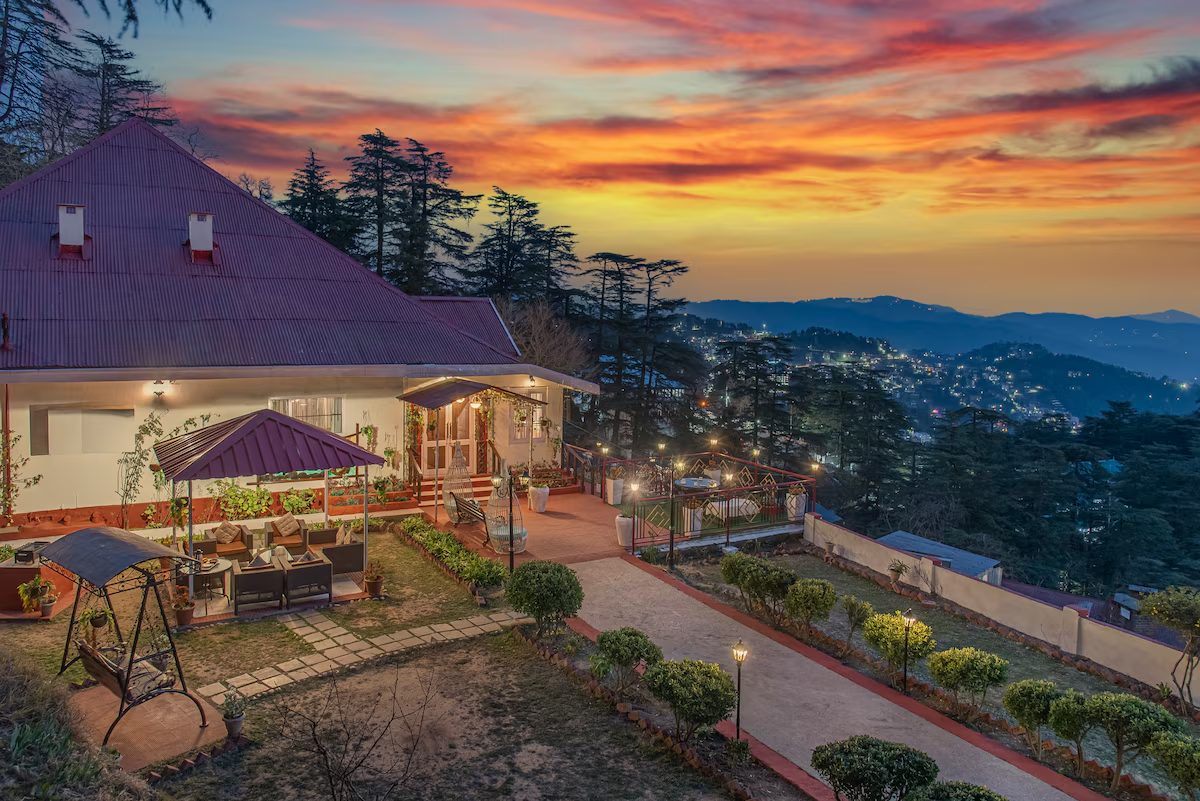
Best Airbnbs in Shimla: Heritage Stays & Modern Accommodations
Discover best Airbnbs in Shimla - from heritage colonial bungalows to modern mountain apartments. Complete guide with locations, prices, amenities & seasonal tips.
Never Miss an Adventure
Get the latest trekking guides, travel tips, and exclusive offers delivered straight to your inbox.
