
Ashoka Pillars in India: Complete Guide to Mauryan Architectural Marvels

Rohit Verma
February 19, 2026
Discover Ashoka pillars in India - ancient Mauryan marvels with the Lion Capital, inscribed edicts, and Buddhist heritage across Sarnath, Vaishali & more.
Pillars of Ashoka in India: Complete Heritage Guide
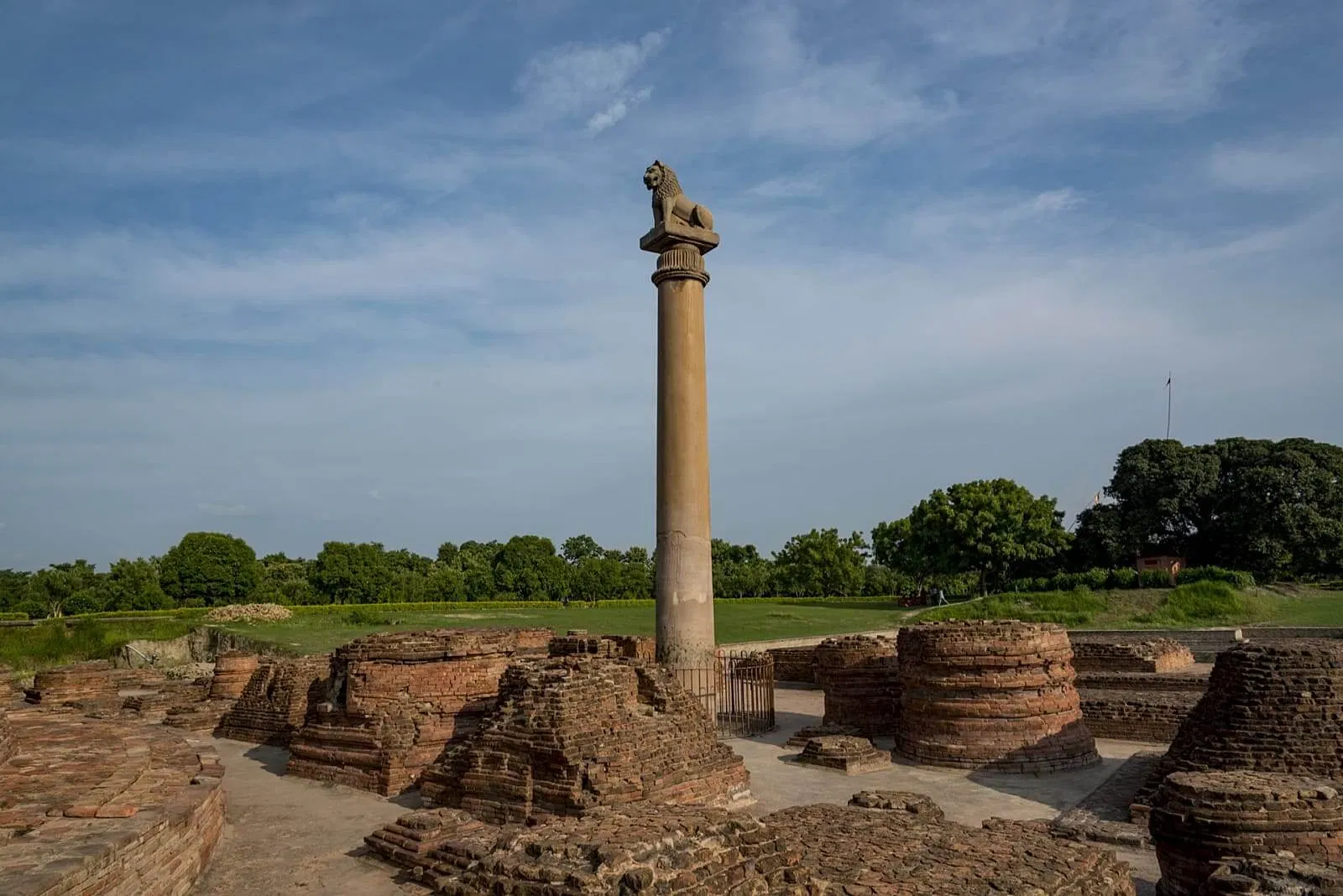
The Pillars of Ashoka are among the most important political and moral monuments in Indian history. Commissioned during the reign of Emperor Ashoka in the 3rd century BCE, these sandstone pillars were installed across large parts of the Mauryan realm with inscriptions promoting ethical governance, religious tolerance, non-violence, and welfare-focused administration. For travelers, they are not only archaeological artifacts but also early examples of state communication in public space.
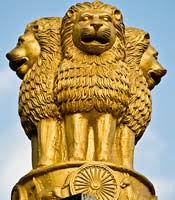
Many visitors know the Lion Capital from currency and national symbolism, but fewer connect it to the wider network of Ashokan pillars. A meaningful visit starts by understanding this network and then tracing selected locations linked to inscriptions. If you are planning a history itinerary, combine this theme with sanchi stupa bhopal and ajanta and ellora caves for deeper civilizational context.
What Makes Ashokan Pillars Unique
These pillars are remarkable for their polish, proportion, and inscriptions. Carved from sandstone and often monolithic, they demonstrate technical sophistication in quarrying, transport, and finishing. The famous Mauryan polish gave surfaces a reflective quality that still fascinates historians and conservators.
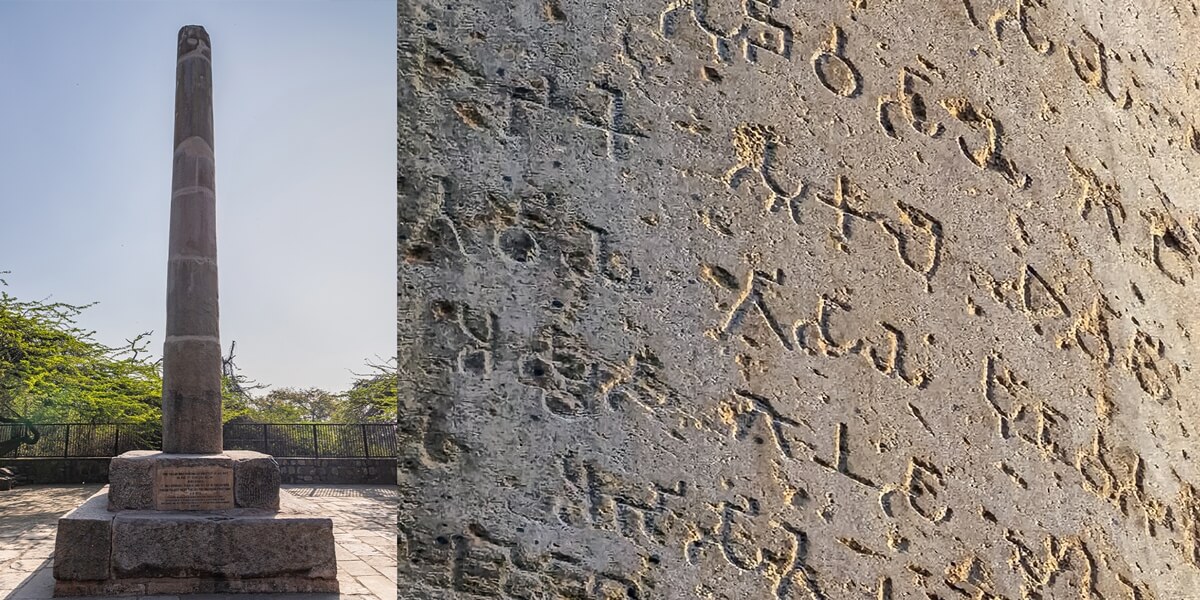
Equally significant are the edicts. Written in Prakrit and other scripts/languages based on region, the inscriptions communicated royal policy and ethical guidance directly to the public. This made the pillars one of the earliest large-scale state messaging systems in South Asia.
Historical Context: Ashoka After Kalinga
The pillars are often interpreted through Ashoka’s post-Kalinga transformation. After the devastating war, the emperor promoted Dhamma-centered rule, emphasizing compassion, justice, restraint, and interfaith respect. Pillar edicts became instruments for spreading these principles across a diverse and vast territory.
Visitors should avoid reading them as purely religious markers. They are administrative, ethical, and political statements combined. That layered function is why they remain central to discussions on governance history in India.
Major Sites Linked to Ashokan Pillars
- Sarnath: Associated with the Lion Capital, now central to national symbolism.
- Delhi region: Pillar fragments and relocated examples connect imperial history to later eras.
- Allahabad/Prayagraj and other zones: Edicts and inscriptions with regional administrative value.
- Museum collections: Capitals and fragments preserved for study and interpretation.
For route planning in the capital region, pair this topic with historical places delhi and qutub minar to build timeline continuity.
Art and Symbolism
Ashokan capitals frequently feature animals such as lions, bulls, elephants, and horses, each interpreted through imperial symbolism and regional context. The Lion Capital’s formal balance, circular abacus, and wheel motifs reflect both artistic refinement and political message. These motifs were not ornamental excess; they supported legitimacy and state identity.
The later adoption of Ashokan symbols in modern India demonstrates how ancient visual language can remain politically and culturally relevant across millennia.
How to Study the Pillars as a Traveler
| Step | What to Focus On |
|---|---|
| Step 1 | Read the timeline of Ashoka’s reign and major edicts |
| Step 2 | Identify site-specific inscription themes |
| Step 3 | Observe material quality and surface finishing |
| Step 4 | Compare museum and in-situ pillar contexts |
| Step 5 | Link symbolism with modern national adoption |
This framework helps avoid superficial “artifact viewing” and improves historical retention.
Best Time and Practical Visit Planning
The best time depends on site location, but October to March generally offers comfortable conditions across many North and Central Indian stops linked to Ashokan history. Since pillars are spread across different states, plan in clusters by region to avoid inefficient long-distance jumps.
Carry notes or a curated list of edict themes before visiting. Reading on-site interpretation with prior context makes the experience far more meaningful.
Common Mistakes to Avoid
- Treating the pillars as isolated art objects without inscription context.
- Ignoring translations and relying only on visual impression.
- Mixing unrelated dynastic artifacts under “Ashokan” label.
- Rushing through museums without comparing capitals and fragments.
- Skipping regional continuity in itineraries.
For broader itinerary support, places to visit delhi can help integrate Ashokan references with other major periods.
Why Pillars of Ashoka Still Matter
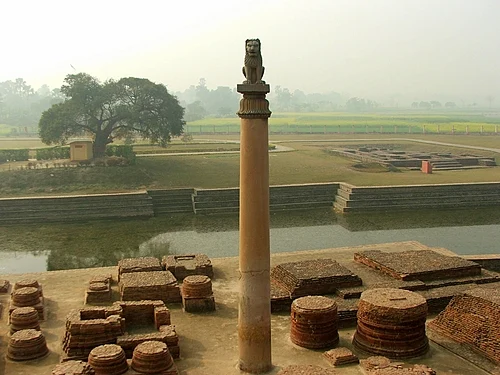
The pillars remain relevant because they preserve a rare convergence of governance, ethics, language policy, and visual statecraft in early India. They are not relics of a distant past; they are continuing reference points in constitutional values, public symbolism, and heritage education.
Visiting Ashokan sites with a structured lens transforms them from static monuments into living civic documents. That is the best way to engage with this legacy: read carefully, compare thoughtfully, and connect ancient policy communication to modern public life.
Before ending your visit, identify one inscription theme that still feels contemporary. This reflection makes the heritage encounter personal, practical, and memorable.
Advanced Reading for History Travelers
Serious travelers can turn a pillars itinerary into a structured research walk. Start by mapping inscription themes across regions and comparing language choices. Then identify which edicts address moral conduct, which address administrative behavior, and which highlight interfaith responsibility. This helps reveal Ashoka’s communication strategy as more than symbolic kingship. It also explains why pillars were placed in visible public contexts where diverse communities could encounter state messaging. Even when you are visiting only one museum display or one surviving site, this comparative method adds depth and avoids isolated interpretation.
Another valuable exercise is to compare pillar experience with rock edict experience. Pillars emphasize vertical authority and ceremonial presence in public landscapes, while rock inscriptions often align with terrain and route visibility. Seeing both forms clarifies how Mauryan governance adapted communication methods to geography and mobility. Travelers who note these differences usually retain the historical narrative more clearly. Instead of memorizing dates alone, you begin to see how policy, medium, and space were connected in early imperial systems.
Practical Itinerary Design Across India
Because the pillars are geographically dispersed, smart planning is critical. Rather than chasing distant points in one trip, group your journey by region: North India museum and inscription clusters, central routes connected to Buddhist and Mauryan sites, and selected urban collections where capitals are preserved. Keep travel days realistic and reserve at least one low-intensity day between long transfers. This helps maintain attention quality, which is essential for history-heavy travel. Many visitors underestimate cognitive fatigue when reading inscriptions and exhibition text repeatedly across days.
Budgeting also improves with route clustering. Museum-centric days are usually lower cost than long-distance transfer days, so mix both strategically. Use early mornings for major sites and afternoons for archives, galleries, or note consolidation. Carry a small notebook and write one insight per stop: inscription theme, material observation, and governance takeaway. By trip end, these notes become a compact historical map that is far more useful than random photos alone.
Why This Legacy Feels Contemporary
The Pillars of Ashoka continue to resonate because they frame governance as ethical communication, not only force. Their message architecture—public placement, concise value statements, and repeated civic principles—still feels relevant in modern debates on state responsibility. Whether you approach them as art, archaeology, or political history, they reward thoughtful attention. A careful visit can shift your view of ancient India from abstract antiquity to a sophisticated public-policy civilization.
Before finalizing your itinerary, select one primary question and carry it through every site: how did Ashoka attempt to make power accountable through language and symbol? This one question can transform an ordinary heritage tour into a deeply coherent learning journey.
Location
Frequently Asked Questions
Q1.How many Ashoka pillars still exist in India?
Q2.Where can I see the famous Lion Capital of Ashoka?
Q3.What is the best time to visit Ashoka pillar sites?
Q4.Why are Ashoka pillars so shiny and polished?
Q5.What do Ashoka pillar edicts say?
Q6.How were Ashoka pillars transported and erected?
Q7.Can I visit multiple Ashoka pillar sites in one trip?
Q8.Are there Ashoka pillars outside India?
Recommended For You
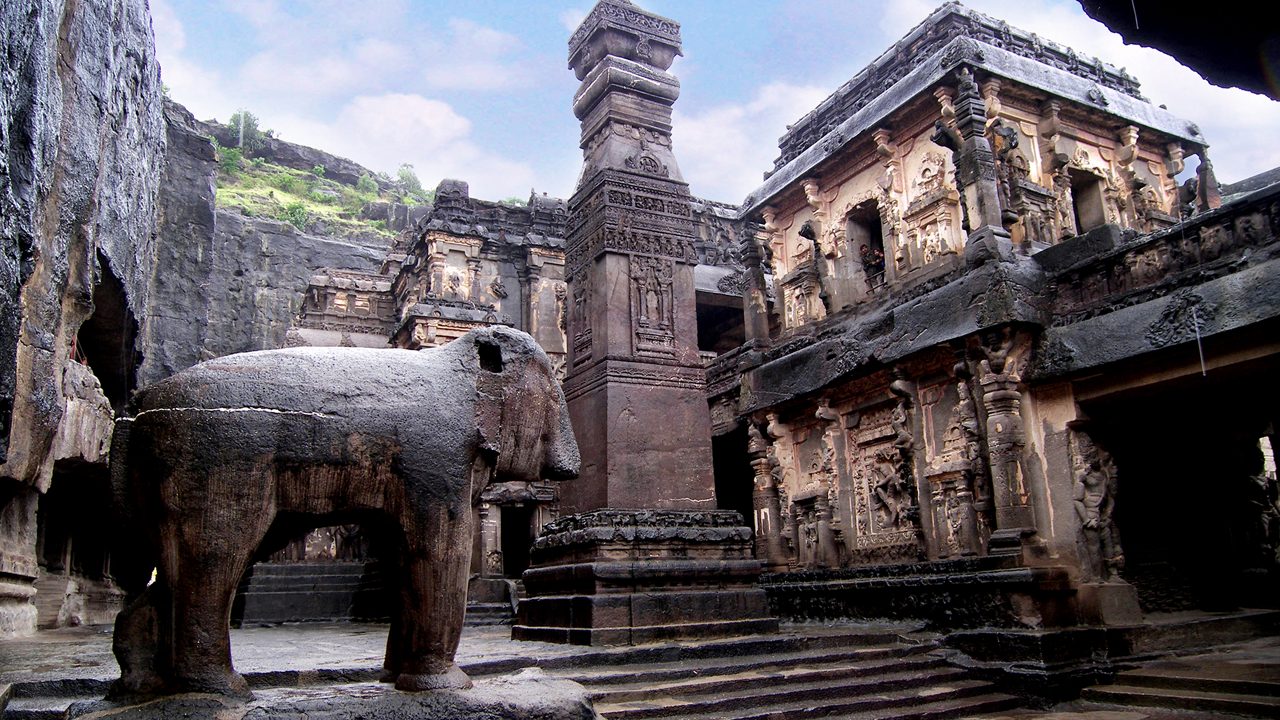
Ajanta and Ellora Caves: Tickets, Timings & Route Planning
Complete guide to Ajanta and Ellora Caves in Aurangabad. Explore UNESCO rock-cut wonders, Buddhist paintings, Kailasa Temple, timings, entry fee & travel tips.
Qutub Minar Delhi: Complete Guide to UNESCO World Heritage Site
Explore Qutub Minar Delhi - tallest brick minaret & UNESCO site. Discover 800 years of Islamic architecture, the mysterious Iron Pillar & Delhi heritage.
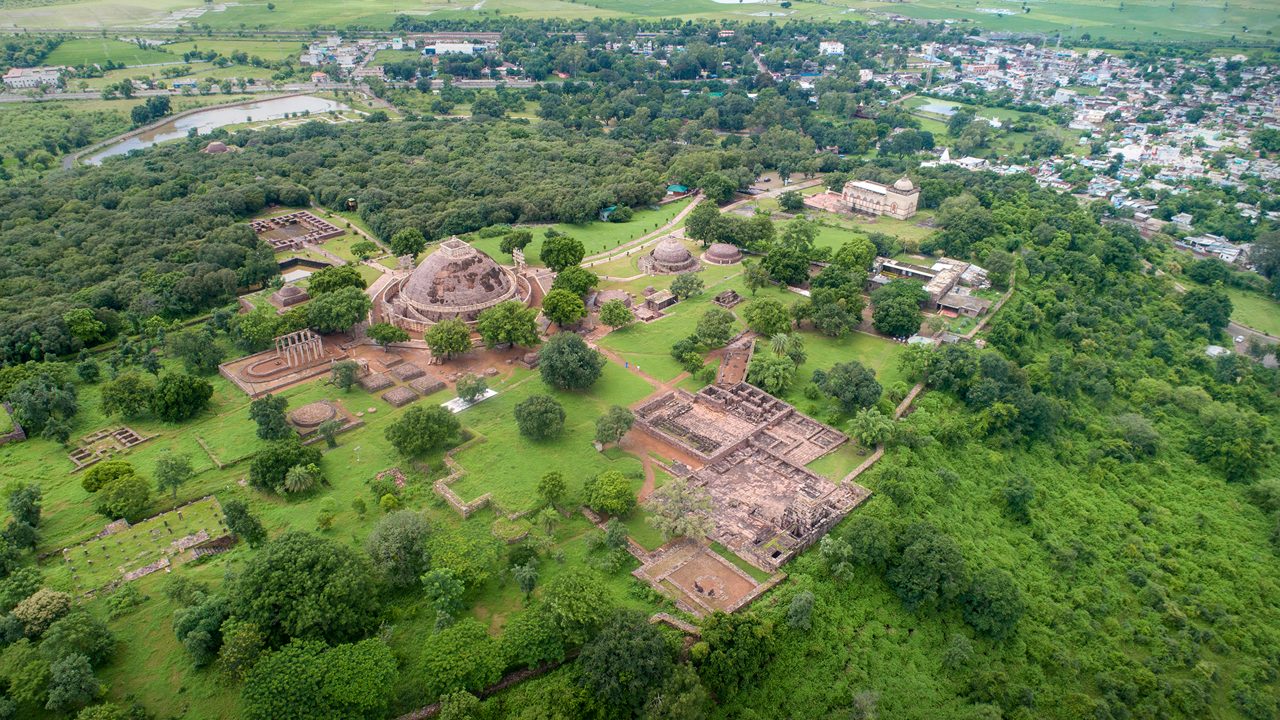
Sanchi Stupa near Bhopal: UNESCO Site, Timings & History
Explore Sanchi Stupa near Bhopal with UNESCO history, architecture, torana carvings, timings guidance, route planning, and practical tips for a meaningful visit.
Never Miss an Adventure
Get the latest trekking guides, travel tips, and exclusive offers delivered straight to your inbox.
