
Places to Visit Meghalaya in June: Monsoon Magic

Rohan Malhotra
January 17, 2026
Explore the best places to visit Meghalaya in June: Shillong, Cherrapunji, living root bridges, waterfalls, Dawki, and essential monsoon travel tips.
Places to Visit Meghalaya in June: Abode of Clouds in Full Glory
Meghalaya, known as the Abode of Clouds, transforms into a spectacular paradise in June. The monsoon season begins in full force, painting every valley, hill, and waterfall in vibrant shades of green. This is when the state's famous waterfalls roar at their peak, living root bridges glisten with fresh moss, and clouds dance across the hills in dramatic fashion. For nature lovers and photographers, June offers an unmatched opportunity to witness Meghalaya at its most alive and breathtaking.
However, visiting Meghalaya in June comes with challenges. Heavy rainfall is constant, roads can become slippery, and some trekking routes turn risky. The rewards though are extraordinary—you'll see landscapes that look like something out of a fantasy world. This guide covers the best places to visit in Meghalaya in June, along with practical tips to travel safely during monsoon. Combine this with best time to visit Meghalaya for seasonal context or extend your Northeast journey with Meghalaya in monsoon exploration. For broader regional planning, places to visit Meghalaya offers complete state coverage.
Shillong: Scotland of the East in Rain
Shillong, the capital city, becomes particularly enchanting in June. The colonial architecture and winding streets get washed clean by daily rains, while mist settles over the hills creating a mystical atmosphere. Temperatures range from 15-25°C, making it pleasant despite the rain. Ward's Lake is especially beautiful during this time, with ripples from raindrops creating a soothing rhythm across the water. Police Bazaar, the main market area, stays bustling with locals and tourists seeking shelter in cozy cafes and shops.
The best way to experience Shillong in June is to embrace the rain rather than avoid it. Visit local cafes around Police Bazaar where you can sip hot chai or Khasi coffee while watching the rain fall. The Don Bosco Centre for Indigenous Cultures offers a perfect indoor activity when outdoor movement becomes difficult. Several waterfalls near the city including Bishop Falls, Elephant Falls, and Spread Eagle Falls are at their most powerful during June, though viewing requires caution due to slippery paths.
Cherrapunji: Witnessing the Wettest Place
Cherrapunji (Sohra) holds the title of one of the wettest places on Earth, and June is when this reputation is fully earned. The town receives over 1000mm of rainfall during this month, creating dramatic cloud formations and endless waterfalls everywhere you look. Nohkalikai Falls, the tallest plunge waterfall in India, becomes a thundering spectacle that you can hear before you even see it. The surrounding cliffs get covered in flowing streams, creating hundreds of temporary waterfalls that vanish when rain stops.
Despite constant rain, Cherrapunji attracts serious monsoon enthusiasts who want to witness extreme weather firsthand. Mawsmai Cave offers a fascinating underground adventure that's protected from rain, featuring impressive limestone formations carved over centuries. Early mornings are usually slightly drier, making it the best time to visit viewpoints and falls. However, be prepared for sudden downpours at any time. The drive from Shillong to Cherrapunji takes about 1.5 hours, but during heavy rainfall, landslides can cause delays.
Living Root Bridges: Nature's Engineering Marvel
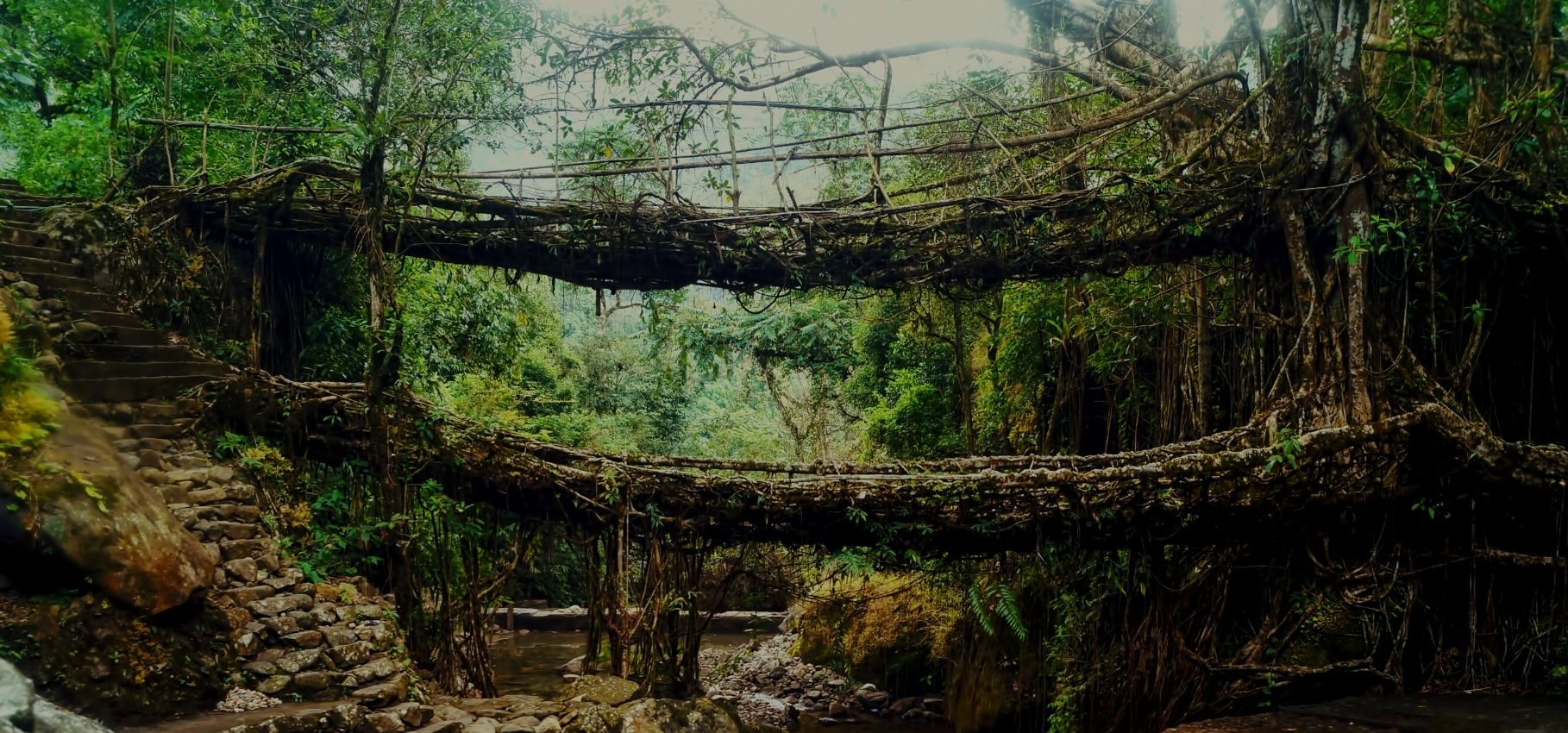
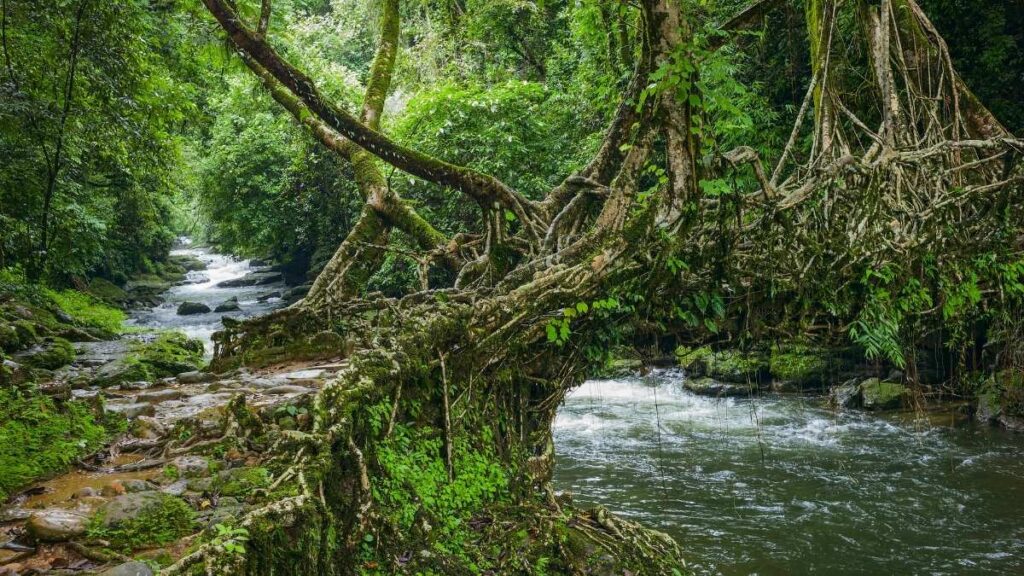
The famous living root bridges of Meghalaya take on a magical quality in June. Fresh moss covers the aerial roots, waterfalls cascade around them, and the surrounding forests glow with intense greenery. The Double Decker Root Bridge at Nongriat village is the most famous—a two-level bridge made from rubber fig tree roots that has grown stronger over centuries. However, reaching it requires a challenging trek of about 4 hours one way through steep, slippery trails that become significantly more dangerous during monsoon.
For those seeking adventure and willing to accept the risks, the root bridges offer an unforgettable experience in June. The trek takes you through dense rainforest, across several smaller bridges, and past homestays where you can rest. Single root bridges in places like Riwai and Mawlynnong are easier to access but still require caution on wet paths. If you're not an experienced trekker or are traveling with elderly family members or children, consider visiting root bridges in drier months when trails are safer.
Mawlynnong: Asia's Cleanest Village
Mawlynnong, awarded the title of Asia's cleanest village, maintains its pristine charm even during heavy June rains. The village's meticulous organization and waste management system keeps everything spotless despite constant water flowing through. Bamboo dustbins at every corner, flower-lined pathways, and well-maintained homes showcase Khasi community pride. A living root bridge near the village offers a more accessible alternative to the challenging Nongriat trek, while the sky walk platform provides panoramic views of the Bangladesh plains.
The 2.5-hour drive from Shillong to Mawlynnong is generally well-maintained, though rainfall can slow the journey. Plan for half a day to explore the village properly. Local homestays offer authentic Khasi meals and hospitality, making it worth considering an overnight stay. The village receives fewer tourists than major attractions, so you can enjoy a peaceful, cultural experience even during peak monsoon season. Carry waterproof footwear as bamboo pathways can get extremely slippery.
Dawki: Crystal Clear Umngot River
Dawki's Umngot River is famous for its crystal-clear waters that make boats appear to float on air. In June, the turquoise waters become even more dramatic as rain fills the river, though slightly higher water levels can reduce transparency. The India-Bangladesh border at Dawki adds an interesting element—you can see the neighboring country across the river. Boating remains popular, though operators may pause trips during heavy rainfall for safety. Snorkeling and other water activities are available but require careful weather checking.
The three-hour drive from Shillong to Dawki passes through beautiful countryside that looks lush in monsoon. Weather conditions change quickly, so check forecasts before making the journey. Some years, heavy rainfall causes the Umngot to turn muddy, temporarily reducing its famous clarity. If this happens, nearby attractions like the Dawki bridge and local caves offer alternatives. Most visitors combine Dawki with Mawlynnong in the same day, creating a comprehensive circuit of southern Meghalaya highlights.

Mawsynram: The Wettest Place on Earth
Mawsynram officially holds the record as the wettest place on Earth, receiving average annual rainfall higher than Cherrapunji. June is when this rainfall reaches extreme levels, creating an almost otherworldly atmosphere. The town itself is small and quiet, but the journey there offers insight into rural Khasi life and dramatic monsoon landscapes. Mawjymbuin Cave, featuring a natural Shivalinga formation, is the main attraction—an underground wonder that remains accessible regardless of weather conditions.
Reaching Mawsynram requires traveling about 60 kilometers from Shillong, which can take 2-3 hours depending on road conditions. The roads become challenging during heavy rainfall, so only attempt this drive with an experienced driver familiar with the terrain. For weather enthusiasts and record-seekers, the experience of standing in the world's wettest place during peak monsoon is incomparable. However, casual tourists may find the journey demanding for limited sightseeing. Combine Mawsynram with Cherrapunji if attempting both, as they're in the same region.
Laitlum Canyons: Dramatic Valley Views
Laitlum Canyons offers some of the most breathtaking valley views in Meghalaya, located just 20 kilometers from Shillong. The vast grassland plateau drops dramatically into deep gorges, creating endless horizons that disappear into clouds. In June, these clouds roll in and out constantly, creating an ever-changing landscape that photographers find irresistible. When clouds clear, you can see distant villages, winding rivers, and the full scale of the canyon's grandeur.
Weather at Laitlum is highly unpredictable even by Meghalaya standards. One moment offers clear views, the next everything disappears in mist. Roads leading to the canyons are moderate quality and can become tricky after heavy rain. Plan for 2-3 hours at the site, including time for the steep walk down to the canyon floor if you're feeling adventurous. The early morning hours often provide the best weather windows, though fog can settle in at any time. Wear proper footwear with good grip—the grassy slopes become incredibly slippery when wet.
| Destination | Distance from Shillong | Best Time to Visit | June Challenge Level |
|---|---|---|---|
| Ward's Lake & Police Bazaar | In city | Anytime | Low - Mostly covered |
| Elephant & Bishop Falls | 12 km | Morning | Medium - Slippery paths |
| Cherrapunji | 54 km | Early morning | High - Constant rain |
| Double Decker Root Bridge | 75 km | June (risky) | Very High - Dangerous trek |
| Mawlynnong | 90 km | Mid-morning | Medium - Wet paths |
| Dawki | 95 km | Check weather | Medium - Road conditions |
| Laitlum Canyons | 20 km | Early morning | High - Cloud cover |
Waterfalls of Meghalaya at Peak Flow
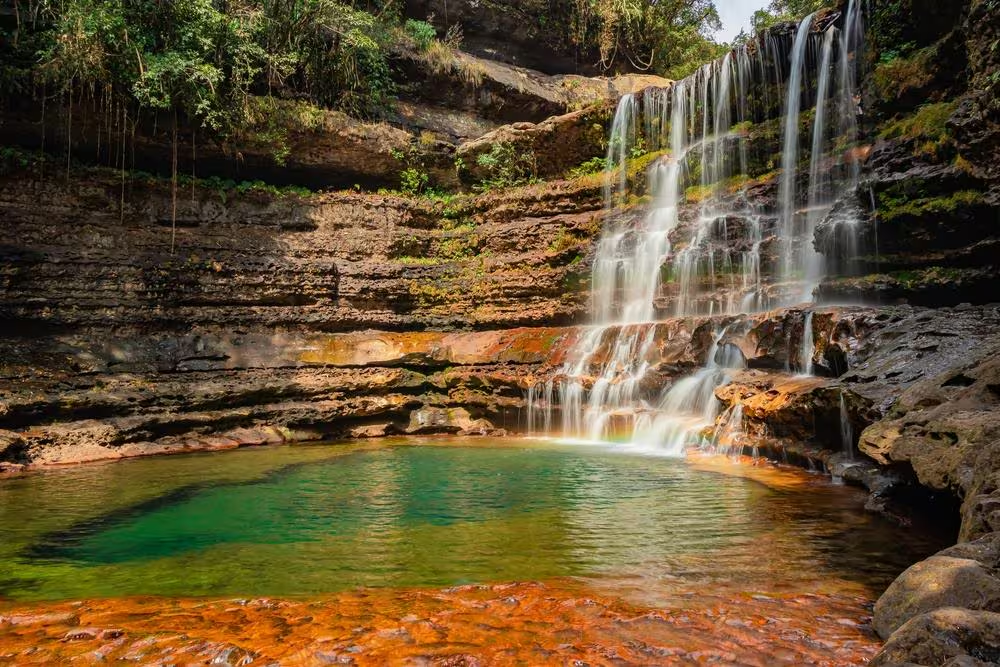
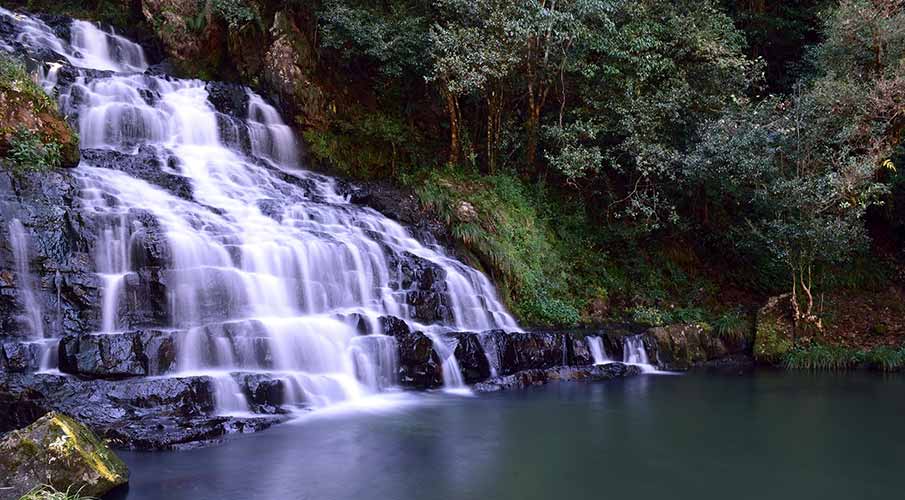
June transforms Meghalaya's numerous waterfalls into thundering cascades that can be heard from kilometers away. Nohkalikai Falls in Cherrapunji is the crown jewel at 340 meters tall—watching water plunge from such height creates a powerful experience. Wei Sawdong Falls offers a unique tiered formation with multiple levels creating a staircase effect. Krang Suri Falls near Jowai features stunning turquoise pools at the base, making it one of the most photogenic falls in the state. Seven Sisters Falls becomes seven distinct streams during heavy rain, living up to its name.
However, viewing waterfalls in June requires extreme caution. The same force that makes these falls spectacular also makes them dangerous. Stay well behind safety barriers, never climb down for closer photos, and avoid rocks near the edge that may be slippery. Many waterfall viewing platforms become waterlogged, reducing safe viewing areas. If rainfall is exceptionally heavy, consider skipping waterfall visits altogether. The falls are beautiful from distance photographs, and no photo is worth risking your safety. Each major waterfall needs 1-2 hours including travel time and viewing.
Essential Monsoon Travel Tips
Visiting Meghalaya in June requires preparation and flexibility. Pack a quality raincoat or heavy umbrella—cheap ones won't survive the daily downpours. Waterproof bags for electronics and documents are non-negotiable. Bring quick-dry clothes rather than cotton, which stays wet all day. Gumboots or waterproof shoes with good grip are essential for walking on wet paths. Keep important medicines accessible as roads to pharmacies may become blocked.
Add 2-3 buffer days to your itinerary for weather delays. Landslides are common, especially on mountain roads like Shillong-Cherrapunji route. Check road conditions daily before heading out, and ask locals for updates. Book hotels with flexible cancellation policies. Hire drivers who know the area well—they understand which roads become dangerous and can suggest alternative routes. Despite all challenges, if you embrace the rain rather than fighting it, Meghalaya in June delivers experiences you can't get any other time of year.
Indoor Alternatives for Heavy Rain Days
When rainfall becomes too intense for outdoor activities, Shillong offers several indoor alternatives. Don Bosco Centre for Indigenous Cultures provides seven floors of exhibits on Northeast India's tribes, culture, and history—a fascinating way to spend several hours. The State Museum in Shillong showcases local artifacts, traditional costumes, and historical displays. Cafe hopping around Police Bazaar lets you experience local food culture while staying dry. Local markets offer opportunities to shop for Khasi handicrafts, bamboo products, and traditional shawls.
These indoor options ensure your trip continues even during the heaviest rainfall periods. Many travelers actually enjoy these slower, contemplative days that provide deeper cultural understanding beyond the usual tourist sights. Use these times to rest, plan the next day's itinerary based on updated weather forecasts, and connect with fellow travelers in hotel common areas where you can share stories and tips.
Meghalaya in June is not for everyone—but for those who love rain, forests, and dramatic landscapes, it offers rewards impossible to find in dry seasons. The waterfalls are more powerful, the greenery more intense, and the atmosphere more mystical. Come prepared, stay safe, and let the Abode of Clouds work its monsoon magic on you.
Location
Frequently Asked Questions
Q1.Is June a good time to visit Meghalaya?
Q2.How much does it rain in Meghalaya in June?
Q3.What is Meghalaya like in monsoon?
Q4.What are the best places to visit in June?
Q5.Can we visit root bridges in June?
Q6.Is Dawki worth visiting in monsoon?
Q7.Are roads safe in Meghalaya in June?
Q8.What to pack for Meghalaya in June?
Q9.Is Shillong safe in monsoon?
Recommended For You
Cherry Blossom Meghalaya: Festival Dates, Venues & Best Viewing Time
Plan Cherry Blossom Meghalaya with peak-bloom timing, Shillong viewing spots, festival-date strategy, and practical travel tips for a smooth November trip.
Living Root Bridges Meghalaya: Trek Routes, Villages & Local Tips
Discover Meghalaya's incredible living root bridges - nature's bioengineering marvel grown by the Khasi tribes. Complete trekking guide to the Double Decker Root Bridge in Nongriat, best time to visit, how to reach, difficulty level, and photography tips.
Khasi Hills Meghalaya: Best Places, Waterfalls & Travel Itinerary
Explore Khasi Hills in Meghalaya with top places, best time, living root bridges, culture, and practical itinerary tips in this complete travel guide.
Never Miss an Adventure
Get the latest trekking guides, travel tips, and exclusive offers delivered straight to your inbox.
