

Places to Visit in Raichur: Heritage Sites, Temples & Local Attractions

Rohit Verma
December 8, 2025
Explore top places to visit in Raichur with a practical heritage route covering Raichur Fort, religious sites, old-city architecture, and nearby extensions.
Introduction: Historic Gateway of the Raichur Doab
Raichur sits in the historic Doab region between the Krishna and Tungabhadra rivers, a geography that shaped centuries of conflict, trade, architecture, and cultural exchange in the Deccan. If you are searching for places to visit in Raichur, the city works best as a heritage-first destination rather than a fast checklist stop. Fort walls, temples, mosques, inscriptions, and nearby river landscapes together tell the story of changing dynasties, from Kakatiyas and Bahmanis to Vijayanagara and later powers.
What makes Raichur interesting is not one monument alone, but the layered coexistence of Hindu and Islamic heritage in a compact area. You can visit a major hill fort, explore old religious sites, walk bazaar-side streets, and plan short drives toward nearby historical zones in one to two days. This guide gives a practical route structure, history context, season planning, and logistics so you can experience Raichur with depth and better time control.
For food and local route planning, pair this with places to eat in Raichur and cultural context from famous landmarks in Raichur.
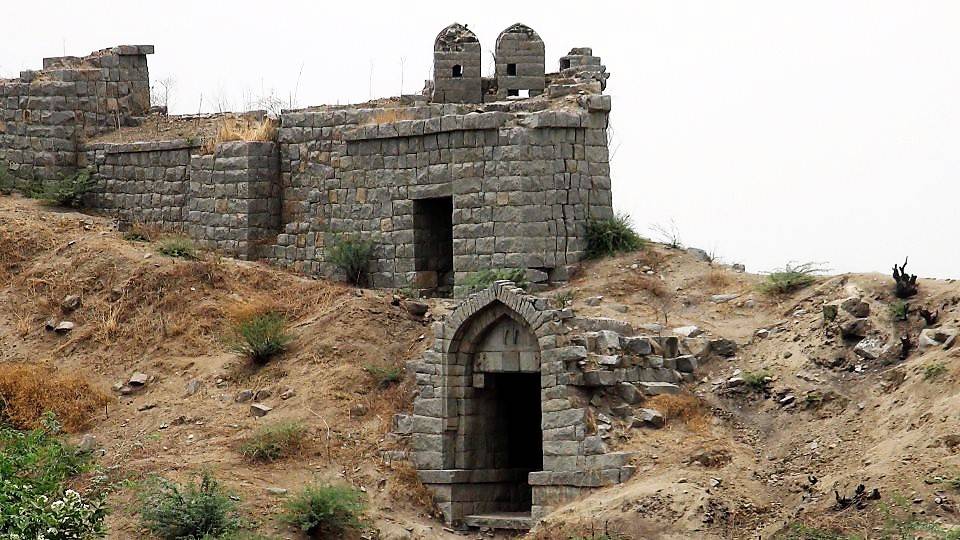
1. Raichur Fort and Core Monument Belt
Raichur Fort is the top attraction in the district and the strongest starting point for a heritage day. Historical references commonly place the major current fort phase in the Kakatiya period, with later modifications under subsequent Deccan powers. The fort area includes strong defensive walls, gates, old inscriptions, and religious structures that reflect multiple ruling eras.
Why Raichur Fort Matters
- One of the most important fortified sites in North Karnataka history.
- Architectural evidence of multi-dynasty control over the Doab region.
- Good city-overlook points from elevated fort sections.
- Useful anchor for understanding other nearby monuments.
Visit in the morning for better walking conditions and less heat. Carry water and avoid rushing through inscription and gateway sections, because that is where most historical detail is concentrated.
| Fort Segment | What to Observe | Best Visit Window |
|---|---|---|
| Main gateway zone | Masonry style, defensive entry design, inscriptions | Morning |
| Wall sections and bastions | Layered construction and military planning | Morning to late afternoon |
| Inner structures | Religious and civic traces from different periods | Midday with shade breaks |
2. Temples and Religious Sites in Raichur
Raichur's religious landscape reflects long-term continuity rather than isolated monument history. Temple sites in and around the fort zone, along with older shrines in surrounding settlements, add context to the region's cultural layering. If you are interested in temple-focused exploration, use temples in Raichur as a dedicated companion route.
Commonly Included Temple Stops
- Markandeshwara-linked fort-side references.
- Sugureshwara and nearby older shrine circuits.
- Traditional temple tanks and stepped water structures in older settlements.
These sites are best visited with modest dress, calm pacing, and local timing checks for puja hours. Many travelers underestimate temple distances when combining with fort exploration, so keep one flexible buffer block.
3. Islamic Architecture and Historic Tombs
Raichur also preserves important Islamic architectural traces, including mosque complexes and tomb structures associated with Deccan Sultanate-era influence. The city's heritage profile is strongest when this layer is explored alongside temple and fort history, not separately.
One of the best-known references is Ek Minar Mosque, which appears frequently in discussions about Raichur's built heritage. The wider old-city zone has additional mosque and dargah sites that show regional adaptation of Indo-Islamic forms, including arches, domes, and calligraphic elements.
How to Explore This Segment Better
- Start after fort visit and lunch break.
- Use local guidance for access timing at active prayer sites.
- Prioritize respectful photography and avoid crowding prayer areas.
- Combine with nearby bazaar movement for cultural continuity.
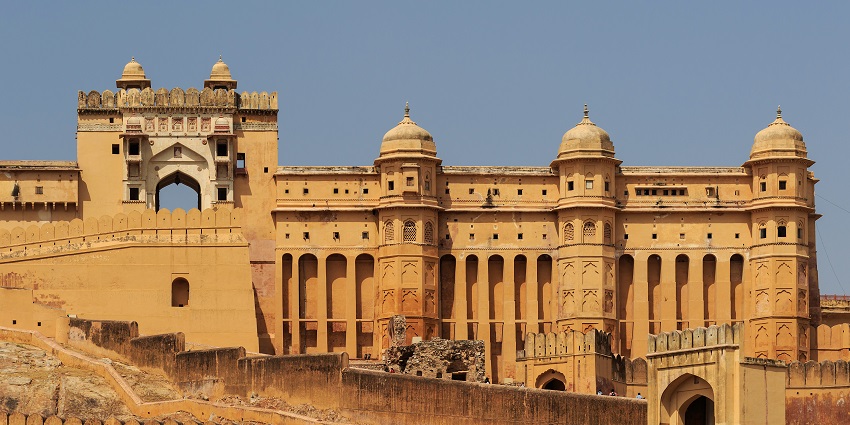
4. Anegundi and Vijayanagara Extension Planning
Many travelers use Raichur as a strategic base for wider heritage movement toward the Vijayanagara cultural region. Anegundi-side heritage references and Hampi corridor logic are often discussed in this context. If your trip extends beyond Raichur city, use Hampi travel guide to structure the second phase instead of attempting everything in one day.
The best approach is to keep day one for Raichur city heritage and day two for extension routes. This prevents fatigue and allows proper exploration at each stop.
- Day 1: Fort, religious sites, old city heritage belt.
- Day 2: Extension toward Hampi-Anegundi region based on transport mode.
This split gives a better historical narrative than fragmented short halts.
5. Rivers, Dams, and Landscape Context
Raichur's identity is strongly tied to the Krishna-Tungabhadra geography. Even if your focus is monuments, river context explains why this region remained strategically contested for centuries. Seasonal river belts, irrigation landscapes, and dam-linked movement patterns shape local travel routes even today.
Landscape Stops to Consider
- Krishna-side viewpoints in suitable weather windows.
- Tungabhadra corridor sections when planning regional drives.
- Selective dam-side and riverbank stops where access is safe and practical.
These are not always formal tourist complexes, so plan with realistic expectations and local advice.
6. Museums, Markets, and Cultural Stops
Raichur's museum and archive spaces may be modest compared to metro-city institutions, but they can add useful historical context through artifacts, inscriptions, and local records. Combine one museum-style stop with a traditional market walk for a balanced cultural block.
Market areas also give practical insight into contemporary Raichur beyond heritage narratives. For food and local recommendations, continue with Raichur food guide after monument hours.
7. Best Time to Visit Raichur
Weather is a major factor in Raichur sightseeing quality, especially for fort and open-structure exploration.
- October to March: best window for comfortable monument walks and full-day movement.
- April to June: very hot afternoons; plan only early morning and late evening blocks.
- July to September: mixed monsoon conditions; greenery improves but schedules need flexibility.
If you are planning long outdoor fort routes, winter and shoulder-season mornings are usually the most practical.
8. How to Reach Raichur and Local Transport
Raichur has reliable rail and road connectivity, which makes it accessible from major Deccan city corridors.
By Train
Raichur Junction is a practical option for travelers arriving from Karnataka, Telangana, and nearby interstate routes.
By Road
Road travel works well from Hyderabad, Koppal-Hampi side, and other regional hubs, depending your itinerary sequence and halt planning.
By Air
The nearest major airport options are through larger surrounding cities, followed by road or rail transfer into Raichur.
Within the City
- Auto-rickshaws and local cabs for short heritage movement.
- Private vehicle helpful for fort plus peripheral site combinations.
- Early starts recommended to avoid midday heat delays.
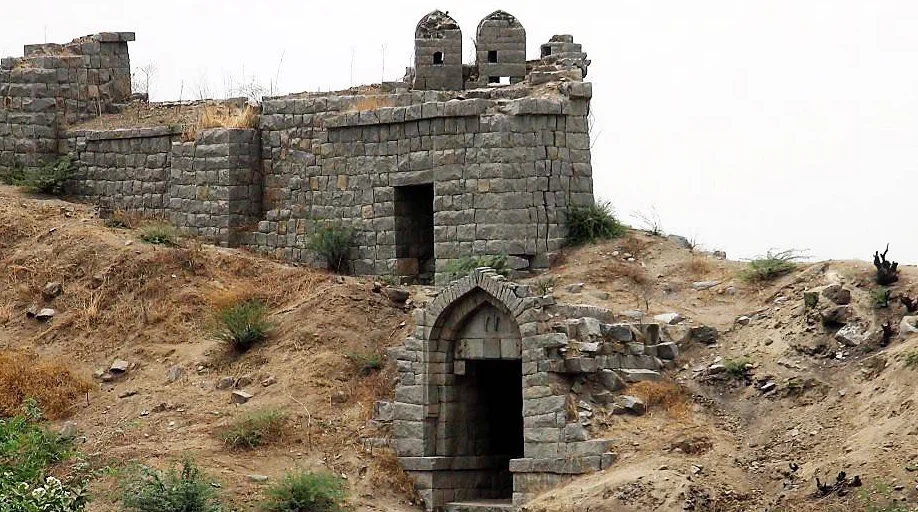
9. Suggested One-Day and Two-Day Itineraries
One-Day Core Route
- Morning: Raichur Fort and gateway-inscription sections.
- Midday: Temple and mosque heritage zone with lunch break.
- Evening: Market walk and local food route.
Two-Day Better Route
- Day 1: Full Raichur heritage city circuit.
- Day 2: Regional extension toward Hampi/Anegundi corridor.
Two days gives significantly better depth and less schedule pressure.
10. Travel Tips That Improve the Experience
- Start early for fort and open-site exploration.
- Carry sun protection and hydration year-round.
- Keep printed and digital map backups for older city lanes.
- Use local guides at major historical sites when available.
- Respect worship spaces and avoid intrusive photography.
- Do not overpack the itinerary with far-apart attractions.
If you want a wider Karnataka history circuit after Raichur, combine with places to visit in Bagalkot and historical places in India for route progression ideas.

11. Nearby Excursions from Raichur
If you have extra time, Raichur works well as a base for short regional heritage drives. The strongest extension is toward the Hampi-Vijayanagara belt, where you can move from Raichur's fortified Deccan history into one of South India's most significant imperial archaeological landscapes. This is best done as a separate day, not as an evening add-on after Raichur Fort.
Other nearby district routes can include religious and historical clusters depending road condition and your stay duration. Keep in mind that summer heat can reduce effective sightseeing hours, so early starts are important on all extension days.
12. Practical Planning Mistakes to Avoid
- Trying to cover Raichur city and Hampi-side extension in one rushed day.
- Starting fort exploration late and losing productive morning hours.
- Ignoring hydration and sun management in open monument zones.
- Skipping local route guidance for old-city heritage lanes.
- Treating heritage sites only as photo stops without historical context.
A better strategy is to keep one core heritage day and one optional extension day. This gives enough time for forts, religious architecture, market culture, and local food without itinerary fatigue.
13. Suggested Half-Day Heritage Walk Within Raichur City
If you have limited time, begin at Raichur Fort as soon as sites open, spend two focused hours on fort walls and inscriptions, then move to one temple-mosque heritage cluster before lunch. Keep the late afternoon for old-city lane walking and local snacks. This half-day pattern gives historical depth without exhausting transfers.
Final Take
The best places to visit in Raichur include its historic fort, temple-mosque heritage layers, old city architectural traces, and river-region context that shaped Deccan history. Plan with a route-first mindset, use cooler hours for major sites, and keep one extension day if you want to connect Raichur with the wider Vijayanagara circuit. With this approach, Raichur becomes a rewarding heritage destination rather than a quick transit stop.
Location
Frequently Asked Questions
Q1.What are the must-visit places in Raichur?
Q2.How many days are enough for Raichur?
Q3.Is Raichur worth visiting for history lovers?
Q4.What is Raichur famous for?
Q5.Can tourists visit Raichur Fort?
Q6.What is the best time to visit Raichur?
Q7.How do I reach Raichur from Hyderabad?
Q8.Are accommodations available in Raichur?
Recommended For You
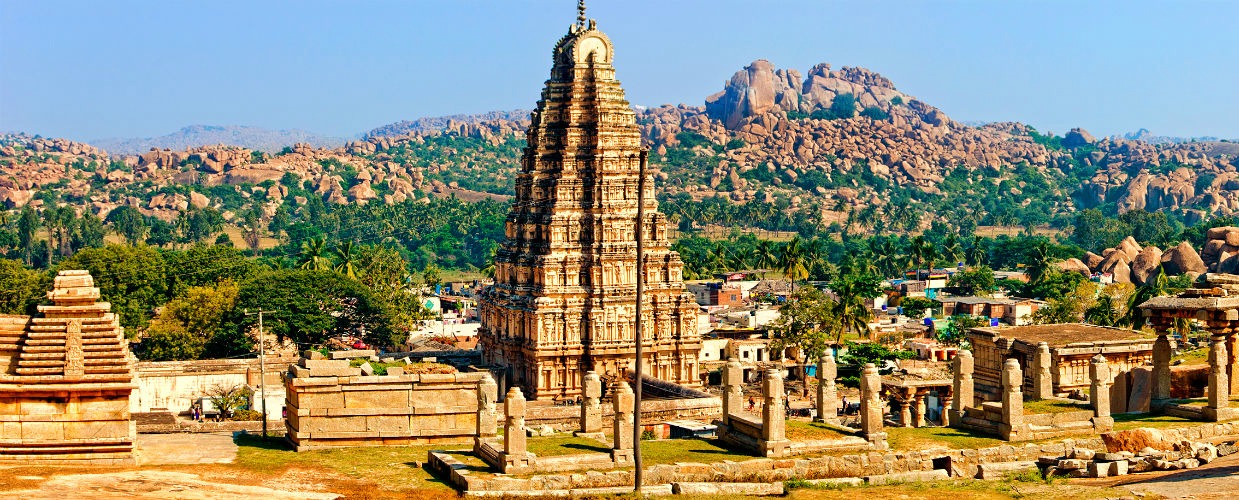
Hampi: Complete Travel Plan Temples And History
Complete Hampi travel guide featuring Vijayanagara ruins, Virupaksha Temple, Vittala Temple, Royal Enclosure, best time to visit & practical tips.
Historical Places in India: Top 50 Heritage Sites
Plan historical places in India with region-wise strategy, realistic daily circuits, and practical heritage travel tips.
Places to Visit in Bagalkot: Karnataka Heritage
Best places to visit in Bagalkot Karnataka. Badami caves, Pattadakal temples, Aihole & more. Complete travel guide.
Never Miss an Adventure
Get the latest trekking guides, travel tips, and exclusive offers delivered straight to your inbox.
