
Famous Landmarks in Raichur: Fort, Temples & Heritage Sites
Rohit Verma
February 20, 2026
Explore famous landmarks in Raichur: historic fort, ancient temples, mosques, Battle of Raichur site, timings, best time to visit & travel tips.
Discover Raichur's Historical Treasures
Nestled between the Krishna and Tungabhadra rivers in northern Karnataka, Raichur is a city that breathes history. This ancient city, with a legacy spanning over 2,000 years, has been a coveted prize for empires due to its strategic location in the fertile Raichur Doab. From the mighty Raichur Fort that witnessed the historic Battle of Raichur to exquisite temples showcasing Indo-Islamic architecture, the city offers a treasure trove of landmarks for history enthusiasts and curious travelers.
Raichur's landmarks tell stories of dynasties that ruled the Deccan – the Chalukyas, Kakatiyas, Vijayanagara Empire, Bahmani Sultanate, and the Mughals. Each left an indelible mark on the city's architectural landscape, creating a unique fusion of styles that makes Raichur's heritage truly distinctive. Whether you're a history buff, architecture enthusiast, or simply someone who appreciates ancient wonders, Raichur's landmarks offer a fascinating journey through time.
This comprehensive guide explores Raichur's most famous landmarks, including the imposing fort, historic mosques, ancient temples, and practical travel information to help you plan your visit to this often-overlooked gem of Karnataka's heritage circuit.
Raichur Fort: The Crown Jewel
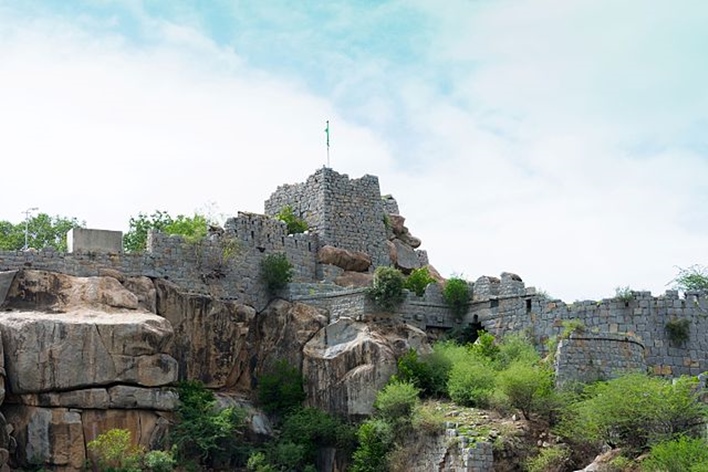
The Raichur Fort stands as the city's most iconic landmark and one of Karnataka's most impressive fortifications. Built on a hillock overlooking the confluence of the Krishna and Tungabhadra rivers, this massive fort has witnessed some of the most significant battles in South Indian history.
Historical Significance
Raichur Fort's origins trace back to the Chalukya dynasty in the 12th century, though it was extensively fortified and expanded by subsequent rulers. The fort gained eternal fame during the Battle of Raichur in 1520, one of the most decisive conflicts in medieval South India. This epic battle pitted the Vijayanagara Empire, led by the illustrious Krishnadevaraya, against the Bahmani Sultanate (which had by then split into five Deccan sultanates).
The Vijayanagara forces emerged victorious after a fierce battle, but the conflict demonstrated the growing military power of the Deccan sultanates. Portuguese travelers who witnessed the battle wrote vivid accounts of the massive armies, innovative artillery use, and the tactical brilliance on display. This battle is often considered a turning point that eventually led to the decline of the Vijayanagara Empire.
Architectural Features
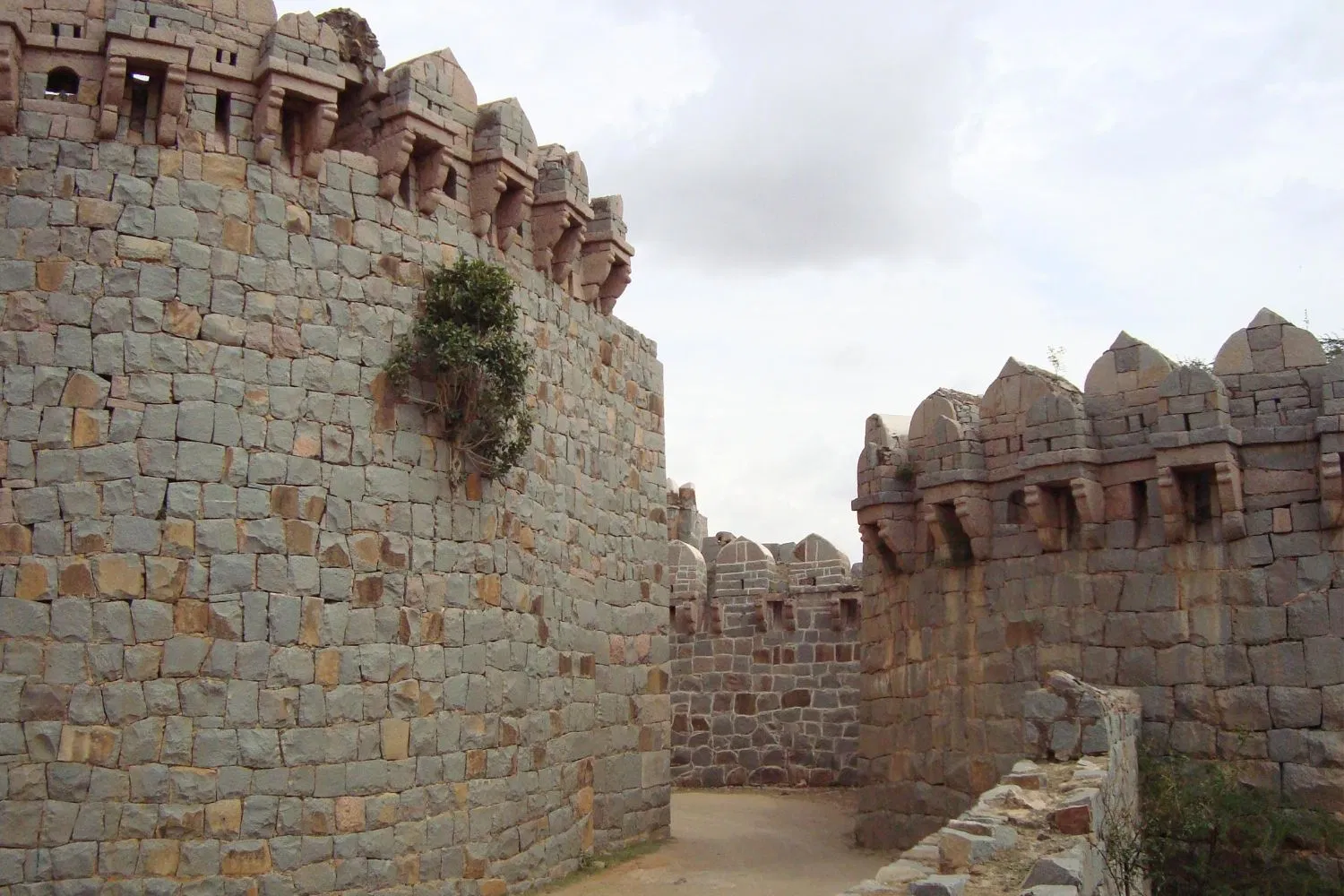
The fort's architecture showcases a brilliant blend of Hindu and Islamic styles. The fortification walls stretch for approximately 2 miles, with massive bastions at regular intervals. The fort had originally 52 bastions, though many have fallen to ruins over the centuries. The walls, constructed using huge stone blocks without any binding mortar, have withstood the test of time and nature.
Two main gateways provide access to the fort – the Navapura Darwaza (western gate) and the Sailani Darwaza (eastern gate). The eastern gate features beautiful arches and calligraphic inscriptions, while the western gate is known for its imposing structure. The fort's design incorporated advanced military architecture including:
- Massive fortification walls up to 30 feet high in some sections
- Strategic bastions for mounting cannons and defense
- Deep moats that once provided additional protection
- Underwater tunnels connected to the river for escape routes
- Water reservoirs to withstand long sieges
Key Attractions Within the Fort
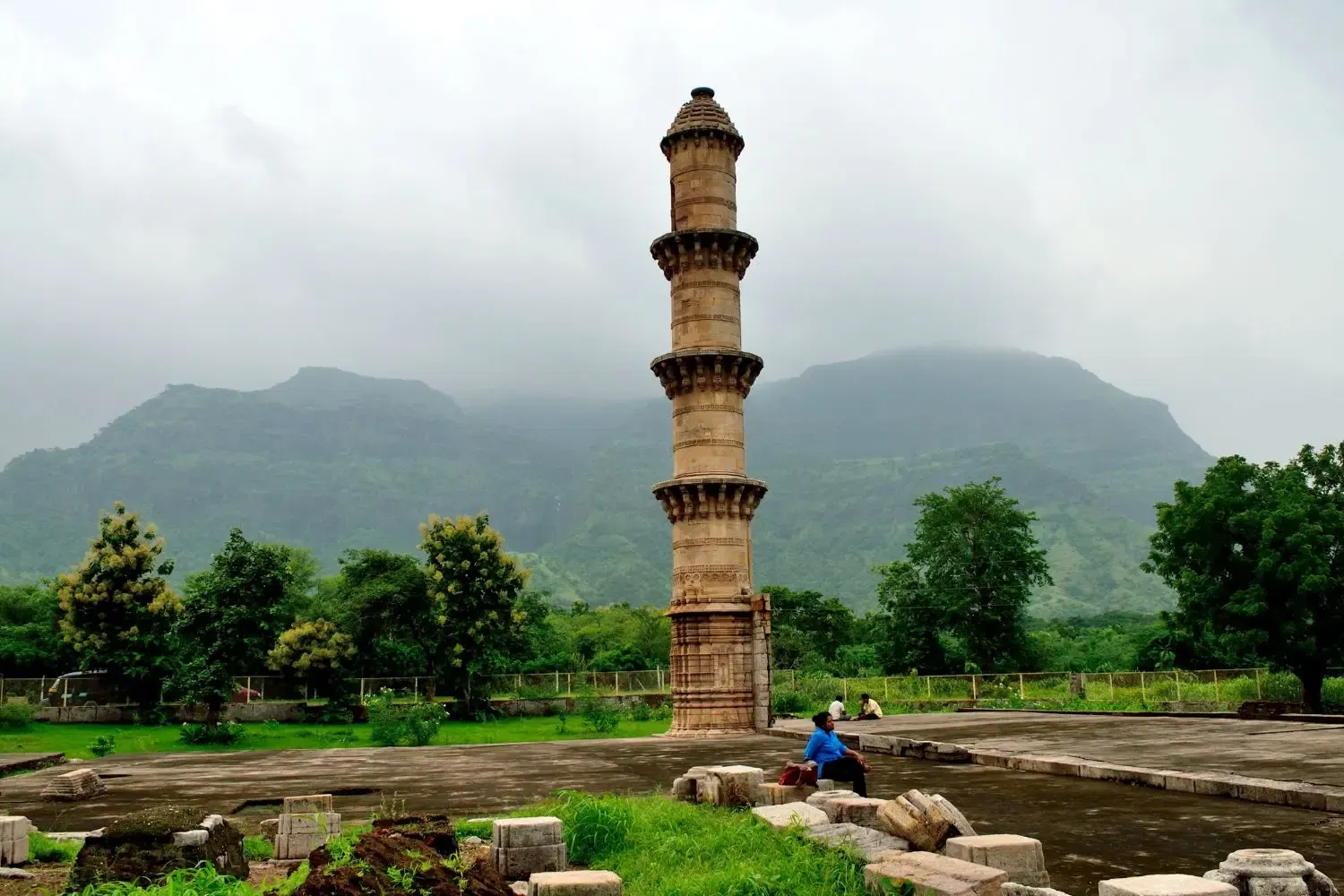
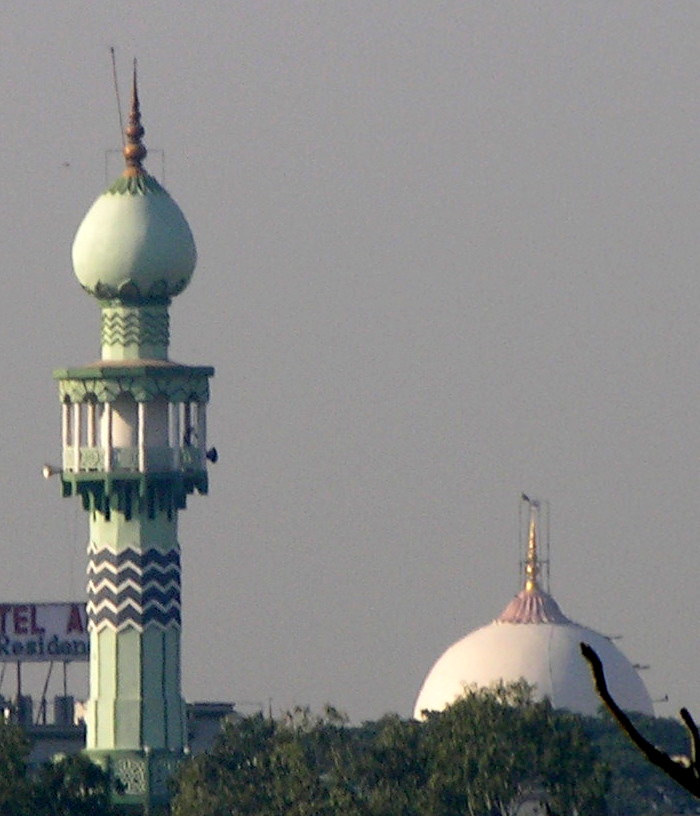
The Ek Minar ki Masjid (One-Minaret Mosque) is the most prominent structure within the fort complex. This elegant mosque, built during the Bahmani period, features a single towering minaret and beautiful arches. The mosque's architecture reflects Persian influences with its distinct arches and the towering minaret that offers panoramic views of the surrounding area.
The Jama Masjid within the fort is another significant structure, known for its elegant prayer hall and peaceful courtyard. Built during the Adil Shahi period of Bijapur, this mosque showcases the transition from early Islamic architecture to more refined styles that developed under the Deccan sultanates.
Scattered throughout the fort complex are several ancient temples in various states of preservation. These temples, some dating back to the Chalukya period, feature intricate carvings and classic Dravidian architectural elements. The juxtaposition of mosques and temples within the same fort complex beautifully illustrates Raichur's syncretic cultural heritage.
The Battle of Raichur Memorial
Visitors can explore the various vantage points within the fort where the Battle of Raichur unfolded. The fort's elevated position offers stunning views of the surrounding plains where the armies clashed. Information plaques provide context about the battle's significance in Indian history. Standing on these battlements, one can almost imagine the thunder of cannons, the war elephants, and the thousands of soldiers who fought here five centuries ago.
Exploring the Fort Today
The fort is open to visitors throughout the year. The best time to explore is during the golden hours – early morning or late afternoon when the soft light illuminates the stone structures beautifully. The fort covers a large area, so be prepared for considerable walking. Comfortable shoes are essential, especially as some pathways are uneven and strewn with ancient stones.
The Archaeological Survey of India maintains the fort and has been working on conservation. There are basic facilities for visitors including drinking water and rest areas. Local guides are available at the entrance and are highly recommended for understanding the fort's rich history and architectural significance.
Historic Mosques: Islamic Architectural Heritage
Raichur's mosques represent some of the finest examples of Islamic architecture in the Deccan region. These structures, built during various periods of Islamic rule, showcase the evolution of architectural styles and the cultural synthesis that characterized medieval Karnataka.
Ek Minar ki Masjid
As mentioned earlier, the Ek Minar ki Masjid (Mosque of the Single Minaret) is Raichur's most iconic Islamic structure. Built during the Bahmani period in the 15th century, this mosque gets its name from its solitary, towering minaret. The mosque features a beautiful prayer hall with multiple arches and a serene courtyard.
What makes this mosque architecturally significant is its fusion of Persian and Indian elements. The arches show distinct Persian influences, while the construction techniques and decorative elements reflect local traditions. The minaret, which can be climbed (with caution and permission), offers breathtaking views of Raichur and the surrounding countryside.
Jama Masjid
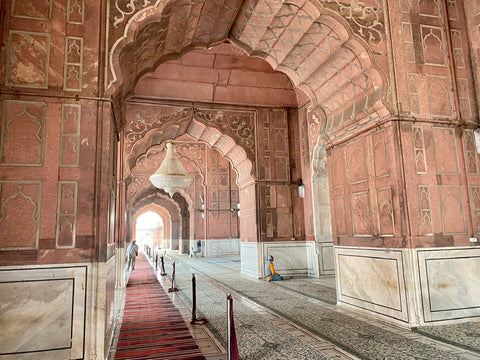
The Jama Masjid (Friday Mosque) in Raichur is another important Islamic landmark. Built later than Ek Minar ki Masjid, during the Adil Shahi period, this mosque represents a more developed style of Deccan Islamic architecture. The mosque features a large prayer hall, an open courtyard, and elegant domes.
The mosque's interior features beautiful calligraphic inscriptions from the Quran, geometric patterns, and intricate stucco work. The peaceful ambiance within the mosque provides a stark contrast to the bustling city outside. This mosque continues to be an active place of worship, so visitors should be respectful during prayer times.
Other Islamic Structures
Scattered throughout Raichur are several smaller mosques and tombs that date to various periods of Islamic rule. These structures, while less grand than the main mosques, offer insights into the evolution of Islamic architecture in the region. The Sailani Tombs, dedicated to Sufi saints, attract devotees from all faiths and showcase the syncretic culture that characterized Raichur.
The calligraphy and decorative elements in these mosques provide valuable insights into the artistic traditions of the period. Many inscriptions mention the rulers who commissioned these structures, the dates of construction, and sometimes verses from the Quran or Persian poetry.
Ancient Temples: Hindu Heritage
While Raichur is often associated with its Islamic monuments, the city and its surrounding areas house several significant Hindu temples. These temples, some dating back over a thousand years, represent various South Indian architectural styles and are important centers of worship and pilgrimage.
Ranganatha Temple
The Ranganatha Temple in Raichur is dedicated to Lord Vishnu in his reclining form (Ranganatha). This temple, though not as large as some of the famous temples in South India, is architecturally significant and features beautiful carvings depicting scenes from Hindu mythology. The temple's sanctum sanctorum houses an impressive idol of Lord Ranganatha.
The temple complex includes smaller shrines dedicated to other deities, a hall for rituals, and a temple tank. The architecture follows the classic Dravidian style with a towering gopuram (entrance tower) at the entrance. During festivals, especially Vaikunta Ekadashi, the temple attracts large numbers of devotees.
Markandeshwara Temple
The Markandeshwara Temple, dedicated to Lord Shiva, is another important Hindu religious site in Raichur. This ancient temple is believed to have been built during the Chalukya period, though subsequent additions and renovations have added layers to its architecture.
The temple features intricate stone carvings, including depictions of various forms of Lord Shiva, celestial beings, and mythological scenes. The shikhara (spire) of the temple is particularly noteworthy for its architectural elegance. The temple tank, known as the Markandeshwara pushkarini, is considered sacred and devotees take ritual baths here during festivals.

Anegundi Temples
Located just across the Tungabhadra River from Raichur (now part of Koppal district), Anegundi is believed to be part of the legendary Kishkindha, the monkey kingdom from the Ramayana epic. This area contains numerous ancient temples that are worth exploring as part of a Raichur heritage tour.
Notable temples in and around Anegundi include:
- Anjaneya Hill Temple – Dedicated to Lord Hanuman, located atop a hill with panoramic views
- Nava Brindavana – Samadhi (final resting place) of nine Madhva saints on an island in the Tungabhadra River
- Pampa Sarovar – A sacred lake believed to be where Shabari (from Ramayana) lived
- Old Shiva Temple – Features beautiful carvings from the Vijayanagara period
These temples are not just religious sites but also architectural treasures that provide insights into the evolution of temple architecture in the Deccan region.
Other Notable Landmarks
Beyond the fort, mosques, and temples, Raichur has several other landmarks that contribute to its rich heritage tapestry.
Raichur Thermal Power Station Viewpoint
While not a historical monument, the Raichur Thermal Power Station (RTPS) is an engineering landmark visible from various points in the city. For those interested in modern industrial architecture, the power station's massive cooling towers against the backdrop of Raichur's historical structures create an interesting contrast between ancient and modern India.
Hatti Gold Mines
Located approximately 90 kilometers from Raichur city, the Hatti Gold Mines are one of India's oldest and most significant gold mining operations. While the mines themselves are not open to casual tourists, the area around Hatti has an interesting mining landscape and history. The mines have been in operation since ancient times and are mentioned in historical records.
Visitors interested in mining history can explore the area (with proper permissions) and learn about India's gold mining heritage. The contrast between ancient gold mining techniques and modern operations provides fascinating insights into how technology has evolved over millennia.
Tungabhadra Riverfront
The Tungabhadra River is a lifeline for Raichur district, and the riverfront areas offer beautiful landscapes and opportunities for relaxation. The confluence of the Krishna and Tungabhadra rivers, visible from certain points in Raichur Fort, is considered sacred in Hindu tradition.
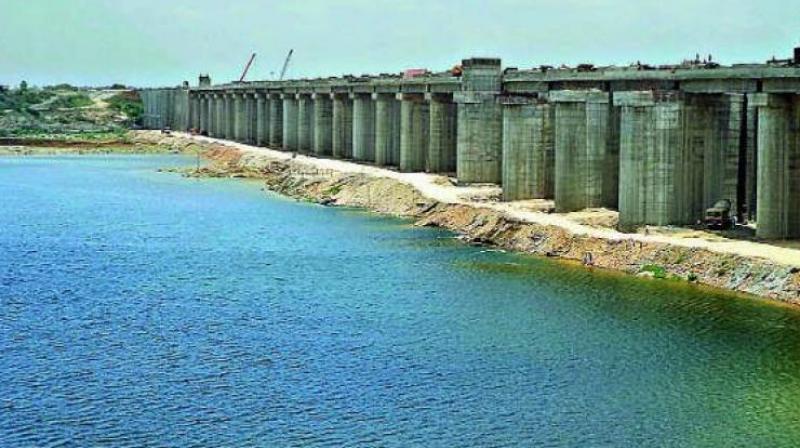
The riverfront areas, especially during sunset, offer beautiful photographic opportunities. The ghats (river steps) are used for religious rituals and provide a glimpse into the daily life and cultural practices of the local people.
Bichali Tombs
Located near Raichur, the Bichali Tombs are the final resting places of Sufi saints who played important roles in the region's spiritual history. These tombs, set in peaceful surroundings, attract devotees seeking blessings. The architecture of these tombs reflects the Indo-Islamic style that developed in the Deccan region.
Museums and Cultural Sites
For those interested in delving deeper into Raichur's history, the city offers several opportunities to learn about its rich heritage.
Raichur Fort Museum
Located within the Raichur Fort complex, the small fort museum houses a collection of artifacts discovered during excavations in and around Raichur. The collection includes:
- Ancient inscriptions in Kannada, Sanskrit, Persian, and Arabic
- Sculptures and figurines from various historical periods
- Coins and currency used by different dynasties
- Weapons and artillery from the medieval period
- Photographs and maps showing Raichur's history
The museum, while modest in size, provides excellent context for understanding the historical significance of Raichur's landmarks. The exhibits are well-labeled, and the museum staff can provide additional information about the artifacts.
Best Time to Visit Raichur
The timing of your visit can significantly impact your experience exploring Raichur's landmarks. The region experiences a semi-arid climate with three distinct seasons:
Winter Season (October to February) – Highly Recommended
October to February is the ideal time to visit Raichur. The weather is pleasant with daytime temperatures ranging from 15°C to 30°C, making it comfortable for outdoor exploration. The cooler temperatures are especially important when visiting Raichur Fort, as there's considerable walking involved and the stone structures can get quite hot.
November and December are particularly pleasant, with clear skies and comfortable temperatures throughout the day. The winter light is also excellent for photography, with the golden hour creating beautiful effects on the ancient stone structures.
Summer Season (March to June) – Avoid
Summer in Raichur is extremely hot, with daytime temperatures often exceeding 40°C and sometimes reaching 45°C. The intense heat makes outdoor exploration difficult and potentially dangerous. The stone structures absorb heat, making the fort and monuments particularly hot.
If you must visit in summer, plan very early morning visits (starting at 6 AM) and explore indoor museums during the peak heat hours (11 AM to 4 PM). Stay hydrated, wear sun protection, and limit your time outdoors.
Monsoon Season (July to September) – Mixed Experience
The monsoon brings moderate rainfall to Raichur, transforming the landscape around the city. The area becomes lush and green, creating beautiful contrasts with the ancient stone monuments. However, rainfall can make exploration challenging:
- Slippery pathways within the fort and temple complexes
- High humidity makes it feel hotter than actual temperatures
- Possible road closures due to flooding in low-lying areas
On the positive side, the monsoon season sees fewer tourists, so you can explore landmarks at your own pace. The rain-washed monuments take on a special beauty, and photography enthusiasts will appreciate the dramatic skies and fresh colors.
How to Reach Raichur
Raichur is well-connected to major cities in South India by road, rail, and air. Here's how to reach this historic city:
By Air
The nearest airports to Raichur are:
- Hyderabad Rajiv Gandhi International Airport – Approximately 200 km away (4-5 hours by road)
- Kempegowda International Airport, Bangalore – Approximately 400 km away (7-8 hours by road)
- Jindal Vijaynagar Airport, Bellary – Approximately 150 km away (3-4 hours by road), though this is a smaller airport with limited flights
Hyderabad airport is the most convenient option with better connectivity to major Indian cities and international destinations. From Hyderabad, you can hire a taxi or take a bus to Raichur.
By Train
Raichur Railway Station is a major junction on the Guntakal-Secunderabad line and is well-connected to major cities:
- From Hyderabad – Multiple trains available, journey time approximately 4-5 hours
- From Bangalore – Direct trains available, journey time approximately 8-10 hours
- From Mumbai – Connecting trains via Solapur or Hyderabad, journey time approximately 12-14 hours
- From Chennai – Connecting trains via Bangalore or Guntakal, journey time approximately 10-12 hours
Raichur railway station is located in the heart of the city, making it convenient to reach hotels and tourist attractions from there.
By Road
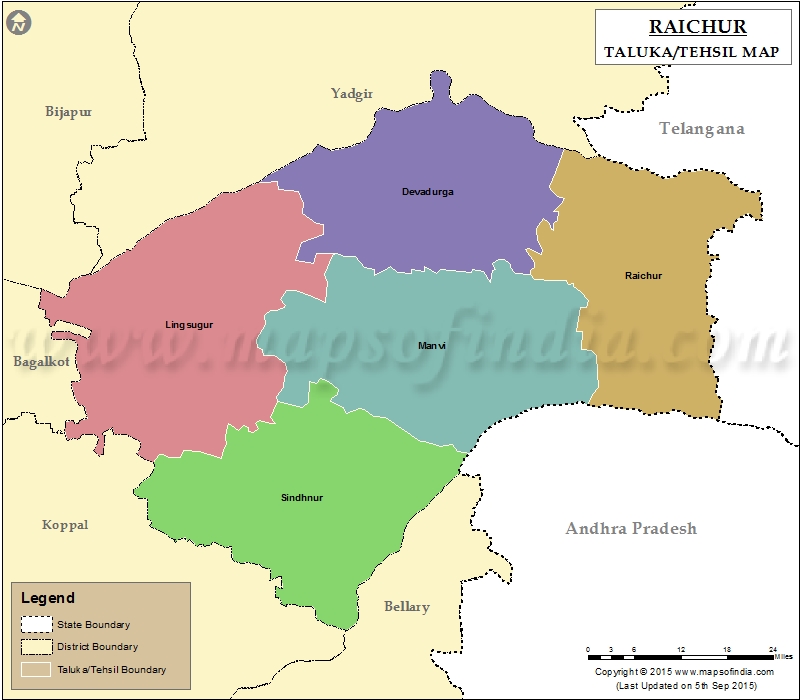
Raichur is well-connected by road networks. National Highway 150A passes through Raichur, connecting it to major cities:
- From Hyderabad – Approximately 200 km via NH 44, journey time 4-5 hours
- From Bangalore – Approximately 400 km via NH 150, journey time 7-8 hours
- From Hampi – Approximately 140 km, journey time 3-4 hours
- From Gulbarga (Kalaburagi) – Approximately 100 km, journey time 2-3 hours
State-run buses (KSRTC) and private operators operate regular bus services to Raichur from these cities. Hiring a private taxi or driving your own vehicle gives you flexibility to explore Raichur and nearby attractions at your own pace.
Getting Around Raichur
Once in Raichur, you have several options for getting around the city:
- Auto-rickshaws – Readily available and inexpensive for short distances
- Taxis – Can be hired for full-day sightseeing; negotiate rates beforehand
- App-based cabs – Uber and other services operate in Raichur, though availability may be limited
- Self-driving – Rental cars are available; recommended for maximum flexibility
- City buses – KSRTC operates city buses, but they may not be convenient for tourists
For exploring Raichur Fort and other landmarks, hiring a taxi for the day is often the most convenient option. This allows you to carry water, snacks, and photography equipment easily, and gives you the flexibility to spend more time at places that interest you.
Where to Stay in Raichur
Raichur offers accommodation options to suit various budgets:
- Luxury hotels – Limited options, though some business hotels offer comfortable rooms with modern amenities
- Mid-range hotels – Several good options near the city center and railway station
- Budget hotels and guesthouses – Abundant options, especially near the bus stand and railway station
- Heritage properties – Few options, though the experience of staying in a converted heritage building can be special
For heritage tourists, staying in well-located hotels near Raichur Fort allows easy access to the main attractions. Check recent reviews before booking, as quality can vary significantly.
Suggested Itinerary for Raichur
One-Day Itinerary
Morning (6:00 AM – 11:00 AM) – Explore Raichur Fort during the cool morning hours. Start with Ek Minar ki Masjid, then walk along the fortification walls, visit the Jama Masjid, and explore the various temples within the fort. Don't miss the fort museum for historical context.
Midday (11:00 AM – 4:00 PM) – Break for lunch at a local restaurant. During the hottest part of the day, visit indoor attractions or rest at your hotel. If you're visiting during pleasant weather, you could continue exploring.
Afternoon (4:00 PM – 7:00 PM) – Visit the Ranganatha Temple and Markandeshwara Temple. Head to the Tungabhadra riverfront for sunset views and photography. End the day with a traditional Karnataka dinner.
Two-Day Itinerary
Day 1 – Follow the one-day itinerary, focusing on Raichur Fort and the main temples within the city.
Day 2 – Take a day trip to Anegundi to explore the ancient temples there, visit the Nava Brindavana, and see the Pampa Sarovar. Alternatively, visit the Hatti Gold Mines area (with proper permissions) to learn about gold mining history.
Extended Heritage Circuit
For heritage enthusiasts, Raichur can be combined with other historical sites in North Karnataka:
- Raichur + Gulbarga – Visit the magnificent Gulbarga Fort and Jama Masjid (2-3 days total)
- Raichur + Bidar – Combine with the impressive Bidar Fort and Bahmani tombs (3-4 days total)
- Deccan Circuit – Raichur + Gulbarga + Bidar + Basavakalyan (5-7 days)
- Vijayanagara Circuit – Raichur + Hampi + Anegundi (4-5 days)
Practical Tips for Visiting Raichur
What to Carry
- Comfortable walking shoes with non-slip soles – Essential for exploring the fort and temples
- Sun protection – Hat, sunglasses, and sunscreen (especially in summer)
- Water bottle – Stay hydrated, particularly during summer exploration
- Camera – Raichur's landmarks offer excellent photography opportunities
- Flashlight – Helpful for exploring darker areas within the fort
- First aid kit – Basic supplies for cuts, scrapes, or headaches
Dress Code
- At religious sites – Dress modestly, covering shoulders and knees
- At mosques – Remove shoes before entering prayer halls; women may need to cover their heads
- At temples – Remove shoes before entering; leather items typically not allowed in sanctum areas
- At the fort – Comfortable, modest clothing is appropriate
Photography Guidelines
- General photography – Allowed at most outdoor monuments
- Inside mosques – Generally allowed, but avoid photographing people praying
- Inside temples – Usually allowed in outer areas; check before photographing inside sanctum
- Drone photography – Requires special permissions from authorities
- Respect signage – Some areas may prohibit photography for security or religious reasons
Hiring a Guide
Hiring a local guide is highly recommended for Raichur Fort and the main temples. A good guide can bring the monuments to life with stories, historical context, and architectural insights that you would otherwise miss. Guides are available at:
- Raichur Fort entrance
- Main temples
- Through your hotel
Guide fees typically range from ₹500 to ₹1500 for half-day tours, depending on their expertise and the sites covered. Always negotiate rates beforehand and ensure your guide is officially licensed or recommended by reliable sources.
Food and Dining
Raichur offers authentic Karnataka cuisine and some Hyderabadi influences due to its proximity to Hyderabad:
- Must-try dishes – Jolada roti (sorghum roti), Bisi bele bath, Enne badnekayi (brinjal curry)
- Local restaurants – Try the local dhabas and messes for authentic home-style cooking
- Hyderabadi influence – Biryani and other Hyderabadi dishes are available
- Vegetarian options – Widely available, especially near temples
For specific recommendations on places to eat in Raichur, check out our detailed food guide.
Nearby Attractions
If you have extra time, consider visiting these attractions near Raichur:
Gulbarga (Kalaburagi)
Located approximately 100 km from Raichur, Gulbarga is home to the impressive Gulbarga Fort with its unique Jama Masjid. The city also houses the Sharana Basaveshwara Temple and Khwaja Bande Nawaz Dargah, making it an important center for both Hindu and Islamic pilgrimage.
Bidar
About 150 km from Raichur, Bidar boasts the magnificent Bidar Fort, one of the largest forts in India. The city is also known for the Bahmani Tombs, Solah Khamba Mosque, and Bidriware crafts.
Hampi
Though slightly farther at approximately 140 km, Hampi is a UNESCO World Heritage Site and absolutely worth visiting. The ruins of the Vijayanagara Empire are stunning and provide context for understanding the historical significance of Raichur.
Mantralaya
Located approximately 120 km from Raichur, Mantralaya is an important pilgrimage center for Madhva Vaishnavas. It houses the samadhi of Sri Raghavendra Swami, a 17th-century saint.
Cultural Significance of Raichur
Raichur's landmarks are more than just historical monuments – they're repositories of cultural memory and living heritage. The city's unique position at the crossroads of empires created a syncretic culture where Hindu and Islamic traditions blended to create something unique.
The Raichur Doab (the fertile region between the Krishna and Tungabhadra rivers) has been agriculturally prosperous for millennia, supporting successive civilizations. This agricultural wealth made Raichur a coveted prize, leading to the famous battles and the impressive fortifications built to protect it.
The coexistence of temples and mosques within the fort complex reflects a period of relative religious tolerance, at least in architectural terms. The styles of buildings show how artisans from different traditions learned from each other, creating the distinctive Deccan style of architecture that can't be found elsewhere.
Preservation and Conservation
The Archaeological Survey of India (ASI) and the Karnataka State Archaeology Department are responsible for maintaining Raichur's heritage sites. Conservation efforts include:
- Structural repairs to fort walls and monuments
- Cleaning and restoration of sculptures and carvings
- Landscaping around monuments
- Visitor management to prevent damage
- Documentation of monuments and artifacts
However, conservation challenges remain, including weathering, pollution, and the pressures of urbanization. Visitors can contribute to preservation by respecting monuments, not touching carvings or paintings, and following guidelines.
Conclusion: Raichur's Timeless Appeal
Raichur's landmarks offer a unique window into India's rich historical tapestry. From the imposing fort that witnessed one of South India's most significant battles to the serene mosques and ancient temples that showcase architectural brilliance, Raichur deserves more attention from heritage tourists than it typically receives.
What makes Raichur special is not just the individual monuments but the story they tell together – a story of empires rising and falling, cultures meeting and merging, and human creativity expressed in stone and mortar. The city's landmarks represent the best of the Deccan's syncretic culture, where Hindu and Islamic traditions created something beautiful and unique.
For travelers exploring Karnataka's heritage circuit, Raichur offers an authentic, less-crowded alternative to more famous destinations. The monuments here may not be as grand as Hampi's ruins or as perfectly preserved as some Mysore's palaces, but they have a raw, unpolished charm that connects you directly to the past.
Whether you're a serious history enthusiast, a casual tourist interested in culture, or someone who appreciates good architecture, Raichur's landmarks will reward your visit with insights, beauty, and stories that will stay with you long after you've returned home. So the next time you're planning a heritage tour of Karnataka, give Raichur the time it deserves – you won't be disappointed.
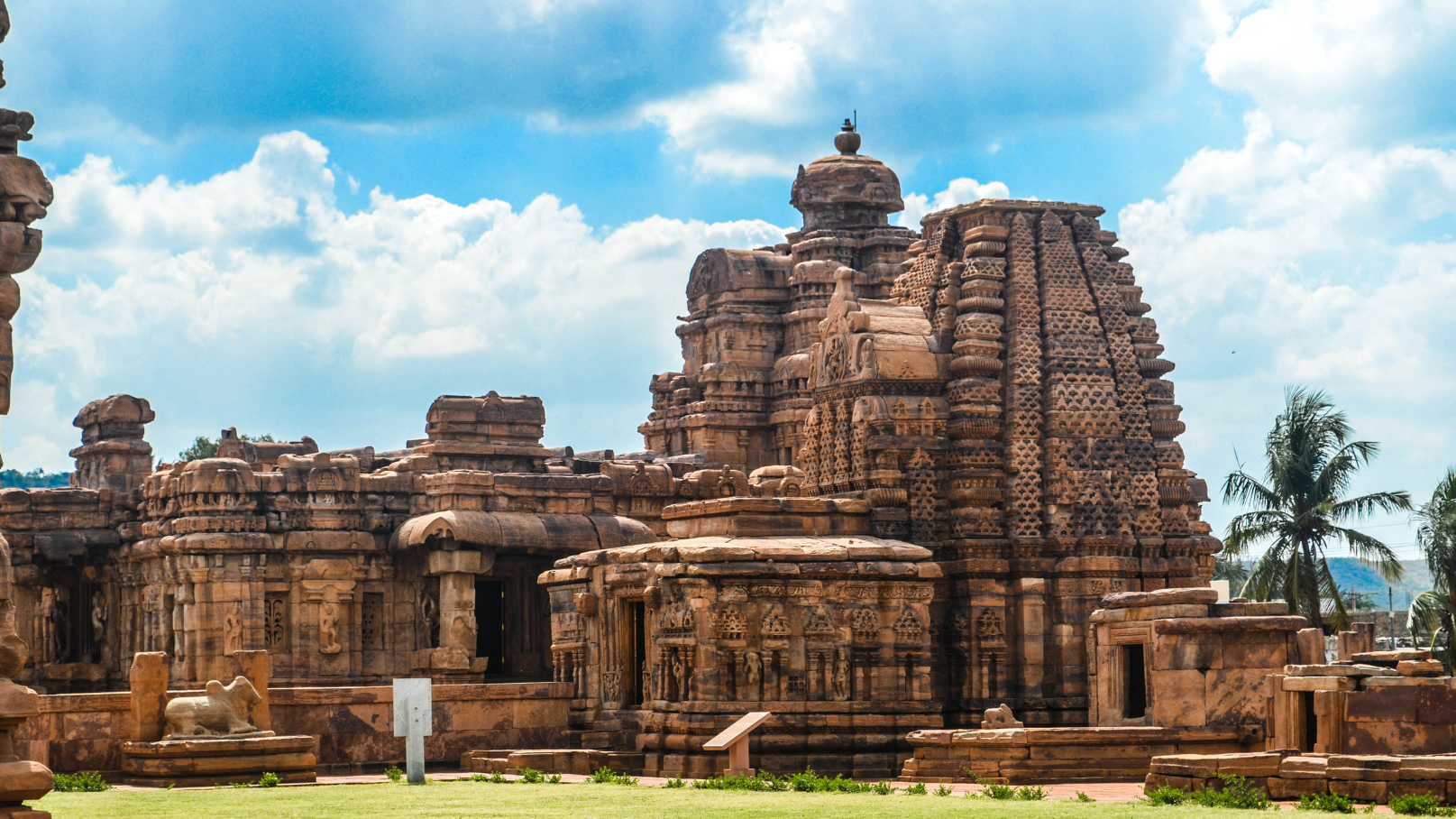
Combine your Raichur visit with Aihole, Badami, and Pattadakal for a complete experience of Karnataka's ancient architectural heritage. These sites, along with Raichur, tell the complete story of the Deccan's historical and cultural evolution.
Location
Frequently Asked Questions
Q1.What are the famous landmarks in Raichur?
Q2.What is Raichur famous for?
Q3.What happened in the Battle of Raichur?
Q4.What is the best time to visit Raichur?
Q5.How do I reach Raichur?
Q6.What are Raichur Fort timings?
Q7.Who built Raichur Fort?
Q8.What are the temples to visit in Raichur?
Q9.Is Raichur worth visiting?
Q10.What is the Raichur Doab?
Recommended For You
Aihole Temples: Cradle of Chalukya Architecture
Visit Aihole temples, the cradle of Chalukya architecture. Discover 125+ ancient temples, Durga Temple, history & travel guide.
Places to Visit in Raichur: Heritage Sites, Temples & Local Attractions
Explore top places to visit in Raichur with a practical heritage route covering Raichur Fort, religious sites, old-city architecture, and nearby extensions.

Best Hotels in Raichur: Top Rated Stays
Find the best hotels in Raichur with area-wise stay advice, budget-to-premium comparison, and practical booking tips for families and transit travelers.
Never Miss an Adventure
Get the latest trekking guides, travel tips, and exclusive offers delivered straight to your inbox.
