
Travel
Places to Visit Tabo Village Spiti Valley

Neha Kapoor
December 18, 2025
8 min read3,873 views
Explore Tabo Village in Spiti Valley. Ancient Tabo Monastery, caves, and Himalayan beauty. Complete travel guide to the Ajanta of the Himalayas.
Introduction: The Ajanta of the Himalayas
Tabo Village in Spiti Valley is home to one of the oldest continuously operating Buddhist centers in the world. Often called the "Ajanta of the Himalayas" for its stunning wall paintings, Tabo Monastery was founded in 996 AD and remains a spiritual and cultural treasure. Located at 3,280 meters in the Spiti Valley of Himachal Pradesh, Tabo offers a unique blend of ancient art, spiritual serenity, and dramatic Himalayan landscapes. The village's location on the ancient trade route between India and Tibet gave it historical significance as a center for Buddhist learning. For those planning a Spiti road trip, check out our guide on Spiti Valley road trip. And if you want to explore other Buddhist sites in the region, Key Monastery is another must-visit destination.Tabo Monastery: Ancient Art Center
The Tabo Monastery complex is the main attraction and one of India's most important Buddhist sites. Founded in 996 AD by the great translator Lotsawa Rinchen Zangpo, the monastery has preserved ancient art and culture for over a thousand years. The Main Temple (Tsuglhakhang) The main temple, the oldest structure in the complex, features beautiful wall paintings depicting the life of Buddha, various mandalas, and Buddhist deities. The paintings, dating back to the 10th-11th centuries, are incredibly well-preserved due to the dry Spiti climate. The temple's interior creates a mystical atmosphere with butter lamps illuminating the ancient paintings. The central statue of Vairocana Buddha is surrounded by elaborate paintings and statues. The murals showcase a unique artistic style blending Indian and Tibetan influences. Assembly Hall (Du-Khang) The Assembly Hall serves as the main prayer hall where monks gather for daily rituals and ceremonies. The hall features beautiful paintings of guardian deities and Buddhist masters. Visitors are welcome to observe prayer ceremonies but should maintain silence and respect the sacred atmosphere. The chanting of monks in this ancient hall creates a spiritual experience unlike any other. Temples of Enlightened Gods The monastery complex includes nine temples, each dedicated to different Buddhist deities and aspects of Buddhist philosophy. The temples feature different architectural styles and artistic periods spanning over a millennium. The Ser-khang temple is famous for its beautiful paintings. The Zmal-khang temple features a large stupa and stunning artwork. Each temple offers unique insights into Buddhist art, architecture, and philosophy.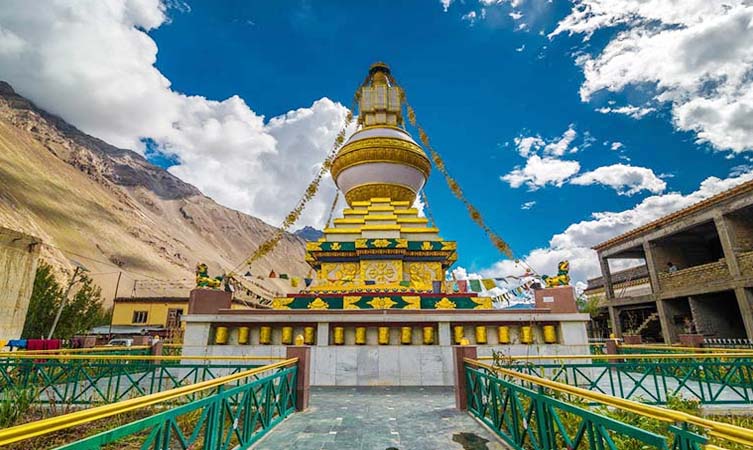 The Golden Stupa
 is a magnificent structure containing the sacred remains of the great translator Lotsawa Rinchen Zangpo. The stupa is beautifully decorated with traditional Tibetan artwork and is an object of reverence.
Circumambulating the stupa (walking around it clockwise) is considered a sacred act that accumulates merit. Many devotees walk around the stupa while chanting mantras and spinning prayer wheels.
The Golden Stupa
The Golden Stupa is a magnificent structure containing the sacred remains of the great translator Lotsawa Rinchen Zangpo. The stupa is beautifully decorated with traditional Tibetan artwork and is an object of reverence.
Circumambulating the stupa (walking around it clockwise) is considered a sacred act that accumulates merit. Many devotees walk around the stupa while chanting mantras and spinning prayer wheels.
Tabo Caves: Meditation Retreats
Above the monastery complex, ancient caves dot the mountainside. These caves were used by monks for meditation retreats, some for years at a time. The caves offer solitude and stunning views of the Spiti Valley. Enchanted Caves The caves, carved into the soft rock face, offer basic shelter. Monks would spend extended periods here in meditation and contemplation. The caves have been used for this purpose for over a thousand years. Visiting the caves requires a short hike. The views of the valley and surrounding mountains from the caves are spectacular. The caves provide insight into the austere spiritual practices that have been part of Tabo for centuries.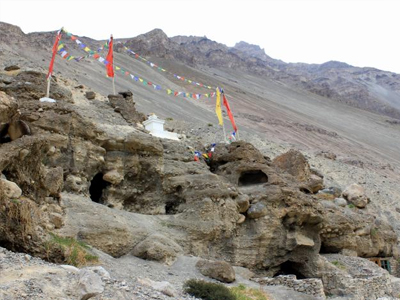
Spiti Valley Around Tabo
Dhankar Monastery Dhankar Monastery, about 30 kilometers from Tabo, is dramatically perched on a cliff overlooking the confluence of Spiti and Pin rivers. The old monastery, built in the 12th century, is in a strategic location that offers panoramic views. The monastery's library contains ancient scriptures and thangkas (paintings). The new monastery nearby houses young monks. The short hike to the monastery offers beautiful views of the surrounding landscape. Pin Valley Pin Valley, accessible from Tabo via the Attargo Bridge, is a region of stark beauty. The valley is less visited than the main Spiti Valley and offers solitude and untouched natural beauty. The Pin Valley National Park protects endangered species like the Snow Leopard and Himalayan Musk Deer. The valley's landscape features dramatic cliffs, deep gorges, and pristine villages. The region offers excellent trekking opportunities.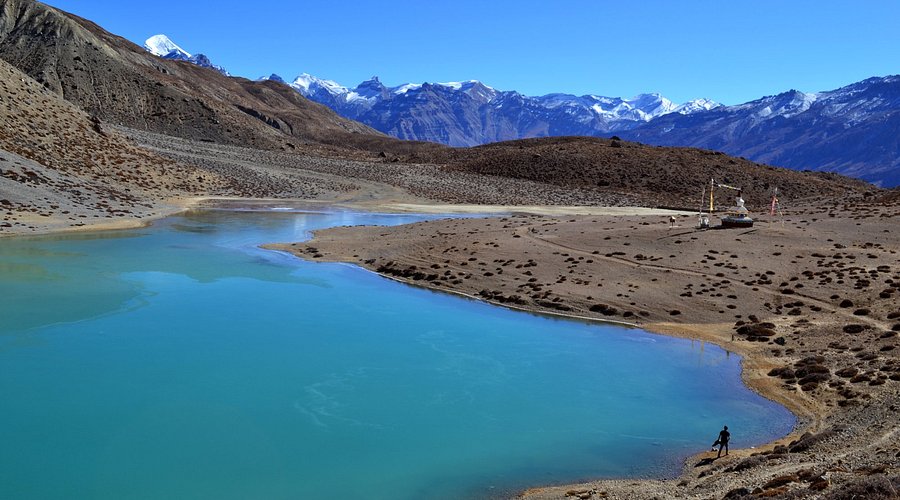 Kaza: Spiti's Main Town
Kaza, about 50 kilometers from Tabo, is the administrative headquarters and main town of Spiti Valley. The town offers essential amenities including ATMs, fuel stations, markets, and medical facilities.
Visit the new Sakya Tangyud Monastery in Kaza. The town has several hotels and homestays. Kaza serves as a base for exploring Spiti Valley and is often included in Tabo itineraries.
Kaza: Spiti's Main Town
Kaza, about 50 kilometers from Tabo, is the administrative headquarters and main town of Spiti Valley. The town offers essential amenities including ATMs, fuel stations, markets, and medical facilities.
Visit the new Sakya Tangyud Monastery in Kaza. The town has several hotels and homestays. Kaza serves as a base for exploring Spiti Valley and is often included in Tabo itineraries.
Tabo Village Life
Local Homestays Tabo offers authentic homestay experiences where visitors can stay with local families. These homestays provide insight into traditional Spitian life and culture. The hospitality is warm, and the food is authentic local cuisine. Homestays offer basic but clean facilities. Meals typically include momos (dumplings), thukpa (noodle soup), and butter tea. Staying in a homestay is the best way to experience Spitian culture and support the local community. Local Cuisine Tabo's cuisine reflects its high-altitude location and Tibetan influence. Local dishes are hearty and designed to provide energy in the harsh mountain environment. Must-try dishes include momos (steamed or fried dumplings), thukpa (noodle soup), and butter tea. The local bread (khabzi) is often served for breakfast. Try the local beer (chaang) made from barley. Spitian Culture Tabo and Spiti Valley have a unique culture shaped by their isolation and harsh environment. The local people are predominantly Buddhist and follow traditions passed down for centuries. The region is known for its distinctive art, especially thangkas (paintings) and statues. The local language is Bhoti, a Tibetan dialect. The Spiti people are known for their warm hospitality and resilience in the harsh mountain environment.Adventure Activities Near Tabo
Trekking The area around Tabo offers excellent trekking opportunities. Treks range from easy walks to challenging multi-day expeditions. The landscape of dramatic mountains and deep valleys creates perfect trekking terrain. Popular treks include the Tabo to Kaza trek via the Pin Valley, and the trek to Dhankar Monastery. Summer (June to September) is the best time for trekking when the weather is stable. Cycling Cycling through the Spiti Valley offers a unique way to experience the landscape. The challenging terrain and high altitude make cycling a true adventure. Bicycles can be rented in Kaza. The road from Tabo to Kaza offers beautiful scenery. Ensure you're physically fit and acclimatized before attempting high-altitude cycling.Best Time to Visit Tabo
Summer (June to September) Summer is the best time to visit Tabo. The weather is pleasant with temperatures of 15-25°C during the day. Roads are accessible, and all facilities are open. June to September is also the time when the valley is at its greenest. Wildflowers bloom in the meadows, and the landscape looks vibrant. This is also the festival season, with several Buddhist festivals celebrated during this period. Winter (October to May) Winter brings heavy snowfall, and roads to Spiti are often closed. However, the Shimla-Kaza route remains open, and it's possible to visit Tabo during winter. Winter temperatures drop to -15°C or lower. Only experienced travelers should attempt winter visits. The monastery remains open, but most homestays and hotels close.How to Reach Tabo
From Manali The Manali-Kaza route (via Kunzum Pass) is about 200 kilometers from Tabo. The road is open from June to October and offers spectacular views. The journey takes about 8-10 hours. This route passes through beautiful landscapes including Chandratal Lake and Kunzum Pass. The road is rough and requires a skilled driver or experienced rider. From Shimla The Shimla-Kaza route is about 450 kilometers and is open throughout the year. This route offers gradual altitude gain, making it better for acclimatization. The journey takes about 12-14 hours. The route passes through beautiful valleys and several villages. This route is longer but more stable than the Manali route. It's the recommended route for early summer and late autumn.Accommodation in Tabo
Tabo offers several accommodation options ranging from budget homestays to comfortable guesthouses. Most accommodation is basic but clean and comfortable. Homestays Homestays are the best way to experience local culture. Local families open their homes to visitors, offering a glimpse into traditional Spitian life. Meals are typically included and feature local cuisine. Guesthouses Tabo has a few guesthouses offering private rooms with attached bathrooms. These are basic but comfortable and offer more privacy than homestays. Some guesthouses have hot water and heating. Monastery Guest House The monastery runs a guest house for visitors. Staying here offers a unique experience with the opportunity to observe monastery life. The guest house is basic but has a peaceful atmosphere.Location
Frequently Asked Questions
Q1.Why is Tabo Monastery famous?
Tabo Monastery is famous for being one of the oldest continuously operating Buddhist centers in the world, founded in 996 AD. It's renowned for its ancient wall paintings, earning it the title 'Ajanta of the Himalayas.'
Q2.How do I reach Tabo Village?
Tabo can be reached via two routes: from Manali (200 km, open June-October via Kunzum Pass) or from Shimla (450 km, open year-round). The Shimla route offers gradual altitude gain, better for acclimatization.
Q3.What is the best time to visit Tabo?
The best time is June to September when weather is pleasant (15-25°C), roads are accessible, and the valley is green. Winter is harsh with temperatures dropping to -15°C and roads often closed.
Q4.Where can I stay in Tabo?
Tabo offers homestays (best for cultural experience), basic guesthouses with attached bathrooms, and the monastery guest house. Accommodations are basic but clean. Book in advance during peak season (July-August).
Q5.How many days should I spend in Tabo?
Plan 1-2 days for Tabo Village to explore the monastery complex, caves, and experience village life. Combine with Kaza, Dhankar, and Pin Valley for a comprehensive Spiti experience of 5-7 days.
Q6.Is Tabo suitable for families?
Yes, Tabo is suitable for families with older children. The spiritual atmosphere and ancient art are educational. However, the high altitude (3,280m) requires acclimatization. Not recommended for families with very young children.
Q7.What should I carry for Tabo trip?
Carry warm clothing (temperatures drop at night), sunscreen (high UV), sunglasses, hat, lip balm, comfortable walking shoes, and any personal medications. Camera for the stunning landscapes. Cash as ATMs are only in Kaza.
Q8.Are there restaurants in Tabo?
Tabo has limited dining options. Most homestays and guesthouses serve meals. Local cuisine includes momos, thukpa, and butter tea. Carry some snacks from Kaza as options are limited. Don't expect fancy dining.
Recommended For You
Spiritual
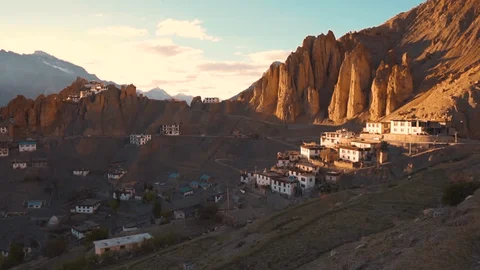
Dhankar Monastery Spiti: Monastery Visit, Trek Route & Stay Options
Discover Dhankar Monastery in Spiti Valley, a 900-year-old cliff-top wonder at 3,894 meters. Complete guide with Dhankar Lake trek, history, how to reach, timings & travel tips.
Dec 30Read More
Travel
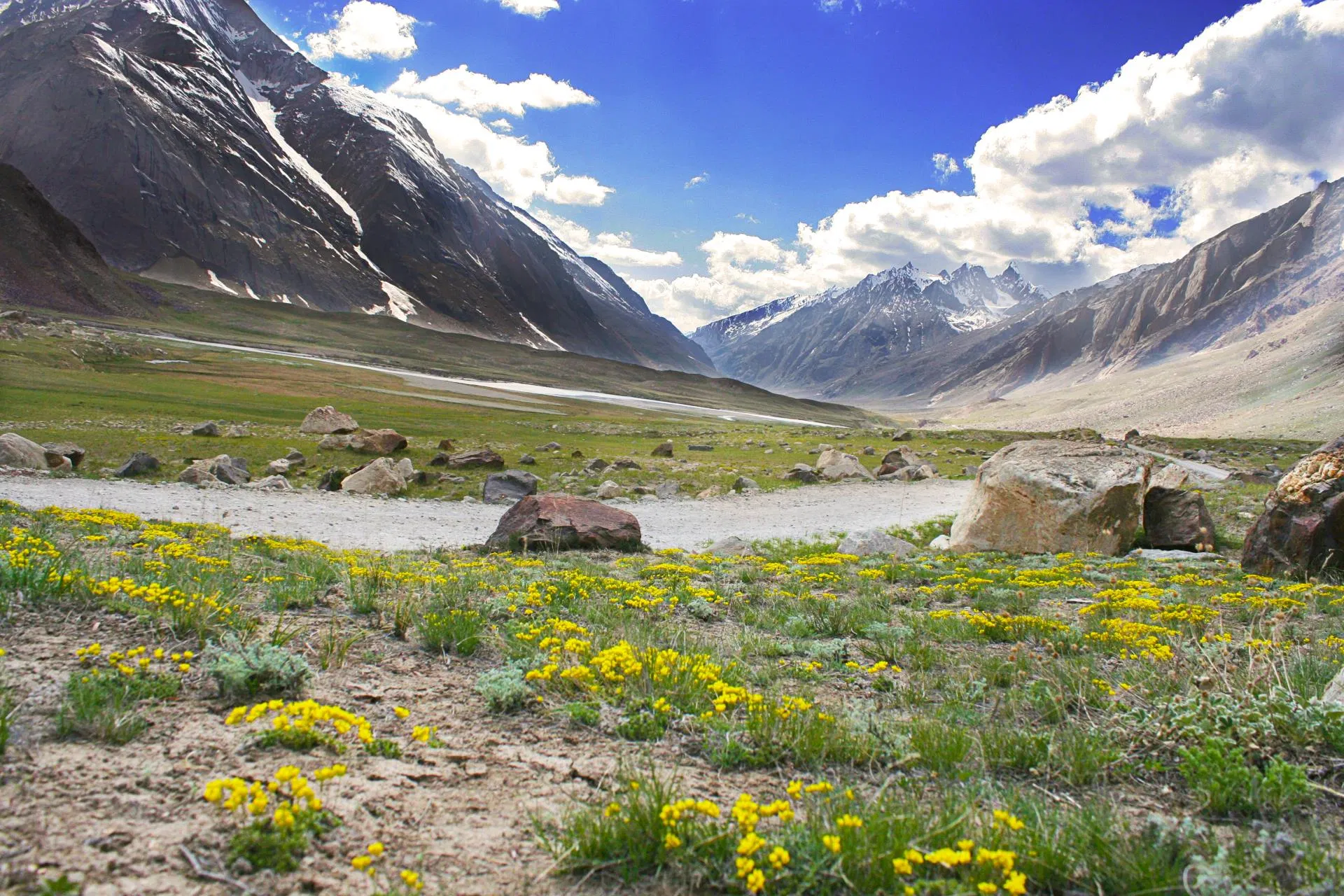
Spiti Valley in August: Weather, Road Status & Travel Tips
Visit Spiti Valley in August! Guide to weather, rain, road conditions, temperature, Manali route & monsoon travel tips.
Dec 19Read More
Wildlife
Pin Valley National Park Spiti: Wildlife, Trek Routes & Travel Tips
Pin Valley National Park complete guide covering wildlife, snow leopard habitat, treks, best season, route planning from Kaza, permits, and practical stay tips in Spiti.
Feb 20Read More
Never Miss an Adventure
Get the latest trekking guides, travel tips, and exclusive offers delivered straight to your inbox.
