
International
Senso Ji Temple Tokyo: Guide & Visit Tips

Rohit Verma
February 4, 2026
10 min read2,082 views
Explore Senso-ji Temple, Tokyo's oldest Buddhist temple in Asakusa. Complete guide with history, timings, how to reach, best time to visit & photography tips.
Senso-ji Temple: Tokyo's Ancient Buddhist Treasure
Standing proudly in the heart of Asakusa, Senso-ji Temple represents Tokyo's oldest and most significant Buddhist temple. Founded in 645 AD, this magnificent temple dedicated to Kannon, the Goddess of Mercy, has been a symbol of spiritual devotion and traditional Japanese culture for over 1,300 years. The temple complex attracts millions of visitors annually, making it one of Tokyo's most visited religious sites. The temple's iconic Kaminarimon Gate, with its massive red lantern, has become one of Tokyo's most recognizable landmarks. Walking through the temple grounds transports visitors from modern Tokyo's bustling streets into a world of ancient traditions, aromatic incense, and architectural marvels. The temple serves not just as a place of worship, but as a living museum of Japanese Buddhist culture and heritage.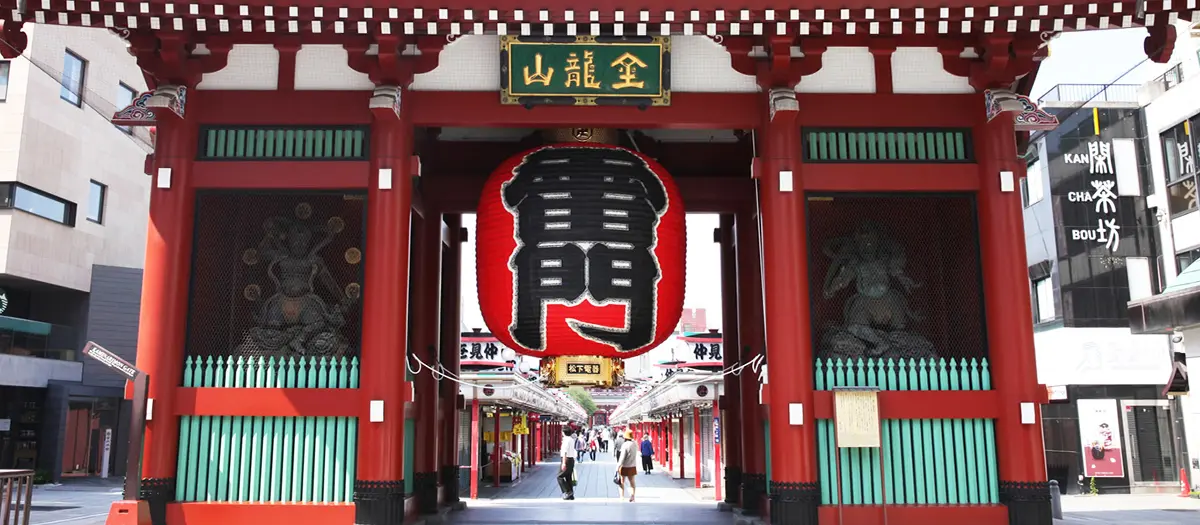
History & Significance
The origins of Senso-ji Temple are steeped in legend and devotion. According to traditional accounts, in 628 AD, two brothers, Hinokuma Hamanari and Hinokuma Takenari, were fishing in the Sumida River when they discovered a statue of Kannon in their nets. The local village chief, Hajino Nakamoto, recognized the statue's spiritual significance and consecrated it by transforming his own home into a temple. The temple gained official recognition during the Tokugawa shogunate, when Tokugawa Ieyasu designated Senso-ji as the primary prayer temple for the shogunate. This patronage elevated the temple's status and led to significant expansion and development. The temple belongs to the Buddhist Tendai sect, one of Japan's most influential Buddhist schools. Tragedy struck during World War II when the temple complex was destroyed in air raids. However, the main hall was rebuilt in 1958, and today stands as a testament to Japanese resilience and dedication to preserving cultural heritage. The reconstruction faithfully followed traditional architectural methods, ensuring the temple continued to represent authentic Japanese temple architecture. The temple holds profound cultural significance for Japanese people. It represents the enduring presence of Buddhism in Japanese society and serves as a bridge between ancient traditions and modern life. During major festivals like Sanja Matsuri, held annually in May, the temple becomes the focal point of celebrations that draw millions of participants.| Period | Significance |
|---|---|
| 645 AD | Temple officially founded |
| Edo Period (1603-1868) | Shogunate patronage and expansion |
| 1945 | Destroyed in World War II air raids |
| 1958 | Main hall reconstructed |
Architecture Highlights
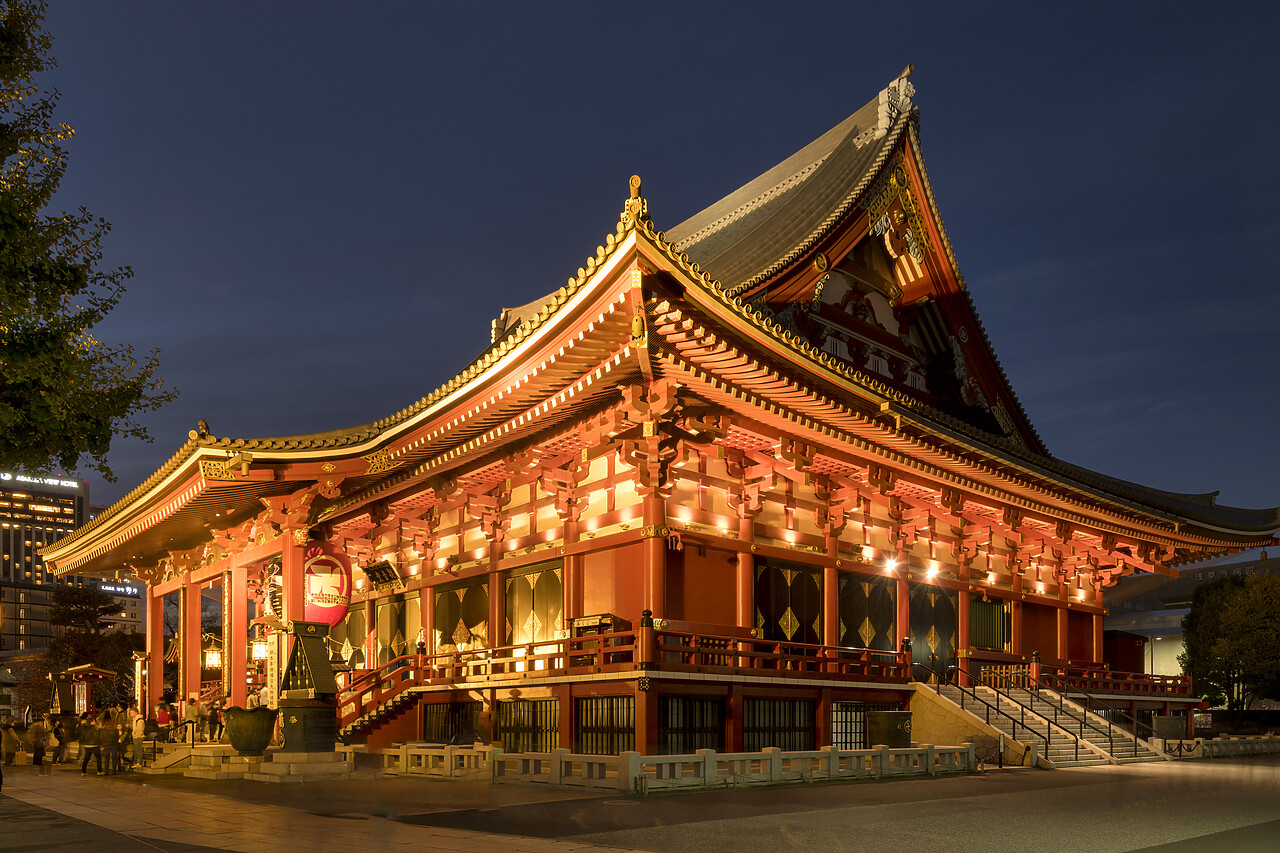
The architectural brilliance of Senso-ji Temple showcases the finest elements of traditional Japanese temple design. The complex follows a symmetrical layout aligned on a north-south axis, with successive gates leading to the main hall. This architectural arrangement symbolizes the spiritual journey from the secular world to sacred space. The Kaminarimon Gate, or "Thunder Gate," serves as the temple's main entrance and most iconic structure. The massive red paper lantern hanging in the center displays the characters for "Kaminarimon" on one side and the temple's name on the other. Two fierce guardian statues, Fujin (wind god) and Raijin (thunder god), stand guard on either side, protecting the temple from evil spirits. Beyond Kaminarimon lies the Hozomon Gate, or "Treasure House Gate," which houses valuable temple treasures in its second story. This gate features three large lanterns and leads directly to the main temple courtyard. The gate's architecture exemplifies the Edo period's distinctive style, with intricate woodwork and decorative elements. The Main Hall, or Hondo, stands as the temple's spiritual center. The current building, reconstructed in 1958, maintains the architectural grandeur of the original structure. The hall features a beautiful curved roof, intricate carvings, and traditional joinery techniques that have been perfected over centuries. Inside, the sacred image of Kannon is enshrined, though it's rarely displayed to the public. The Five-Story Pagoda, rising 53 meters high, dominates the temple skyline. This pagoda is believed to house sacred relics of the Buddha. Each story represents a different element - earth, water, fire, wind, and sky - symbolizing the Buddhist cosmology. The pagoda's elegant form and perfect proportions make it one of Tokyo's most photographed structures.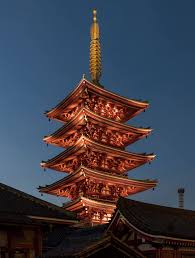
Temple Grounds & Layout
The journey through Senso-ji begins at Nakamise Shopping Street, a 250-meter covered pedestrian mall lined with traditional shops and food stalls. This historic street has been serving temple visitors for centuries, offering everything from traditional snacks and souvenirs to handicrafts and religious items. The street's atmosphere, with vendors calling out to customers and the aroma of street food, creates an authentic Japanese market experience. The main courtyard opens up after passing through Hozomon Gate. This expansive plaza features a large incense burner where visitors stop to cleanse themselves with the purifying smoke. Devotees believe that wafting the incense smoke over parts of the body can heal ailments and bring good fortune. The courtyard's size accommodates the crowds of worshippers and tourists who visit daily. Throughout the grounds, small details reveal the temple's spiritual significance. Omikuji fortune paper stalls offer visitors written fortunes tied to wooden sticks. Those who receive bad fortunes typically tie them to nearby wires or racks, symbolically leaving the bad luck behind. Small shrines and statues provide spaces for quiet contemplation amid the bustling crowds. The Asakusa Shrine, located within the temple complex, represents a unique fusion of Buddhist and Shinto traditions. This shrine, dedicated to the three founders of Senso-ji, was built in the Shinto style but remains within the Buddhist temple grounds - a testament to Japan's religious syncretism. Garden areas surrounding the main buildings offer peaceful retreats from the crowds. These carefully landscaped spaces feature traditional Japanese garden elements, including stone lanterns, manicured pine trees, and seasonal flowers that change with the passing months.Best Time to Visit
Choosing the right time to visit Senso-ji Temple significantly enhances the experience. For other spiritual sites in Tokyo, explore Meiji Jingu Shrine. To experience Tokyo famous crossing, visit Shibuya Crossing. Families with children should check out Ueno Park. The temple grounds are open from 6:00 AM to 5:00 PM, with the main hall accessible from 6:00 AM to 4:30 PM. Early morning visits, between 6:00 AM and 8:00 AM, offer the most peaceful atmosphere, with fewer crowds and soft morning light creating perfect conditions for photography. Spring brings spectacular cherry blossom season, typically from late March to early April. The temple grounds become particularly beautiful during this period, though crowds are at their peak. The combination of delicate pink blossoms with the temple's red architecture creates postcard-perfect scenes. The Sanja Matsuri festival, held over three days in mid-May, transforms the temple grounds into a vibrant celebration of traditional culture. While fascinating, visitors should expect massive crowds and hotel prices to surge during this period. Late evening visits, particularly on weekends when the temple remains open until 7:00 PM, offer a different perspective. The illumination of the main hall and pagoda against the night sky creates a magical atmosphere. However, inner temple buildings close earlier, so plan accordingly.| Time of Day | Experience | Best For |
|---|---|---|
| 6:00-8:00 AM | Peaceful, fewer crowds | Photography, quiet contemplation |
| 10:00 AM-12:00 PM | Bustling, energetic | Experiencing temple culture |
| 5:00-7:00 PM | Illuminated buildings | Evening photography |
How to Reach Senso-ji Temple
Senso-ji Temple's location in Asakusa makes it easily accessible from anywhere in Tokyo. The Tokyo Metro Ginza Line provides the most direct access, with Asakusa Station just a 2-minute walk from the temple entrance. This line connects directly to major hubs like Shibuya, Ginza, and Ueno. The Toei Asakusa Line also serves Asakusa Station, offering connections from Oshiage (Tokyo Skytree) and the Tokyo Airport Terminal. The station is approximately 5 minutes on foot from the temple. For travelers arriving from Narita Airport, the Keisei Line offers direct service to Asakusa in about 70 minutes. From Tokyo Station, take the Marunouchi Subway Line to Ochanomizu, transfer to the JR Chuo-Sobu Line to Akihabara, then transfer to the Ginza Line to Asakusa. The journey takes approximately 20 minutes and costs around ¥200. From Shinjuku, the most direct route is the JR Yamanote Line to Kanda, transferring to the Ginza Line. This journey takes approximately 30 minutes. Alternatively, direct airport limousine buses connect Narita Airport to Asakusa in about 90 minutes. For a scenic approach, the Tokyo Water Cruise (Tokyo Mizube Line) connects Asakusa with Odaiba, Hamamatsucho, and other waterfront areas. This 40-minute journey offers unique views of Tokyo from the Sumida River and provides a different perspective on the city.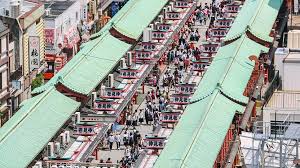
Temple Etiquette & Tips
Visiting Senso-ji Temple requires understanding and respecting Japanese religious customs. Entry to the temple grounds is completely free, making it accessible to all visitors regardless of budget. However, proper etiquette ensures a respectful experience for both worshippers and tourists. Dress modestly when visiting the temple. While there's no strict dress code, avoid revealing clothing. Comfortable walking shoes are essential as you'll be walking on uneven surfaces and standing for extended periods. During summer, carry sun protection, and in winter, dress warmly as the temple grounds are exposed. Photography is permitted throughout the temple grounds, but always be mindful of worshippers. Never take photos of people praying or during religious ceremonies without permission. Flash photography inside the main hall is generally prohibited. The best photography spots include the view of Kaminarimon from Nakamise Street and the Five-Story Pagoda from the main courtyard. When entering the main hall, remove your shoes and place them in the provided racks. Bring slip-on shoes for convenience. The incense cleansing ritual involves wafting the smoke over your body with your hands - start with your head, then move to areas needing healing. Offerings are typically made by tossing a coin into the offering box before praying. Fortune papers (omikuji) cost ¥100. If you receive a bad fortune, tie it to the provided rack to leave the bad luck behind. Good fortunes should be kept. Maintain quiet voices throughout the temple grounds and avoid eating or drinking while walking through sacred areas.Nearby Attractions
The Asakusa area offers numerous attractions that complement a Senso-ji Temple visit. Nakamise Shopping Street itself is an attraction, with over 80 shops offering traditional snacks, handicrafts, and souvenirs. Must-try items include melon pan (sweet bread), ningyo-yaki (small cakes), and traditional senbei rice crackers. Sumida Park, located along the river, provides beautiful views and is particularly spectacular during cherry blossom season. The park's riverside location makes it perfect for hanami (flower viewing) picnics in spring. River cruise boats depart from nearby, offering scenic tours to Tokyo Skytree and Odaiba. Tokyo Skytree, visible from the temple grounds, stands as Japan's tallest structure and offers observation decks with panoramic views of Tokyo. The complex includes a large shopping mall and aquarium. The walk from Senso-ji to Tokyo Skytree takes about 20 minutes and passes through traditional shopping streets. Hanayashiki, Japan's oldest amusement park, is just a few minutes from the temple. This charming park offers nostalgic rides and games, providing entertainment for families and those seeking a break from cultural sightseeing. The Asakusa Culture and Tourism Center, facing Kaminarimon Gate, offers free observation decks with great views of the temple. The building houses tourist information, a traditional craft shop, and a cafe with temple views.Location
Frequently Asked Questions
Q1.What are Senso-ji Temple opening hours?
Senso-ji Temple grounds are open daily from 6:00 AM to 5:00 PM, with extended hours until 7:00 PM on weekends and holidays. The main hall (Hondo) is accessible from 6:00 AM to 4:30 PM. The temple is open every day of the year, including national holidays, though individual shops and facilities may have varying hours. Early morning visits between 6-8 AM offer the most peaceful experience with fewer crowds and excellent lighting for photography.
Q2.Is there an entry fee for Senso-ji Temple?
No, entry to Senso-ji Temple is completely free for all visitors. There is no admission fee to explore the temple grounds, main hall, or courtyard. However, some special exhibitions or areas within the temple complex may have separate charges. Donations are appreciated but not required. Nearby attractions like Tokyo Skytree or special exhibitions may have their own entry fees.
Q3.How long does it take to visit Senso-ji Temple?
Plan for 1-2 hours to explore Senso-ji Temple properly. This includes time to walk through Nakamise Shopping Street, explore the main hall, view the pagoda, and experience the temple atmosphere. During crowded periods, allow extra time. If visiting nearby attractions like Tokyo Skytree or taking a river cruise, plan for a half-day. Photography enthusiasts may want 2-3 hours to capture different angles and lighting conditions.
Q4.When was Senso-ji Temple built?
Senso-ji Temple was originally founded in 645 AD, making it Tokyo's oldest temple. According to legend, two brothers discovered a statue of Kannon (Goddess of Mercy) in the Sumida River in 628 AD, and the temple was built to enshrine it. The current main hall was reconstructed in 1958 after the original was destroyed in World War II air raids. The temple has a history spanning over 1,300 years.
Q5.Who is enshrined at Senso-ji Temple?
Senso-ji Temple is dedicated to Kannon (Guanyin), the Bodhisattva of Compassion and Mercy. Kannon is one of the most beloved figures in Mahayana Buddhism, known for hearing the cries of all beings and working tirelessly to alleviate suffering. The temple enshrines a sacred statue of Kannon, said to be the one discovered in the Sumida River in 628 AD. This statue is considered a hidden image and is rarely displayed to the public.
Q6.What is the significance of Kaminarimon Gate?
Kaminarimon Gate, the 'Thunder Gate,' is Senso-ji Temple's most iconic structure and serves as the symbolic entrance to the temple. The massive red lantern hanging in its center has become one of Tokyo's most recognizable landmarks. The gate features two guardian statues - Fujin (wind god) and Raijin (thunder god) - who protect the temple from evil spirits. Passing through this gate symbolizes leaving the secular world and entering sacred space.
Q7.What is the best time to visit to avoid crowds?
The best time to visit Senso-ji Temple to avoid crowds is early morning, ideally between 6:00-8:00 AM when the temple first opens. Weekday mornings are typically less crowded than weekends. Avoid visiting during major festivals like Sanja Matsuri in mid-May, cherry blossom season (late March-early April), and national holidays. Late afternoon around 4:30 PM also sees fewer visitors as day trippers leave, though the main hall closes at 4:30 PM.
Q8.Is photography allowed inside Senso-ji Temple?
Photography is permitted throughout the Senso-ji Temple grounds and courtyard areas. You can photograph the exterior of the main hall, pagoda, gates, and other structures. However, photography inside the main hall (Hondo) interior is generally prohibited or restricted. Always be respectful of worshippers - never take photos of people praying or during religious ceremonies without permission. Flash photography is typically not allowed inside temple buildings.
Recommended For You
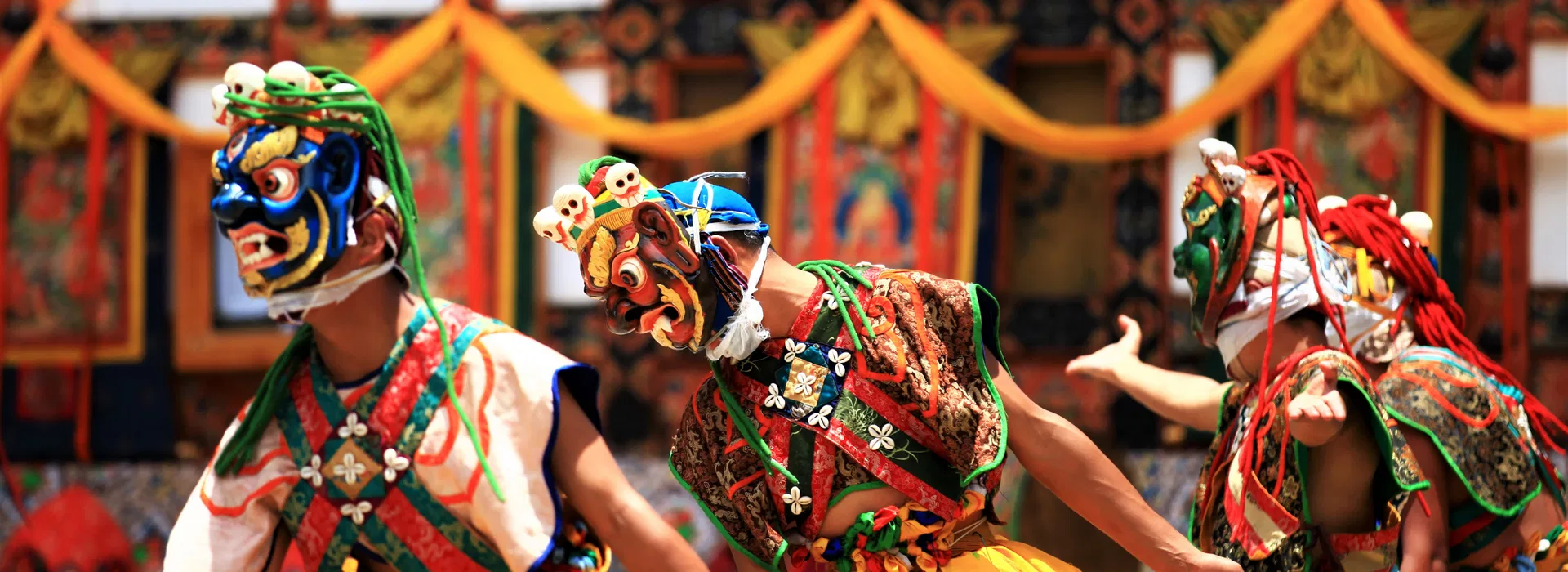
Festivals
Bhutan Festivals: Tsechu Dates, Monasteries & Cultural Experiences
Experience Bhutan's vibrant festivals: Tsechu, Paro, Thimphu & Punakha celebrations. Complete guide to dates, masked dances, Cham performances & cultural experiences.
Nov 16Read More
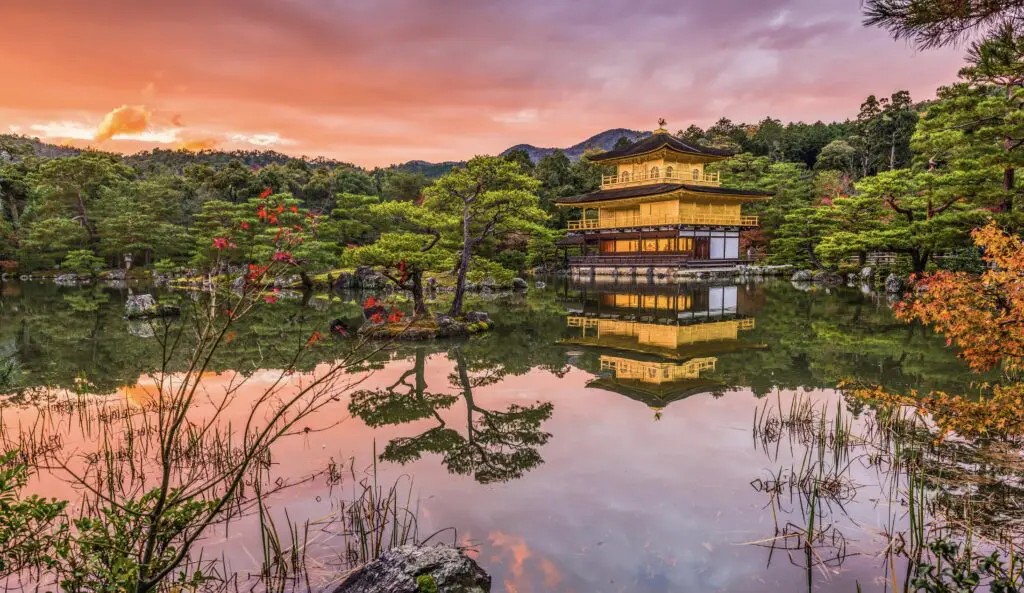
Festivals
New Year in Japan: Traditions, Temple Visits, Foods & Travel Tips
A practical guide to New Year in Japan covering hatsumode, osechi food, temple-bell traditions, best cities, and travel planning tips.
Feb 18Read More
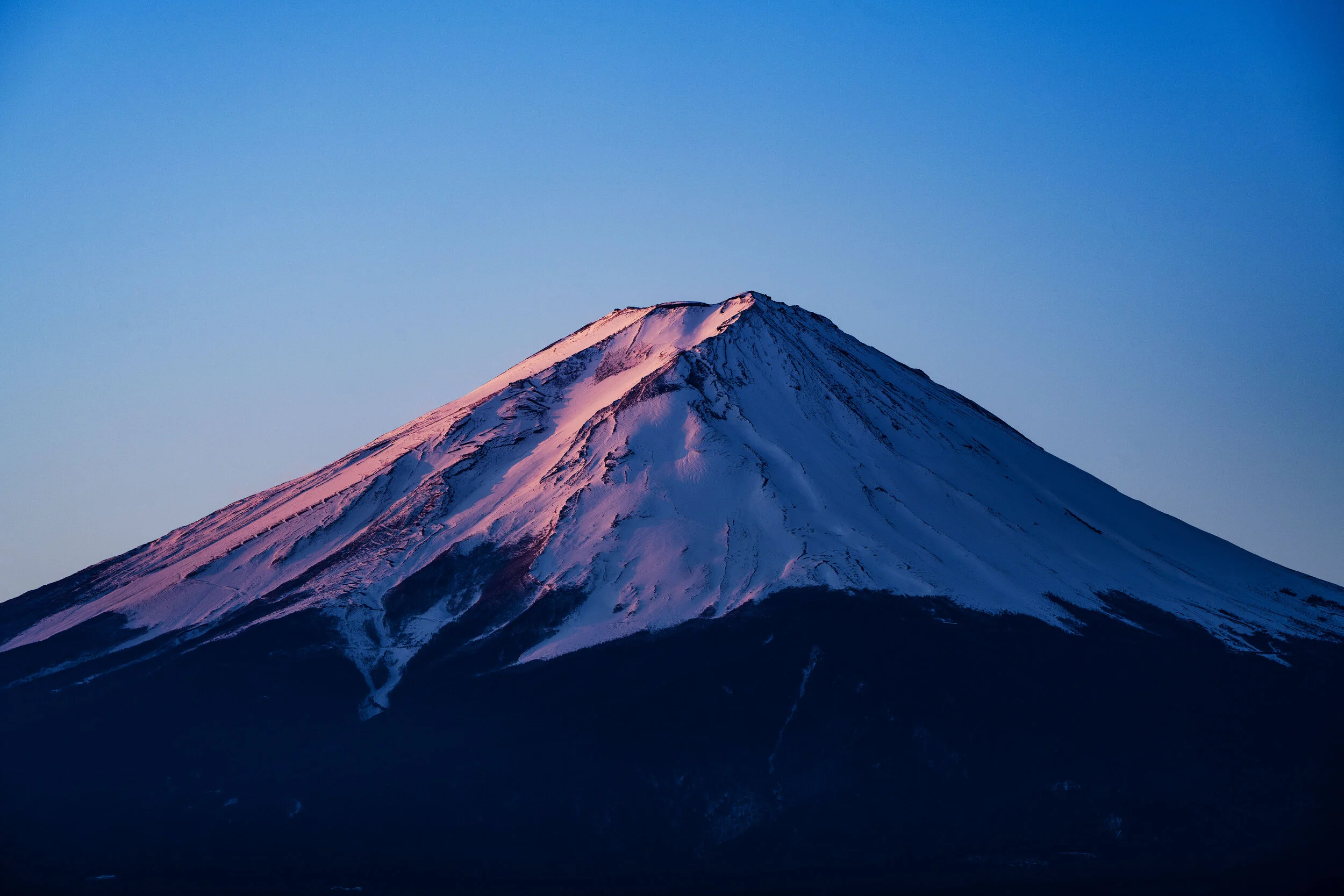
Trekking
Mount Fuji Japan: Climbing Season, Routes & Permit Details
Plan your Mount Fuji Japan climb with updated season rules, trail comparisons, Tokyo access, packing strategy, altitude safety, and non-climbing viewing options.
Dec 19Read More
Never Miss an Adventure
Get the latest trekking guides, travel tips, and exclusive offers delivered straight to your inbox.
