
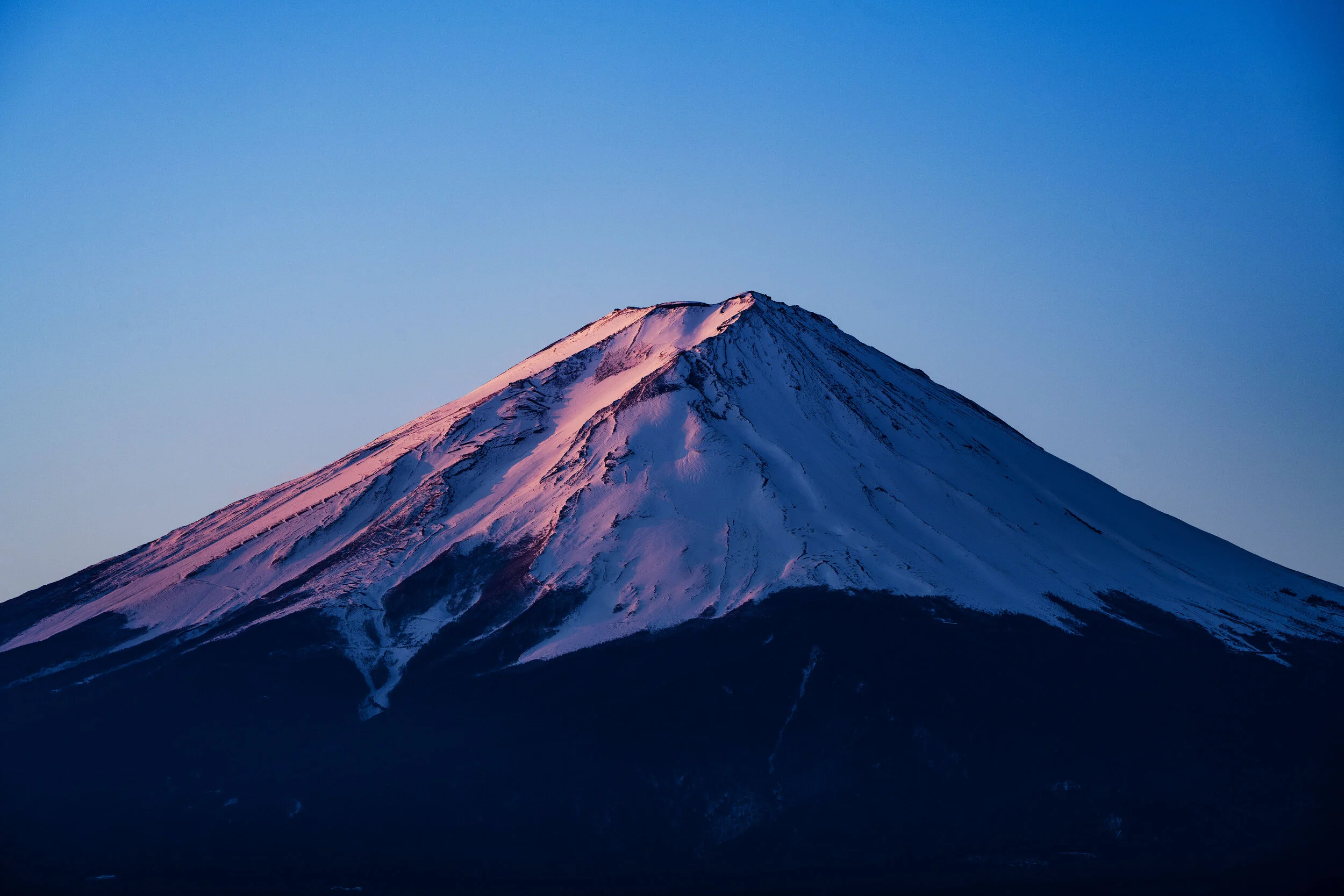
Mount Fuji Japan: Climbing Season, Routes & Permit Details

Priya Mehta
December 19, 2025
Plan your Mount Fuji Japan climb with updated season rules, trail comparisons, Tokyo access, packing strategy, altitude safety, and non-climbing viewing options.
Introduction: Japan's Sacred Peak and Why It Matters
Mount Fuji Japan is more than a mountain on a postcard. At 3,776 meters, it is the country's highest peak, a UNESCO-recognized cultural symbol, and one of the most desired climbs in Asia. For many travelers, a Fuji ascent is a bucket-list milestone. For trekkers, it is a structured high-altitude walk that demands pacing, weather judgment, and careful logistics. Climbing Mount Fuji is non-technical in the official season for most fit hikers, but it should never be treated as a casual night stroll.
What makes Fuji different from many popular mountains is crowd dynamics. Trail congestion, weather swings, and altitude stress can turn a simple plan into a difficult experience if you start unprepared. The good news is that the mountain is well-managed in season, with clearly defined routes, mountain huts, and evolving safety rules. In this guide, you will find the best time to climb Mount Fuji, how each trail differs, what to pack, how to reach the 5th stations from Tokyo, and how to choose between climbing and scenic viewing.
For wider Japan itinerary planning, pair this guide with Ueno Park Tokyo, Katsura Imperial Villa Kyoto, and Togetsukyo Bridge Kyoto.

About Mount Fuji: Height, Landscape and Climbing Context
Mount Fuji, also called Fuji-san, is a stratovolcano shared by Yamanashi and Shizuoka prefectures. Its near-symmetrical cone makes it one of the most identifiable volcanic mountains in the world. The summit area is broad and stark, with crater-edge sections that can feel windy and exposed even in summer. Climbers usually start from one of the four official 5th stations, reducing total ascent compared with historical full-base routes.
Although the climb is categorized as a hike during official season windows, altitude still matters. Starting around 2,000-2,400 meters and moving above 3,500 meters in a short duration can trigger fatigue, headaches, and breathing discomfort for unacclimatized travelers. That is why practical planning for Mt Fuji trekking focuses on pace, hydration, rest, and avoiding rushed overnight attempts without sleep.
| Mount Fuji Quick Facts | Details |
|---|---|
| Elevation | 3,776 meters |
| Mountain Type | Active stratovolcano |
| Main Climbing Window | Early July to early September (trail dependent) |
| Most Popular Route | Yoshida Trail |
| Difficulty Profile | Moderate endurance, high crowd and weather management |
Best Time to Climb Mount Fuji
The official climbing season is typically from early July to early September, with exact trail opening dates varying by route and weather. The Yoshida Trail generally opens earlier (often around July 1), while Shizuoka-side trails typically open around July 10. Outside the official season, trails and mountain facilities are closed and conditions become significantly more dangerous due to weather and terrain risk.
Within season, late July to late August tends to be busiest, especially weekends and holiday periods. If your schedule is flexible, aim for weekdays to reduce queue time near higher stations and summit bottlenecks. For first-timers, stable weather windows and lower-congestion dates are more important than chasing a single iconic sunrise shot.
Season Planning Logic
- Early season: fewer crowds in some periods, but check snow and opening updates carefully.
- Peak season: best facility availability, but higher congestion on popular routes.
- Late season: potentially better crowd conditions with cooler nights.
- Off-season: not recommended for standard travelers.
Always verify current-year updates on official Mt. Fuji channels before booking transport and huts because rules and gate procedures are now actively managed.
Mount Fuji Climbing Season Rules and Entry Controls
In recent seasons, stricter controls were introduced to reduce overcrowding and unsafe 'bullet climbing' behavior. Key points include mandatory trail fees in regulated zones, gate-time restrictions, and stronger enforcement of preparedness requirements. On Yoshida, climbers with mountain hut reservations can often pass certain timing restrictions that apply to non-hut climbers. Policies are updated yearly, so treat old social posts as unreliable.
Practical takeaway: complete your route plan and timing first, then book trail entry and hut stay in the correct order. A payment for gate access is not the same as a hut booking. Many first-time trekkers confuse these systems and lose critical summit timing.
| Regulation Topic | What It Means for You |
|---|---|
| Trail fee | Set budget for mandatory/official climbing fees |
| Gate timing | Late entry can be restricted without hut reservation |
| Crowd limits | High-demand dates may close reservations early |
| Safety compliance | Inadequate gear or reckless plan may be denied |
The Four Mount Fuji Trails Explained
Choosing the right route is the most important decision after season selection. Each trail differs in altitude of trailhead, gradient style, congestion, and facility support. There is no universal 'best' route for every traveler. Your ideal route depends on experience, pace, and comfort with crowds.
1) Yoshida Trail (Yamanashi Side)
The Yoshida Trail is the most popular and generally the easiest choice for first-time climbers because access from Tokyo is straightforward and mountain huts are more frequent. The climb from the 5th station is often estimated around 5-7 hours up and 3-5 hours down, depending on crowd flow and rest breaks. Congestion is the main challenge, especially pre-sunrise summit pushes.
2) Fujinomiya Trail (Shizuoka Side)
This trail starts at a higher altitude, which can shorten ascent time, but the terrain is steeper in sections. It can still be crowded and requires steady leg strength for descending volcanic surfaces.
3) Subashiri Trail (Shizuoka Side)
Subashiri is often chosen by travelers wanting a less crowded feel in initial sections. Some upper sections merge with Yoshida near summit approaches, so expect crowd increase higher up.
4) Gotemba Trail (Shizuoka Side)
Gotemba begins at lower altitude and is longer, so it suits stronger endurance hikers. It is typically less crowded but can be physically demanding due to total elevation gain and distance.

How to Reach Mount Fuji from Tokyo
Most international travelers start from Tokyo, and Yoshida access is usually the simplest. During climbing season, direct and connecting bus options run toward Fuji-Subaru Line 5th Station. Train combinations via Otsuki and onward to Fujikyu line stations are also common, followed by local bus transfers. Private vehicle restrictions can apply during peak periods, requiring parking at designated lots and shuttle transfer.
If your itinerary includes only one Fuji climb attempt, arrive in the area with buffer time instead of doing a same-morning long transfer and immediate ascent. Transport delays, weather shifts, and booking timing issues are common enough to justify one night near the trailhead region.
Tokyo Access Planning Tips
- Book seasonal bus seats early for weekends.
- Keep offline copies of bookings and payment confirmations.
- Check latest bus schedules; seasonal timetables change.
- Plan return time conservatively if climbing overnight.
For Japan city balancing before or after Fuji, you can add Shibuya Crossing and Imperial Palace Tokyo with low-effort walking itineraries.
Preparation and Gear for a Safe Climb
Most Fuji difficulties come from poor preparation, not technical climbing obstacles. Your gear should prioritize weather protection, foot stability, and energy management. Even in summer, summit areas can be cold and windy. Rain and visibility changes can happen quickly.
Essential Packing List
- Layered clothing: base, insulation, and shell.
- Waterproof rain gear (jacket and pants, not only poncho).
- Proper hiking shoes with grip (not casual sneakers).
- Headlamp with spare batteries.
- Gloves, beanie, and warm layer for summit zone.
- Water, electrolytes, and easy digestible snacks.
- Cash for huts/toilets where required.
- Portable charger and emergency contact info.
Travel light but do not underpack critical protection. The tradeoff is simple: extra 500 grams of proper gear is better than losing mobility in cold wind or rain at high altitude.
| Common Mistake | Better Alternative |
|---|---|
| Starting in cotton layers | Use quick-dry layers + shell |
| No rain planning | Carry full rain set |
| Single water bottle | Hydration + electrolyte mix |
| No sleep before climb | Rest at hut and stagger ascent |
The Climb Experience: What the Day Feels Like
A typical Yoshida-style schedule starts at the 5th station, climbs progressively through numbered stations, and includes rest and acclimatization pauses. Many climbers stay at mountain huts around higher stations before summit push. This breaks the effort and reduces the health risk of nonstop ascent. If weather is stable and pacing is disciplined, first-timers with moderate fitness can complete the route.
The hardest parts are usually not technical. They are crowd delays, breathing discomfort at altitude, and mental fatigue in dark/cold summit approaches. Keep a conversational pace early, avoid racing other groups, and do short breaks every hour. On descent, knee strain and loose volcanic gravel are common; controlled stepping is essential.
Altitude and Health Management
- Ascend gradually and hydrate consistently.
- Do not ignore persistent headache or nausea.
- If symptoms worsen, descend early.
- Do not depend on painkillers as a substitute for pacing.
Respecting turnaround decisions is part of safe mountain behavior. Reaching the summit is optional; returning safely is mandatory.

Sunrise Strategy Without Unsafe Bullet Climbing
Seeing sunrise from near the summit is a major goal for many climbers. The safest way is to book a mountain hut, rest for a few hours, then do a pre-dawn push with warm layers and lights. Attempting a continuous overnight climb from low altitude without rest increases exhaustion and health risk, and current regulations are designed to discourage this pattern.
Even with hut stays, expect slow movement near summit sections because lines can form before daybreak. Start early enough, leave buffer for congestion, and avoid panic pacing. If weather deteriorates, prioritize descent and shelter timing over summit photography.
Viewing Mount Fuji Without Climbing
You do not need to summit Fuji to enjoy it deeply. For many travelers, high-quality Fuji viewing from surrounding regions gives a more relaxed and photograph-friendly experience. Fuji Five Lakes areas, especially around Kawaguchiko, are famous for broad mountain reflections in clear weather. Hakone and selected rail-window routes also provide good visual moments depending on cloud conditions.
Non-climbing Fuji travel works well for families, senior travelers, and mixed-interest groups. You can combine one scenic viewing day with cultural city days in Tokyo or Kyoto rather than committing to a full overnight trek schedule.
Best Use Cases for Non-Climbing Fuji Trips
- Short Japan itineraries with limited recovery days.
- Travelers with low altitude tolerance.
- Rainy-week uncertainty where summit odds are poor.
- Photographers wanting landscape composition flexibility.

Costs, Budgeting and Booking Order
A realistic Mt Fuji tour budget includes transport, trail fee, hut stay (if used), meals/snacks, gear rental or purchase, and contingency spending. Budget differs by route and comfort style, but the most common mistake is underestimating hut and transfer costs during peak dates. Booking early gives better control over both price and timing.
Recommended Booking Sequence
- Choose trail and target date window.
- Check official season opening and restrictions for that year.
- Reserve hut first if doing sunrise strategy.
- Complete trail access/fee reservation where required.
- Book round-trip transport and keep backup option.
If one part fails, adjust the plan before departure instead of improvising at the gate.
Responsible Climbing and Etiquette
Fuji is culturally important and ecologically sensitive. Responsible behavior keeps the mountain safer for everyone and protects trail infrastructure under heavy seasonal use. Stay on marked paths, avoid littering, respect hut operations, and follow ranger instructions promptly. Removing volcanic material or damaging structures is prohibited and disrespectful.
Use quiet, cooperative trail etiquette in congested sections. Let faster climbers pass where safe, avoid abrupt stopping in narrow routes, and keep headlamp angle low near others at night. Small behavior choices improve overall flow and reduce fall risk in crowded lanes.
Sample 2-Day Mount Fuji Plan (First-Timer Friendly)
| Time Block | Activity | Purpose |
|---|---|---|
| Day 1 Morning | Tokyo to 5th station transfer | Controlled arrival without rush |
| Day 1 Afternoon | Start ascent at steady pace | Gradual adaptation |
| Day 1 Evening | Mountain hut check-in and rest | Recovery and altitude management |
| Day 2 Pre-dawn | Summit push with headlamp | Sunrise attempt with safety margin |
| Day 2 Morning | Descent and transfer out | Return before weather volatility |
This plan is intentionally conservative. It is better than compressed one-shot itineraries for most first-time climbers.
Final Take
Mount Fuji Japan offers one of the most meaningful adventure experiences in East Asia, but the climb rewards preparation far more than bravado. Pick the correct season, choose your trail realistically, understand current restrictions, and use mountain huts for safer pacing. If summit conditions do not cooperate, switch to scenic viewing circuits and keep the trip enjoyable. A successful Fuji journey is not only about touching the top at 3,776 meters; it is about finishing safely, respectfully, and with enough energy to enjoy the rest of Japan.
Location
Frequently Asked Questions
Q1.When is the best time to climb Mount Fuji?
Q2.How long does it take to climb Mount Fuji?
Q3.Is Mount Fuji difficult for beginners?
Q4.Which is the easiest Mount Fuji trail?
Q5.Can I climb Mount Fuji without a guide?
Q6.Are there mountain huts on Mount Fuji?
Q7.How do I reach Mount Fuji from Tokyo?
Q8.What should I pack for Mount Fuji trekking?
Recommended For You
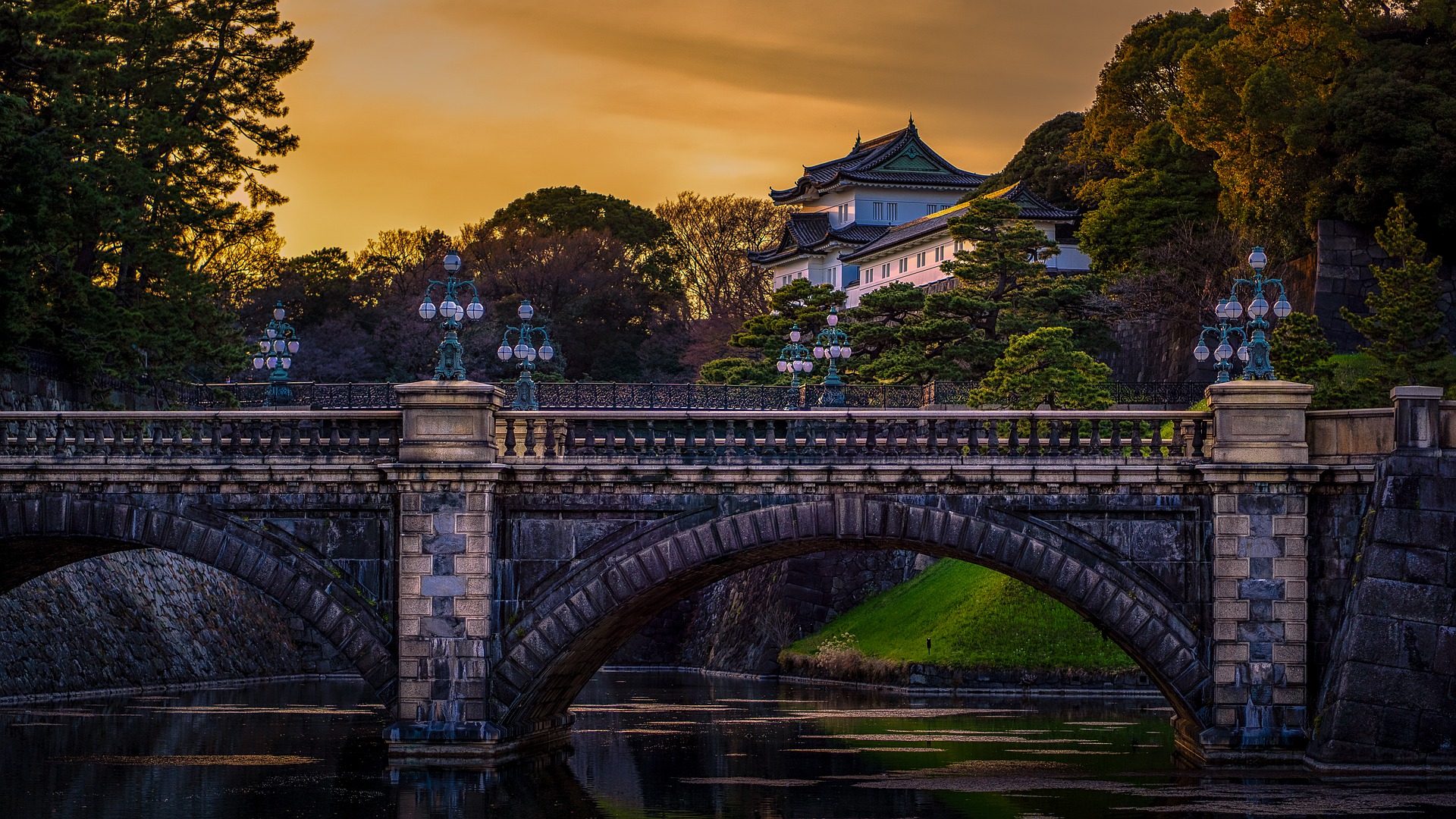
Imperial Palace Tokyo: Tour Options, Timings & Entry Information
Visit Imperial Palace Tokyo! Get tour details, timings, East Garden access, how to visit, & complete travel guide to Japan's Imperial residence.
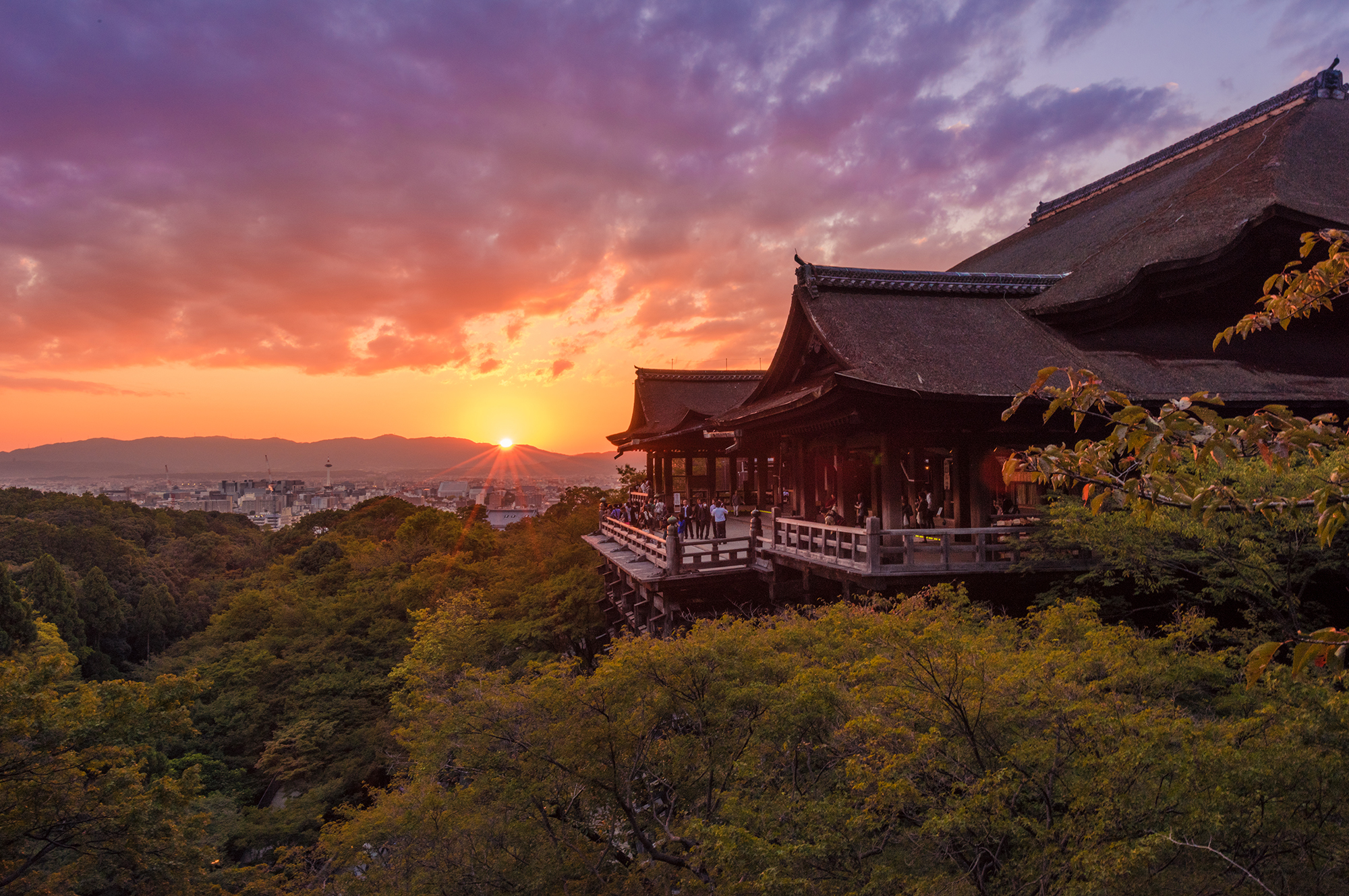
Kiyomizu-dera Kyoto: Timings, Entry Fee & Temple Highlights
Planning Kiyomizu-dera Temple Kyoto? Check opening hours, entry fee, history, Otowa waterfall highlights, access routes, and practical visitor tips.
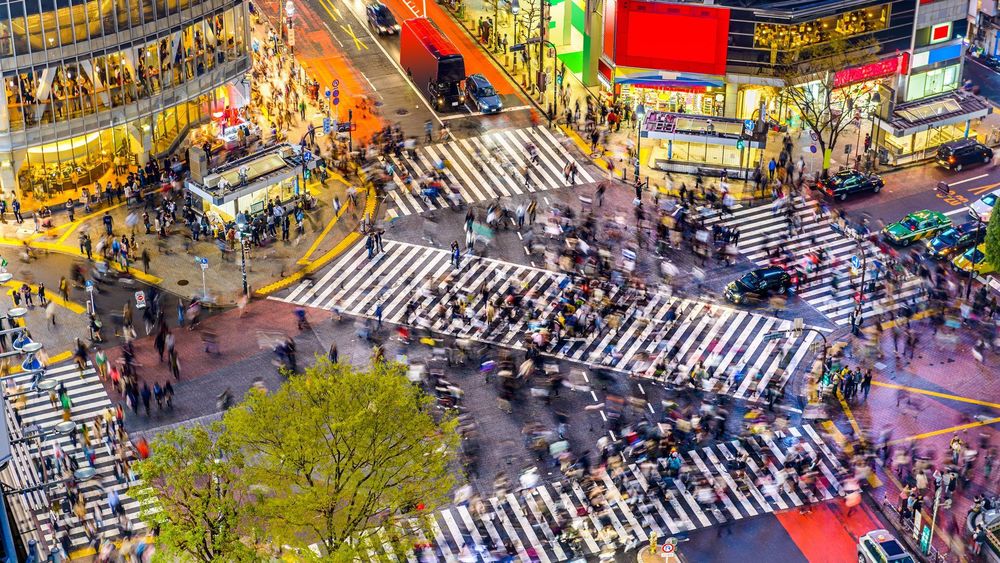
Shibuya Crossing Tokyo: Best Time & Photos
Experience Shibuya Crossing, Tokyo's iconic scramble. Complete guide with best viewing spots, photography tips, times & how to reach.
Never Miss an Adventure
Get the latest trekking guides, travel tips, and exclusive offers delivered straight to your inbox.
