
Travel
Spiti Valley in July: Weather, Route Conditions & Packing Tips

Rahul Garg
December 18, 2025
14 min read1,516 views
Visit Spiti Valley in July! Guide to weather, rain, road conditions, temperature, Manali route & monsoon travel tips.
Spiti Valley in July: Monsoon Paradise
July marks the arrival of peak monsoon season in Spiti Valley, bringing a dramatic transformation to this high-altitude cold desert. The normally brown, arid landscape bursts into vibrant green as monsoon rains work their magic on the terrain. This seasonal shift creates a completely different Spiti experience—one defined by lush valleys, dramatic cloud formations, and a raw, powerful natural energy. Traveling to Spiti in July requires accepting uncertainty. Weather patterns change rapidly, road conditions fluctuate daily, and mountain visibility comes and goes with the clouds. Yet for travelers who embrace Himalayan unpredictability, July delivers photographic opportunities, fewer tourists than June, and a chance to witness Spiti's rarely seen monsoon personality. For comprehensive planning, also explore Spiti Valley in August and best time to visit Spiti Valley to understand July within the broader seasonal context.
Weather in July: Monsoon Arrives
July brings substantial weather changes to Spiti Valley. Day temperatures range from a comfortable 15°C to 22°C, creating pleasant conditions for valley exploration and village visits. However, night temperatures drop between 8°C and 12°C, meaning warm clothing remains essential despite the daytime mildness. The defining characteristic of July weather is rainfall. Spiti receives heavy showers throughout the month, though the volume remains significantly lower than lower Himalayan regions like Manali or Shimla. The humidity rises noticeably compared to Spiti's normally arid climate, creating a different feel to the air and landscape.| Weather Parameter | July Condition | Travel Implications |
|---|---|---|
| Day Temperature | 15°C - 22°C | Comfortable for exploration, light layers sufficient during day |
| Night Temperature | 8°C - 12°C | Warm jacket needed, accommodation heating varies |
| Rainfall | Heavy showers | Road challenges, lush greenery, travel delays possible |
| Sky Conditions | Overcast, cloudy | Dramatic landscapes, limited mountain views |
| Landslide Risk | Moderate to high | Route planning crucial, buffer days essential |
Road Conditions: Navigating Monsoon Challenges
July road status demands careful, continuously updated planning. Both primary access routes—the Manali-Kaza circuit via Kunzum Pass and the Shimla-Kaza route through Kinnaur—remain operational but present very different challenge levels during monsoon season. The Manali-Kaza route becomes particularly demanding in July. The road from Manali to Gramphu, then through Batal and Kunzum Pass to Kaza, faces multiple monsoon-related challenges. Kunzum Pass, sitting at 15,060 feet, often experiences difficult conditions with rain making the dirt track slushy and unpredictable.July Route Analysis:
- Manali-Kaza Route: Open but challenging, water crossings increase significantly, slushy sections common, kunzum Pass demanding, experienced drivers essential.
- Shimla-Kaza Route: Safer monsoon option, better road surface, more infrastructure, fewer landslide zones, recommended for July travel.
- Kunzum Pass: High-risk section in July, snow melt water crossings combine with rain, delays common, sometimes closed temporarily.
- Rohtang Pass: Rain-affected before Kunzum, creates bottlenecks, weather-dependent access, timing crucial.
- Inner Valley Roads: Generally passable, connections to Key Monastery, Kibber, Langza accessible, minor water crossings on some routes.
Road Status Monitoring:
Constant information gathering becomes essential. Connect with local hotels in Kaza, taxi operators based in Spiti, and recent travelers via social media groups for real-time conditions. Cross-verify information from multiple sources—official highway departments, local contacts, and current traveler reports provide the most reliable picture.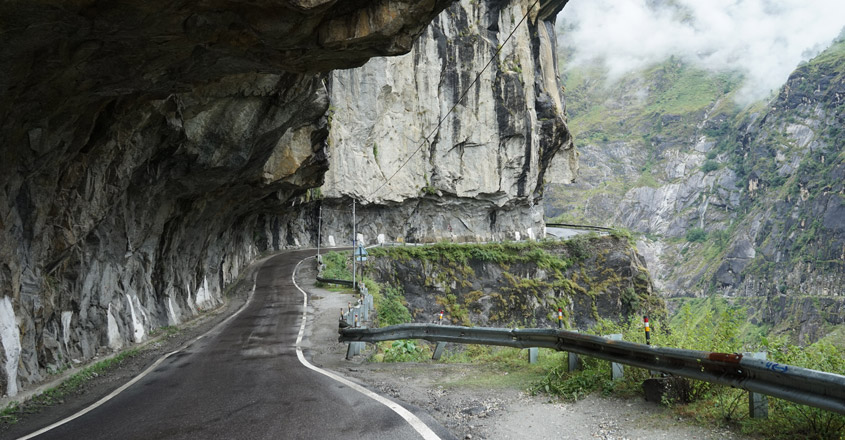
Things to Do in July: Monsoon Season Highlights
Despite weather constraints, July offers distinctive Spiti experiences that don't exist in other months. The monsoon season reveals a different dimension of this Himalayan region.Monastery Exploration:
All major Spiti monasteries remain fully accessible in July. Key Monastery, perched dramatically above Kaza, offers sheltered exploration when rain limits outdoor activities. Dhankar Monastery, positioned at a confluence of Spiti and Pin Rivers, provides dramatic cloudy vistas that enhance its spiritual atmosphere. Tabo Monastery, known as the Ajanta of the Himalayas for its ancient paintings, offers extensive indoor exploration perfect for monsoon weather. The monastery complex includes multiple temples with meditation caves, providing hours of sheltered cultural immersion. Komic Monastery, one of the world's highest villages, welcomes fewer visitors in July, allowing quieter exploration of its distinctive prayer hall and dramatic mountain setting.Village Life in Monsoon:
Village exploration takes special character during July's peak green season. Kibber, Langza, Hikkim, and Komic—Spiti's highest villages—display lush surroundings that contrast sharply with their usual brown appearance. Agricultural activity reaches its peak in July. Local farming communities work in fields that are green with barley and pea crops. Witnessing traditional Spitian agriculture during this active season provides cultural insights unavailable in other months. Walking through villages in July reveals water features that don't exist in dry months—seasonal streams, cascading waterfalls from cliff edges, and fuller rivers. The landscape feels alive in a way that differs fundamentally from Spiti's normal arid character.Photography Opportunities:
July delivers unique photographic possibilities. The green valleys create color contrasts photographers can't capture in other seasons. Dramatic cloud formations constantly reshaping around peaks add mood and atmosphere to compositions. Monsoon skies produce remarkable light quality. While expansive clear vistas are less common, the interplay of light, cloud, and landscape creates powerful, moody imagery. Monastery structures against cloudy backdrops offer spiritual atmosphere unavailable in harsh bright light.Chandratal Lake Access:
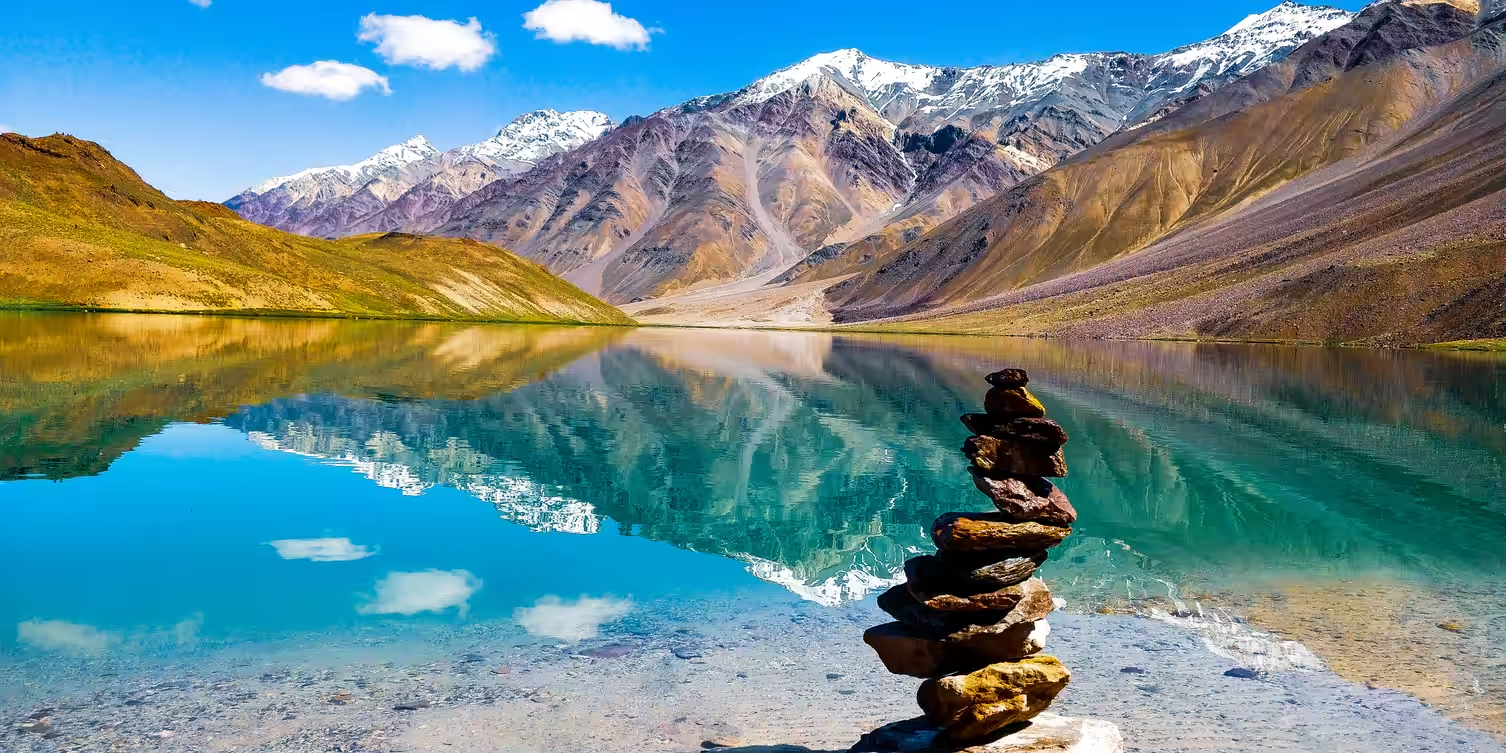
Chandratal Lake remains accessible in July but with significant challenges. The road from Kunzum Pass to Chandratal becomes demanding, with water crossings and slushy sections. Vehicles with high ground clearance and experienced drivers are essential. The lake itself appears dramatically different in July. Surroundings are green rather than brown, snow patches linger on nearby peaks, and cloudy skies create reflections on the water's surface. Camping near Chandratal requires extreme caution with weather monitoring and proper equipment.| Activity | July Feasibility | Special Notes |
|---|---|---|
| Monastery Visits | Excellent | All accessible, fewer crowds, atmospheric lighting |
| Village Exploration | Excellent | Lush surroundings, active agriculture season |
| Chandratal Lake | Challenging | Accessible via Kunzum Pass, high-clearance vehicles needed |
| High-Altitude Trekking | Limited | Trail conditions challenging, weather unpredictable |
| Camping | Possible with caution | Weather monitoring essential, elevated sites preferred |
What to Pack: Essential July Gear
Packing for July's monsoon conditions requires comprehensive rain preparation and smart layering strategies. The goal is staying dry during rain events while maintaining comfort across a wide temperature range.Rain Protection System:
Complete rain gear forms the foundation of functional July travel. A high-quality waterproof jacket with an adjustable hood is non-negotiable. Look for jackets with breathable membranes to prevent internal condensation during strenuous activity. Waterproof pants with side zippers allow easy on/off over boots without removing footwear. Backpack protection is equally important. A dedicated rain cover for your main bag keeps contents dry during sudden showers. For electronics, use waterproof stuff sacks or dry bags inside the backpack—double protection ensures critical devices stay functional regardless of weather.Clothing Strategy:
Quick-dry synthetic materials should replace cotton entirely. Cotton loses insulating properties when wet and takes ages to dry in humid conditions. Instead, pack moisture-wicking base layers, fleece jackets for warmth, and fast-drying hiking pants. Layering remains crucial despite July's mild daytime temperatures. Mornings and evenings still feel cold, especially at higher elevations around monasteries and passes. A light down jacket or fleece provides necessary warmth during these cooler periods. Carry multiple sets of socks and underwear. Quick-dry wool or synthetic socks prevent blisters during wet conditions and allow fresh starts each day. Underwear should also be synthetic or wool material that dries rapidly.Footwear Considerations:
Waterproof hiking boots with aggressive tread patterns provide essential grip on wet, slushy surfaces. If your boots aren't completely waterproof, treat them with waterproofing spray before the trip. Gaiters prove invaluable for stream crossings and keeping debris out of boots. Pack extra socks—more than you think necessary. Wet feet lead rapidly to discomfort and potential foot problems. Changing into dry socks at lunch breaks and evenings maintains foot health throughout multiday trips.Essential July Packing List:
- Rain Gear: Waterproof jacket with hood, rain pants, backpack rain cover, waterproof stuff sacks for electronics and documents.
- Clothing: Synthetic/wool base layers (2-3 sets), fleece jacket, light down jacket, quick-dry pants (2 pairs), warm hat, light gloves.
- Footwear: Waterproof hiking boots (broken in), gaiters, extra quick-dry socks (4-5 pairs), camp sandals or flip-flops.
- Accessories: Sturdy wind-resistant umbrella, wide-brim sun hat, sunglasses with strap, quick-dry towel.
- Electronics Protection: Waterproof phone case, camera rain cover, silica gel packets for moisture control, power bank in waterproof container.
- Medicines: Cold and fever medication, stomach remedies, first aid kit, any personal prescriptions, water purification tablets.
- Emergency Supplies: Energy bars, dry snacks, water bottle or hydration system, emergency blanket, headlamp with extra batteries.
Pros & Cons of July Travel
Understanding July's advantages and challenges helps set appropriate expectations and determine whether this season matches your travel style.Advantages of Visiting in July:
The lush green landscape represents July's most distinctive benefit. Spiti's typically brown, arid terrain transforms into verdant valleys filled with wildflowers and agricultural growth. This unique aesthetic attracts photographers seeking imagery that stands apart from standard Spiti portfolios. Fewer tourists compared to June provide a more intimate experience. Popular sites like Key Monastery and Chandratal see reduced visitor pressure, allowing quieter exploration and better photography without crowds cluttering frames. Accommodation availability generally improves, and some homestays offer better rates. Pleasant temperatures create comfortable exploration conditions. Unlike September's cold nights or May's lingering winter chill, July offers balanced weather—cool enough for comfortable walking, warm enough that outdoor activities remain pleasant throughout daylight hours. Cultural immersion opportunities increase as agricultural activity peaks. Witnessing traditional farming practices, seeing villages at their most active season, and experiencing Spiti's brief but vibrant growing period provides insights into local life that are impossible in drier months.Challenges of Visiting in July:
Heavy rain becomes the primary constraint. Persistent showers can delay road movement, make extended outdoor activities uncomfortable, and limit mountain visibility. Photography of expansive Himalayan vistas becomes challenging when cloud cover dominates the skies. Landslide risk, particularly on exposed sections of the Manali route, represents a serious safety consideration. Road blocks can extend from hours to multiple days, potentially completely derailing tight itineraries. Some remote areas may become temporarily inaccessible. Limited mountain views frustrate travelers seeking classic Spiti imagery. Famous snow-capped peak perspectives, expansive valley views, and clear sunrise opportunities occur less frequently. Photographers hoping for crystal-clear Himalayan vistas may find July conditions challenging. Road uncertainty requires flexible scheduling. Fixed itineraries with pre-booked accommodations in specific locations on specific dates become risky. Plans must evolve based on current conditions, which frustrates travelers who prefer predictability.| Traveler Type | July Suitability | Reasoning |
|---|---|---|
| Adventure Seekers | Excellent | Embrace weather challenges, unique landscape, fewer crowds |
| First-Time Visitors | Limited | Challenging conditions, visibility issues, not typical Spiti experience |
| Photographers | Good | Unique green landscapes, dramatic skies, moody atmosphere |
| Families with Children | Not Recommended | Road uncertainty, health risks, limited child-friendly activities in rain |
| Budget Travelers | Good | Lower rates, better availability, fewer peak season crowds |
Monsoon Travel Tips: July Success Strategies
Successful July travel requires specific approaches that differ significantly from peak season strategies. Weather awareness, flexible planning, and conservative decision-making determine trip quality.Pre-Trip Preparation:
Begin monitoring Spiti road status at least 10 days before departure. Join Spiti travel groups on social media platforms where travelers and locals share current conditions. Bookmark websites of Himachal Pradesh road transportation departments for official updates on road closures and reopening. Build buffer days into your itinerary strategically. A typical 7-8 day Spiti circuit in July should include at least 2-3 buffer days for weather and road contingencies. Position buffers at critical itinerary points—before Chandratal visits, before major pass crossings, and before departure dates to avoid missing flights or connections. Choose accommodations that understand monsoon logistics. Hotels and homestays in Kaza, Tabo, and Kibber typically have experience with July weather patterns and can provide current local information. Discuss route conditions with hosts when checking in—their local knowledge proves invaluable.During the Trip:
Start travel days early. July weather patterns typically worsen as the day progresses. Morning road movement offers the best chance of completing segments before rain intensifies. Plan to reach your next destination by early afternoon whenever possible. Avoid night driving absolutely. Rain-slicked roads combined with reduced visibility, potential rockfall, and unpredictable water crossings make night travel extremely dangerous in July. If you're running late due to weather or road conditions, stop at the nearest available accommodation rather than pushing through after dark. Carry emergency supplies accessible, not buried. Food, water, warm layers, and basic first aid should be kept where they can be reached without unpacking. Road blocks can leave travelers stranded for extended periods, and these essentials become critical during unexpected delays. Maintain communication with multiple sources. Your driver, accommodation hosts, and other travelers on the route all provide pieces of the current conditions puzzle. Synthesize information from various sources to make informed decisions about continuing or modifying your planned route.Road Crossing Strategies:
Assess water crossings carefully before attempting. Observe other vehicles crossing, check depth visually if possible, and consider the strength of flowing water. Morning crossings typically prove safer as overnight temperatures reduce flow from snowmelt combined with rain. Know when to turn back. If a road section looks truly unsafe, if recent landslides have left the route unstable, or if weather is deteriorating rapidly, retreating to a safe location is smarter than pushing forward. No destination is worth risking safety. Trust local driver judgment. If your hired taxi driver recommends against proceeding on a specific section, respect their experience. Local drivers who navigate these routes daily understand July conditions in ways that visitors cannot match.Weather Respect and Environmental Care:
July's rain makes Spiti's terrain more vulnerable. Off-road driving causes lasting damage to fragile wet landscapes. Stick to established roads even when conditions suggest shortcuts might save time. The same rain that creates green growth also accelerates erosion. Campsite selection requires elevated positions away from watercourses. Flash floods can occur even in areas that seem safe during dry weather. Set up tents on well-drained ground with natural windbreaks when possible. Practice responsible waste management rigorously. Monsoon conditions make proper waste disposal more challenging but no less critical. Pack out all trash, minimize single-use items, and leave camping areas pristine despite the difficulty of doing so in wet conditions.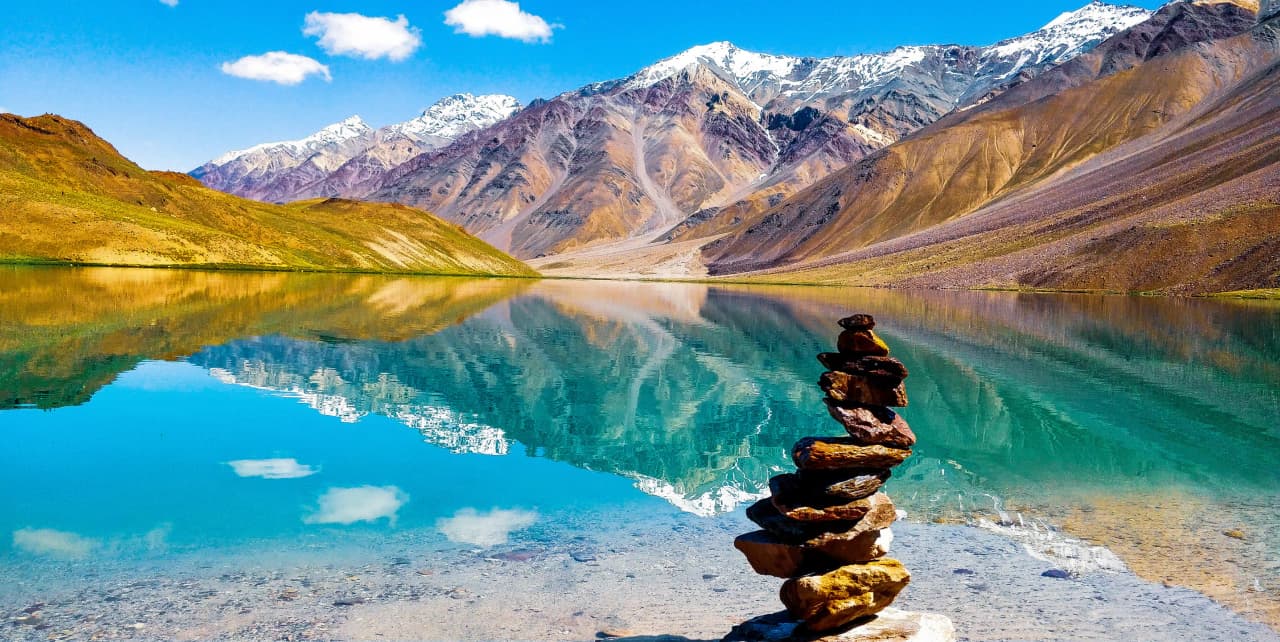
Conclusion: July in Spiti Valley
Spiti Valley in July delivers a distinctive Himalayan experience defined by dramatic weather, lush landscapes, and adventurous travel conditions. The monsoon season reveals Spiti's rarely seen green avatar, creating photographic opportunities and cultural moments impossible in other seasons. Success in July requires embracing uncertainty, preparing comprehensively for wet conditions, and maintaining flexibility with itineraries. The rewards—fewer crowds, unique landscapes, and a more intimate connection with this powerful landscape—justify the challenges for travelers who understand and respect monsoon dynamics. July isn't the ideal season for first-time visitors seeking guaranteed clear views and easy logistics. But for photographers chasing unique imagery, adventurers drawn to weather extremes, and travelers who've already experienced Spiti in peak conditions, July reveals an entirely different dimension of this remarkable valley. Match your travel goals to seasonal realities, prepare thoroughly for monsoon conditions, and July in Spiti provides one of the Himalaya's most distinctive and memorable high-altitude experiences.Location
Frequently Asked Questions
Q1.Is Spiti open in July?
Yes, Spiti Valley remains open in July. Both the Manali-Kaza route via Kunzum Pass and the Shimla-Kaza route via Kinnaur are operational. However, road conditions become challenging due to heavy monsoon rains. The Shimla route is generally safer and more reliable during July, while the Manali route requires experienced drivers and flexible scheduling.
Q2.Does it rain heavily in Spiti in July?
Yes, July receives heavy showers in Spiti Valley, though the volume remains significantly lower than lower Himalayan regions. The rainfall is sufficient to transform the arid landscape into lush green valleys. Rain can persist for days, and while temperatures remain pleasant, the humidity rises noticeably compared to Spiti's normally dry climate.
Q3.Are roads to Spiti open in July?
Both main routes to Spiti remain open in July, but conditions fluctuate with weather. The Manali-Kaza route via Kunzum Pass faces challenges including slushy roads, increased water crossings, and landslide risks. The Shimla-Kinnaur route is generally more reliable with better road infrastructure. Constant road status monitoring and buffer days in itineraries are essential.
Q4.How is the weather in Spiti in July?
July weather in Spiti features day temperatures between 15°C to 22°C and night temperatures dropping to 8°C to 12°C. The climate is humid and mild with heavy rainfall throughout the month. Skies are typically overcast and cloudy, creating dramatic landscapes but limiting expansive mountain views. Greenery reaches its peak, creating unique visual contrasts.
Q5.Can we visit Chandratal in July?
Chandratal Lake is accessible in July but with significant challenges. The road from Kunzum Pass to Chandratal becomes demanding with water crossings and slushy sections. High-clearance vehicles with experienced drivers are essential. The lake surroundings are lush and green, contrasting sharply with other seasons, and cloudy skies can create dramatic reflections on the water's surface.
Q6.Is July a good time to visit Spiti?
July is good for specific types of travelers—adventure seekers, photographers seeking unique monsoon aesthetics, and those wanting to avoid peak crowds. The lush green landscapes offer unique photo opportunities, and temperatures remain pleasant. However, it's not ideal for first-time visitors wanting guaranteed clear views, families with children, or those with tight schedules, as rain and road disruptions are common.
Q7.What to pack for Spiti in July?
Essential July packing includes complete rain gear (waterproof jacket, rain pants, backpack rain cover), quick-dry synthetic clothing, warm layers for cool nights, waterproof hiking boots with good grip, gaiters for stream crossings, multiple sets of quick-dry socks, a sturdy wind-resistant umbrella, waterproof protection for all electronics, rain cover for camera, and emergency supplies including food, water, and first aid.
Q8.Is Manali-Kaza road safe in July?
The Manali-Kaza road in July is challenging but possible with proper precautions. Kunzum Pass and Rohtang Pass sections face rain-related issues including slush, increased water crossings, and landslide risks. The route is safest when attempted by experienced drivers familiar with monsoon conditions. Conservative scheduling with buffer days is essential, and road status should be monitored continuously throughout the trip.
Q9.How much rain does Spiti get in July?
Spiti Valley receives moderate to heavy rainfall in July, though significantly less than lower Himalayan regions. The exact amount varies yearly, but July is typically the wettest month in Spiti. The rainfall is sufficient to transform the brown landscape into vibrant green, create seasonal waterfalls, and fill rivers and streams, while also creating challenging road conditions.
Q10.How many days are needed for Spiti in July?
Plan 8-10 days for a comprehensive Spiti trip in July, including 2-3 buffer days for weather and road contingencies. A basic itinerary might include Shimla to Sarahan to Sangla to Kalpa to Kaza (exploring Kaza, Key, Kibber, Langza), then exit via Manali or return via Shimla. Extra buffer days are crucial for managing monsoon-related delays and road closures.
Recommended For You
Hill Stations
Spiti Valley in Summer: Complete Travel Guide, Itinerary & Tips 2026
Discover Spiti Valley in summer with complete travel guide featuring 7-10 day itineraries, trekking routes, monasteries, Chandratal Lake, and essential tips for 2026.
Jan 19Read More
Travel
How To Reach Spiti Valley: Routes And Travel Options
Planning a trip to Spiti Valley? Learn how to reach Spiti from Manali & Shimla by road, flight & train. Get routes, timings, permits & essential travel tips.
Feb 14Read More
Travel
Spiti Valley in March: Snow Conditions, Accessibility & Itinerary Ideas
Visit Spiti Valley in March! Guide to weather, snow, road conditions, temperature, Manali route & spring travel tips.
Feb 18Read More
Never Miss an Adventure
Get the latest trekking guides, travel tips, and exclusive offers delivered straight to your inbox.
