
Ta Dzong Bhutan: National Museum Highlights, Timings & Tickets

Neha Kapoor
February 20, 2026
Ta Dzong Bhutan guide covering watchtower history, National Museum exhibits, timings, entry planning, access from Paro, and nearby heritage pairings.
Introduction: Why Ta Dzong Matters in Paro
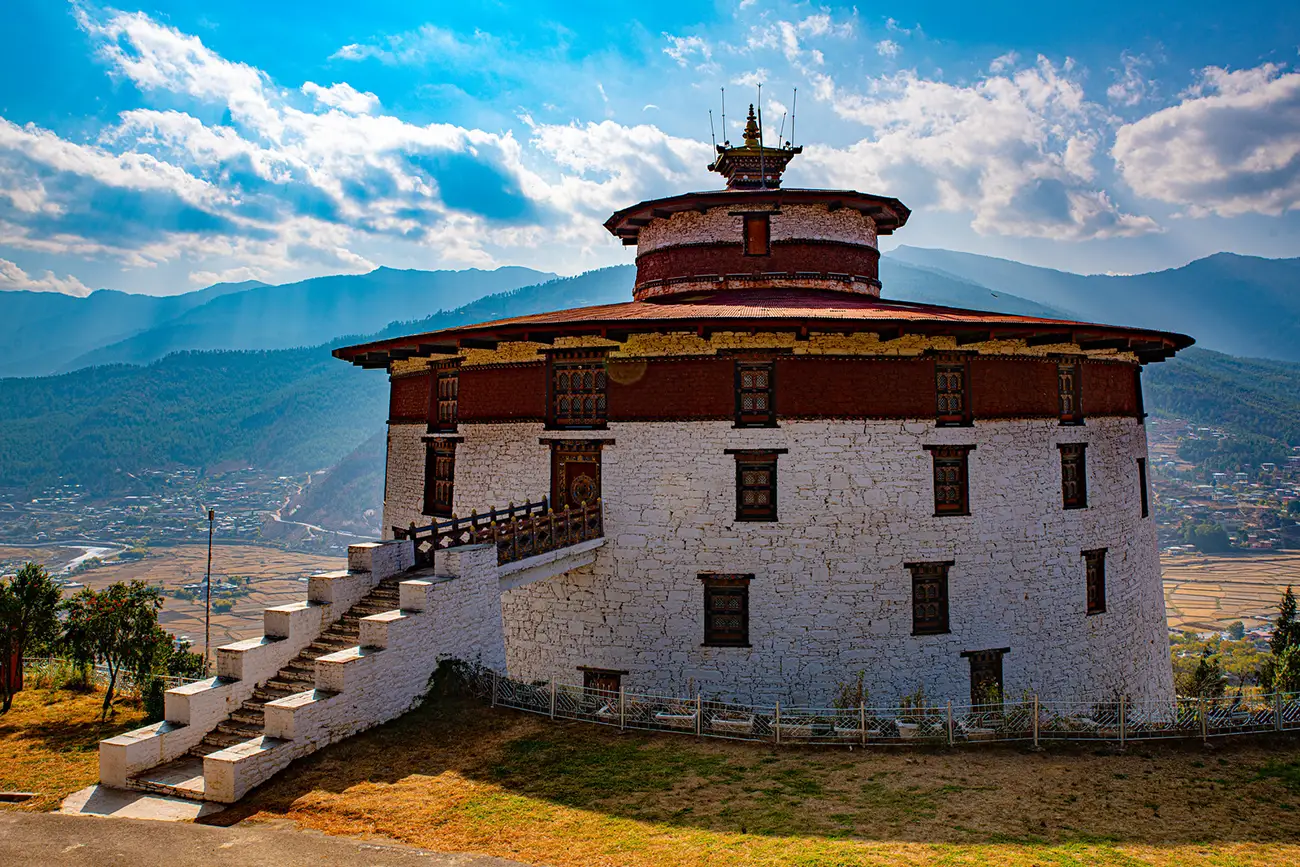
Ta Dzong in Bhutan is one of the most important cultural stops in Paro because it combines military history, architectural uniqueness, and museum storytelling in a single site. Perched above Rinpung Dzong, the structure was originally built as a watchtower and later transformed into Bhutan's National Museum. For travelers, this conversion tells a broader national story: how functional defensive heritage evolved into a curated cultural archive.
Many visitors reach Paro with Tiger's Nest as the headline attraction, but Ta Dzong adds critical historical context that improves the rest of the itinerary. The museum's exhibits on textiles, weaponry, ritual objects, and social history help decode what travelers later see in monasteries, dzongs, and village life across Bhutan.
This guide covers Ta Dzong history, architecture, exhibits, timings, access, ticket planning, and nearby pairings. To build a complete Paro route, combine this with things to do in Paro Bhutan, National Museum of Bhutan, and best tourist places in Bhutan.
History of Ta Dzong: From Watchtower to National Museum
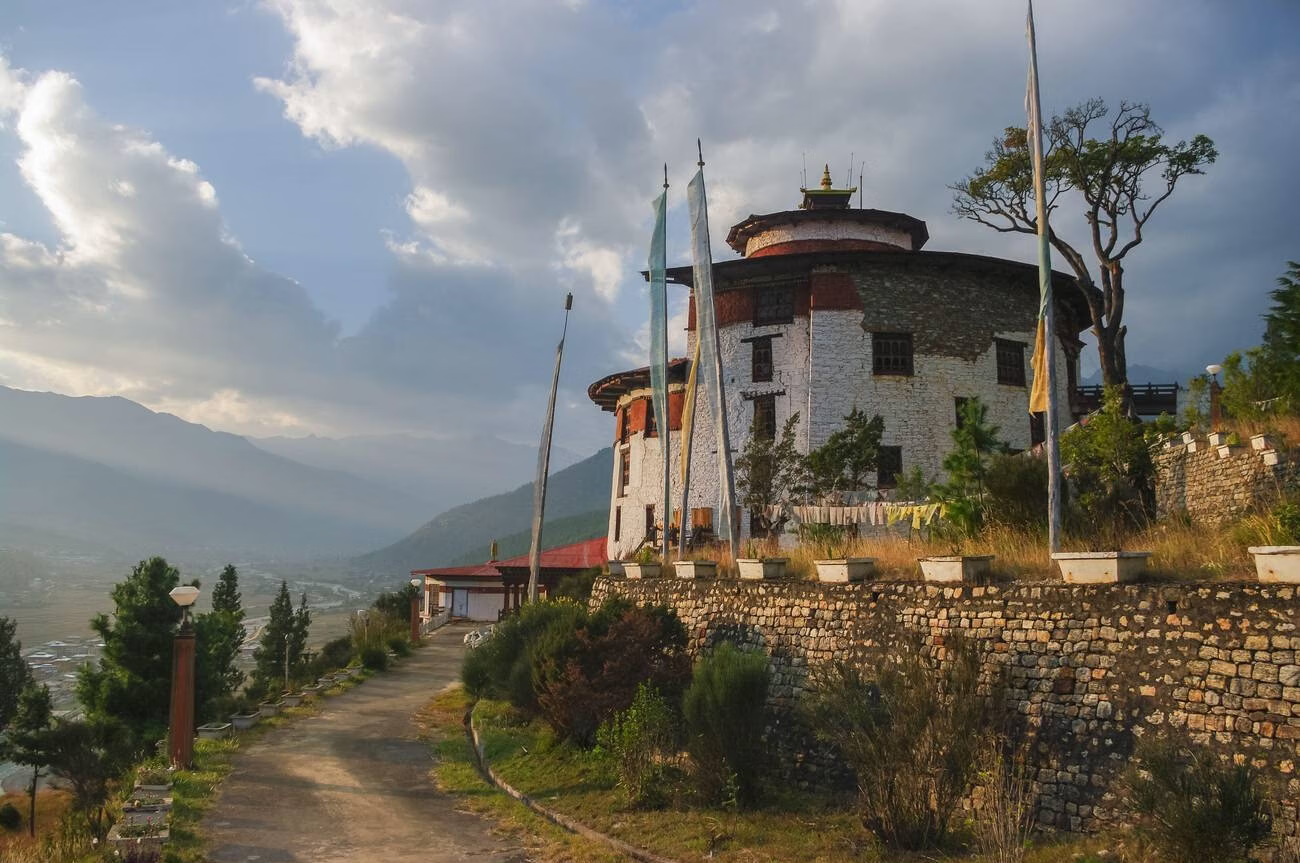
Ta Dzong was originally constructed in the 17th century period as a strategic watchtower linked with the defense of Rinpung Dzong and surrounding valley routes. Its placement on elevated terrain gave strong surveillance advantage in a mountainous environment where sightlines were vital for security.
In the modern era, the structure was repurposed as Bhutan's National Museum, creating a new civic-cultural role for an older military architecture asset. This transition is significant: instead of preserving the site only as a static monument, Bhutan integrated it into living public education around identity, craft, faith, and ecology.
For visitors, that means Ta Dzong is both an architectural destination and an interpretive center. Understanding this dual identity is key to appreciating why it remains one of Paro's highest-value heritage stops.
Architecture and Design Features
Ta Dzong's circular, fortress-like profile is one of its most distinctive qualities. Unlike rectangular administrative structures, this form reflects strategic defensive logic adapted to terrain and visibility. Thick walls, compact levels, and vantage-oriented placement shaped its original function.
Key architectural points
- Cylindrical form: Uncommon silhouette that stands out in Bhutanese built heritage.
- Vertical layering: Multiple levels now used for curated exhibit progression.
- Strategic elevation: Overlooks Paro valley and adjacent dzong zone.
- Bhutanese detail language: Traditional motifs in windows and decorative sections.
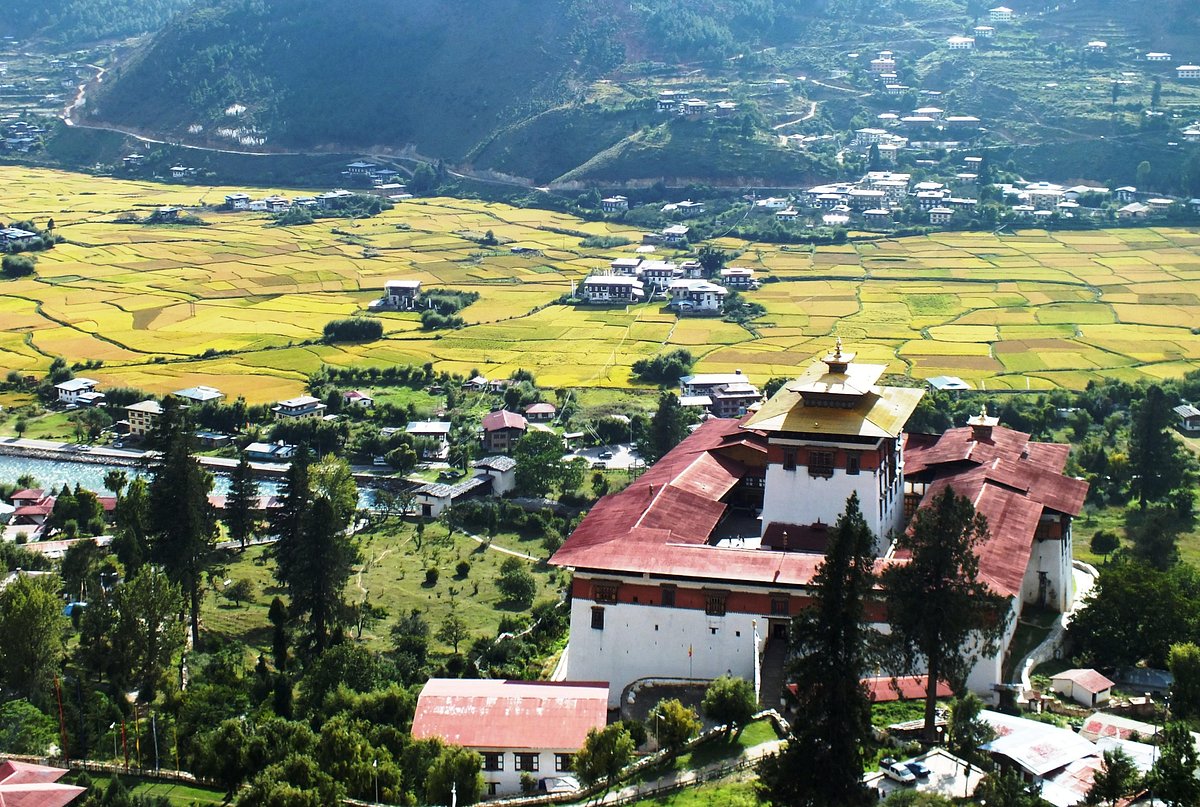
The site offers panoramic visual payoff beyond museum interiors. Even travelers focused on photography and landscape framing will find Ta Dzong worthwhile for hilltop perspective and historical context in one stop.
| Feature | Historical Role | Current Visitor Value |
|---|---|---|
| Watchtower placement | Defense and observation | Wide Paro valley viewpoint |
| Compact floors | Controlled strategic movement | Thematic exhibit sequencing |
| Fortified envelope | Security resilience | Architectural identity and heritage character |
Museum Exhibits: What You Can See
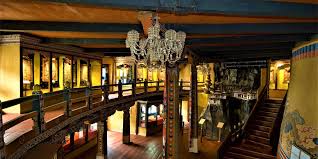
The National Museum collection at Ta Dzong typically includes cultural artifacts that help explain Bhutan's spiritual and social history. Exhibit focus can vary by curation period, but several themes are commonly highlighted.
- Textiles: Regional weaving patterns, ceremonial fabrics, and design symbolism.
- Ritual objects: Items used in monastic and devotional contexts.
- Masks and festival culture: Visual links to Bhutanese religious dance traditions.
- Historical tools and weaponry: Material culture from earlier periods.
- Natural and ecological references: Interpretive sections on landscape and biodiversity.
Take your time with interpretive labels and sequence, because the museum adds context that improves understanding at other Bhutan sites later in your route.
Timings, Entry and Visit Duration
Museum schedules and ticketing policies can change seasonally or during special events. Always confirm same-day timing through official local channels, your guide, or hotel desk.
- Typical visit window: Daytime opening hours with fixed closing time.
- Ticketing: Foreign visitor entry is generally ticketed under local tourism framework.
- Recommended duration: 1.5 to 2.5 hours for museum + viewpoint pacing.
- Best timing: Morning or early afternoon for clear valley visibility.
If you are pairing Ta Dzong with Rinpung Dzong and town exploration, keep half-day allocation rather than compressing into one rushed hour.
How to Reach Ta Dzong in Paro
Ta Dzong is close to central Paro route corridors and can be reached by short drive plus walking ascent depending on where you start. Most visitors combine it with nearby historical zones in a single local circuit.
Access options
- From Paro town: Short drive to approach point, then walk.
- With guide/driver: Most efficient for route sequencing and timing.
- On foot segments: Manageable but uphill portions require moderate comfort.
Wear comfortable shoes and keep water with you, especially in warmer daylight hours. Weather shifts can affect visibility, so keep a flexible photo slot if this stop is high priority.
Nearby Attractions to Combine
Ta Dzong is best experienced as part of a Paro heritage cluster. A thoughtful sequence improves both historical continuity and travel efficiency.
- Rinpung Dzong: Immediate historical pairing with strong architectural contrast.
- Paro town: Museum-to-market transition with cultural continuity.
- Tiger's Nest planning day: Keep separate day for full hike focus.
- Kyichu Lhakhang circuit: Add temple context if time allows.
| Half-Day Option | Sequence | Why It Works |
|---|---|---|
| Heritage-focused | Ta Dzong -> Rinpung Dzong -> Paro town | Strong historical continuity |
| Light cultural day | Paro walk -> Ta Dzong -> café/market | Lower exertion, high learning value |
| Two-day Paro split | Day 1 museum cluster, Day 2 Tiger's Nest | Balanced energy and pacing |
Practical Visitor Tips
- Carry ID and required permits/documents as advised by your operator.
- Respect museum photography rules in each gallery section.
- Do not rush exhibits; labels are key to cultural interpretation.
- Dress in modest layered clothing suitable for mountain weather shifts.
- Use this visit early in the trip to understand later destinations better.
Why Museum Visits Improve the Rest of Your Bhutan Trip
Travelers often prioritize scenic and monastery visits first, but starting with Ta Dzong can make the rest of the journey more meaningful. Museum context helps decode symbolism you encounter later in festivals, temple murals, textile motifs, and local architecture. Instead of seeing artifacts as isolated objects, you begin to recognize recurring themes across regions.
This is especially useful for first-time Bhutan visitors who want more than visual sightseeing. A good museum session builds interpretive confidence and reduces reliance on fragmented online snippets. You leave with a structured understanding of how faith, governance, craft traditions, and environment connect in Bhutanese life.
Route Pacing: Ta Dzong with Rinpung Dzong and Town Walk
The most practical way to cover Ta Dzong is with a half-day heritage cluster in Paro. Start early at the museum while energy is high, continue to Rinpung Dzong for architectural continuity, then finish with a light town walk and meal. This sequence balances learning, walking effort, and transport efficiency.
Avoid placing Ta Dzong after a strenuous hike day such as Tiger's Nest. Fatigue can reduce attention span in museum spaces and make the visit feel rushed. If possible, keep Ta Dzong on a lower-exertion day focused on cultural depth.
Visitor Preparation Checklist
- Carry layers for changing mountain weather.
- Confirm current ticketing and opening hours before departure.
- Keep phone charged for digital notes and translation support.
- Allocate enough time for exhibit labels and not just photos.
- Respect all no-photo or restricted sections inside galleries.
These simple steps make the Ta Dzong visit smoother and significantly improve how much value you get from the museum.
Best Time of Day for Museum + Valley Views
Morning is often the strongest window for Ta Dzong because visibility over Paro valley is usually clearer and galleries feel calmer before midday visitor flow increases. Starting early also gives flexibility to continue into Rinpung Dzong or town activities without rushing. If weather turns cloudy, the museum still remains valuable for indoor cultural depth.
Afternoon visits can work well in shoulder season, but keep enough buffer before closing. Museum visits become less rewarding when compressed into the final hour. Plan enough time to read exhibit labels and absorb context rather than moving quickly through floors.
Choosing the right time slot is one of the simplest ways to improve the quality of your Ta Dzong experience.
Short Notes for Photographers
Exterior photography is strongest when valley light is clear and cloud movement is light. Use wider frames to include both tower geometry and surrounding terrain. Inside galleries, always check photo permissions and avoid flash where restricted.
A slower, respectful photography approach keeps museum flow comfortable for all visitors.
Even a short extra 20 minutes at the museum can improve understanding of exhibits and reduce the feeling of rushing through one of Paro's most important cultural spaces.
Use this stop as your interpretive foundation before visiting other religious and historical sites in Bhutan.
It is worth every minute.
Conclusion
Ta Dzong Bhutan is one of the most valuable heritage visits in Paro because it connects architecture, history, and cultural interpretation in a single compact experience. It is not only a museum stop; it is a key context-builder for understanding Bhutan's broader religious and social landscape.
Give the site enough time, pair it with nearby historical landmarks, and approach exhibits with curiosity. When planned well, Ta Dzong becomes one of the most enriching and memorable parts of a Bhutan itinerary.
Location
Frequently Asked Questions
Q1.What is Ta Dzong in Bhutan?
Q2.Where is Ta Dzong located?
Q3.What can I see inside Ta Dzong museum?
Q4.How long does it take to visit Ta Dzong?
Q5.What are Ta Dzong opening hours?
Q6.Is photography allowed in Ta Dzong museum?
Q7.How do I reach Ta Dzong from Paro town?
Q8.What is the entry fee for Ta Dzong?
Recommended For You
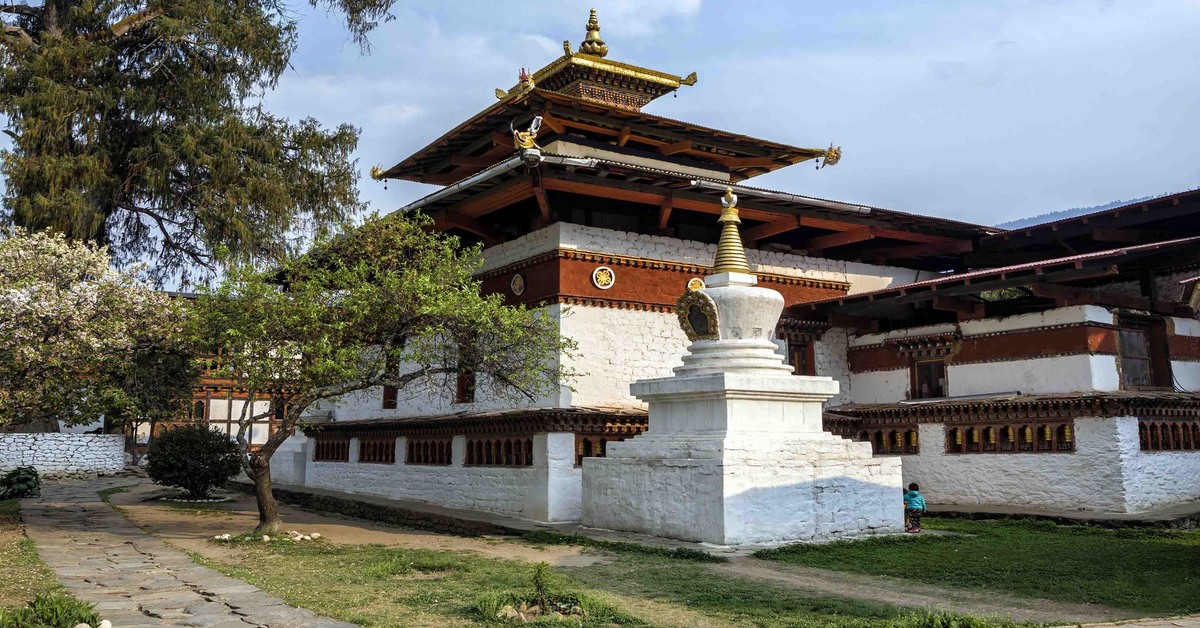
Kyichu Lhakhang Bhutan: History, Rituals & Visitor Information
Visit Kyichu Lhakhang Bhutan with historical context, etiquette guidance, architecture highlights, and practical Paro route planning tips.
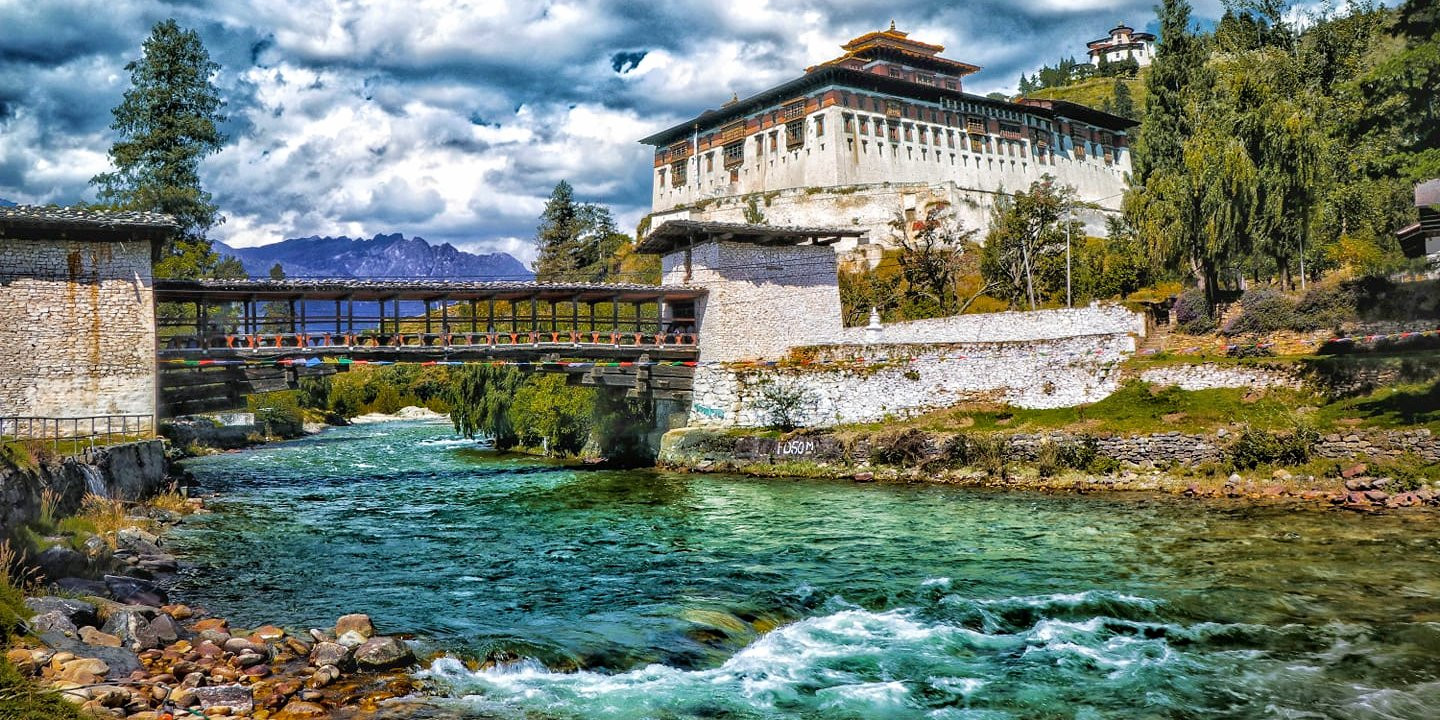
Rinpoche Dzong Bhutan: Fortress History, Architecture & Visit Information
Explore Rinpung Dzong Bhutan with location details, architectural highlights, spiritual significance, and the best time to visit Paro Valley.
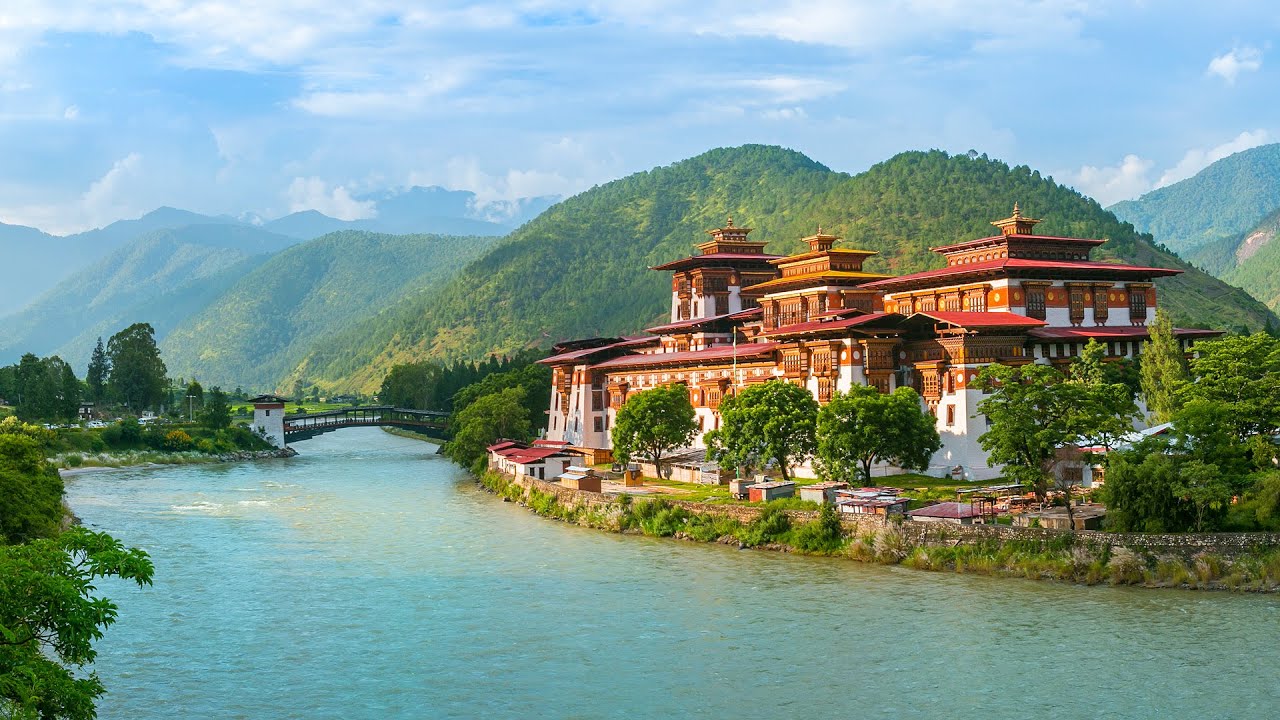
Best Time to Visit Bhutan: Season Guide and Travel Tips
Plan your Bhutan trip with season-wise timing, route strategy, and practical travel tips for smoother and more meaningful journeys.
Never Miss an Adventure
Get the latest trekking guides, travel tips, and exclusive offers delivered straight to your inbox.
