
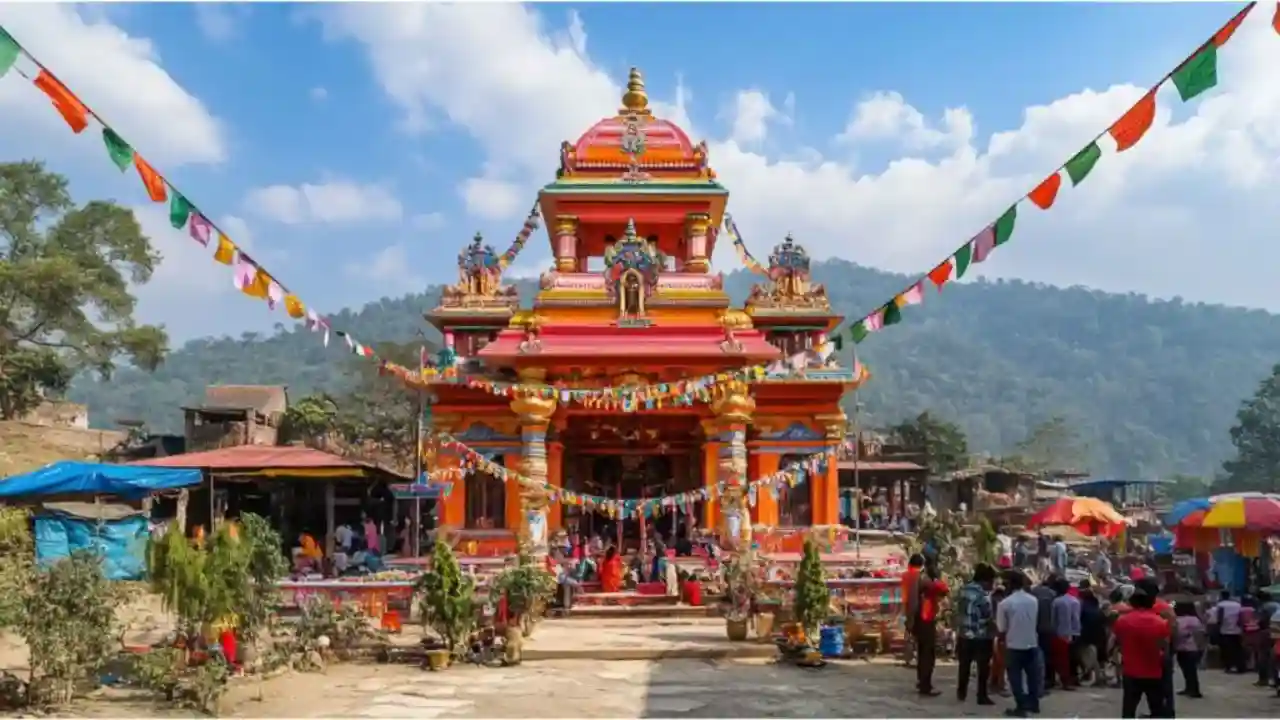
Temples in Meghalaya: Spiritual Heritage of the Abode of Clouds

Rahul Garg
January 16, 2026
Explore sacred temples in Meghalaya. Discover Nartiang Monolith Temple, Mahadev Khola Dham & sacred groves with complete guide.
Introduction: Where Faith Meets Nature
Meghalaya, the "Abode of Clouds," is predominantly known for its stunning natural beauty, living root bridges, and matrilineal society. However, this small northeastern state also harbors a fascinating spiritual landscape with temples that reflect a unique blend of indigenous faiths and mainstream Hinduism. Unlike the temple-dominated landscapes of other Indian states, Meghalaya's spiritual sites are more understated, intimately connected to nature, and reflect the syncretic traditions that have evolved in this remote corner of India.
What makes Meghalaya's temple culture unique is its context. The state is predominantly Christian and follows traditional indigenous faiths, yet Hindu temples have existed here for centuries, particularly in urban areas and along ancient trade routes. These temples often incorporate local architectural elements and serve as bridges between different religious communities. Additionally, the state's indigenous sacred groves (Law Lyngdoh) represent a form of nature worship that predates organized religion and continues to be protected vigorously.
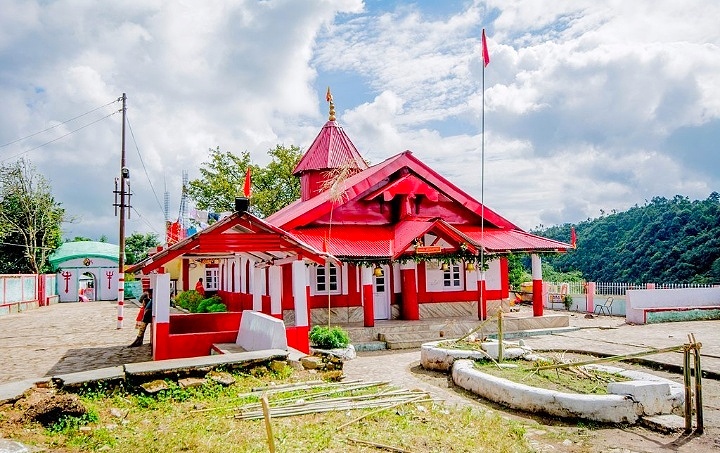
Nartiang Monolith Temple Complex
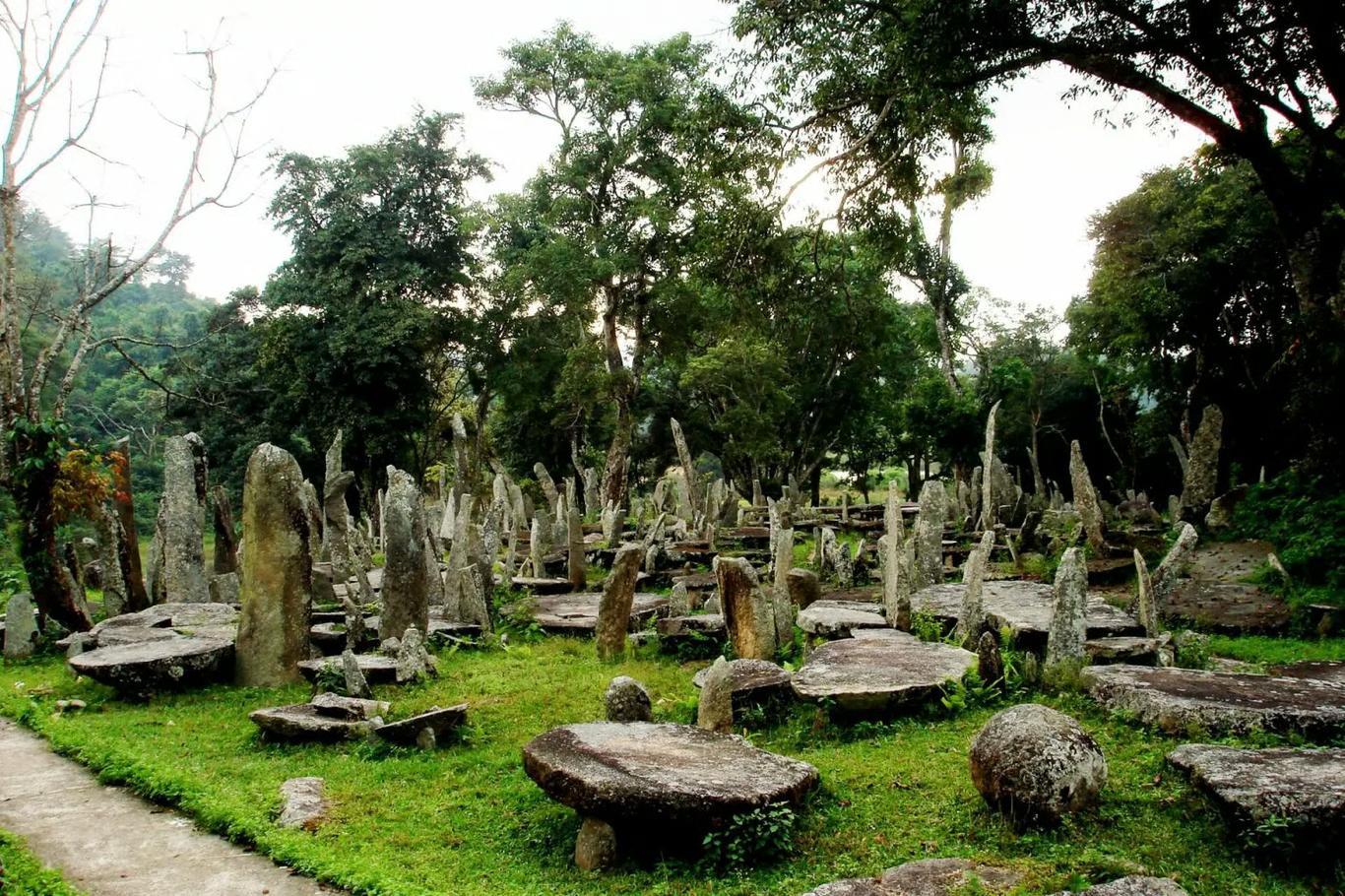
The Nartiang Monolith Temple Complex in the Jaintia Hills is undoubtedly Meghalaya's most significant Hindu temple site. This unique complex combines traditional Hindu temple architecture with the indigenous megalithic culture of the Jaintia people, creating a sacred space unlike anywhere else in India.
The complex houses a temple dedicated to Lord Shiva, but what makes it truly remarkable is the collection of monoliths (menhirs) surrounding it. These monoliths, some towering over 8 meters high, were erected by the Jaintia kings to commemorate victories and important events. The tallest monolith here is said to be the largest in existence anywhere.
The connection between Shiva worship and the monolithic tradition is fascinating. Lord Shiva is often worshipped in the form of a linga (a pillar-like symbol), and the local monolithic tradition naturally complemented Shaivite worship. The temple itself, while not architecturally grand like South Indian temples, has an atmosphere of profound antiquity and spiritual power.
Historical Significance
Nartiang was the summer capital of the Jaintia Kingdom, which ruled this region from the 16th to 19th centuries. The Jaintia kings, while maintaining their indigenous traditions, also patronized Hinduism, creating a syncretic religious culture. The temple complex reflects this dual heritage.
The Festival
The temple comes alive during Mahashivaratri when devotees from across Meghalaya and neighboring states gather for night-long vigils and special pujas. The sight of ancient monoliths silhouetted against the night sky during the sacred chants is truly mystical.
Mahadev Khola Dham
Located in Shillong, Meghalaya's capital, Mahadev Khola Dham is an important Shiva temple that attracts devotees from across the city. The temple, dedicated to Lord Mahadev (Shiva), is built in a cave-like niche, giving it an intimate and meditative atmosphere.
The temple's name "Khola" means cave in the local Khasi language, reflecting the cave tradition that has been associated with Shiva worship in India since ancient times. The cave setting creates a natural acoustic environment that enhances the spiritual experience during prayers and chantings.
The temple is particularly busy during Mahashivaratri and the month of Shravan (July-August) when Shiva worship is at its peak. Devotees offer bell leaves, milk, and water to the Shiva linga here. The temple's location in Shillong makes it easily accessible to devotees living in the city.
Purana Shiva Mandir, Shillong
This old Shiva temple in Shillong represents the continuing Hindu tradition in the state capital. While not ancient by historical standards, the temple has been serving the Hindu community of Shillong for several generations.
The temple follows traditional North Indian temple architecture with a sanctum housing the Shiva linga and a hall for devotees. The temple complex includes shrines to other deities including Goddess Parvati, Ganesha, and Kartikeya, reflecting the comprehensive Hindu pantheon.
The temple's management runs various religious and cultural programs, maintaining Hindu traditions in this predominantly Christian region. The temple becomes a hub of activity during major Hindu festivals.
Lady Hydari Park Temple
Within the beautiful Lady Hydari Park in Shillong, there's a small but significant temple dedicated to Lord Shiva. The temple's location within this park, which also houses a mini-zoo and beautifully landscaped gardens, creates a unique blend of natural beauty and spiritual serenity.
The temple is particularly popular among morning walkers who visit the park and offer prayers on their way. The peaceful surroundings enhance the devotional experience.
Sacred Groves: Law Lyngdoh
While not temples in the traditional sense, Meghalaya's sacred groves (Law Lyngdoh in Khasi) represent one of the world's oldest forms of nature worship and deserve mention in any discussion of the state's spiritual landscape.
These groves, scattered across Meghalaya, are patches of ancient forest that have been protected for centuries by local communities. They are believed to be the abode of deities and nature spirits. Hunting, logging, or any form of resource extraction is strictly prohibited within these groves.
The Mawphlang Sacred Grove, near Shillong, is one of the most famous and accessible. Here, ancient trees covered in epiphytes, moss, and orchids create an otherworldly atmosphere. The grove has been protected by traditional law for over 700 years.
Sacred groves represent an environmental consciousness that predates modern conservation movements and demonstrate how faith can be a powerful force for protecting nature. They are living temples where the divine is worshipped not in man-made structures but in the very trees, rocks, and streams of the forest.
Other Hindu Temples
Besides the major temples mentioned, Meghalaya has several smaller Hindu temples serving local communities:
- Ram Krishna Mission, Shillong: While a monastery and cultural center rather than a traditional temple, it houses beautiful shrines and is an important spiritual center.
- Kali Temples: There are several small Kali temples in Shillong and other towns, reflecting the Shakta tradition.
- Ganesha Temples: Small shrines to Lord Ganesha are common, particularly in market areas and business establishments.
Christian Churches as Spiritual Centers
Given that Meghalaya is predominantly Christian, the state's churches form an important part of its spiritual landscape. While not Hindu temples, these churches are architecturally and spiritually significant:
- All Saints Cathedral, Shillong: A beautiful Gothic Revival cathedral
- Mary Help of Christians Cathedral: Another important church in Shillong
- Unitarian Church: Reflects the unique indigenous Christian tradition of the Khasi people
Festivals and Rituals
Mahashivaratri
Celebrated at all Shiva temples with night-long vigils and special abhishekam. Nartiang sees particularly large gatherings.
Shravan Month
The month of Shravan (July-August) sees increased Shiva worship with daily rituals and fasting.
Indigenous Festivals
Festivals like Behdienkhlam, Wangala, and Nongkrem, while not Hindu temple festivals, are important religious celebrations that involve nature spirits and deities.
Planning Your Visit
Best Time to Visit
October to April offers pleasant weather. Avoid monsoon (June-September) when heavy rainfall can make travel difficult, so check this Meghalaya monsoon guide before planning.
How to Reach
By Air: Shillong Airport (Umroi) has limited flights. Guwahati Airport (100 km) is better connected.
By Rail: Guwahati is the nearest major railway station.
By Road: Well connected to Guwahati (3-4 hours drive).
Getting Around
- Taxis: Can be hired for full-day tours
- Shared cabs: Connect major towns
Accommodation
Shillong has varied accommodation from luxury hotels to guest houses. Basic facilities available in smaller towns.
Conclusion
Meghalaya's temples offer a unique spiritual experience that differs from the rest of India. Here, Hindu worship coexists with indigenous faiths and Christianity. The temples, while fewer in number, reflect the syncretic traditions of this borderland region. The sacred groves demonstrate how faith can protect nature, and the monolithic temples show how indigenous traditions can blend with mainstream Hinduism.
Come to Meghalaya not for grand temple complexes but for intimate spiritual experiences in caves and groves, for unique syncretic traditions, and for the realization that the divine can be worshipped in many forms - from a Shiva linga to a sacred forest.
Location
Frequently Asked Questions
Q1.Are there any famous temples in Meghalaya?
Q2.What is special about Nartiang Monolith Temple?
Q3.What are sacred groves in Meghalaya?
Q4.How do I reach Nartiang Temple from Shillong?
Q5.Best time to visit Meghalaya temples?
Q6.Is Shillong good for temple tourism?
Q7.What should I wear when visiting Meghalaya temples?
Q8.Are there non-Hindu sacred sites in Meghalaya?
Recommended For You
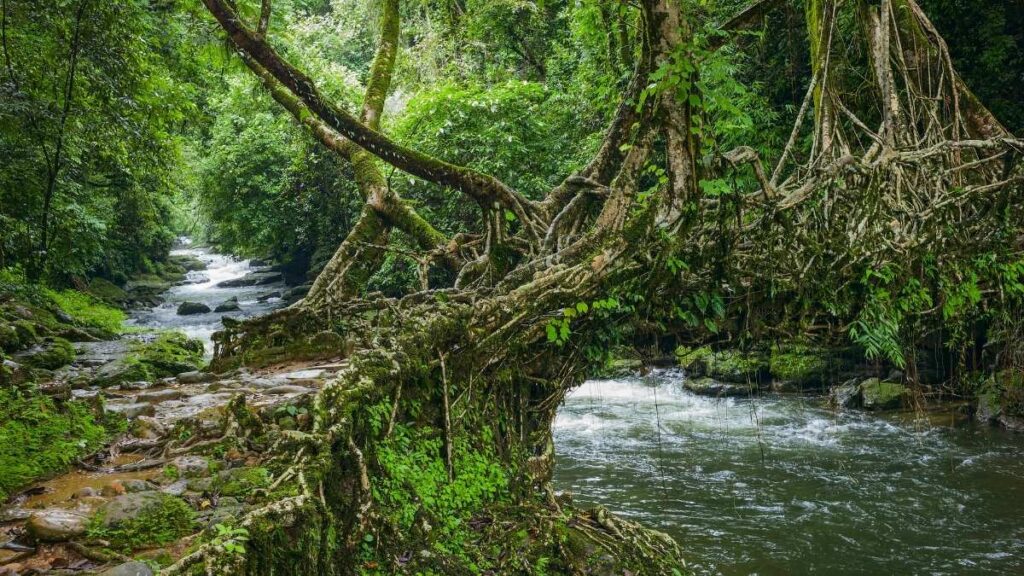
Living Root Bridges Meghalaya: Trek Routes, Villages & Local Tips
Discover Meghalaya's incredible living root bridges - nature's bioengineering marvel grown by the Khasi tribes. Complete trekking guide to the Double Decker Root Bridge in Nongriat, best time to visit, how to reach, difficulty level, and photography tips.
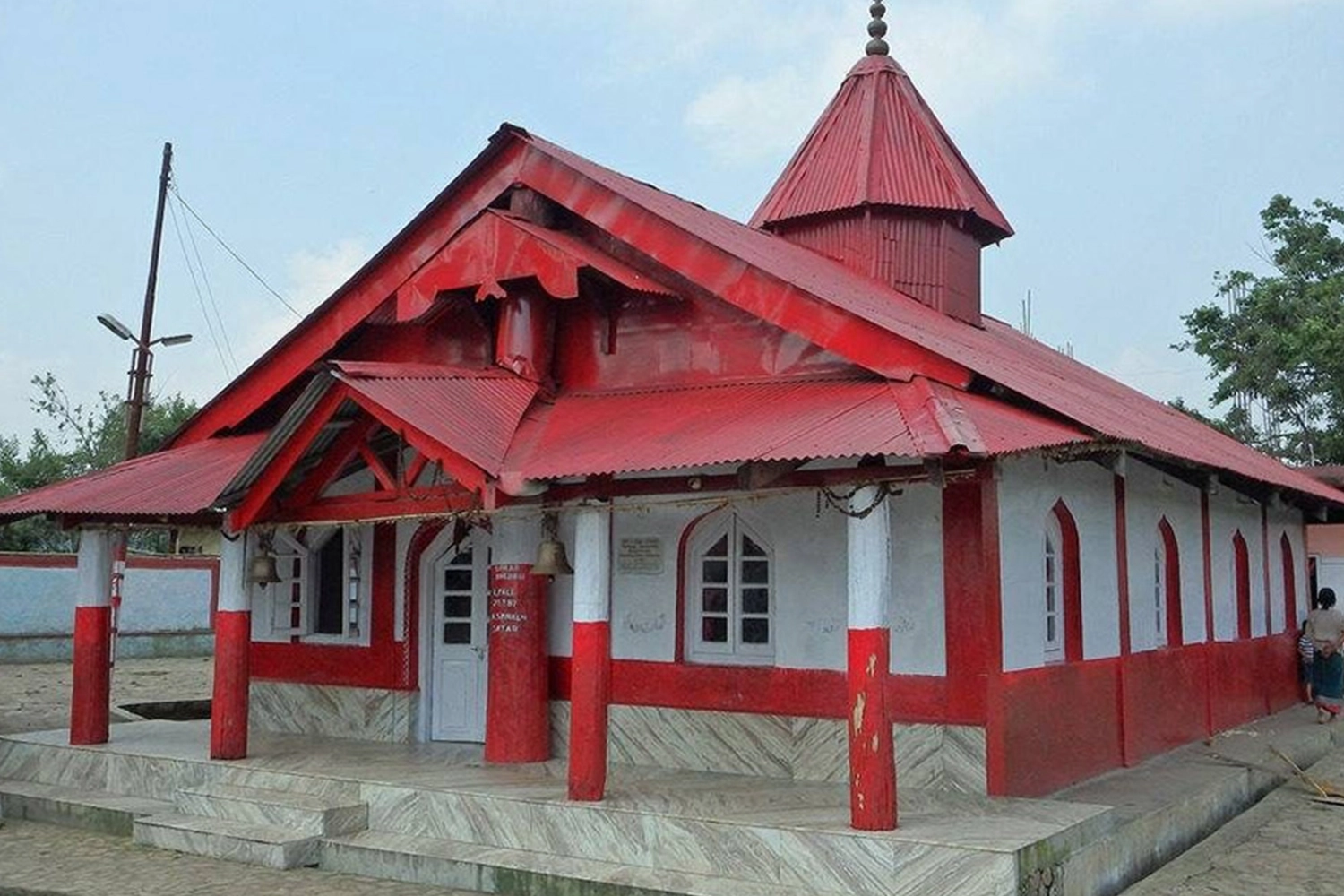
Nartiang Durga Temple Meghalaya: Timings, Navratri Significance & Route
Visit Nartiang Durga Temple in Meghalaya, one of 52 Shakti Peethas. Guide with timings, history, monoliths, how to reach & nearby attractions.
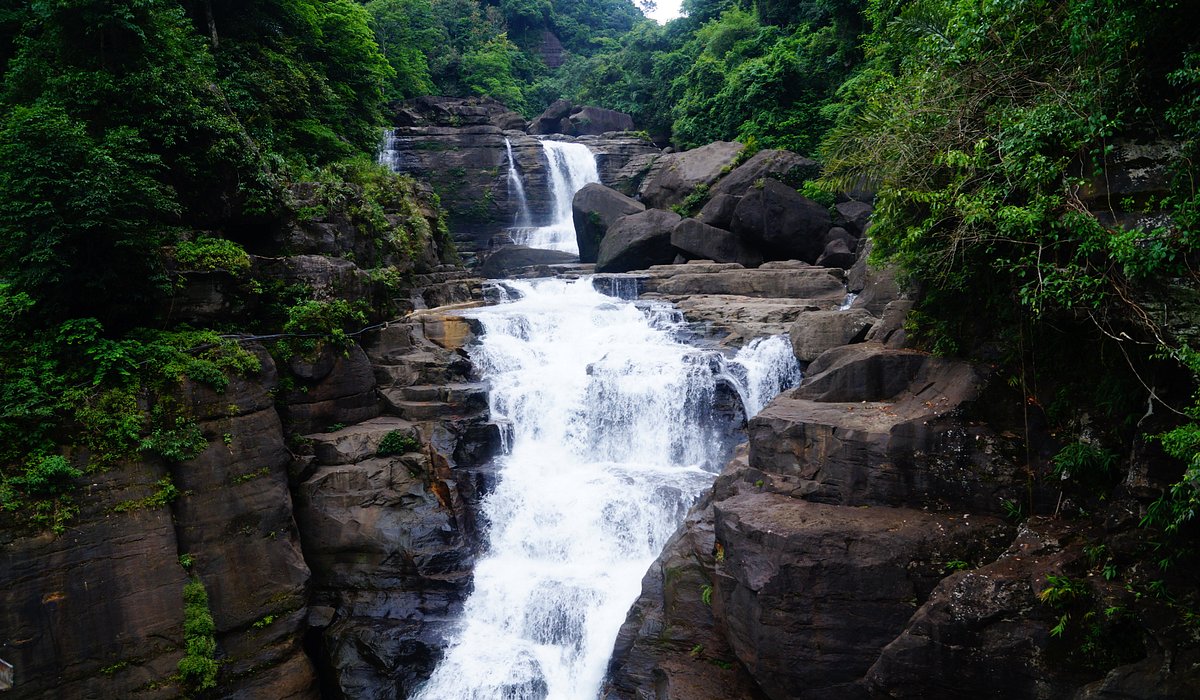
Best Places to Visit in Meghalaya: Waterfalls, Caves & Villages
Explore top places to visit in Meghalaya including Shillong, Cherrapunji, Dawki, Living Root Bridges, and practical route planning tips for travelers.
Never Miss an Adventure
Get the latest trekking guides, travel tips, and exclusive offers delivered straight to your inbox.
