
Chele La Pass Bhutan: Route, Weather & Best Viewpoints

Neha Kapoor
February 19, 2026
Plan Chele La Pass Bhutan with altitude facts, Paro route details, seasonal weather guidance, and practical safety tips for a smooth mountain experience.
Chele La Pass Bhutan: Complete Travel Guide, Weather Tips, and Route Planning
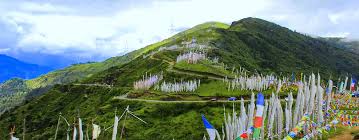
Chele La Pass is one of Bhutan’s most scenic mountain passes and a favorite for travelers looking for high-altitude views without extremely demanding trekking. Located on the route between Paro and Haa Valley, this pass offers panoramic Himalayan landscapes, prayer-flag viewpoints, and dramatic weather transitions that define Bhutan’s mountain character. For many visitors, Chele La becomes a highlight because it combines accessibility with unforgettable scenery.
This guide helps you plan Chele La Pass practically: best time to visit, what to expect on the road, how long to stay, what to carry, and how to combine it with nearby destinations. If you are planning Bhutan for the first time, align this visit with best time to visit Bhutan and route-level planning from best tourist places in Bhutan.
Why Chele La Pass Is Special
Chele La is valued for its wide mountain perspective and dramatic alpine atmosphere. Unlike urban sightseeing points, this destination is about open landscapes, cloud movement, and weather-driven visual shifts. On clear days, the pass can offer breathtaking long-range views, while misty days create a very different, equally atmospheric experience.
The route itself is part of the appeal. Forest belts, winding roads, and elevation change make the drive memorable even before reaching the main viewpoint.
Where Is Chele La Pass and How to Reach It?
Chele La Pass lies on the Paro-Haa corridor and is usually visited by road transport with local drivers or guided itineraries. Most travelers include it as a half-day or full-day excursion depending on whether they continue into Haa Valley or return to Paro after viewpoint time.
Road planning should be realistic. Mountain routes can feel longer than map estimates due to curves and weather conditions. Start early for better visibility windows and more relaxed pacing.
Best Time to Visit Chele La Pass
The best season depends on what you prioritize: clearer mountain visibility, floral landscapes, or colder high-altitude atmosphere. Shoulder and peak travel periods both have advantages, but weather at mountain passes can always change quickly. Keep flexibility in your schedule and check local updates before departure.
If your Bhutan itinerary spans multiple regions, plan Chele La on a day with good forecast probability and keep one backup slot if possible. This improves your chance of quality views without rushing.
How Long Should You Spend at the Pass?
Most travelers spend a moderate amount of time at the top viewpoint for photos, short walks, and landscape observation. Since altitude and wind can be strong, especially in colder months, long stationary exposure may feel uncomfortable. A practical stop duration with warm layering works best.
If you are continuing toward Haa Valley, keep sufficient daylight for onward route movement. If returning to Paro, you can use the remaining day for local heritage or food exploration.
What to Carry for Chele La Visit
Carry layered clothing, windproof outerwear, gloves in colder months, sunglasses, and hydration support. Weather can feel significantly cooler at pass altitude compared to lower town zones. Comfortable shoes are essential if you plan short walking stretches around viewpoint areas.
Keep your phone and power bank charged, and download important route information in advance. Network reliability can vary in mountain sections.
Photography Tips at Chele La
Chele La is highly photogenic, but mountain light changes quickly. Capture wide shots first when visibility is clear, then move to close detail frames like prayer flags, ridge lines, and valley contrasts. If cloud cover moves in, focus on atmospheric frames rather than waiting only for full-clear skyline shots.
For respectful travel, avoid blocking shared viewpoints and keep drone use aligned with local rules and permissions.
Combining Chele La with Nearby Destinations
A common and efficient plan is Paro-Chele La-Haa Valley, then return depending on your itinerary length. This gives landscape diversity in one route day. If your schedule is tighter, a focused Chele La round trip from Paro still works as a strong half-day mountain experience.
To build a stronger regional circuit, pair this with Haa Valley Bhutan and pass-based comparisons through Dochula Pass in Bhutan.
Travel Pace and Health Considerations
Even though this is road-accessible, altitude can affect comfort for some travelers. Move slowly at viewpoint areas, stay hydrated, and avoid sudden exertion if you feel breathless. Senior travelers and children can still enjoy the pass comfortably with shorter exposure and warm clothing.
As with any mountain destination, safety-first pacing improves experience quality and reduces fatigue.
Common Mistakes to Avoid
The biggest mistake is underdressing for wind and cold. Travelers often leave lower towns in mild weather and reach the pass unprepared for temperature drop. Another issue is overpacking the day with too many stops, reducing time at key viewpoints.
People also underestimate return timing and start late, which can limit visibility and increase stress. Early departure and simple routing are usually best.
Budget and Logistics Tips
Chele La can be budget-friendly when planned as part of a broader Paro/Haa route rather than a separate isolated transfer day. Share transport where suitable and confirm inclusions with your operator in advance. Keep contingency for weather-driven route adjustments.
If you are planning a larger Bhutan itinerary from India, compare broader options with how to reach Bhutan from India before locking internal route sequence.
Sample Day Plan: Paro to Chele La to Haa Valley
Morning: Leave Paro early with warm layers and hydration ready. Keep one short scenic halt before the pass. Midday: Spend quality time at Chele La viewpoint with controlled exposure to wind and altitude. Afternoon: Continue toward Haa Valley for a slower landscape and culture segment, then return or stay based on itinerary. This route gives strong visual contrast and avoids rushed mountain driving late in the day.
Travelers who keep this day simple usually enjoy better weather windows and lower fatigue.
Comfort and Safety Checklist
Pack gloves, cap, windproof jacket, and backup warm layer even in moderate seasons. Keep light snacks and water accessible during the drive. If visibility drops suddenly, postpone photography-heavy stops and prioritize safe movement. Mountain passes reward flexible decision-making. A calm, weather-aware approach makes Chele La far more enjoyable than a rigid timetable.
Weather-Aware Decision Framework
On pass day, assess visibility, wind, and cloud movement before committing to long viewpoint sessions. If conditions are unstable, shorten stop duration and prioritize safe onward movement. Mountain travel rewards quick adaptation more than rigid plan execution. Keeping one backup viewpoint slot in your itinerary can reduce disappointment when weather fluctuates.
Travelers who approach Chele La with flexible timing often return with better overall experiences, because they choose comfort and safety first while still enjoying the pass atmosphere at the right moments.
Start early and keep one warm layer extra in your day pack; these two simple choices usually decide how comfortable your Chele La experience feels.
Final Takeaway
Chele La Pass Bhutan is one of the country’s most rewarding mountain viewpoints, combining route beauty, high-altitude atmosphere, and easy integration with Paro-Haa travel plans. The key to a great visit is simple: choose the right season window, start early, dress for wind, and keep your schedule realistic.
With thoughtful planning, Chele La becomes more than a quick stop. It becomes a defining Bhutan mountain experience that stays with you long after the trip ends.
Location
Frequently Asked Questions
Q1.What is the altitude of Chele La Pass?
Q2.Where is Chele La Pass located in Bhutan?
Q3.What is Chele La Pass famous for?
Q4.What is the best time to visit Chele La Pass?
Q5.How can I reach Chele La Pass from Paro?
Q6.Can I see Mount Jomolhari from Chele La?
Q7.Is there snow at Chele La Pass?
Q8.Is altitude sickness a concern at Chele La?
Recommended For You
Thimphu Bhutan: Complete Travel Guide and Top Places
Plan your Thimphu Bhutan trip with top attractions, best season, India access routes, local transport, stay options, and practical sightseeing tips.
Kyichu Lhakhang Bhutan: History, Rituals & Visitor Information
Visit Kyichu Lhakhang Bhutan with historical context, etiquette guidance, architecture highlights, and practical Paro route planning tips.
Rinpoche Dzong Bhutan: Fortress History, Architecture & Visit Information
Explore Rinpung Dzong Bhutan with location details, architectural highlights, spiritual significance, and the best time to visit Paro Valley.
Never Miss an Adventure
Get the latest trekking guides, travel tips, and exclusive offers delivered straight to your inbox.
