

Til Baba Nirmal Maharashtra: Temple Visit Guide, Route Planning, and Devotional Etiquette

Priya Mehta
February 26, 2026
Practical guide to til baba nirmal maharashtra with timing strategy, route planning, and responsible travel tips.
Til Baba Nirmal Maharashtra: How to Plan a Meaningful Visit
Til Baba Nirmal is best approached as a spiritual visit, not a rushed stop between bigger cities. Many travelers reach local temples physically but miss the devotional depth because their schedule is too tight. A better plan is to treat the journey in three layers: travel comfort, darshan timing, and respectful temple conduct. When these are aligned, even a short visit feels complete and calm.
The key is to avoid checklist pressure. You do not need many stops in one day to make this journey valuable. You need stable timing, clear local context, and enough quiet time near the temple premises to absorb the spiritual atmosphere.
Best Time to Visit Til Baba Nirmal
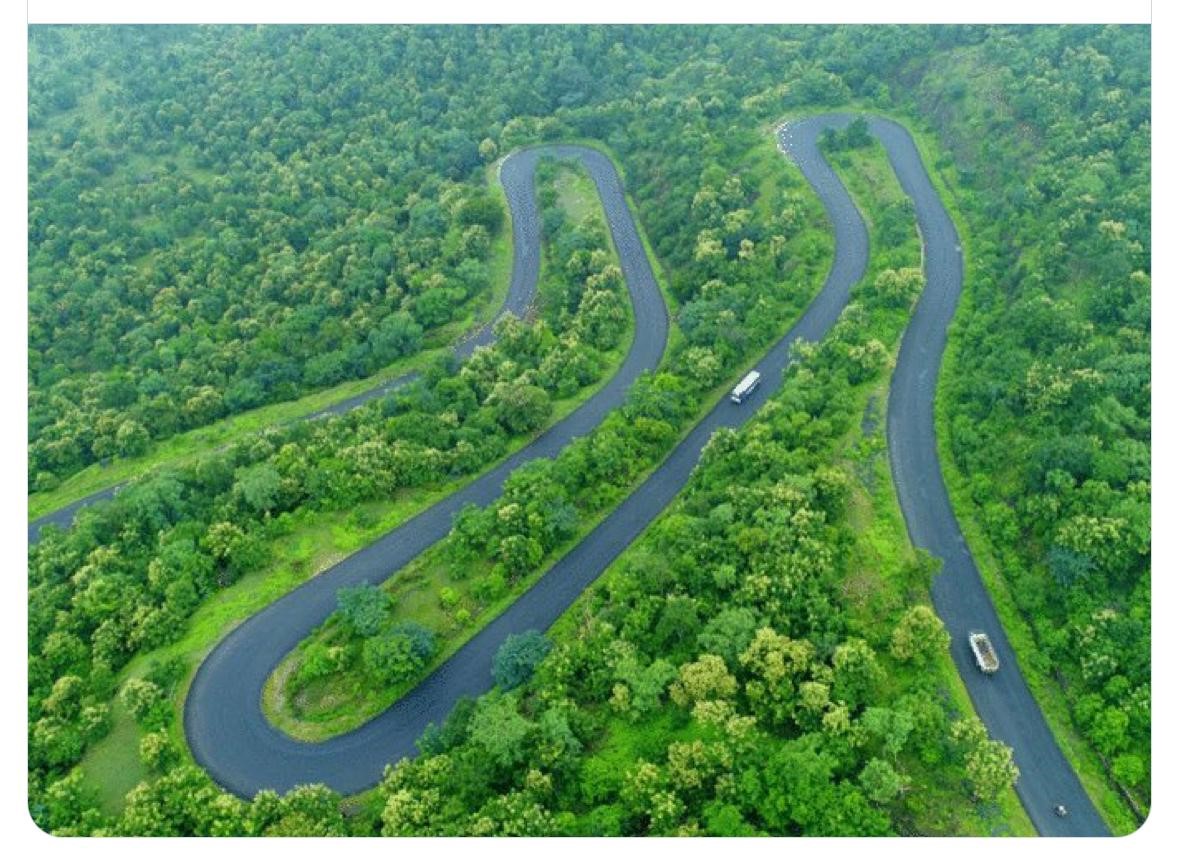
Morning hours are usually better for a calmer darshan flow and easier local movement. If you are traveling in hot months, early departure and early temple access are practical choices that improve comfort and reduce fatigue. Weekends and special religious dates can increase crowd density, so keep a flexible schedule and avoid rigid same-day return assumptions where possible.
If your Maharashtra spiritual circuit includes multiple temple visits, map your broader sequence first with ashtavinayak temples maharashtra and then place Til Baba in a realistic slot. This avoids rushed travel and improves devotional quality.
Route and Local Access Strategy
Plan your approach route with one primary path and one backup option. Small route delays in regional travel can cause darshan-hour compression, so buffer time is essential. If you are using hired vehicles, confirm return timing before entering the temple area to avoid post-darshan confusion. Keep key contacts saved offline, especially if your network reliability is uncertain in transit pockets.
Travel light. Carry water, essentials, and any required offerings, but avoid heavy bags inside temple zones. Simple movement helps maintain focus and respect in crowded sections.
How to Combine This Visit with Other Maharashtra Spiritual Stops
If your trip includes broader state exploration, use places to visit maharashtra to build a balanced route with fewer long transfer days. For temple-focused pilgrims, one effective model is to pair one primary shrine with one lower-pressure stop per day. This keeps both body and mind steady.
Avoid overstacking multiple important darshan goals in one stretch. Spiritual travel quality falls quickly when physical fatigue rises. Keep your plan devotional-first, not distance-first.
Temple Etiquette and Devotional Discipline
Dress modestly, follow local instructions, and keep voice levels low around prayer zones. If photography is allowed in some areas, still avoid intrusive behavior. Respect queue flow and do not push through local devotees, especially during peak windows. Cultural discipline is not optional in sacred places; it is part of the pilgrimage itself.
If traveling with children or first-time visitors, brief them before entering. A one-minute behavior briefing can prevent confusion and protect the spiritual atmosphere for everyone.
Food, Rest, and Energy Management
Short pilgrimages often fail on energy management more than distance. Keep hydration steady and avoid very heavy meals before darshan. After temple visit, allow recovery time before resuming long road movement. This one-step pause reduces travel stress and helps maintain devotional focus.
If you are extending to other faith circuits, compare intensity with destinations like shani shingnapur temple and pace your day by realistic energy, not by idealized schedule.
Common Mistakes and How to Avoid Them
The first common mistake is late departure. It creates rush pressure and reduces temple time. The second is overloading the day with extra stops that were not part of the original plan. The third is poor return planning, where transport is arranged too late and fatigue decisions become reactive. All three are preventable with basic structure.
Use this correction rule: if delays cross your buffer window, drop optional stops and protect safe completion. A shorter successful day is always better than an overextended low-quality day.
Field Checklist Before You Leave
Before departure, confirm route, transport contact, temple timing, and weather comfort essentials. Keep IDs, payment options, and emergency numbers ready. During the day, review three points regularly: time, hydration, and group condition. This simple checklist prevents most avoidable disruptions.
At the end of the visit, take five minutes for reflection and gratitude before starting your return. Spiritual travel is not only movement; it is also pause and meaning.
How This Trip Fits in a Wider Pilgrimage Plan
Til Baba Nirmal can be a strong anchor in a Maharashtra devotional route when placed correctly. If your longer plan includes metro temples and multi-city movement, use a contrasting day at a quieter spiritual stop to rebalance pace. For example, many pilgrims compare urban devotional flow with sites such as siddhivinayak temple and then appreciate the calmer regional rhythm much more.
This contrast is valuable: it helps you understand how spiritual practice adapts across different social and geographic contexts. In practical terms, it also prevents pilgrimage fatigue because not every day is high-intensity travel.
Devotional Depth: How to Make the Visit More Meaningful
A meaningful temple visit is not defined by how quickly you complete darshan. It is defined by the quality of your presence. Keep one intentional pause before entering the temple queue and one intentional pause after darshan. This practice helps shift the day from travel mechanics to spiritual focus. If your group agrees on this rhythm, the entire experience becomes calmer and more centered.
Another useful practice is to avoid constant phone use inside and around key ritual moments. Capture only what is necessary and allow yourself to observe. Many visitors later remember the devotional sounds, community rhythm, and emotional clarity far more than the photos they took. Reducing digital distraction improves memory and respect simultaneously.
If you are leading a family pilgrimage, explain the temple’s significance before arrival instead of after departure. Context before entry increases engagement for everyone and reduces restlessness in queues. For elders, keep rest intervals planned; for children, keep expectations simple and clear. This small preparation improves both discipline and comfort in mixed-age groups.
Return Planning and Next-Day Stability
The final part of pilgrimage planning is return stability. Keep transport ready before your last temple block so you are not negotiating logistics in a fatigue window. Eat light, hydrate, and avoid long unplanned detours after darshan. If your route continues the next day, protect sleep and recovery so spiritual travel quality remains consistent.
A good pilgrimage day ends with calm closure, not rushed movement. When return planning is simple and intentional, the spiritual effect of the visit stays intact.
Before sleeping, record one short note: what helped your focus most today. Over a multi-day pilgrimage, these notes create a personal rhythm that improves both planning and spiritual attention.
If possible, end the day with a short gratitude ritual as a family or group. This strengthens the purpose of pilgrimage and keeps the journey centered on devotion rather than only logistics.
Small rituals like this also make the journey emotionally complete and help preserve the spiritual value after returning home.
Conclusion
Til Baba Nirmal Maharashtra is best experienced through clear planning, respectful temple conduct, and realistic daily pacing. Start early, protect your darshan window, and keep return logistics simple. When you travel with this structure, the visit becomes spiritually meaningful and operationally smooth, exactly as a pilgrimage should be.
Location
Frequently Asked Questions
Q1.What is the best time to visit?
Q2.How many days are enough?
Q3.What should I prioritize first?
Q4.How do I avoid common mistakes?
Q5.Is this suitable for first-time travelers?
Recommended For You
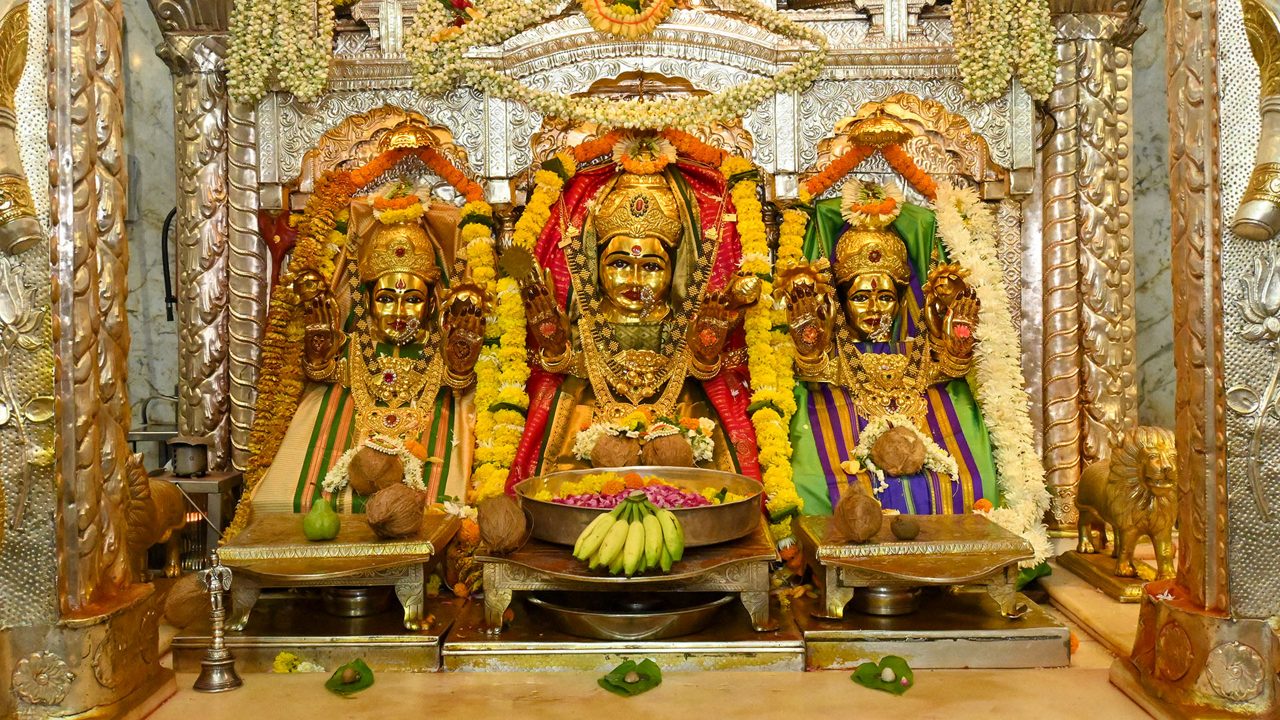
Mahalakshmi Temple Mumbai: Timings, Darshan & Nearby Attractions
Complete guide to Mahalaxmi Temple Mumbai: timings, aarti schedule, history, address, how to reach, and visiting information for this famous Mumbai temple.
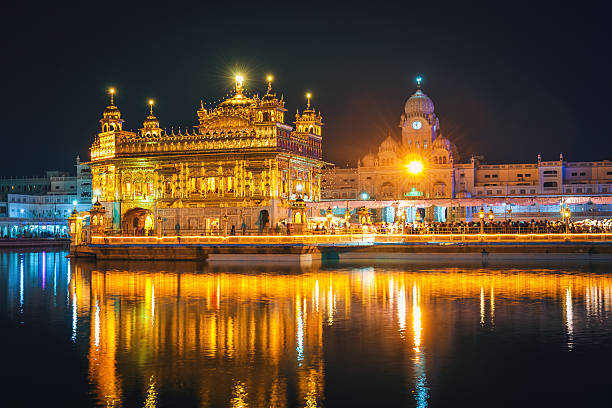
Golden Temple Amritsar: Darshan Timings, Langar & Travel Tips
Experience divine serenity at Golden Temple Amritsar. Discover its rich history, sacred rituals, and the world's largest langar serving 100,000 daily. Complete guide with timings, dress code, and travel tips.
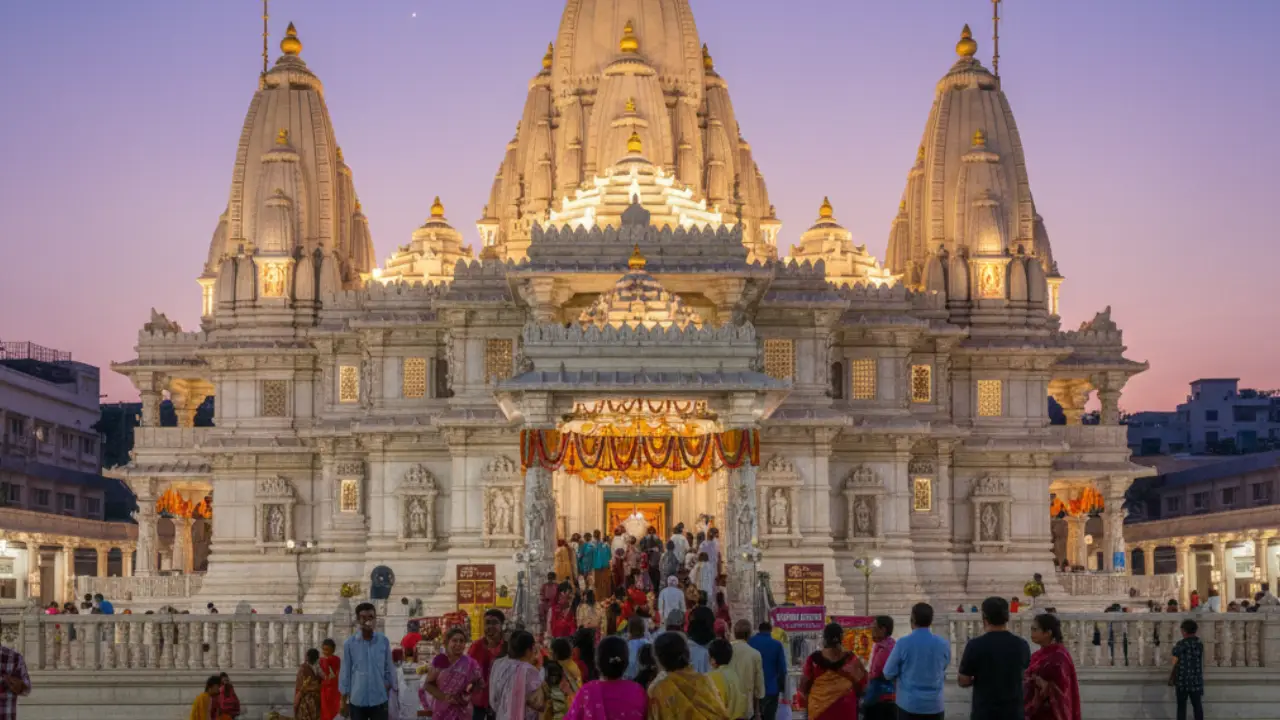
Siddhivinayak Temple Mumbai: Darshan Timings, VIP Entry & Nearby Access
Complete guide to Siddhivinayak Temple Mumbai including darshan timings, aarti schedule, online booking, VIP pass, offerings, history, and how to reach.
Never Miss an Adventure
Get the latest trekking guides, travel tips, and exclusive offers delivered straight to your inbox.
