
Wah Kaba Falls Meghalaya: Route, Entry & Scenic Viewpoints

Rohan Malhotra
February 20, 2026
Discover Wah Kaba Falls in Meghalaya. Trekking guide, best time to visit, how to reach, height, timing & travel tips for this scenic waterfall near Shillong.
Introduction: Meghalaya's Cascading Beauty
Meghalaya, the "Abode of Clouds," is blessed with hundreds of waterfalls that cascade down its verdant hills. Among these numerous falls, Wah Kaba Falls stands out as a hidden gem that offers visitors a serene and untouched natural experience. Located in the East Khasi Hills, this beautiful waterfall remains relatively undiscovered compared to more famous falls like Nohkalikai or Seven Sisters, making it perfect for travelers seeking solitude amidst nature's grandeur.
What makes Wah Kaba Falls special is its secluded location and the pristine surroundings that have remained largely uncommercialized. The falls tumble down rocky terrain surrounded by dense tropical forests, creating a picture-perfect scene that feels straight out of a nature documentary. The journey to reach the falls is as rewarding as the destination itself—a trek through beautiful landscapes that builds anticipation for the spectacular sight awaiting you.
For waterfall enthusiasts and nature lovers visiting Shillong and surrounding areas, Wah Kaba Falls offers an offbeat experience that showcases Meghalaya's incredible natural beauty at its finest. Whether you're a photographer seeking that perfect shot, a trekker looking for your next adventure, or simply someone who wants to escape the crowds, this waterfall delivers an unforgettable experience that highlights why Meghalaya is one of India's most enchanting states.
About Wah Kaba Falls
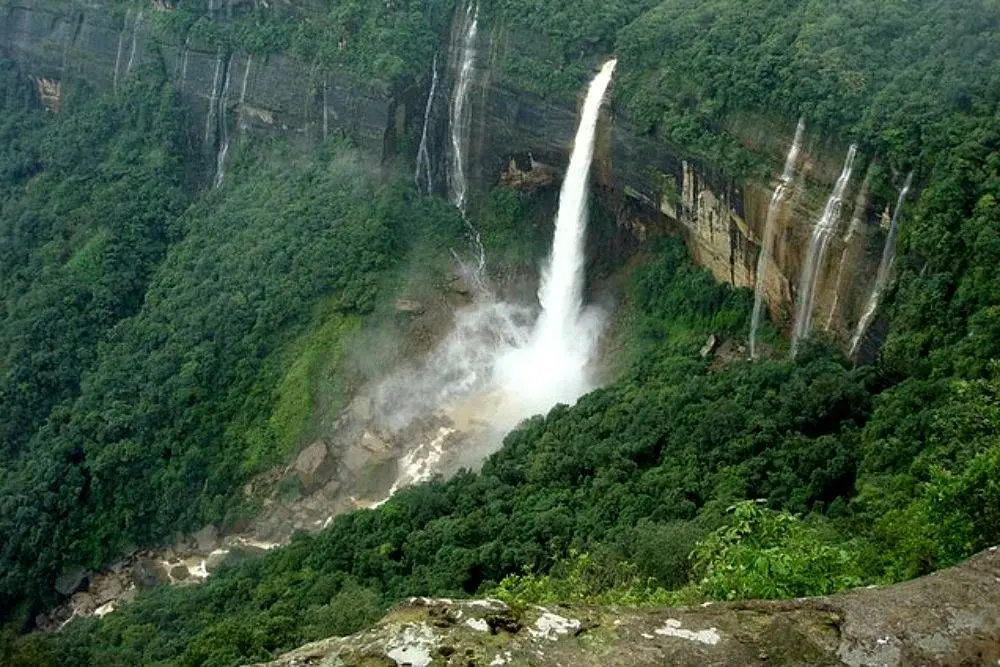
Wah Kaba Falls is located in the East Khasi Hills district of Meghalaya, approximately 45-50 kilometers from Shillong, the state capital. The falls cascade down in multiple tiers, creating a spectacular visual display as water crashes over rocky outcrops surrounded by lush greenery. The height and power of the falls vary dramatically by season—during and immediately after monsoon, Wah Kaba transforms into a thundering cascade that can be heard from a distance, while winter months see a gentler flow that's perfect for close-up viewing and photography.
The waterfall gets its name from the local Khasi language, where "wah" means water and "kaba" refers to the specific location or terrain feature. The water source originates from the numerous streams and rivulets that crisscross the Khasi Hills, fed by the abundant rainfall this region receives. Meghalaya, after all, is among the wettest places on Earth, and Wah Kaba Falls is a beautiful manifestation of this incredible water abundance.
The surrounding landscape is typical Meghalaya terrain—rolling hills covered in subtropical forests, rocky outcrops, and numerous smaller streams and waterfalls. The area around the main falls is naturally landscaped with large boulders, pools, and greenery that create perfect picnic spots and viewing areas. Unlike some waterfalls that are surrounded by concrete and commercial development, Wah Kaba remains refreshingly natural, with minimal human construction interfering with the scenic beauty.
The falls flow year-round, but the character changes dramatically depending on when you visit. Post-monsoon brings maximum water volume and power, while winter offers accessibility and easier photography conditions. This seasonal variation means you can visit Wah Kaba Falls multiple times and have a different experience each time.
The Trek Experience
Reaching Wah Kaba Falls requires a short but rewarding trek that adds to the sense of adventure and discovery. Starting Point: The trek begins from a small village where you can park your vehicle. Most local taxis and drivers know the way to this starting point. The trailhead isn't formally marked, so having a local guide is highly recommended, especially for first-time visitors.
Difficulty Level: The trek is considered moderate—suitable for anyone with reasonable fitness levels. It's not extremely strenuous but does require walking on uneven terrain, some inclines, and potentially slippery or muddy sections depending on recent rainfall. The trail covers approximately 2-3 kilometers round trip and typically takes 1-2 hours at a leisurely pace with stops for photography and rest.
Trail Conditions: The path goes through forested areas, across small streams, and over rocky terrain. During dry season (winter), the trail is relatively easy with firm ground. During and immediately after monsoon, expect mud, slippery rocks, and overgrown vegetation that makes the trek more challenging. Wear proper trekking shoes with good grip—avoid sandals or flip-flops regardless of season.
Scenic Route: The trek itself is beautiful, passing through dense forests with diverse flora. You'll see ferns, orchids (if visiting during flowering season), bamboo groves, and numerous tropical plant species. Birdsong accompanies you throughout the journey, and lucky trekkers might spot various bird species or even small mammals like monkeys or civets. The trail crosses several small streams, adding to the scenic variety.
Best Viewpoints: As you approach the falls, the sound of cascading water grows louder, building anticipation. Several natural viewpoints along the final stretch offer different perspectives of the falls. The main viewing area is at the base of the falls where you can get up close (conditions permitting) to feel the spray and appreciate the power of the cascading water. There are also elevated positions on surrounding rocks that provide excellent vantage points for photography and taking in the full scope of the falls.
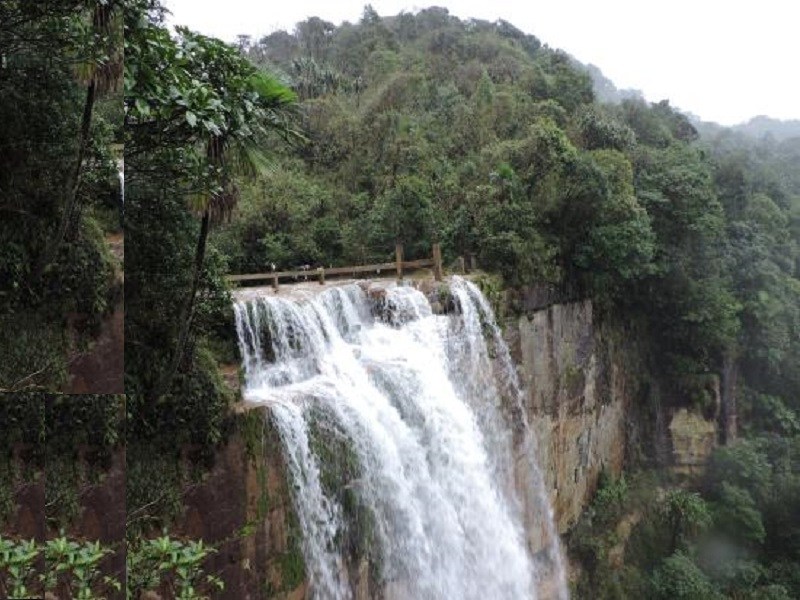
Photography Opportunities: The trek offers numerous photo opportunities besides just the falls themselves. The forest, streams, rocky terrain, and changing light conditions as you approach the falls all provide stunning photographic material. Most visitors spend significant time photographing not just the waterfall but the entire journey and experience.
Best Time to Visit
Post-Monsoon (October-November): This period offers the most spectacular waterfall experience as recent rains ensure maximum water flow. The falls are at their most powerful and impressive during these months. The surrounding vegetation is lush green from the monsoon, creating beautiful contrasts with the white cascading water. October and November provide ideal conditions for photography—good water volume with relatively manageable trekking conditions as the ground hasn't yet dried out completely.
Winter (December-February): Winter brings easier accessibility as the ground dries out and trails become less muddy and slippery. The falls have less water volume than post-monsoon but remain beautiful, with multiple thin cascades creating an elegant display. Winter weather is pleasant for trekking with cooler temperatures (10-20°C) and less humidity. This is the best time for photographers who want to experiment with long exposures and compositions that require stable footing and time to set up equipment.
Monsoon (June-September): Meghalaya receives incredible rainfall during monsoon, and Wah Kaba Falls becomes truly thundering and spectacular. However, this is also the most challenging time to visit. Trekking trails become extremely muddy and slippery, leeches are common in the forest, and safety can be a concern with falling rocks and slippery terrain. Only experienced trekkers with proper gear and local guidance should attempt to visit during peak monsoon. The falls are at their most dramatic during this period, but the journey is significantly more difficult and potentially dangerous.
Summer (March-May): Pre-monsoon summer offers pleasant weather with moderate temperatures (15-25°C) and lower humidity. The falls have reduced water flow compared to post-monsoon but are still beautiful. Summer is a good compromise between accessibility and scenic appeal—trails are generally in good condition, temperatures are comfortable for trekking, and while the falls aren't at maximum volume, they still provide an excellent visual experience.
Recommended Timing: Plan your trek for early morning (7-9 AM) to avoid crowds (though Wah Kaba seldom sees many visitors regardless) and to enjoy the best lighting conditions. Morning light filtering through the forest creates beautiful atmospheres. If you're driving from Shillong the same day, start early to reach the trailhead by 8-9 AM, complete the trek, and return before evening.
How to Reach Wah Kaba Falls
From Shillong
Distance: Approximately 45-50 kilometers from Shillong. Drive Time: 1-1.5 hours by road depending on road conditions and traffic. Route: Take the road from Shillong towards Cherrapunji. The falls are located before Cherrapunji, and you'll need to turn off the main highway at a small village. The exact turn-off isn't well marked, which is why hiring a local taxi driver who knows the way is highly recommended.
Road Conditions: The main highway from Shillong to Cherrapunji is generally in good condition, though some sections can be rough. The final stretch from the highway to the trek starting point is a smaller village road that can be bumpy and occasionally difficult after rain. During monsoon, check current road conditions before attempting the journey—some sections may become impassable.
Taxi Options: Hire a taxi from Shillong for the day. Most local drivers know Wah Kaba Falls or can ask directions at villages along the way. Negotiate a full-day fare that includes waiting time while you trek. Expect to pay approximately ₹2,500-3,500 for a full day depending on your negotiation skills and the vehicle type. Some drivers might be willing to combine Wah Kaba Falls with other nearby attractions for a full-day sightseeing package.
Self-Drive: Self-driving is possible if you have your own vehicle or a rental. However, be prepared for narrow village roads, potential parking challenges at the trailhead, and the possibility of getting turned around without proper directions. Download offline maps before departing, though they may not show the exact trailhead. Having a local guide or detailed directions from someone who's visited recently is extremely helpful.
Trail Access
Trek Starting Point: The trek begins from a small village where limited parking is available. There are no formal facilities—no ticket office, visitor center, or signboards. This lack of development is part of Wah Kaba's charm but also makes having a local guide valuable for finding the correct trail and navigating to the best viewpoints.
Local Guide Requirement: While not strictly mandatory, hiring a local guide is highly recommended and worth the nominal cost. Guides charge approximately ₹500-800 for leading a small group. They know the exact trail, can point out interesting flora and fauna along the way, ensure you don't get lost, and take you to the best photography spots. Guides can usually be arranged through your taxi driver or by asking at the village near the trailhead.
Route Markers: The trail is not formally marked or signposted. In some sections, local villagers might have made small markers with stones or branches, but these can be intermittent or changed over time. Following your guide is the safest approach. If trekking independently without a guide (not recommended for first-time visitors), pay careful attention to landmarks and be prepared to turn back if the route becomes unclear.
Nearby Attractions
Meghalaya's waterfall country means you're never far from spectacular natural attractions. Consider combining Wah Kaba Falls with other nearby sights for a full day of exploration:
Other Waterfalls: The Cherrapunji area is famous for its numerous waterfalls including Nohkalikai (India's tallest plunge waterfall), Seven Sisters Falls, and Dain-Thlen Falls. Each waterfall has its own character and is worth visiting. If you're a waterfall enthusiast, you could easily spend 2-3 days exploring the various falls in this region.
Living Root Bridges: Cherrapunji and surrounding areas are famous for the living root bridges created by the Khasi people using the aerial roots of rubber fig trees. The double-decker root bridge in Nongriat village is particularly spectacular. Visiting root bridges requires additional trekking but offers a unique cultural and natural experience found nowhere else in the world.
Mawsmai Cave: This limestone cave near Cherrapunji is easily accessible and offers a fascinating underground experience. The cave features impressive formations including stalactites, stalagmites, and interesting rock shapes. It's particularly popular with families and those interested in geology.
Eco Park: Located in Cherrapunji, this park offers well-maintained gardens and viewpoints overlooking canyons and waterfalls. It's a more developed attraction with proper pathways, seating areas, and facilities—good for those who want scenic views without the strenuous trekking.
Shillong Sightseeing: If you're based in Shillong, the city offers numerous attractions including Ward's Lake, Shillong Peak, Don Bosco Museum, and the local markets. Combining city sightseeing one day with waterfall exploration the next makes for a well-rounded Meghalaya experience.
Photography Tips
Best Lighting: Early morning (7-9 AM) and late afternoon (3-5 PM) provide the most flattering light for waterfall photography. Midday sun creates harsh contrast and blown-out highlights on white water. Overcast days actually provide excellent conditions for waterfall photography as clouds act as a natural diffuser, reducing contrast and bringing out colors in the surrounding vegetation.
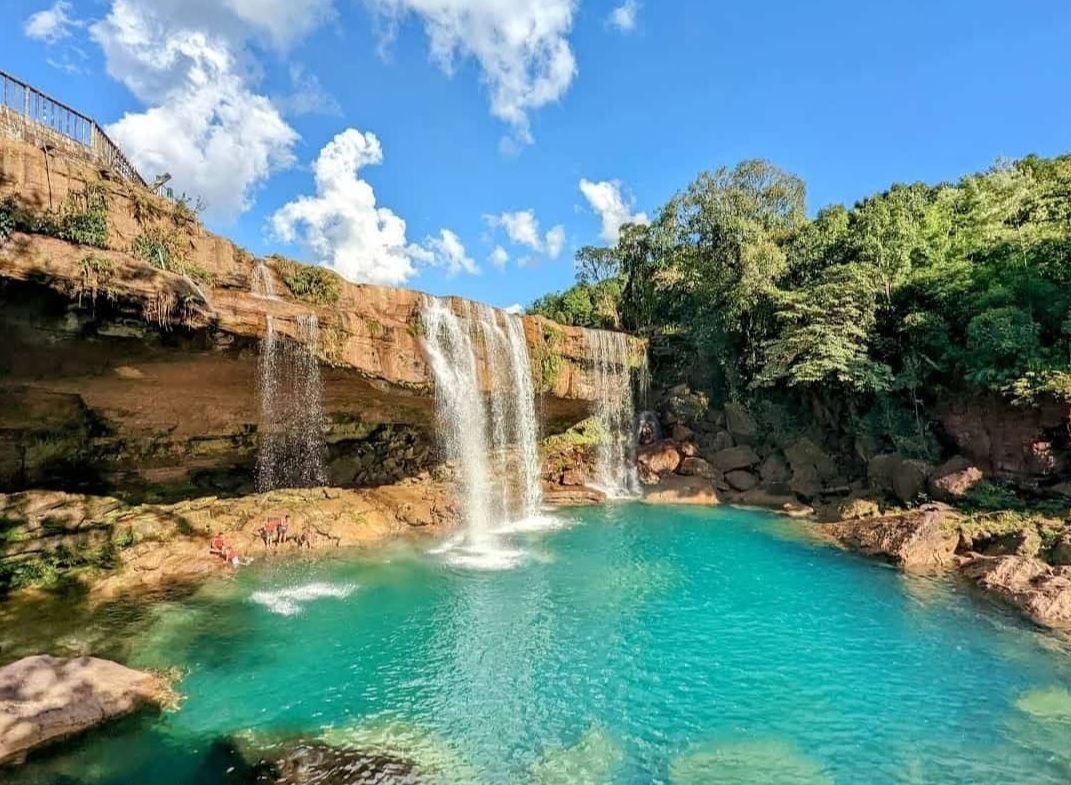
Camera Equipment: A wide-angle lens is ideal for capturing the entire waterfall along with surrounding landscape. A telephoto lens allows you to isolate specific sections or details of the falls. Bring a polarizing filter to reduce glare on wet rocks and foliage—it also helps achieve slower shutter speeds by reducing light entering the lens. A tripod is essential for long exposure shots that create that silky water effect.
Long Exposure Tips: To achieve the classic silky water effect, use slow shutter speeds (1/2 second to several seconds). This requires a tripod to keep the camera steady and often a neutral density filter if shooting in bright conditions. Experiment with different shutter speeds to see which effect you prefer—some motion blur creates dynamic energy while very long exposures create ethereal, misty effects.
Drone Photography: Aerial perspectives of Wah Kaba Falls can be spectacular, showing the falls within the surrounding landscape context. However, drone use is regulated in India, and you should check current rules for Meghalaya specifically. Even where legal, be respectful of local communities and wildlife—never fly low over people or disturb animals with drone noise.
Safety Precautions: Photography can make you lose awareness of your surroundings. Watch your step, especially on wet, slippery rocks near the falls. Never position yourself dangerously for a shot—no photograph is worth injury. Protect your equipment from water spray—carry a microfiber cloth to wipe lenses and consider a rain cover for your camera if visiting during wetter months.
Travel Tips
Wear Sturdy Shoes: Proper trekking shoes with good grip are essential. The terrain is uneven and can be slippery, especially near the falls where everything is perpetually wet. Avoid sandals, flip-flops, or smooth-soled shoes that can't grip wet rocks. Your shoes will get muddy and wet—accept this as part of the experience and wear footwear that can handle these conditions.
Carry Water & Snacks: The trek, while not extremely long, can be more tiring than expected, especially in humid conditions. Carry at least 1-2 liters of water per person. Energy bars, fruits, or light snacks help maintain energy levels. There are no facilities or shops along the trail or at the falls, so bring everything you need with you.
Hire a Local Guide: As mentioned throughout this guide, hiring a local guide is highly recommended. They know the trail, can enhance your experience with local knowledge about flora, fauna, and culture, and ensure you don't get lost. The nominal cost is worth the peace of mind and enriched experience.
Weather Preparation: Meghalaya weather can change rapidly. Carry a light rain jacket even if the forecast looks clear—sudden showers are common, especially near Cherrapunji which receives some of the highest rainfall on Earth. During monsoon, proper rain gear is essential—rain jacket or poncho, rain cover for your backpack, quick-dry clothes, and extra socks.
Respect Nature: Follow the principle of leave no trace. Carry back all trash—including organic waste like fruit peels which don't belong in this ecosystem. Don't pluck plants or flowers, disturb wildlife, or damage natural formations. Stay on marked trails rather than creating new paths which damage vegetation and cause soil erosion.
No Littering: This cannot be emphasized enough. Wah Kaba Falls remains pristine because visitors (so far) have been responsible. Keep it that way. If you see trash left by less thoughtful visitors, consider picking it up—every little bit helps maintain the natural beauty for future visitors.
Safety First: Never underestimate the power of flowing water. Don't swim in pools above the falls or attempt to cross the stream at dangerous points. Rocks near waterfalls are often slippery even when they appear dry—exercise extreme caution. If traveling alone, inform someone of your plans and expected return time. For photography, always prioritize personal safety over getting a shot.
Group Size Recommendations: Smaller groups (3-6 people) are ideal for this trek. Larger groups move slower, make more noise (disturbing wildlife), and have greater environmental impact. If you're a larger group, consider splitting into smaller parties for the trek and regrouping afterward.
What to Expect
Crowd Levels: Wah Kaba Falls remains relatively undiscovered by mainstream tourism. On most days, you might encounter very few other visitors, possibly none at all during weekdays. This solitude is part of the appeal and allows for a more personal experience with nature. Weekends and holidays see slightly more visitors but nothing compared to popular waterfalls in other parts of India.
Facilities Available: There are minimal facilities—no ticket counter, visitor center, restrooms, or food stalls. The falls are in their natural state without commercial development. Come prepared with everything you need for the trek. The nearby village might have very basic shops, but don't rely on this.
Natural Beauty: Expect stunning scenery in all directions. The waterfall itself is magnificent, but the surrounding forest, streams, and rocky landscape are equally beautiful. The sense of being in pristine wilderness is palpable and increasingly rare in today's world.
Trek Conditions: The trek requires moderate effort but is accessible to anyone with reasonable fitness. It's not technical climbing—you're walking on established paths rather than rock faces. However, the terrain is uneven and can be challenging for those with mobility issues or very young children.
Overall Experience: Wah Kaba Falls offers a rewarding blend of physical activity, natural beauty, and the satisfaction of discovering a lesser-known attraction. Whether you spend an hour or half a day here, the experience leaves lasting memories of Meghalaya's incredible natural heritage.
Value for Time: If you're based in Shillong or exploring the Cherrapunji area, Wah Kaba Falls is absolutely worth the time and effort required to reach it. It may not be as famous as some other waterfalls in the region, but this is precisely its strength—you can enjoy spectacular scenery without the crowds and commercialization that plague more popular attractions.
Conclusion
Wah Kaba Falls exemplifies the magic of Meghalaya—a land where nature's bounty creates countless spectacular sights waiting to be discovered. This beautiful waterfall, with its cascading waters, pristine surroundings, and serene atmosphere, offers everything a nature lover could want. The journey to reach the falls adds to the sense of adventure and makes the destination feel earned and special.
What makes Wah Kaba Falls truly memorable is its unspoiled character. In an era where even remote attractions are rapidly being commercialized and over-developed, Wah Kaba remains refreshingly natural. There are no ticket lines, no souvenir shops, no noisy crowds—just the sound of water, the beauty of the falls, and the forest around you. This is nature as it should be experienced, on its own terms.
For anyone visiting Meghalaya, especially those who appreciate waterfalls, trekking, or simply being in beautiful natural settings, Wah Kaba Falls deserves a place on your itinerary. It might not be the most famous waterfall in the state, but its secluded location, stunning beauty, and peaceful atmosphere make it one of the most rewarding.
The Abode of Clouds has countless natural treasures, and Wah Kaba Falls is certainly among the finest. Visit once, and you'll understand why Meghalaya's waterfalls are legendary. Visit in different seasons, and you'll see how dramatically this landscape transforms. But most importantly, visit with respect and appreciation for this incredible natural wonder so that it remains pristine for future generations to discover and enjoy.
Location
Frequently Asked Questions
Q1.Where is Wah Kaba Falls located?
Q2.How far is Wah Kaba Falls from Shillong?
Q3.How to reach Wah Kaba Falls?
Q4.What is the height of Wah Kaba Falls?
Q5.How difficult is the trek to Wah Kaba Falls?
Q6.What is the best time to visit Wah Kaba Falls?
Q7.How much time needed to visit Wah Kaba Falls?
Q8.Are there entry fees for Wah Kaba Falls?
Q9.Is Wah Kaba Falls worth visiting?
Q10.Can we visit Wah Kaba Falls in monsoon?
Recommended For You
Meghalaya in Monsoon: Travel Guide & Tips
Explore Meghalaya in monsoon - wettest place on Earth. Waterfalls, root bridges, safety tips & travel guide.
Krang Suri Falls Meghalaya: Entry, Swimming Zones & Route
Explore Krang Suri Falls in Meghalaya with this complete travel guide. Discover trek details, swimming opportunities, photography tips, and nearby attractions.
Weinia Falls Meghalaya: Route, Best Time and Safety
Explore Weinia Falls Meghalaya with route guidance, seasonal planning, and practical waterfall safety advice.
Never Miss an Adventure
Get the latest trekking guides, travel tips, and exclusive offers delivered straight to your inbox.
