
Travel
Places to Visit Spiti Valley in June

Rahul Garg
November 29, 2025
12 min read1,517 views
Discover best places to visit Spiti Valley in June. Complete guide to weather, road conditions, itinerary & travel tips for summer Spiti trip.
Introduction: Why June is Perfect for Spiti Valley
June marks the beginning of the peak season in Spiti Valley, one of India's most remote and breathtaking regions. This high-altitude desert valley in Himachal Pradesh, nestled between Tibet and India, transforms in June as snow melts, roads open, and the valley comes alive with vibrant colors. The "Middle Land," as Spiti means, offers an otherworldly landscape of dramatic cliffs, ancient monasteries, and pristine villages. June provides the perfect window to explore this Himalayan paradise with comfortable temperatures, clear skies, and accessible roads. It's ideal time for adventure seekers, photography enthusiasts, and spiritual travelers alike. For travelers considering other Himalayan adventures, Ladakh by road offers another spectacular high-altitude experience. And if you're planning a longer trip, our guide on 8 days Spiti Valley trip provides detailed itinerary planning.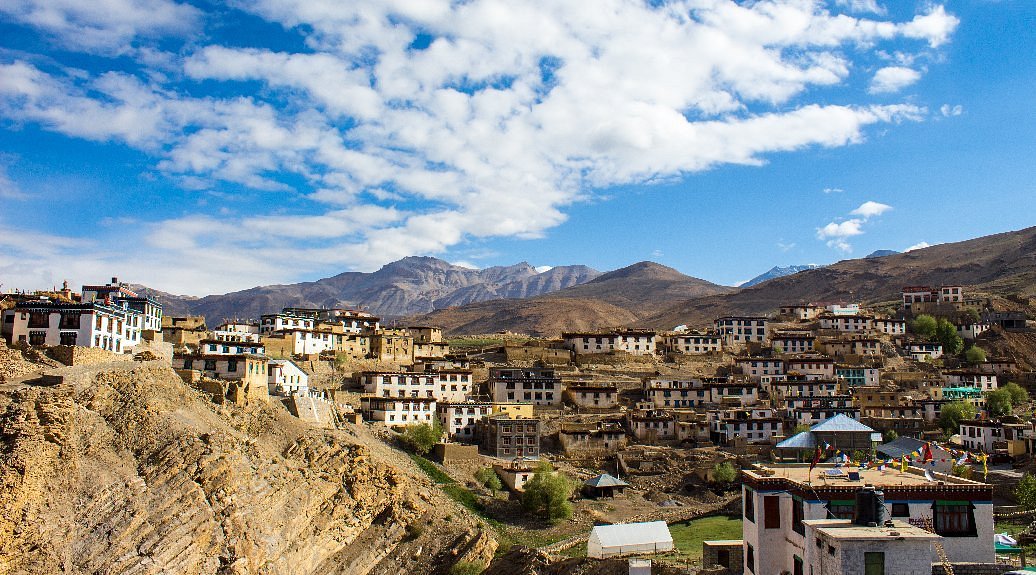 Whether you're planning a road trip, trekking adventure, or cultural exploration, this comprehensive guide covers everything you need to know about visiting Spiti Valley in June.
Spiti Valley in June: Weather and Conditions
June offers some of the most pleasant weather conditions in Spiti Valley, making it ideal for exploration and outdoor activities. Temperature Overview Daytime temperatures in June range from 15-25°C, creating comfortable conditions for sightseeing and trekking. The weather is mostly dry with clear blue skies, perfect for photography. However, nights can be chilly, dropping to 2-10°C, especially at higher altitudes. Proper layering is essential as the temperature difference between day and night can be significant. Weather Characteristics June is part of the summer season with minimal rainfall. The valley experiences its driest months from May to October, making June excellent for outdoor activities. Snow from winter has largely melted, revealing the landscape in its full glory. The valley starts turning green as vegetation returns, creating a beautiful contrast with barren mountains and blue skies. Daylight Hours With long daylight hours in June, you have more time for exploration. Sunrise is early around 5 AM, and sunset occurs around 7:30 PM, giving you nearly 15 hours of daylight. This is perfect for covering multiple attractions or embarking on long treks.Road Status and Accessibility in June
June is crucial for Spiti Valley as it marks the opening of major mountain passes, making the valley accessible from different routes. Manali to Kaza Route The Manali-Kaza route, covering approximately 200 kilometers, typically opens by mid-June. This scenic route takes you through two high-altitude passes: Rohtang Pass and Kunzum Pass. The road offers spectacular views but remains challenging with rough patches, water crossings, and steep climbs. Shimla to Kaza Route The Shimla-Kaza route, spanning about 450 kilometers, is generally open throughout the year. This route is longer but more stable and offers gradual altitude gain, making it better for acclimatization. The road passes through Reckong Peo and Sumdo before reaching Kaza. While the route is open year-round, some sections might face temporary closures due to landslides or snowfall in early June. Key Pass Status Rohtang Pass (3,978 meters), connecting Manali to Lahaul and Spiti, usually opens by mid-June. A permit is required to cross Rohtang Pass, which can be obtained online or at Manali. Kunzum Pass (4,591 meters), the gateway between Lahaul and Spiti, also opens around the same time. Always check current road status before planning your trip as mountain conditions can be unpredictable. Chandratal Lake Access The road to Chandratal Lake (4,300 meters) typically becomes accessible by mid-June. The lake, frozen during winter, starts melting, and the camping grounds open up. The approach road is a rough jeep track that requires a skilled driver or experienced rider. Early June visitors might find snow at the lake but by late June, the lake is usually accessible with clear water reflecting the surrounding mountains.Top Places to Visit in Spiti Valley in June
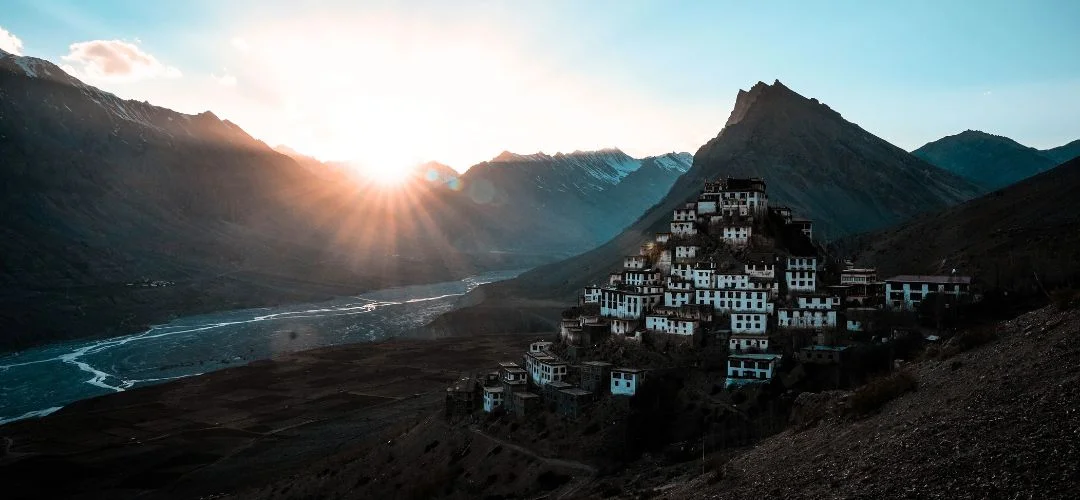
Kaza: The Heart of Spiti Kaza, situated at 3,650 meters, is the administrative headquarters and main town of Spiti Valley. It serves as a base for exploring the region and offers essential amenities including ATMs, fuel stations, and markets. Visit the new Sakya Tangyud Monastery, built in traditional Tibetan architecture on a hillock overlooking Kaza. The local market offers Spitian handicrafts and souvenirs. Kaza has several hotels and homestays, making it convenient to stay here while exploring nearby attractions. Key Monastery: The Spiritual Center Key Monastery, the largest in Spiti Valley, is about 14 kilometers from Kaza. Founded in the 11th century, this majestic monastery sits at 4,166 meters and houses about 300 monks. The monastery's ancient murals, thangkas (paintings), and wind instruments create a mystical atmosphere. The three-storey structure features beautiful paintings and Buddhist scriptures. Views from the monastery of the Spiti River and surrounding mountains are breathtaking. Time your visit to witness the evening prayer ceremony for a truly spiritual experience.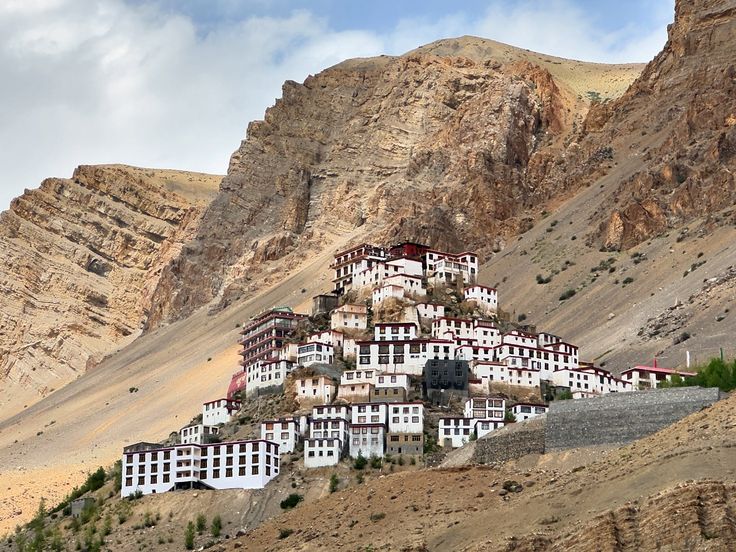 Tabo Monastery: The Ajanta of the Himalayas
Tabo Monastery, founded in 996 AD, is one of the oldest continuously operating Buddhist centers in India. Often called the "Ajanta of the Himalayas" for its stunning wall paintings, the monastery is about 50 kilometers from Kaza.
The complex includes nine temples and numerous stupas. The main temple features exquisite murals depicting the life of Buddha. The meditation caves above the monastery offer solitude and stunning views. Tabo also has a new monastery with a modern design. The surrounding village of Tabo provides insight into traditional Spitian life.
Chandratal Lake: The Moon Lake
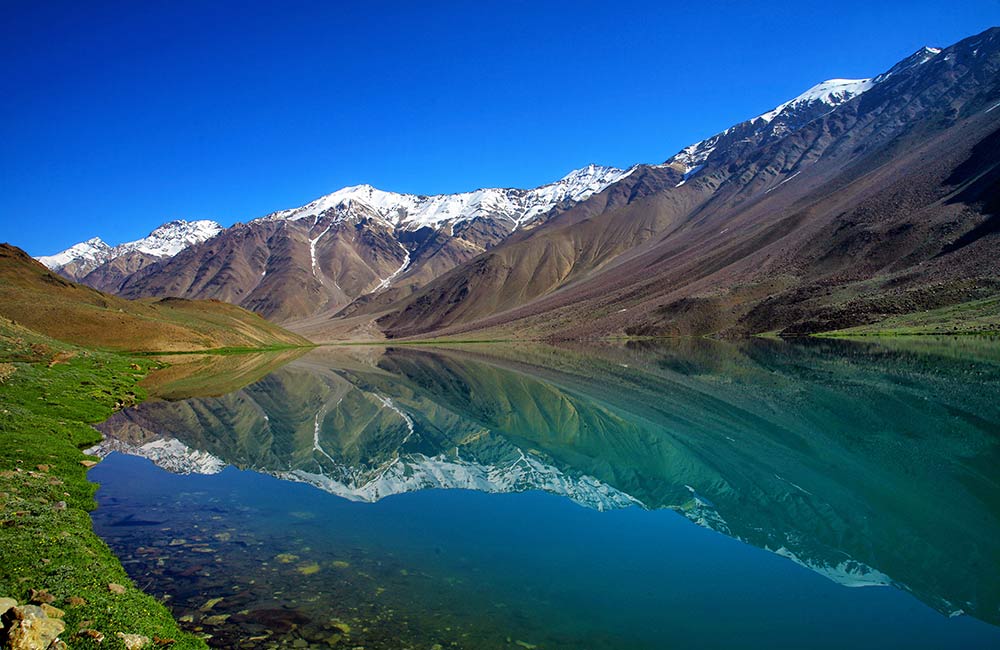
Chandratal, meaning "Moon Lake," is one of the most beautiful high-altitude lakes in the Himalayas. At 4,300 meters, the crescent-shaped lake changes color with sunlight—from turquoise to deep blue to emerald green.
In June, the lake's ice melts completely, and camping grounds around the lake open. The crystal-clear water reflects the surrounding snow-capped peaks, creating a photographer's paradise. The lake is accessible from Batal, about 15 kilometers away. Camping at Chandratal under the starry Himalayan sky is an unforgettable experience. Permits are required for camping, which can be obtained at Kaza or Manali.
Kibber: One of the World's Highest Villages
Kibber, at 4,270 meters, is one of the highest inhabited villages with a motorable road. This small village offers stunning views of the Spiti Valley and is known for its fossil-rich mountains.
From Kibber, you can trek to Gete village, which is even higher and offers more spectacular views. The trek takes about 2-3 hours one way and provides an insight into high-altitude village life. The region around Kibber is famous for finding marine fossils at an elevation of over 4,000 meters—a testament to the geological history of the Himalayas.
Langza: The Fossil Village
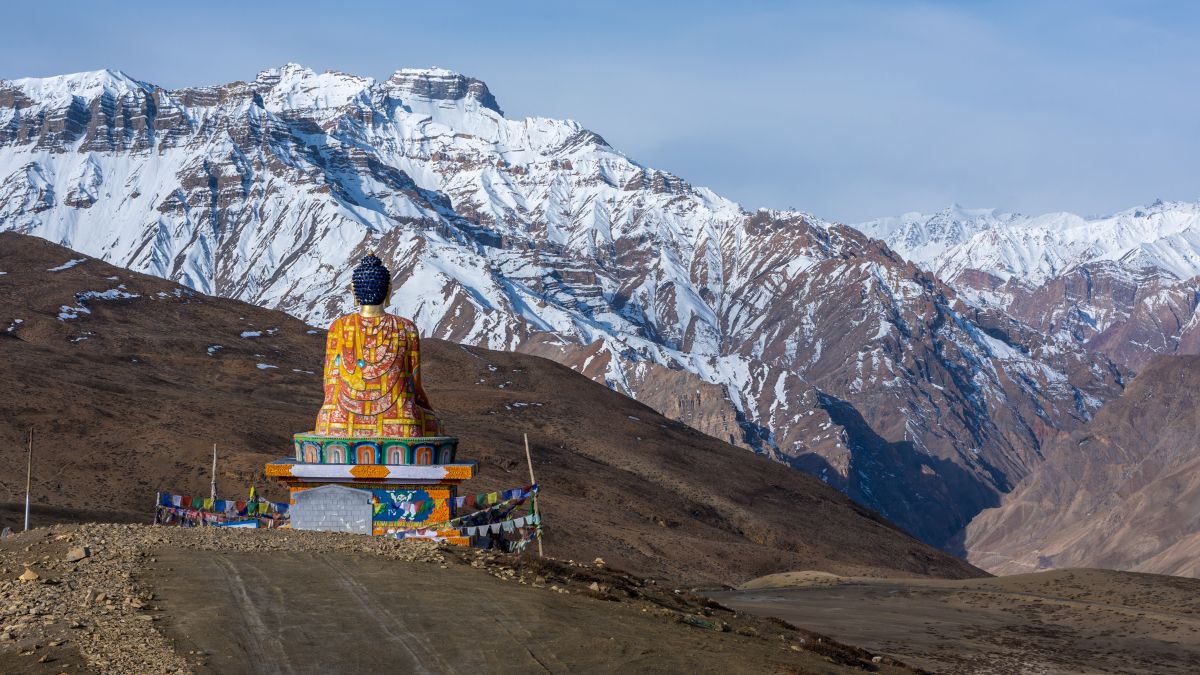
Langza, at 4,400 meters, is another high-altitude village famous for fossils and the towering golden statue of Buddha that overlooks the valley. The village is surrounded by snow-capped mountains and offers a serene atmosphere.
Langza is perfect for experiencing traditional Spitian hospitality through homestays. The village is known for marine fossils that can be found in the surrounding mountains. The golden Buddha statue, visible from afar, is a prominent landmark and offers excellent panoramic views of the entire valley.
Dhankar Monastery: Perched on a Cliff
Dhankar Monastery, about 30 kilometers from Kaza, is dramatically perched on a cliff overlooking the confluence of Spiti and Pin rivers. The old monastery, dating back over 1,000 years, is built in a strategic location.
The views from the monastery are unparalleled—you can see the Spiti Valley spreading below and the Pin Valley in the distance. The new monastery, built nearby, houses young monks. A short hike from the monastery takes you to the old Dhankar Fort ruins, offering more historical context and stunning viewpoints.
Hikkim: World's Highest Post Office
Hikkim, at 4,400 meters, boasts one of the world's highest post offices. Visiting this tiny village to send a postcard from the world's highest post office is a unique experience.
The village offers panoramic views and a quiet atmosphere. The post office is functional and accepts mail from visitors. From Hikkim, you can also visit Komic, officially one of the highest inhabited villages in the world at 4,587 meters. These villages provide a glimpse into life at extreme altitudes.
Pin Valley National Park: Wildlife and Trekking
Pin Valley, accessible from Attargo bridge about 10 kilometers from Kaza, is a region of stark beauty and rich biodiversity. The Pin Valley National Park protects species like the Snow Leopard, Ibex, and Himalayan Musk Deer.
The valley offers excellent trekking opportunities. The trek from Kaza to Mud village in Pin Valley takes you through beautiful landscapes and traditional villages. Pin Valley is less frequented than the main Spiti Valley, offering solitude and untouched natural beauty. The best time to visit is June to September when the valley is accessible.
Kunzum Pass: Gateway to Spiti
Kunzum Pass, at 4,591 meters, is the high-altitude pass connecting Lahaul and Spiti valleys. The pass offers panoramic views of the Chandrabhaga and Spiti mountain ranges.
A small chorten (stupa) at the pass honors travelers who died here. The pass is spiritual for locals who pause to pay respect before crossing. In June, the pass opens, and visitors can stop here to enjoy the breathtaking scenery. The area around the pass offers excellent photography opportunities with snow-capped peaks and deep valleys.
Tabo Monastery: The Ajanta of the Himalayas
Tabo Monastery, founded in 996 AD, is one of the oldest continuously operating Buddhist centers in India. Often called the "Ajanta of the Himalayas" for its stunning wall paintings, the monastery is about 50 kilometers from Kaza.
The complex includes nine temples and numerous stupas. The main temple features exquisite murals depicting the life of Buddha. The meditation caves above the monastery offer solitude and stunning views. Tabo also has a new monastery with a modern design. The surrounding village of Tabo provides insight into traditional Spitian life.
Chandratal Lake: The Moon Lake
Chandratal, meaning "Moon Lake," is one of the most beautiful high-altitude lakes in the Himalayas. At 4,300 meters, the crescent-shaped lake changes color with sunlight—from turquoise to deep blue to emerald green.
In June, the lake's ice melts completely, and camping grounds around the lake open. The crystal-clear water reflects the surrounding snow-capped peaks, creating a photographer's paradise. The lake is accessible from Batal, about 15 kilometers away. Camping at Chandratal under the starry Himalayan sky is an unforgettable experience. Permits are required for camping, which can be obtained at Kaza or Manali.
Kibber: One of the World's Highest Villages
Kibber, at 4,270 meters, is one of the highest inhabited villages with a motorable road. This small village offers stunning views of the Spiti Valley and is known for its fossil-rich mountains.
From Kibber, you can trek to Gete village, which is even higher and offers more spectacular views. The trek takes about 2-3 hours one way and provides an insight into high-altitude village life. The region around Kibber is famous for finding marine fossils at an elevation of over 4,000 meters—a testament to the geological history of the Himalayas.
Langza: The Fossil Village
Langza, at 4,400 meters, is another high-altitude village famous for fossils and the towering golden statue of Buddha that overlooks the valley. The village is surrounded by snow-capped mountains and offers a serene atmosphere.
Langza is perfect for experiencing traditional Spitian hospitality through homestays. The village is known for marine fossils that can be found in the surrounding mountains. The golden Buddha statue, visible from afar, is a prominent landmark and offers excellent panoramic views of the entire valley.
Dhankar Monastery: Perched on a Cliff
Dhankar Monastery, about 30 kilometers from Kaza, is dramatically perched on a cliff overlooking the confluence of Spiti and Pin rivers. The old monastery, dating back over 1,000 years, is built in a strategic location.
The views from the monastery are unparalleled—you can see the Spiti Valley spreading below and the Pin Valley in the distance. The new monastery, built nearby, houses young monks. A short hike from the monastery takes you to the old Dhankar Fort ruins, offering more historical context and stunning viewpoints.
Hikkim: World's Highest Post Office
Hikkim, at 4,400 meters, boasts one of the world's highest post offices. Visiting this tiny village to send a postcard from the world's highest post office is a unique experience.
The village offers panoramic views and a quiet atmosphere. The post office is functional and accepts mail from visitors. From Hikkim, you can also visit Komic, officially one of the highest inhabited villages in the world at 4,587 meters. These villages provide a glimpse into life at extreme altitudes.
Pin Valley National Park: Wildlife and Trekking
Pin Valley, accessible from Attargo bridge about 10 kilometers from Kaza, is a region of stark beauty and rich biodiversity. The Pin Valley National Park protects species like the Snow Leopard, Ibex, and Himalayan Musk Deer.
The valley offers excellent trekking opportunities. The trek from Kaza to Mud village in Pin Valley takes you through beautiful landscapes and traditional villages. Pin Valley is less frequented than the main Spiti Valley, offering solitude and untouched natural beauty. The best time to visit is June to September when the valley is accessible.
Kunzum Pass: Gateway to Spiti
Kunzum Pass, at 4,591 meters, is the high-altitude pass connecting Lahaul and Spiti valleys. The pass offers panoramic views of the Chandrabhaga and Spiti mountain ranges.
A small chorten (stupa) at the pass honors travelers who died here. The pass is spiritual for locals who pause to pay respect before crossing. In June, the pass opens, and visitors can stop here to enjoy the breathtaking scenery. The area around the pass offers excellent photography opportunities with snow-capped peaks and deep valleys.
Recommended Itineraries for June
7-Day Spiti Circuit from Manali This itinerary covers the main Spiti Valley attractions. Day 1: Manali to Kaza via Rohtang and Kunzum Passes. Day 2: Explore Kaza and Key Monastery. Day 3: Visit Kibber and Hikkim villages. Day 4: Dhankar Monastery and Pin Valley. Day 5: Tabo Monastery. Day 6: Return via Chandratal Lake. Day 7: Reach Manali. 10-Day Extended Spiti Experience For a more relaxed pace, extend to 10 days. Add extra days at Kaza for acclimatization and deeper exploration. Include the trek from Kibber to Gete village. Spend more time in Pin Valley with a visit to Mud village. Camp overnight at Chandratal Lake. This itinerary allows for a comprehensive Spiti experience without rushing. 14-Day Complete Spiti and Pin Valley This itinerary includes an in-depth exploration of both Spiti and Pin Valleys. Day 1-2: Shimla to Kaza via the gradual route for better acclimatization. Day 3-5: Explore Spiti Valley attractions including Kaza, Key, Tabo, and Dhankar. Day 6-10: Trek through Pin Valley, visiting villages like Sagnam, Mud, and Kungri. Day 11-13: Return towards Kaza with Chandratal Lake and Kunzum Pass. Day 14: Drive back to Manali.| Itinerary | Duration | Coverage | Best For |
|---|---|---|---|
| Spiti Circuit | 7 Days | Main Spiti Valley | First-time visitors, time-constrained travelers |
| Extended Spiti | 10 Days | Spiti + Chandratal Lake | Photography enthusiasts, relaxed pace |
| Complete Spiti | 14 Days | Spiti + Pin Valley | Trekkers, adventure seekers |
Packing Guide for June Spiti Trip
Proper packing is crucial for a comfortable Spiti Valley trip in June. The high altitude and variable weather conditions require careful consideration. Clothing Essentials Pack in layers to handle temperature variations. Thermals are essential for cold nights. Fleece jackets and down jackets provide warmth. Windproof and waterproof outer shell protect against mountain weather. Quick-dry trekking pants are practical. Comfortable walking shoes with good grip are non-negotiable. Don't forget warm socks, gloves, and a beanie or cap for cold mornings and nights. Skincare and Protection The high altitude means intense UV radiation. Pack sunscreen with high SPF (50+). Lip balm is crucial to prevent cracked lips. Moisturizer helps combat dry mountain air. Sunglasses with UV protection are necessary. A wide-brimmed hat or cap provides additional sun protection. Medical Essentials Carry medication for Acute Mountain Sickness (AMS)—Diamox or similar after consulting your doctor. Painkillers and fever medicine handle common issues. Motion sickness medication helps on winding roads. A comprehensive first-aid kit with bandages, antiseptic, and basic medicines is essential. Any personal medications should be carried in sufficient quantity. Other Essentials A good backpack for day trips and trekking. Power bank for charging devices—electricity can be unreliable. Torch or headlamp for power outages. Reusable water bottle to reduce plastic use. Cash as ATMs are limited to Kaza. Camera with extra batteries and memory cards for stunning landscapes.Accommodation in Spiti Valley in June
Homestays Homestays are the most authentic and budget-friendly accommodation option in Spiti Valley. Local families open their homes to visitors, providing insight into Spitian culture and lifestyle. Homestays offer basic but clean facilities with shared bathrooms. Meals are typically included and consist of local cuisine like momos, thukpa, and tea. Homestays are available in most villages including Kaza, Langza, Kibber, and Mud village in Pin Valley. Hotels and Guesthouses Kaza and Tabo have the best hotel options with private bathrooms, hot water, and attached toilets. Hotels range from budget to basic mid-range. Some hotels in Kaza offer Wi-Fi and heating. Tabo has homestays and a few guesthouses near the monastery. Hotels in smaller villages are limited, so booking in advance is recommended for June as it's the peak season. Camping Camping at Chandratal Lake is a popular option for adventure lovers. Basic campsites with tents are available for rent. Permits are required and can be obtained at Kaza. Some operators organize full-service camping including meals. For experienced trekkers, carrying your own tent allows for camping at various locations, but always respect local regulations and leave no trace. Booking Recommendation June is the peak season in Spiti Valley. Accommodation options are limited, and demand is high. Book your stays in advance, especially at popular locations like Kaza, Chandratal, and homestays in villages near major attractions. Many homestays and hotels don't have online booking—contact local operators or travel agencies for reservations.Location
Frequently Asked Questions
Q1.Is June a good time to visit Spiti Valley?
Yes, June is one of the best times to visit Spiti Valley. The weather is pleasant with clear skies, roads including Kunzum and Rohtang Passes are open, and the landscape is vibrant with melted snow and returning vegetation. It's perfect for sightseeing, trekking, and photography.
Q2.Is Spiti Valley open in June?
Yes, Spiti Valley is fully open in June. Both the Manali-Kaza route (via Rohtang and Kunzum Passes) and the Shimla-Kaza route are accessible. Kunzum Pass typically opens by mid-June, while the Shimla route remains open year-round with occasional temporary closures.
Q3.What is the temperature in Spiti in June?
In June, daytime temperatures in Spiti Valley range from 15-25°C, making it comfortable for outdoor activities. However, nights can be cold, dropping to 2-10°C. The significant temperature variation between day and night requires packing in layers.
Q4.Is Rohtang Pass open in June?
Rohtang Pass typically opens by mid-June. The pass connects Manali to Lahaul and Spiti valleys. A permit is required to cross, which can be obtained online or at Manali. Always check current road status before travel as mountain weather conditions can affect pass accessibility.
Q5.Is Kunzum Pass open in June?
Yes, Kunzum Pass usually opens by mid-June. At 4,591 meters, it's the gateway between Lahaul and Spiti valleys. The pass offers stunning views of the Chandrabhaga and Spiti mountain ranges. However, weather-dependent closures can occur, so check current status.
Q6.What are the road conditions from Manali to Kaza in June?
The Manali to Kaza route is about 200 kilometers and is typically open by mid-June. The road remains challenging with rough patches, water crossings, and steep climbs. It passes through Rohtang and Kunzum Passes. While accessible, the route requires careful driving, preferably in 4WD vehicles.
Q7.Can we visit Chandratal Lake in June?
Yes, Chandratal Lake is accessible in June. The snow melts by mid-June, and camping grounds around the lake open. The approach road from Batal is a rough jeep track requiring a skilled driver. The lake's crystal-clear water and camping under the stars make it a must-visit in June.
Q8.What are must-visit places in Spiti Valley in June?
Must-visit places include Kaza (main town), Key Monastery (largest in Spiti), Tabo Monastery (ancient with wall paintings), Chandratal Lake (moon lake), Kibber and Hikkim (high-altitude villages), Langza (fossil village), Dhankar Monastery (cliff-perched), and Pin Valley National Park (wildlife and trekking).
Q9.Are hotels open in Spiti Valley in June?
Yes, hotels and homestays are open in June, which is peak season. Kaza and Tabo have the best hotel options. Homestays in villages like Langza, Kibber, and Mud offer authentic experiences. Advance booking is recommended as accommodation options are limited and demand is high.
Q10.What should I pack for Spiti Valley in June?
Pack layers including thermals, fleece, and windproof jacket. Warm clothes for nights as temperatures drop to 2-10°C. High SPF sunscreen, lip balm, and sunglasses for UV protection. AMS medication, first-aid kit, and personal medicines. Good trekking shoes, backpack, power bank, and camera with extra batteries.
Recommended For You
Travel
Spiti Valley in August: Weather, Road Status & Travel Tips
Visit Spiti Valley in August! Guide to weather, rain, road conditions, temperature, Manali route & monsoon travel tips.
Dec 19Read More
Travel
Spiti Valley In May: Weather Road Status And Places
Visit Spiti Valley in May! Guide to weather, road conditions, temperature, snow, Manali route & travel tips for spring trip.
Dec 13Read More
Trekking
Spiti Valley Trekking Guide: Best Routes, Itinerary & Tips 2026
Complete Spiti Valley trekking guide featuring Pin Parvati Pass, Chandratal Lake routes, itineraries, fitness preparation, gear checklist, and essential tips for 2026.
Feb 4Read More
Never Miss an Adventure
Get the latest trekking guides, travel tips, and exclusive offers delivered straight to your inbox.
