
Dada Hari ni Vav Ahmedabad: History, Architecture & Visitor Info

Rohit Verma
February 20, 2026
Explore Dada Hari Ki Vav in Ahmedabad with history, architecture insights, visiting tips, and nearby heritage places for a complete city culture circuit.
Dada Hari Ki Vav Ahmedabad: Visitor Guide
Dada Hari Ki Vav is one of Ahmedabad’s lesser-discussed but architecturally significant stepwells. It reflects the region’s historic water-architecture intelligence and ornamental craftsmanship. Compared with more crowded monuments, this site can feel calmer and better suited for detail-focused heritage visits.
If you are planning an Ahmedabad heritage route, pair this with Adalaj Stepwell and Hathisingh Jain Temple Ahmedabad.
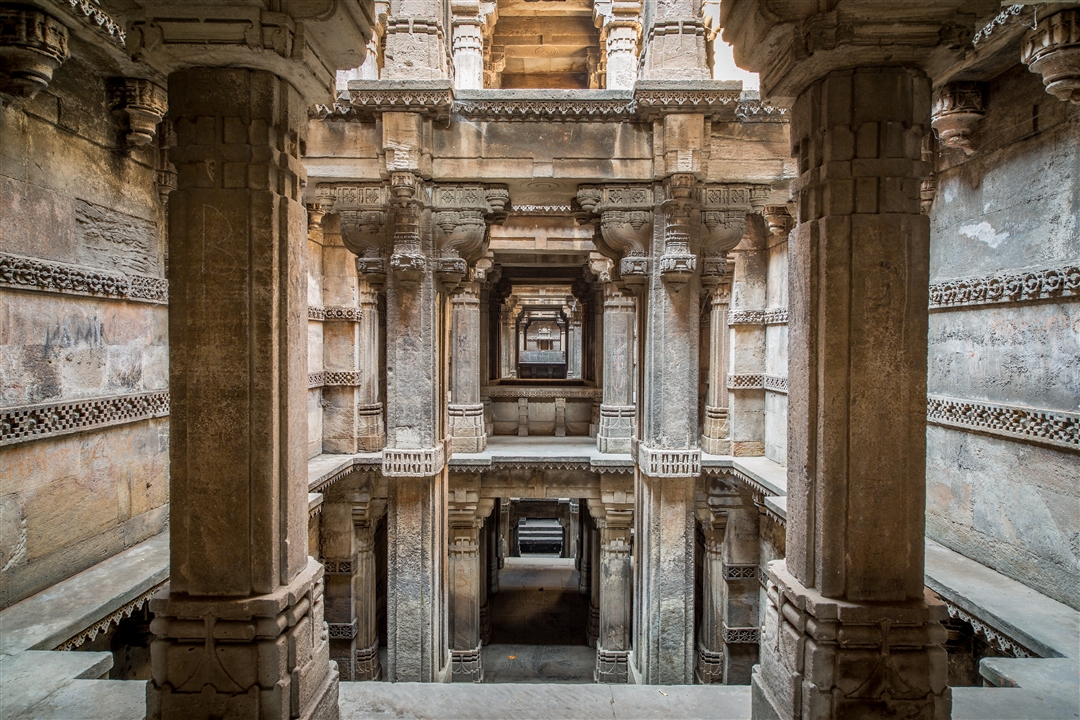
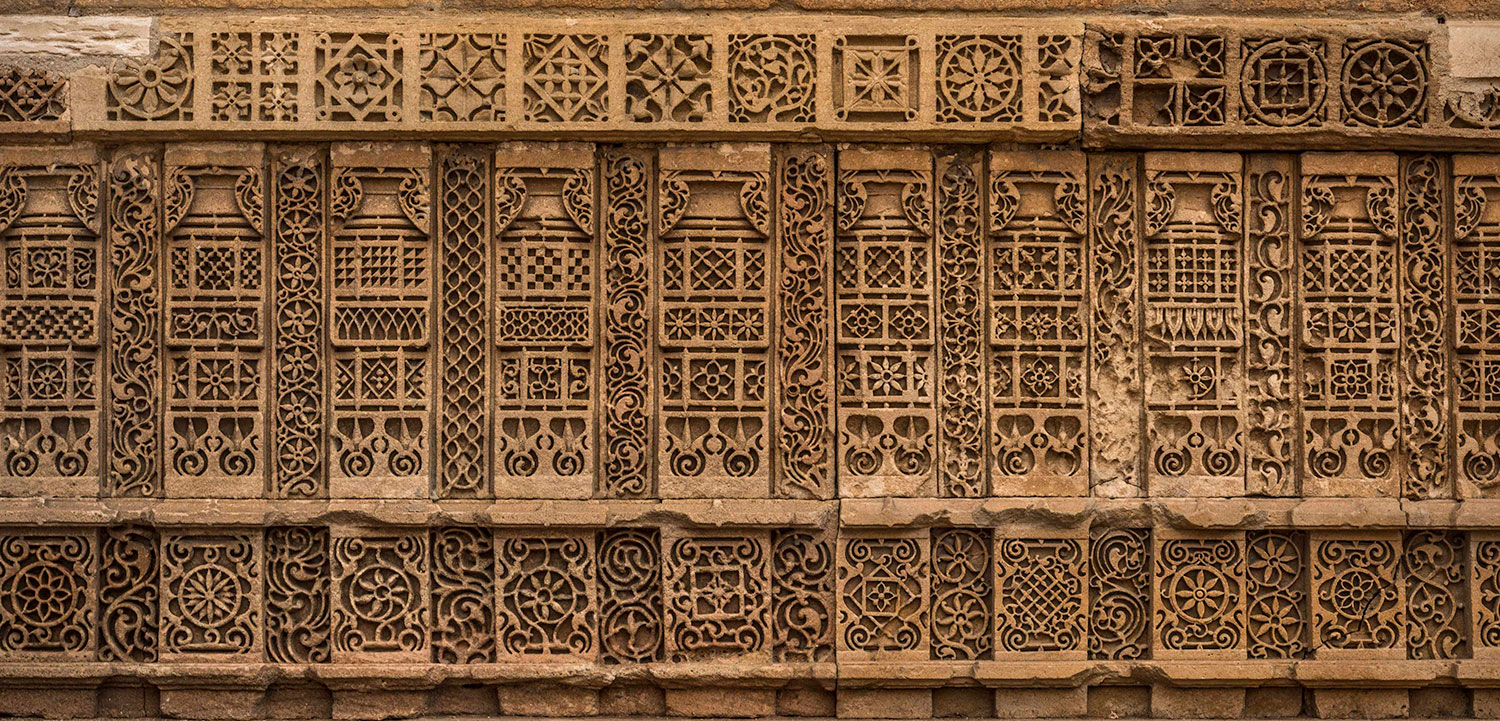
Built in 1499 during the reign of Sultan Mahmud Begada, Dada Hari Ki Vav is attributed to Bai Harir Sultani, a lady of the royal household whose name gradually evolved in local usage to "Dada Hari." The stepwell reflects a period when Gujarat's Sultanate architecture was blending Hindu, Jain, and Islamic design vocabularies into a distinct regional style, visible here in the geometric lattice screens, lotus medallions, and inscribed panels found throughout the structure.
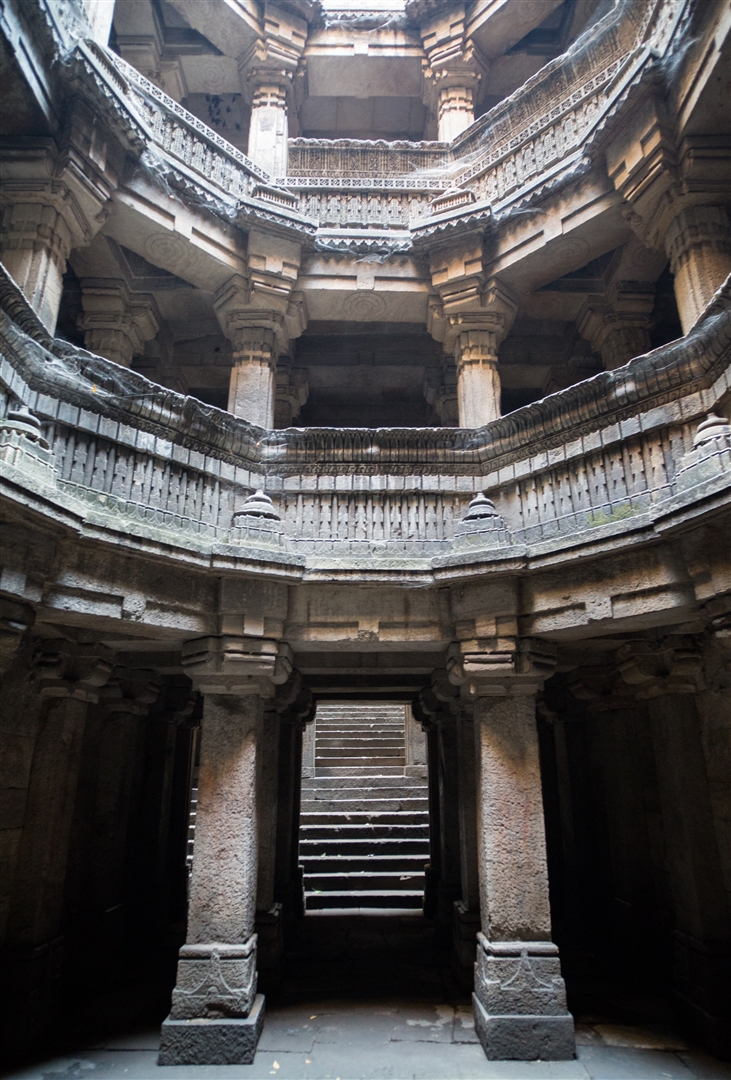
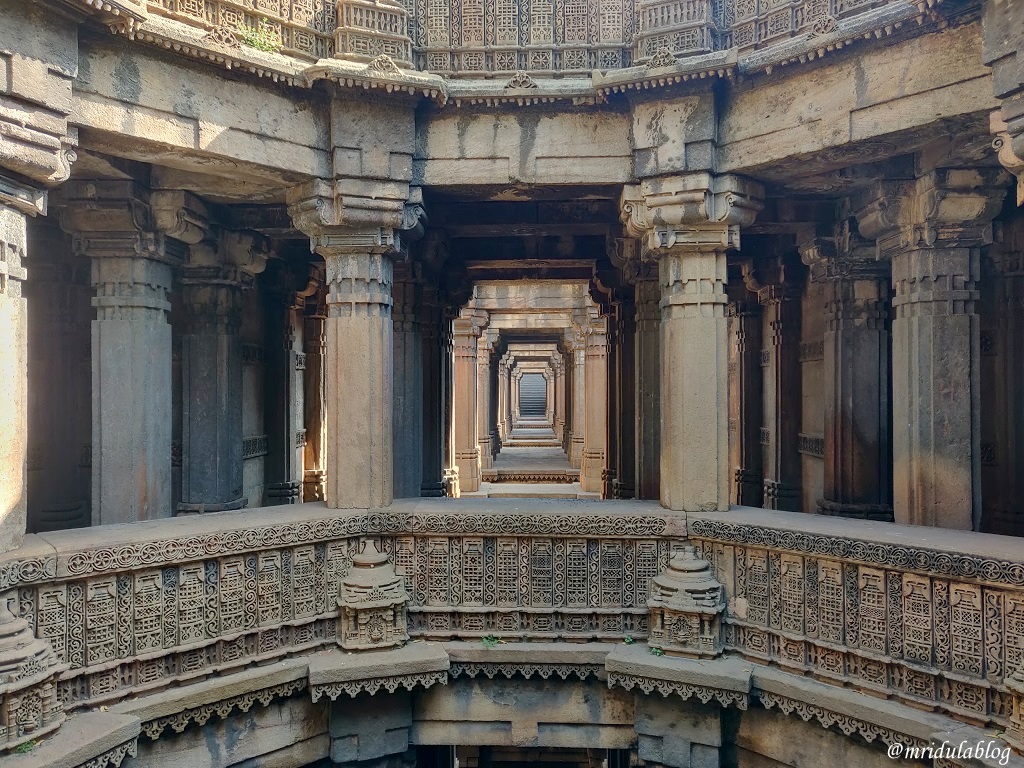
The vav follows an octagonal well shaft connected to a long, stepped corridor descending through five levels, each opening onto columned landings that once served as cool gathering spaces during Gujarat's hot summer months. Sunlight filters down through the shaft in changing patterns across the day, an effect that continues to draw architecture students and photographers who study how these subterranean structures balanced engineering with aesthetic ambition.
Why the Stepwell Matters
- Historic water-management architecture.
- Intricate stonework and layered geometry.
- Cultural value in Ahmedabad’s heritage timeline.
- Useful stop for architecture and history travelers.
What to Observe During Your Visit
| Feature | What to Notice |
|---|---|
| Structural depth | Descending levels and light-shadow transitions |
| Carvings | Design motifs and stone detailing |
| Layout | Functional planning for water and climate |
Best Time to Visit
Preservation and Current Status
Dada Hari Ki Vav is protected under the Archaeological Survey of India and has undergone conservation efforts to stabilize its stonework and prevent water damage. Despite its historical importance, it remains relatively uncrowded compared to Ahmedabad's more prominent monuments, giving visitors a rare chance to study the carvings and architectural rhythm without navigating large tour groups.
Morning and late afternoon are best for comfort and photography. Midday heat can reduce experience quality, especially in warmer months.
How to Reach and Plan Nearby Stops
Dada Hari Ki Vav can be included in a compact city heritage route with stepwells, old architecture, and local market zones. For city-wide context, include City Gold Multiplex in Ahmedabad and Cafes in Ahmedabad for breaks.
Visitor Etiquette
Historical Context Within Ahmedabad
Dada Hari Ki Vav belongs to a broader tradition of stepwells built across Gujarat and Rajasthan, where groundwater access shaped both civic planning and social life. Within Ahmedabad specifically, it stands alongside sites like the Mata Bhavani Vav as one of the surviving examples of this water architecture from the pre-Mughal Sultanate period, offering a quieter counterpart to the more frequently visited Adalaj Stepwell a short drive away.
- Do not climb unsafe edges.
- Respect heritage-site cleanliness.
- Avoid loud behavior in enclosed spaces.
- Follow any posted safety advisories.
Final Takeaway
Dada Hari Ki Vav is a rewarding heritage stop for travelers interested in architecture, history, and less-crowded cultural sites in Ahmedabad. Keep your visit paced and observant for the best experience.
Location
Frequently Asked Questions
Q1.Where is Dada Hari Ki Vav located?
Q2.What are the main highlights of Dada Hari Ki Vav?
Q3.Who built Dada Hari Ki Vav?
Q4.How much time is needed to explore Dada Hari Ki Vav?
Q5.When is the best time to visit Dada Hari Ki Vav?
Q6.Is Dada Hari Ki Vav suitable for photography?
Q7.Can Dada Hari Ki Vav be combined with other Ahmedabad attractions?
Q8.Why are stepwells important in Gujarat heritage?
Recommended For You
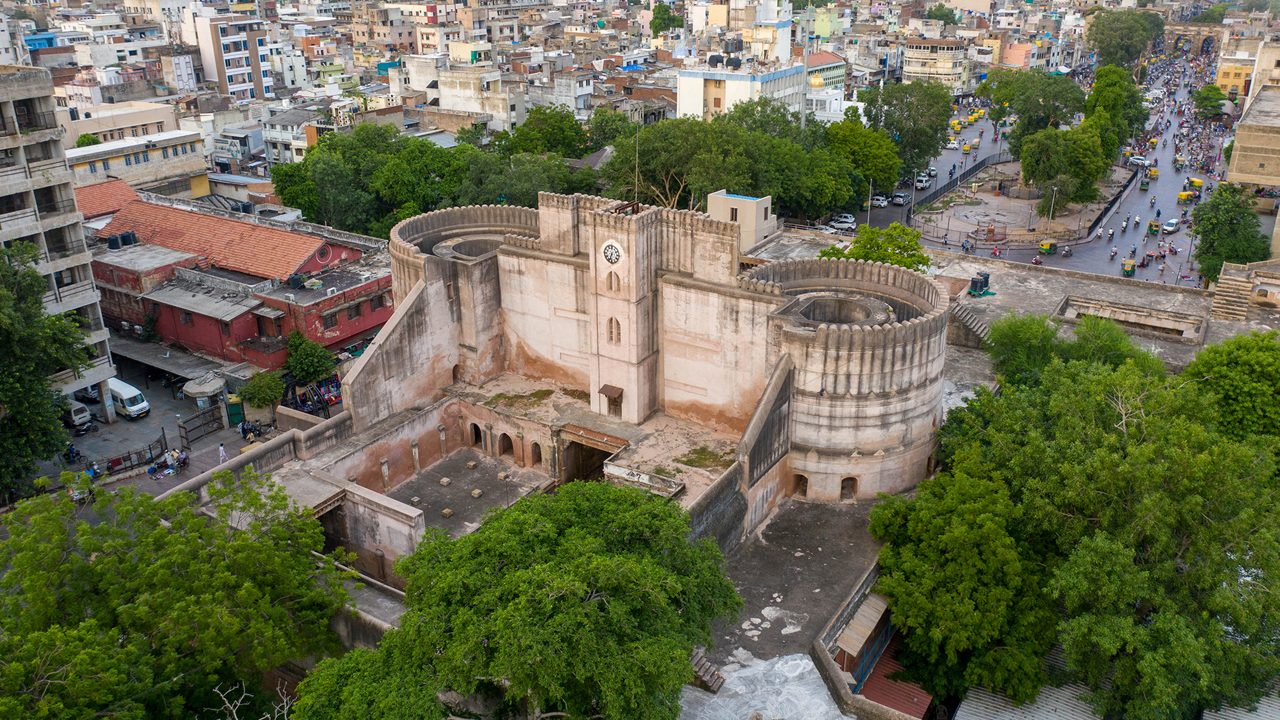
Bhadra Fort Ahmedabad: History, Access Guide and Tips
Explore Bhadra Fort Ahmedabad with historical context, architecture insights, old-city route planning, and practical visitor tips.
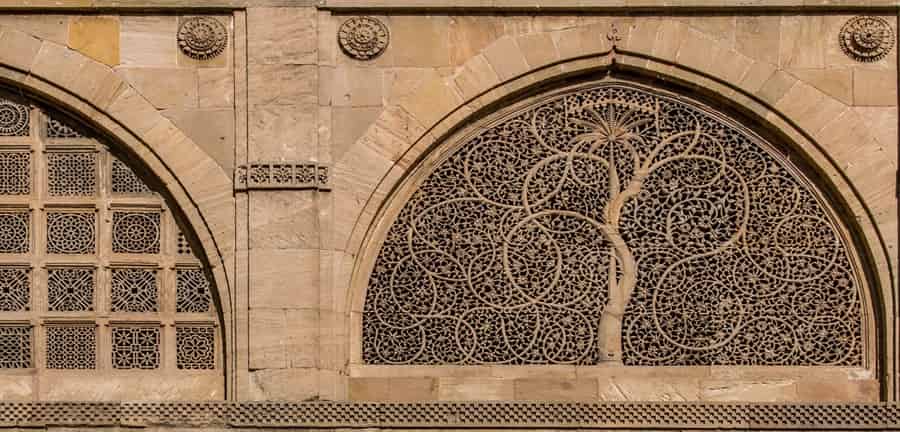
Sidi Saiyyed Mosque Ahmedabad: Iconic Jaali, History & Visitor Tips
Explore Sidi Saiyyed Mosque Ahmedabad with history, jaali architecture insights, visitor tips, and nearby heritage walk suggestions.
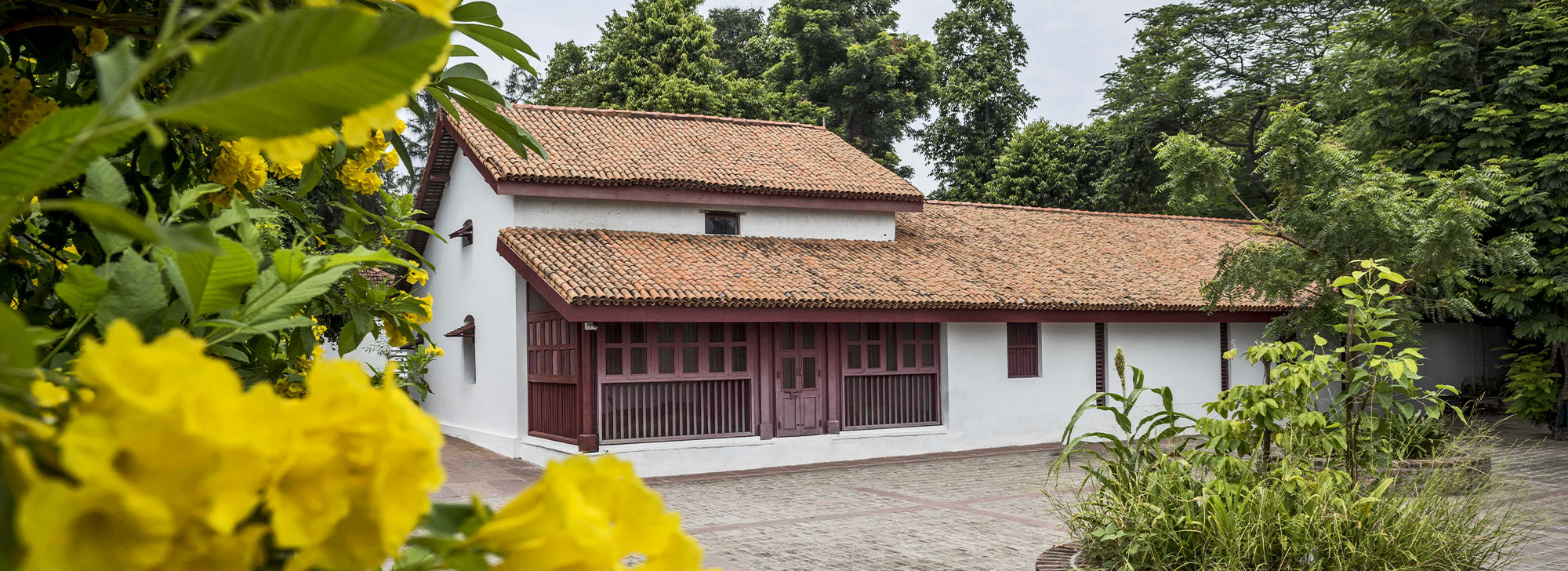
Sabarmati Ashram Ahmedabad: Gandhi Museum, Timings & Entry Details
Visit Sabarmati Ashram Ahmedabad. Complete guide with timings, entry fee, museum collections, Dandi March history, light & sound show, and travel tips.
Never Miss an Adventure
Get the latest trekking guides, travel tips, and exclusive offers delivered straight to your inbox.
