
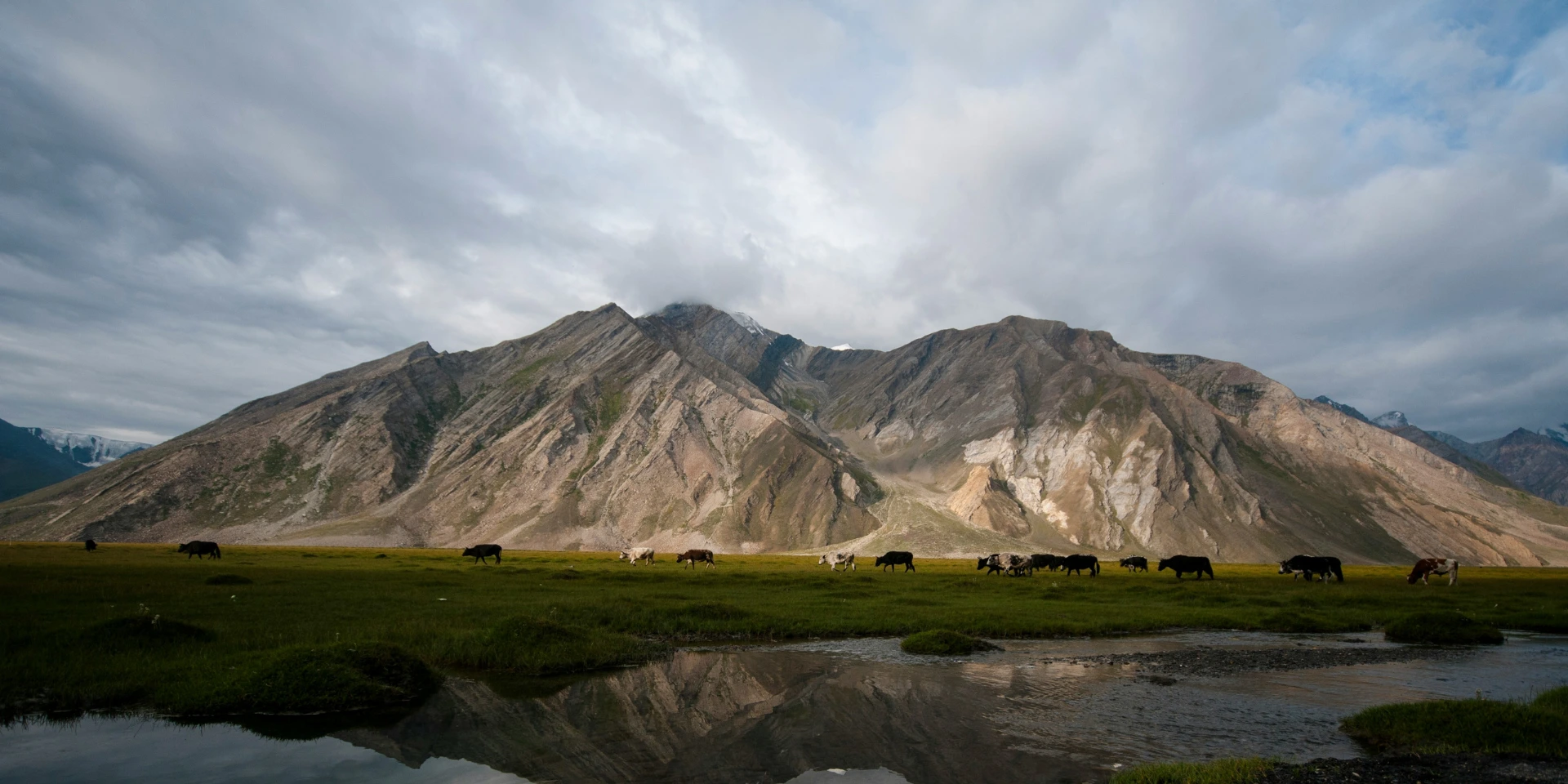
Mushkoh Valley Ladakh: The Hidden Paradise of Kashmir
Rohan Malhotra
December 22, 2025
Discover Mushkoh Valley in Ladakh, a pristine hidden paradise. Explore untouched Himalayan beauty, trekking routes, and travel tips for this remote valley.
Introduction: Ladakh's Best-Kept Secret
Tucked away in the Kargil district of Ladakh, Mushkoh Valley remains one of the region's most pristine and least explored destinations. While travelers flock to Pangong Lake, Nubra Valley, and Tso Moriri, this spectacular valley remains largely undiscovered by mainstream tourism. For adventurers seeking authentic Himalayan beauty away from the crowds, Mushkoh Valley offers an unforgettable experience of raw, untouched wilderness.
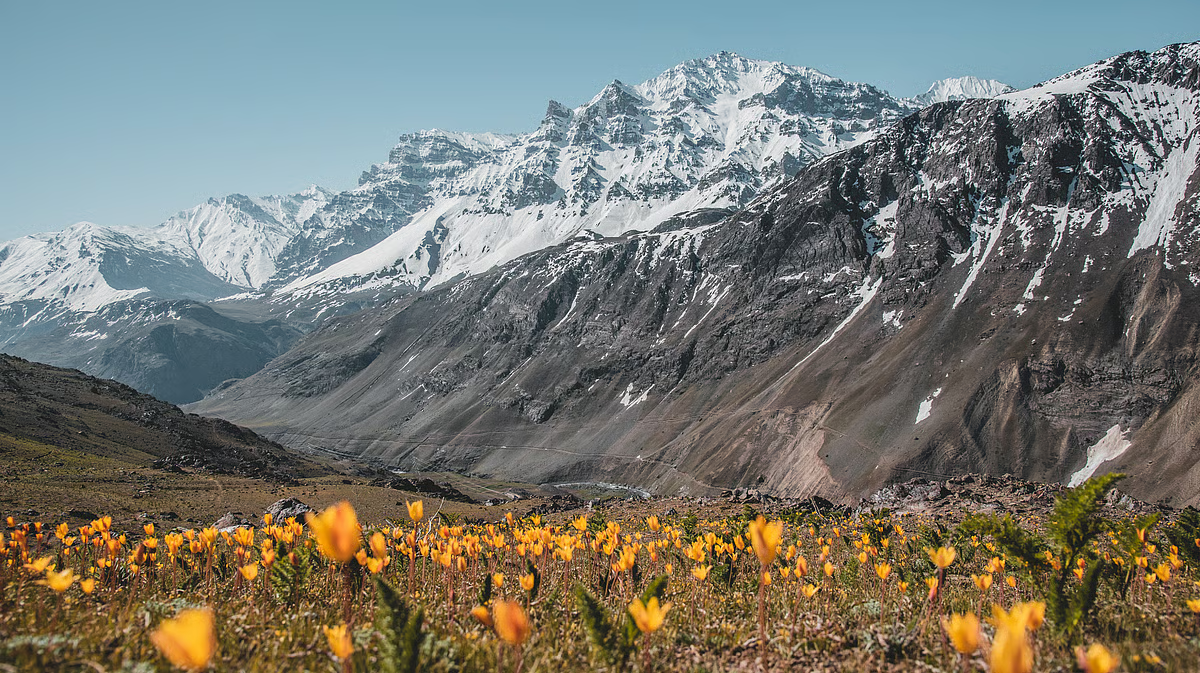
Mushkoh Valley gained strategic importance during the 1999 Kargil War, but its natural beauty has attracted visitors for centuries. The valley stretches approximately 10 kilometers, surrounded by towering snow-capped peaks, verdant meadows, and crystal-clear streams. Its name derives from "Mushkoh," meaning "valley of flowers" in the local Balti language - a testament to the incredible floral display that carpets the valley during summer months.
This comprehensive guide covers everything you need to know about visiting Mushkoh Valley, including how to reach this remote paradise, the best time to visit, trekking opportunities, accommodation options, and practical travel tips for exploring one of Ladakh's most spectacular hidden gems.
About Mushkoh Valley
Location & Geography
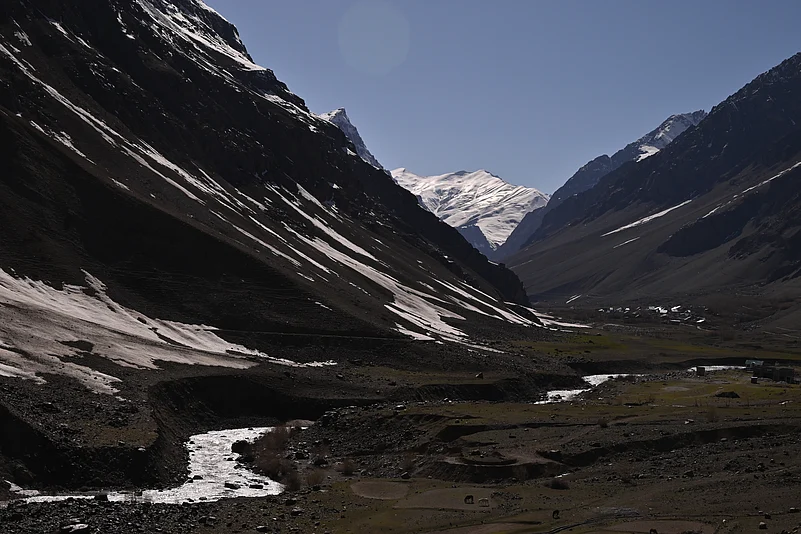
Mushkoh Valley is located approximately 45 kilometers from Kargil town in the Ladakh region of Jammu & Kashmir. Situated at an altitude of around 11,000 feet (3,353 meters), the valley lies in the Drass sector, which is often called "the second coldest inhabited place on Earth" after Siberia.
The valley forms part of the greater Himalayan range and is characterized by dramatic alpine scenery. Glaciers from surrounding peaks feed numerous streams that flow through the valley, creating lush meadows and supporting diverse wildlife. The valley's remote location and rugged terrain have preserved its pristine environment, making it a paradise for nature lovers and adventure seekers.
Historical Significance
Mushkoh Valley gained international attention during the 1999 Kargil War between India and Pakistan. The valley witnessed some of the fiercest fighting of the conflict, and several areas still contain remnants of the war. Today, the valley is peaceful and serves as a reminder of the region's turbulent history while highlighting nature's incredible capacity for renewal.
The area around Mushkoh Valley has been an important trade route for centuries, connecting Ladakh with Kashmir and beyond. Ancient caravans traversed these high mountain passes, exchanging goods between Central Asia and the Indian subcontinent.
Climate & Best Time to Visit
Summer (June - September): The only viable time to visit Mushkoh Valley. During these months, temperatures range from 15-25°C during the day and can drop to 5-10°C at night. The valley is accessible, and the meadows are in full bloom with wildflowers.
Winter (October - May): Extremely harsh with heavy snowfall making the valley completely inaccessible. Temperatures plummet to -20°C or lower. Even Kargil town becomes isolated during winter months. No tourism is possible during this period.
Best Time: July and August offer the most pleasant weather and spectacular wildflower displays. June and September are also good but colder. Always check weather conditions and road status before planning your visit, as mountain weather can be unpredictable.
Things to See & Do
Valley Exploration
The primary attraction of Mushkoh Valley is simply experiencing its raw, untouched beauty. The valley offers spectacular scenery that changes dramatically with the light - morning sun illuminates the peaks in golden hues, while evenings bring dramatic colors as the sun sets behind the mountains.
Nature Walks: Easy to moderate walks through the valley floor allow you to appreciate the diverse flora and fauna. Keep an eye out for Himalayan marmots, blue sheep (bharal), and numerous bird species including golden eagles and bearded vultures.
Photography: Mushkoh Valley is a photographer's dream. The contrast between green meadows, snow-capped peaks, and blue skies creates stunning compositions. Golden hours are particularly magical for landscape photography.
Wildlife Spotting: The valley is home to various Himalayan wildlife species. Early morning and late afternoon are the best times for wildlife viewing. Bring binoculars and maintain a respectful distance from animals.
War Memorial Visit
The Drass War Memorial, located approximately 30 kilometers from Mushkoh Valley, is a moving tribute to the soldiers who sacrificed their lives during the Kargil War. The memorial features the names of all Indian soldiers who died in the conflict and offers spectacular views of the surrounding mountains where the fighting took place.
Tiger Hill: This prominent peak, visible from the memorial, was one of the most heavily contested areas during the war. Today it stands as a symbol of the bravery and determination of Indian soldiers.
Visiting: The memorial is open year-round (weather permitting) and serves as an important reminder of the region's recent history. It's a somber but essential stop when visiting this area.
Trekking Opportunities
For experienced trekkers, Mushkoh Valley serves as a starting or ending point for several challenging treks through the Ladakhi Himalayas.
Mushkoh Valley to Matayen: A moderate trek connecting Mushkoh Valley to the scenic Matayen Valley. This 2-3 day trek takes you through some of the most pristine landscapes in Ladakh, crossing high mountain passes and camping in remote meadows.
Suru Valley Trek: More experienced trekkers can connect Mushkoh Valley with the Suru Valley via high-altitude passes. This multi-day trek requires careful planning, proper acclimatization, and local guides.
Important: Always trek with experienced local guides, carry appropriate equipment, and be prepared for rapidly changing weather conditions. Many trekking routes require permits from the local administration.
Interaction with Local Culture
The region around Mushkoh Valley is inhabited by the Brokpa people, an ancient Dardic community known for their unique culture and traditions. Their distinct dress, colorful jewelry, and preservation of ancient customs make them fascinating to learn about.
Village Visits: With proper respect and permission, visitors can interact with local communities in nearby villages. The Brokpa people are known for their hospitality and may share stories about their culture, traditions, and life in these high mountains.
Traditional Architecture: Observe the unique stone and mud houses that have sheltered generations from the harsh mountain winters. These structures are architectural marvels, perfectly adapted to the extreme climate.
How to Reach Mushkoh Valley
By Air
The nearest airport is in Leh, approximately 140 kilometers from Kargil. Kushok Bakula Rimpochee Airport (IXL) is well connected to Delhi, Mumbai, and other major Indian cities with daily flights. The flight to Leh is spectacular, offering aerial views of the Himalayas including K2, Nanga Parbat, and other peaks.
From Leh: Hire a taxi or take a shared cab to Kargil (approximately 4-5 hours). From Kargil, continue to Mushkoh Valley (approximately 1.5-2 hours). Private taxis cost approximately ₹8,000-10,000 for the Leh-Kargil round trip. Shared taxis are cheaper but less convenient.
By Road
Srinagar to Kargil (via Zoji La): The most common route from Srinagar covers approximately 204 kilometers and takes 6-8 hours. The road passes through Sonamarg, crosses the spectacular Zoji La pass (11,575 feet), and descends into Drass - the second coldest inhabited place on Earth. From Kargil, continue to Mushkoh Valley.
Leh to Kargil (via Fotu La): This 217-kilometer route takes 4-5 hours, crossing the Fotu La pass (13,478 feet) - the highest pass on the Srinagar-Leh highway. The road offers spectacular views of the Ladakhi landscape. From Kargil, continue to Mushkoh Valley.
Manali to Kargil: This is a longer route (approximately 470 kilometers) taking 2 days with an overnight halt. It's less commonly used but offers spectacular scenery through the Himachal Pradesh and Ladakh regions.
Road Conditions & Permits
Inner Line Permit: Indian citizens do not need special permits for Mushkoh Valley. Foreign nationals may require an Inner Line Permit - check current regulations as they can change. Permits can be obtained in Leh or Kargil.
Road Conditions: Roads to Mushkoh Valley are basic and can be challenging. The final stretch to the valley is a dirt road accessible only by SUV or with local drivers. Hiring an experienced local driver familiar with mountain driving is highly recommended.
Weather: Even in summer, weather can change rapidly. Be prepared for sudden rain, hail, or even snow at higher altitudes. Check road conditions before departing and always carry emergency supplies.
Where to Stay
Accommodation Options
Accommodation in and around Mushkoh Valley is extremely basic. This is not a destination for luxury seekers - it's for adventurers willing to sacrifice comfort for pristine wilderness experiences.
Kargil: Most visitors stay in Kargil town and make day trips to Mushkoh Valley. Kargil offers basic hotels, guesthouses, and homestays (₹800-2,500 per night). Options are simple but clean. Popular choices include Hotel Barox, Hotel Greenland, and various guesthouses.
Homestays in Mushkoh: Very limited basic homestay options may be available in or near the valley. These offer rustic accommodation with traditional Ladakhi hospitality. Facilities are extremely basic - expect shared bathrooms, bucket baths, and simple meals. Book in advance through local contacts in Kargil.
Camping: The most authentic way to experience Mushkoh Valley is camping. Bring your own camping gear or arrange camping equipment through tour operators in Leh or Kargil. Campsites are basic - you'll need to be self-sufficient with food, water, and toilet facilities. Always practice Leave No Trace principles.
Booking Recommendations
Given the limited accommodation options, book in advance through reliable local agents or your Leh hotel. During peak season (July-August), accommodation in Kargil can fill up. Many hotels in Kargil can also arrange tours to Mushkoh Valley including transportation and guides.
Food & Dining
Local Cuisine
Food options in Mushkoh Valley are extremely limited. Most visitors eat in Kargil or carry their own food.
Traditional Ladakhi Food: Try skyu (thick noodle soup), thukpa (vegetable or meat noodle soup), momos (dumplings), and tingmo (steamed bread). These hearty dishes are perfect for cold mountain weather.
Tea: Butter tea (gur gur cha) and salt tea are local specialties. Acquired tastes but essential to the local culture. Sweet Kashmiri tea (kahwa) flavored with saffron and cardamom is delicious.
Dining Options
Kargil: Several basic restaurants and dhabas serve Ladakhi, Kashmiri, and simple Indian food. Hotel restaurants are usually the best options. Don't expect fancy dining - food is simple, hearty, and inexpensive.
In the Valley: Bring packed food from Kargil if you plan to spend the day in Mushkoh Valley. There are no restaurants or cafes in the valley. If camping, you'll need to be completely self-sufficient with cooking equipment and supplies.
Practical Travel Tips
Acclimatization
At 11,000+ feet, altitude sickness is a real concern. Mushkoh Valley should not be your first stop in Ladakh.
Important: Spend 2-3 days acclimatizing in Leh (11,500 feet) before attempting to visit Mushkoh Valley. Leh is higher than Mushkoh, so once acclimatized to Leh, you should be fine for Mushkoh.
Symptoms of AMS: Headache, nausea, dizziness, shortness of breath, and fatigue. If symptoms appear, descend to a lower altitude immediately. Do not ignore altitude sickness - it can be fatal.
Prevention: Drink plenty of water (3-4 liters daily), avoid alcohol and tobacco, eat light meals, and take it easy. Diamox (acetazolamide) can help prevent AMS - consult your doctor before traveling.
Packing Essentials
Clothing: Layers are essential. Even in summer, temperatures can drop significantly. Bring thermal innerwear, fleece jacket, windproof/waterproof outer jacket, warm hat, gloves, and comfortable trekking pants. Quick-dry synthetic fabrics are better than cotton.
Footwear: Sturdy, comfortable trekking shoes with good grip are essential. The terrain is rocky and uneven. Break in your shoes before the trip to avoid blisters.
Sun Protection: At high altitude, UV radiation is intense. Bring high SPF sunscreen, sunglasses with UV protection, and a wide-brimmed hat or cap. Lip balm with sun protection is also essential.
Medications: Carry basic medications including headache medicine, stomach medication, and any prescription drugs. Bring Diamox for altitude prevention if recommended by your doctor. A basic first aid kit is essential.
Other Essentials: Water bottle or hydration pack, water purification tablets, flashlight/headlamp with extra batteries, power bank, camera, binoculars, and wet wipes/toilet paper.
Connectivity & ATMs
Mobile Network: BSNL and postpaid Jio connections work in Kargil and parts of the route, but coverage is spotty and unreliable in Mushkoh Valley. Don't depend on your phone. Inform family members about your itinerary in advance.
Internet: Limited and slow internet may be available in Kargil hotels. Don't expect connectivity in the valley.
ATMs: ATMs are available in Kargil (J&K Bank, SBI, PNB) but can run out of cash. Bring sufficient cash from Leh or Srinagar. Credit cards are not widely accepted.
Health & Safety
Travel Insurance: Essential when traveling to remote high-altitude areas. Ensure your policy covers emergency evacuation and high-altitude activities.
Emergency Services: Medical facilities are basic in Kargil. For serious emergencies, evacuation to Srinagar or Leh may be necessary. Carry emergency contact numbers.
Weather Safety: Mountain weather is unpredictable. Don't attempt the journey if heavy rain or snow is forecast. Landslides can block roads. Always check current conditions.
Wildlife Safety: Maintain distance from wildlife. Some areas may have snow leopards (rarely seen) or bears. Follow your guide's instructions.
Responsible Tourism
Help preserve Mushkoh Valley's pristine environment:
- Carry all trash back with you - Leave No Trace
- Don't pluck flowers or damage vegetation
- Respect local culture and customs
- Ask permission before photographing people
- Don't disturb wildlife
- Support local businesses and homestays
- Use biodegradable products
Sample Itineraries
3-Day Mushkoh Valley Excursion from Leh
Day 1: Arrive in Leh. Rest and acclimatize. Explore Leh town and market. Overnight in Leh.
Day 2: Early morning drive to Kargil via Fotu La (4-5 hours). Visit the Lamayuru Monastery en route. Check into Kargil hotel. Afternoon visit to Drass War Memorial. Overnight in Kargil.
Day 3: Early morning drive to Mushkoh Valley (1.5-2 hours). Spend the day exploring the valley, nature walks, photography. Return to Kargil for lunch. Afternoon drive back to Leh or continue to Srinagar.
5-Day Ladakh Adventure Including Mushkoh Valley
Day 1: Arrive in Leh. Rest and acclimatize.
Day 2: Leh acclimatization day. Visit Shanti Stupa, Leh Palace, and local monasteries.
Day 3: Drive to Kargil via Lamayuru Monastery. Overnight in Kargil.
Day 4: Day trip to Mushkoh Valley. Explore and return to Kargil. Visit Drass War Memorial.
Day 5: Drive to Srinagar via Zoji La and Sonamarg, or return to Leh.
7-Day Trekking & Exploration
For experienced trekkers with proper equipment and guides:
Day 1-2: Arrival and acclimatization in Leh.
Day 3: Drive to Kargil.
Day 4-6: Multi-day trek from Mushkoh Valley to surrounding areas. Camping in remote locations.
Day 7: Return to Kargil and onward journey.
Cost Estimates
Transportation: Private taxi from Leh to Kargil and Mushkoh Valley: ₹8,000-12,000 for 2-3 days. Shared taxi: ₹1,500-2,500 per person.
Accommodation: Budget hotels/guesthouses in Kargil: ₹800-1,500 per night. Mid-range hotels: ₹1,500-2,500 per night. Homestays: ₹800-1,200 per night including meals.
Food: Budget ₹500-800 per day for simple meals at local restaurants.
Permits: If required, Inner Line Permit costs approximately ₹200-400 per person.
Guide: Local guides cost ₹2,000-3,500 per day. Essential for trekking.
Total Estimated Budget: ₹15,000-25,000 for a 3-4 day trip from Leh, depending on your choices and travel style.
Nearby Attractions
Drass - The Second Coldest Inhabited Place
Located approximately 30 kilometers from Mushkoh Valley, Drass is famous for being one of the coldest inhabited places on Earth. Temperatures can drop to -60°C in winter. Visit the Drass War Memorial and experience this unique high-altitude settlement.
Kargil Town
The main base for exploring Mushkoh Valley, Kargil sits at the crossroads of ancient trade routes. Visit the old bazaar, interact with local people, and experience this unique frontier town. The Kargil Victory Memorial and munitions museum are worth visiting.
Lamayuru Monastery
On the Leh-Kargil highway, Lamayuru is one of Ladakh's oldest and largest monasteries. The moon-like landscape surrounding it is spectacular. The monastery itself houses ancient thangkas and artifacts.
Suru Valley
For those with more time, the Suru Valley offers spectacular scenery and traditional villages. It's less visited than other Ladakhi regions and provides an authentic cultural experience.
Conclusion: Is Mushkoh Valley Worth Visiting?
Mushkoh Valley is not for everyone. If you're seeking luxury, convenience, or Instagram-famous spots, this isn't your destination. But if you're an adventurous traveler willing to journey off the beaten path to experience raw Himalayan beauty in its purest form, Mushkoh Valley rewards you with one of the most spectacular and untouched landscapes in Ladakh.
The valley offers what so many travelers seek but rarely find: genuine wilderness, authentic cultural experiences, and the profound peace that comes from being surrounded by mountains that have witnessed millennia of human history. Here, you can disconnect from the modern world and reconnect with nature in its most majestic form.
For photographers, nature lovers, trekkers, and cultural explorers, Mushkoh Valley is a destination that leaves an indelible mark on your soul. The journey may be challenging, the accommodation basic, and the weather unpredictable - but the reward is experiencing one of the Himalayas' last truly pristine valleys before the rest of the world discovers it.
Visit Mushkoh Valley now, while it remains Ladakh's hidden paradise. The mountains are calling, and this spectacular valley awaits the few adventurous souls willing to seek its wonders.
Location
Frequently Asked Questions
Q1.Where is Mushkoh Valley located?
Q2.What is the best time to visit Mushkoh Valley?
Q3.How do I reach Mushkoh Valley?
Q4.Do I need permits for Mushkoh Valley?
Q5.Is altitude sickness a concern in Mushkoh Valley?
Q6.Where can I stay near Mushkoh Valley?
Q7.What should I pack for Mushkoh Valley?
Recommended For You
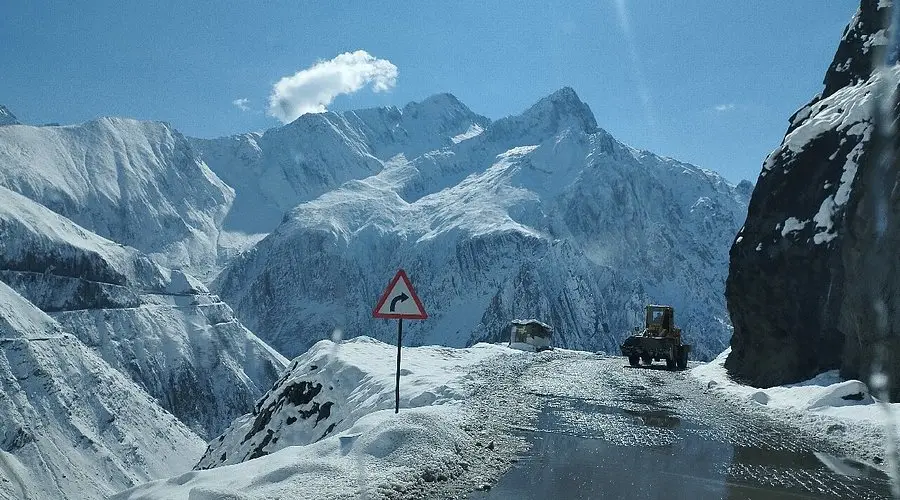
Places to Visit in Drass Valley: War Sites, Passes & Mountain Views
Explore Drass Valley with this complete guide covering top attractions, war memorial, route planning, best season, and practical high-altitude travel tips.
Stok Kangri Trek Ladakh: Route Best Time And Permits
Complete guide to Stok Kangri Trek Ladakh 2026: Difficulty, best time, itinerary, preparation, gear, permits, costs for climbing 6,153m peak.
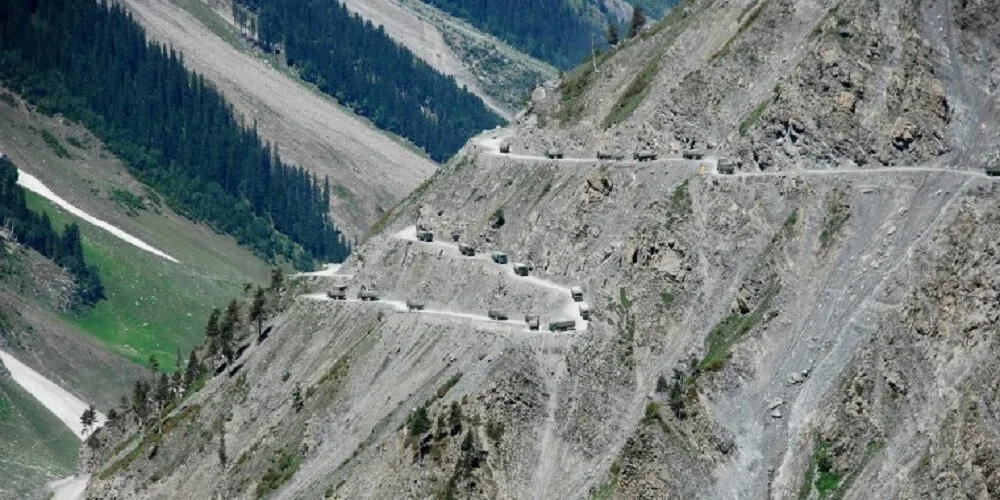
Zoji La Pass Ladakh: Road Conditions, Best Time & Safety Tips
Complete Zoji La Pass Ladakh guide with road condition patterns, best crossing season, route planning, and safety essentials.
Never Miss an Adventure
Get the latest trekking guides, travel tips, and exclusive offers delivered straight to your inbox.
