
Flora and Fauna of Ladakh: Key Species, Habitats & Best Season

Rahul Garg
December 26, 2025
Discover the flora and fauna of Ladakh with key mammals, birds, alpine plants, protected areas, best wildlife zones, and responsible travel tips.
1. Introduction to Ladakh Flora and Fauna
The flora and fauna of Ladakh is one of the most fascinating nature stories in the Himalaya. Ladakh looks like a stark cold desert at first glance, but this high-altitude landscape supports a surprisingly rich web of life. From elusive snow leopards and blue sheep on rugged slopes to medicinal herbs and hardy shrubs in windswept valleys, biodiversity here survives through extreme adaptation.
For travelers, Ladakh wildlife is not only about rare sightings. It is about understanding how species survive in thin air, low rainfall, short summers, and long winters. The region includes globally important habitats such as Hemis National Park and the Changthang plateau wetlands, where iconic species like the black-necked crane breed.
This guide covers the geography, mammals, birds, plants, protected areas, best wildlife zones, ideal seasons, adaptation science, conservation efforts, and practical field tips for responsible wildlife travel.
2. Geography and Ecosystem of Ladakh
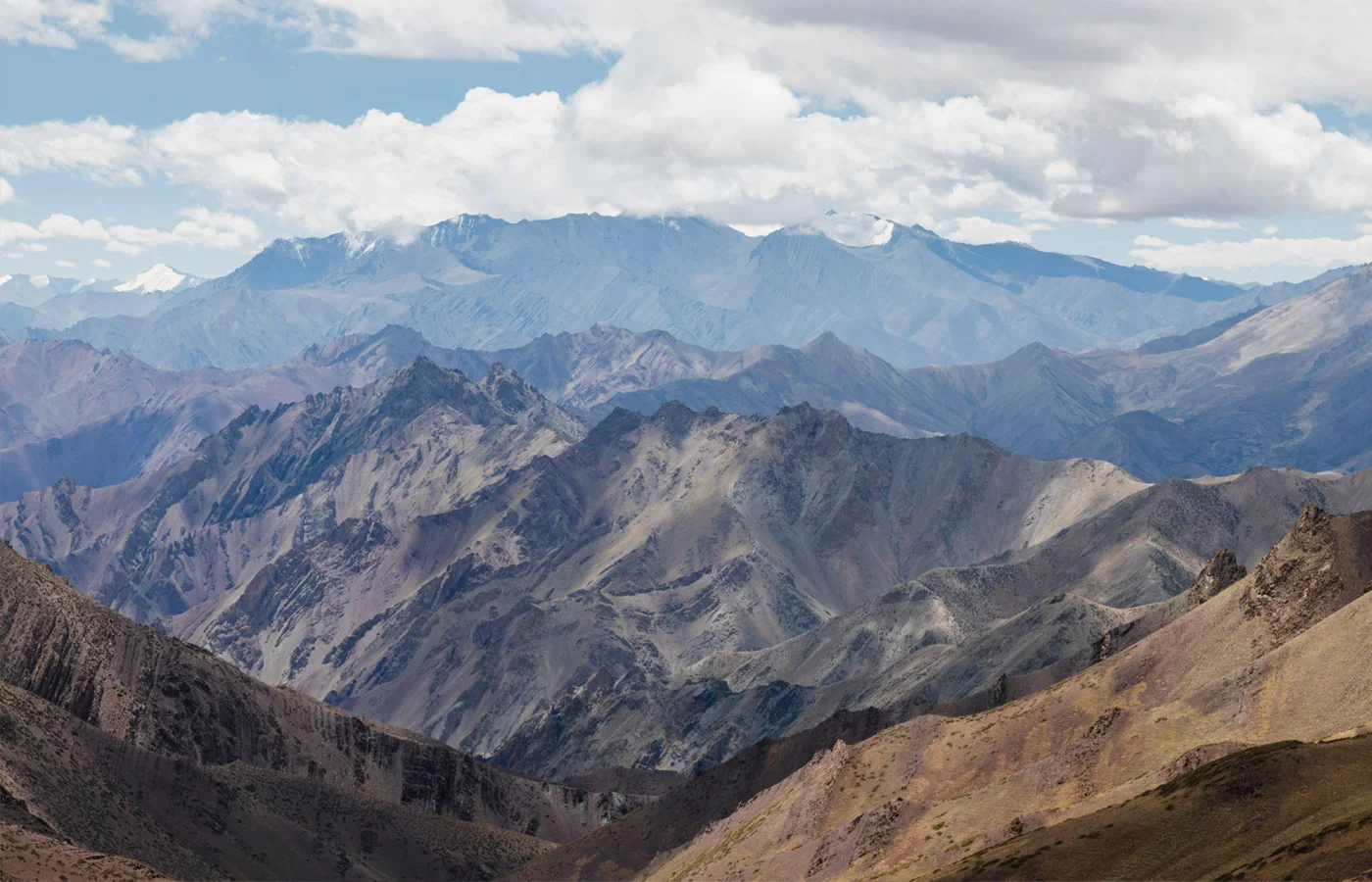
Ladakh sits in the trans-Himalayan region and includes elevation bands from roughly 2,700 meters to well above 6,000 meters. The climate is dry, winters are severe, and the growing season is short. These factors shape a cold-desert ecosystem where life depends on snowmelt, river corridors, alpine pastures, and high-altitude wetlands.
| Ecosystem Type | Main Characteristics | Typical Biodiversity |
|---|---|---|
| High rocky slopes | Sparse vegetation, steep terrain | Snow leopard prey species, raptors |
| Cold desert steppe | Dry grass-shrub mosaic | Kiang, foxes, grazing herbivores |
| River valleys | Moisture pockets, cultivated belts | Willow, poplar, small birds, pollinators |
| High-altitude wetlands | Seasonal water-rich habitats | Black-necked crane, bar-headed goose |
Because habitats are fragmented and climate-sensitive, Ladakh biodiversity depends heavily on connected landscapes, community stewardship, and careful tourism behavior.
3. Mammals: Wildlife in Ladakh
Mammal diversity in Ladakh is strongly linked to altitude and prey availability. The most famous species is the snow leopard, but the food web also includes blue sheep, ibex, urial, marmots, foxes, and wolves. Together they support one of the most important high-altitude predator-prey systems in South Asia.
Snow Leopard (Panthera uncia)
The snow leopard is the flagship species of Ladakh wildlife. It is listed as Vulnerable on the IUCN Red List and survives in rugged mountain terrain with low human density and strong prey base. Recent India-level assessments and Ladakh-led studies have highlighted the region as a major global stronghold for the species.
- Best known habitat: Hemis landscape and connected high valleys
- Typical altitude: roughly 3,000 to 5,000 meters and above
- Field behavior: elusive, territorial, mostly crepuscular activity
Other Key Mammals
- Himalayan ibex: cliff-adapted wild goat with strong climbing ability
- Bharal (blue sheep): critical prey species for snow leopard
- Ladakhi urial: wild sheep in selected dry mountain belts
- Tibetan wolf: high-altitude canid in open plateau systems
- Himalayan marmot: common in summer, hibernates in severe winter
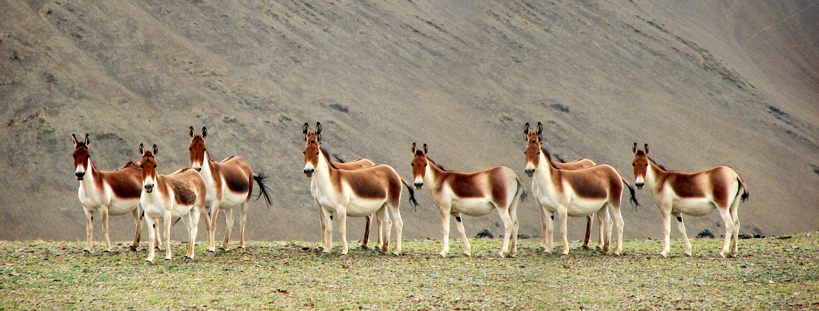
- Kiang: Tibetan wild ass, especially in Changthang zones
- Red fox and Tibetan sand fox: opportunistic small predators
For practical trip planning, combine this guide with wildlife of Ladakh and Hemis National Park guide.
4. Birds of Ladakh
Birdlife is one of the most rewarding parts of Ladakh fauna, especially around wetlands and high cliffs. The region supports resident raptors and important migratory populations linked to the Central Asian Flyway.
Iconic Bird Species
- Black-necked crane: globally important breeder in high-altitude wetlands
- Golden eagle: apex raptor of open mountain systems
- Bearded vulture (lammergeier): bone-feeding scavenger in cliff zones
- Himalayan griffon: major carrion recycler in mountain ecology
- Bar-headed goose: high-altitude migratory waterfowl
- Tibetan snowcock: upland bird adapted to rocky alpine terrain
Wetland records from Ramsar-listed sites in Ladakh reinforce the biodiversity value of Tso Moriri and Tso Kar systems, including breeding and stopover roles for threatened species.
5. Flora of Ladakh
The flora of Ladakh is adapted to low moisture, short growth windows, high ultraviolet exposure, and strong winds. Vegetation is sparse at high elevations but becomes richer near streams, meadows, and cultivated valleys.
Major Plant Groups
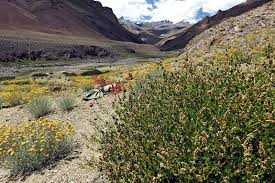
- Shrubs: seabuckthorn, caragana, dwarf willow in suitable belts
- Trees in valleys: poplar and willow, often near settlements and irrigation channels
- Alpine herbs: gentian, primula, rhodiola, and local medicinal taxa
- Grass-sedge communities: pasture base for herbivores in short summers
Ladakh is also known for ethnobotanical value. Many herbs are traditionally used in local health systems, but wild collection pressure and climate instability can stress sensitive plant populations.
6. Hemis National Park and Biodiversity Value
Hemis National Park is one of the core wildlife landscapes in Ladakh and widely recognized for snow leopard habitat quality. It also supports blue sheep, ibex, urial, wolves, and major raptor assemblages. For biodiversity-focused travelers, Hemis is usually the first protected-area anchor in a Ladakh itinerary.
| Hemis Snapshot | Why It Matters |
|---|---|
| High-altitude protected terrain | Supports predator-prey dynamics and ecological continuity |
| Snow leopard tourism model | Drives conservation-linked local income in winter |
| Community interface | Important for human-wildlife coexistence practices |
If you are planning routes and seasons, use best time to visit Ladakh alongside protected-area planning.
7. Changthang Wildlife Sanctuary and Wetland Biodiversity
Changthang (Cold Desert) Wildlife Sanctuary in eastern Ladakh is another critical biodiversity zone, especially for plateau mammals and wetland birds. It includes high-altitude lake systems and supports species like kiang, Tibetan wolf, and black-necked crane in specific habitats.
Ramsar information for Tso Moriri and Tso Kar highlights why this landscape is ecologically significant: high-altitude wetlands in an otherwise arid region create breeding and feeding opportunities for specialized fauna.
- Elevation often above 4,500 meters in key wetland sectors
- Strong link between water availability and bird diversity
- Shared landscape with Changpa pastoral systems
8. Best Places for Wildlife Spotting in Ladakh
Wildlife viewing success depends on habitat matching, season, guide quality, and time in field. Short checklists rarely work in Ladakh. Multi-day location-based observation produces better outcomes than fast movement between distant valleys.
| Zone | Common Focus | Best Use Case |
|---|---|---|
| Hemis and nearby valleys | Snow leopard habitat, bharal, raptors | Winter tracking and long-lens observation |
| Changthang plateau | Kiang, wolves, wetland birds | Landscape-scale wildlife and birding |
| Tso Moriri and Tso Kar belts | Crane and migratory waterfowl zones | Bird-focused natural history trips |
| Nubra and other mixed valleys | General fauna, habitat contrast | Combined travel plus wildlife routes |
9. Best Time for Wildlife Viewing
There is no single perfect month for all species. Timing should match your target fauna.
- Winter (Dec-Mar): strongest window for snow leopard-focused expeditions
- Late spring and summer: better accessibility and broader species movement
- Wetland birding months: key breeding and migratory windows vary by site
For first-time travelers, balancing safety, acclimatization, and seasonality usually gives better results than chasing one species on a tight schedule.
10. How Flora Survives at High Altitude
Plant survival in Ladakh depends on multiple adaptation strategies. Cold, drought, UV stress, and wind exposure force compact growth forms and efficient water use. Many species minimize exposed leaf area, grow close to ground, or develop protective surfaces.
- Drought resilience: reduced transpiration and deep or efficient root systems
- Cold strategy: short reproductive cycles aligned with brief summer window
- UV protection: pigments and surface traits that reduce radiation damage
- Soil-limited growth: niche occupation in rock crevices and moisture pockets
These adaptation patterns are why Ladakh vegetation appears sparse but functionally specialized.
11. Conservation Efforts and Current Challenges
Conservation in Ladakh has shifted toward landscape-level and community-linked models. The UT administration and wildlife division framework emphasizes habitat protection, anti-poaching enforcement, conflict mitigation, research, and participation of local communities.
- Protected-area network: Hemis, Changthang, Karakoram landscapes
- Predator-proof corrals and conflict-response support
- Wildlife monitoring and population assessment initiatives
- Conservation-linked livelihood through responsible eco-tourism
Main pressures include climate change, unmanaged tourism behavior, waste near fragile habitats, and disturbance around breeding wetlands. Conservation success depends on improving visitor discipline and local benefit-sharing mechanisms.
12. Community-Led Conservation in Practice
One of the strongest lessons from Ladakh is that wildlife conservation improves when local communities benefit from stewardship. Village homestays, trained trackers, winter guiding, and conflict-mitigation programs can reduce pressure on habitats while creating stable local income. In snow leopard landscapes, predator-proof livestock shelters and compensation-linked systems have helped reduce retaliation risk in many settlements.
For travelers, trip choices have direct impact. Staying in locally managed properties, hiring trained local guides, and respecting route restrictions supports coexistence models. Responsible visitor behavior is not symbolic in Ladakh; it is a practical conservation input that can improve outcomes for fauna, flora, and pastoral livelihoods.
13. Wildlife Photography and Field Ethics
Ladakh is a dream destination for wildlife photography, but ethical field practice is essential. Disturbing animals for closer shots can cause stress and alter behavior in already harsh conditions.
- Use long lenses and maintain safe distance
- Avoid baiting, playback abuse, and aggressive approach
- Do not block movement corridors or nesting zones
- Work with trained local guides who understand species sensitivity
- Pack out all waste, including batteries and plastic
Respectful photography protects both wildlife and the credibility of nature tourism in Ladakh.
14. Final Takeaway
The flora and fauna of Ladakh is not just a species checklist. It is a high-altitude survival system where every plant and animal is shaped by altitude, cold, and scarcity. Visiting these landscapes responsibly gives travelers a deeper understanding of Himalayan ecology and why conservation here matters globally.
If you plan well, travel slowly, and prioritize habitat respect, Ladakh offers one of the most meaningful wildlife experiences in the region, from snow leopard country to wetland bird habitats and medicinal plant valleys.
Location
Frequently Asked Questions
Q1.What is the flora and fauna of Ladakh?
Q2.Are snow leopards found in Ladakh?
Q3.Which is the famous animal of Ladakh?
Q4.Which birds are commonly associated with Ladakh wetlands?
Q5.What is the best time to see wildlife in Ladakh?
Q6.Where can I spot wildlife in Ladakh?
Q7.What type of vegetation is found in Ladakh?
Q8.How can travelers support Ladakh biodiversity?
Recommended For You

Ladakh in Winter: Weather, Access, Places & Travel Tips
Ladakh in winter guide with real temperature ranges, transport reality, places to visit, packing checklist, and safety-first itinerary tips.
Beautiful Lakes in Ladakh: Best Routes, Guide and Tips
Explore beautiful lakes in Ladakh with route logic, altitude-aware planning, and practical safety tips for a smoother high-altitude trip.
Best Time to Visit Ladakh: Season, Road Openings & Temperature
Find the best time to visit Ladakh with season-wise weather, road opening windows, monthly travel insights, and practical tips for road trips, trekking, and Chadar plans.
Never Miss an Adventure
Get the latest trekking guides, travel tips, and exclusive offers delivered straight to your inbox.
