
Travel
Garden of Caves Meghalaya: Route, Entry Fee & Best Time

Rahul Garg
December 30, 2025
8 min read1,526 views
Explore Garden of Caves Meghalaya with route planning, timing strategy, terrain safety tips, and nearby Sohra attractions for a complete cave-garden experience.
Garden of Caves Meghalaya overview
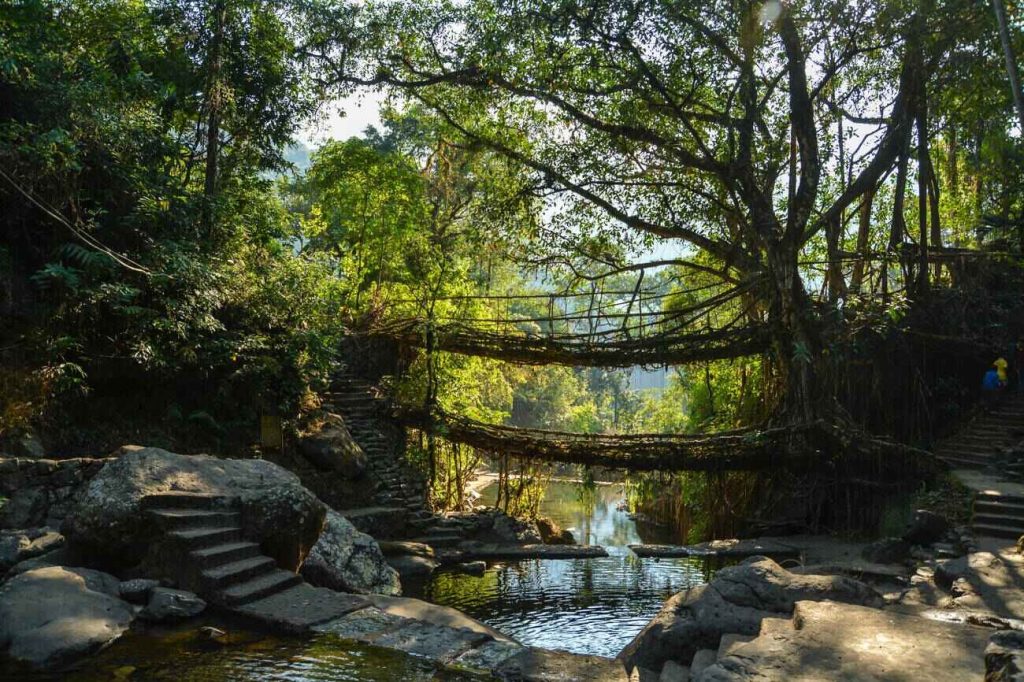
Garden of Caves Meghalaya is one of Sohra's most distinctive nature attractions because it combines short cave passages, lush vegetation, rock corridors, and small waterfall pockets in one compact exploration zone. Unlike deep technical cave expeditions in Meghalaya, this site is better described as a curated natural cave-garden experience that most travelers can enjoy in a half-day plan. Located in the Cherrapunji-Sohra belt of East Khasi Hills, the attraction is popular among families, casual hikers, and photographers who want a manageable adventure without requiring specialized gear. The terrain still demands careful footing, especially in wet weather, but the route is generally more accessible than remote cave systems. If you are building a broader Sohra itinerary, this stop combines especially well with Cherrapunji tourist places, Mawphlang Sacred Forest, and Living Root Bridges in Meghalaya.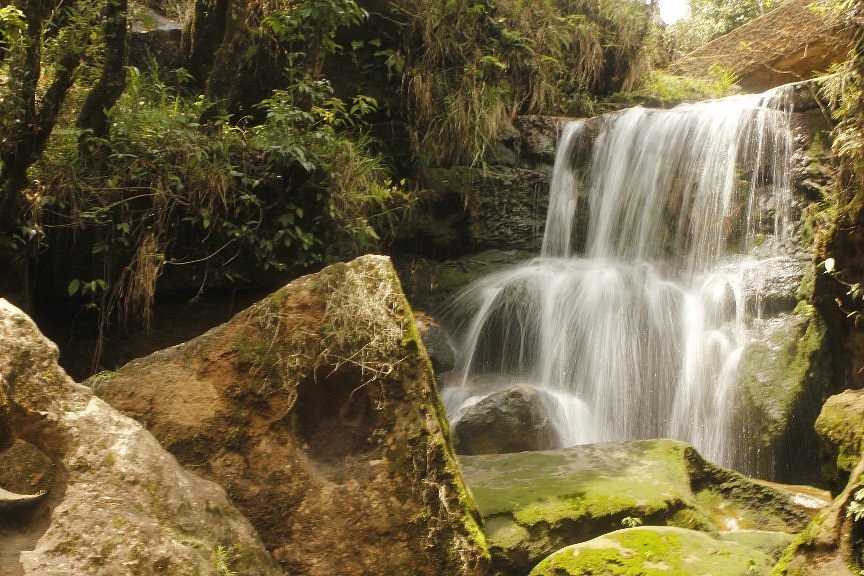
Location and what makes this place unique
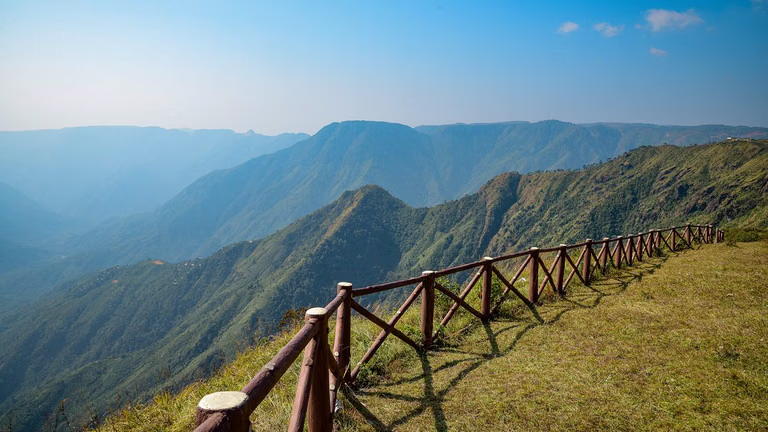
The Garden of Caves sits in the Sohra region, where heavy rainfall, limestone-rich geology, and dense vegetation create dramatic natural shapes. The attraction stands out because it presents caves and natural garden features together rather than as separate experiences. You do not get one single giant cave here. Instead, you move through a sequence of smaller cave-like sections, narrow stone formations, root-covered pathways, and scenic water features. This layered format is exactly why many visitors find it photogenic and beginner-friendly compared to more technical cave routes in Meghalaya.Entry fee, timings, and why same-day checks matter
Online listings show varying ticket rates and operating windows across platforms. For practical planning, treat fee and timing information as variable by season, maintenance cycle, and local updates. General visitor pattern: 1. Morning to late afternoon is typically the usable visit window. 2. Last-entry timing may be earlier than closing hour. 3. Monsoon and high-rain days can affect route safety and movement speed.| Planning Item | Practical Reality | Best Action |
|---|---|---|
| Entry fee | Different online references show different values | Confirm at gate or updated local channel before departure |
| Opening hours | Usually daytime operation | Reach early for best light and safer movement |
| Visit duration | Commonly 1.5 to 3 hours | Keep extra margin in monsoon or with elders |
Best time to visit Garden of Caves
Meghalaya weather strongly shapes this experience. The site becomes greener and dramatic in wetter periods, but trail slipperiness increases. Drier months offer easier footing and less weather-related delay. Seasonal guidance: 1. October to February: easier walking and clearer visibility. 2. March to May: warmer but still workable for most travelers. 3. June to September: visually spectacular but slippery and rain-sensitive. For first-time visitors prioritizing comfort over intensity, post-monsoon to winter windows usually offer the most balanced experience.How to reach Garden of Caves Meghalaya
Most travelers reach the site by road through Sohra-side routing. Distances are manageable, but road conditions, weather, and stop frequency can affect actual travel time. From common hubs: 1. Shillong to Sohra corridor, then local road approach. 2. Guwahati to Shillong to Sohra for longer intercity routing. 3. Local taxi/cab from Cherrapunji stay points for direct access.| Start Point | Route Logic | Planning Tip |
|---|---|---|
| Shillong | Shillong to Sohra then local transfer | Start early to avoid weather disruption windows |
| Sohra town zone | Short local access by taxi/private vehicle | Useful for half-day circuit planning |
| Guwahati | Longer transfer via Shillong | Best as part of overnight Meghalaya itinerary |
Cave features and natural formations
Garden of Caves is appreciated for micro-landscape variety. Visitors typically encounter: 1. Small cave-style chambers and narrow passage sections. 2. Rock walls shaped by long-term water action. 3. Green corridors with roots, moss, and humid vegetation. 4. Natural viewing points for photos and rest pauses. The attraction feels more like a sequence of scene transitions than a single destination point. This keeps the walk engaging, especially for travelers who enjoy visual exploration and short photography halts.Water features, micro-waterfalls, and monsoon mood
One of the reasons this place trends on travel reels and social posts is the combination of cave edges and flowing water sections. During wetter months, small waterfalls and stream lines become stronger, making the setting more dramatic. That beauty comes with tradeoffs: 1. Slippery stone surfaces increase quickly after rain. 2. Footwear quality becomes critical for safe movement. 3. Slow pace is necessary in narrow passage sections. For families, this means the right visit style is steady and controlled, not rushed.Photography opportunities and shot planning
Garden of Caves is highly photogenic when approached with timing and patience. Early daylight offers better contrast and lower crowd interference. Practical photography tips: 1. Start with wide shots at entrance greenery. 2. Use mid-route cave corridors for depth frames. 3. Capture water features with stable footing only. 4. Avoid blocking narrow paths for long photo sessions.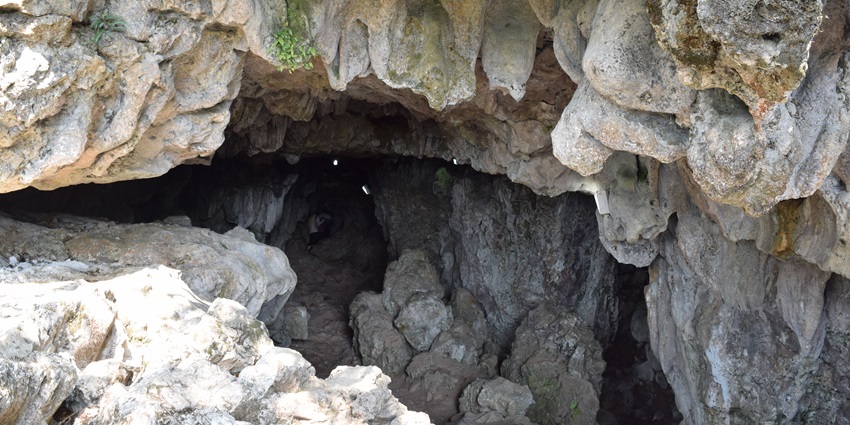
Safety and movement guidelines
This site is easier than many deep cave routes, but it is still a natural terrain zone. Basic safety discipline makes the experience smoother and safer.| Risk Zone | Common Issue | Preventive Action |
|---|---|---|
| Wet rocks | Slips in shaded sections | Wear high-grip shoes and move slowly |
| Narrow paths | Crowd bottlenecks | Yield movement and avoid group clustering |
| Weather turns | Rain visibility drop | Carry light rain protection and keep route flexible |
| Fatigue | Overexertion on uneven terrain | Take short breaks and hydrate regularly |
What to carry for a better visit
1. Grip-focused walking shoes. 2. Light rain layer or poncho in uncertain weather. 3. Refillable water bottle and quick snack. 4. Small backpack with hands-free convenience. 5. Phone protection for mist and splash zones. Avoid oversized bags and slippery footwear, especially during monsoon-season travel.Nearby attractions to combine in one day
Garden of Caves is often best as one stop in a Sohra day circuit. Strong combinations include: - Cherrapunji Tourist Places - Places to Visit Meghalaya - Umiam Lake Shillong (if your route includes Shillong side) - Best Time to Visit Meghalaya for seasonal planning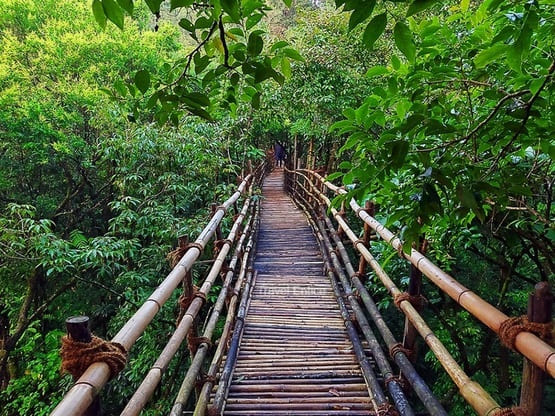
Sample half-day plan
A practical half-day structure: 1. Reach soon after opening window. 2. Spend 90 to 120 minutes on cave-garden route. 3. Keep 20 to 30 minutes for photos and rest. 4. Move to next Sohra attraction before heavy afternoon weather risk. This pattern helps you avoid both crowd compression and late-day rain disruption.Budget and route-efficiency strategy
Most travelers treat Garden of Caves as a low-to-moderate spend stop, but day costs rise when route planning is weak. The biggest cost drivers are fragmented transport, repeated stopovers, and weather-caused delays that force itinerary reshuffling. Budget discipline model: 1. Club nearby Sohra attractions in one direction. 2. Keep one fixed meal stop instead of multiple random breaks. 3. Allocate a small contingency for weather-linked delays. 4. Finish cave-garden segment before heavy rain windows where possible.| Spend Bucket | Where It Increases | Control Method |
|---|---|---|
| Transport | Back-and-forth routing | Use corridor-based attraction sequencing |
| Food | Multiple ad-hoc stops | Pre-plan one meal and one hydration break |
| Time costs | Late arrival in wet conditions | Start earlier and preserve daylight margin |
| Contingency | Monsoon route interruptions | Keep 10-15% flexibility in schedule and spend |
Common mistakes first-timers should avoid
1. Visiting in smooth-soled footwear during wet weather. 2. Reaching too late and rushing through narrow sections. 3. Overfocusing on photos and ignoring trail discipline. 4. Assuming fee/timing details from old posts are always current. 5. No backup plan for rain-intense afternoons. A better approach is simple: reach early, move steadily, keep hydration and traction priorities, and treat this stop as part of a wider Sohra route rather than a standalone sprint.Weather fallback and family pacing plan
Sohra weather can shift quickly, so a fallback-first plan is better than a fixed checklist. If rain intensifies, shorten cave sections instead of forcing full-route coverage. Keep one sheltered break point, then decide whether to continue or move to the next attraction. For families with children or seniors, use a two-phase pace: slow exploration block, followed by a seated recovery block before resuming movement. This prevents slips caused by fatigue and reduces decision stress in narrow paths. Reliable pacing formula: 1. First 45-60 minutes for core cave route. 2. 15-minute recovery and hydration pause. 3. Optional second loop only if weather and energy allow. When combining this stop with other Sohra spots, avoid stacking too many physically demanding attractions back-to-back. Keep one low-intensity segment between them, such as viewpoint or meal break. This simple sequence improves safety and makes the overall day much more enjoyable. If you are traveling during peak tourist windows, begin your day earlier than usual and keep your first major stop at Garden of Caves. Doing the cave-garden segment first usually gives better lighting, safer footing, and more flexible options for the rest of your Meghalaya itinerary. Early planning also helps avoid crowd bottlenecks around narrow cave corridors and gives more time for safe photography halts.Conclusion
Garden of Caves Meghalaya is one of the most accessible cave-nature experiences in the Sohra region when planned correctly. Its value lies in the blend of compact adventure, cave formations, greenery, and water features without requiring technical expedition effort. Plan around weather, wear proper footwear, keep a flexible route, and combine it with nearby Meghalaya highlights for a complete and rewarding day.Location
Frequently Asked Questions
Q1.What is Garden of Caves Meghalaya?
It is a natural cave-garden attraction near Sohra that combines short cave passages, rock formations, greenery, and water features in one walkable route.
Q2.Where is Garden of Caves located?
Garden of Caves is located in the Sohra (Cherrapunji) region of East Khasi Hills district, Meghalaya.
Q3.What are the Garden of Caves timings?
Operating windows are usually daytime, but timings can vary seasonally, so same-day local confirmation is recommended before travel.
Q4.What is the entry fee for Garden of Caves?
Online references show varying ticket rates, so visitors should check the latest fee at the site or through updated local channels before visiting.
Q5.How to reach Garden of Caves from Shillong?
Most travelers reach via Shillong to Sohra road corridor and continue by local taxi or private vehicle to the cave-garden entry point.
Q6.What is the best time to visit Garden of Caves?
Post-monsoon to winter months are usually best for safer movement and clearer views, while monsoon is greener but more slippery.
Q7.Is Garden of Caves suitable for families?
Yes, it is generally suitable for families who are comfortable with uneven natural paths and wear proper footwear.
Q8.How much time is needed for Garden of Caves visit?
Most visitors need around 1.5 to 3 hours, depending on weather, crowd levels, photography stops, and walking pace.
Recommended For You
Nature
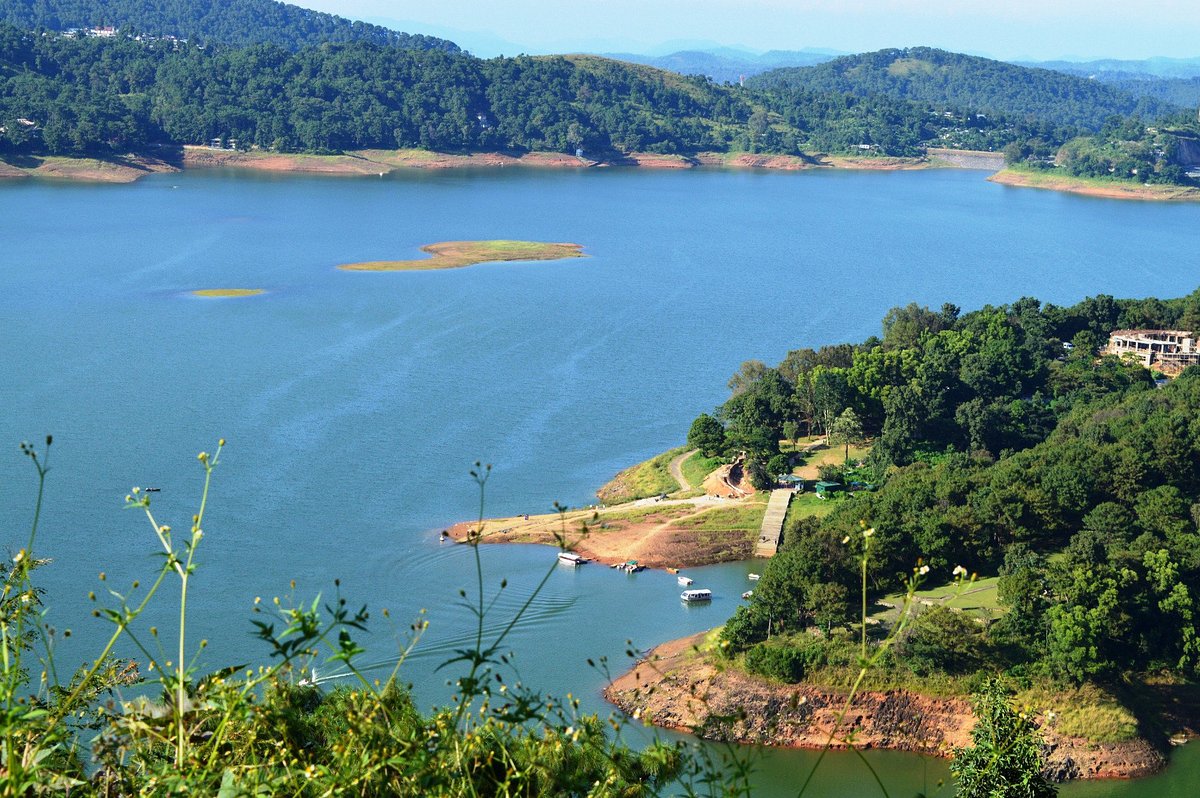
Umiam Lake Shillong: Boating, Stay Options & Sunset Views
Visit Umiam Lake (Barapani) near Shillong. Enjoy boating, water sports, resorts, picnic spots, and discover the best time to visit with our complete travel guide.
Jan 7Read More
Travel
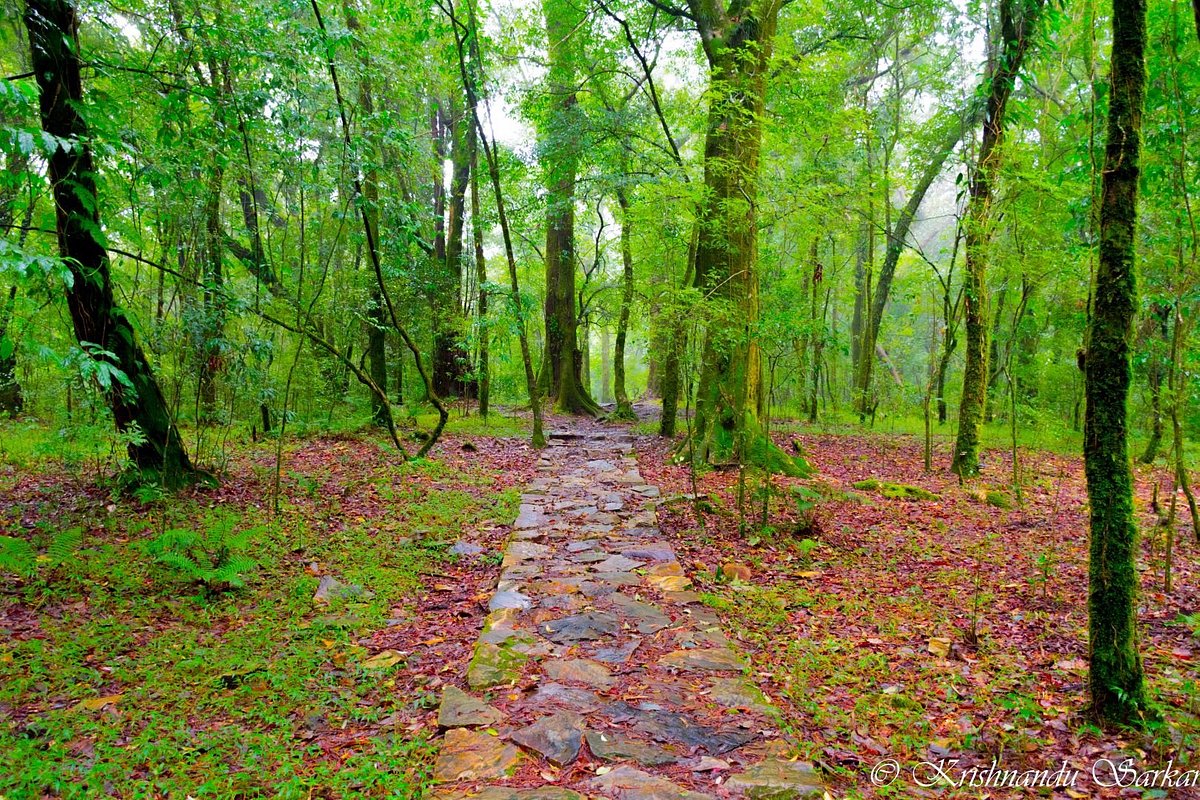
Mawphlang Sacred Forest: Meghalaya's Ancient Sacred Grove
Plan your visit to Mawphlang Sacred Forest, Meghalaya with history, biodiversity, timings, route info, season tips, and nearby Shillong attractions.
Dec 2Read More
Waterfalls
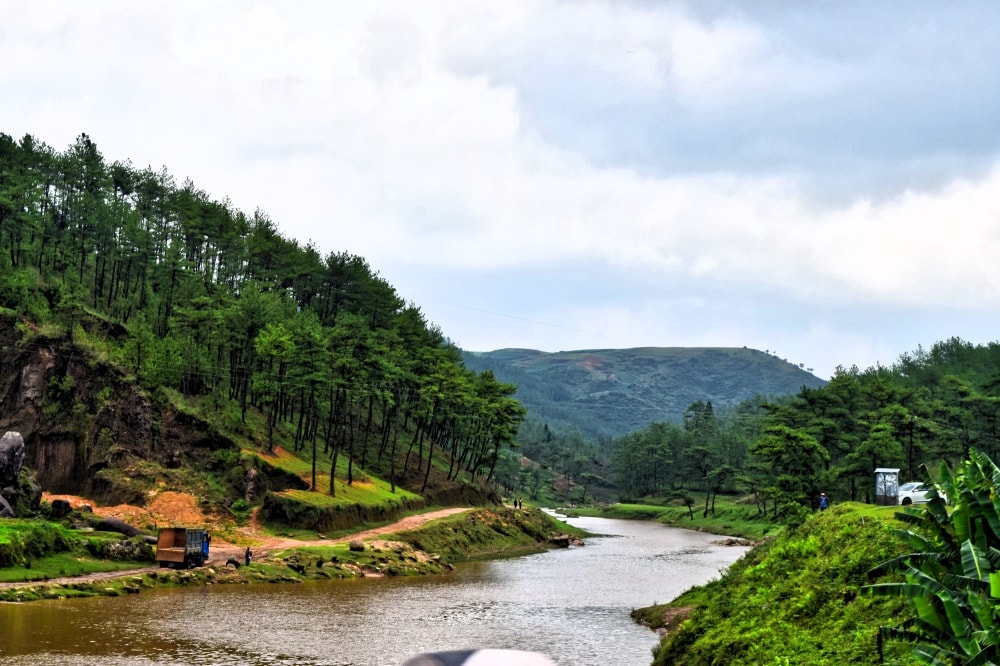
Best Time to Visit Meghalaya: Rainfall, Season & Waterfall Views
Understand Meghalaya weather by season with practical month-wise planning tips for waterfalls, root bridges, caving, and safer route timing.
Feb 18Read More
Never Miss an Adventure
Get the latest trekking guides, travel tips, and exclusive offers delivered straight to your inbox.
