
Places to Visit in Pelling: Monasteries, Skywalk & Mountain Views

Rohan Malhotra
February 18, 2026
Explore top places to visit in Pelling, including Kanchenjunga viewpoints, monasteries, Rabdentse ruins, lakes, waterfalls, and practical route tips.
Introduction: Why Pelling Is One of Sikkim's Most Rewarding Stays
Pelling is one of the best destinations in West Sikkim for travelers who want clear mountain views, monastery circuits, short forest walks, and calmer pacing than larger hill hubs. Located at a comfortable altitude, the town is known for wide Kanchenjunga-facing viewpoints, cultural heritage landmarks, and easy access to waterfalls and village-side routes. For many Sikkim itineraries, Pelling works as the scenic and reflective segment after busier urban stops.
The best way to explore Pelling is not by rushing from one viewpoint to another. Instead, build a layered route: one sunrise mountain-view block, one monastery or historical site, and one nature attraction each day. This guide covers the top places to visit in Pelling, how to plan 2-day and 3-day itineraries, and practical travel tips for weather, road movement, and stay choice.
For broader Sikkim planning, combine with Gangtok travel guide, Sikkim travel guide, and things to do in Sikkim.

1. Kanchenjunga View Points in Pelling
Pelling's biggest draw is its wide-angle view of the Kanchenjunga range. On clear mornings, mountain ridges appear sharply layered, creating one of the most memorable Himalayan view experiences in Sikkim. Because cloud cover can move quickly, sunrise and early morning are the best windows for photography and open visibility.
Top Viewpoint Zones
- Helipad-side open view stretches for sunrise frames
- Upper Pelling ridge points with panoramic mountain lines
- Skywalk-facing viewpoints (when open and weather permits)
If the first morning is cloudy, keep the next morning flexible. In Pelling, patience with weather often rewards travelers better than tight fixed schedules.
2. Pemayangtse Monastery
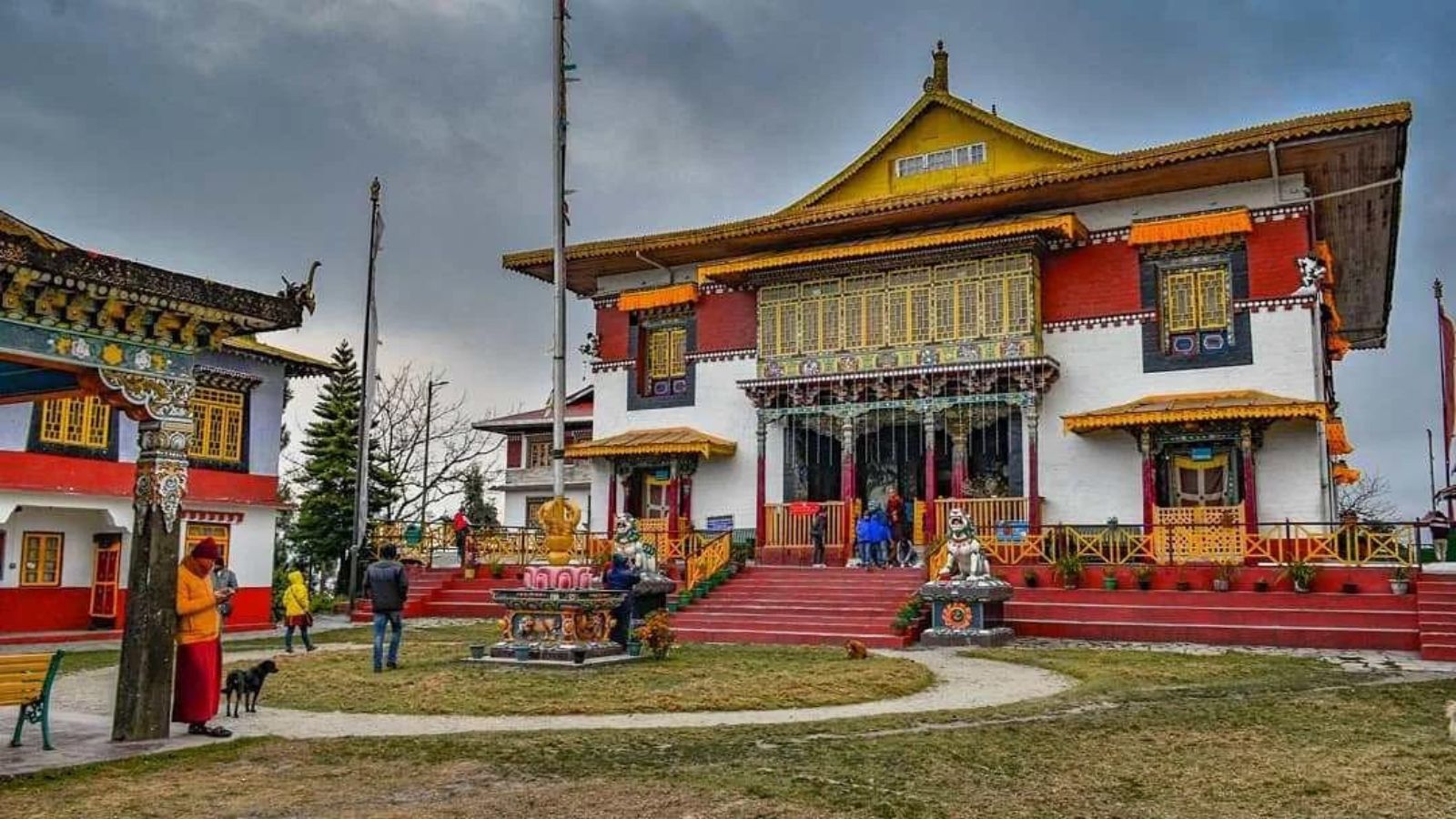
Pemayangtse Monastery is one of the most important cultural and spiritual sites in Pelling. It reflects Sikkim's Buddhist heritage and is a key stop for travelers interested in art, ritual architecture, and monastic history. The atmosphere is calm, and a respectful visit adds depth beyond pure scenic travel.
Keep at least one hour for this site. If you are combining monastery visits across Sikkim, this is one of the strongest choices to include in a short itinerary.
Monastery Visit Etiquette
- Dress modestly and move quietly in prayer spaces.
- Ask before taking close-up photos in sensitive sections.
- Do not disturb rituals or ceremonial movement areas.
- Respect local instructions on access and timing.
3. Rabdentse Ruins
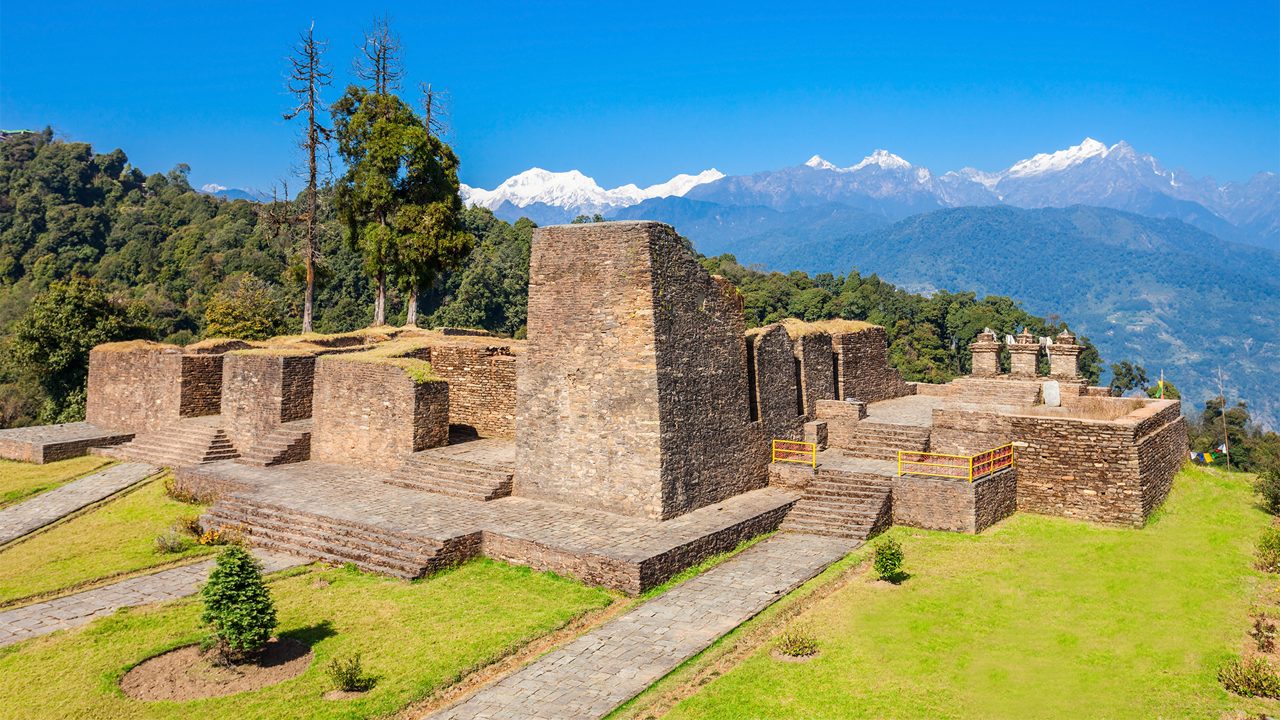
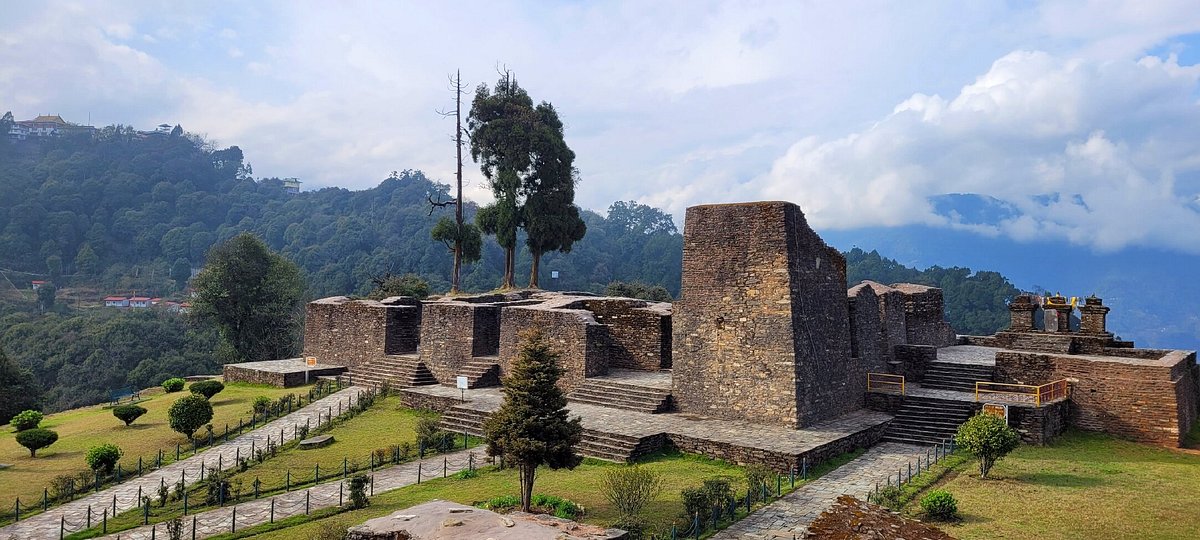
Rabdentse Ruins are among Pelling's most significant historical attractions and connect travelers to Sikkim's former royal past. The site is reached through a short forested approach that adds to the experience. This stop combines archaeology, landscape, and context better than many quick city monuments because you experience both journey and destination.
Plan this in cooler daylight windows and wear stable footwear. The route is manageable for most travelers, but a steady pace is better than rushing if trails are damp.
| Attraction | Best For | Suggested Duration |
|---|---|---|
| Kanchenjunga viewpoints | Scenic sunrise and photography | 1-2 hours |
| Pemayangtse Monastery | Culture and spiritual heritage | 1 hour |
| Rabdentse Ruins | History plus forest approach walk | 1-1.5 hours |
4. Sangachoeling and Nearby Monastery Trails
Pelling's monastic landscape includes additional monastery routes that can be explored depending on weather, time, and walking comfort. These routes are ideal for travelers who want contemplative spaces and non-commercial local experiences. Keep your plan realistic, especially in monsoon or mist-heavy conditions.
If you are visiting multiple monasteries in one day, include a proper meal break between sites. High-altitude travel plus walking trails can add fatigue faster than expected.
5. Khecheopalri Lake
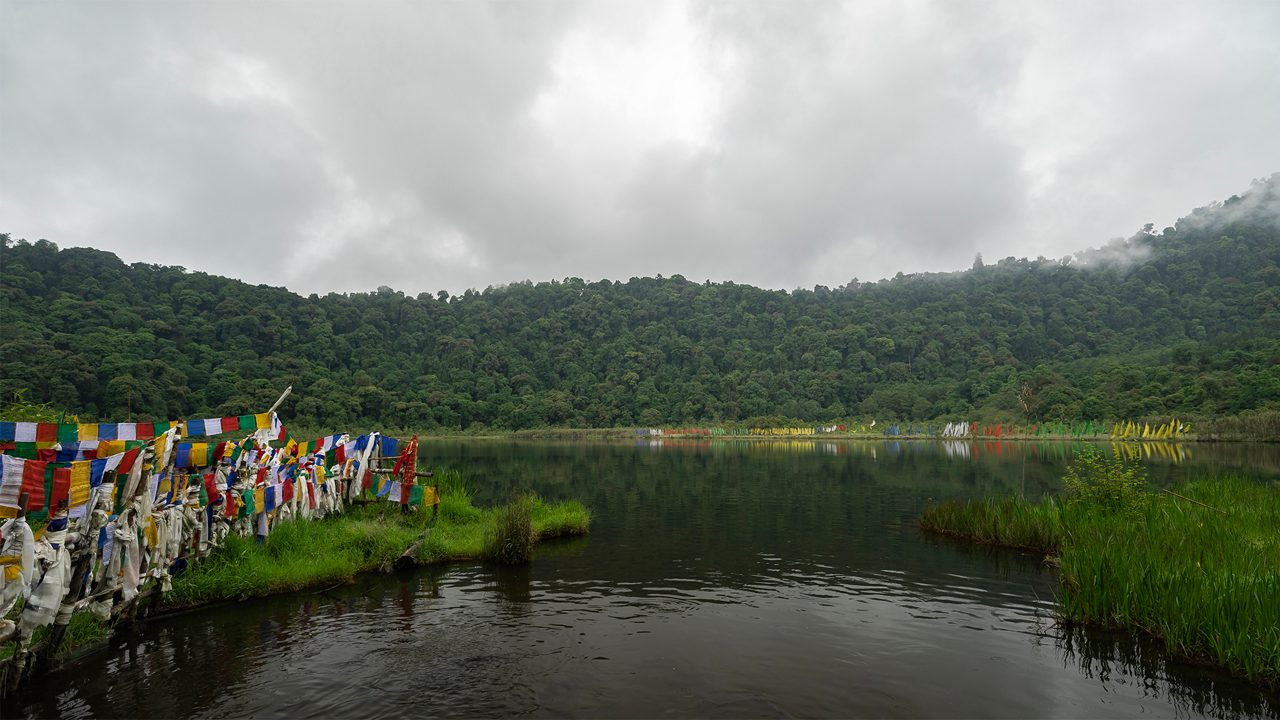
Khecheopalri Lake is one of the most important spiritual-natural stops near Pelling and is often described as serene and meditative. Surrounded by forest and local reverence traditions, the lake is best visited with a calm pace rather than checklist-style movement. This destination works well as a half-day extension from Pelling.
Respect quiet zones and community norms around the lake area. Pairing this visit with one additional nearby attraction in the same route usually gives a balanced day without excessive road fatigue.
6. Waterfalls Around Pelling
The Pelling belt has multiple waterfall options that are best explored based on season and route condition. In monsoon and post-monsoon windows, waterfall volume and greenery are stronger, while drier months often provide easier access and clearer road timing.
Popular Waterfall Add-Ons
- Rimbi-side routes for scenic breaks
- Changey and nearby falls depending on weather
- Drive-stop photography points along valley roads
Always confirm local road and weather advisories before waterfall-heavy days.
7. Skywalk and Bridge-View Experiences
Pelling's skywalk and associated viewing infrastructure have become high-interest stops for visitors who want elevated panorama experiences. Operations and access can vary by maintenance and weather, so verify current status before fixing timing in your itinerary. When open under clear conditions, this is one of the most dramatic visual segments in Pelling travel.
8. Village and Cultural Extensions
If you have extra time, nearby village-side routes offer slower travel and local interaction beyond mainstream attraction loops. These are ideal for travelers who prefer fewer stops with deeper atmosphere. Homestay-based experiences can add useful cultural context to your Pelling itinerary.
For cultural travel, keep local etiquette in mind and avoid rushed photo-only interactions in community spaces.
9. Trekking and Outdoor Activities
Pelling is suitable for light trekking, viewpoint walks, and selected adventure-oriented routes depending on your skill and season. It is not necessary to attempt difficult trails to enjoy the area. Even short half-day walks around viewpoints, ruins, and monastery approaches can be highly rewarding.
Outdoor Planning Basics
- Start early for clearer weather and safer returns.
- Use grip footwear, especially in rain months.
- Carry rain layer and thermal layer together.
- Avoid unknown trails without local route confirmation.
10. One-Day and Two-Day Pelling Itineraries
One-Day Pelling Highlights
- Morning: Kanchenjunga viewpoint and monastery stop.
- Midday: Rabdentse Ruins and local lunch.
- Afternoon: Lake or waterfall extension.
Two-Day Balanced Plan
- Day 1: Viewpoints + Pemayangtse + Rabdentse.
- Day 2: Khecheopalri route + waterfall/skywalk segment.
This two-day structure offers both heritage and nature without rushed travel pressure.
11. Best Time to Visit Pelling
Pelling can be visited in multiple seasons, but clear mountain views are generally more reliable in post-monsoon and colder months. Spring also offers comfortable weather with good day movement. Monsoon brings rich greenery but can affect visibility and route pace.
If Kanchenjunga views are your top priority, keep at least two mornings in Pelling so weather variations do not limit your trip experience.
| Season Window | What It Suits | Planning Note |
|---|---|---|
| Spring | Balanced weather and scenic travel | Good for mixed itineraries |
| Post-monsoon / winter | Clearer mountain visibility | Best for Kanchenjunga views |
| Monsoon | Lush landscapes and waterfalls | Keep weather and road buffers |
12. How to Reach Pelling
Pelling is typically reached by road from major Sikkim and north Bengal entry hubs. Travelers often combine it with Gangtok or broader West Sikkim circuits. Because mountain roads can extend travel time, conservative scheduling is important.
Practical Route Advice
- Avoid late-start inter-town transfers on long hill routes.
- Keep one flexible buffer block on transfer day.
- Carry light snacks and water for road segments.
- Pre-book transport in peak seasons.
13. Stay Planning and Local Movement
Choose accommodation by view and access balance. Properties with premium mountain views may be slightly away from core route junctions, while central stays offer easier transfer convenience. If your priority is sunrise mountain viewing, stay selection can significantly affect experience quality.
Local movement is usually cab-based with short walk segments for viewpoints and heritage trails. Combine nearby stops in one block to reduce repeated uphill-downhill transfers.
14. Travel Tips for First-Time Pelling Visitors
- Keep at least two mornings for better mountain-view probability.
- Use layered clothing even in mild weather windows.
- Plan fewer stops per day for better mountain pacing.
- Respect monastery and village etiquette at all times.
- Carry offline maps and essential medicine backup.
- Prioritize safety over viewpoint count in rain/fog conditions.
For wider Sikkim planning, continue with Gangtok travel guide, places to visit in Lachen, and Sikkim travel guide.
15. Route Sequencing Tips for Pelling Travelers
Pelling trips improve significantly when routes are sequenced by elevation and weather windows. Keep sunrise viewpoints first, heritage and monastery blocks in mid-morning, and road-heavy extensions like lake or waterfall routes after lunch only if conditions stay stable. This structure reduces missed views and avoids rushed evening returns on mountain roads.
If you are combining Pelling with Gangtok or other Sikkim destinations, avoid planning long inter-town transfers and high-activity sightseeing on the same day. Use transfer days for short local walks and recovery. Travelers who keep one flexible half-day usually get better mountain visibility and less fatigue over the full circuit.
16. Weather and Packing Strategy for Pelling
Weather can shift quickly in Pelling, especially around shoulder and monsoon periods. Carry layered clothing, a light rain shell, and stable walking shoes even if the morning starts clear. Temperature variation between sunrise viewpoints and daytime movement can be noticeable, so one extra layer improves comfort across the day.
- Keep a waterproof pouch for phone and documents.
- Carry basic medicines and motion-relief support for mountain roads.
- Use sun protection in clear-weather windows at high viewpoints.
- Start early and finish key road segments before dark.
These basics reduce avoidable disruptions and make short Pelling itineraries much smoother.
Final Take
The best places to visit in Pelling blend Himalayan views, monastery heritage, and quiet nature routes into one compact and rewarding itinerary. Kanchenjunga viewpoints, Pemayangtse, Rabdentse, and nearby lake-waterfall circuits provide a complete first-time experience when planned at a realistic pace. With weather-aware timing and zone-based routing, Pelling becomes one of Sikkim's most memorable travel stops.
Location
Frequently Asked Questions
Q1.What are the must-visit places in Pelling?
Q2.How many days are enough for Pelling?
Q3.Is Pelling worth visiting compared with Gangtok?
Q4.Can we see Kanchenjunga clearly from Pelling?
Q5.What is Pemayangtse Monastery famous for?
Q6.What is the best time to visit Pelling?
Q7.How do I reach Pelling from Gangtok?
Q8.Are there good accommodations in Pelling?
Recommended For You
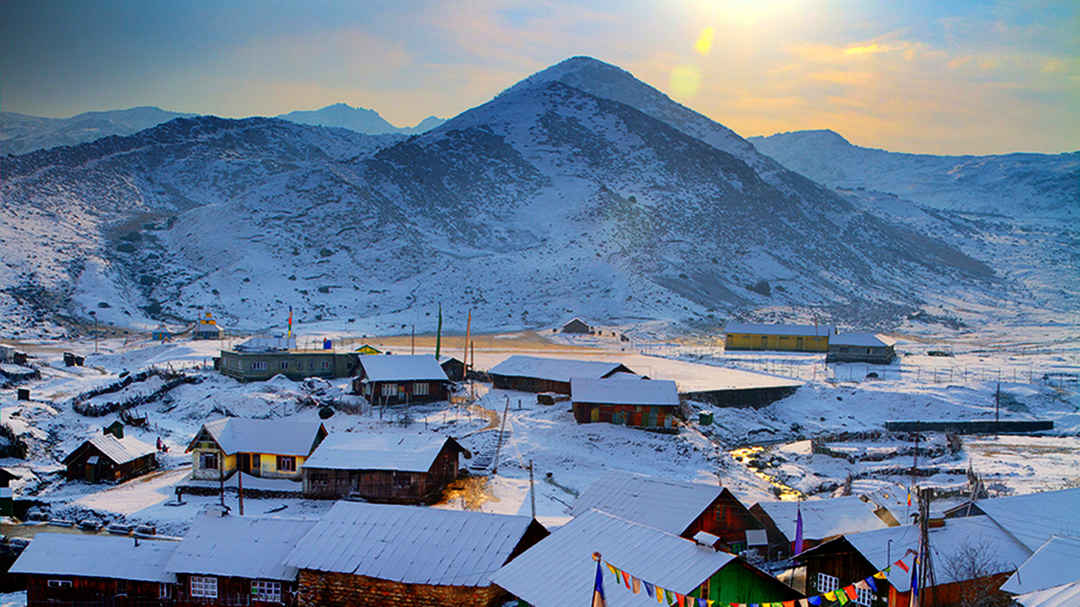
Nathang Valley Sikkim: Himalayan Paradise
Discover Nathang Valley in Sikkim: Old Baba Mandir, Himalayan views, snow experiences, and complete travel guide.
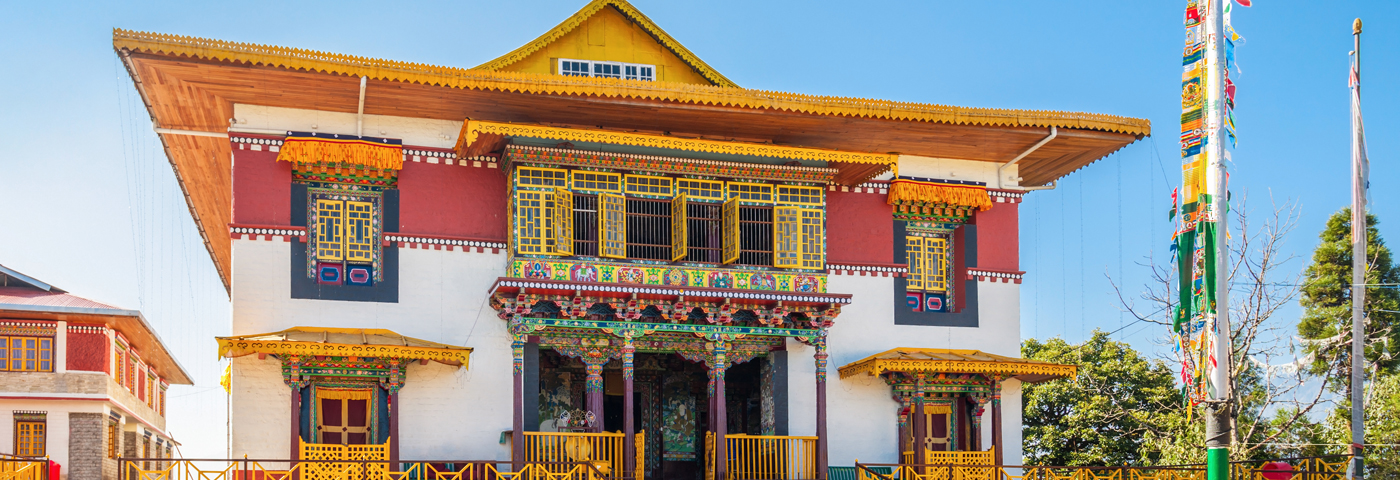
Pemayangtse Monastery Sikkim: Route, Timings & Monastic Highlights
Plan your Pemayangtse Monastery Sikkim visit with route guidance, best-season timing, etiquette tips, and practical West Sikkim itinerary combinations.
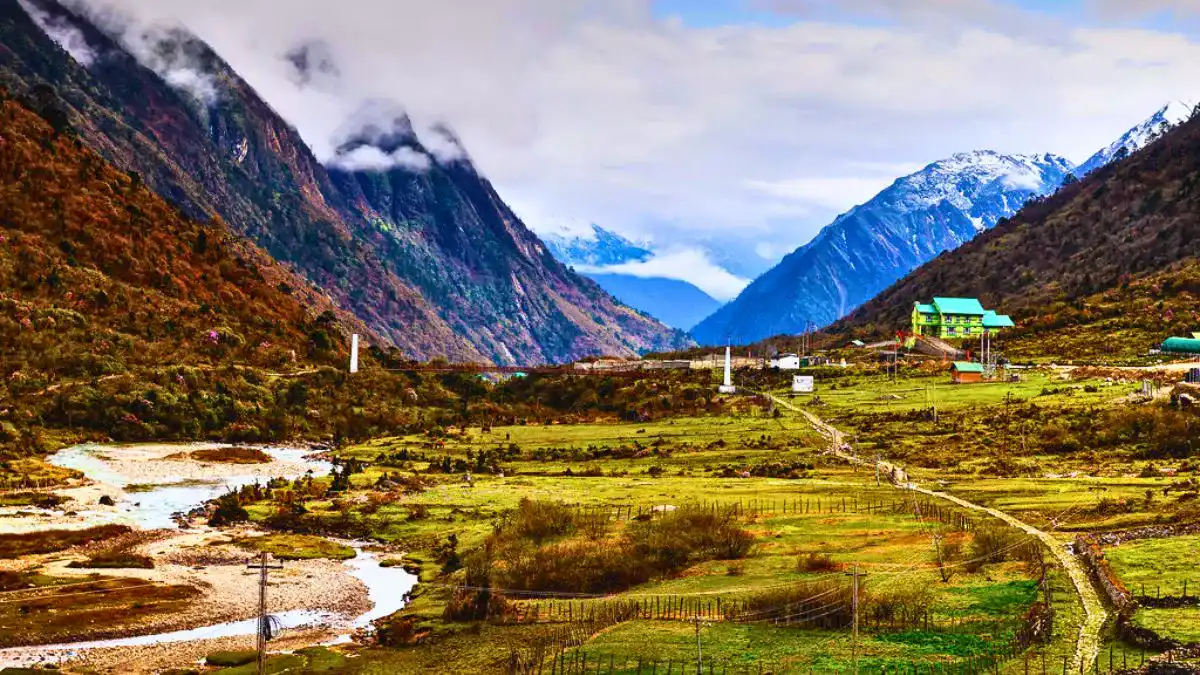
Places to Visit in Lachen Sikkim: Lakes, Monasteries & Routes
Explore the best places to visit in Lachen, Sikkim including Gurudongmar Lake routes, Chopta Valley, Thangu, permits, altitude tips, and season planning.
Never Miss an Adventure
Get the latest trekking guides, travel tips, and exclusive offers delivered straight to your inbox.
