
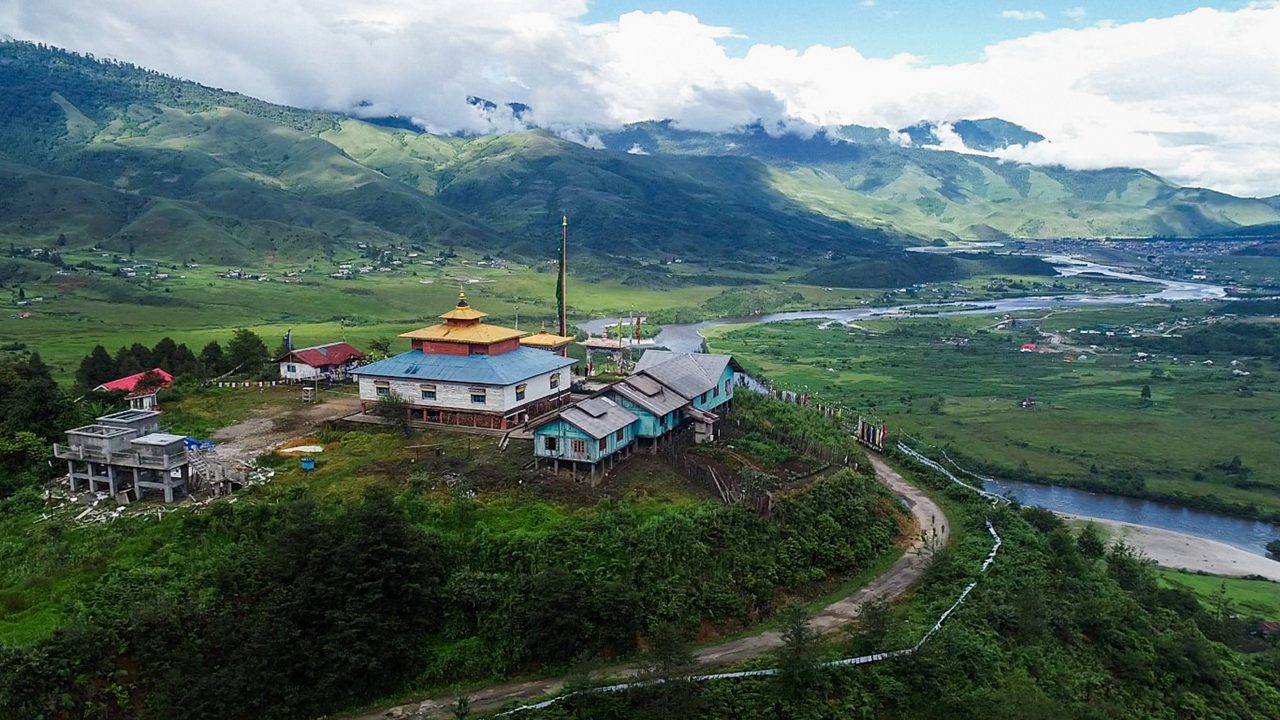
Historical Places Itanagar: Arunachal Heritage

Rahul Garg
February 18, 2026
Explore Itanagar's historical places & heritage sites. Discover Ita Fort, Buddhist Gompa, tribal villages & complete guide to Arunachal Pradesh capital history.
Historical Places in Itanagar Guide
Itanagar offers a unique heritage mix where archaeological remains, Buddhist spaces, museums, and tribal cultural continuity intersect. Travelers often underestimate the city's historical depth because northeast itineraries are usually marketed around landscapes and adventure routes. If you are planning Arunachal Pradesh thoughtfully, keep one dedicated heritage day for Itanagar.
A useful starting framework is to compare national-level landmarks such as Qutub Minar or Taj Mahal with local context to appreciate how Itanagar's heritage scale and narrative differ.

Ita Fort: Core Historical Anchor
Ita Fort is the city's defining historical marker. Its name and identity are deeply tied to local memory, and the remains still communicate defensive intent and settlement history. Even in partial condition, the fort is crucial for understanding how early political geography shaped this region.
Visitors should approach it as an interpretive site: observe wall fragments, terrain relationship, and surviving entry patterns rather than expecting fully restored palace-like structures.
Buddhist and Cultural Layer
Itanagar's historical profile includes strong Buddhist influence visible in local prayer spaces and architectural motifs. This layer adds spiritual and cultural continuity to the city's heritage narrative and complements archaeological zones.
Travelers should maintain respectful behavior at active religious locations and avoid treating all sites as photo-only spots. Cultural etiquette is central to meaningful northeast heritage travel.

Museum and Tribal Heritage Context
The state museum layer is important because it provides context often missing at open-air sites. Artifacts, material culture displays, and regional documentation help visitors connect monuments with communities and long-term social history.
For travelers new to Arunachal's diversity, museum orientation before field visits can significantly improve interpretation quality at other stops.
Best Time to Visit Historical Places in Itanagar
Cool and dry months are generally best for heritage movement and outdoor site comfort. Weather can change quickly in the region, so keep one flexible buffer block in your itinerary and avoid rigid minute-to-minute planning.
Morning visits are typically better for lower crowd pressure and clearer photography conditions.

How to Reach and Move Around
Itanagar access depends on your rail-air-road combination and permit readiness. Plan permit and identity documentation early to avoid delays. Once in city range, local transport options can cover major heritage points with reasonable planning.
For outstation travelers, route sequencing should prioritize proximity clusters rather than distant hopping across the day.
Suggested One-Day Heritage Route
| Time | Plan |
|---|---|
| Morning | Ita Fort and nearby open heritage zones |
| Midday | Museum and context-building stop |
| Afternoon | Buddhist/tribal cultural segment |
This model gives historical breadth while keeping transit manageable.
Travel Tips and Safety
- Keep permits and ID accessible at all times
- Carry hydration and light rain protection
- Respect local customs and photography boundaries
- Use daylight-focused movement plans
- Avoid overpacking distant stops in one day
These basics improve comfort and ensure smoother access around the city.

Internal Route Extensions
If you are extending to all-India heritage comparisons, useful references include Amber Fort Jaipur and City Palace Udaipur. Such comparisons help travelers understand how regional resources, climate, and cultural priorities shape different monument traditions.
For northeast-focused itineraries, keep Itanagar as context day and place nature-heavy drives on separate days.
Common Mistakes to Avoid
Visitors often underestimate permit and transit logistics, resulting in rushed or fragmented heritage time. Another common mistake is skipping museums and then missing historical context at site level.
A simple fix is to plan one context stop first, then visit open-air sites with better interpretive clarity.
Final Take
Historical places in Itanagar offer a distinctive, layered experience that combines archaeology, spirituality, and living tribal culture. The city may not present one giant monument, but it provides strong educational value for thoughtful travelers.
Plan with documentation readiness, route discipline, and cultural respect. That approach gives the best possible heritage experience in Itanagar.
Extended Planning Notes
A common reason travelers under-enjoy this destination is over-compressed scheduling. Heritage exploration improves when you keep transit buffers, climate buffers, and one optional stop instead of forcing fixed minute-level plans. This destination works best when viewed as a contextual experience rather than a checklist item. Use realistic movement assumptions, especially if your group includes elders or children. A slower pace increases observation quality, reduces fatigue, and gives better decision-making for the second half of the day.
For stronger route continuity, pair this guide with places to visit mumbai and taj mahal agra. These internal references help you connect architecture, local culture, and practical movement planning without repeating the same attraction type all day. In multi-stop routes, alternate high-effort and low-effort segments. This keeps energy stable and avoids the common pattern of early enthusiasm followed by rushed final stops.
Advanced Observation Checklist
- Start with macro layout before focusing on details
- Identify what is original, restored, or weathered
- Map movement paths and visitor pressure points
- Use two viewing passes: orientation pass and detail pass
- Take notes on interpretation, not just photos
This method is especially useful for travelers who want meaningful recall after the trip. Without structured observation, even major monuments can blur together. A short note-taking discipline can dramatically improve retention and storytelling quality.
Photo and Timing Strategy
For most locations, first light and late light are best for texture and depth. Midday can still work for documentation shots, but nuanced details are easier to capture in softer directional light. Keep one wide contextual frame, one medium narrative frame, and one close detail frame for each section. This simple three-frame model gives a complete visual record without overshooting.
If crowds are high, wait for flow gaps instead of forcing frames. Patience usually produces cleaner compositions and safer movement. Also avoid physically risky positions for dramatic angles. Strong storytelling images come more from composition discipline than from dangerous viewpoints.
Final Field Guidance
Before ending the visit, verify that you covered primary sections, essential context points, and one reflective pause to synthesize what you observed. If you still have time, use qutub minar to decide your next stop based on effort level rather than popularity alone. This approach improves total trip quality and prevents late-day burnout.
The most successful heritage days are not the busiest ones. They are the ones where you understand the place, remember key details, and finish with enough energy for the next day. Plan accordingly, and this destination will deliver much stronger value.
Additional practical note: keep digital map backups, verify local timings close to visit date, and maintain a flexible one-hour buffer in your schedule. This small margin usually absorbs traffic, queue variation, or weather disruption without compromising core site quality.
Additional practical note: keep digital map backups, verify local timings close to visit date, and maintain a flexible one-hour buffer in your schedule. This small margin usually absorbs traffic, queue variation, or weather disruption without compromising core site quality.
Additional practical note: keep digital map backups, verify local timings close to visit date, and maintain a flexible one-hour buffer in your schedule. This small margin usually absorbs traffic, queue variation, or weather disruption without compromising core site quality.
Additional practical note: keep digital map backups, verify local timings close to visit date, and maintain a flexible one-hour buffer in your schedule. This small margin usually absorbs traffic, queue variation, or weather disruption without compromising core site quality.
Additional practical note: keep digital map backups, verify local timings close to visit date, and maintain a flexible one-hour buffer in your schedule. This small margin usually absorbs traffic, queue variation, or weather disruption without compromising core site quality.
Location
Frequently Asked Questions
Q1.What are the main historical places in Itanagar?
Q2.What is the significance of Ita Fort?
Q3.Who built Ita Fort in Itanagar?
Q4.What is the history behind Itanagar?
Q5.What is the best time to visit Itanagar?
Q6.How to reach Itanagar?
Q7.Are there entry fees for historical monuments?
Q8.Is photography allowed at these sites?
Recommended For You
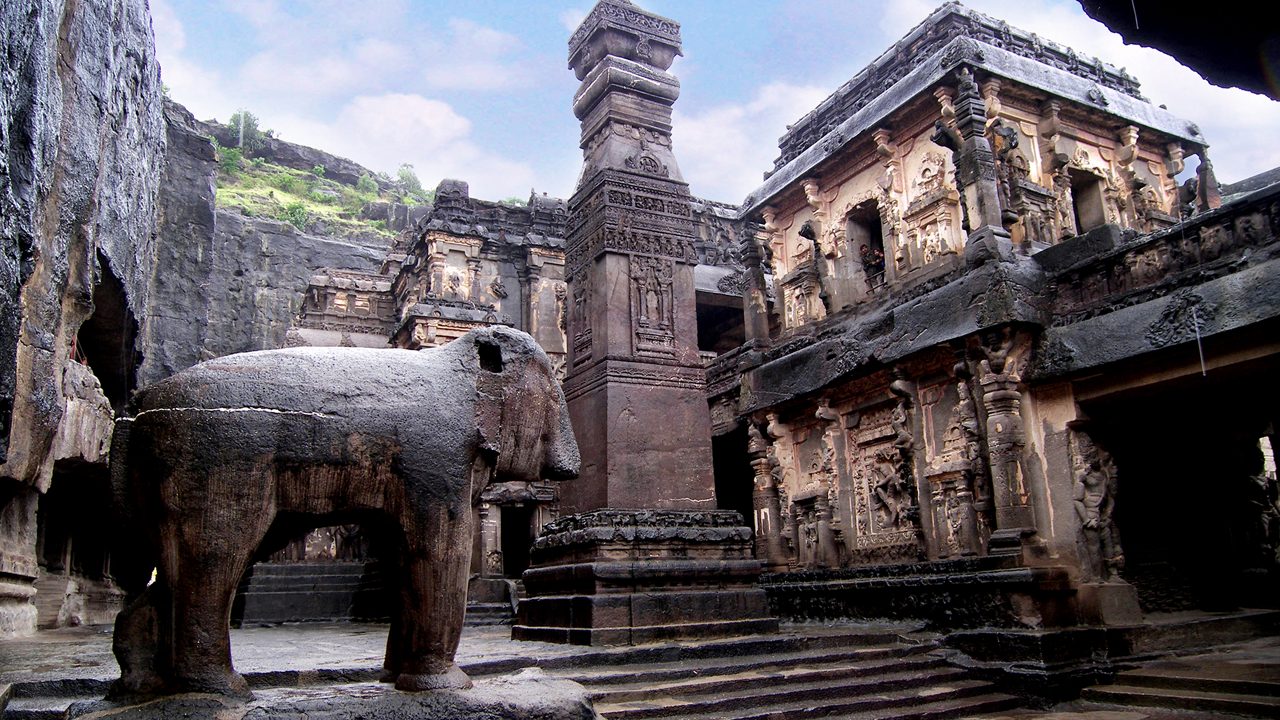
Ajanta and Ellora Caves: Tickets, Timings & Route Planning
Complete guide to Ajanta and Ellora Caves in Aurangabad. Explore UNESCO rock-cut wonders, Buddhist paintings, Kailasa Temple, timings, entry fee & travel tips.
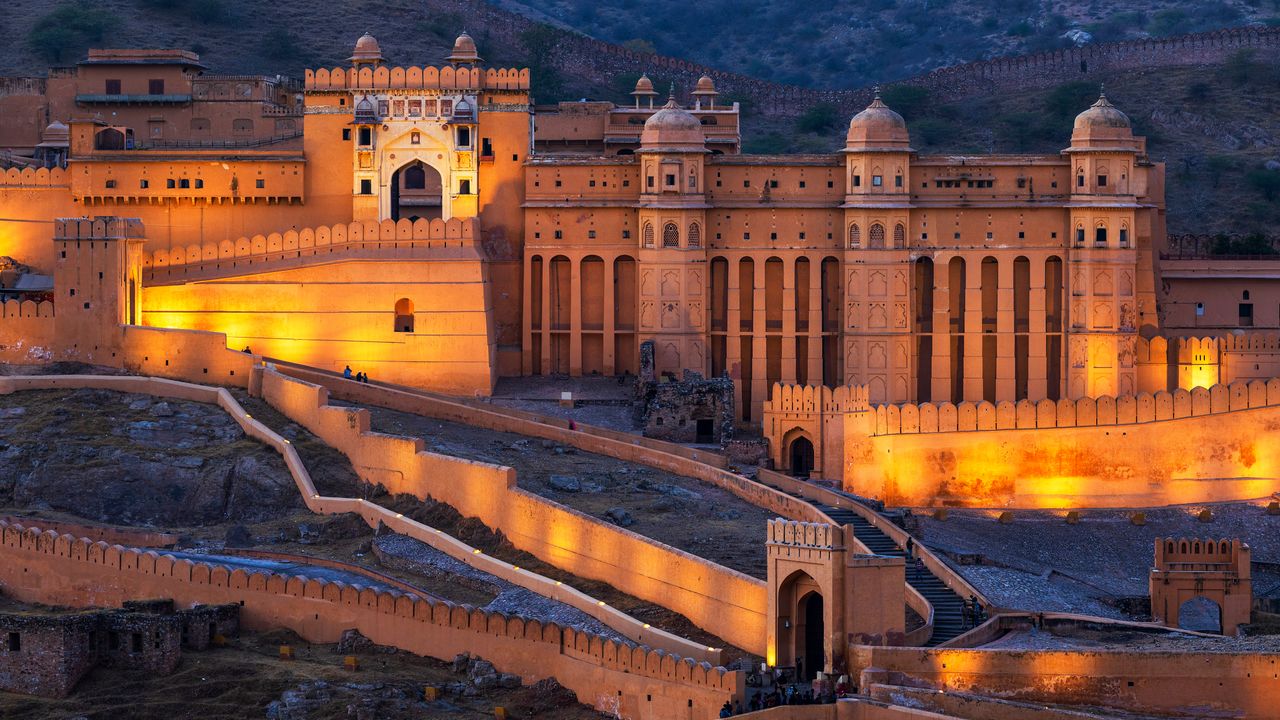
Amber Fort Jaipur: Complete Guide with Timings, Entry Fee & Tips
Explore Amber Fort Jaipur: UNESCO World Heritage Site featuring Sheesh Mahal, royal palaces, and stunning architecture. Complete guide with timings, entry fees, and travel tips.
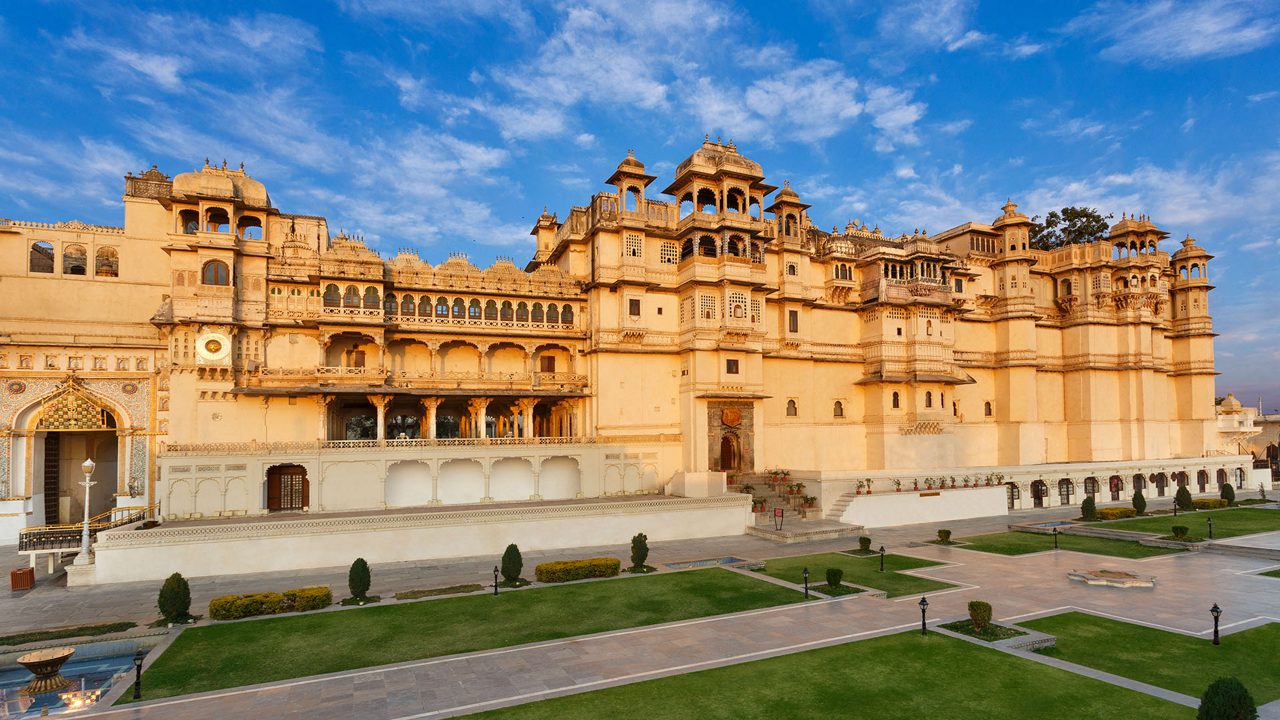
City Palace Udaipur: Complete Guide to Mewar's Royal Heritage
Discover City Palace Udaipur, Rajasthan's largest palace overlooking Lake Pichola. Explore Mewar dynasty's heritage, museums & stunning Rajput architecture in this complete guide.
Never Miss an Adventure
Get the latest trekking guides, travel tips, and exclusive offers delivered straight to your inbox.
