
Travel
Jaipur to Pushkar: Best Route, Distance, Travel Time & Stops

Rahul Garg
February 20, 2026
15 min read4,535 views
Plan Jaipur to Pushkar travel with route options, mode comparison, day-trip or overnight templates, and practical budget strategy.
Jaipur to Pushkar route overview
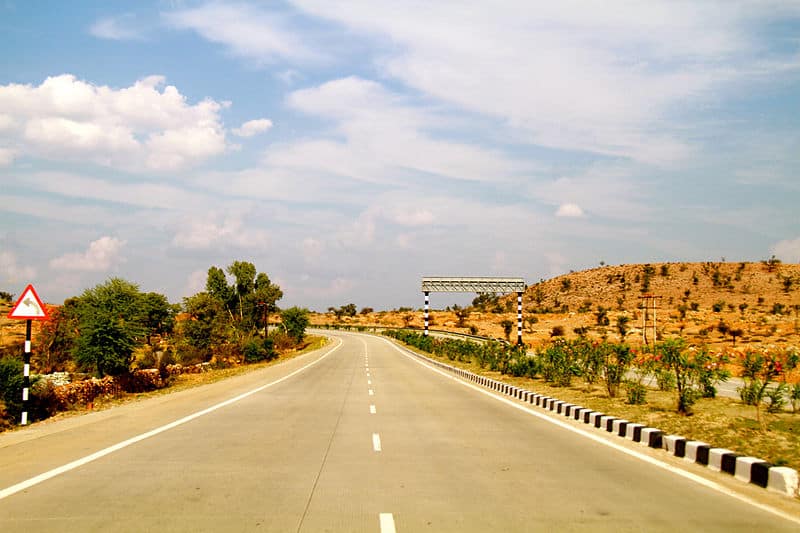
Jaipur to Pushkar is one of Rajasthan’s most practical short intercity routes, commonly planned as either a same-day round trip or a 1-night spiritual-cultural getaway. The journey covers approximately 145 kilometers through the heart of Rajasthan, connecting the vibrant Pink City with one of India’s most sacred pilgrimage sites. The route typically takes 2.5 to 3.5 hours by road, depending on traffic conditions and the mode of transportation chosen. The journey is generally road-first and usually passes through the Ajmer belt before Pushkar approach roads, offering travelers glimpses of rural Rajasthan life. The route is well-maintained and mostly comprised of national highways, making it a comfortable drive for those accustomed to Indian road conditions. Along the way, you’ll pass through small towns, agricultural fields, and traditional Rajasthani settlements that provide authentic insights into the region’s culture and lifestyle. For most travelers, the main confusion is not distance but execution: best departure window, whether bus/taxi/self-drive suits the plan, and how to avoid a rushed return. Realistic scheduling matters because temple visits, market stops, and evening crowd windows in Pushkar can quickly compress your day. Understanding the nuances of this route can transform what might otherwise feel like a rushed transfer into an enjoyable part of your Rajasthan adventure. Pushkar’s significance as a pilgrimage destination means that the town experiences distinct crowd patterns, especially during auspicious dates, festivals, and the famous Pushkar Camel Fair. Planning your journey with these factors in mind can significantly enhance your experience. The Brahma Temple, one of the very few dedicated to Lord Brahma in the world, draws devotees throughout the year, while the sacred Pushkar Lake sees thousands of pilgrims taking holy dips daily.
Bus, taxi and self-drive comparison
Mode selection should be based on flexibility, group type, and return certainty rather than only fare. Each transportation option offers distinct advantages and considerations that can significantly impact your overall experience and comfort level during the journey.By Bus: The Budget-Friendly Option
State-run RSRTC buses and private operators connect Jaipur to Pushkar regularly throughout the day. The bus journey typically costs between ₹100-200 per person for ordinary buses and ₹250-400 for deluxe or Volvo buses. Buses depart from the Sindhi Camp bus stand in Jaipur and drop passengers at the Pushkar bus stand, located approximately 2 kilometers from the main temple area. While buses are economical, they operate on fixed schedules with limited frequency compared to other modes. The journey usually takes 3-4 hours, including stops along the way. For budget-conscious solo travelers or those with flexible schedules, buses represent excellent value. However, consider that buses may not have dedicated luggage space for large bags, and you'll need local transportation (auto-rickshaw or tempo) from the Pushkar bus stand to reach your destination.By Taxi/Cab: Maximum Comfort and Flexibility
Hiring a private taxi or cab provides the most comfortable and flexible travel experience between Jaipur and Pushkar. The journey typically costs ₹2,500-3,500 for a one-way trip and ₹4,000-5,500 for a same-day round trip, depending on the vehicle type (sedan, SUV, or luxury car). Taxis offer door-to-door service, air conditioning, and the ability to stop wherever you want for breaks, photography, or meals. For families with children, elderly travelers, or those carrying significant luggage, taxis provide unmatched convenience. The driver typically has good knowledge of the route and can offer insights about places along the way. Most taxi services offer both one-way and round-trip options, with many operators willing to wait in Pushkar during your visit if you're doing a same-day return trip.Self-Drive: Freedom and Control
Driving your own vehicle or a rental car gives you complete control over your schedule and stops. The route from Jaipur to Pushkar is generally well-maintained and suitable for self-drive, though you should be prepared for some traffic congestion as you pass through Ajmer. Fuel costs for the round trip typically range from ₹800-1,200 depending on your vehicle's efficiency, plus toll charges of approximately ₹150-200. Self-drive works best for experienced drivers comfortable with Indian road conditions. The main consideration is parking in Pushkar, which can be challenging during peak periods or festival times. Most hotels and guesthouses offer parking facilities, but finding street parking near the temple area requires patience and planning. For a same-day return, self-drive gives you flexibility but also means driver fatigue on the return journey.| Mode | Typical Time Use | Best For | Watch-outs |
|---|---|---|---|
| Bus | Cost-efficient but schedule-dependent | Budget solo and flexible travelers | Less control on stop timing |
| Taxi/Cab | Door-to-door and itinerary control | Families, groups, same-day return | Higher cost vs bus |
| Self-drive | High flexibility if route comfort is good | Experienced road-trip travelers | Parking and fatigue on day return |
Mode selection checklist
1. If you need strict same-day return, cab or self-drive is usually safer. 2. If budget is priority and schedule is flexible, bus can work well. 3. If traveling with seniors/children, prioritize fewer transfers and fixed pickup points. 4. Consider luggage space and ease of boarding/alighting when choosing your mode. 5. Factor in the return journey fatigue when planning same-day trips via self-drive.Day-trip and overnight itinerary templates
Separating day-trip and overnight logic avoids overplanning and ensures you get the most out of your Pushkar visit. Each approach offers distinct advantages, and the choice depends on your travel style, available time, and what you hope to experience in Pushkar.Same-Day Round Trip: Maximizing Efficiency
A same-day trip from Jaipur to Pushkar is entirely feasible with proper planning. The recommended timeline begins with a 6:00 AM departure from Jaipur, allowing you to reach Pushkar by 8:30-9:00 AM, beating both the heat and the peak temple crowds. This gives you approximately 8-9 hours in Pushkar before beginning your return journey by 5:00-6:00 PM to reach Jaipur comfortably by evening. During your day in Pushkar, prioritize the Brahma Temple visit first, ideally during the morning hours when queues are shorter. Follow this with a visit to the sacred Pushkar Lake for puja or simply to observe the spiritual atmosphere. Lunch can be enjoyed at one of the many rooftop restaurants overlooking the lake. Post lunch, explore the local markets for souvenirs, visit the Varaha Temple, or take a short walk to the surrounding hills for panoramic views of the town. The key to a successful same-day trip is ruthless prioritization—don't try to see everything. Focus on 2-3 core experiences that matter most to you rather than attempting to tick off every temple and viewpoint. Remember to factor in travel time between sites and buffer time for unexpected delays or spontaneous discoveries.Overnight Trip: Immersive Experience
An overnight stay in Pushkar transforms the journey from a rushed visit into a relaxed spiritual retreat. Departing Jaipur around 10:00-11:00 AM gets you to Pushkar by lunchtime, giving you the afternoon to settle into your accommodation, explore the town at a leisurely pace, and witness the magical sunset over Pushkar Lake. The evening aarti at the lake is a spiritually uplifting experience that's best experienced when you're not watching the clock. The advantage of staying overnight is experiencing both the tranquil early morning hours and the vibrant evening atmosphere of Pushkar. Early morning visits to temples offer a different, more serene experience compared to the busy daytime hours. You can also venture slightly further afield to places like Savitri Temple, which requires a short hike but rewards you with stunning views. Day 2 allows for a more relaxed exploration of the bazaars, a second visit to favorite spots, or simply sitting by the lake absorbing the spiritual energy of this sacred town. You can begin your return journey to Jaipur by late morning or early afternoon, arriving back refreshed rather than exhausted.| Trip Type | Template | Ideal For |
|---|---|---|
| Same-day round trip | Early Jaipur departure, core Pushkar circuit, evening return | Time-limited travelers |
| Overnight trip | Day 1 travel + evening Pushkar, Day 2 temple/market + relaxed return | Families and first-time visitors |
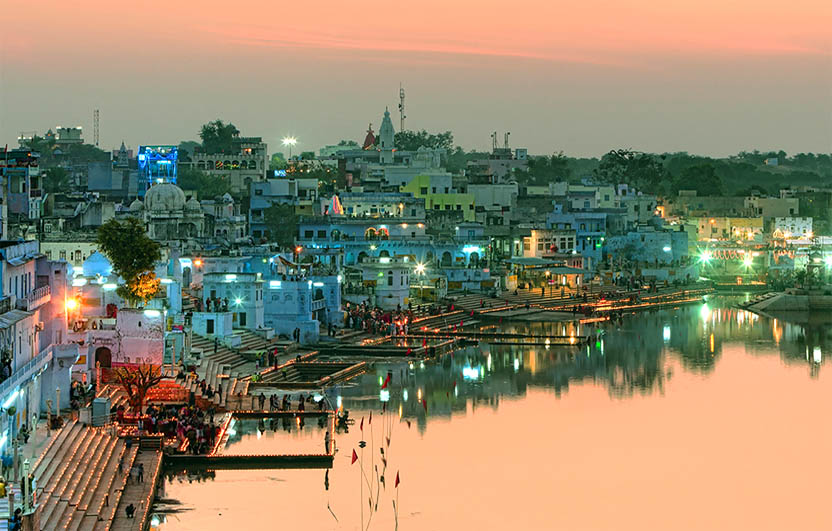 For temple-first visitors, align your Pushkar stop sequence with Brahma Temple Pushkar and keep one extra buffer before return travel.
Best departure windows and season notes
Start time has a direct impact on traffic, parking ease, and temple-queue comfort. Strategic timing can mean the difference between a smooth, enjoyable journey and a stressful experience caught in traffic or long queues.Optimal Departure Times
Early morning departures from Jaipur (between 5:30-7:00 AM) offer multiple advantages beyond just beating traffic. The roads are clearer, the air is cooler, and you'll reach Pushkar with most of your day still ahead of you. This timing is especially crucial during summer months (April-June) when afternoon temperatures can exceed 40°C, making midday travel uncomfortable. Leaving Jaipur after 9:00 AM risks getting caught in rush-hour traffic both in Jaipur and at the Ajmer bottleneck. This can easily add 1-2 hours to your journey time. Additionally, late starts often force rushed Pushkar schedules and tighter return windows, potentially requiring you to skip experiences you were looking forward to or hurrying through temple visits when you'd prefer to linger.Seasonal Considerations
Winter (October-March) represents the peak tourist season in Pushkar, with pleasant daytime temperatures ranging from 15-25°C. This is also when the famous Pushkar Camel Fair typically takes place in November, attracting thousands of visitors from around the world. During this period, expect significantly higher crowds, inflated accommodation prices, and congested roads. Book transportation and accommodation well in advance if traveling during the Camel Fair. Summer months (April-June) see fewer tourists but extremely high temperatures. Temple visits in the early morning or evening become more comfortable during these months. Many travelers prefer to start even earlier—around 5:00 AM—to complete the bulk of their sightseeing before the heat becomes intense. Monsoon season (July-September) brings relief from the heat but also unpredictable rain that can affect road conditions and temple access. The landscape turns lush green, creating a beautiful backdrop, but be prepared for muddy paths and occasional transportation delays.Special Events and Festivals
Beyond the Camel Fair, Pushkar hosts several smaller festivals and spiritual gatherings throughout the year. During Kartik Purnima (the full moon day in the Hindu month of Kartik, typically October-November), Pushkar sees enormous pilgrim crowds as this is considered the most auspicious time to visit the holy lake. If your travel coincides with such events, expect significantly increased traffic, longer temple queues, and higher costs across the board. Use season context from Best Time to Visit Pushkar before locking same-day plans. Understanding seasonal variations helps set realistic expectations and allows for better planning around weather conditions and crowd levels.Budget and booking strategy
A practical Jaipur-Pushkar budget should separate transport, local movement, food, and contingency. Breaking down your costs into these categories helps avoid overspending and ensures you have adequate funds allocated for each aspect of your trip.Transportation Cost Breakdown
For bus travel, budget ₹200-400 per person round trip depending on bus type. Factor in additional ₹50-100 for auto-rickshaw from the Pushkar bus stand to the main temple area. Taxi travelers should allocate ₹4,000-5,500 for a same-day round trip in a sedan, or ₹5,500-7,000 for an SUV, which provides more space and comfort. Self-drive costs include approximately ₹800-1,200 for fuel, ₹150-200 in tolls, and ₹100-200 for parking fees in Pushkar. When booking taxis, compare quotes from multiple operators and confirm what's included—some quotes include driver allowance and parking while others charge these separately. For online taxi aggregators, read reviews carefully and book in advance during peak season to secure better rates and ensure availability.Local Transportation in Pushkar
Pushkar is a walkable town, and many visitors prefer exploring the main areas on foot. However, for visiting temples slightly further out (like Savitri Temple) or when traveling with family or luggage, local transportation becomes necessary. Auto-rickshaws typically charge ₹50-150 for trips within Pushkar, depending on distance and negotiation skills. Tempos (shared auto-rickshaws) offer cheaper options at ₹10-30 per person but follow fixed routes and may require waiting until they fill up. If you're staying overnight and your accommodation is some distance from the main temple area, factor in these local transportation costs daily. Many hotels offer bicycle rentals (₹100-200 per day), which can be a fun and economical way to explore Pushkar's surroundings.Food and Refreshments
Pushkar offers a wide range of dining options to suit various budgets. Local eateries and dhabas provide meals for ₹100-200 per person, while rooftop restaurants overlooking the lake charge ₹300-600 per person. Continental and international cuisine tends to be pricier than local Rajasthani food. Budget approximately ₹300-500 per person per day for meals, including breakfast, lunch, snacks, and dinner. Carrying water bottles and light snacks is recommended, especially during summer months. Hydration is crucial in Rajasthan's dry climate, and having water readily available prevents both dehydration and unnecessary expenses on frequently purchasing bottled water.Accommodation Costs
For overnight visitors, Pushkar offers accommodation ranging from budget guesthouses (₹500-1,000 per night) to mid-range hotels (₹1,500-3,000 per night) and upscale heritage properties (₹4,000+ per night). Prices can double or even triple during the Camel Fair and peak tourist season. Booking well in advance often secures better rates, especially for popular properties with lake views.Contingency Fund
Always maintain a contingency buffer of 15-20% of your total estimated budget. This covers unexpected expenses like emergency purchases, extended meals, impromptu shopping, or transportation upgrades due to fatigue or convenience needs. This buffer prevents stressful situations where you're forced to cut experiences short due to budget constraints.| Cost Bucket | Includes | Planning Tip |
|---|---|---|
| Intercity transfer | Bus/cab/self-drive fuel and tolls | Compare total round-trip cost, not one-way only |
| Local movement | Autos/walk segments/parking | Cluster nearby stops to reduce repeat transfers |
| Food and breaks | Meals, tea, hydration | Schedule breaks around temple windows |
| Contingency | Delay-led spend and schedule changes | Keep flexible emergency buffer |
Family and group travel tips
Family travelers should prioritize schedule clarity over stop count. When traveling with family groups spanning multiple generations, the balance between spiritual activities, sightseeing, and rest becomes crucial for ensuring everyone has a positive experience.Traveling with Elderly Members
For trips involving elderly family members, consider the physical demands of temple visits and walking around Pushkar. Many temples require climbing stairs or navigating uneven pathways. Plan for more frequent rest breaks and avoid back-to-back long walking blocks. Private taxi transport is usually worth the additional cost for the convenience it offers—door-to-door service, control over stop frequency, and climate control during the journey. Choose accommodations that are close to the main temple areas to minimize walking distances. Many hotels offer rooms with lake views where elderly members can rest while younger family members explore further attractions. Carry any necessary medications in your hand luggage and have sufficient water available throughout the journey.Traveling with Children
When traveling with children, the key is maintaining flexibility and having backup plans. Pushkar's spiritual atmosphere may not engage children for extended periods, so balance temple visits with activities they might enjoy more—feeding fish in Pushkar Lake, exploring the colorful markets, or enjoying meals at rooftop restaurants with views. Carry snacks, entertainment for the journey, and changes of clothes for children. Be prepared for shorter attention spans at temples and plan accordingly. An overnight trip often works better with children than a same-day return, allowing for nap times and less rushing between activities.Group Travel Considerations
For larger groups (6+ people), consider hiring a tempo traveler or booking multiple vehicles rather than trying to fit everyone into one SUV. The additional cost often pays for itself in comfort and reduced stress. Keep one regroup point for larger groups—this prevents family members from getting separated and makes coordination easier. Assign responsibilities to different group members—one person handles navigation, another manages meal stops, someone else keeps track of timing. This shared responsibility approach prevents any single person from becoming overwhelmed with coordination duties.Dining and Meal Planning
Pushkar is predominantly vegetarian, and alcohol is not served within the town limits due to its sacred status. When traveling with family groups or those who might not be accustomed to this, plan meals accordingly. Many restaurants offer diverse vegetarian cuisines including Indian, Continental, Israeli, and Italian options, ensuring there's something for everyone. For groups, informing restaurants in advance about your party size helps them prepare and serve you more efficiently. This is particularly important during peak season when restaurants are crowded.Accommodation Selection
For families and groups, look for hotels that offer family rooms or interconnected rooms. Many properties in Pushkar cater specifically to families and provide amenities like extra beds, attached bathrooms with hot water, and in-room dining options. Reading recent reviews specifically from family travelers can provide valuable insights into how suitable a property is for your needs. Prefer overnight plan if you want temple + market + relaxed meals. Rushing through Pushkar in a day rarely does justice to the experience, especially when traveling with family where different members may want to spend more or less time at various attractions. Carry water, basic medicines, and light weather protection appropriate to the season. In summer, this means sun protection and hydration. In winter, carry layers for cool mornings and evenings. During monsoon, rain gear becomes essential. For activity planning inside Pushkar, pre-map options from Things to Do in Pushkar and avoid last-minute route confusion. Having a clear plan doesn't mean being rigid, but it does prevent wasted time and ensures you don't miss experiences important to your group.Common planning mistakes to avoid
1. Starting late from Jaipur and compressing all Pushkar activities into peak hours. 2. Planning a strict same-day round trip without return buffer. 3. Choosing mode only on headline fare instead of total trip fit. 4. Ignoring weekend/festival crowd effects on movement and parking. 5. Keeping no hydration or rest breaks in warm travel windows. 6. Overloading itinerary with too many distant stops in one day.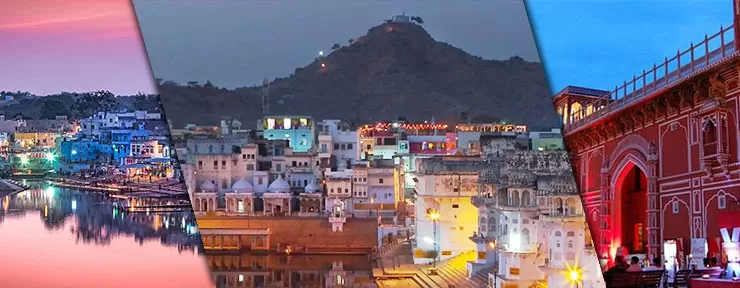
Conclusion
Jaipur to Pushkar trip success depends on three basics: correct mode selection, early departure, and realistic itinerary density. If you treat the route as a planned circuit instead of a rushed checklist, both day-trip and overnight formats can work smoothly. Keep buffers, travel light, and prioritize your top two Pushkar experiences before departure. If your visit happens to overlap with the camel fair season, check the Pushkar Fair dates guide first, since accommodation and road traffic both change dramatically during those weeks.Location
Frequently Asked Questions
Q1.What is the fastest way to travel from Jaipur to Pushkar?
A direct cab or efficient self-drive route is usually the fastest practical option, especially when you need timing control for a day trip.
Q2.Is a same-day Jaipur to Pushkar round trip practical?
Yes, it is practical with an early departure and a focused itinerary. Keep return-time buffer to avoid a rushed evening transfer.
Q3.What is the average budget for Jaipur to Pushkar travel?
Budget varies by mode and trip style. Plan separately for intercity transfer, local movement, food, and contingency.
Q4.Which mode is best for family travelers?
Families usually find private cab travel more comfortable because it offers flexible stops and easier schedule control.
Q5.What is the best time to start from Jaipur?
Early morning departure is generally best for smoother road movement, better temple coverage, and less schedule pressure.
Q6.Is weekend travel to Pushkar significantly crowded?
Weekends and festival periods can be busier. Expect higher crowd and slower local movement in key areas.
Q7.What essentials should travelers carry for this route?
Carry water, light snacks, basic medicines, ID, weather-ready clothing, and simple cash backup for local convenience.
Q8.What common trip-planning mistakes should be avoided?
Avoid late starts, no return buffer, overpacked stop lists, and mode choice based only on one-way fare instead of overall trip suitability.
Recommended For You
Heritage
Jaipur: Complete Travel Plan Places And Weather
Complete Jaipur travel guide covering top attractions, best time to visit, shopping, accommodation, costs, and practical tips for exploring the Pink City of Rajasthan.
Feb 13Read More
Pilgrimage
Pushkar Tourist Places: Temples, Lake Ghats, Cafes & Markets
Explore the best Pushkar tourist places including Brahma Temple, Pushkar Lake, Savitri Temple, ghats, markets, and nearby Ajmer attractions.
Feb 17Read More
Spiritual
Pushkar: Complete Travel Plan Places And Weather
Complete Pushkar travel guide featuring Brahma Temple, Pushkar Lake, Camel Fair, spiritual experiences, shopping & practical tips.
Feb 20Read More
Never Miss an Adventure
Get the latest trekking guides, travel tips, and exclusive offers delivered straight to your inbox.
