

Jigme Singye Wangchuck National Park Bhutan: Wildlife & Trekking Routes

Priya Mehta
December 3, 2025
Explore Jigme Singye Wangchuck National Park in Bhutan with wildlife highlights, Nabji Korphu trek details, permits, seasons, and practical travel planning tips.
Introduction to Jigme Singye Wangchuck National Park
Jigme Singye Wangchuck National Park is one of Bhutan’s most important protected landscapes and a core reason why central Bhutan is so rewarding for nature-focused travel. Spread across the Black Mountains, the park connects subtropical valleys with high-altitude ecosystems, creating a rare vertical wilderness corridor where wildlife can move seasonally. For visitors, this means one destination offers everything from warm forest trails and village culture to cooler ridgelines and alpine views.
Formerly known as Black Mountain National Park, this protected area is widely recognized for biodiversity, ecological connectivity, and community-based conservation. It links with major protected landscapes in Bhutan, including Royal Manas to the south, which strengthens long-distance habitat continuity for species like tiger and other wide-ranging mammals. If you are planning a broader route, pair this guide with backpacking Bhutan and best tourist places in Bhutan.
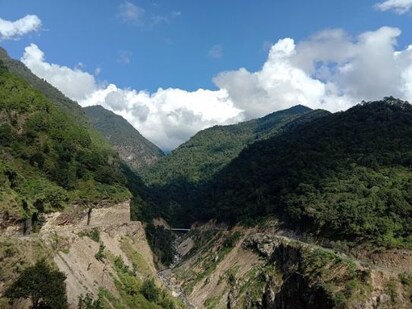
Geography: The Black Mountains of Central Bhutan
The park sits across five dzongkhags: Trongsa, Wangdue Phodrang, Sarpang, Tsirang, and Zhemgang. This central location is strategically important because it sits at the intersection of several ecological zones and river systems. Elevation varies dramatically from lower subtropical sections to high ridges approaching alpine conditions, with peaks in the wider Black Mountain system near 5,000 meters. This altitude spread creates strong ecological layering and remarkable habitat diversity inside one protected area.
Hydrologically, the park feeds and protects key watersheds linked with rivers such as Mangde Chhu and Punatsang Chhu systems. During monsoon, these systems become fast and sediment-rich; in drier months, trails and riverine zones become easier to navigate. For travelers, this geography shapes everything: where you can trek, what wildlife you may encounter, and which season is safest for route planning.
| Geographic Feature | Why It Matters | Traveler Takeaway |
|---|---|---|
| Black Mountain range | Creates altitude-based ecosystems | Expect varied terrain within one itinerary |
| Central location in Bhutan | Links major national parks and corridors | Great for combined wildlife and culture routes |
| Major river catchments | Supports habitats and villages | Season strongly affects trail and road conditions |
Biodiversity: Flora and Fauna
Jigme Singye Wangchuck National Park is known for its ecological range, not just a single iconic species. Different forest bands hold different communities: broadleaf forests in lower belts, mixed temperate forests in mid-elevations, and conifer–alpine transitions higher up. This mosaic supports rich plant life, including rhododendrons, orchids, bamboo belts, medicinal plants, and old forest patches valuable for both wildlife and watershed resilience.
Across surveys and conservation reports, the park has repeatedly been recognized as a biodiversity hotspot in Bhutan. Bird diversity is especially notable, with hundreds of recorded species across seasonal migration windows. Mammal records include threatened and charismatic species, while lesser-known reptiles, amphibians, and butterflies add to the park’s ecological depth. This diversity is exactly why the destination is ideal for slow nature travel rather than quick sightseeing.
Habitat highlights
- Subtropical forests in lower valleys with rich broadleaf cover
- Temperate and mixed conifer forests in mid-altitude zones
- Alpine meadows and scrub in upper elevation sections
- River-linked habitats supporting birds and amphibians
Top Wildlife to Spot in the Park
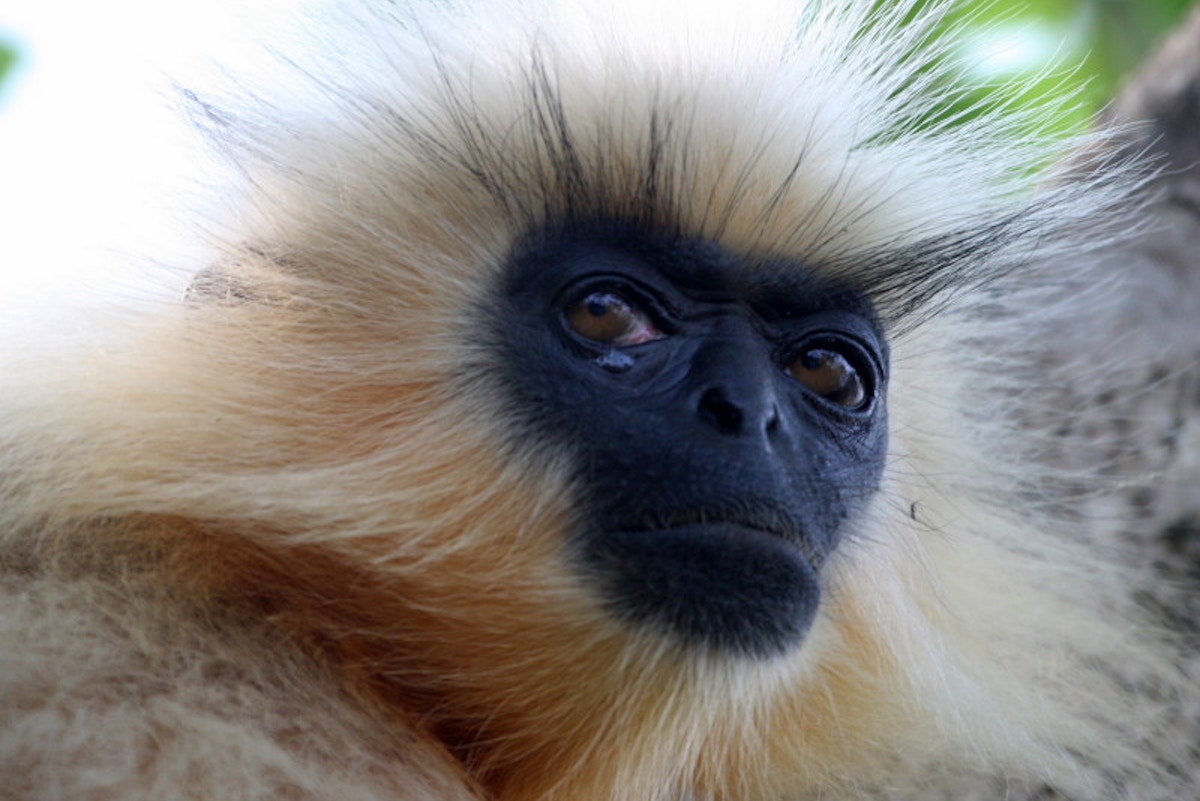
Wildlife sightings in JSWNP are never guaranteed, but the park is genuinely one of Bhutan’s best landscapes for patient wildlife travel. Tigers are part of the larger connected landscape, especially across lower and mid-elevation belts. Golden langur remains one of the most sought-after sightings due to its restricted range and conservation value. Red panda habitats occur in higher, cooler forest zones where bamboo and old-growth conditions remain suitable.
Other important mammals include Himalayan black bear, clouded leopard, musk deer, serow, and wild boar. Birdwatchers often prioritize hornbill zones, high-value migratory routes, and areas associated with rare species such as white-bellied heron in connected habitats. Around the park’s broader ecosystem, Phobjikha’s wintering cranes and adjacent corridor dynamics make the region even more rewarding for long-form birding itineraries.
| Species | Typical Zone | Best Viewing Approach |
|---|---|---|
| Golden langur | Warm broadleaf forests | Early quiet walks with local guides |
| Red panda | Cool temperate to high forest belts | Patience, low-noise trekking, binoculars |
| Tiger / clouded leopard | Connected mixed habitats | Track signs and camera-trap corridors |
| Rufous-necked & great hornbill | Mature forest sections | Dawn birding near forest edges |
Trekking Routes: Nabji Korphu and Beyond
The Nabji Korphu trek is the signature route for many visitors and one of Bhutan’s best-known community-based nature experiences. It is typically run as a low-altitude multi-day trek and combines biodiversity, village life, and cultural interpretation rather than extreme altitude challenge. This route is especially attractive for travelers who want wildlife-rich forest trails with manageable physical difficulty.
Most operators position Nabji Korphu as a 5- to 6-day journey, though shorter adaptations may exist depending on entry/exit logistics. The trek passes through rural communities and forest sections that are ecologically sensitive, so certified guiding and responsible trail behavior are essential. If trekking is your main objective, also review treks in Bhutan before finalizing your route.
Nabji Korphu quick profile
- Duration: Usually 5N/6D style programs
- Difficulty: Easy to moderate for regular trekkers
- Elevation: Low to mid-altitude forest-village corridor
- Core value: Nature + culture + community tourism
Best Time to Visit Jigme Singye Wangchuck National Park
Seasonality matters greatly in this park because rainfall, leeches, trail state, and visibility change quickly across months. Spring (March to May) is excellent for flowering landscapes, active birding windows, and pleasant trekking weather. Autumn (September to November) is ideal for clearer mountain views and stable route conditions after peak monsoon.
Winter (December to February) is especially good for low-altitude trekking programs like Nabji Korphu and for combining your park visit with Phobjikha’s seasonal crane period. Monsoon (June to August) brings heavy rain, higher leech pressure in many sections, and more logistical uncertainty. Many travelers avoid deep interior trekking in that period unless they have flexible buffers.
How to Reach the Park
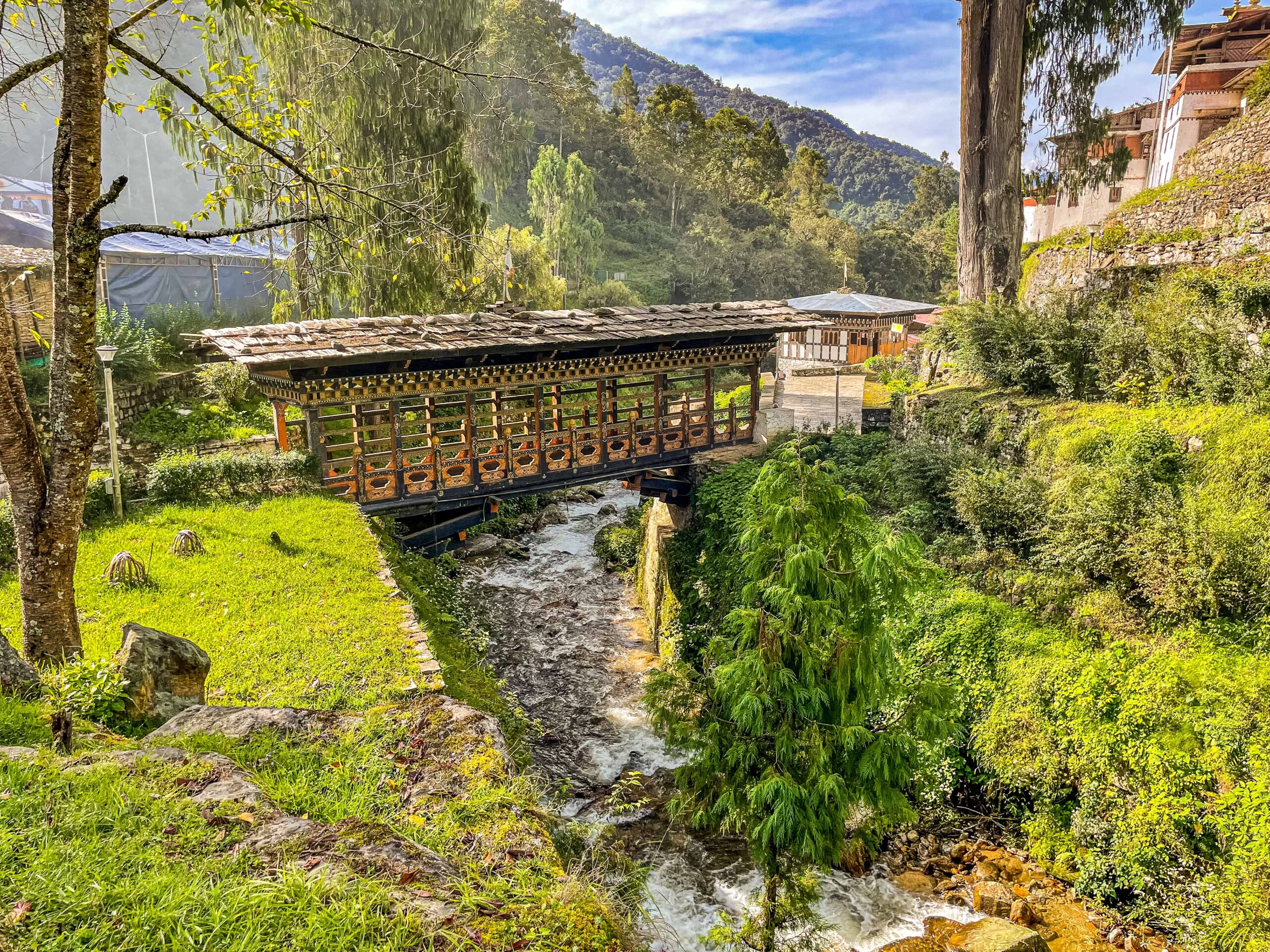
Most visitors approach the park through central Bhutan road corridors, often using Trongsa or Wangdue Phodrang as practical gateways depending on itinerary design. International travelers usually start from Paro entry, then continue by road through Thimphu and onward to central districts. Mountain driving times are longer than map distances suggest, so allow realistic transfer windows.
Because Bhutan follows regulated tourism logistics, transport and route planning are typically coordinated through licensed tour operators. This setup is useful in JSWNP because park access points and trek logistics can vary by weather, permit status, and local conditions. Build at least one contingency day into any wildlife-first itinerary.
Permits and Entry Requirements
Foreign travelers in Bhutan usually require a pre-arranged itinerary through licensed operators, and protected-area entry is generally organized as part of that process. For JSWNP visits, operators typically manage route permits, park access clearances, and local coordination in advance. This is one area where DIY planning is limited, and that can actually improve conservation compliance on the ground.
Permit processes and fee structures can change, so always verify current rules with your operator and official Bhutan tourism channels before booking flights. For remote trekking programs, early booking is advisable, especially in spring and autumn when demand is higher and logistics are tighter.
| Planning Item | Who Handles It | When to Arrange |
|---|---|---|
| Visa + travel formalities | Licensed Bhutan operator | Before confirming itinerary |
| Park/route permissions | Operator + local authorities | Before entering park region |
| Trek logistics (guide/camp) | Operator and local teams | Weeks in advance in peak season |
Accommodation Options Near the Park
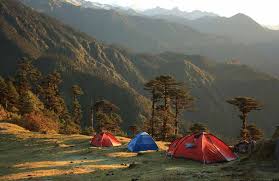
Accommodation quality and style vary by route. Near gateways and district towns, you will find standard hotels and small lodges. Along community-based trekking routes, options shift toward homestays, village lodges, and supported camping. This combination is part of the park’s character and supports local livelihoods linked to conservation.
If comfort priority is high, split your stay: use stronger hotel bases before and after trekking days, then keep trail nights simple. If your focus is authenticity, farmstay-style experiences around village corridors can be memorable and educational, especially when paired with local guides who explain land use, forest dependency, and conservation rules.
Cultural Significance and Local Communities
JSWNP is not just wilderness; it is also a lived landscape with long-standing communities. Parts of the park region are associated with Monpa and other local groups whose livelihoods include agriculture, livestock movement, and forest-resource use. Community-based tourism in this region is designed to create income while preserving ecological and cultural continuity.
For travelers, this means the best experience comes from respectful engagement rather than extractive sightseeing. Ask before photographing people, support local services where possible, and follow cultural etiquette at religious or village spaces. This is especially important on routes such as Nabji Korphu, where conservation and culture are intentionally linked.
Travel Tips and Ethics for Responsible Wildlife Tourism
- Carry layered clothing for rapid temperature changes across altitudes.
- Use binoculars and keep a low-noise field style for better sightings.
- Never feed wildlife or leave food waste on trails and campsites.
- Follow Leave No Trace principles and stay on designated routes.
- Expect limited connectivity in deeper sections; plan offline.
- Keep one weather-buffer day for safer and smoother itinerary flow.
- Avoid monsoon-heavy windows for long treks unless fully prepared.
If you want to combine this park with nearby high-value ecosystems, include Phobjikha Valley in your Bhutan route. The valley’s winter birdlife and landscape character complement JSWNP’s broader forest and corridor ecology extremely well.
Conclusion
Jigme Singye Wangchuck National Park is one of Bhutan’s best destinations for travelers who want serious nature depth, not surface-level tourism. Its Black Mountain geography, biodiversity richness, corridor connectivity, and community-linked trekking model make it uniquely complete as a wildlife destination. Whether your priority is golden langur sightings, birding, low-altitude trekking, or conservation travel, JSWNP rewards slower pacing and careful planning.
Plan the trip around season, permits, and realistic transit times, then treat the journey as an ecological experience rather than a checklist. Done well, this is one of the most meaningful protected-area visits in Bhutan.
Location
Frequently Asked Questions
Q1.Where is Jigme Singye Wangchuck National Park located?
Q2.What is Jigme Singye Wangchuck National Park famous for?
Q3.Which animals can be seen in the park?
Q4.How to reach Jigme Singye Wangchuck National Park from Thimphu?
Q5.Do I need a permit to enter the park?
Q6.What is the best time to visit Jigme Singye Wangchuck National Park?
Q7.Is trekking allowed in Jigme Singye Wangchuck National Park?
Q8.Where can I stay near Jigme Singye Wangchuck National Park?
Recommended For You

Best Time to Visit Bhutan: Season Guide and Travel Tips
Plan your Bhutan trip with season-wise timing, route strategy, and practical travel tips for smoother and more meaningful journeys.

Best Tourist Places in Bhutan: Region-Wise Attractions & Itinerary Ideas
Explore the best tourist places in Bhutan with region-wise highlights from Paro, Thimphu, Punakha, Bumthang, and Phobjikha, plus practical travel planning tips.

Bhutan in November: Season Guide and Travel Tips
Travel Bhutan in November with weather-wise route planning, crowd timing, and practical tips for a smoother and scenic trip.
Never Miss an Adventure
Get the latest trekking guides, travel tips, and exclusive offers delivered straight to your inbox.
