
Dibru-Saikhowa National Park: Feral Horses & Wetlands Guide 2026

Priya Mehta
February 19, 2026
Explore Dibru-Saikhowa National Park Assam, home to feral horses, Bengal florican, and diverse wetlands. Complete guide with best time, wildlife, and travel tips.
Why Dibru-Saikhowa is a Wildlife Wonder
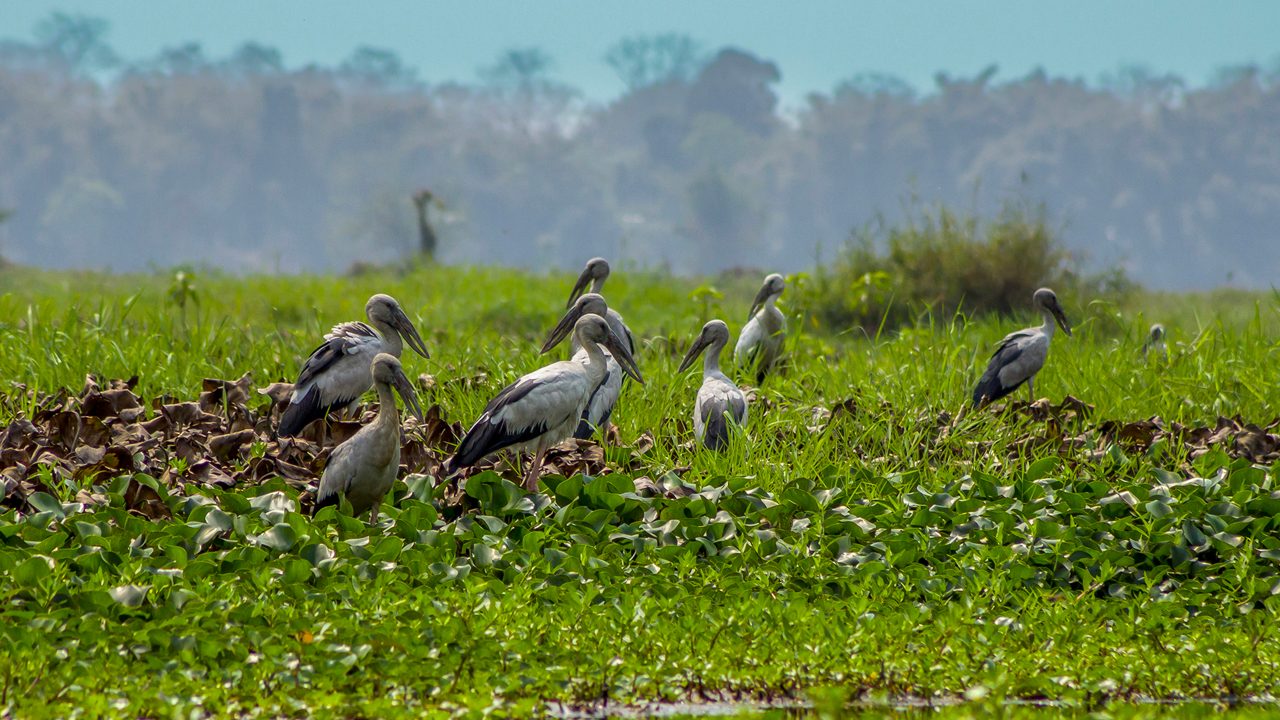
Dibru-Saikhowa National Park in Assam represents one of India's most unique ecosystems, combining wetland wilderness, grassland savannas, and riverine forests across 340 square kilometers. Located between the Brahmaputra and Dibru rivers in the easternmost corner of Assam, this park is renowned for its feral horse population, diverse birdlife, and exceptional biodiversity.
The park's unique geography creates a mosaic of habitats that support rare species found nowhere else in India. Its isolation in the eastern reaches of Assam has preserved pristine wilderness areas that remain relatively undisturbed. The park represents one of the few remaining examples of the Upper Assam Valley's original ecosystem, making it invaluable for conservation and scientific research.
The Famous Feral Horses of Dibru-Saikhowa
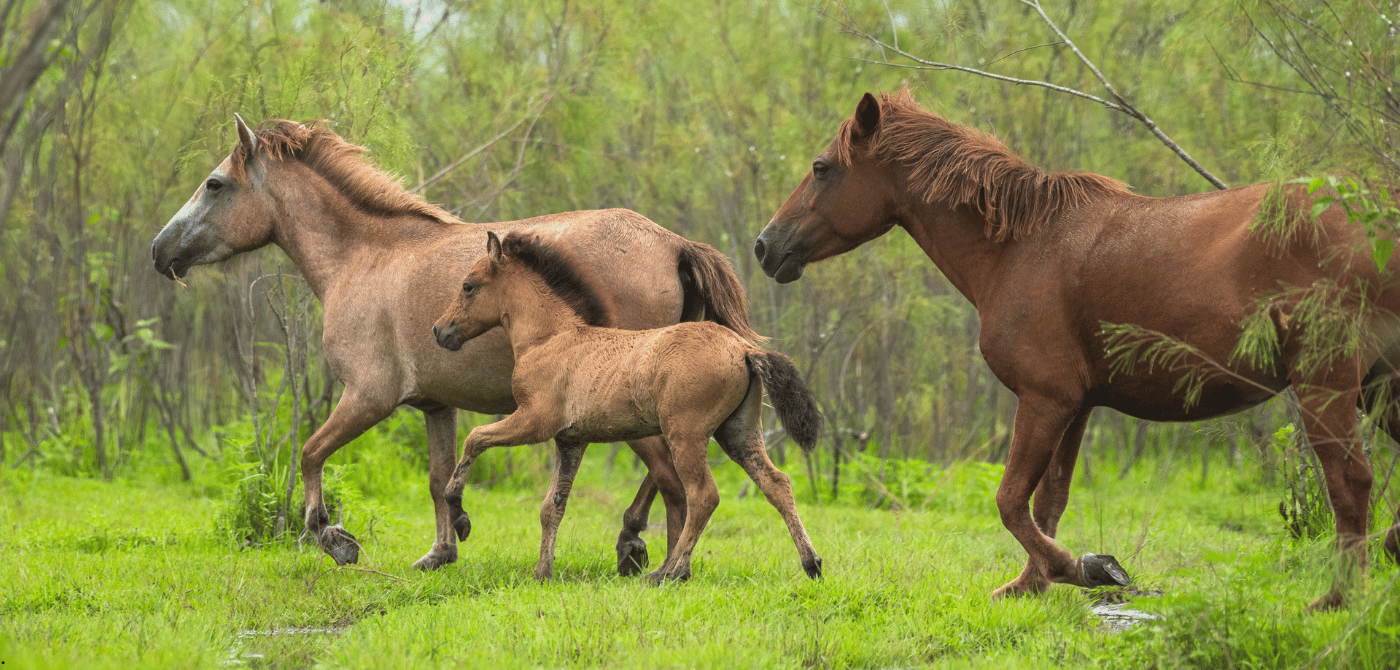
The park's most famous residents are the approximately 50 feral horses that roam the grasslands, descendants of horses that escaped during World War II. These wild horses have adapted completely to their natural habitat over generations, developing unique behaviors and physical characteristics that distinguish them from domestic breeds.
Seeing these magnificent animals running free across the grasslands creates unforgettable wildlife experiences. Unlike managed wildlife populations, these horses live entirely natural lives without human intervention, making them truly wild despite their domesticated ancestry. Their presence represents fascinating ecological adaptation and natural selection in action.
Best Time to Visit Dibru-Saikhowa
The park remains accessible throughout the year, though different seasons offer varied experiences. Winter months from November to February provide pleasant weather and excellent birdwatching as migratory species arrive in large numbers. The grasslands dry out during winter, improving visibility for wildlife viewing.
Summer months from March to May bring warmer temperatures and increased wildlife activity around water sources. Monsoon from June to September transforms the landscape with flooding that creates unique wetland ecosystems. Post-monsoon from October onwards sees vibrant green landscapes and excellent conditions for photography.
| Season | Best For | What to Expect |
|---|---|---|
| November-February | Birdwatching | Migratory birds, pleasant weather |
| March-May | Wildlife viewing | Active animals, warmer days |
| June-September | Landscape photography | Lush greenery, unique wetlands |
Wildlife Diversity of Dibru-Saikhowa
Beyond the famous horses, Dibru-Saikhowa supports remarkable mammalian diversity including royal Bengal tigers, though sightings are rare due to dense vegetation. Asian elephants migrate through the park seasonally, following ancient corridors between forest areas. Other notable species include jungle cats, leopards, sloth bears, and various primates including hoolock gibbons.
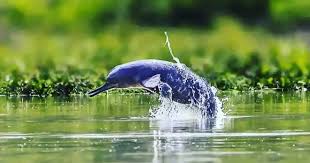
The park's aquatic habitats support Gangetic dolphins in the Brahmaputra River, though sightings require patient boat trips. Various deer species including hog deer and sambar inhabit the grasslands, while smaller mammals like pangolins, civets, and mongooses contribute to the ecosystem's complexity. Reptiles including pythons, monitor lizards, and various snake species are also present.
Birdwatching Paradise
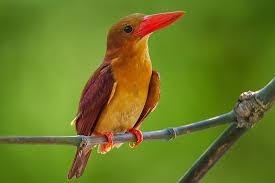
Dibru-Saikhowa is internationally recognized as an Important Bird Area, hosting over 350 species including several that are globally threatened. The park's grasslands support the endangered Bengal florican, one of the world's rarest bustards. The white-winged wood duck, another endangered species, breeds in the park's forest pools.
Winter brings massive congregations of waterfowl including various ducks, geese, and waders. Raptors including eagles, hawks, and falcons patrol the skies. Grassland birds include various babblers, prinias, and warblers. The park's location on migration routes ensures seasonal surprises, making every birdwatching visit potentially rewarding.
Unique Ecosystems and Habitats
Dibru-Saikhowa's ecological significance lies in its diverse habitat mosaic. The park encompasses grasslands, wetlands, riverine forests, and woodland patches, each supporting distinct wildlife assemblages. This habitat diversity creates exceptional species richness within a relatively compact area.
The wetlands are particularly significant, representing some of the last remaining examples of Upper Assam Valley's natural wetland ecosystems. These areas support specialized flora and fauna adapted to seasonal flooding. The interaction between terrestrial and aquatic ecosystems creates dynamic landscapes that change dramatically with seasons.
Where to Stay Near Dibru-Saikhowa
Accommodation options near Dibru-Saikhowa are limited, reflecting the park's remote location and developing tourism infrastructure. The nearest town, Tinsukia (approximately 12 kilometers), offers various hotels and guest houses. Some forest department rest houses provide basic accommodation within the park area, requiring advance booking.
For adventurous travelers, some operators organize camping with proper equipment and safety measures. Village homestays in nearby communities offer authentic Assamese hospitality while supporting local conservation efforts. Regardless of choice, most accommodations can arrange park permits and guided activities.
How to Reach Dibru-Saikhowa National Park
The nearest airport is Dibrugarh's Mohanbari Airport, approximately 40 kilometers away, with good connections to major Indian cities including Delhi, Kolkata, and Guwahati. The nearest major railway station is Tinsukia, about 12 kilometers from the park, with direct trains from Guwahati and other major cities.
Road travel from Dibrugarh takes approximately one hour. The park's remote location in eastern Assam requires careful planning but rewards with pristine wilderness experiences. Private taxis are available from Dibrugarh and Tinsukia. The drive through rural Assam provides insights into local life and landscapes.
Safari and Exploration Options
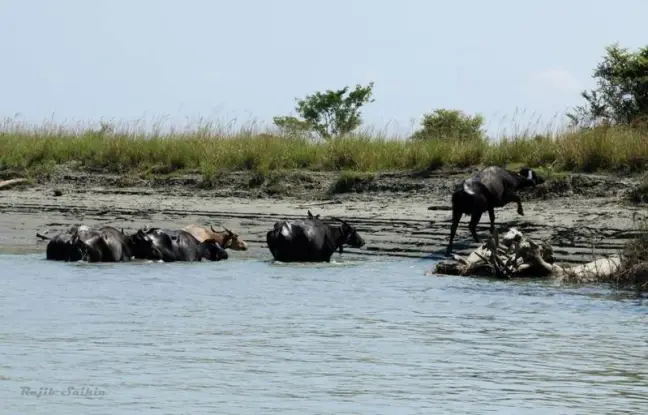
Unlike more established parks, Dibru-Saikhowa offers flexible exploration options. Boat trips along the Brahmaputra and Dibru rivers provide unique perspectives on the park and chances to see Gangetic dolphins. Walking safaris with forest guards allow intimate exploration of grasslands and forests.
Vehicle safaris cover larger areas when roads are accessible, especially during dry season. Birdwatching walks with knowledgeable naturalists reveal the park's avian diversity. Some areas require boat access even during dry season, adding adventure to the exploration experience.
Essential Travel Tips
- Plan transport carefully - the park is remote and options are limited
- Bring binoculars and camera with good zoom lens for wildlife
- Carry insect repellent - mosquitoes can be abundant near wetlands
- Apply sunscreen and wear hat - sun exposure can be intense
- Wear comfortable walking shoes with good grip
- Carry sufficient water and snacks during excursions
- Respect wildlife distances and follow guide instructions
- Check weather conditions - flooding can affect accessibility
Related destinations: kaziranga national park, nameri national park, and manas national park.
Photography Opportunities
Dibru-Saikhowa offers exceptional photography opportunities with diverse subjects and dramatic landscapes. The grasslands provide stunning foregrounds with sweeping vistas, especially during sunrise and sunset when light paints the sky in brilliant colors. The park's isolation means minimal human elements in compositions.
A telephoto lens of 300-400mm is ideal for wildlife, while a wide-angle captures the landscape's grandeur. Boat trips provide unique low-angle perspectives on wetlands and wildlife. The park's varied lighting conditions challenge but reward photographers with unique images throughout the day.
Cultural Experiences Nearby
The area surrounding Dibru-Saikhowa offers rich cultural experiences that complement wildlife viewing. Local tribal communities have traditional knowledge about forest ecology and sustainable resource use. Some villages offer homestay experiences providing authentic cultural immersion.
The nearby town of Tinsukia has historic importance as a coal mining center with colonial architecture. Dibrugarh, Assam's tea city, offers plantation tours and insights into the region's famous tea industry. These cultural additions create well-rounded understanding of Assam beyond wildlife.
Conservation Significance
Dibru-Saikhowa represents one of India's most important conservation areas due to its unique ecosystems and threatened species. The park's location in a biodiversity hotspot makes it crucial for preserving regional flora and fauna. Conservation efforts focus on habitat protection and managing human-wildlife conflict.
The park faces challenges including invasive species, habitat fragmentation, and pressure from surrounding communities. Conservation organizations work with local stakeholders to create sustainable solutions that benefit both wildlife and people. Visitors support these efforts through park fees and responsible tourism practices.
Planning Your Dibru-Saikhowa Adventure
Most visitors find 2-3 days sufficient for satisfying exploration, though serious wildlife enthusiasts may stay longer. The park's remote location justifies longer visits to maximize experience. Combine boat trips, walking safaris, and vehicle excursions for comprehensive coverage.
Consider combining Dibru-Saikhowa with other Northeast destinations like Kaziranga or Namdapha for comprehensive wildlife circuit. The park's unique ecosystems complement other Assam parks that offer different habitat types and wildlife compositions. Plan flexible itineraries as weather and water levels can affect accessibility.
Practical Information
Entry permits are required and available at park entrance. The park has basic facilities including interpretation centers at some locations. Medical facilities are available in Tinsukia (12km) and Dibrugarh (40km). Mobile connectivity is limited to certain areas - inform family about potential communication gaps.
ATM access is available in Tinsukia and Dibrugarh but not near the park - carry sufficient cash. Weather in eastern Assam can change quickly - be prepared for sudden rain. The park's remote location requires self-sufficiency - carry medications and other essentials.
Responsible Tourism Practices
Dibru-Saikhowa's pristine wilderness requires careful visitor stewardship to remain undisturbed. Choose responsible operators who prioritize conservation and local community benefits. Avoid disturbing wildlife, maintain silence during sightings, and follow all park regulations strictly.
Support local communities through homestays and purchasing handicrafts. Report any unethical wildlife behavior or environmental damage to park authorities. Your responsible choices help ensure Dibru-Saikhowa remains pristine for future generations while benefiting local people through sustainable tourism.
Location
Frequently Asked Questions
Q1.What is special about Dibru-Saikhowa National Park?
Q2.How many days are enough for Dibru-Saikhowa?
Q3.What is the best time to visit Dibru-Saikhowa?
Q4.How to reach Dibru-Saikhowa National Park?
Q5.What wildlife can I see in Dibru-Saikhowa?
Q6.Are the feral horses tame?
Q7.Where to stay near Dibru-Saikhowa?
Q8.Can I see Gangetic dolphins in Dibru-Saikhowa?
Recommended For You
Great Himalayan National Park: Trek Routes, Permits & Wildlife
Explore Great Himalayan National Park (GHNP): UNESCO World Heritage Site in Kullu. Complete guide to trekking routes, wildlife spotting, permits, best time to visit, and accommodation.
Orang National Park: Assam's Mini Kaziranga Safari Guide 2026
Explore Orang National Park, Assam's Mini Kaziranga with rhinos, tigers, and elephants. Complete safari guide with best time, wildlife highlights, and travel tips.
Pin Valley National Park Spiti: Wildlife, Trek Routes & Travel Tips
Pin Valley National Park complete guide covering wildlife, snow leopard habitat, treks, best season, route planning from Kaza, permits, and practical stay tips in Spiti.
Never Miss an Adventure
Get the latest trekking guides, travel tips, and exclusive offers delivered straight to your inbox.
