
Nameri National Park Assam: River Safari, Trekking & Wildlife

Rohan Malhotra
February 19, 2026
Discover Nameri National Park Assam - famous for walking safaris, white-winged wood ducks, and Jia Bhoroli river rafting. Complete adventure guide with best time, activities, and stays.
Why Nameri is a Hidden Wildlife Gem
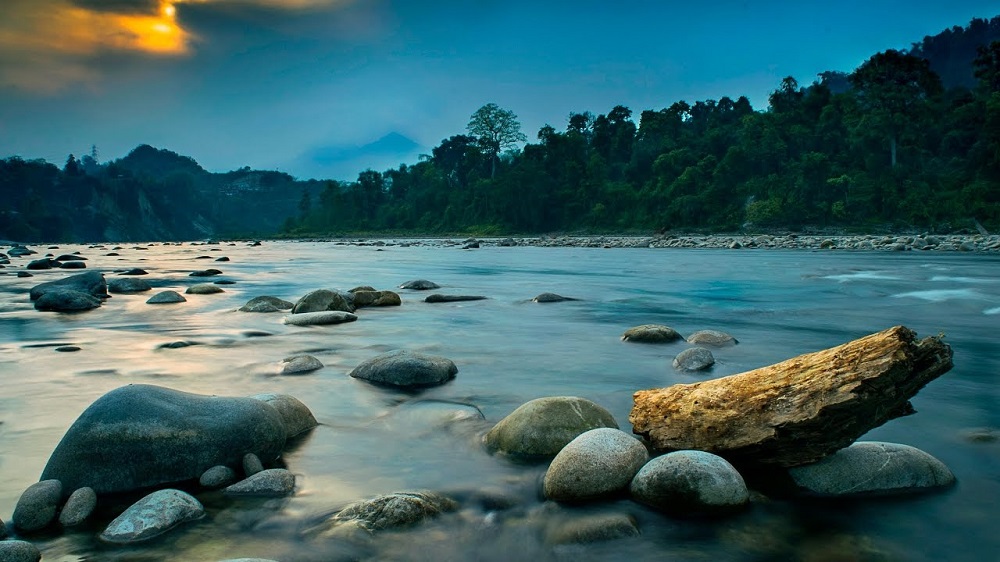
Nameri National Park in Assam offers a perfect blend of wildlife adventure and river activities, making it unique among Indian wildlife destinations. Located in the eastern Himalayan foothills along the banks of the Jia Bhoroli River, this 200-square-kilometer protected area is renowned for its elephant population, diverse birdlife, and excellent river rafting opportunities.
Unlike more commercialized parks, Nameri provides an intimate wilderness experience where visitors can walk through designated forest trails accompanied by armed guards. This rare walking safari opportunity sets Nameri apart, allowing close encounters with nature that vehicle-based safaris cannot provide.
The Unique Walking Safari Experience
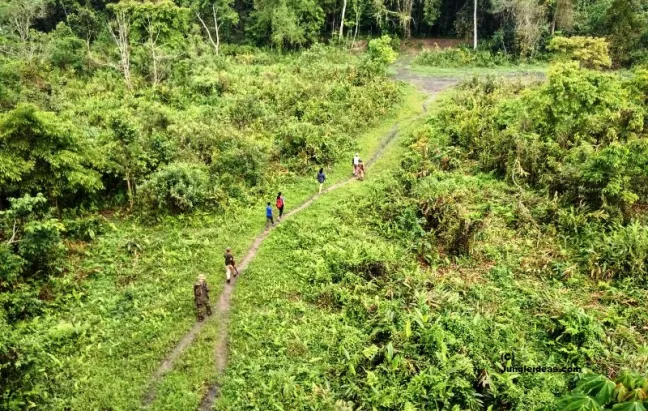
Nameri is one of the few national parks in India that permits walking safaris through designated forest areas. Accompanied by trained forest guards and naturalists, visitors can explore the wilderness on foot, experiencing the forest at ground level. This intimate approach reveals smaller wildlife, plants, and forest details that vehicle safaris miss entirely.
The walking trails pass through diverse habitats including riverine forests, moist deciduous woods, and grassland patches. Each habitat supports different species, making every walk unique. Guards share traditional knowledge about forest ecology, animal tracking, and plant uses, enriching the experience beyond simple wildlife viewing.
Best Time to Visit Nameri
The park welcomes visitors from November to May, with different seasons offering varied experiences. Winter months from November to February provide pleasant weather for walking safaris, with cool temperatures comfortable for extended forest exploration. The dry season improves trail accessibility and wildlife visibility.
Spring from March to April brings warmer temperatures but increased wildlife activity around water sources. March is particularly good for birdwatching as migratory species prepare to depart while resident birds begin breeding activities. The park closes during monsoon from June to October when heavy rains make trails unsafe and rivers swollen.
| Season | Best For | What to Expect |
|---|---|---|
| November-February | Walking safaris | Cool weather, good trails |
| March-April | Birdwatching | High bird activity |
| May | River rafting | Good water levels |
Wildlife Highlights of Nameri
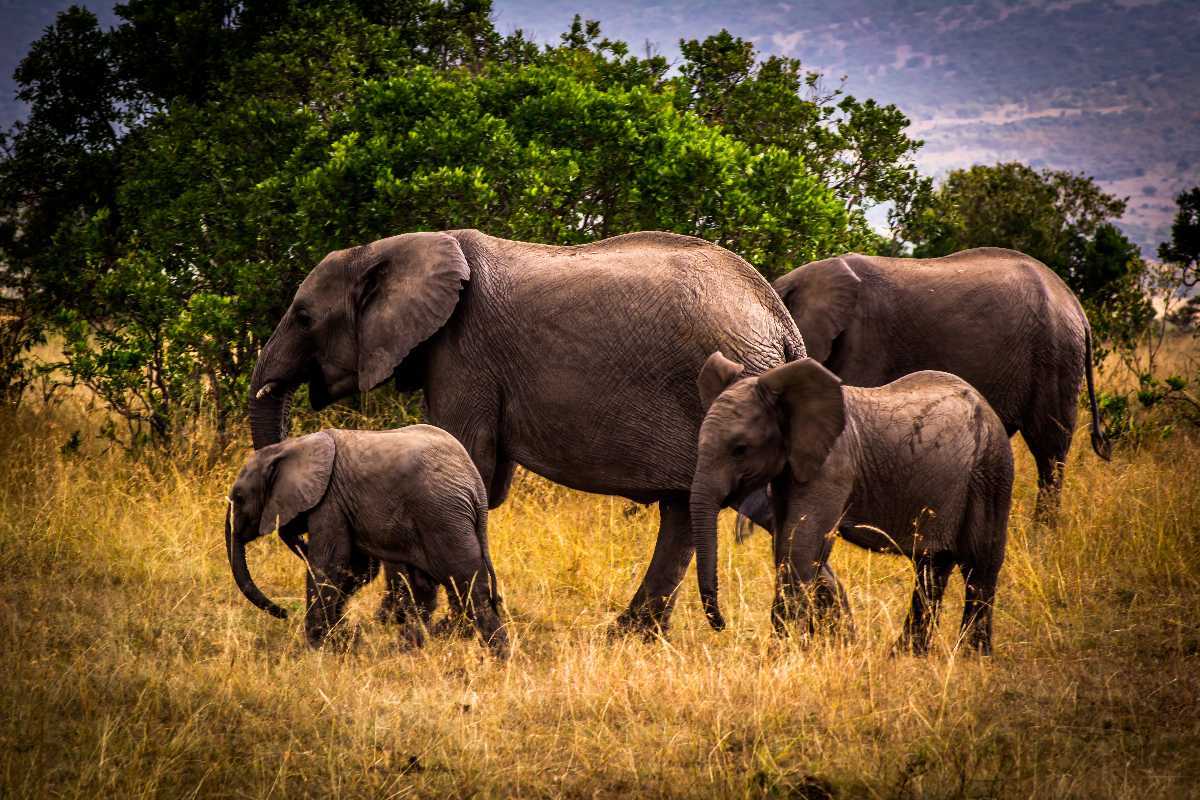
Nameri is famous for its significant Asian elephant population, frequently seen during morning walks and along riverbanks. The park's elephant herds are relatively habituated to human presence, allowing close but safe observation. Other notable mammals include the endangered white-winged wood duck, sambar deer, barking deer, wild boar, and occasionally tiger or leopard.
The park's primate population includes Assamese macaques, capped langurs, and the rare slow loris. Smaller mammals like pangolins, porcupines, and various civet species inhabit the forest floor, though they're rarely seen due to nocturnal habits. The diverse habitat supports over 300 bird species, making it a birdwatcher's paradise.
Birdwatching Paradise
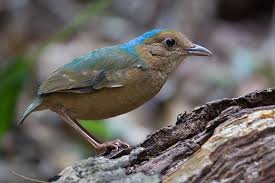
Nameri's most celebrated avian resident is the white-winged wood duck, one of the world's rarest ducks, which breeds in the park's forest pools. This endangered species is extremely difficult to see elsewhere, making Nameri a destination for serious birders. The park also hosts four species of hornbills including the great hornbill and wreathed hornbill.
Other notable species include ibisbills, long-billed plover, great thick-knee, and various babblers, forktails, and flycatchers. River birds like kingfishers, sandpipers, and plovers are abundant along the Jia Bhoroli. Winter brings migratory waterfowl while resident species become more vocal and visible during breeding season.
River Rafting on Jia Bhoroli
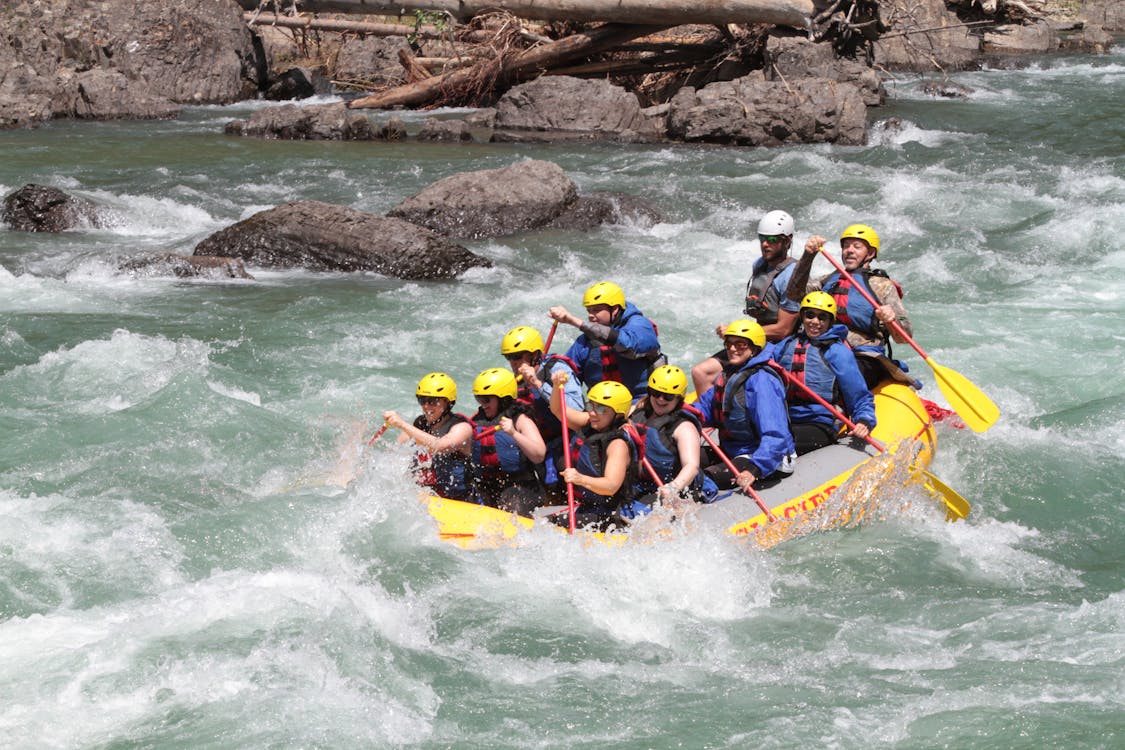
The Jia Bhoroli River flowing through Nameri offers excellent white-water rafting opportunities, ranging from gentle floats to exciting rapids depending on season. River trips combine wildlife viewing along the banks with thrilling navigation through rapids, creating a unique adventure experience.
Fishing enthusiasts can try catch-and-release angling for the prized golden mahseer, though this requires special permits and strict adherence to conservation guidelines. The river also supports various fish species that form the aquatic ecosystem's foundation. Boat trips during sunrise and sunset provide magical light and excellent wildlife photography opportunities.
Where to Stay Near Nameri
Accommodation options near Nameri are limited but well-suited to the park's wilderness character. The Eco Camp is the most popular choice, offering comfortable tents and cottages along the riverbank with excellent naturalist services. Jia Bhoroli Wild Resort provides mid-range comfort with river views and arranges walking safaris and rafting.
For budget travelers, basic forest rest houses offer simple accommodation close to park entrance. Some operators offer camping experiences with proper equipment and safety measures. Regardless of choice, all accommodations can arrange park permits, guides, and safari activities.
How to Reach Nameri National Park
The nearest airport is Tezpur's Salonibari Airport, approximately 35 kilometers away, though flight connections are limited. Guwahati's Lokpriya Gopinath Bordoloi International Airport, about 220 kilometers away, offers better connectivity with major cities. The nearest major railway station is Rangapara North, about 20 kilometers from the park.
Road travel from Guwahati takes approximately 5-6 hours through scenic Assamese countryside. The drive passes through tea gardens and rural villages, offering glimpses of local life. Private taxis are the most convenient option, though shared cabs operate from Tezwar. The journey's scenic beauty makes it enjoyable despite the distance.
Essential Travel Tips
- Book walking safaris in advance - only limited permits issued daily
- Wear comfortable walking shoes with good grip for forest trails
- Carry neutral-colored clothing that blends with forest environment
- Bring rain gear even in dry season - weather can change quickly
- Respect guard instructions and maintain safe distances from wildlife
- Carry sufficient water and snacks during walks - facilities are minimal
- Binoculars and camera with zoom lens enhance the experience
- Apply insect repellent - mosquitoes can be abundant near river
Similar destinations: manas national park, kaziranga national park, and dibru-saikhowa national park.
Angling for Golden Mahseer
The Jia Bhoroli River is famous for its golden mahseer, a prized game fish that attracts anglers from around the world. The river hosts healthy populations of these magnificent fish, which can grow to impressive sizes. Catch-and-release angling is permitted with special licenses, supporting conservation while allowing sport fishing.
Angling requires patience and skill, with early morning and late afternoon being most productive. Local guides know the best spots and techniques, significantly improving success chances. The practice emphasizes sustainable fishing that respects the fish's conservation status and the river's ecological health.
Photography Opportunities
Nameri offers exceptional photography opportunities with diverse subjects beyond wildlife. The forest's varied lighting conditions challenge and reward photographers with unique images. Walking safaris allow eye-level photography of smaller subjects like insects, fungi, and forest floor details that vehicle safaris cannot access.
A macro lens captures fascinating small subjects while a telephoto of 300-400mm is ideal for wildlife. The river provides beautiful sunrise and sunset shots, especially when mist hangs over the water. Night photography might reveal nocturnal species around camps, though this requires special permissions.
Cultural Experiences Nearby
The area surrounding Nameri offers rich cultural experiences that complement wildlife viewing. Local tribal communities have traditional knowledge about forest plants and animals that they're happy to share. Some villages offer homestay experiences where you can learn about traditional Assamese life, cuisine, and crafts.
Visit nearby Tezwar, Assam's cultural capital, with historic sites including the Agnigarh hill and various temples. The town's colonial architecture and vibrant markets provide contrast to the wilderness experience. These cultural additions create a well-rounded understanding of Assam beyond wildlife.
Conservation and Community
Nameri represents successful community-based conservation where local stakeholders benefit from wildlife protection. The park management involves villagers in anti-poaching activities, tourism services, and habitat restoration. This approach creates local allies for conservation, reducing human-wildlife conflict.
Challenges remain, including habitat pressure from surrounding villages and occasional elephant encroachment on farmland. The park's management works on creating sustainable solutions that benefit both wildlife and local communities. Visitors can support these efforts through responsible tourism practices and supporting community initiatives.
Planning Your Nameri Adventure
Most visitors recommend 2-3 days for a satisfying Nameri experience. This allows time for multiple walking safaris in different forest areas, at least one river trip for rafting or birding, and relaxation at your accommodation. The park's peaceful atmosphere rewards slower exploration rather than rushed visits.
Combine Nameri with Kaziranga (approximately 4 hours drive) and Manas for a comprehensive Assam wildlife circuit. Each park offers complementary experiences - Nameri for walking safaris and river activities, Kaziranga for grassland megafauna, and Manas for exclusive wilderness.
Practical Information
Entry permits are required and available at park entrance. The park has basic facilities including a nature interpretation center. Medical facilities are available in Tezwar, about 35 kilometers away. Mobile connectivity is limited to certain areas - download offline maps beforehand.
ATM access is not reliable near the park - carry sufficient cash. Weather in the Himalayan foothills can change quickly - be prepared for sudden rain even during dry season. The park management is strict about rules - follow all guidelines to ensure safety and minimal environmental impact.
Location
Frequently Asked Questions
Q1.What is special about Nameri National Park?
Q2.How many days are enough for Nameri?
Q3.What is the best time to visit Nameri?
Q4.Is walking safari safe in Nameri?
Q5.How to reach Nameri National Park?
Q6.What wildlife can I see in Nameri?
Q7.Can I do river rafting in Nameri?
Q8.Where to stay near Nameri?
Recommended For You
Great Himalayan National Park: Trek Routes, Permits & Wildlife
Explore Great Himalayan National Park (GHNP): UNESCO World Heritage Site in Kullu. Complete guide to trekking routes, wildlife spotting, permits, best time to visit, and accommodation.
Orang National Park: Assam's Mini Kaziranga Safari Guide 2026
Explore Orang National Park, Assam's Mini Kaziranga with rhinos, tigers, and elephants. Complete safari guide with best time, wildlife highlights, and travel tips.
Pin Valley National Park Spiti: Wildlife, Trek Routes & Travel Tips
Pin Valley National Park complete guide covering wildlife, snow leopard habitat, treks, best season, route planning from Kaza, permits, and practical stay tips in Spiti.
Never Miss an Adventure
Get the latest trekking guides, travel tips, and exclusive offers delivered straight to your inbox.
