
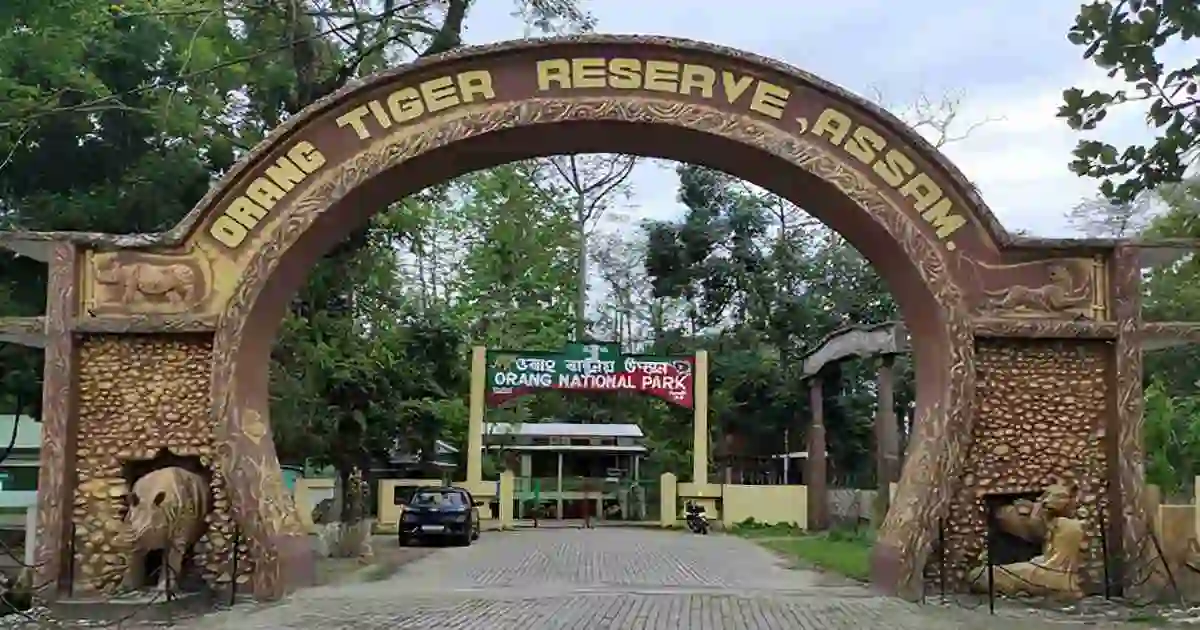
Orang National Park: Assam's Mini Kaziranga Safari Guide 2026
Rohit Verma
February 19, 2026
Explore Orang National Park, Assam's Mini Kaziranga with rhinos, tigers, and elephants. Complete safari guide with best time, wildlife highlights, and travel tips.
Discover Orang National Park's Untouched Wilderness
Orang National Park, often called "Mini Kaziranga" due to similar landscape and wildlife, offers a compact but rewarding wildlife experience in Assam. Located on the north bank of the Brahmaputra River in the Darrang and Sonitpur districts, this 78-square-kilometer protected area packs remarkable biodiversity into a manageable size.
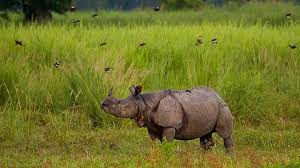
The park's core attraction is its significant population of great one-horned rhinoceros, making it one of the few places outside Kaziranga to see these prehistoric creatures in the wild. Unlike its more famous neighbor, Orang receives far fewer tourists, offering intimate wildlife encounters without the crowds that characterize larger parks.
Why Visit Orang National Park
Orang represents a quieter alternative to Kaziranga, similar wildlife viewing without commercial tourism pressures. The park's compact size means wildlife density is high, increasing sighting chances even during shorter visits. The landscape comprises grasslands, woodlands, and wetlands that create diverse habitats supporting varied species.
The park's location on the Brahmaputra's northern bank creates unique ecological conditions that support different wildlife compositions than southern bank parks. This isolation has allowed distinct populations to evolve, making Orang genetically significant for conservation efforts. The relatively untouched wilderness offers authentic safari experiences far from tourist circuits.
Best Time to Visit Orang
Orang follows similar seasonal patterns to other Assam parks, open from November to May. Winter months from November to February provide comfortable conditions for safaris with pleasant temperatures and clear skies. The grass dries out during winter, improving visibility across open areas.
Spring months from March to April see increased wildlife activity as temperatures rise and animals gather near remaining water sources. May brings warmer weather but still offers good safari conditions before monsoon closures. The park closes from June to October during monsoon when floods make access impossible.
| Season | Best For | What to Expect |
|---|---|---|
| November-February | Comfortable safaris | Cool weather, good visibility |
| March-April | Wildlife activity | Animals near water |
| May | Good sightings | Warmer but rewarding |
Wildlife Highlights of Orang
The great one-horned rhinoceros is undoubtedly Orang's star attraction, with a healthy population that has grown steadily since translocation programs began. These massive creatures are frequently seen grazing in grasslands or wallowing in mud holes throughout the park. The park's rhino conservation success story contributes significantly to the species' overall recovery in Assam.
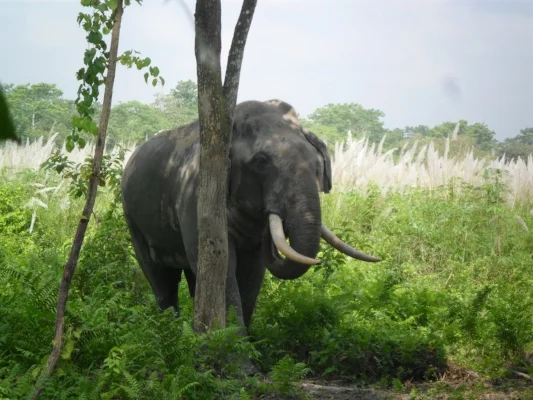
Beyond rhinos, Orang supports significant populations of royal Bengal tigers, though sightings remain challenging due to tall grass cover. Asian elephants are commonly seen, particularly during winter months when they migrate into the park. Other notable species include wild water buffalo, sambar deer, hog deer, and various primates including the endangered Bengal slow loris.
Birdwatching in Orang
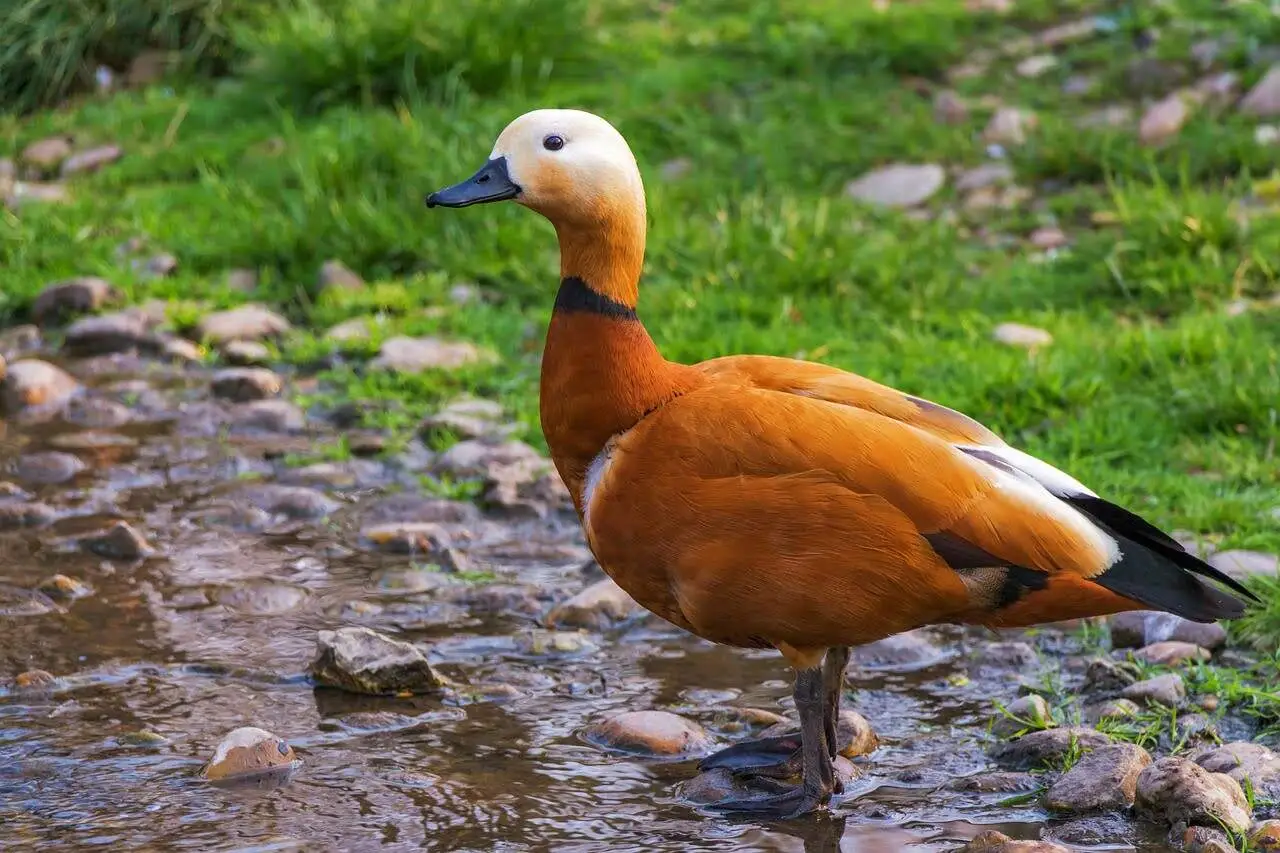
Despite its smaller size, Orang hosts an impressive diversity of bird species with over 220 recorded residents and migrants. The park's wetlands attract numerous waterfowl during winter, including various ducks, geese, and waders. Grassland birds like the Bengal florican, though rare, can be spotted in open areas.
Forest birds including woodpeckers, barbets, and various flycatchers inhabit the wooded patches. Raptors including eagles, hawks, and falcons patrol the skies. The park's location on migration routes ensures seasonal surprises, making every birdwatching visit potentially rewarding.
Safari Experience in Orang
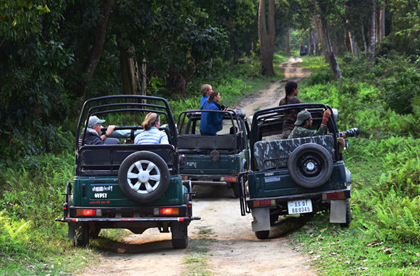
Orang offers jeep safaris that explore the park's diverse habitats within relatively compact boundaries. Safari routes cover grasslands, woodlands, and wetland areas, each supporting different wildlife assemblages. The park's manageable size means single safaris often encounter multiple species in varied habitats.
Morning safaris typically start at sunrise when animals are most active and temperatures are cool. Evening safaris offer different lighting and wildlife behavior patterns as animals prepare for night. Trained naturalists accompany each safari, sharing insights about wildlife ecology and conservation efforts.
Where to Stay Near Orang
Accommodation options near Orang are limited but improving as tourism grows. The most convenient option is staying in Tezpur, approximately 40 kilometers away, which offers various hotels and guest houses. Some forest department rest houses provide basic accommodation within the park area, requiring advance booking.
For a more immersive experience, consider homestays in nearby villages that offer authentic Assamese hospitality. Some tour operators organize camping with proper equipment and safety measures. Regardless of choice, most accommodations can arrange park permits and safari bookings.
How to Reach Orang National Park
The nearest airport is Tezpur's Salonibari Airport, approximately 40 kilometers away, though flight connections are limited. Guwahati's Lokpriya Gopinath Bordoloi International Airport, about 150 kilometers away, provides better connectivity with major Indian cities. The nearest major railway station is Rangapara North, approximately 30 kilometers from the park.
Road travel from Guwahati takes approximately 3-4 hours through scenic Assamese countryside. The drive passes through rural villages and agricultural landscapes, offering glimpses of local life. Private taxis are the most convenient option, though shared cabs may be available from Tezpur during tourist season.
Orang vs Kaziranga: Making the Choice
Many travelers debate between visiting Orang or Kaziranga for rhino sightings. Kaziranga offers better infrastructure, more accommodation options, and higher wildlife density, but also crowds and commercialization. Orang provides similar wildlife viewing in a quieter, more intimate setting with fewer tourists and authentic wilderness feel.
For first-time rhino seekers with limited time, Kaziranga's higher sighting probability might be preferable. For returning visitors seeking new experiences or those avoiding crowds, Orang offers excellent alternatives. Serious wildlife enthusiasts might visit both for comprehensive understanding of rhino conservation in Assam.
Essential Travel Tips
- Book safaris in advance - limited vehicles operate in Orang
- Carry binoculars for better wildlife viewing and birdwatching
- Wear neutral-colored clothing that doesn't startle wildlife
- Bring warm layers for cold morning safaris even in summer
- Apply insect repellent - mosquitoes can be abundant near wetlands
- Carry sufficient water and snacks during safaris
- Respect wildlife distances and follow naturalist instructions
- Combine with nearby attractions for a complete trip
Nearby parks: kaziranga national park, nameri national park, and manas national park.
Conservation Success Story
Orang's transformation from a game reserve to a national park reflects growing recognition of its conservation importance. The park has successfully received rhinos from Kaziranga and Pobitora as part of Assam's rhino population distribution strategy. These translocations have established a thriving breeding population that continues to grow.
Challenges remain, including habitat pressure from surrounding villages and occasional human-wildlife conflict. The park management works with local communities to create sustainable solutions that benefit both wildlife and people. Visitors support conservation efforts through park fees that fund protection programs.
Photography Opportunities
Orang offers excellent wildlife photography opportunities with proper equipment. A telephoto lens of 200-400mm is ideal for rhinos and other wildlife, while a wide-angle captures the grassland landscapes. Morning light creates magical conditions, especially when mist hangs over wetlands and grasslands.
The park's varied habitats provide diverse photography subjects beyond wildlife. Wetland reflections, forest patterns, and grassland textures create compelling compositions. Patient photographers waiting at water holes often rewarded with varied species coming to drink, especially during dry months.
Cultural Experiences Nearby
The area surrounding Orang offers rich cultural experiences that complement wildlife viewing. Nearby villages provide glimpses into traditional Assamese rural life, with agricultural activities, traditional crafts, and local festivals. Some communities offer homestay experiences for deeper cultural immersion.
Tezpur, the nearest major town, has historic significance with various archaeological sites and temples. The town's colonial architecture and vibrant markets provide contrast to wilderness experiences. These cultural additions create well-rounded understanding of Assam beyond wildlife.
Planning Your Orang Safari
Most visitors find 1-2 days sufficient for satisfying Orang exploration. The park's compact size means multiple safaris can cover most areas in shorter timeframes. Morning safaris generally provide better wildlife activity, while evening drives offer beautiful light and different species behavior.
Consider combining Orang with other Assam destinations for comprehensive experience. Orang works well with Nameri (approximately 2 hours away) for diverse wildlife viewing, or with Kaziranga (approximately 3 hours) to compare different park ecosystems. Tezpur's cultural sites and tea gardens provide non-wildlife activities for balanced itineraries.
Practical Information
Entry permits are required and available at park entrance. The park has basic facilities including a small interpretation center. Medical facilities are available in Tezpur, approximately 40 kilometers away. Mobile connectivity is limited near the park - inform family about potential communication gaps.
ATM access is not reliable near the park - carry sufficient cash. Weather in Assam can change quickly - be prepared for sudden rain even during dry season. The park management is strict about rules - follow all guidelines to ensure safety and minimal environmental impact.
Responsible Tourism Practices
Orang's developing tourism infrastructure needs careful management to avoid problems affecting larger parks. Visitors can support sustainable tourism by choosing responsible operators, respecting park boundaries, and supporting local community initiatives. Avoid single-use plastics and dispose of waste properly.
Purchasing local handicrafts and using community homestays directs tourism revenue to local communities. Report any unethical wildlife behavior to park authorities. Your responsible choices help ensure Orang remains pristine for future generations while benefiting local people.
Location
Frequently Asked Questions
Q1.Why is Orang called Mini Kaziranga?
Q2.How many days are enough for Orang National Park?
Q3.What is the best time to visit Orang?
Q4.How to reach Orang National Park?
Q5.What wildlife can I see in Orang?
Q6.Is Orang better than Kaziranga?
Q7.Where to stay near Orang?
Q8.Can I combine Orang with other parks?
Recommended For You
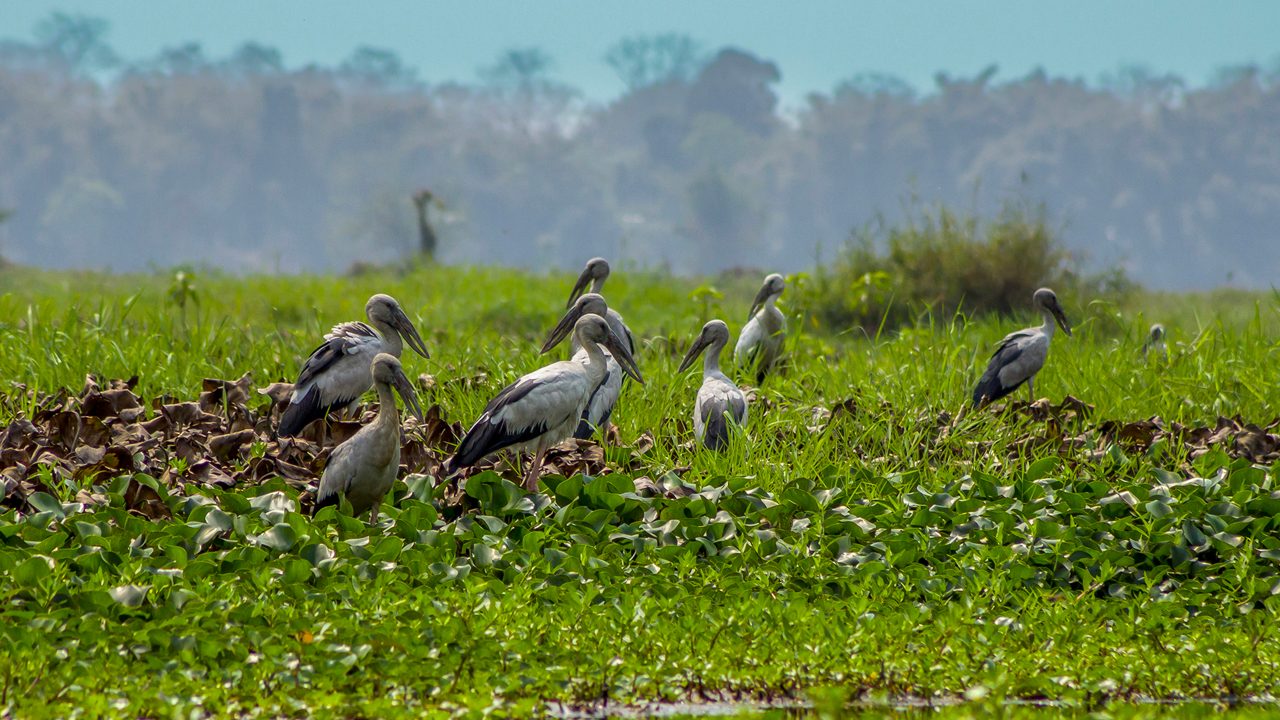
Dibru-Saikhowa National Park: Feral Horses & Wetlands Guide 2026
Explore Dibru-Saikhowa National Park Assam, home to feral horses, Bengal florican, and diverse wetlands. Complete guide with best time, wildlife, and travel tips.
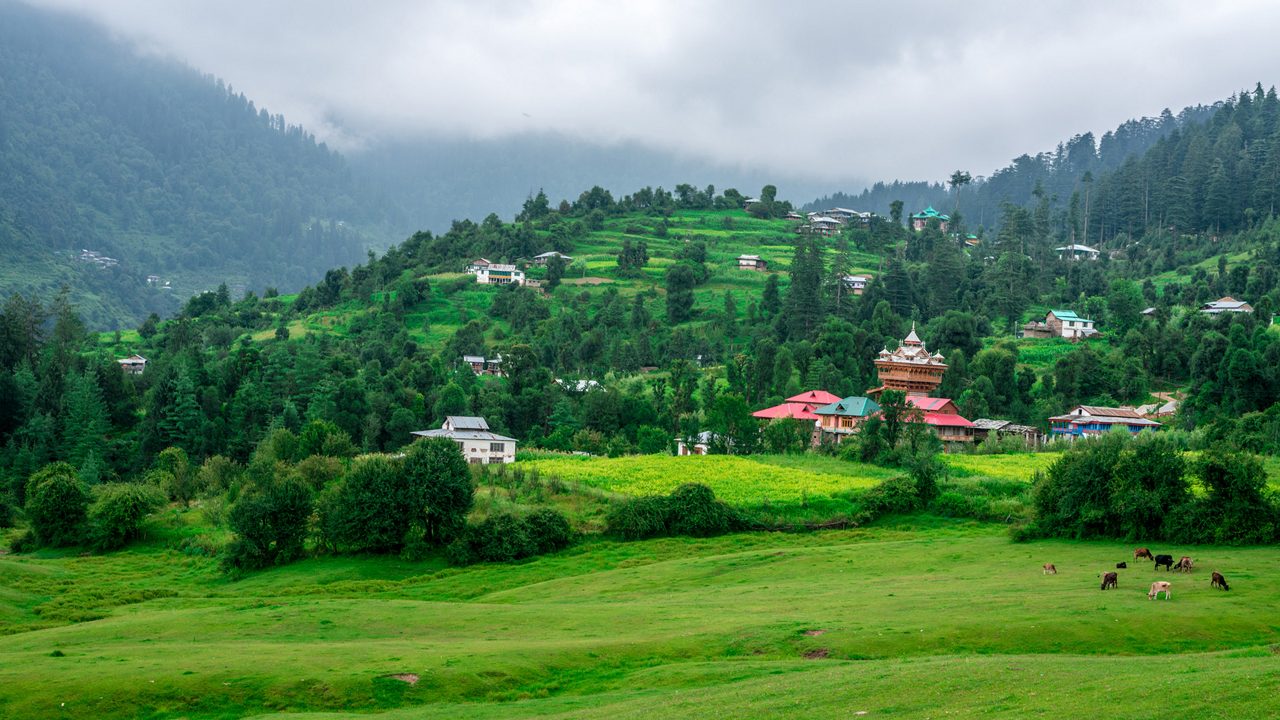
Great Himalayan National Park: Trek Routes, Permits & Wildlife
Explore Great Himalayan National Park (GHNP): UNESCO World Heritage Site in Kullu. Complete guide to trekking routes, wildlife spotting, permits, best time to visit, and accommodation.
Pin Valley National Park Spiti: Wildlife, Trek Routes & Travel Tips
Pin Valley National Park complete guide covering wildlife, snow leopard habitat, treks, best season, route planning from Kaza, permits, and practical stay tips in Spiti.
Never Miss an Adventure
Get the latest trekking guides, travel tips, and exclusive offers delivered straight to your inbox.
